
 Baku 22° C
WB: Middle Corridor to require over $55B in investment by 2040
- 28 September, 2026
- 21:03
Stay up to date with the top news!
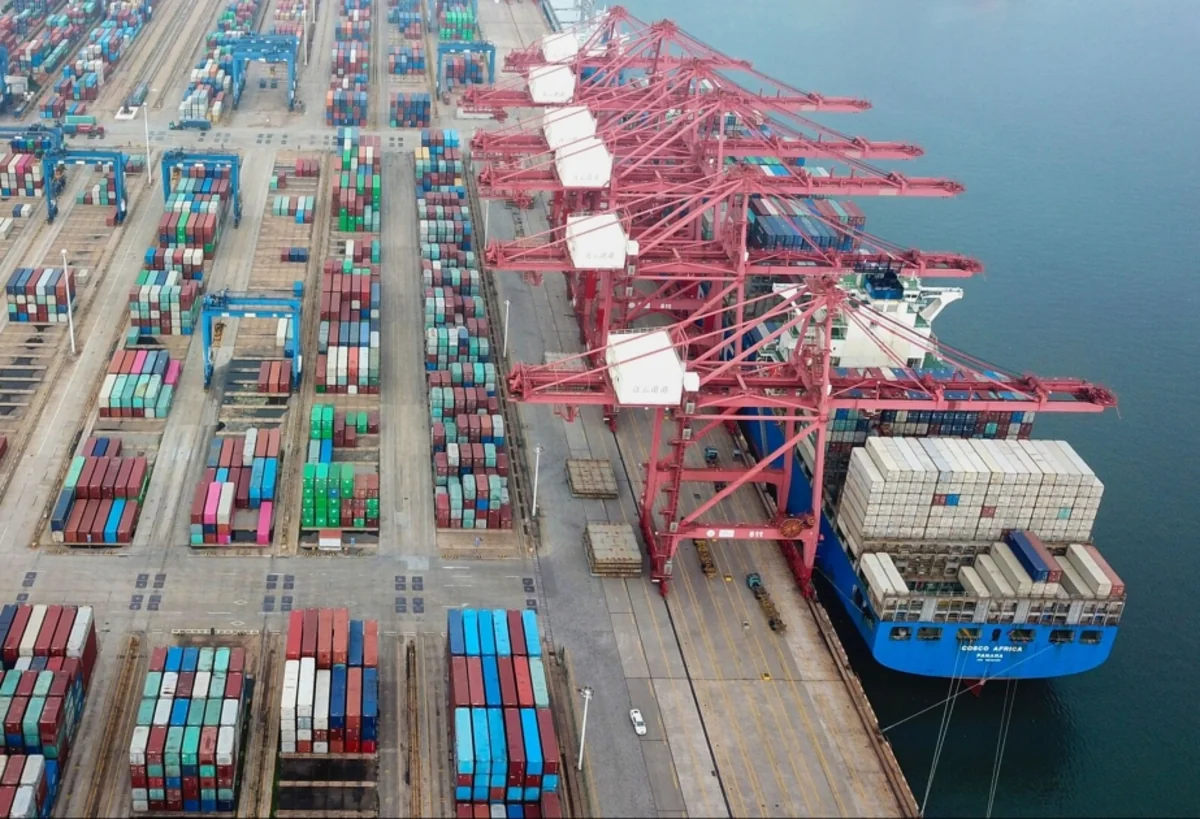
The Trans-Caspian International Transport Route (TITR, or Middle Corridor) will require over $25 billion in physical infrastructure investments by 2040, primarily targeting railway networks, seaports, and access roads, Report informs, citing the World Bank update titled "Integration: World-Class Trade Logistics along the Trans-Caspian Transport Corridor."
While many critical investment projects are already underway or in advanced preparation stages across the corridor countries, the World Bank notes that sustaining competitiveness, increasing cargo volumes, and amplifying the economic impact will also demand enhanced efficiency, improved service quality, and institutional reforms. Furthermore, approximately $30 billion must be directed toward enabling investments. These include connecting roads and railways to integrate the corridor into local economies, logistics hubs and inland terminals to accelerate cargo flows, and essential logistics equipment such as rolling stock, cargo-handling machinery, and digital systems.
The ultimate success of the route will depend on effective collaboration among participating nations and operators to minimize border delays, simplify documentation, coordinate transport hubs, and ensure reliable service. To this end, the report identifies four key priority areas for improving corridor management and operations. The first is the deployment of a unified digital platform to replace fragmented paper documentation with a single window for transport, transit, and trade data. The second involves establishing or empowering an integrated, market-oriented joint venture to operate rail container and Caspian maritime transport, ensuring end-to-end service connectivity.
The third priority focuses on strengthening corridor-wide coordination to monitor performance indicators, eliminate bottlenecks, and support joint solutions. Finally, the bank recommends modernizing corridor operators through improved corporate governance, financial sustainability, and regulatory reforms that allow state-owned railway, port, and shipping companies to function on more commercial principles.
Realizing the full potential of the corridor depends on practical improvements that make cross-border cargo movement faster, more predictable, and easier to manage, according to Charles Cormier, the World Bank's Infrastructure Regional Director for Europe and Central Asia. He emphasized that deeply integrated railways, ports, logistics centers, and digital systems, combined with closer coordination between countries and operators, can transform the TITR into a highly competitive route for business and a robust platform for regional development.
Author