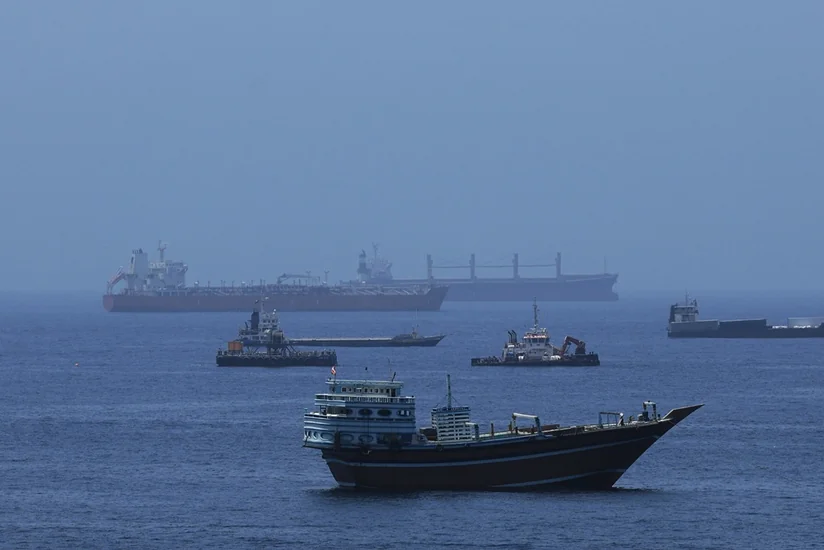
The Strait of Hormuz (Persian: تنگه هرمز — Tangeh-ye Hormoz, Arabic: مضيق هرمز — Madiq Hurmuz) is a narrow but strategically vital shipping strait in the Middle East, connecting the Persian Gulf in the southwest to the Gulf of Oman and the Arabian Sea in the southeast.
The strait is the only sea route through which hydrocarbons from the planet's richest oil region reach the open ocean and head to markets in Asia, Europe, and North America. In the global economy, the Strait of Hormuz holds the ultimate status of the primary chokepoint for global energy security.
The Strait of Hormuz separates two states:
To the north: The Islamic Republic of Iran.
To the south: The Sultanate of Oman (the Musandam exclave) and the United Arab Emirates (UAE).
The physical width of the strait at its narrowest point is about 39 kilometers (21 nautical miles). However, not all of this water area is suitable for the passage of giant supertankers.
In accordance with the international Traffic Separation Scheme, the navigable fairway consists of two lanes, each only 3 kilometers wide (one for inbound vessels, the other for outbound), separated by a 3-kilometer buffer zone to prevent collisions. The depth of the fairway reaches 70–90 meters, allowing vessels of any displacement to pass safely.
The Strait of Hormuz has historically acted as a barometer for the global economy. A colossal volume of energy resources passes through this narrow water artery daily:
Oil: About 20–21 million barrels of oil per day. This accounts for approximately 20% of global oil consumption and about one-third of all seaborne traded oil. The main suppliers are Saudi Arabia, Iraq, the UAE, Kuwait, and Iran.
Liquefied Natural Gas (LNG): Over 20% of global LNG supplies are transported through the strait, the lion's share of which is exported by Qatar.
Although Saudi Arabia and the UAE have built alternative overland pipelines (such as the East-West pipeline to the Red Sea), their throughput capacity is strictly limited. Completely replacing the Strait of Hormuz route is physically impossible today.
International law (the UN Convention on the Law of the Sea) guarantees ships of all states the right of transit passage through the Strait of Hormuz. However, Iran, which controls the northern coast and a series of strategic islands (Abu Musa, Greater and Lesser Tunbs), traditionally views the strait as its primary lever of pressure against the West.
Amid the unprecedented military crisis in the spring of 2026—the direct armed conflict between the US-Israeli coalition and Iran, coupled with the change of power in Tehran—the security of shipping in the strait has come under critical threat.
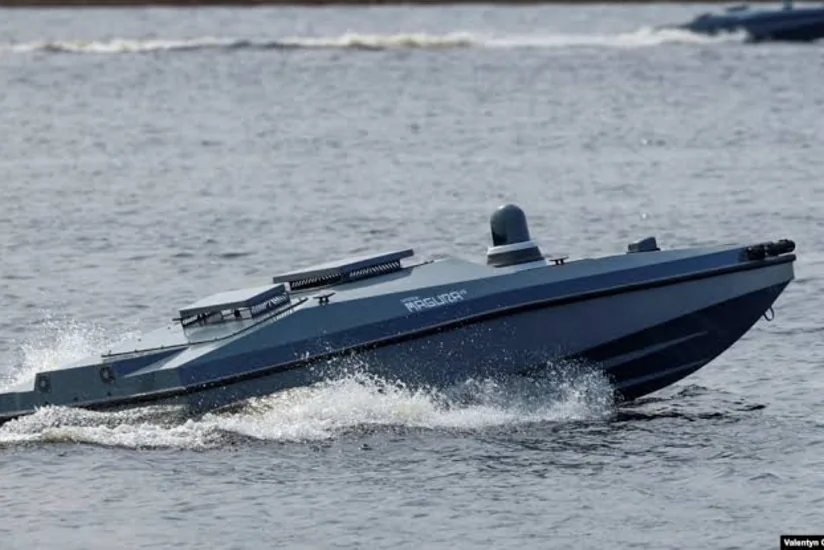
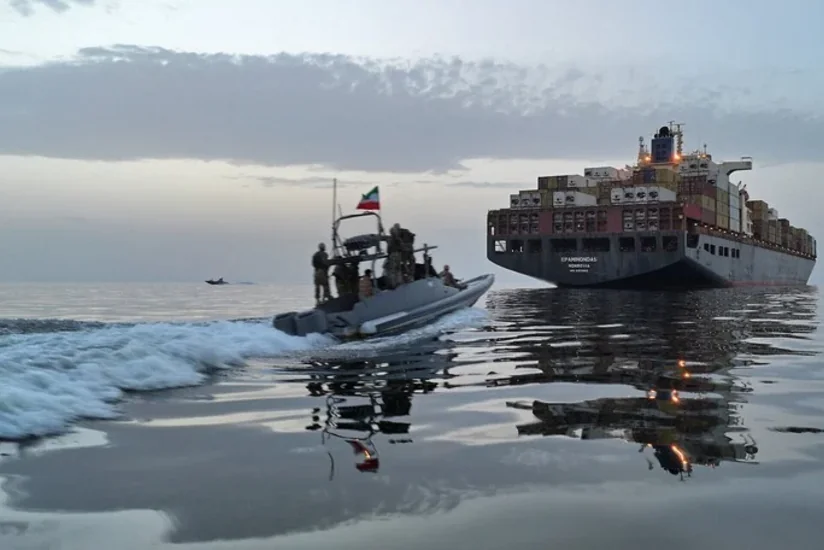
IRGC Actions: The naval forces of the Islamic Revolutionary Guard Corps (IRGC), possessing a "mosquito fleet" (hundreds of fast armed boats), anti-ship missiles, and naval mines, have repeatedly demonstrated the ability to paralyze tanker traffic.
Impact on Prices: Any instability, the seizure of tankers, or even a verbal threat of completely closing the Strait of Hormuz by the new Iranian leadership instantly reflects on global exchanges, leading to a sharp spike in Brent crude oil quotes.
Significance for Azerbaijan: For Baku, the situation is twofold. On the one hand, a sharp rise in global oil prices amid the Hormuz crisis increases the revenues of the State Oil Fund (SOFAZ). On the other hand, global inflation and the risk of a worldwide recession due to the energy shock could negatively impact Azerbaijan's long-term economic ties with its European partners.
Today, the Strait of Hormuz remains not just a geographical feature, but the most vulnerable point in the global economy, where any spark can ignite a global fire.

 Baku 25° C