 Baku 16° C
European Commission unable to set timeline for decision on Ukraine's €220M aid request
- 13 August, 2026
- 17:24
Stay up to date with the top news!
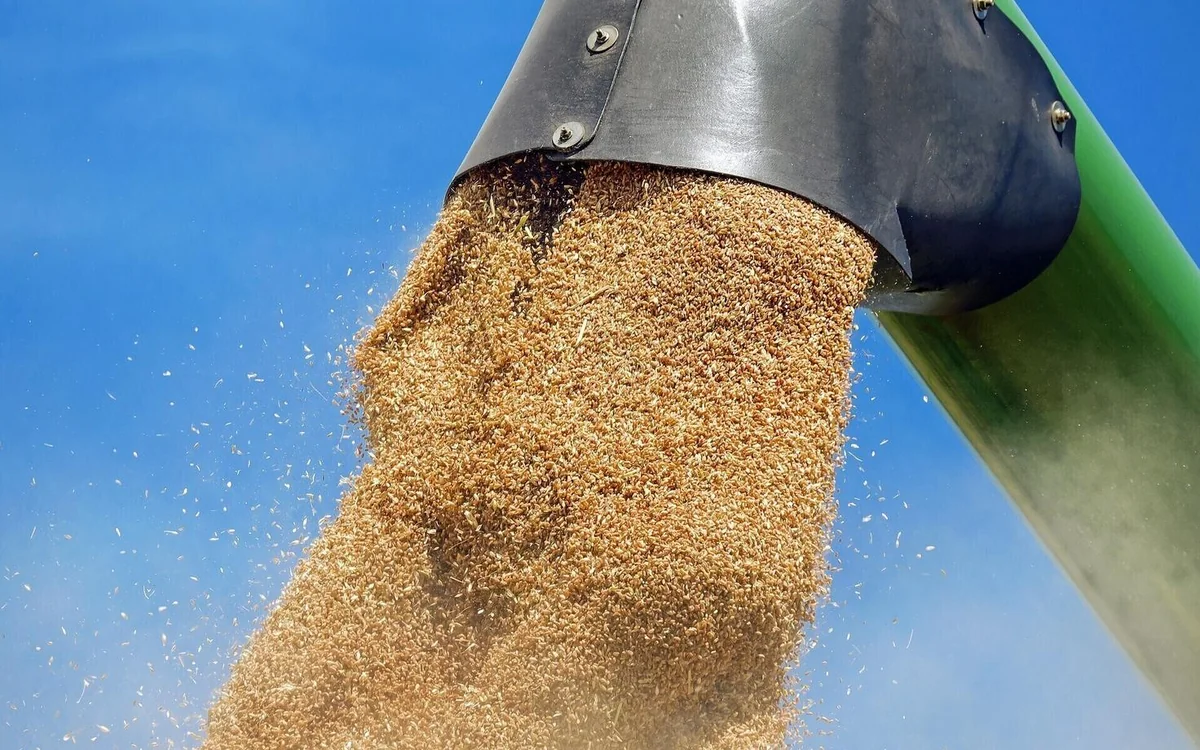
The European Commission is not yet ready to set a timeline for deciding on Ukraine's request for €220 million in emergency assistance to farmers, as well as broader support for the export or storage of Ukrainian grain.
According to Report's European bureau, European Commission spokesperson Louise Bogey said the EU would first assess the harvest, available storage capacity in Ukraine and export possibilities through the Black Sea.
"We need to conduct additional analysis," Bogey said at a briefing in Brussels, responding to a question about potentially increasing quotas for Ukrainian grain supplies to the EU and expanding land routes for exporting agricultural products through EU territory.
The European Commission confirmed receiving Ukraine's €220 million request, which Kyiv plans to use to support farmers affected by disruptions to exports, including subsidizing bank loans so producers can store grain rather than sell it at unfavorable prices.
Ukraine's grain exports are facing several challenges. According to Politico, ships stopped entering ports in the Odesa region at the end of July following a Russian missile strike on a vessel carrying corn that resulted in fatalities.
Ukraine's Agriculture Ministry said the country exported around 463,000 tons of grain since the beginning of August, significantly below normal volumes. This has raised concerns that storage facilities could become overcrowded, while alternatives to maritime routes by land and river remain limited due to cost and technical constraints.
The European Commission stressed that the EU remains interested in preserving Ukraine's agricultural export capacity, given the sector's importance both to the Ukrainian economy and global food security.
"Ukraine needs to preserve the export capacity of its agri-food sector to global markets," Bogey said.
However, Brussels has so far made no commitments to either increase quotas or expand the "solidarity lanes" established by the EU after the start of the full-scale war to facilitate the export of Ukrainian products through EU member states.
Thus, Kyiv faces the need to find ways to export its harvest and persuade neighboring EU countries to increase transit capacity without creating tensions with European farmers. An increase in quotas for Ukrainian grain imports into the EU is unlikely, given the sensitivity of the issue, particularly for Poland, Hungary and Slovakia.
Author