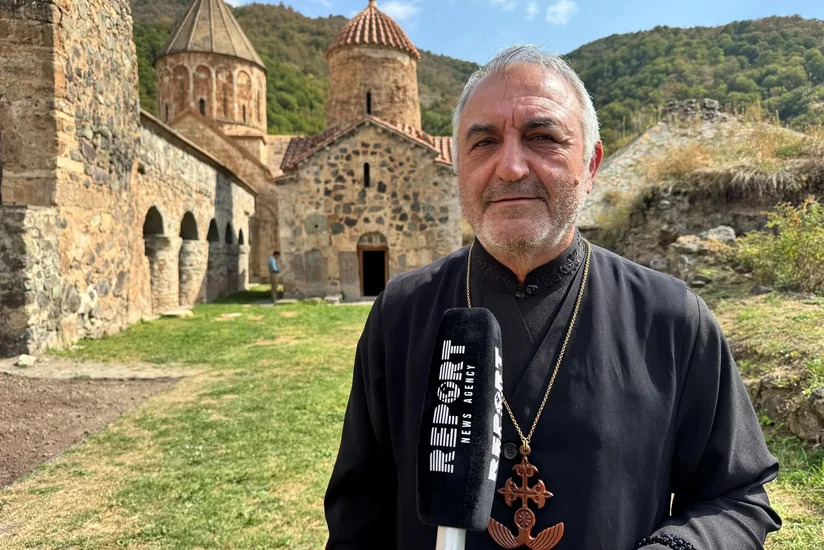
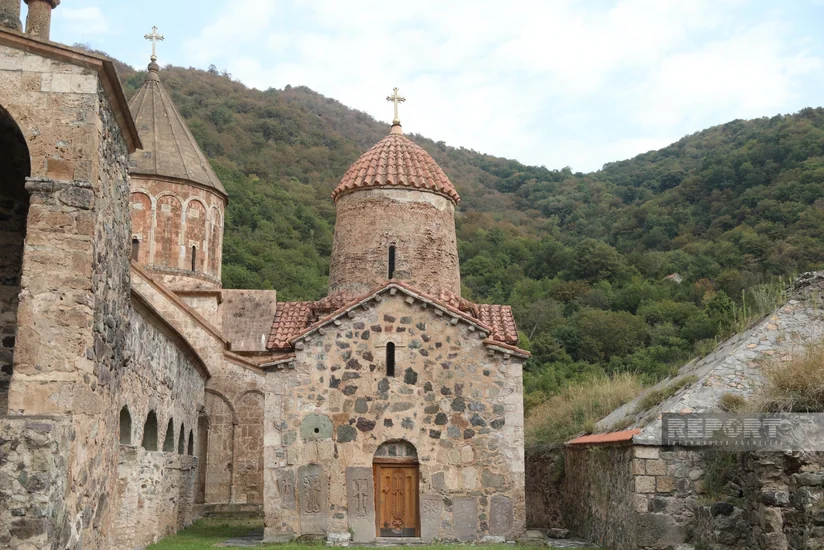
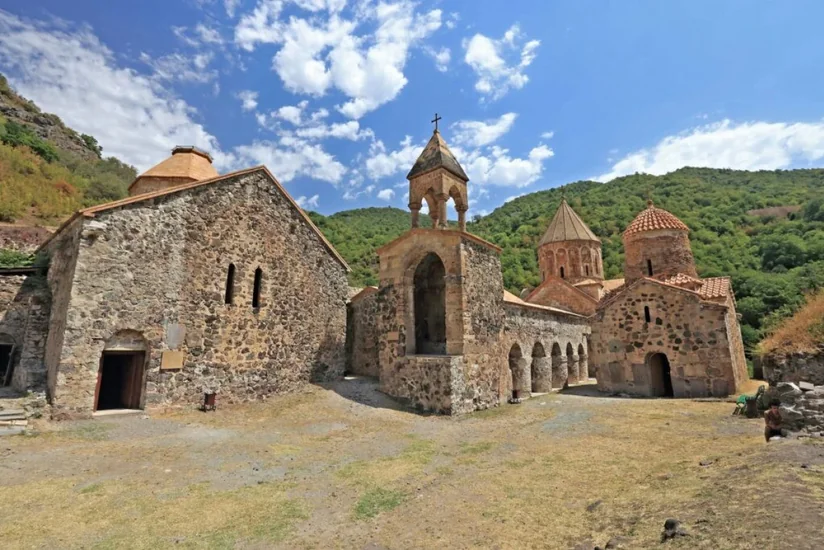
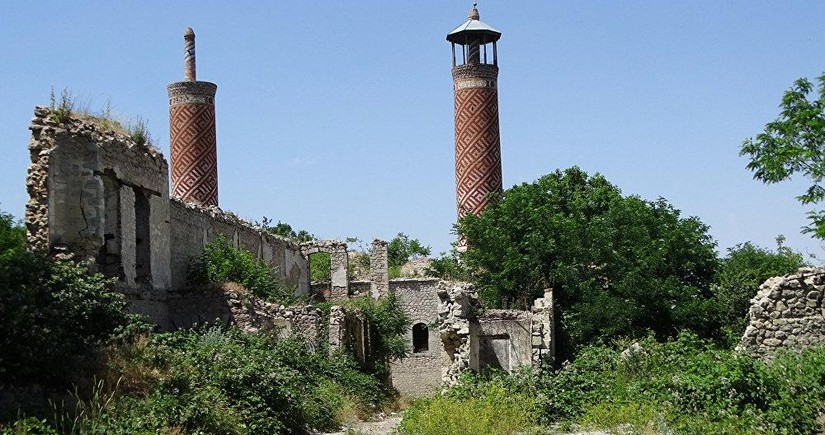
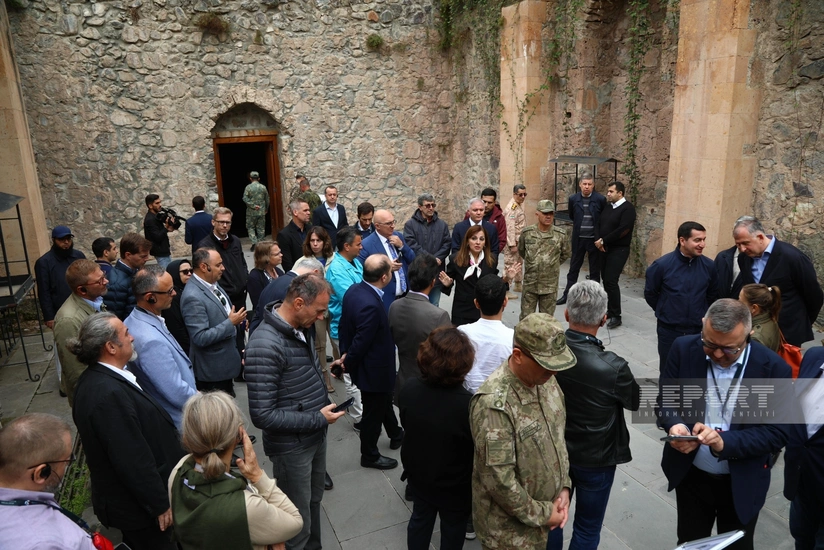
Khudavang Monastery is one of the largest and most significant medieval Christian temple complexes in the South Caucasus. It is located in the Kalbajar district of the Republic of Azerbaijan, on a picturesque wooded slope of a gorge on the left bank of the Tartar River.
This architectural monument is of immense historical significance and is the subject of close attention from historians, architects, and culturologists.
Historical Roots and Stages of Construction
The formation of the monastery complex took place over several centuries, predominantly from the 9th to the 13th century.
According to ancient legends, the first sanctuary on this site was founded in the 1st century AD at the burial place of Saint Dadi, a disciple of Thaddeus the Apostle who preached Christianity in the Caucasus. This is the origin of one of the complex's names.
The period of highest prosperity for Khudaveng Monastery occurred in the first half of the 13th century—an era of economic and cultural rise for the local Principality of Khachen. In Azerbaijani historical science, Khudaveng is considered one of the most important spiritual and architectural legacies of Caucasian Albania, an ancient state that existed on the territory of modern Azerbaijan, whose population practiced Christianity for a long time.
Architecture of the Khudavang Complex
Khudaveng Monastery is not just a single church, but a vast fortified ensemble consisting of more than a dozen different structures. The architecture of the complex harmoniously blends into the complex mountainous terrain.
Main structures of the complex:1. Arzu Khatun Cathedral (Main Temple). The central and most majestic building of the complex, erected in 1214 on the initiative of Princess Arzu Khatun. The temple is distinguished by its cylindrical drum and cone-shaped dome. Inside, unique medieval frescoes are partially preserved (including depictions of the princess herself and saints), which is a rarity for Christian monuments in this region.2. Hasan Jalal Church. A small domed church adjoining the main complex of buildings. It is characterized by strict proportions and skillful stonework.3. Bell Tower. A two-story structure built in the mid-13th century (presumably in 1224). The first floor rests on massive columns, while the second is designed as a rotunda with bells.4. Secular and Utility Buildings. Remains of a refectory, a library, monastic cells, guest chambers, and a winery have been preserved on the monastery grounds, indicating that Khudaveng was not only a spiritual but also a major economic center of its time.
The facades of the buildings and the monastery grounds are richly decorated with complex stone carvings and bas-reliefs.
Modern History and Transition Under Azerbaijan's Control
The recent history of the monastery is closely linked to geopolitical changes in the region.
In the spring months of 1993, during the First Karabakh War, the Kalbajar district came under the control of the Armenian armed forces. For almost three decades, the complex remained outside Baku's jurisdiction.
The situation changed radically in the fall of 2020. Following the Second Karabakh War and the signing of the trilateral statement on November 9, 2020, by the leaders of Azerbaijan, Russia, and Armenia, the Kalbajar district was peacefully returned to the Republic of Azerbaijan. On November 25, 2020, the region, along with the Khudaveng Monastery, officially returned to Azerbaijani control.
Current StatusInitially, following the handover of the district, security around the monastery was provided by a contingent of Russian peacekeepers (withdrawn from the region in early 2024).
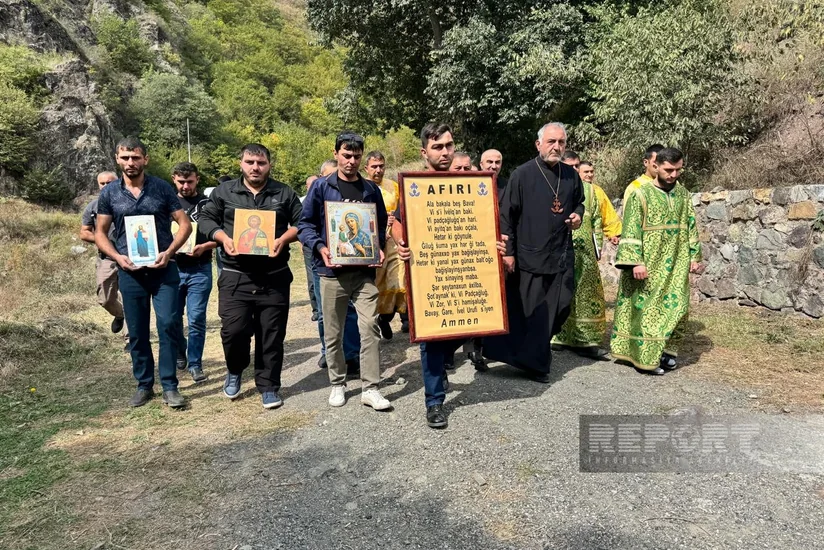
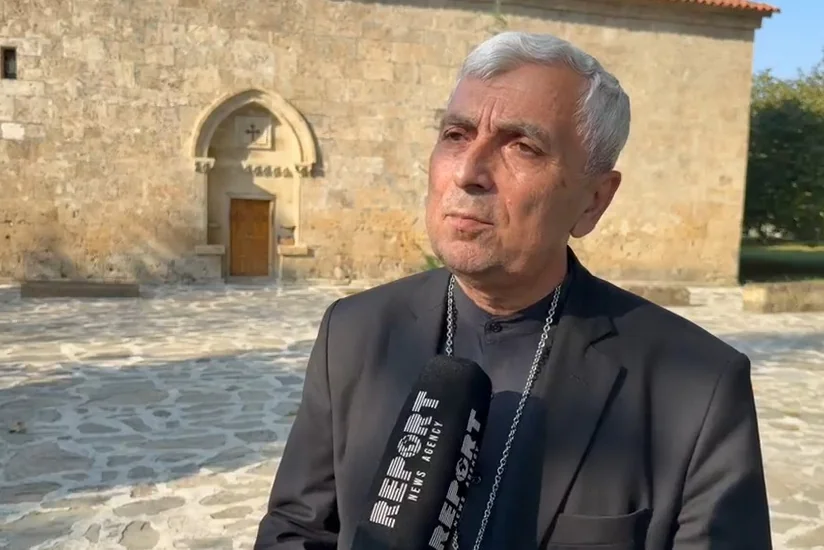
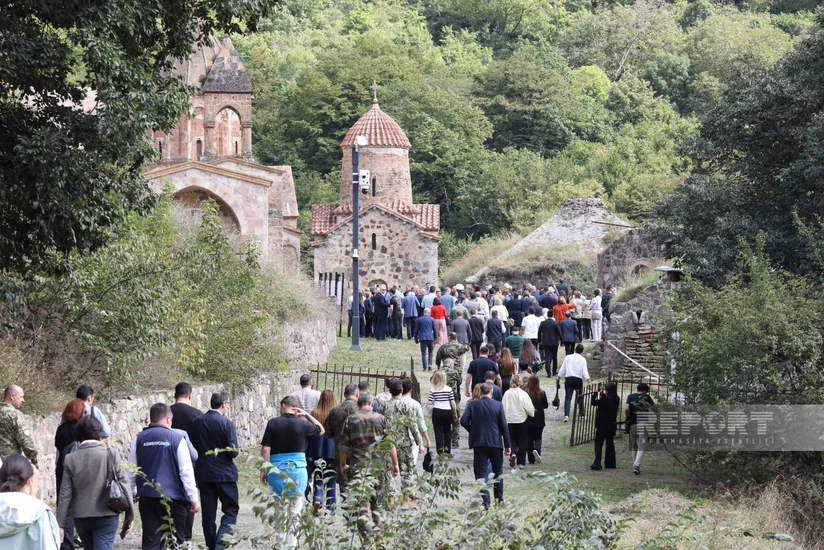
Since the end of 2020, Khudavang Monastery has been regularly visited by representatives of the Albanian-Udi Christian Community of Azerbaijan (Udis are considered direct descendants of Caucasian Albanians). The community conducts religious services and rituals in the temple, which is part of Azerbaijan's state policy to restore and preserve the Albanian Christian heritage within the country.
Currently, Khudavang Monastery holds the status of a state-protected historical and cultural monument of the Republic of Azerbaijan.

 Baku 23° C