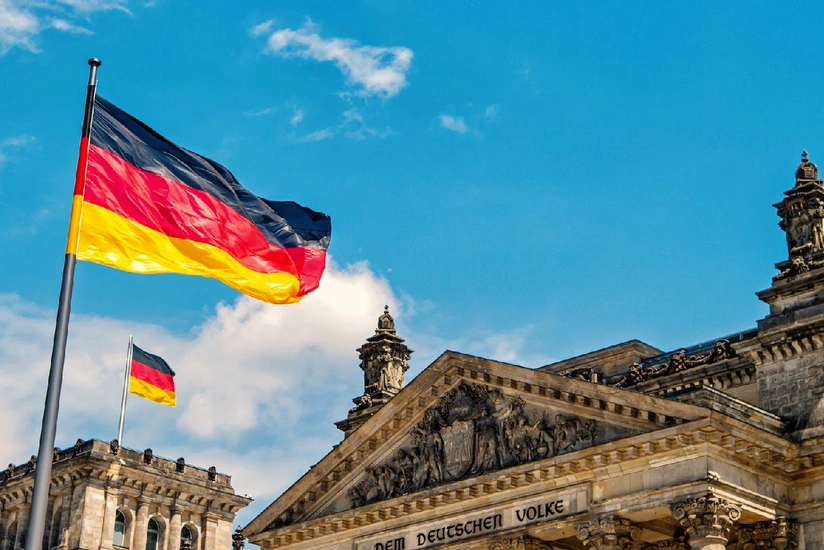
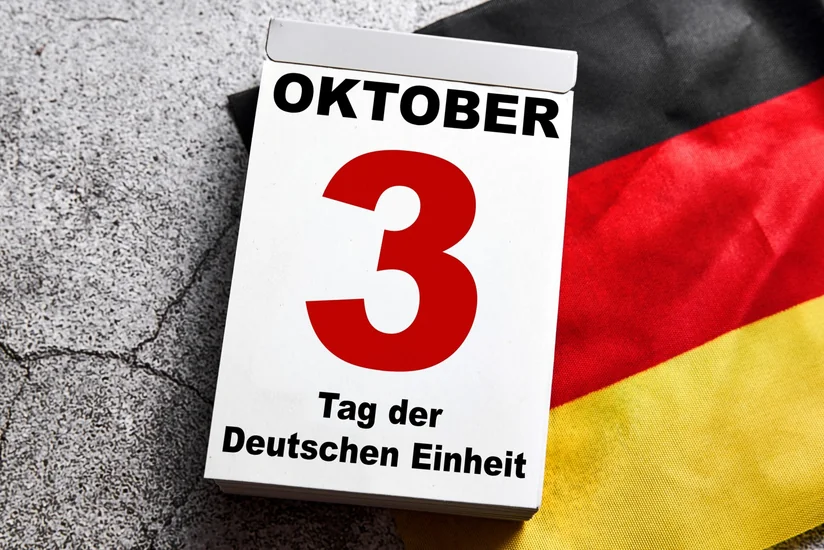
Germany (officially the Federal Republic of Germany) is a leading Western European nation, renowned as Europe's largest economic powerhouse, a central pillar of the European Union, and a global leader in industrial innovation, engineering, and democratic governance. Spanning 357,022 square kilometers with a population exceeding 84 million people, Germany is bordered by the Baltic and North Seas to the north, Denmark, Poland, and the Czech Republic to the east, Austria and Switzerland to the south, and France, Luxembourg, Belgium, and the Netherlands to the west.
Federal Republic: Germany operates as a parliamentary federal republic governed by the Basic Law (Grundgesetz) of 1949, comprising 16 constituent states (Bundesländer) that share sovereignty with the federal government.
Global Influence: Germany is a founding member of the European Union and the eurozone, a permanent member of key international organizations, and a vital diplomatic leader advocating for multilateralism, economic stability, and international cooperation.
Topographical Variety: The country's landscape is exceptionally diverse, stretching from the sandy North Sea and Baltic coastlines across the vast North German Plain, through central forested highlands (such as the Black Forest and Harz mountains), to the soaring Bavarian Alps along the southern border.
Major Rivers: A dense network of navigable rivers—principally the Rhine, Danube, Elbe, and Main—has historically served as vital commercial and cultural arteries connecting Central Europe.
Advanced Market Economy: Germany boasts the largest economy in Europe and one of the most technologically advanced in the world, driven by high-value manufacturing, engineering, and a robust export-oriented model.
Key Sectors: Renowned globally for automotive engineering (brands like Volkswagen, BMW, and Mercedes-Benz), advanced machinery, chemicals, pharmaceuticals, and renewable energy technologies (Energiewende), Germany forms the backbone of European industrial supply chains.
Cultural Giants: Germany has profoundly shaped Western civilization through its contributions to classical music (Bach, Beethoven, Brahms), philosophy (Kant, Nietzsche, Marx), literature (Goethe, Schiller), and scientific breakthroughs (Einstein, Planck, Benz).
Berlin and Urban Centers: Berlin serves as the vibrant, cosmopolitan capital and a global hub for culture, startups, and politics, while other major metropolises like Frankfurt (finance), Munich (technology and culture), and Hamburg (trade) drive the nation's dynamic urban life.

 Baku 23° C