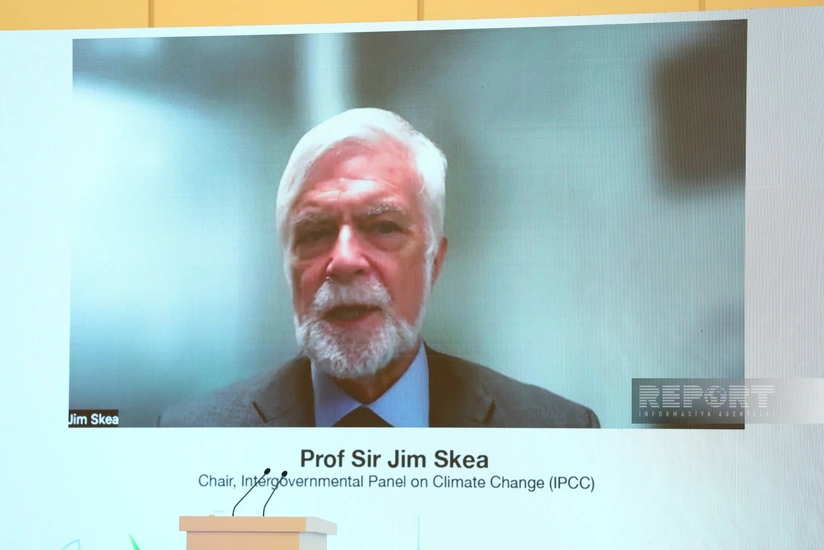
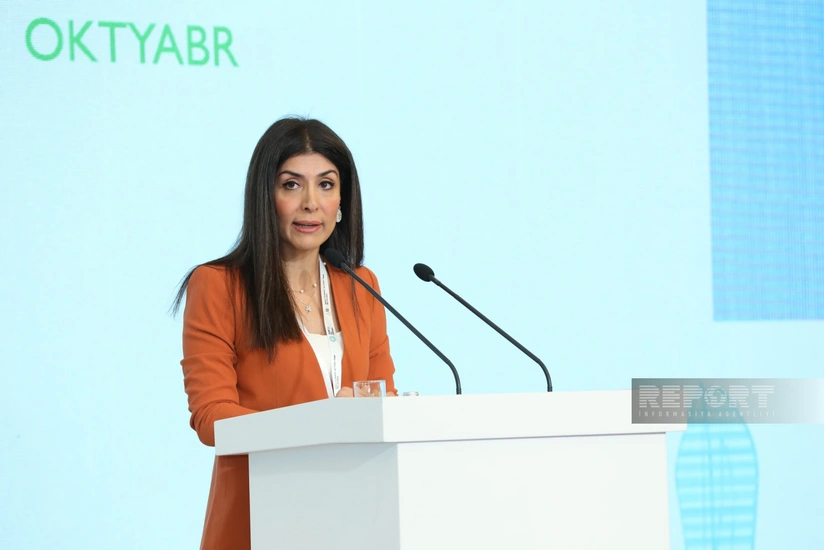
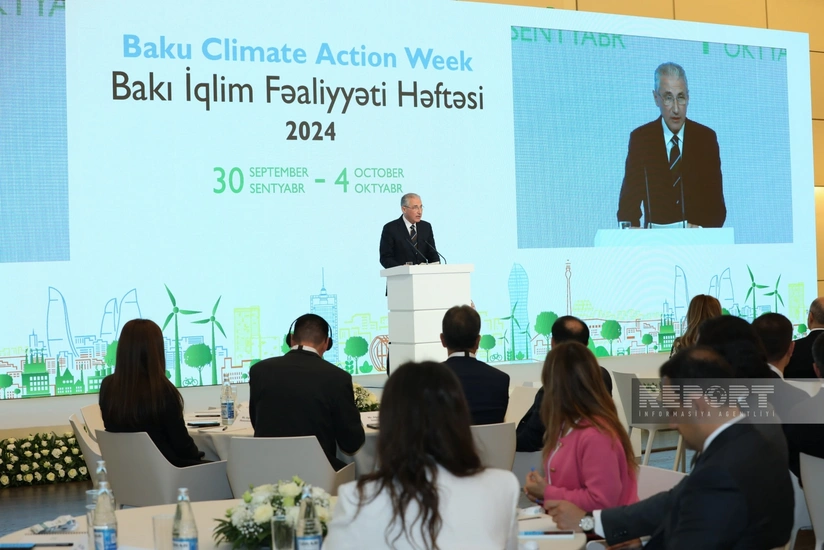
Baku Climate Action Week (BCAW) is a prestigious global platform organized in the capital of Azerbaijan to promote international dialogue, regional cooperation, and practical initiatives focused on combating climate change, transitioning to green energy, ensuring environmental sustainability, and strengthening climate action. As the global community faces the escalating threat of the climate crisis, this high-profile event plays a crucial role in uniting governments, the private sector, academic institutions, financial organizations, and civil society to develop collaborative solutions for environmental protection. Against the backdrop of Azerbaijan's proactive stance in the global climate movement, its designation of the green economy as a national priority, and its dedication to sustaining the legacy of COP summits, Baku Climate Action Week serves as a vital strategic avenue for showcasing the nation's environmental potential, attracting green investments, and deepening cross-border partnerships.
Expanding clean energy capacity: The event features extensive discussions on harnessing the potential of solar, wind, hydro, and other alternative energy sources, including ongoing large-scale projects to transform the Karabakh and East Zangezur economic regions into designated "green energy zones."
Energy efficiency and innovation: Cutting-edge technological solutions, smart digital grid management systems, and eco-friendly industrial processes designed to minimize energy consumption and reduce carbon footprints across construction, transportation, and manufacturing sectors are prominently presented.
Emissions reduction targets: Aligned with the objectives of the Paris Agreement, participants share best practices for curbing greenhouse gas emissions, adopting carbon market mechanisms, and implementing robust green certification standards.
Mobilizing investments: A primary focus is placed on securing financial resources for ambitious climate projects through international financial institutions and public-private partnership (PPP) frameworks.
Expert collaboration: High-ranking officials, leading environmentalists, international delegates, and industry specialists from around the world converge to shape long-term global climate policies and drive the regional implementation of COP commitments.
Transnational corridors: Strategic regional integration initiatives—such as developing green energy corridors to export clean electricity generated in the Caspian basin to international markets—are central to the agenda.
Fostering environmental culture: Public awareness campaigns and educational programs are conducted across all layers of society, particularly targeting the younger generation, to instill sustainable habits regarding water conservation and resource management.
Supporting green startups: The initiative actively champions youth-led engineering projects and eco-startups, providing mentorship and platforms to integrate innovative ideas into the real economy.

 Baku 29° C