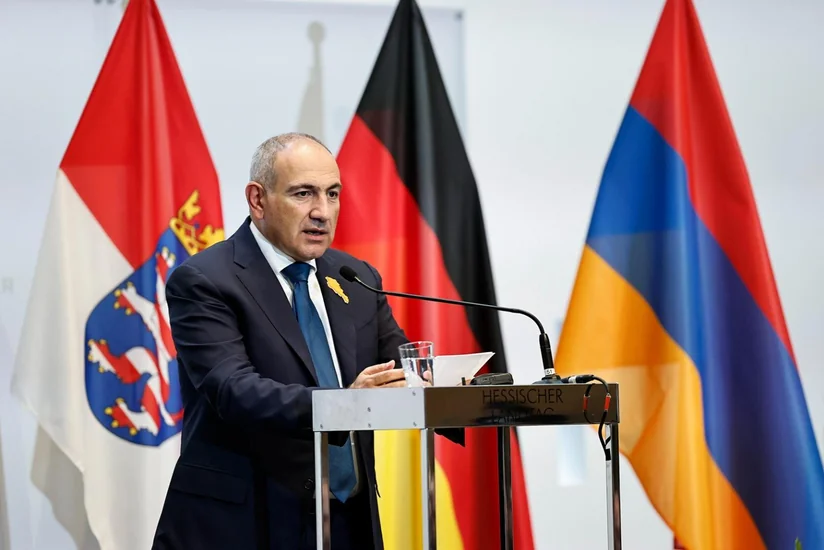
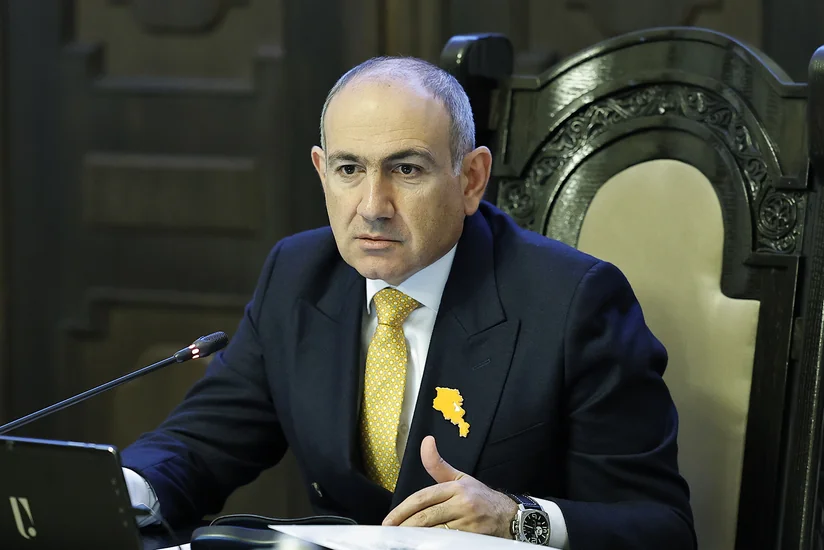
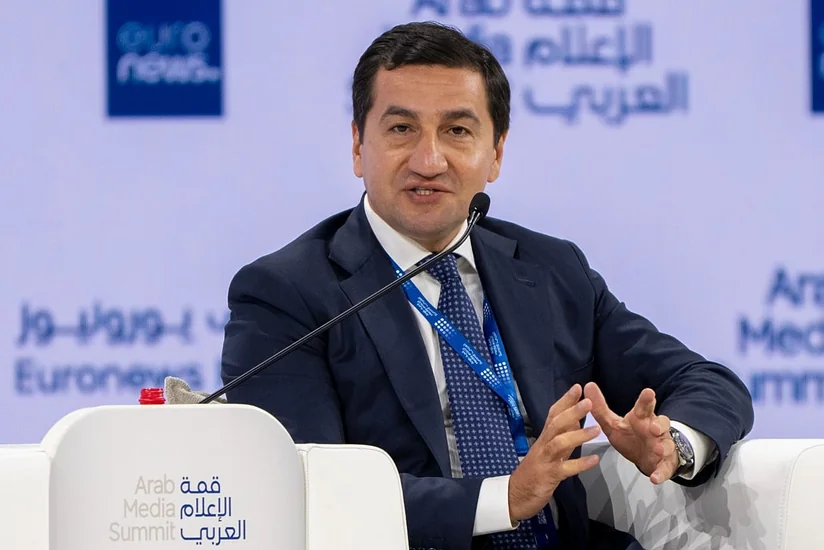
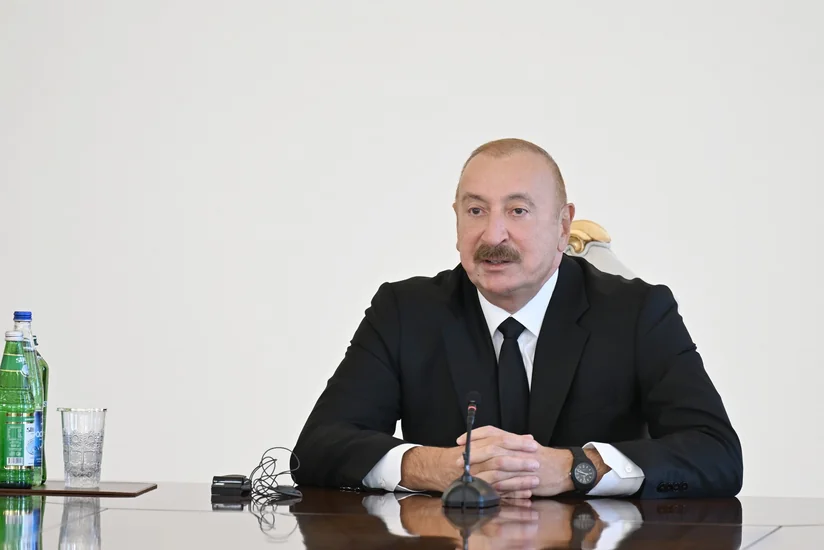
The Armenian-Azerbaijani peace process, which has spanned decades, has come incredibly close to its historical climax by late February 2026. As leading international analysts and officials note, a de facto peace architecture in the South Caucasus has already been formed. The text of the fundamental 17-point document has been fully agreed upon and initialed; however, its final legal consolidation requires the principled political will of the Armenian side.
This analytical material by Report.az summarizes the current state of the negotiation process, drawing on the latest diplomatic statements and unprecedented economic shifts in the region.
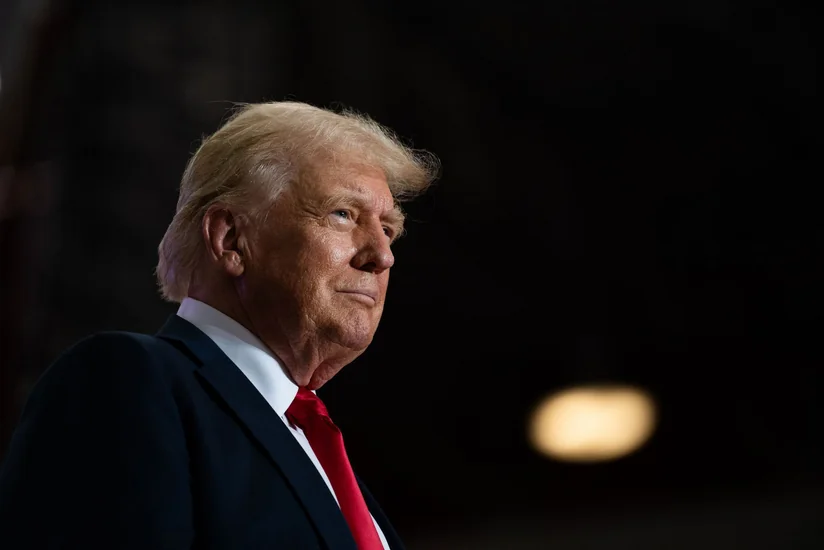
The foundation of the current security architecture was laid on August 8, 2025, in Washington. With the direct mediation of US President Donald Trump, the leaders of Azerbaijan and Armenia—Ilham Aliyev and Nikol Pashinyan—initialed the agreed text of the Agreement on the Establishment of Peace and Interstate Relations.
The key outcome of the summit was a multilateral declaration that recorded not only the mutual recognition of territorial integrity but also a series of strategic steps:
The official decision to dissolve the OSCE Minsk Group and its associated structures, which have completely exhausted their mandate.
Agreements on ensuring unhindered communication between the western regions of Azerbaijan and the Nakhchivan Autonomous Republic through the territory of Armenia.
Integration into the global logistics initiative TRIPP ("Trump Route for International Peace and Prosperity").
The diplomatic successes of the second half of 2025 quickly translated into stability. As of late February 2026, the Armenian-Azerbaijani border has experienced absolute silence without a single armed clash for over six months.
Moreover, the region is witnessing unprecedented humanitarian and economic gestures:
Energy Supplies: Azerbaijan has begun commercial deliveries of petroleum products (motor gasoline) to Armenia, marking the first such occurrence in over 30 years. The transit of goods is being successfully carried out through the territory of Georgia.
Delimitation: The process of demarcating state borders has transitioned into a routine, working format of bilateral commissions operating strictly on the basis of the 1991 Alma-Ata Declaration.
As British political expert Neil Watson notes, the absence of border incidents and the beginning of economic integration clearly indicate that the process is de facto complete and has moved into the formalization phase.
Despite the readiness of the agreement's text, official Baku maintains a principled and unwavering position: signing the document is impossible without eliminating the territorial claims against Azerbaijan embedded in the current Constitution of Armenia.
Speaking on the sidelines of the Munich Security Conference on February 13, 2026, Azerbaijani President Ilham Aliyev clearly summarized the current status:
"De facto peace has already been achieved. Azerbaijan will sign the peace treaty immediately after Yerevan makes the necessary amendments to its Constitution."
This same thought was elaborated on February 27, 2026, in Belgrade, at a roundtable dedicated to the 34th anniversary of the Khojaly genocide, by Azerbaijan's Ambassador to Serbia, Kamil Khasiyev. The diplomat emphasized that signing the treaty while revanchist clauses remain in the Armenian Constitution leaves a dangerous legal loophole: the Constitutional Court of Armenia could invalidate the peace agreement in the future, a vulnerability that radical forces would inevitably exploit. "There remains only one, final step from the Armenian side," the ambassador concluded.
The ball is now exclusively in Armenia's court, where the internal political situation remains complex ahead of the parliamentary elections scheduled for June 2026. The government plans to draft a new Constitution by March; however, holding a nationwide referendum will likely be postponed to the post-election period due to the risk of destabilization.
Opinions within the expert community regarding the exact timing of ratification are divided:
Conservative Scenario: Alexander Iskandaryan, Director of the Caucasus Institute (Yerevan), considers the signing of the treaty before the end of 2026 unlikely, calling the initialed text a document that requires lengthy internal political approvals. Sergey Markedonov, a leading researcher at MGIMO, also notes that the parties' approaches to the format of the settlement still differ in the details.
Optimistic Scenario: Several Western and Azerbaijani analysts are confident that, against the backdrop of the active development of regional communications, the Armenian government will be forced to demonstrate political will and bring the process to its logical conclusion by the end of the year to avoid being isolated from global transport projects.
The peace process between Azerbaijan and Armenia has passed the point of no return. Decades of enmity and uncertainty are being replaced by the pragmatic construction of new transport and economic arteries. To permanently close the most tragic chapter in the modern history of the South Caucasus, only one action remains—the legal elimination of territorial claims in the neighboring state's supreme legislative act.

 Baku 17° C