
 Baku 19° C
MP: Azerbaijan-Central Asia cooperation shaping new regional realities
- 08 October, 2026
- 22:49
Stay up to date with the top news!
Relations between Azerbaijan and the countries of Central Asia are developing dynamically on the basis of strategic partnership, brotherhood and mutual trust, while President Ilham Aliyev's participation in the Consultative Meetings of the Heads of State of Central Asia and regular reciprocal visits are further raising the level of ties.
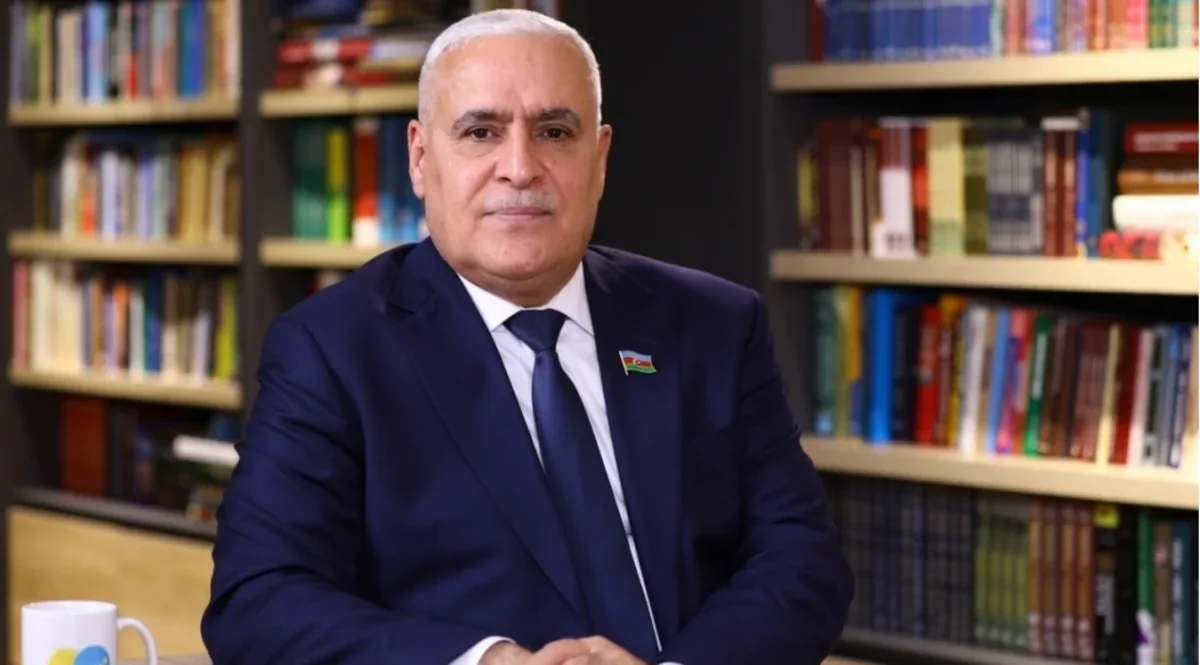
Azerbaijani MP Vugar Rahimzada made the remarks to Report.
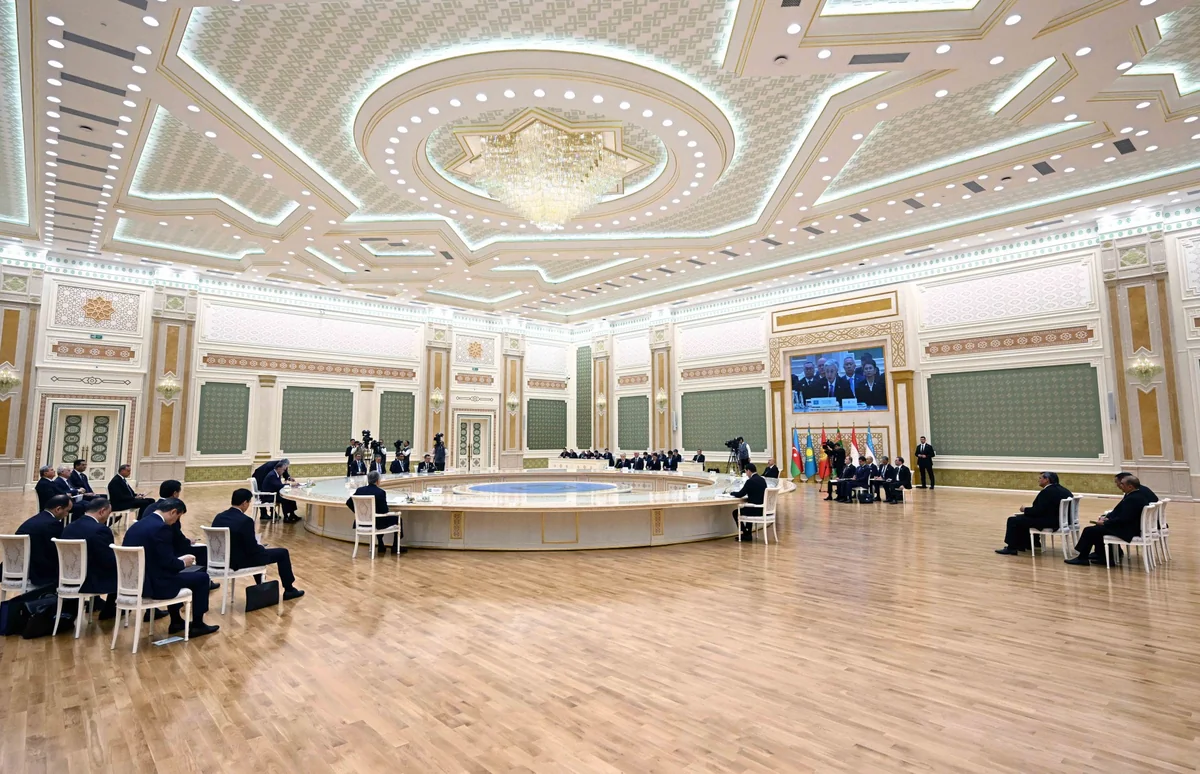
He noted that the 8th Consultative Meeting of the Heads of State of the Republic of Azerbaijan and Central Asia was held in Turkmenbashi, Turkmenistan, on October 8, and that President Ilham Aliyev paid a working visit to the country the same day to attend the meeting.
"The gathering, which brings together the leaders of the countries of the region, is of great importance in terms of discussing new opportunities for political, economic and transport cooperation in Central Asia and the broader geographical area connected to it. The intensification of relations between Azerbaijan and the Central Asian states in recent years is taking place against the backdrop of these realities. The expansion of political dialogue is also driving economic relations, transport and logistics projects, and energy cooperation. Alongside bilateral relations, these ties are increasingly acquiring new substance within a broader regional cooperation format," Rahimzada said.
"The fact that seven official and one informal meetings have been held to date shows that this platform has become one of the important mechanisms of political dialogue and cooperation among the states of the region. Azerbaijan's full participation in the format has opened a new stage in expanding the geography of regional cooperation.
"Azerbaijan's engagement with the Consultative Meeting format had been developing consistently even before the decision on full participation. President Ilham Aliyev attended and addressed the 5th Consultative Meeting in Dushanbe in 2023 and the 6th meeting in Astana in 2024 as an honorary guest. This participation was one of the indicators of Azerbaijan's growing interest in political dialogue with the Central Asian states and in regional cooperation processes.
"The decision adopted at the 7th Consultative Meeting in Tashkent, Uzbekistan, last November on Azerbaijan's full participation in the Consultative Meeting of the Heads of State of Central Asia created conditions for relations to enter a new institutional stage. Thus, the cooperation platform previously operating in the C5 format effectively gained a broader regional dimension in the C6 format with Azerbaijan's participation," the MP said.
Rahimzada noted that President Ilham Aliyev once again drew attention to these realities in his speech at the 8th Consultative Meeting of the Heads of State of the Republic of Azerbaijan and Central Asia, noting that Azerbaijan became a full member of the Consultative Meeting format in November last year.
According to the MP, Azerbaijan's cooperation with the Central Asian countries is shaping new regional realities, with energy being one of the main areas of partnership.
"Expanding links between Central Asia's energy potential and Azerbaijan's international energy infrastructure lays the foundation for new opportunities for cooperation. Bringing energy resources to new markets, increasing transmission capacity and ensuring that different transport routes complement one another strengthen the mutual interests of the countries of the region.
"In this regard, the parallel development of transport and energy projects could create conditions for the formation of a broader model of economic cooperation across the Caspian Sea. Electricity and green energy projects also occupy a special place among the new areas of energy cooperation. Expanding ties in these fields can contribute both to strengthening energy security and to the region's integration into new energy markets.
"Relations between Azerbaijan and the Central Asian states are not limited to transport and energy. Increasing trade turnover, expanding investment opportunities, digital transformation, green energy, agriculture and food security also occupy an important place on the cooperation agenda. Bilateral meetings between heads of state held within the framework of Consultative Meetings create additional opportunities to discuss concrete agreements, memorandums and joint projects in these areas," he said.
Rahimzada recalled that President Ilham Aliyev, speaking at the Consultative Meeting, said: "We should not limit ourselves to increasing mutual trade; we should also invest together, produce together and jointly enter foreign markets."
The president also noted that transport was one of the main areas of cooperation and that the Caspian Sea was playing an increasingly important role in transport interaction among the participating countries.
Rahimzada also drew attention to President Ilham Aliyev's meeting with Turkmen President Serdar Berdimuhamedov on October 8, noting that Azerbaijan-Turkmenistan relations were developing rapidly and becoming stronger on the basis of strategic partnership, friendship and shared values.
He said high-level reciprocal visits, ongoing dialogue and the signing of regulatory and legal documents in recent years had contributed to the further development of relations. These ties also cover issues of global relevance and are aimed at protecting the national interests of both states.
"In short, the cooperation agenda between Azerbaijan and the Central Asian states covers a broad spectrum, ranging from transport and energy projects to trade, investment, ecology, water resources, agriculture, digital development, education, science and humanitarian ties. This multifaceted approach creates opportunities for the partnership to be based not only on current economic interests, but also on the principles of long-term and sustainable cooperation," Rahimzada emphasized.