Kazakhstan (officially the Republic of Kazakhstan) is a transcontinental country spanning Central Asia and a small portion of Eastern Europe, making it the largest landlocked nation in the world and the ninth-largest country overall by land area. Covering roughly 2.72 million square kilometers, Kazakhstan is bordered by Russia to the north and west, China to the east, Kyrgyzstan to the southeast, Uzbekistan to the south, and Turkmenistan to the southwest, with a significant coastline along the Caspian Sea to the west. Known for its vast steppe landscapes, rich nomadic history, and immense mineral wealth, Kazakhstan serves as a vital economic, cultural, and transit bridge between Asia and Europe.
Nomadic Civilizations: The territory of modern Kazakhstan has a deep history rooted in ancient nomadic cultures, horse domestication, and powerful tribal confederations, including the Saka, Huns, and various Turkic khaganates.
The Silk Road: During the Middle Ages, strategic urban centers along the southern periphery—such as Taraz, Turkistan, and Otyrar—flourished as major trading hubs along the Great Silk Road, facilitating cultural and economic exchanges between East and West.
Soviet Era and Independence: Incorporated into the Russian Empire in the 18th and 19th centuries, the region later became the Kazakh Soviet Socialist Republic (Kazakh SSR). Following the dissolution of the USSR, Kazakhstan declared its independence on December 16, 1991, establishing a stable, sovereign republic that has emerged as a regional leader.
Diverse Landscapes: The country's topography varies dramatically, featuring the endless expanse of the Eurasian Steppe in the north and center, semi-deserts and deserts (such as the Kyzylkum and Betpak-Dala) in the south and west, and the towering peaks of the Tian Shan and Altai mountain ranges along its eastern and southeastern borders.
Key Water Bodies: Kazakhstan shares coastlines with the Caspian Sea and the Aral Sea basin, and is home to unique inland water features like Lake Balkhash, which is half fresh water and half saline.
Baikonur Cosmodrome: Located in the southern desert plains, the Baikonur Cosmodrome is the world's first and largest operational space launch facility, historically launching humanity's first artificial satellite (Sputnik 1) and first crewed spaceflight (Yuri Gagarin).
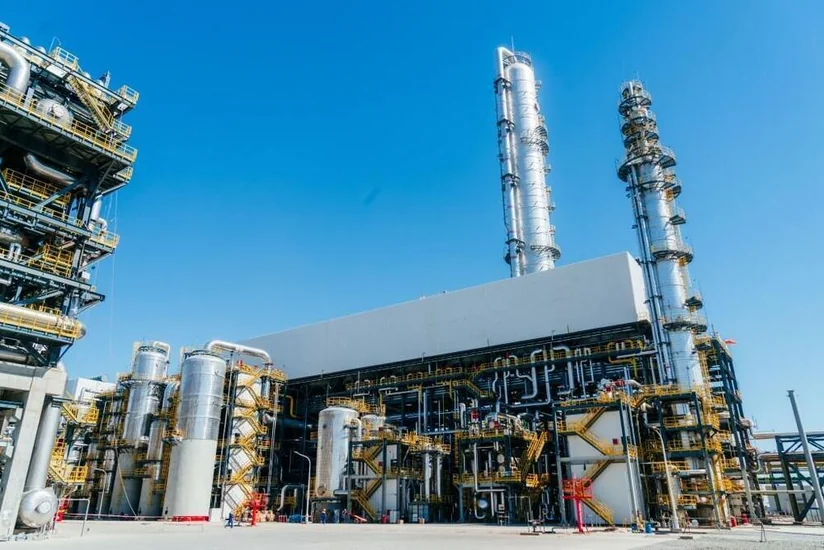
Mineral Wealth: Kazakhstan possesses some of the largest reserves of oil, natural gas, uranium, chromium, copper, zinc, lead, and coal on Earth. Its massive petroleum deposits—particularly at the Tengiz, Kashagan, and Karachaganak fields—make it a key player in global energy security.
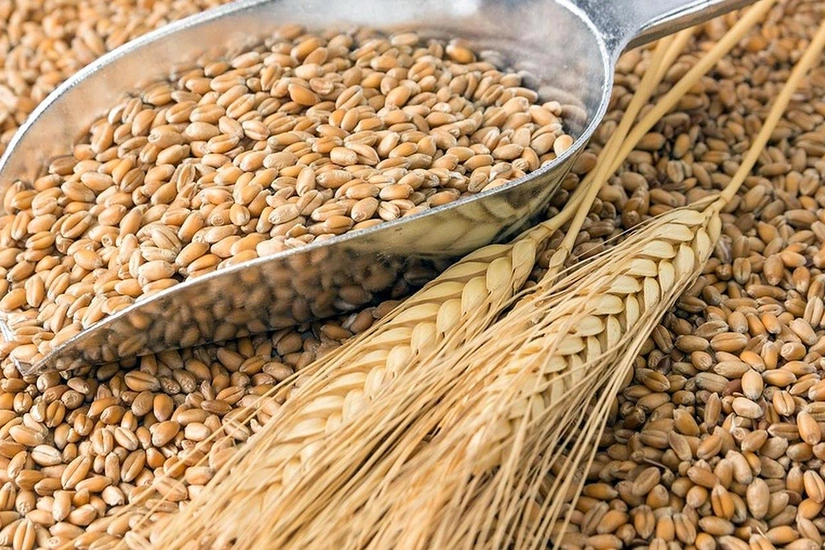
Agricultural Potential: The northern chernozem (black soil) regions constitute one of the world's primary grain-producing and exporting breadbaskets, yielding massive annual harvests of wheat and barley.
Astana and Almaty: The nation's capital is Astana, renowned for its futuristic, avant-garde architecture designed by world-famous urban planners. Almaty, the former capital and largest metropolis, remains the cultural, financial, and academic heartbeat of the country, nestled right against the snow-capped peaks of the Trans-Ili Alatau.
Multicultural Society: Kazakhstan is a harmonious multi-ethnic state, home to over 100 nationalities, where traditional nomadic heritage, hospitality, and equestrian sports (like kokpar) blend seamlessly with modern industrial development.

 Baku 23° C