
 Baku 27° C
French overseas policy risks deepening inequalities, historian says
- 24 September, 2026
- 12:15
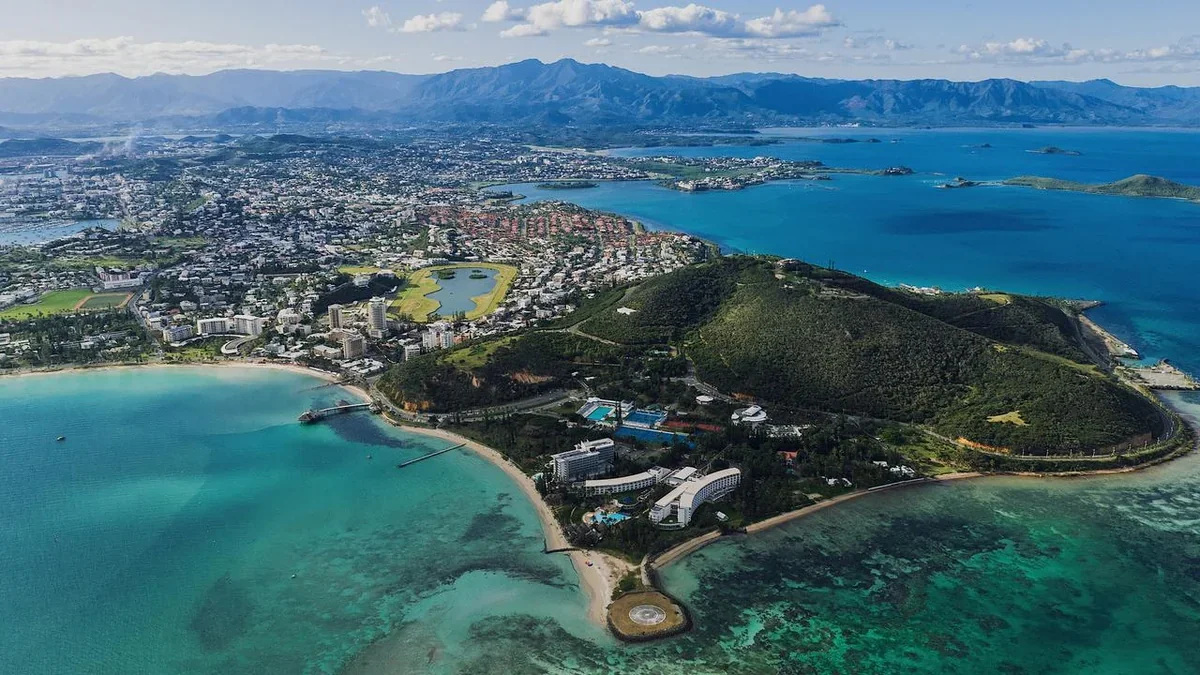
Le Monde published an op-ed on September 16 by historian and Fort-de-France (capital city of Martinique) teacher Elisabeth Landi titled "Overseas territories: The French state risks becoming both the universal culprit and the indispensable guarantor."
According to Report, the article identifies a central contradiction in France's policy toward its overseas territories: Paris seeks to preserve the strategic advantages they provide - including vast maritime zones, military presence and global influence - while at the same time limiting the cost of providing for their socioeconomic needs.
Landi presents the situation in Mayotte as a clear example of this approach. She argues that the French state has fallen seriously behind in providing such basic needs as water, schools, housing, healthcare, security and infrastructure.
While acknowledging that migration pressure is a real problem, she says it should not overshadow long-term underinvestment, inconsistent state policy and failures in managing demographic change. In her view, there is a risk that the security agenda could replace development policy.
The article notes that France has no intention of relinquishing its overseas territories. Instead, Paris seeks to preserve sovereignty and strategic interests while transferring greater responsibility to local authorities.
Landi warns that "autonomy" without sufficient financing, productive capacity and state solidarity could effectively become a "decentralization of powerlessness." Against this backdrop, she argues, the goal of closing socioeconomic gaps between metropolitan France and the overseas territories is gradually being replaced by acceptance of those disparities as a permanent reality.
The article focuses particularly on Martinique, where an aging and shrinking population, youth emigration, a weak production base, dependence on imports and the possibility of declining state financing are identified as major structural problems.
According to Landi, autonomy alone will not resolve these issues without changes to the economic model. Transferring responsibilities to local authorities without also transferring adequate resources could instead worsen the situation.
She describes Martinique as "too tied to France for genuine sovereignty, yet not treated equally enough to believe in the Republic's promise of equality."
In this context, a recent report by Martinique's Regional Audit Chamber also described the financial position of the Territorial Collectivity of Martinique (CTM) as "critical" and marked by a "structural financial imbalance."
CTM debt has increased by 28% since 2021 to 977 million euros, while payment delays have stretched to 131 days, compared with the legally prescribed 30 days. Between 2022 and 2025, the collectivity's current revenues increased by only 1%, while expenditures rose by around 12%.
The report also states that French state grants and financial transfers to Martinique declined by 7.4% between 2021 and 2024, from 296 million euros to 274 million euros.
Serge Letchimy, President of the CTM Executive Council and a supporter of greater autonomy, said the reduction had weakened the local authority's financial autonomy and forced it to meet growing budgetary pressures with limited resources.
At the same time, the Regional Audit Chamber noted that decisions taken by the collectivity itself, including its level of borrowing, had also contributed to the current financial situation.
Francis Carole, a supporter of Martinican independence, leader of the Party for the Liberation of Martinique and one of the founders of the International Decolonization Front, described CTM's financial position as "structurally catastrophic."
He said the situation was weakening the collectivity's long-term ability to invest and finance public policy.
Author