Baku 17° C
Diesel prices rise in Europe ahead of harvest season amid supply disruptions
- 27 August, 2026
- 14:51
Stay up to date with the top news!
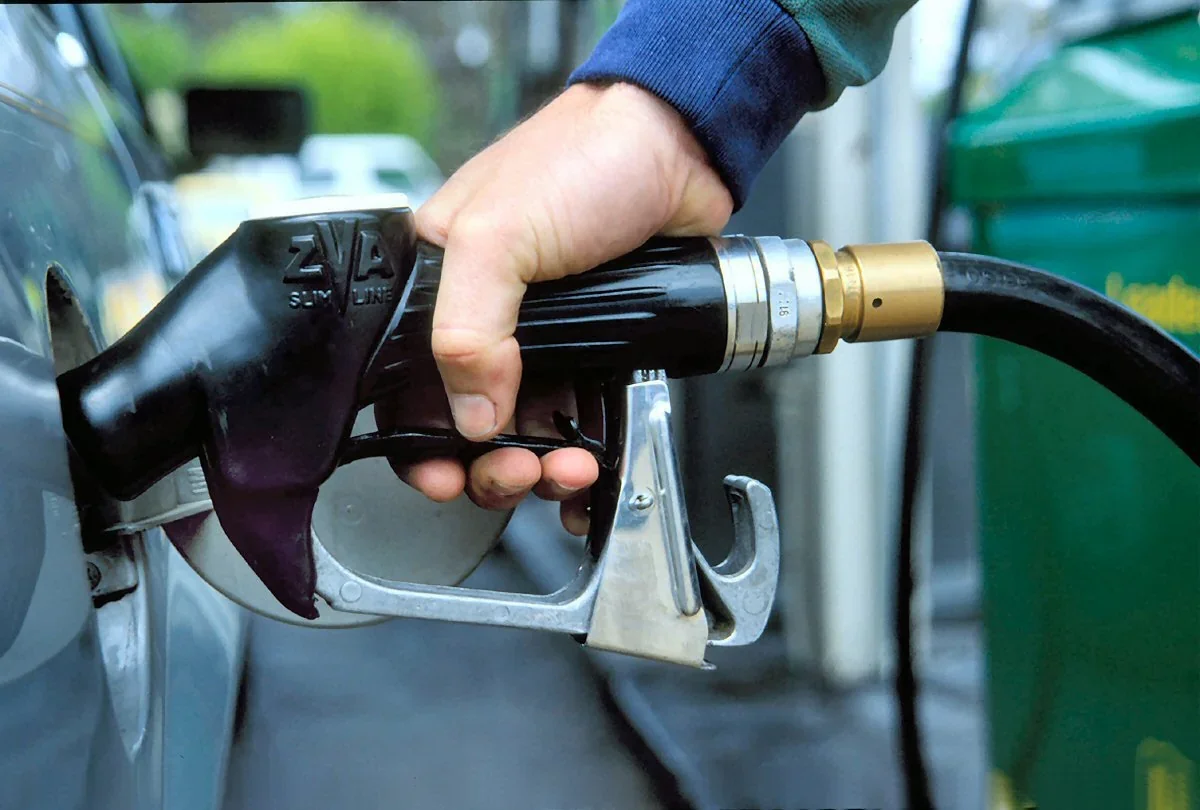
Fuel prices in Europe, particularly diesel, are rising amid the war in the Middle East and supply disruptions, increasing pressure on households, transport operators and farmers ahead of the harvest season.
According to Report's European bureau, which cites Eurostat, diesel fuel prices in the European Union rose by 4.3% in July compared with June, with significant increases recorded in 17 of the bloc's 27 countries.
Following the signing of a memorandum between the United States and Iran in early July, prices fell somewhat before rising again after the escalation in the Middle East resumed.
Diesel prices rose most sharply in Poland, by 13.4%, Germany, by 12.7%, and Greece, by 12.1%. Year-on-year, prices for fuels and lubricants in the EU were 16.9% higher in July than a year earlier, according to the European Commission.
The increase has continued in August. According to the European Commission's Oil Bulletin, the average diesel price in the EU stood at around €2.03 per liter as of August 17, while in Germany it was €2.27.
In France, one of the EU's largest agricultural producers, the average retail price of diesel reached €2.23 per liter as of August 17, rising by more than three cents in a week. Since the beginning of July, the price has increased by around 37 cents after briefly falling to €1.86 per liter.
In Spain, diesel reached around €1.86 per liter on August 26, continuing its rise from €1.57 in mid-July. Spanish authorities are extending measures to support farmers through the end of September, including compensation for diesel costs.
Italy has also been forced to respond to rising prices, with the government extending a reduction in the diesel excise duty in an effort to ease pressure on consumers.
In Poland, authorities have reintroduced temporary measures to reduce the tax burden on fuel, while farmers have been applying in August for refunds of excise duties on diesel used in agriculture.
For European agriculture, higher diesel costs are particularly significant in late summer and early autumn, when farmers use large quantities of fuel for harvesting, transportation and initial crop processing.
In France, the grain harvest is already nearing completion in August, while farmers in Germany have begun harvesting following an unusually hot and dry summer.
The European diesel market is under pressure not only from oil prices. The International Energy Agency (IEA) notes that disruptions to oil-product exports from the Middle East and attacks on Russian refineries have reduced diesel supplies. Diesel exports from Russia, the Middle East and Asia in July were approximately 1.3 million barrels per day below the level a year earlier, equivalent to around 20% of global seaborne diesel supplies.
The situation is particularly tight in the European wholesale market. The price of diesel for delivery in Europe has exceeded the cost of jet fuel for the first time in more than a year, reflecting a shortage of middle distillates.
Media reports also indicate that the wholesale price of diesel in Rotterdam has already exceeded $1,250 per metric ton, about 45% above the level following the ceasefire and 70% higher than at the beginning of the war.
The situation surrounding the Strait of Hormuz, a key route for global oil and oil-product supplies, remains an additional factor. The IEA says the de facto closure of the strait and disruptions to maritime transportation have sharply reduced exports from the region and depleted global inventories.
The increase in prices could be particularly painful for European farmers this year. The European Commission has already lowered its yield forecasts for several summer crops due to heat and drought, with France, southern Germany, northern and central Italy, Austria, Czechia, Slovakia, Hungary and western Romania among the hardest-hit areas.
Thus, farmers are entering the harvest campaign amid rising fuel costs and worsening crop prospects, increasing the risk of further growth in production and transportation costs and, ultimately, higher food prices.
Author