Baku 22° C
Jiang Wei: Lianyungang Port ready to explore investment opportunities in Azerbaijan's logistics facilities – INTERVIEW
- 01 October, 2026
- 13:50
Stay up to date with the top news!
China and Azerbaijan are consistently strengthening their positions as key strategic links of the Trans-Caspian International Transport Route (TITR/Middle Corridor), ensuring a reliable connection between the markets of the Asia-Pacific region and Europe. Against the backdrop of rapid growth in demand for Eurasian multimodal transport, practical cooperation between China's eastern gateway, the Port of Lianyungang, and Azerbaijan's transport and logistics infrastructure, including the Baku International Sea Trade Port and the railway network, acquires special significance.
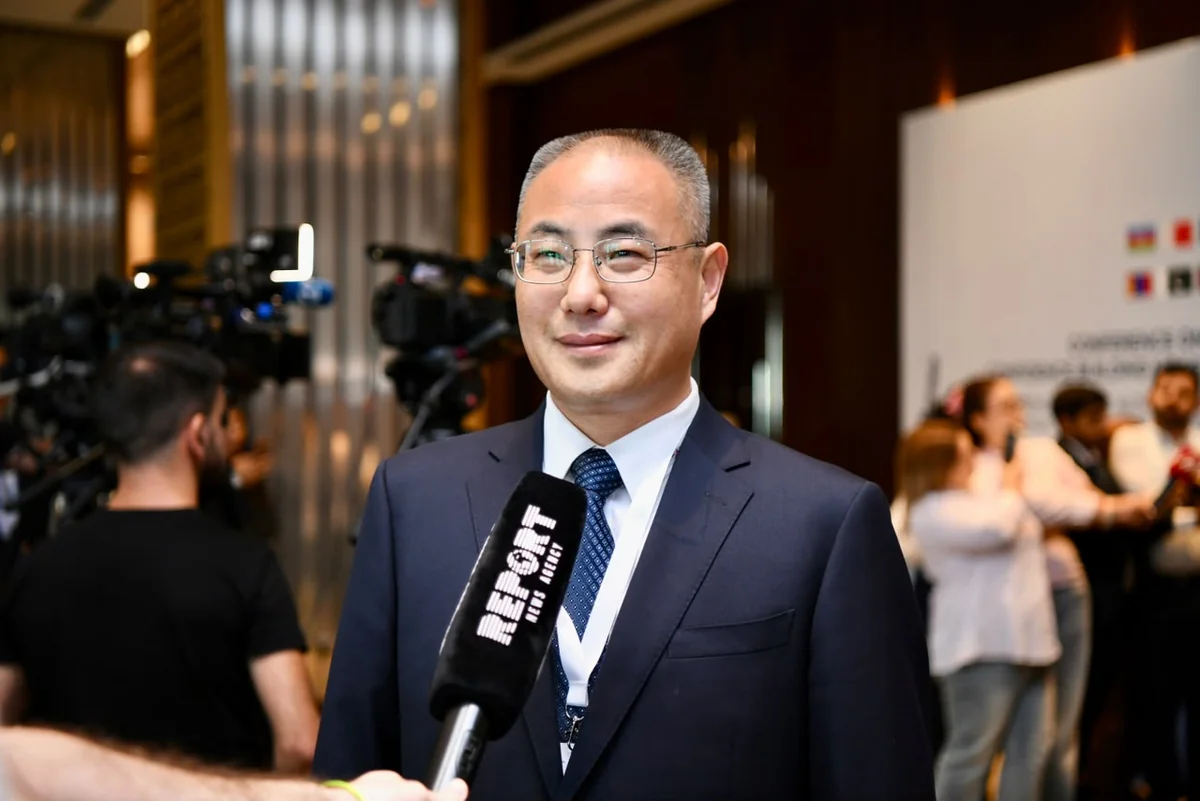
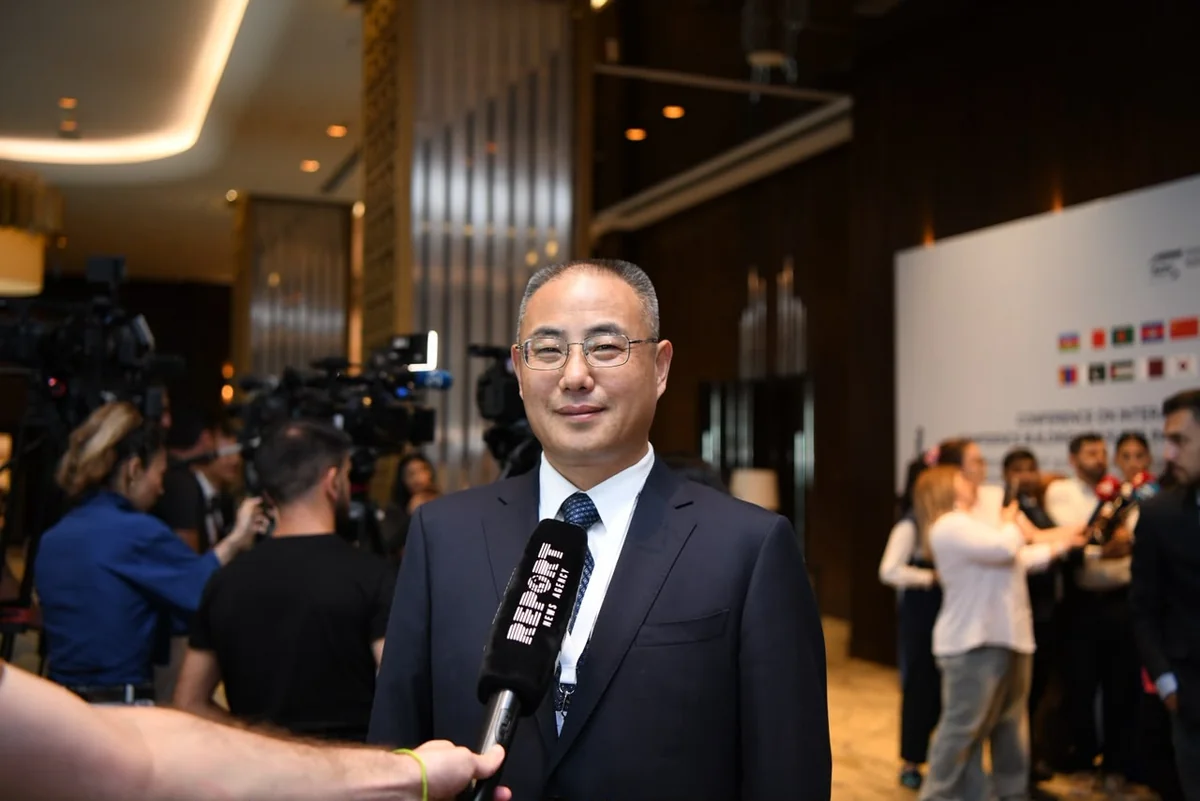
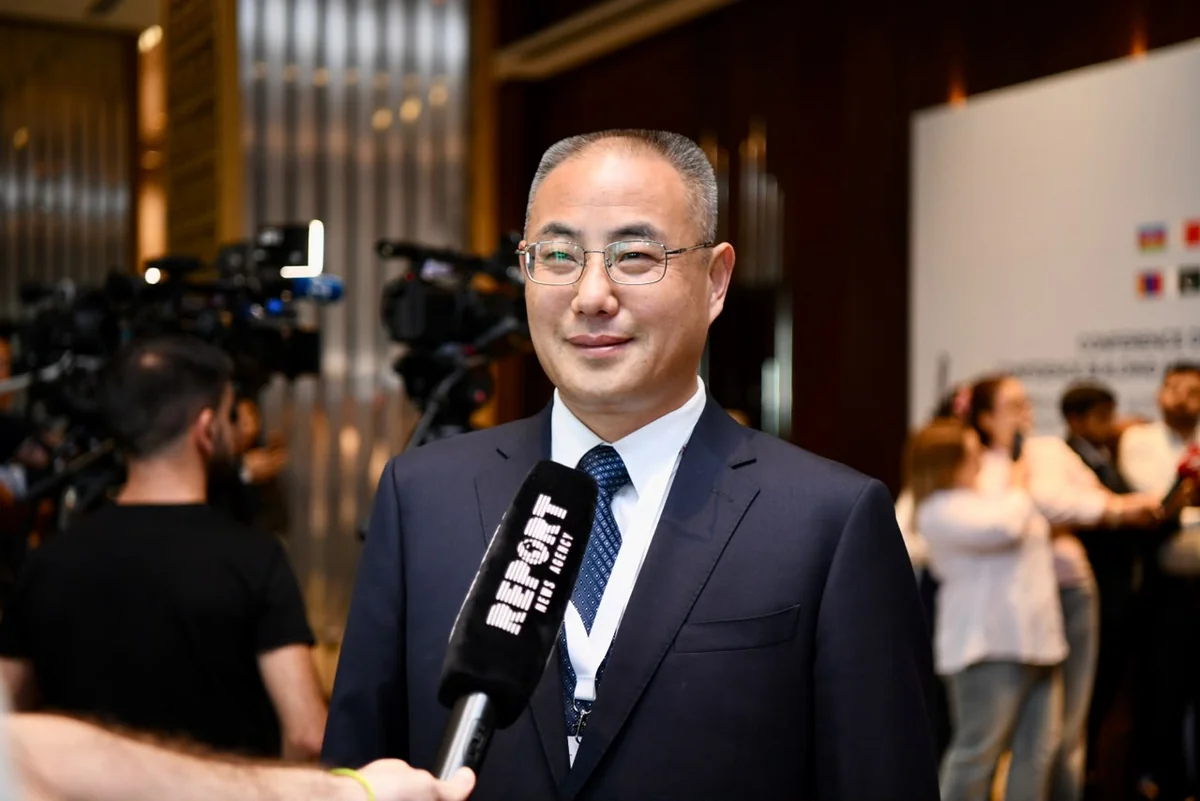
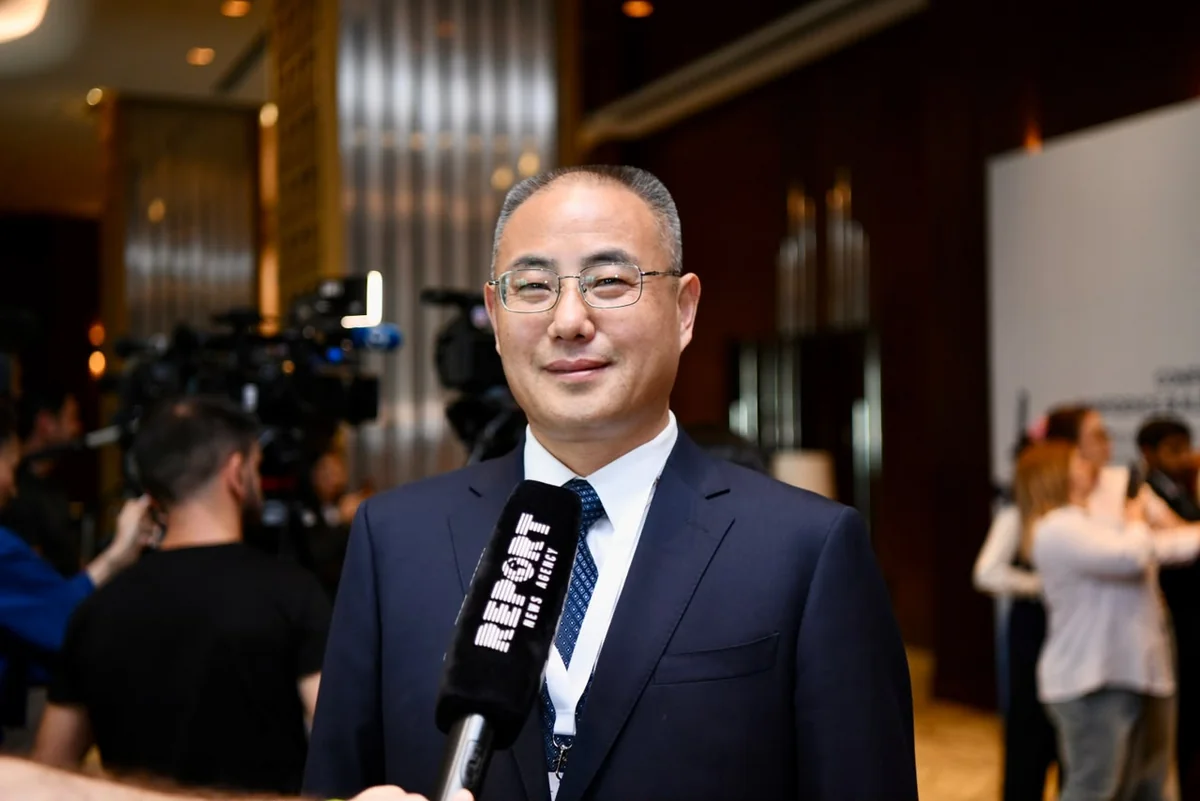
In an exclusive interview with Report, Vice President for External Relations of the Port of Lianyungang Jiang Wei spoke about plans to reduce cargo delivery times along the route to 15–20 days, prospects for direct investment in Azerbaijan's port capacity, and how the integration of information systems and green port principles will impact the competitiveness of the TITR.
Report presents the interview:
- How does the Port of Lianyungang evaluate Azerbaijan's current transit capacity along the route and the role of Azerbaijani ports in ensuring the smooth functioning of the TITR?
- Azerbaijan is a key connecting link of the TITR between East and West and fulfills an exceptionally significant function in connecting the Caspian transport segment with the Caucasus, the Black Sea basin, and European sales markets. In particular, the Baku International Sea Trade Port, located in the Alat settlement, represents a crucial hub in the Trans-Caspian logistics chain and is of substantial importance for improving cargo coordination efficiency on both coasts of the Caspian Sea, as well as ensuring the sustainable movement of international container trains and container cargo turnover.
In recent years, trade, economic, and logistics cooperation between China and Azerbaijan has systematically expanded, and the demand for cargo transportation to Europe through the territory of Kazakhstan, the Caspian Sea, and Azerbaijan is steadily increasing. We are convinced that with further growth in cargo flows along the TITR, the role of Azerbaijan's port, railway, and logistics infrastructure will only grow stronger.
For the Port of Lianyungang, it is fundamentally important to continue expanding cooperation with partners such as Azerbaijan Railways CJSC (ADY) and the Baku Port, to improve the alignment of port operations, railway, and maritime transport, to integrate the ports of China's eastern coast deeper into the TITR structure, and through joint efforts raise the reliability, speed, and market competitiveness of the entire transport corridor.
- What joint measures are necessary for the Port of Lianyungang and Azerbaijani partners to further reduce transit time along the China-Azerbaijan-Europe route to 15–20 days?
- In our conviction, reducing delivery times cannot be achieved through the efforts of a single port or any single link in the logistics chain. Achieving this goal requires well-coordinated interaction among railway operators, port terminals, shipping companies, customs services, and other supply chain participants.
First of all, it is necessary to synchronize the schedules of container trains and sea vessels more thoroughly with port operation schedules, minimizing transshipment, warehousing, and idle waiting times. Second, we should improve the quality of interaction between ports on opposite shores of the Caspian Sea, primarily establishing operational connectivity at key nodes such as Aktau and Baku.
Third, it is necessary to deepen transport information exchange, enabling railway operators, ports, and shippers to track in advance the location of containers, movement of trains and vessels, and the progress of port operations to arrange the next stage of transportation ahead of time. Fourth, it is fundamentally important to increase the efficiency of customs procedures and documentation, achieving the unification and simplification of transport formalities.
The Port of Lianyungang is ready, together with Azerbaijani partners, to build a more stable and effective end-to-end cargo transportation model, work jointly to minimize downtime at each transit hub, and gradually form a competitive TITR transport product with predictable delivery times and a high level of service.
- Is the Port of Lianyungang considering the possibility of direct investment in port infrastructure, logistics complexes, or dry ports in Azerbaijan?
- The Port of Lianyungang maintains a constructive and open stance regarding participation in the creation and management of Azerbaijan's port and logistics infrastructure. Over the years of cooperation, the Port of Lianyungang, together with Kazakh partners, has successfully implemented a number of significant projects, including the China-Kazakhstan International Logistics Company in Lianyungang LLC, the KTZE - Khorgos Gateway Dry Port, and the Aktau International Container Hub LLP, located on the eastern coast of the Caspian Sea.
Accumulated practical experience shows that partnership at the capital and joint management level helps strengthen interconnections between logistics hubs along the transport corridor and form a more stable infrastructural base for international cargo transportation.
Azerbaijan serves as a key link in the Trans-Caspian International Transport Route. The port expresses readiness to analyze, together with the Azerbaijani side, prospects for interaction in the construction and operation of container port infrastructure, logistics facilities, and related projects. As for specific investment initiatives, both sides need to conduct detailed studies and feasibility assessments taking into account market conditions, the cargo base, implementation terms, and investment models.
- Is work currently underway to integrate the information systems of the Port of Lianyungang and Azerbaijani ports? Is the possibility of introducing a single window mechanism, electronic consignment notes, and other digital solutions being studied to increase the efficiency of cargo transportation and customs clearance procedures?
- Digital transformation and information integration represent key tools for increasing the operational efficiency of the TITR and are among the priority areas of cooperation to which we pay special attention.
At this stage, a basic infrastructure for data exchange between Lianyungang and Khorgos has already been created, and we are currently actively working on the information integration of three key logistics hubs - Lianyungang, Khorgos, and Aktau. Building on the results achieved, we intend to further explore the prospect of extending this information chain towards Azerbaijan, as well as discuss data exchange and information system interoperability with Azerbaijan Railways, Baku Port, and other partners.
At the initial stage, it is planned to focus on the most practically significant and relevant information, in particular, data on container status, movement of container trains, port operations, shipping on the Caspian Sea, as well as information on emergency situations and emerging deviations. The key task is not to create yet another information system, but to ensure that, through timely data exchange, railway operators, ports, and sea carriers can plan subsequent operations in advance and minimize downtime.
In the future, we are also ready to work together with Azerbaijani partners on issues related to the use of electronic transport documents, the implementation of a single window mechanism, and other digital tools, which will increase the efficiency of end-to-end cargo transportation and simplify customs clearance.
- In what areas is the Port of Lianyungang ready to cooperate with Azerbaijani colleagues in decarbonization and creating green ports?
- Low-carbon and environmentally oriented development has become one of the priority areas for the global port, shipping, and logistics industry. In recent years, Lianyungang has been systematically implementing a program to electrify port equipment, introduce clean energy sources, form green cargo delivery and evacuation models, as well as create smart port infrastructure. Through technological innovation and the improvement of logistics processes, we aim to reduce energy consumption in port operations and freight transportation.
The TITR transport route is fundamentally a multimodal corridor integrating railway, port, and maritime transportation. We are convinced that in the future, environmental modernization should extend not only to energy saving and emission minimization within a specific port, but to the entire logistics chain as a whole. Increasing the volume of rail transport, improving the operational efficiency of ports, minimizing unproductive downtime, expanding the use of renewable energy sources, and introducing smart equipment make it possible to reduce the carbon footprint at all stages of transportation.
The Port of Lianyungang expresses its readiness to strengthen cooperation with Azerbaijani ports and industry companies in areas such as green and smart port infrastructure, equipment running on alternative energy sources, and eco-friendly multimodal cargo transportation, as well as jointly develop projects with real potential for practical implementation.
- What key goals does the Port of Lianyungang set for itself over the next 3–5 years in the context of expanding partnership with Azerbaijan?
- For the upcoming 3–5 years, we have identified three priority areas for developing interaction with the Azerbaijani side.
First is the joint increase in cargo transportation volumes along the Trans-Caspian International Transport Route. Relying on the advantageous geographical position of Lianyungang, which connects the eastern coast of China with the markets of the Asia-Pacific region, we plan to develop partnerships with railway operators, port complexes, and logistics structures of Azerbaijan, directing additional cargo flows from the PRC and other APR states to the TITR through Azerbaijan with subsequent delivery to Europe.
Second is the joint enhancement of the route's operational efficiency. To achieve this, it is necessary to continue strengthening coordination between the railway, port, and maritime segments of the transport chain, introduce information solutions for process integration, and improve the organization of transportation, ensuring greater stability and predictability of end-to-end logistics.
Third is exploring prospects for deeper project interaction. The Port of Lianyungang has already established its presence in several strategically significant logistics hubs in Kazakhstan. We aim to continue building international logistics infrastructure along the TITR and remain open to jointly exploring with Azerbaijani partners opportunities for investing in, creating, and managing port and logistics facilities, as well as implementing related projects.
Our strategic task is to gradually transition cooperation between Lianyungang and Azerbaijan through consistent, practice-oriented partnership of all interested parties from the level of single transport operations to comprehensive interaction - route development, coordination between key nodal points, and digital integration - thereby contributing to the qualitative growth of the TITR.
Author

Photo