Baku 18° C
Sites of Memory of Western Azerbaijan: History of Arafsa in Zangazur
- 13 October, 2026
- 22:12
Stay up to date with the top news!
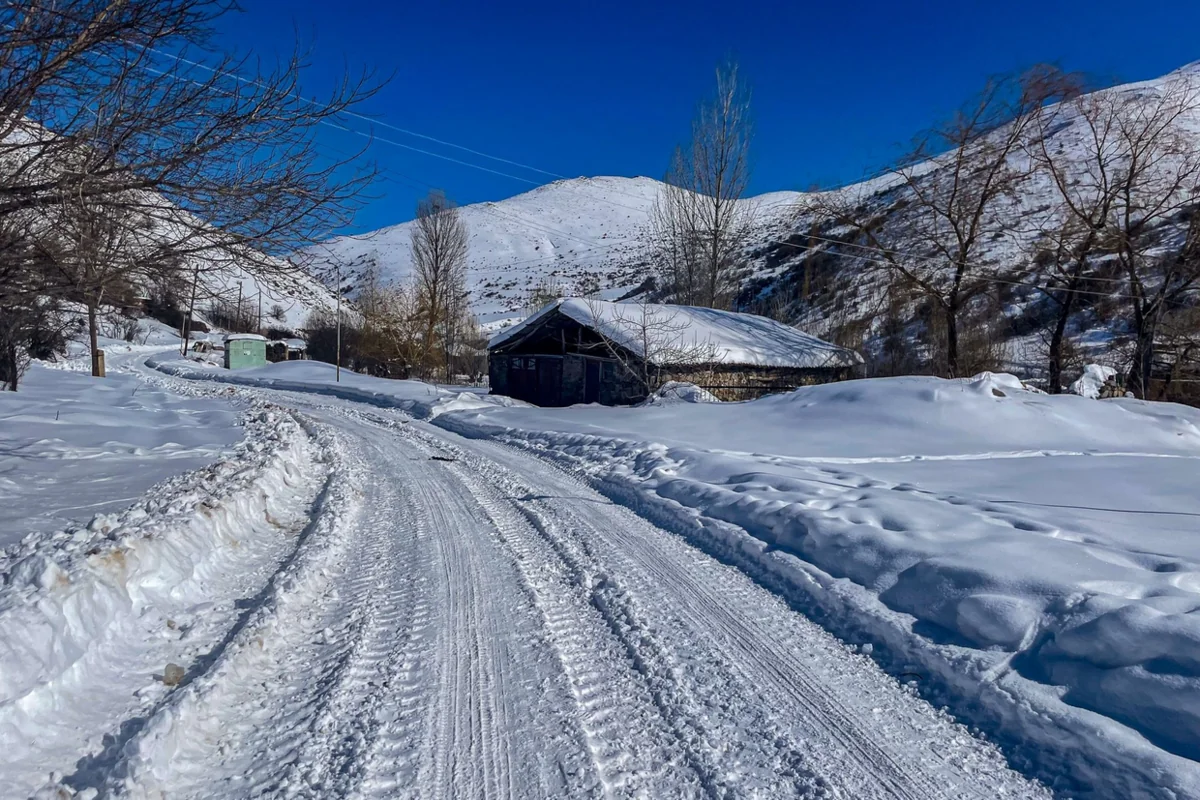
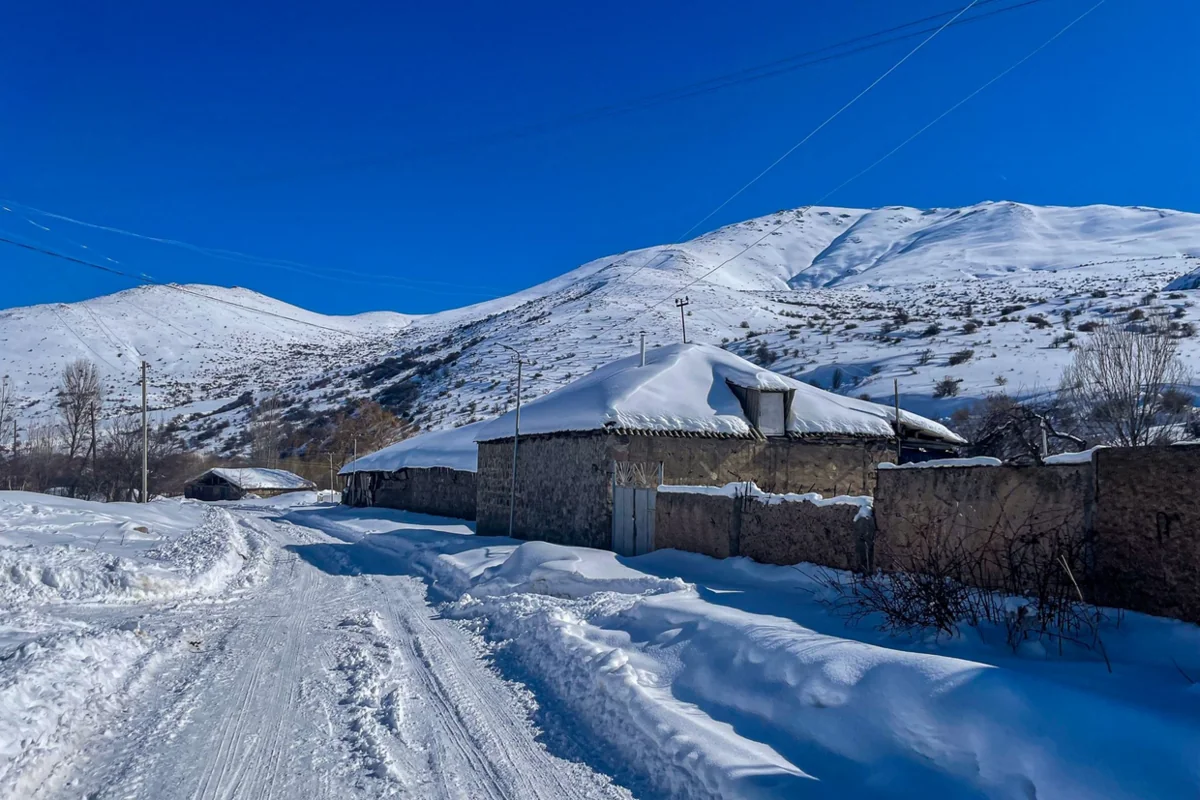
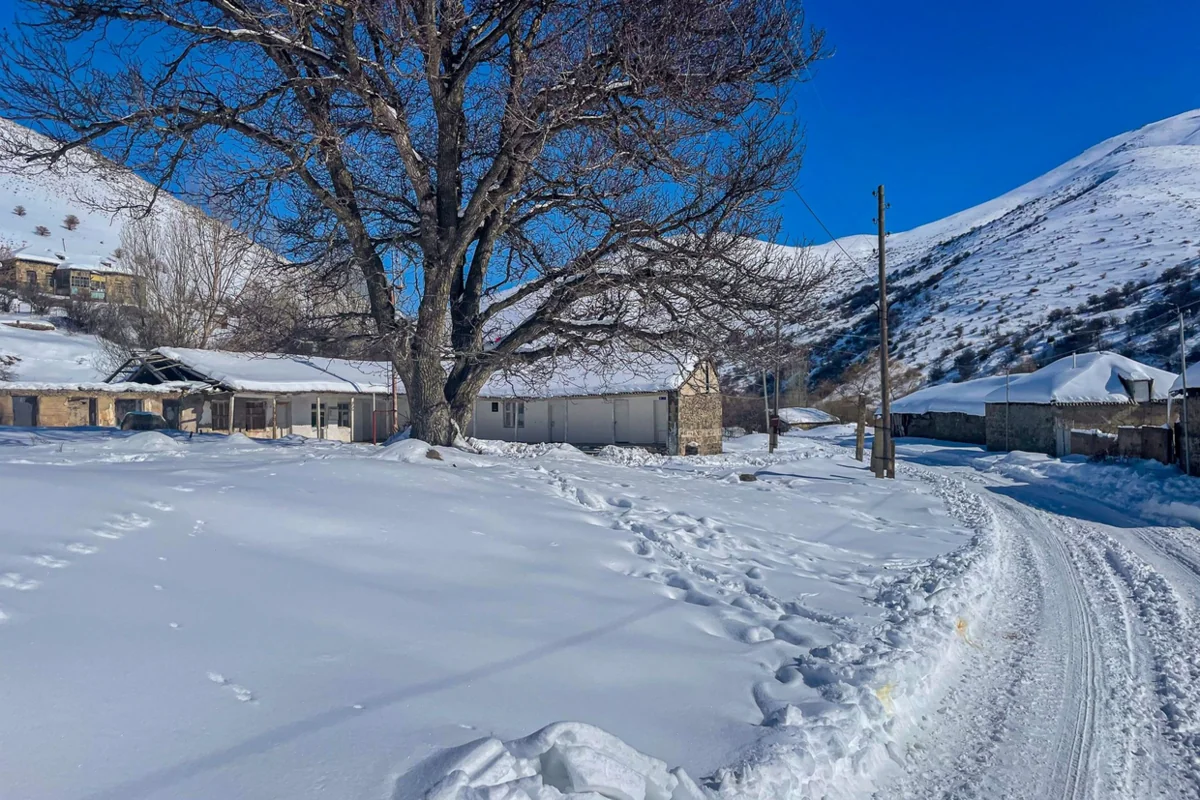
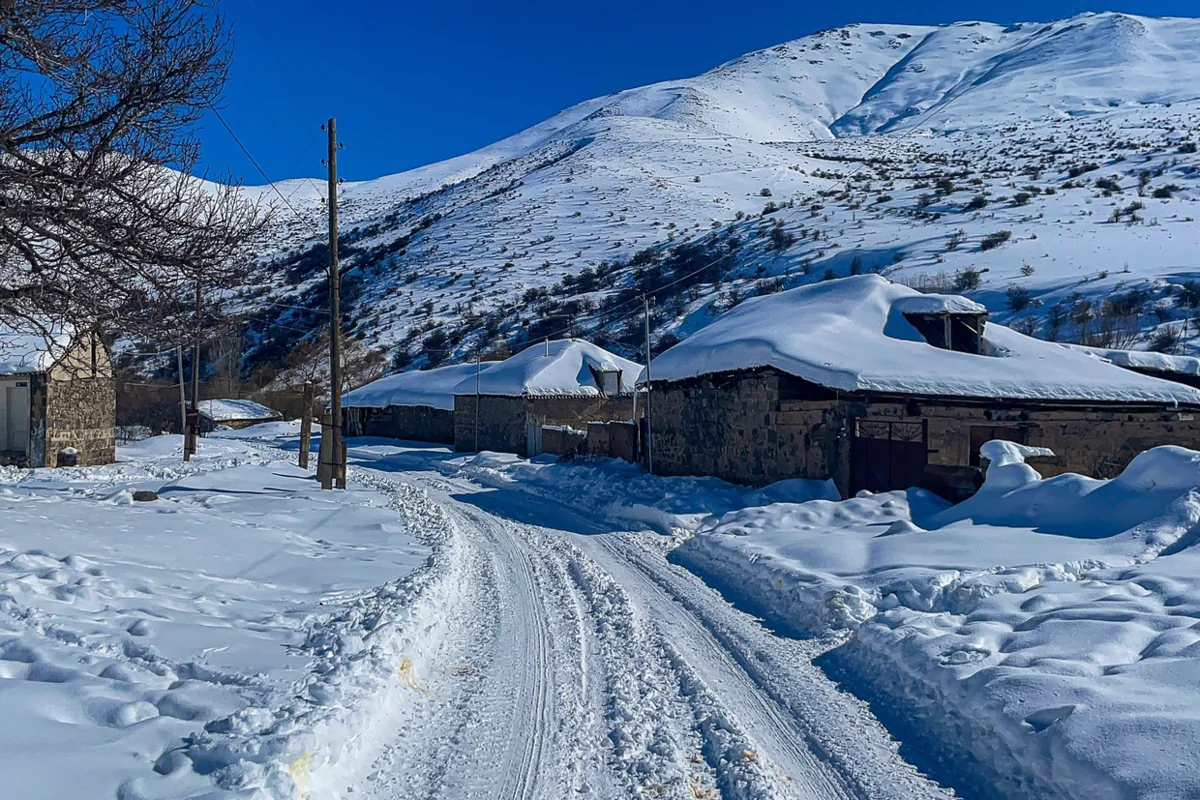
As part of the "Sites of Memory of Western Azerbaijan" project, research has been published on Arafsa (present-day Arevis), an Azerbaijani village in present-day Armenia founded by natives of Nakhchivan.
According to Report, the article was published on Perished Civilization.
The village was known as Aravsa and Shagarjik during the Tsarist period and as Aravus and Arevis during the Soviet period.
The village is situated in Zangazur, on land historically inhabited by ancestors of present-day Azerbaijanis, the western part of which was ceded to Armenia by the Bolsheviks.
Russian imperial sources recorded the village as Aravsa, a name that remained in use until the Soviet period. The toponym derives from the ethnonym "Arafsali," denoting a branch of the Turkic Kangarli tribe, some members of which lived in the territory of the present-day Nakhchivan Autonomous Republic of Azerbaijan.
In July 1968, the village was renamed Arevis as part of what the project describes as a policy of Armenianization and the erasure of Azerbaijani heritage in Armenia.
Since 1995, the village has been part of Syunik Province of the Republic of Armenia.
From the mid-18th century until the Russian conquest, the territory of the village formed part of the Karabakh Khanate.
In the early 19th century, the Karabakh Khanate came under the authority of the Russian Empire. During the Tsarist period, the village was part of the Zangazur Uyezd of the Elisavetpol Governorate.
According to the Description of the Karabakh Province, compiled in 1823 on the orders of A. P. Yermolov, commander-in-chief in Georgia, the village was inhabited by ancestors of present-day Azerbaijanis. Among them was the family of Ali Umbat Bey, originally from Nakhchivan.
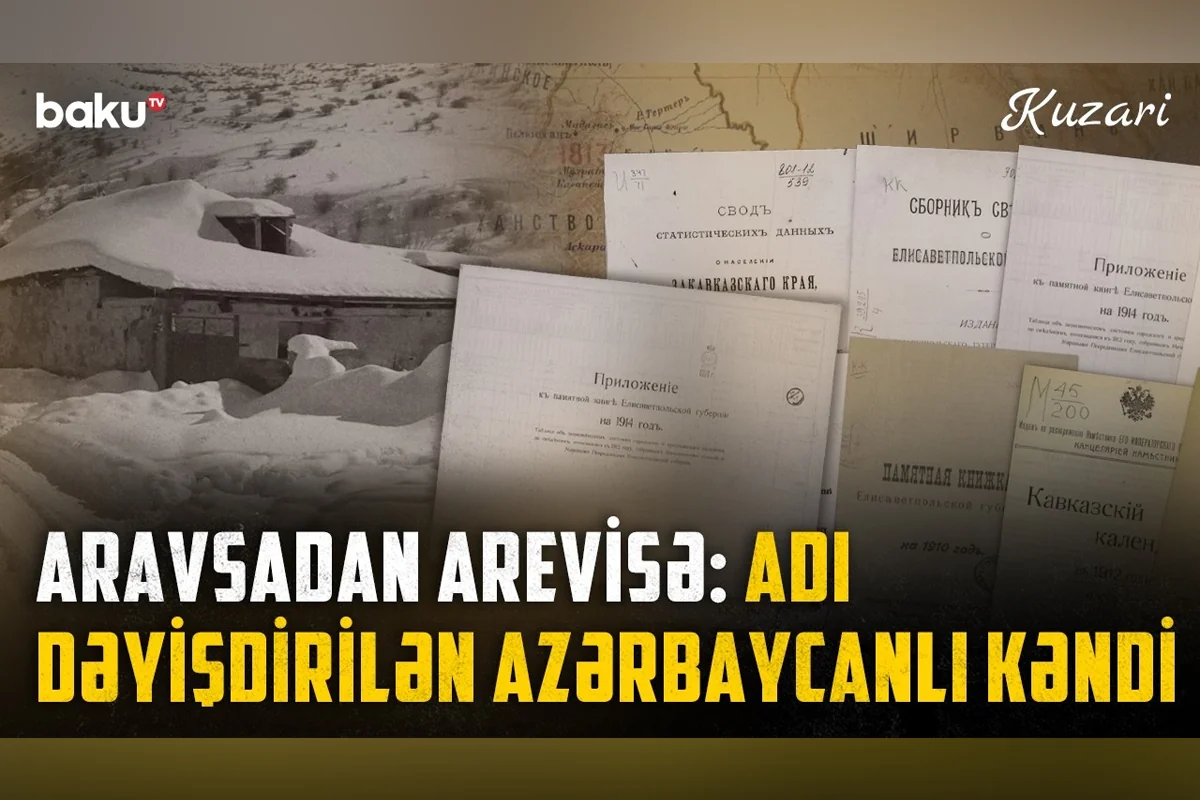
Tsarist-era statistical records, also cited in Armenian sources, indicate that at various times before 1914, the village was inhabited exclusively or predominantly by ancestors of present-day Azerbaijanis.
Z. Korkotyan's The Population of Soviet Armenia over the Last Hundred Years (1831–1931) states that in 1831 the village had 19 inhabitants, all of whom were ancestors of present-day Azerbaijanis.
According to the Summary of Statistical Data on the Population of the Transcaucasian Krai, Extracted from the 1886 Family Lists, the village had 148 inhabitants in 1886, all of whom were ancestors of present-day Azerbaijanis.
Korkotyan's work records 123 inhabitants in the village in 1897, all of whom were ancestors of present-day Azerbaijanis.
According to the Collection of Information about the Elisavetpol Governorate, the village had 123 inhabitants in 1900, all of whom were ancestors of present-day Azerbaijanis.
The Caucasian Calendar for 1909 states that the village had 168 inhabitants in 1907, predominantly ancestors of present-day Azerbaijanis.
According to the Elisavetpol Governorate Memorial Book for 1910, the village had 173 inhabitants in 1908, all of whom were ancestors of present-day Azerbaijanis.
The Caucasian Calendar for 1912 records 182 inhabitants in the village in 1911, predominantly ancestors of present-day Azerbaijanis.
According to the Supplement to the Elisavetpol Governorate Memorial Book for 1914, the village had 288 inhabitants in 1912, all of whom were ancestors of present-day Azerbaijanis.
The Caucasian Calendar for 1915 records 300 inhabitants in the village in 1914, predominantly ancestors of present-day Azerbaijanis.
On May 29, 1918, the government of the Azerbaijan Democratic Republic (ADR) ceded Erivan, present-day Yerevan, and several surrounding territories to the Armenians.
The article states that the First Republic of Armenia was thereby established on territory historically inhabited by ancestors of present-day Azerbaijanis and that, within the first few months of its existence, it began making territorial claims against Azerbaijan, Georgia and Türkiye, then the Ottoman Empire.
Between 1918 and 1920, Dashnaktsutyun, the nationalist party that held power in the Republic of Armenia, initiated what the project describes as ethnic cleansing of the Turkic population in the Elisavetpol Governorate, including Zangazur. The article says ethnic cleansing was also carried out in the Erivan Governorate and other areas, particularly Karabakh and Nakhchivan.
According to archival documents cited by the project, Arafsa was devastated by interethnic clashes as early as 1917.
The article also cites the memoirs of the personal aide to Armenian commander Andranik Ozanyan as saying that they attacked Arafsa in September 1918, forcing its inhabitants to flee.
The project says the consequences of the ethnic cleansing can be seen by comparing the number of Turkic inhabitants in the village in earlier years with the population recorded in the 1922 census of Soviet Armenia.
According to Z. Korkotyan's The Population of Soviet Armenia over the Last Hundred Years (1831–1931), the village had 151 inhabitants in 1922, all of whom were Azerbaijanis.
Soviet Armenia was proclaimed on November 29, 1920, although the Dashnaktsutyun government still remained in power in Erivan. The following day, the leadership of Soviet Azerbaijan decided to cede Zangazur to Soviet Armenia.
The former Zangazur Uyezd was subsequently divided. In the summer of 1921, its western part, which the project says had become predominantly Armenian-populated following the ethnic cleansing, was incorporated into the Armenian SSR, while the eastern part remained within the Azerbaijan SSR.
In 1930, the village became part of the Sisian District.
According to Armenian sources, the village was inhabited exclusively or predominantly by Azerbaijanis at various times until the late 1980s.
Korkotyan's The Population of Soviet Armenia over the Last Hundred Years (1831–1931) records 225 inhabitants in the village in 1931, all of whom were Azerbaijanis.
According to A. P. Manvelyan and G. M. Martirosyan's Settlements and Population of the Armenian SSR over the Period 1831–1959, the village had 478 inhabitants in 1959, predominantly Azerbaijanis.
T. Kh. Hakobyan, St. T. Melik-Bakhshyan and H. Kh. Barsegyan's Dictionary of Toponymy of Armenia and Adjacent Territories states that the village had 551 inhabitants in 1970, all of whom were Azerbaijanis. In 1979, it had 476 inhabitants, all Azerbaijanis.
In the late 1980s, Azerbaijanis were driven out of the Armenian SSR. After the Azerbaijani population was expelled, the village was settled by Armenians.
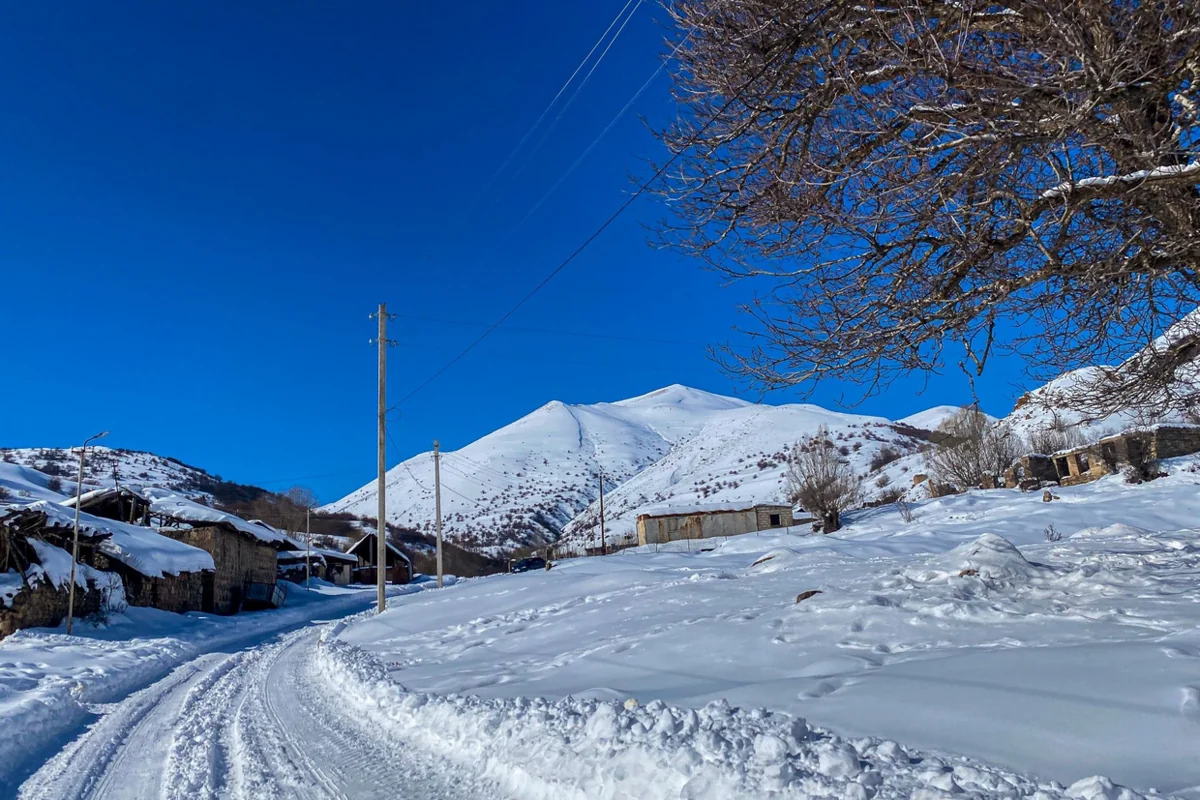
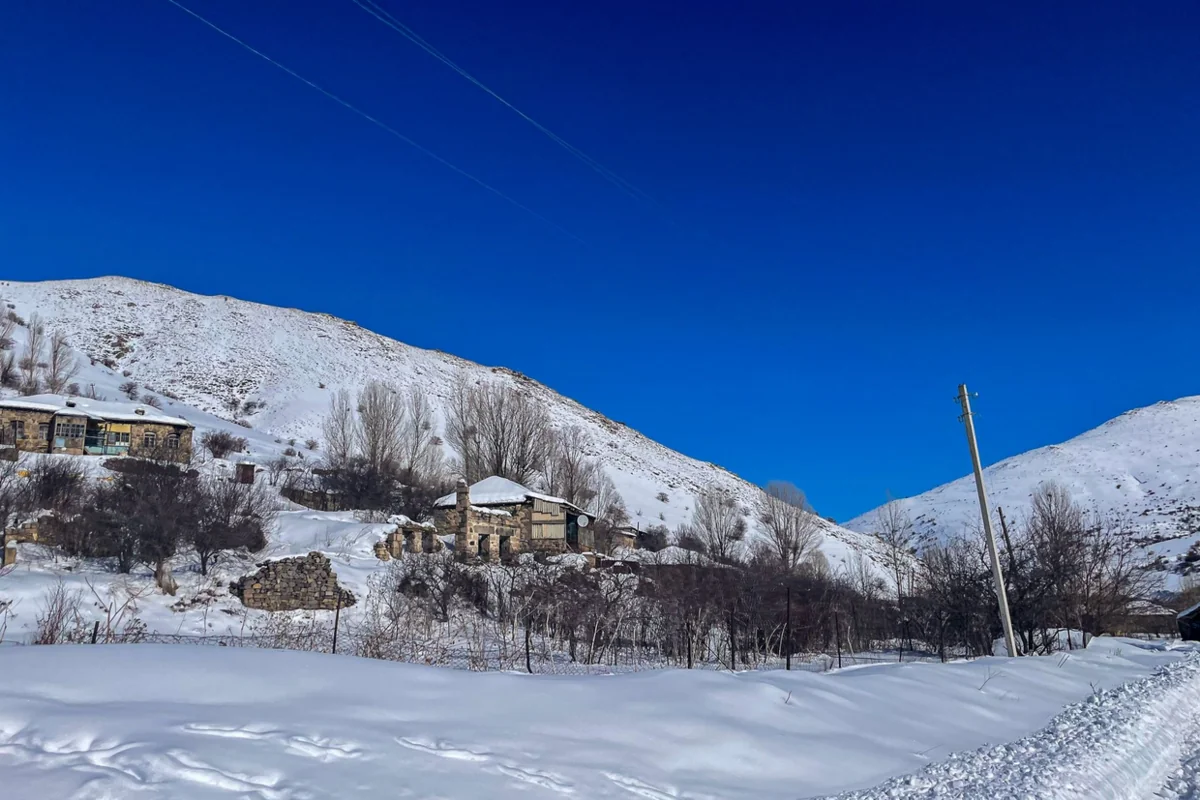
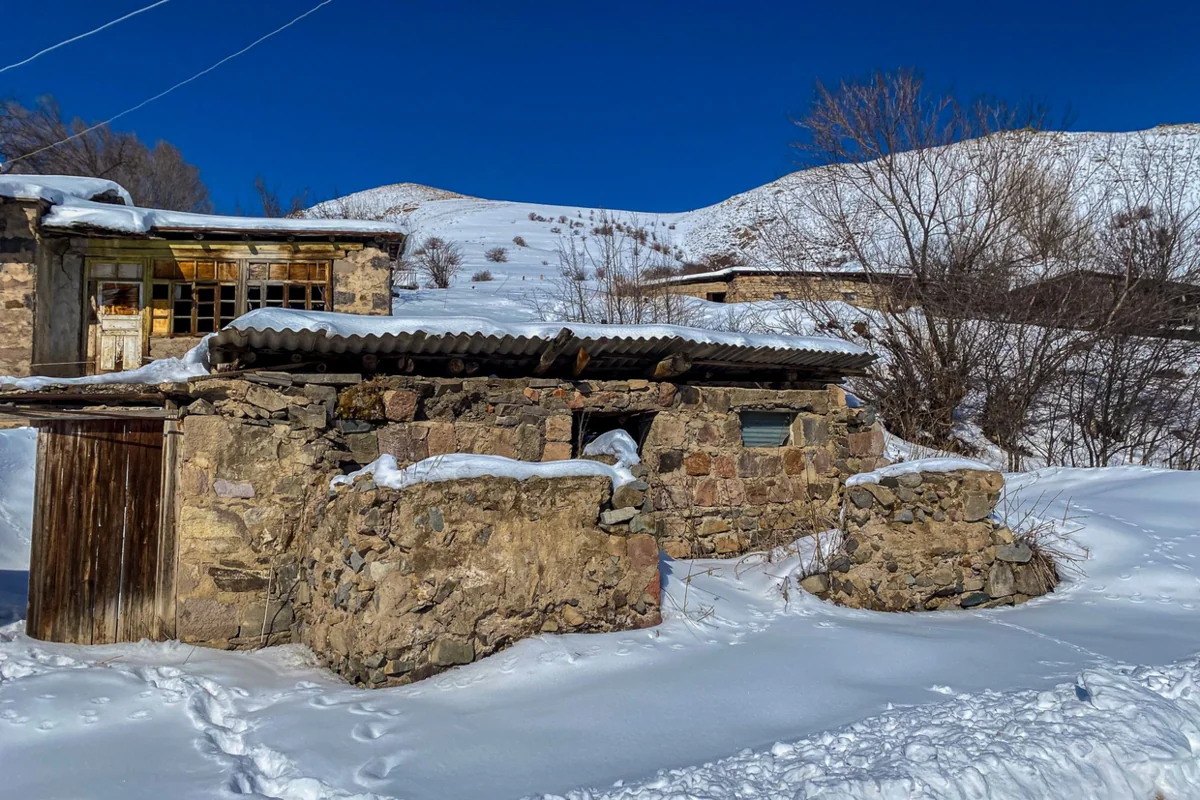
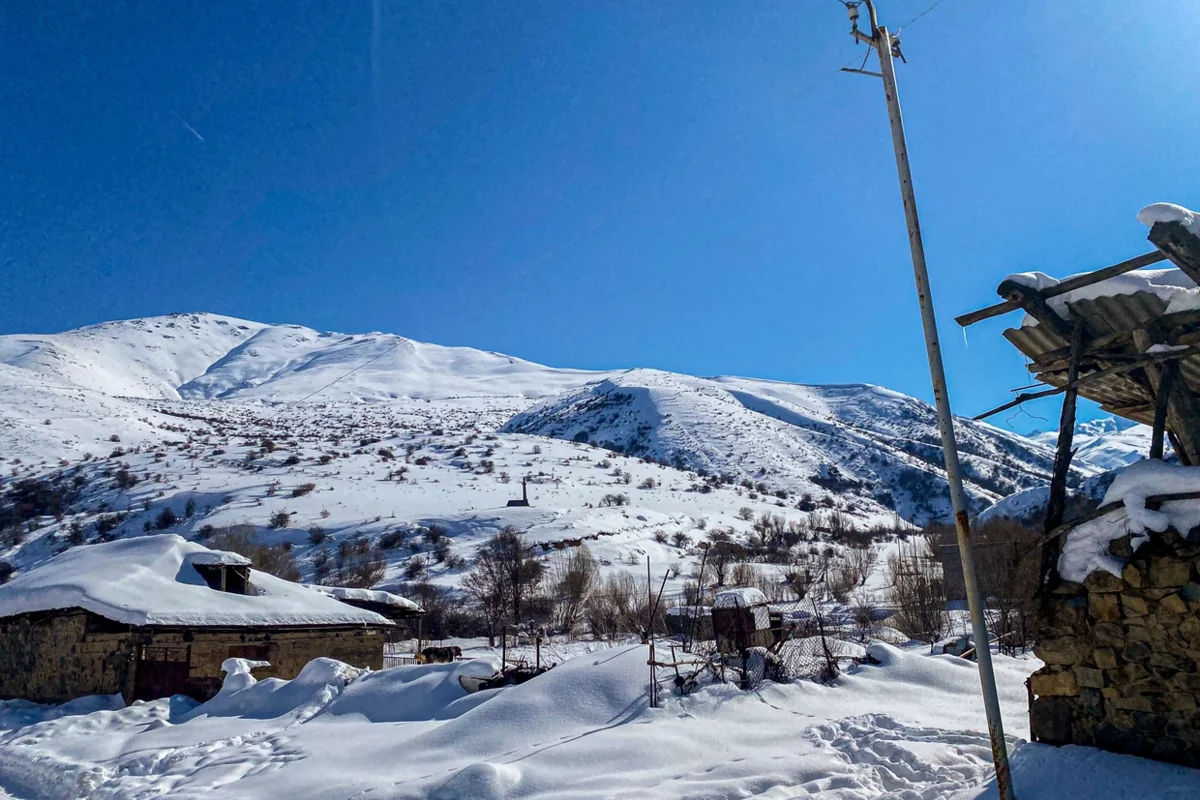
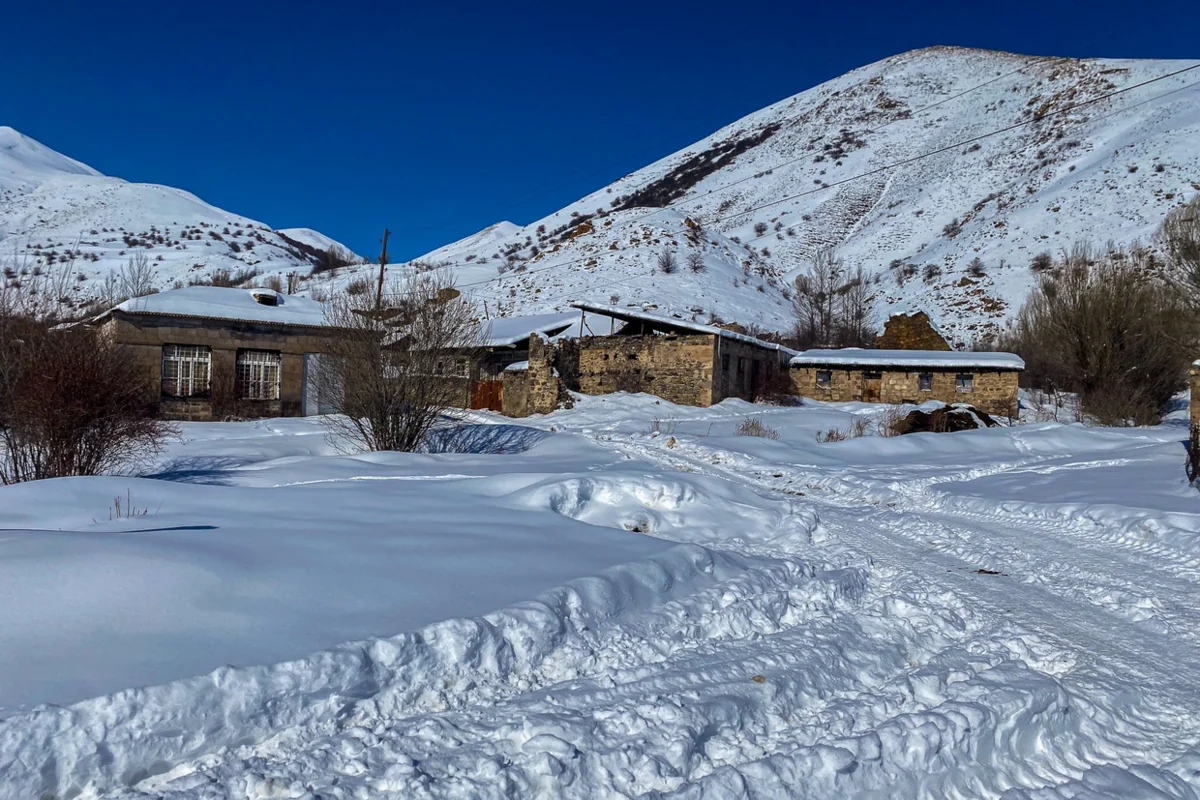
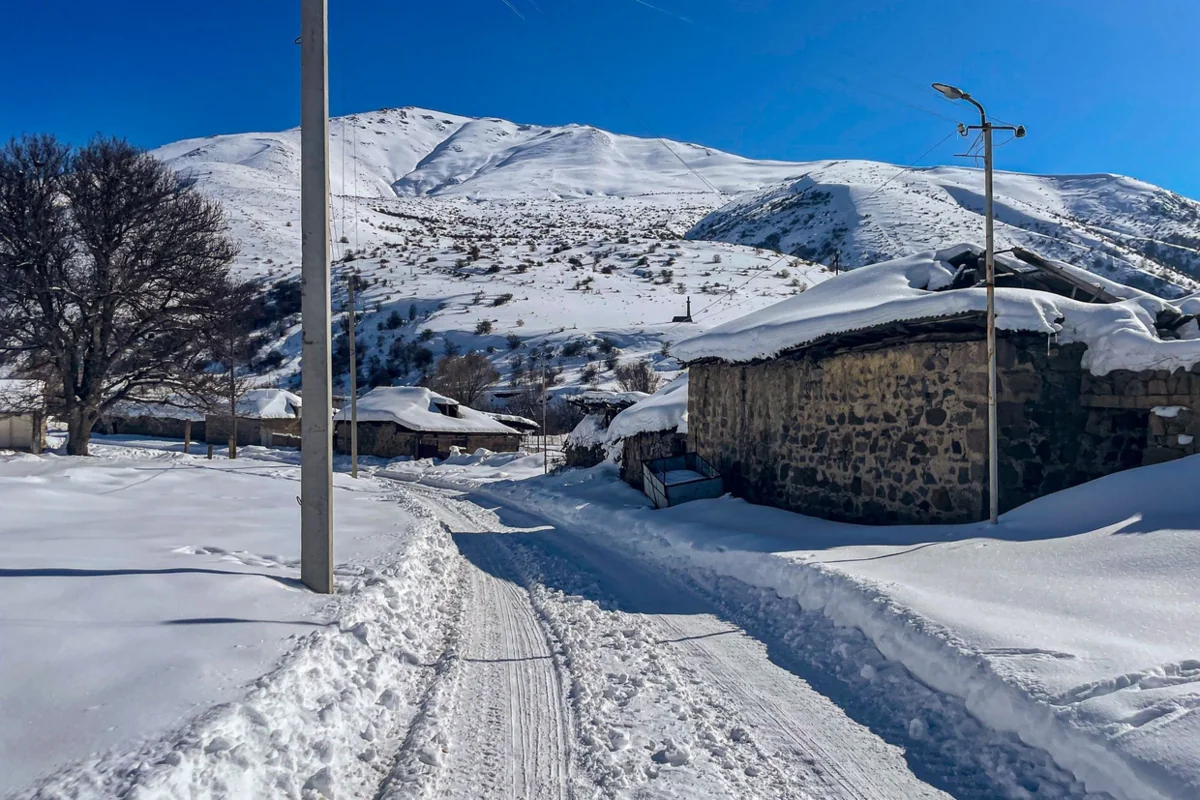
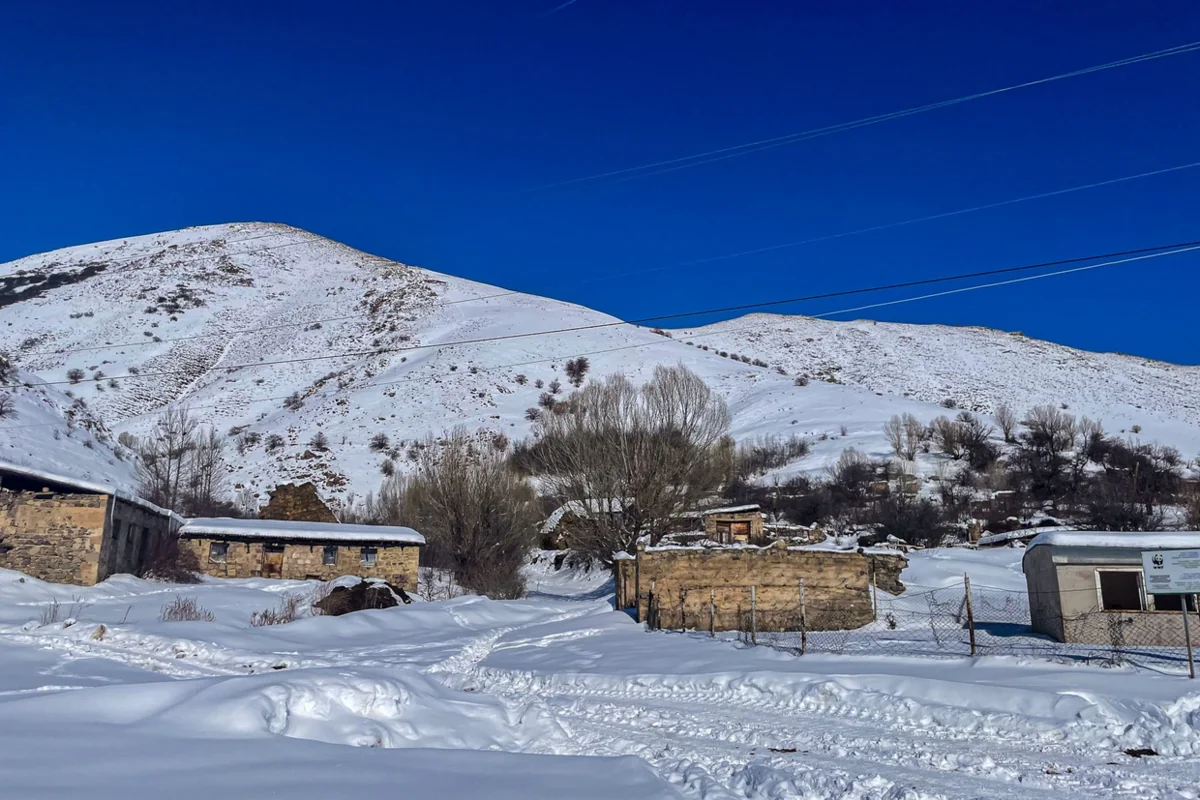
Between 2021 and 2024, extensive fieldwork was conducted across Armenia, including in remote mountainous regions, in preparation for the book The Perished Civilization. The research focused on identifying and documenting surviving Azerbaijani heritage sites.
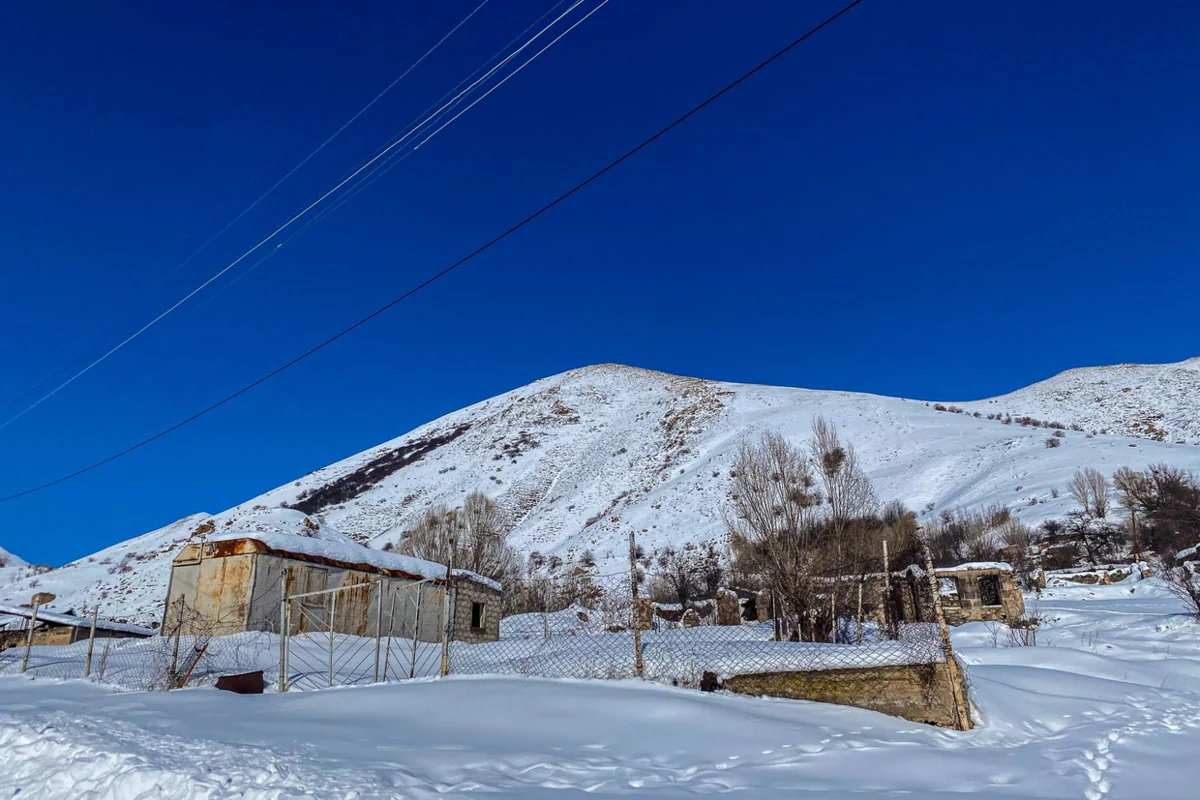
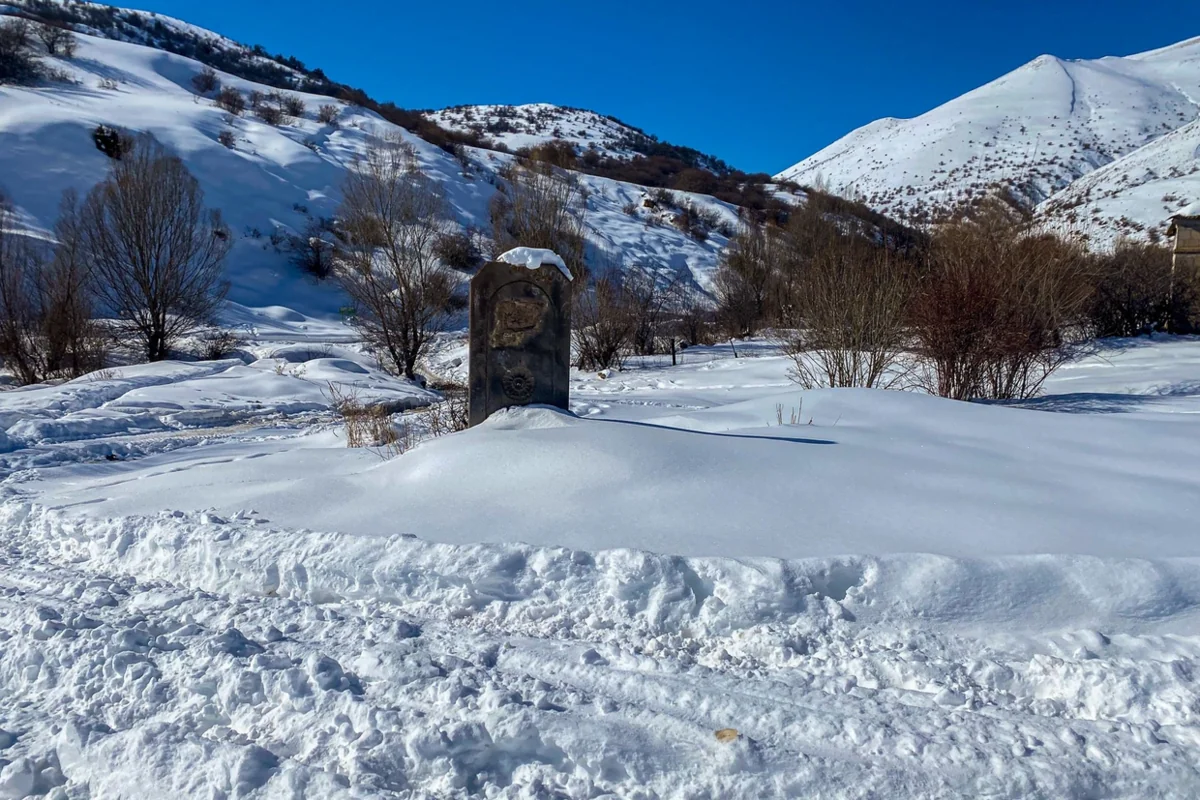
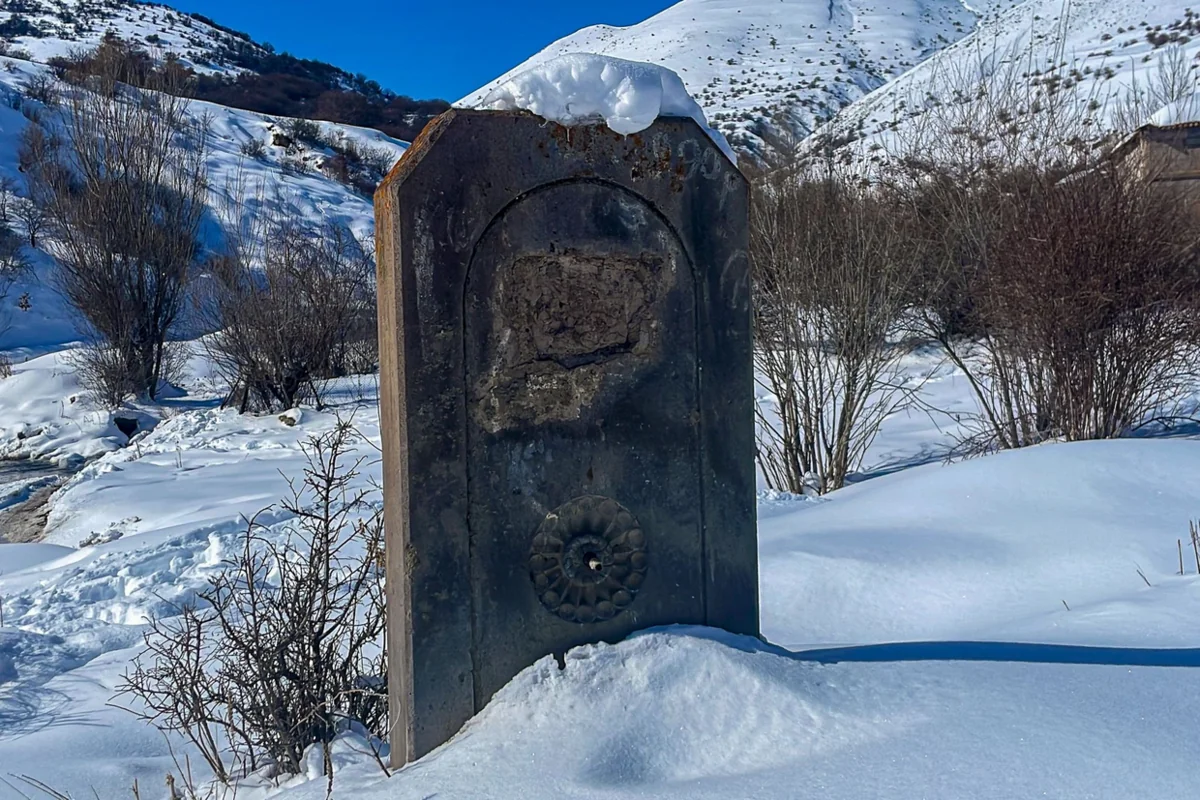
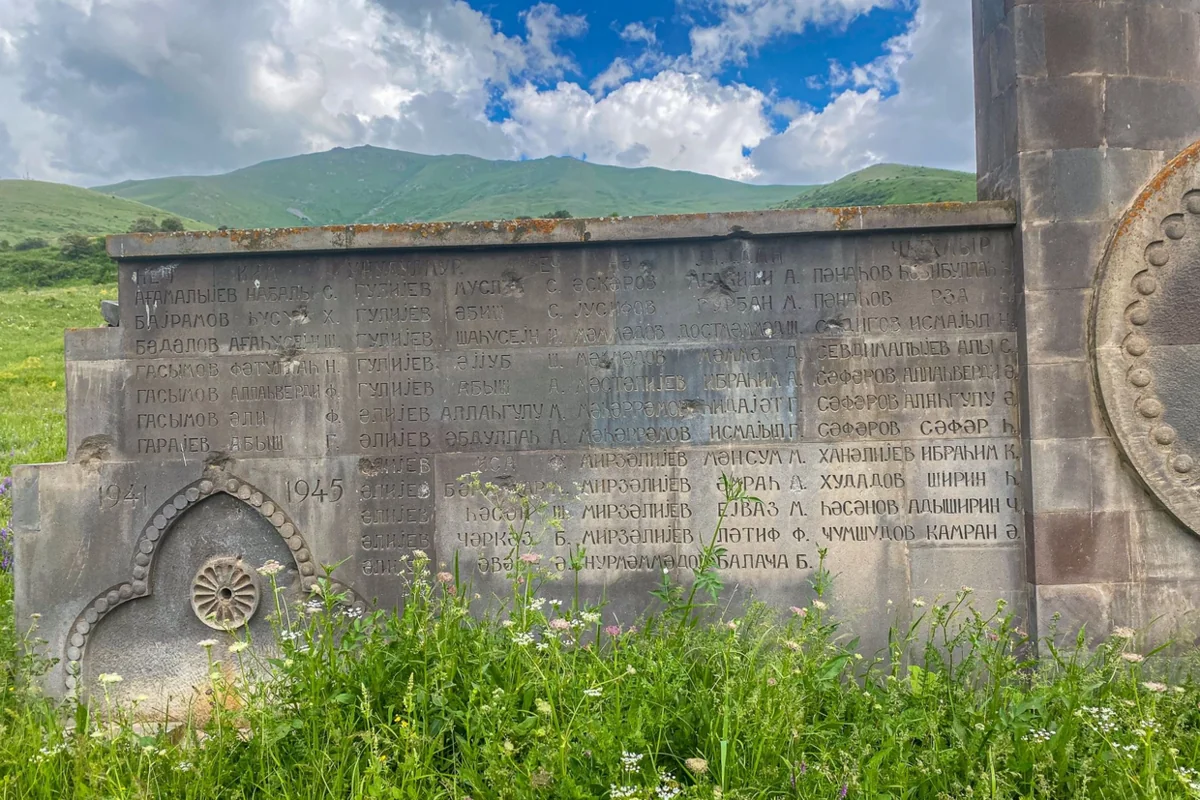
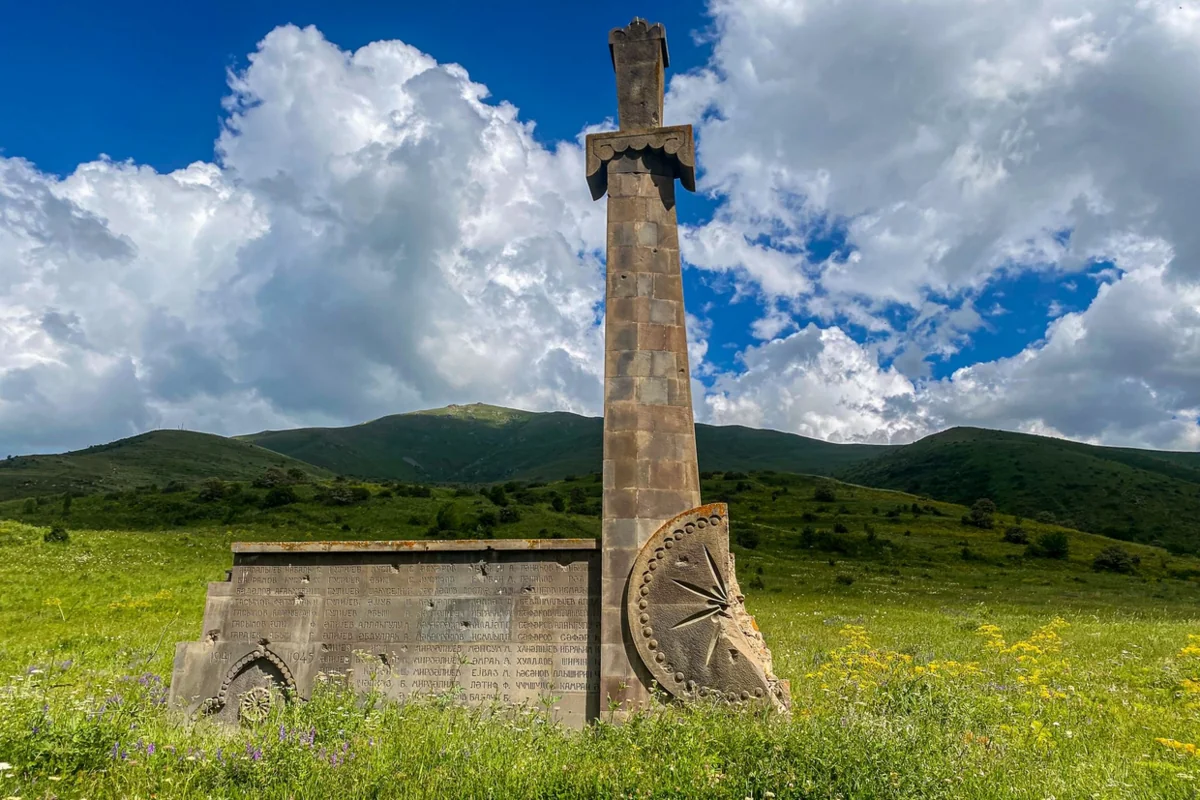
During the fieldwork, a World War II memorial bearing the names of Azerbaijani victims was discovered in the village.
The "Sites of Memory of Western Azerbaijan" project is described as a unique research initiative. During field studies conducted across the territory of present-day Armenia, information on nearly 600 villages once inhabited by ancestors of present-day Azerbaijanis was collected and systematized for the first time.
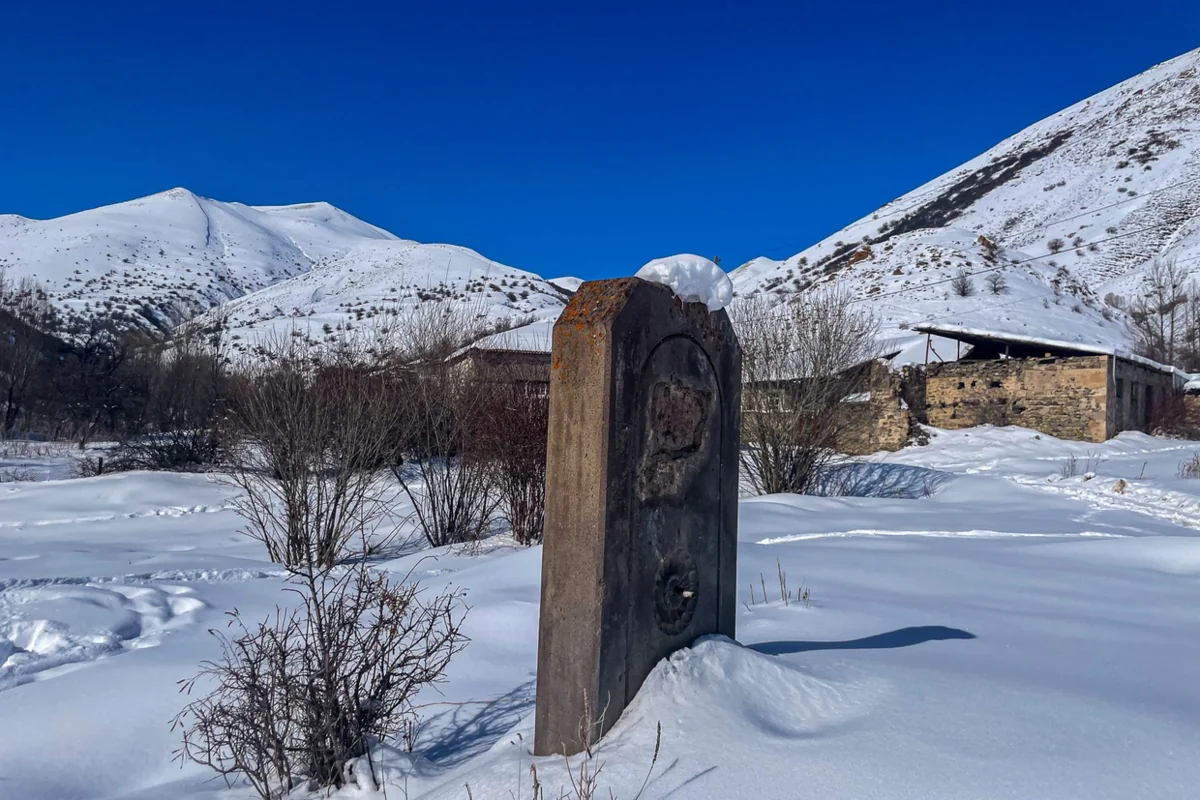
Fragments of Turkic cultural and historical heritage, including cemeteries, sacred sites and mosques, remain in some of these villages.
Author