
 Baku 24° C
Thailand's rep: Sports proven their effectiveness as tool for crime prevention
- 20 May, 2026
- 15:42
Stay up to date with the top news!
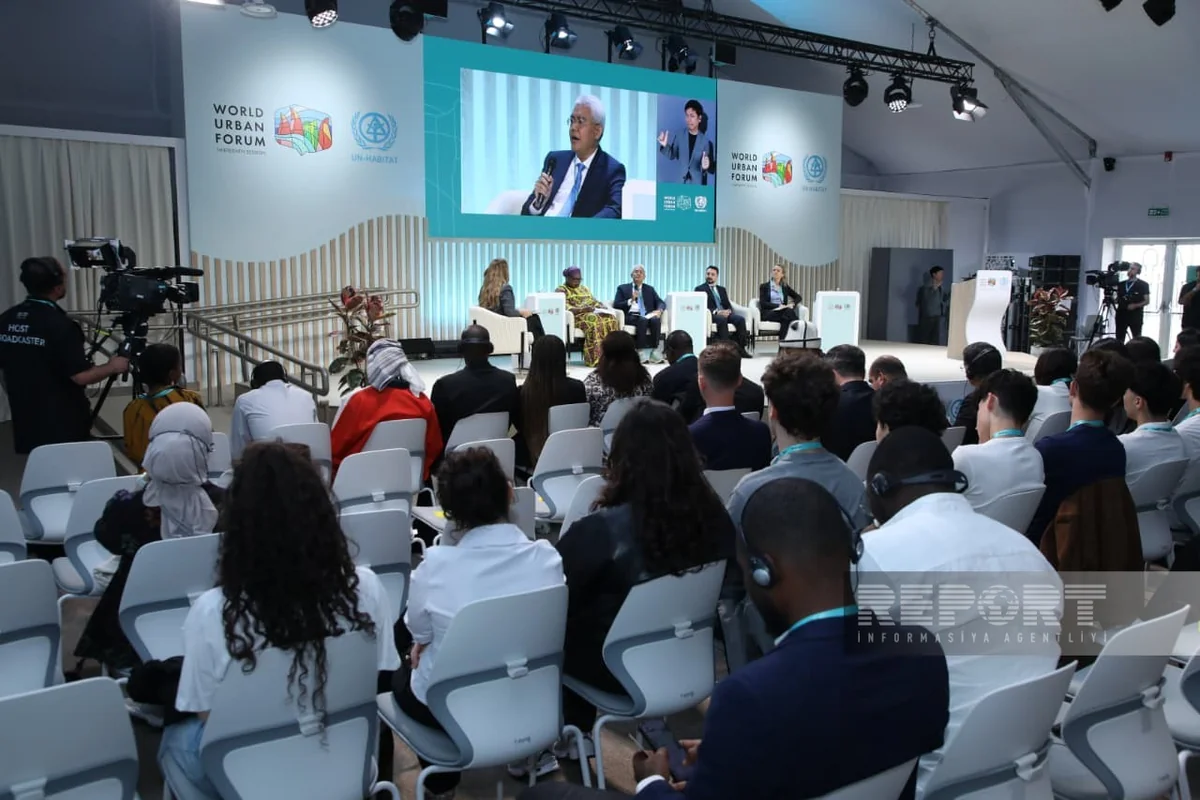
Sport is an inexpensive, yet highly effective and highly efficient tool that governments and cities can use to prevent crime, Vongthep Arthakaivalvatee, Senior Advisor to the Alliance of Sport in Criminal Justice (AoS) and a representative of Thailand, said at a panel discussion as part of WUF13 in Baku, Report informs.
According to him, a lack of investment in sport and youth infrastructure will lead to increased crime, higher healthcare costs, and additional burden on the criminal justice system in the future.
"If we look at a 10-year horizon, we will see rising crime rates, high healthcare costs, and enormous costs in the criminal justice system. And all of this can be addressed through investment," Arthakaivalvatee noted.
According to the advisor, young people from disadvantaged urban areas remain particularly vulnerable.
"Think about young people who are out of school, living in disadvantaged urban areas, and effectively excluded from public life. Their vulnerability to crime, violence, and human trafficking is extremely high," said the AoS representative.
He emphasized that sport has already proven its effectiveness as a crime prevention tool.
"Our colleagues from the International Olympic Committee can confirm this. Sport is an inexpensive, yet highly effective and highly impactful tool that governments and cities can use to prevent crime," he said.
The AoS representative emphasized the importance of investing in prevention and creating a supportive environment for young people, especially those from disadvantaged urban areas.
"We need to invest in prevention to prevent not only youth crime but also future health crises and the high costs associated with them. Furthermore, preventing youth crime and violence directly impacts a society's future economic productivity," Arthakaivalvatee added.
He also cited statistics from the World Health Organization: "About 80% of adolescents and one in three adults are insufficiently active. This is a serious signal for all of us, as a lack of physical activity leads to many preventable risk factors."
In conclusion, Arthakaivalvatee called for strengthening a culture of prevention and expanding collaboration across various organizations and sectors.
"We need to promote a culture of prevention in all areas, strengthen collaboration between various organizations, including within the UN system, and develop interactions among all stakeholders," he concluded.
Author