Baku 23° C
Rwandan ambassador: Azerbaijan amplifies Africa's voice against neocolonialism – INTERVIEW
- 05 September, 2026
- 11:05
Stay up to date with the top news!
The Baku Initiative Group (BIG) recently held an international conference in Baku titled "101 Years of Belgian Colonial Injustices and the Struggle for Reparations."
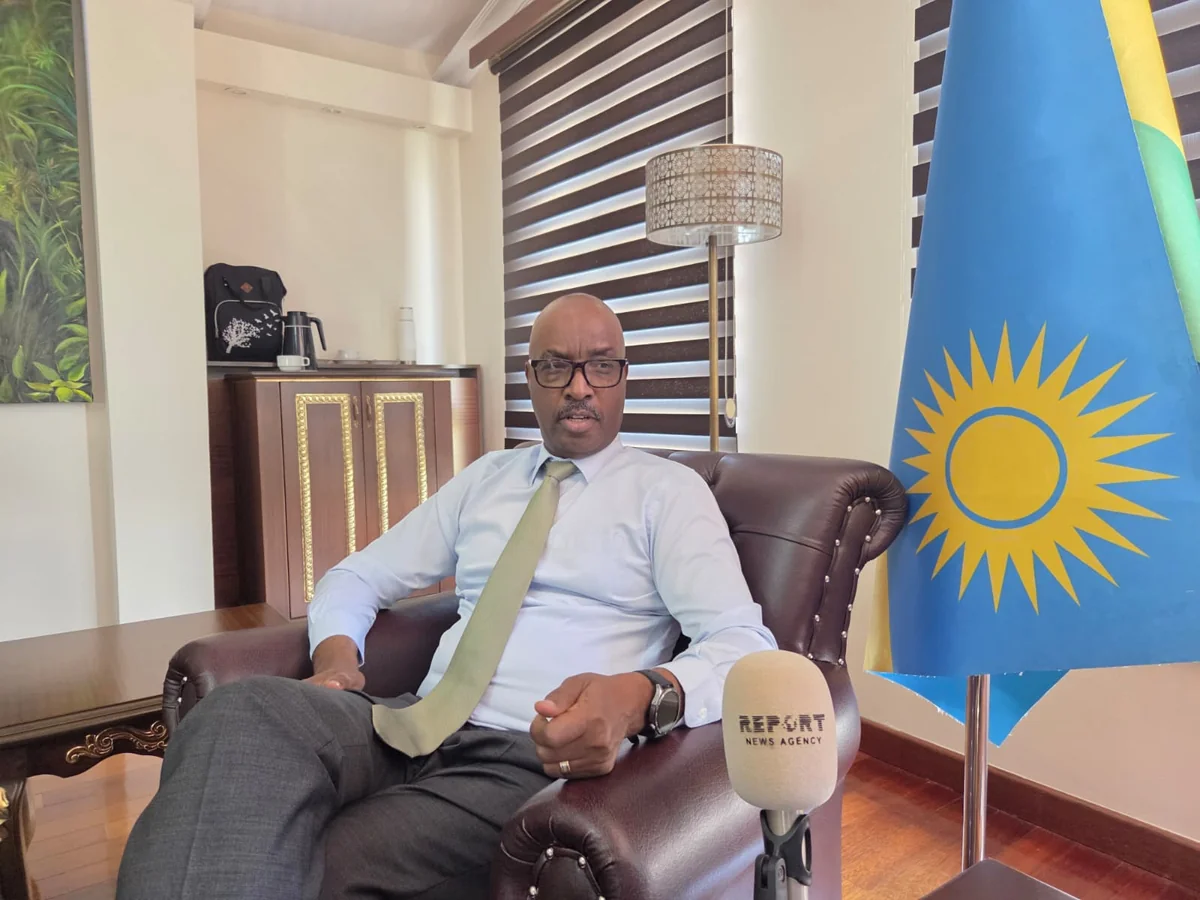
Charles Kayonga, Rwanda's Ambassador to Azerbaijan, who is based in Ankara, took part in the event and later spoke to Report's Türkiye bureau about the legacy of Belgian colonialism, neocolonialism and Azerbaijan-Rwanda relations.
Mr. Ambassador, how do you assess Azerbaijan's recent international activities against neocolonialism?
The latest event held in Baku was an international conference titled "101 Years of Belgian Colonial Injustices and the Struggle for Reparations." As the Rwandan delegation, we actively participated in this conference.
The event called on Belgium to formally apologize and pay reparations for crimes committed against the peoples of Rwanda, the Democratic Republic of the Congo and Burundi during the colonial period. Members of parliament and representatives from the field of international relations also participated.
The effects of colonialism continue to this day. Therefore, we can say that Azerbaijan is helping Africa's voice against neocolonialism be heard more effectively by the international community.
Can we say that the colonial legacy is one of the main causes of many of the problems Africa faces today?
Yes. The wars, ethnic conflicts and divisions between communities that continue today are consequences of this legacy.
Many of the leaders who came to power after independence remained under the influence of the colonial powers and continued those policies. For example, in Rwanda, the leaders who came to power after the Belgians maintained the divisions created by them. They manipulated those divisions for their own personal interests and political purposes.
The most tragic example of this was the Rwandan genocide of 1994, which is regarded as one of the bloodiest massacres in modern history.
As a former military officer, what would you propose to put an end to such a situation?
Of course, war cannot solve these problems. We believe conferences of this kind are very useful. Moreover, when an issue like this is raised by a neutral country such as Azerbaijan, it has a greater impact internationally. If only we or the other side raised it, people could say that we were doing so because of our own interests.
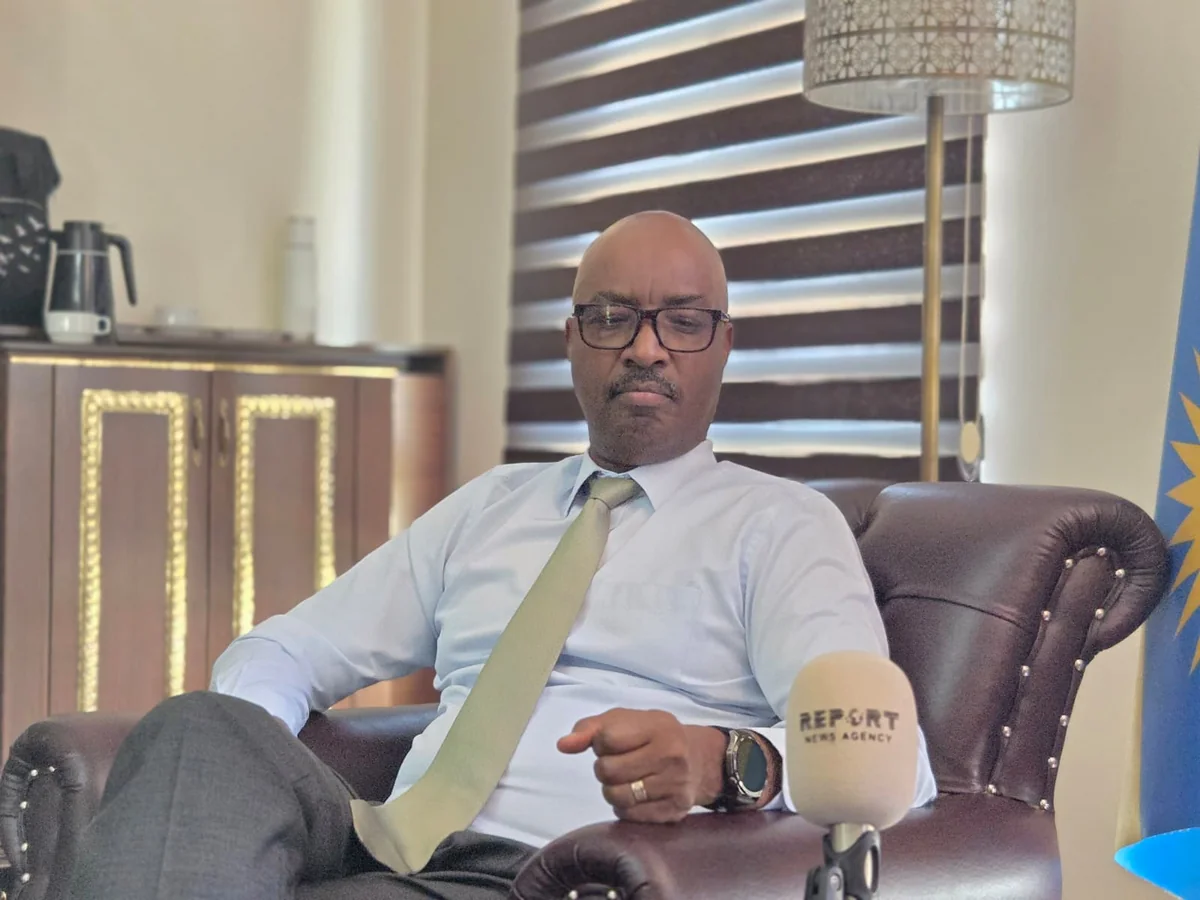
Of course, we have to solve our own problems ourselves. This is precisely why the African Union's current approach is that "African problems should be solved by Africans."
The Belgians and other colonial powers created divisions. But African leaders who continued and reinforced those divisions and turned them into part of the state system also bear responsibility.
Today, we do not spend our time condemning former colonial powers or blaming the West. We focus more on making changes and taking positive steps in our own country.
Is peace between Hutus and Tutsis possible today?
The division between Hutus and Tutsis in Rwanda was created during the colonial period. In reality, we are the same people.
However, after independence, these divisions were also exploited by the Rwandan government, ultimately resulting in horrific killings. But after the Rwandan Patriotic Front led by President Kagame came to power, we changed the situation.
There is no longer a Hutu-Tutsi distinction in Rwanda. We are all Rwandans. This is even enshrined in the Constitution.
Today, Rwanda is the cleanest country in Africa, and we rank second on the African continent in terms of the business environment.
Where does cooperation with Azerbaijan currently stand?
Our relations with Azerbaijan are very good at the political level. Since I began my tenure in 2024, our President has visited Azerbaijan twice - in November 2024 for the COP29 climate summit and in September 2025.
During his official visit in 2025, a total of five agreements were signed between our countries to strengthen bilateral cooperation, covering public service delivery through the ASAN Service model, agriculture, education, trade and air services.
The implementation of the ASAN Service model in Rwanda is being studied. In the field of military education, the Azerbaijani government has allocated 20 scholarships for our students.
So our cooperation is at a very good level. We are also holding discussions on implementing cooperation agreements in oil, trade and other areas.
Are any other high-level visits from Rwanda to Azerbaijan expected in the near future?
I cannot give an exact date. We have a cooperation agreement, and this agreement provides for reciprocal visits by the relevant state officials. This means our representatives may visit at any time.
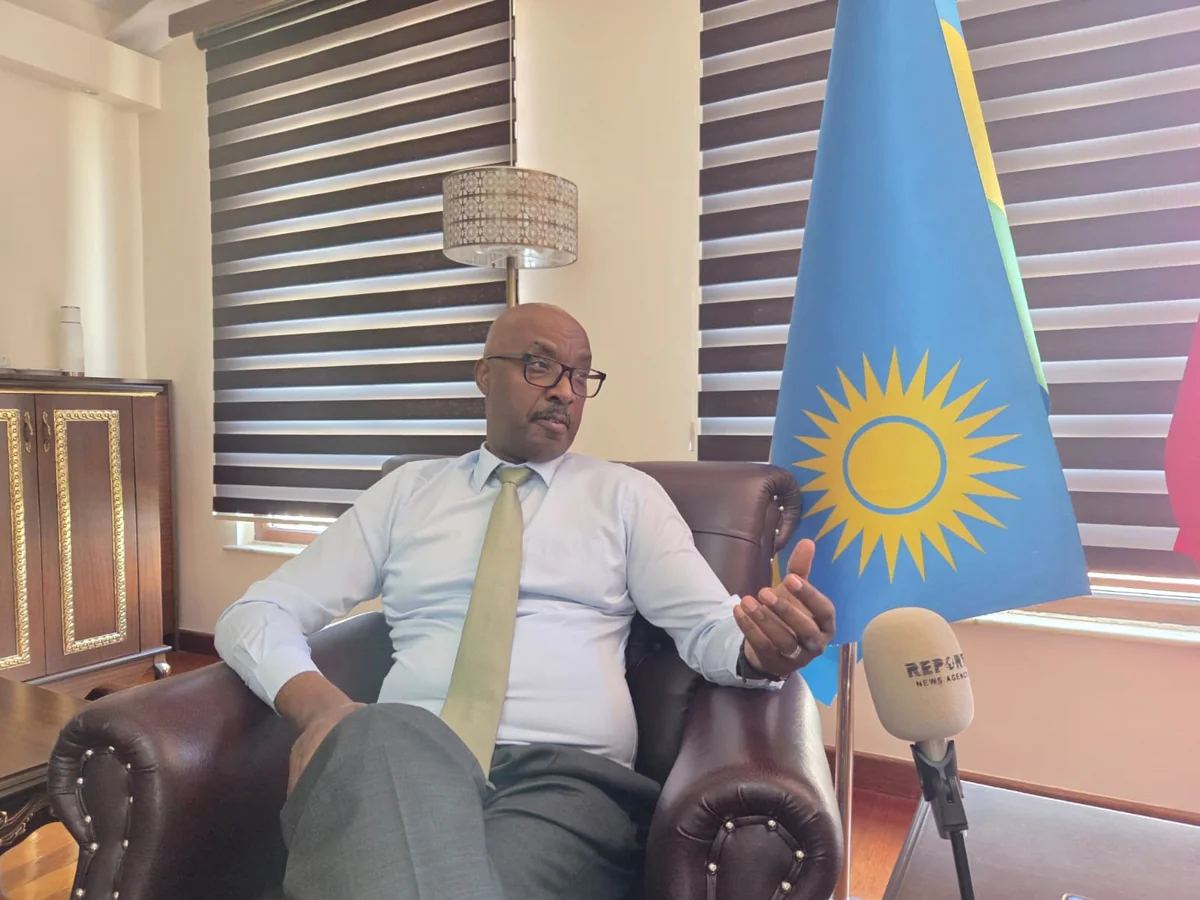
Mr. Ambassador, are there plans to hold any cultural events in Azerbaijan?
Yes. We are planning to organize a Rwanda Culture Day in Baku next year. If you visit Rwanda, you will also see many beautiful things there.
Thank you. By the way, what might be of interest to Azerbaijani tourists in Rwanda?
First of all, tea and coffee. We have very good fruits as well - avocados, for example, and very sweet bananas.
Incidentally, we are planning to establish a Coffee Hub in Azerbaijan and are looking for partners for this project.
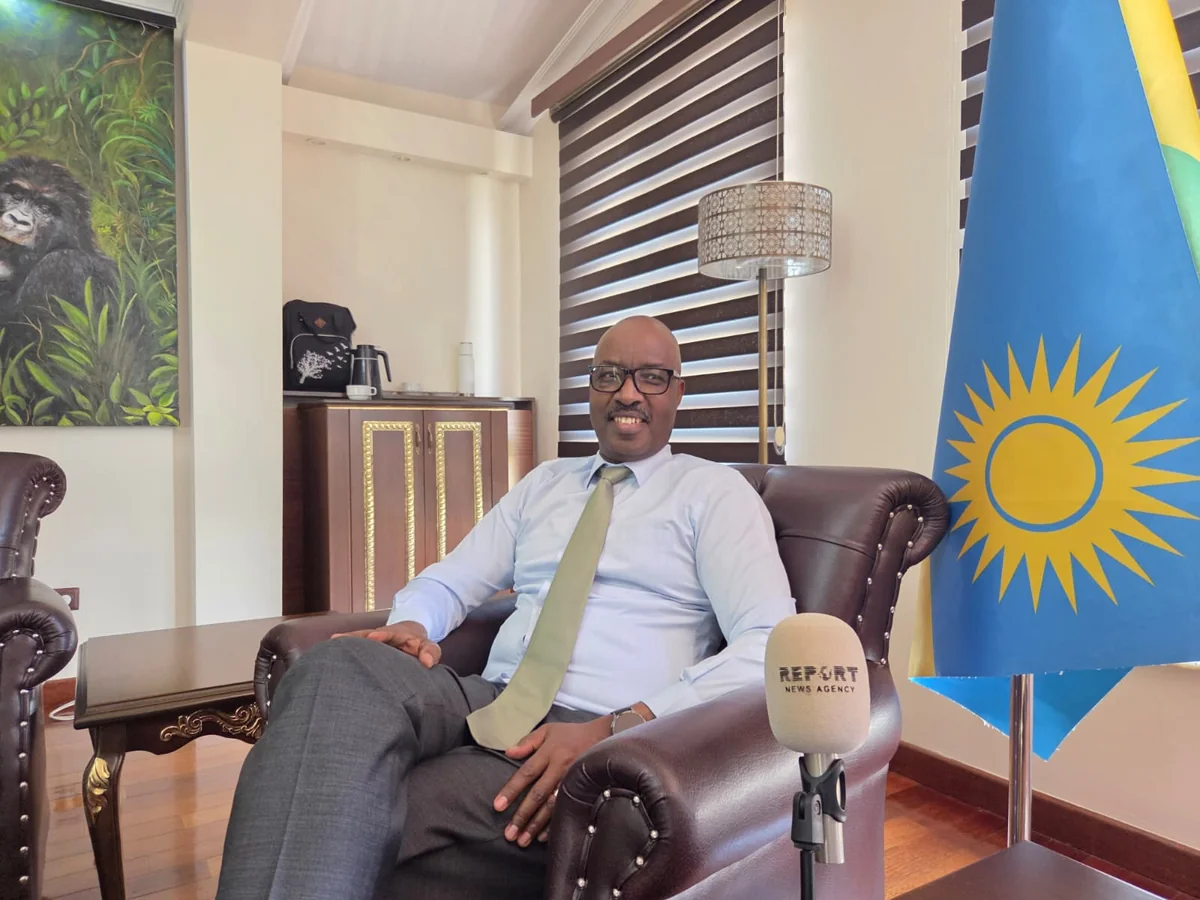
Then there are the magnificent landscapes of our Virunga Mountains. You can see mountain gorillas there. They live in family groups like humans, which is of great interest to tourists.
Further south, in the fascinating Nyungwe Forest, you can see various bird species, chimpanzees and other primates, as well as colorful butterflies. The forest is home to one of the sources of the Nile, one of Africa's two largest rivers, while waters flowing west feed the Congo River.
To the east, in Akagera National Park, you can see the animals known as the "Big Five," including elephants, buffaloes, lions and leopards.
Our country is also known as a hub for meetings and conferences. For example, on August 25–26, the Africa Mindset Reset Forum was held, bringing together people from across Africa. The discussions focused on rethinking Pan-Africanism.
We are also developing as an education hub. People from different parts of the world come to Rwanda to study. We have centers of excellence such as the African Leadership University, Carnegie Mellon University, a physics center and various agricultural institutes.
Mr. Ambassador, as you know, Somalia has opened an embassy in Azerbaijan. Are you also planning to open a Rwandan embassy in Azerbaijan?
It will definitely happen in the future, and we are currently planning it. Azerbaijan is a very important country. Azerbaijan is in the South Caucasus, in Eurasia, while Rwanda is in Central Africa. We want Rwanda and Azerbaijan to be brotherly countries.
Author