Baku 19° C
Sites of Memory of Western Azerbaijan: Kichik Mazra villagers subjected to massacre, deportation by Armenians
- 15 October, 2026
- 20:06
Stay up to date with the top news!
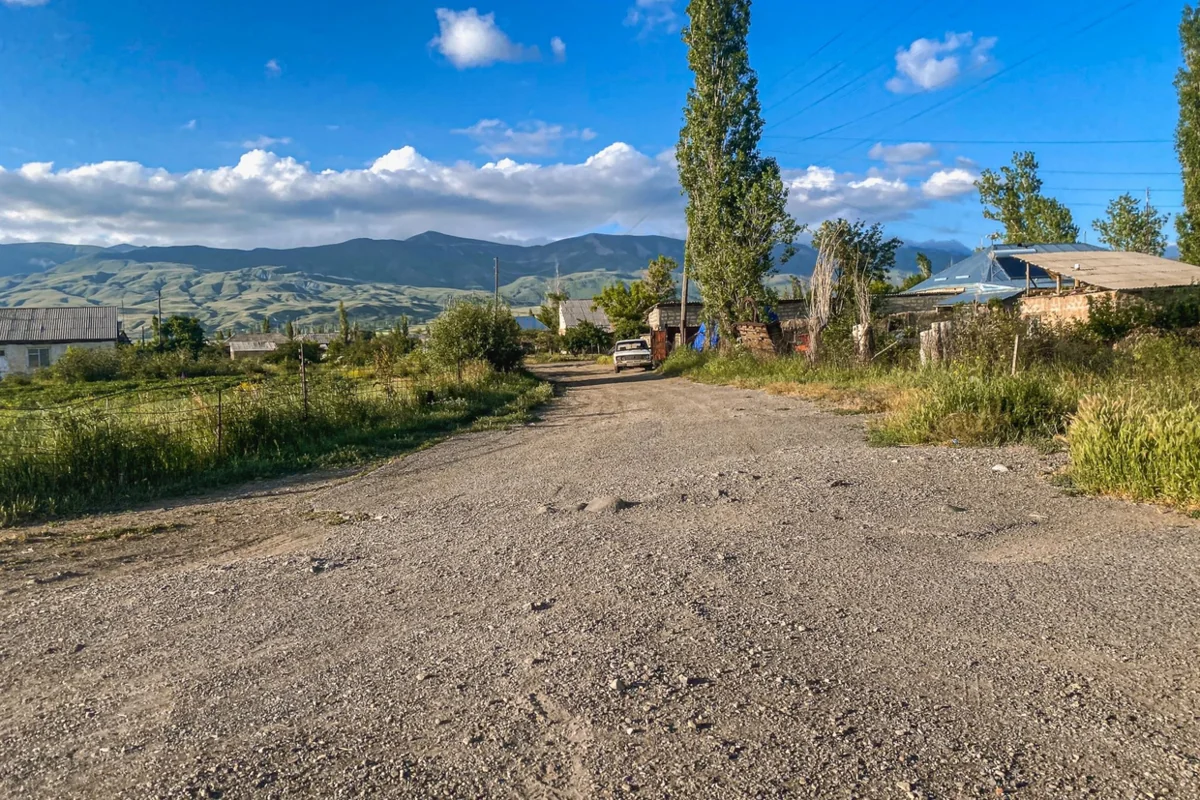
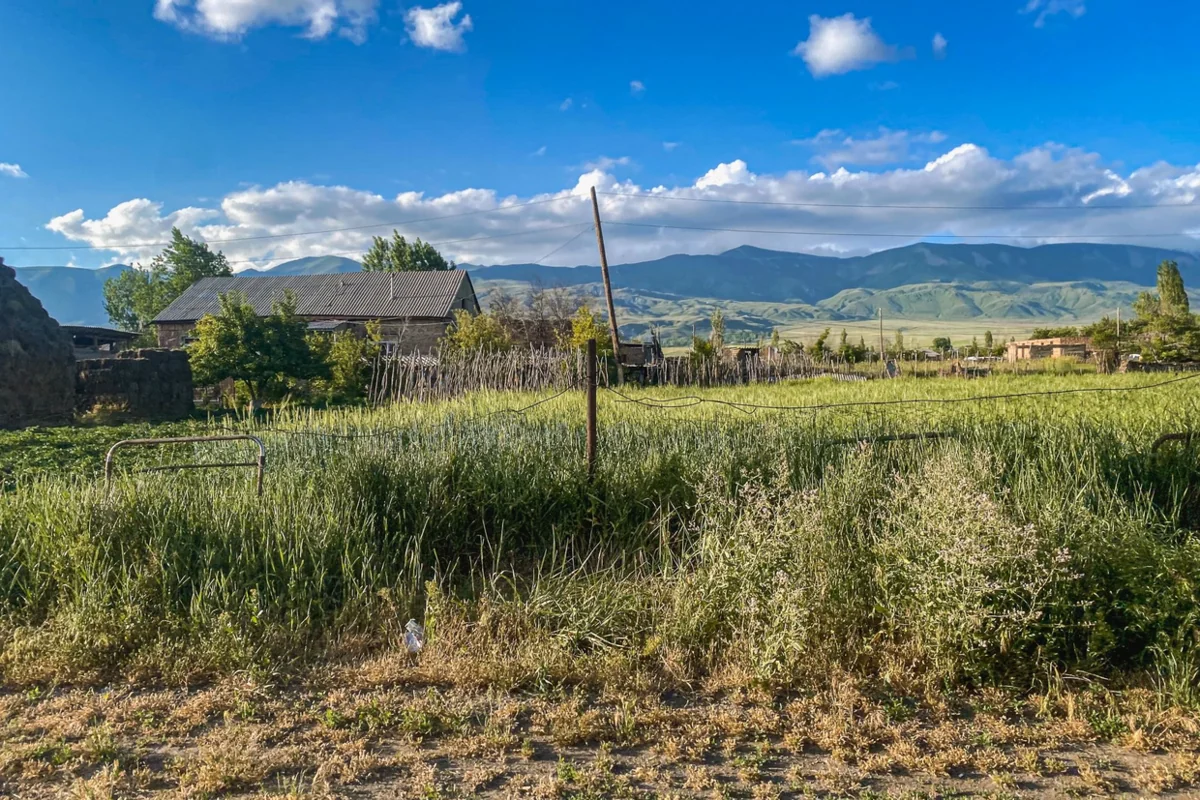
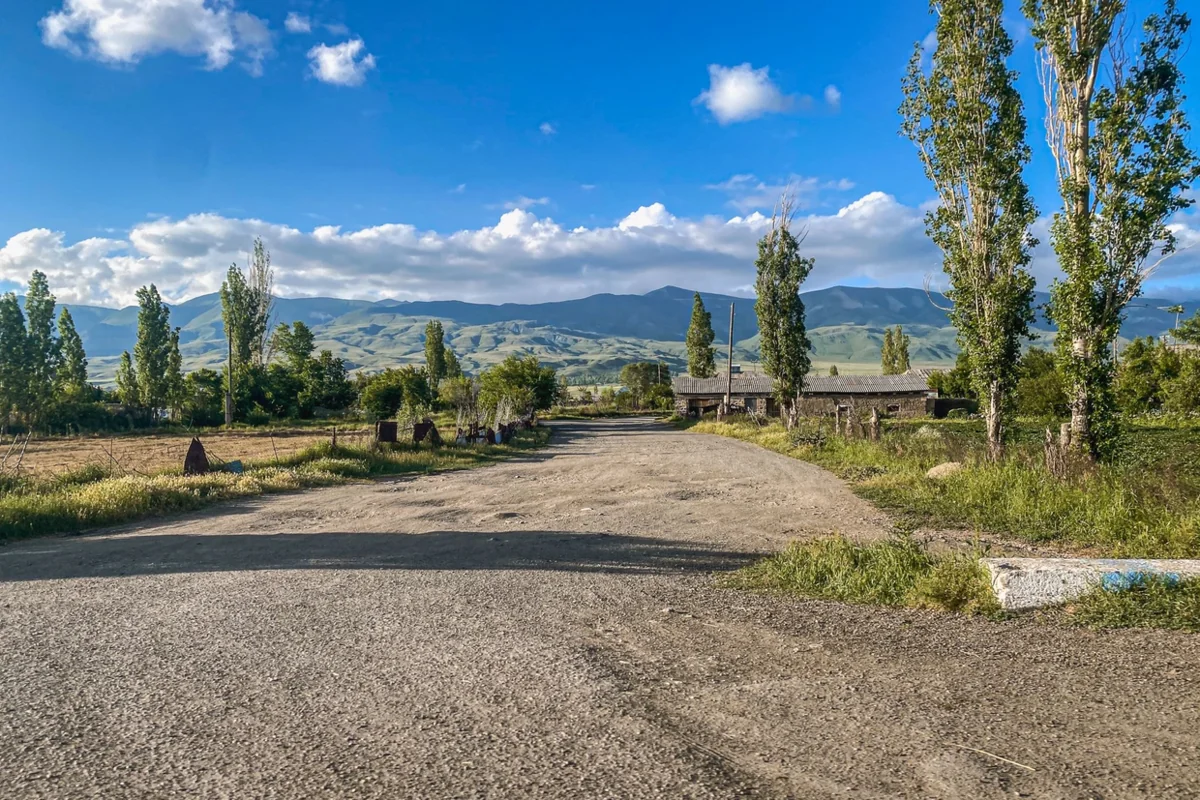
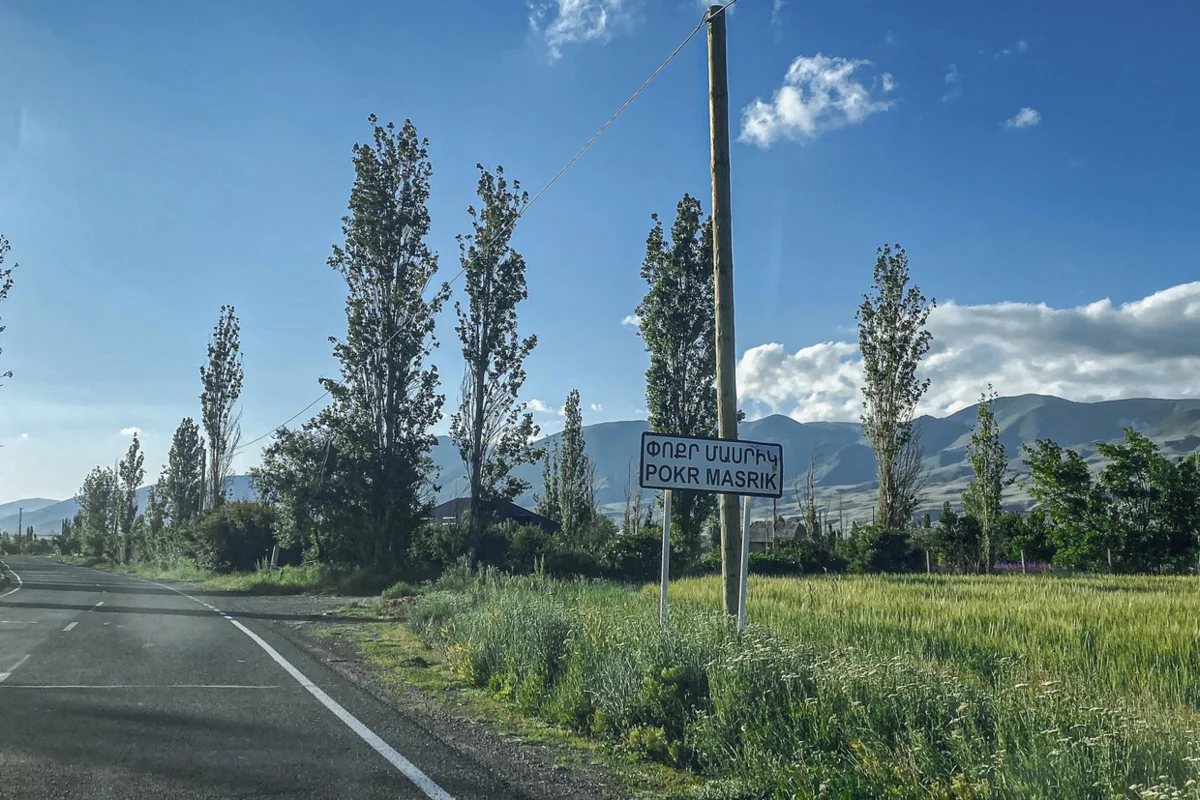
Research has been published on Kichik Mazra (present-day Pokr Masrik), a village in present-day Armenia that was inhabited by Azerbaijanis until the late 1980s, as part of the "Sites of Memory of Western Azerbaijan" project.
According to Report, the article was published on Perished Civilization. The project's English-language page identifies the village as Kichik Mazra (Pokr Masrik) and says its historical names included Mazra Malaya during the Tsarist period and Pokr Mazra and Khrda Mazra during the Soviet period.
The article says sources predating the early 19th century mention a single village named Mazra, while later documents identify two separate settlements: Boyuk Mazra (present-day Mets Masrik) and Kichik Mazra (present-day Pokr Masrik).
According to the project, Kichik Mazra was renamed Pokr Masrik in April 1991 as part of what it describes as a policy of Armenianization and the erasure of Azerbaijani heritage in Armenia. Since 1995, the village has been part of Gegharkunik Province of the Republic of Armenia.
The article states that under the 1724 Russo-Ottoman Treaty of Constantinople, the territory of the present-day Republic of Armenia was recognized by Russia as part of the Ottoman Empire.
In 1728, Ottoman officials compiled the Summary Register of the Iravan Eyalet, recording the names of settlements. According to the project, the document mentions a single village named Mazra.
From the mid-18th century until the Russian conquest, the territory of the village formed part of the Goycha mahal of the Iravan Khanate. Russia occupied the territory of the Iravan Khanate in 1827, while its incorporation into the Russian Empire was formalized by the 1828 Treaty of Turkmenchay. During the Tsarist period, the village formed part of the Novobayazet Uyezd of the Erivan Governorate.
Between 1829 and 1832, an administrative census of the territories of the former Iravan and Nakhchivan khanates was conducted at the direction of the Russian authorities. According to the article, Kichik Mazra had 227 inhabitants, all of whom were ancestors of present-day Azerbaijanis.
The project says Tsarist-era statistical records, including sources also cited in Armenian works, indicate that at various times before 1915 the village was inhabited exclusively or predominantly by ancestors of Azerbaijanis.
According to the Collection of Information about the Caucasus, the village had 675 inhabitants in 1873, all of whom were ancestors of Azerbaijanis.
The Summary of Statistical Data on the Population of the Transcaucasian Krai, extracted from the 1886 Family Lists, recorded 978 inhabitants in 1886, all of whom were ancestors of Azerbaijanis.
Z. Korkotyan's The Population of Soviet Armenia over the Last Hundred Years (1831–1931) states that the village had 1,200 inhabitants in 1897, all of whom were ancestors of Azerbaijanis.
The Caucasian Calendar for 1909 recorded 1,658 inhabitants in 1906, predominantly ancestors of Azerbaijanis.
According to the Erivan Governorate Memorial Book for 1908, all 1,658 inhabitants recorded that year were ancestors of Azerbaijanis.
The Caucasian Calendar for 1912 recorded 1,700 inhabitants in 1911, predominantly ancestors of Azerbaijanis, while the Caucasian Calendar for 1916 recorded 1,373 inhabitants in 1915, also predominantly ancestors of Azerbaijanis.
The article says that on May 29, 1918, the government of the Azerbaijan Democratic Republic (ADR) ceded Erivan, present-day Yerevan, and several surrounding territories to the Armenians. It states that the First Republic of Armenia was subsequently established on territory historically inhabited by ancestors of present-day Azerbaijanis and that within the first months of its existence it began making territorial claims against Azerbaijan, Georgia and Türkiye, then the Ottoman Empire.
According to the project, between 1918 and 1920 Dashnaktsutyun, the nationalist party that held power in the Republic of Armenia, carried out ethnic cleansing of the Turkic population in the Erivan Governorate and other areas, particularly in Zangezur, Karabakh and Nakhchivan.
The article, citing archival documents, says Armenian troops carried out a massacre in Kichik Mazra in mid-April 1919 and destroyed the village. It argues that the consequences can be seen by comparing the earlier number of Turkic inhabitants with figures from the 1922 census of Soviet Armenia.
According to Z. Korkotyan's The Population of Soviet Armenia over the Last Hundred Years (1831–1931), the village had 359 inhabitants in 1922, all of whom were Azerbaijanis.
Soviet rule was proclaimed in Armenia in late 1920, and the communist regime was firmly established in 1921. From 1930, Kichik Mazra formed part of the Basarkechar District, which was renamed the Vardenis District in 1969.
The project says Armenian sources confirm that Azerbaijanis lived in the village until the late 1980s.
According to Korkotyan, Kichik Mazra had 659 inhabitants in 1926, of whom 653 were Azerbaijanis. In 1931, the village had 912 inhabitants, all of whom were Azerbaijanis.
Between 1948 and 1953, the Soviet authorities carried out the deportation of Azerbaijanis from the Armenian SSR to the Azerbaijan SSR. The article says that as a result, part of the population of Kichik Mazra was forcibly resettled in Azerbaijan's Mirbashir District, present-day Tartar District.
According to A. P. Manvelyan and G. M. Martirosyan's Settlements and Population of the Armenian SSR over the Period 1831–1959, the village had 1,110 inhabitants in 1959, predominantly Azerbaijanis.
T. Kh. Hakobyan, St. T. Melik-Bakhshyan and H. Kh. Barsegyan's Dictionary of Toponymy of Armenia and Adjacent Territories records a population of 1,652 in 1970 and 1,831 in 1979.
The same source cited by the project states that in 1989, the village had 351 inhabitants, all of whom were Azerbaijanis.
The article says that in the late 1980s, amid Armenian territorial claims to Karabakh and deteriorating relations between the two republics, Azerbaijanis were driven out of the territory of the Armenian SSR.
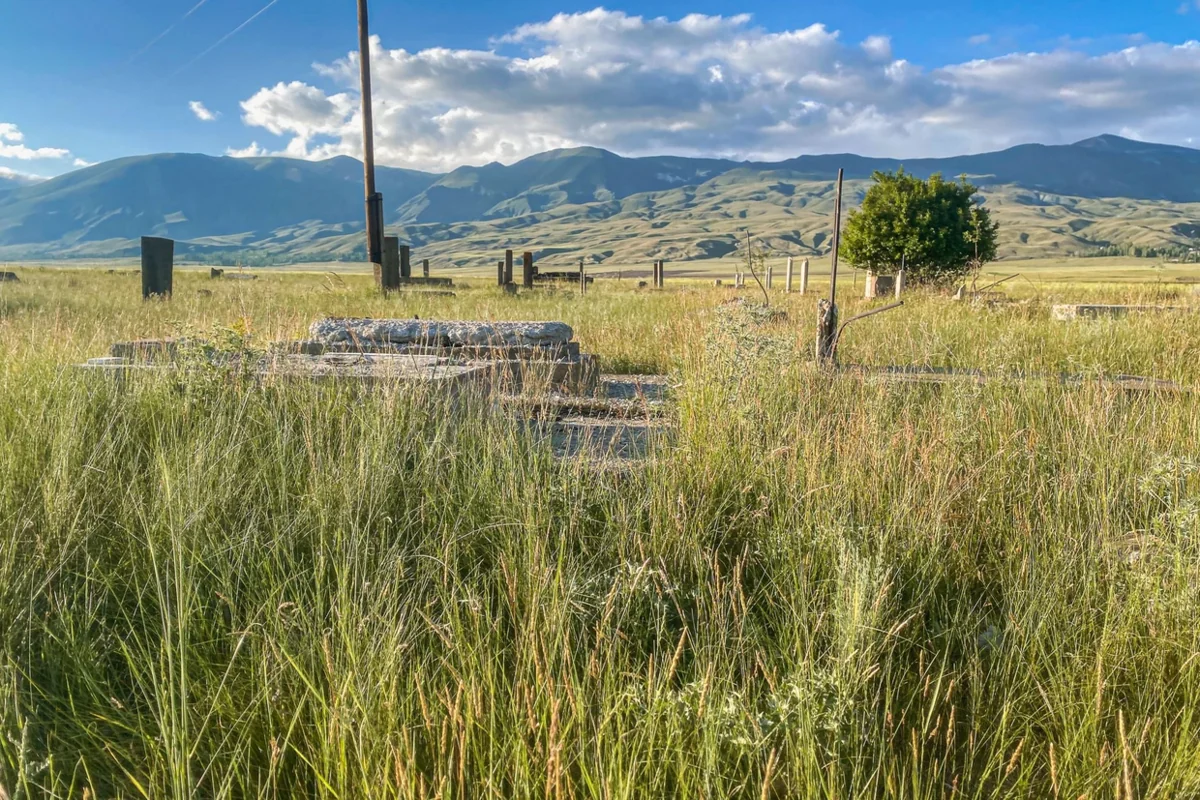
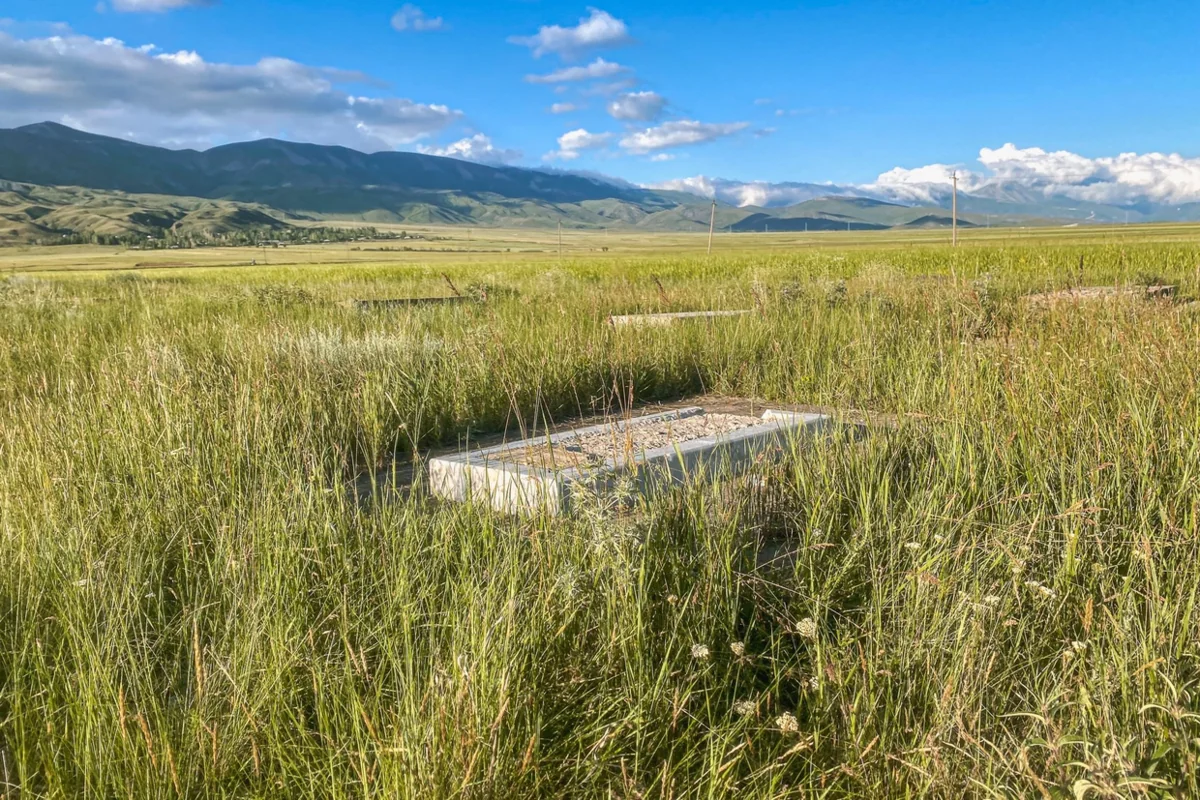
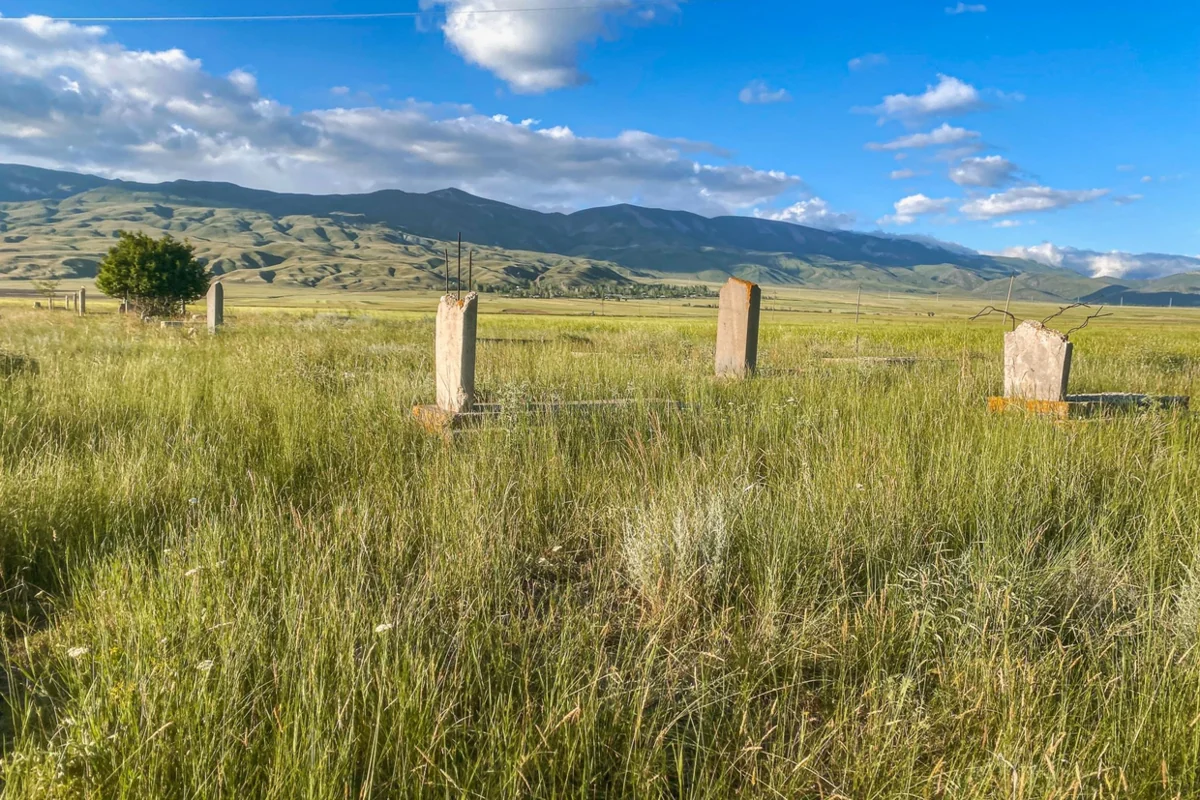
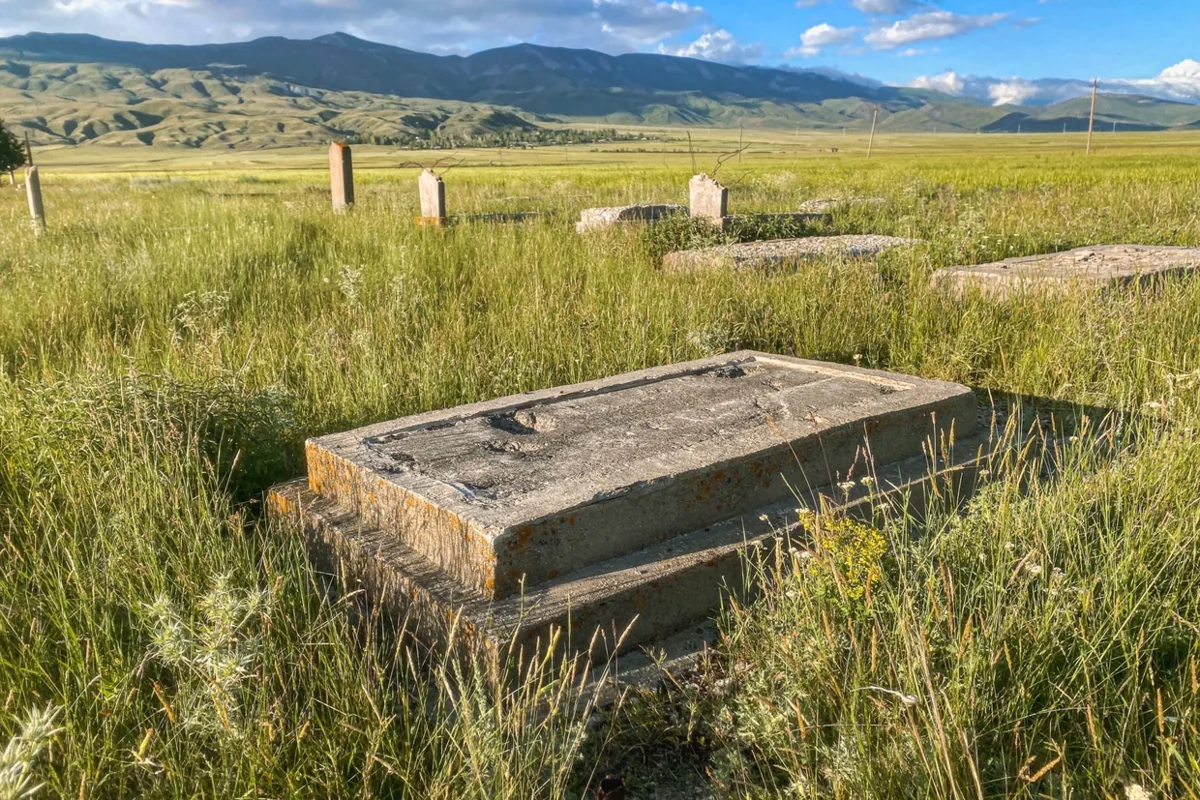
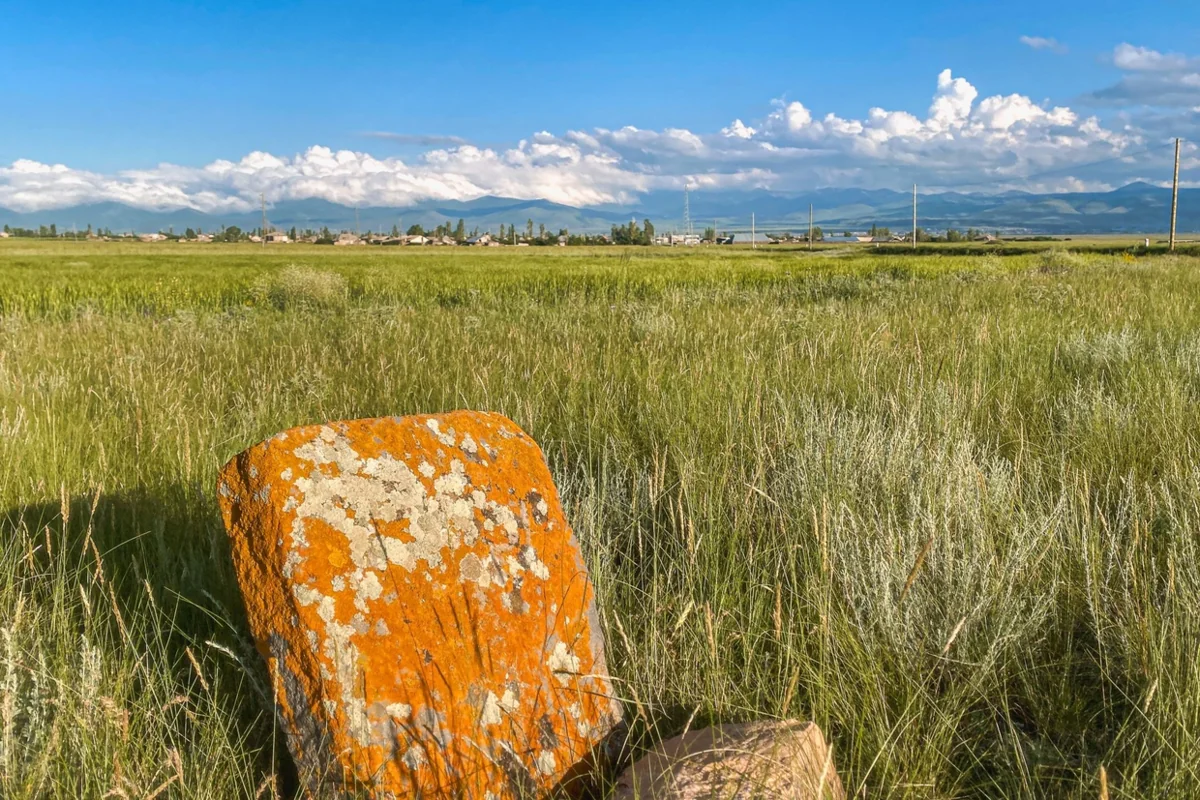
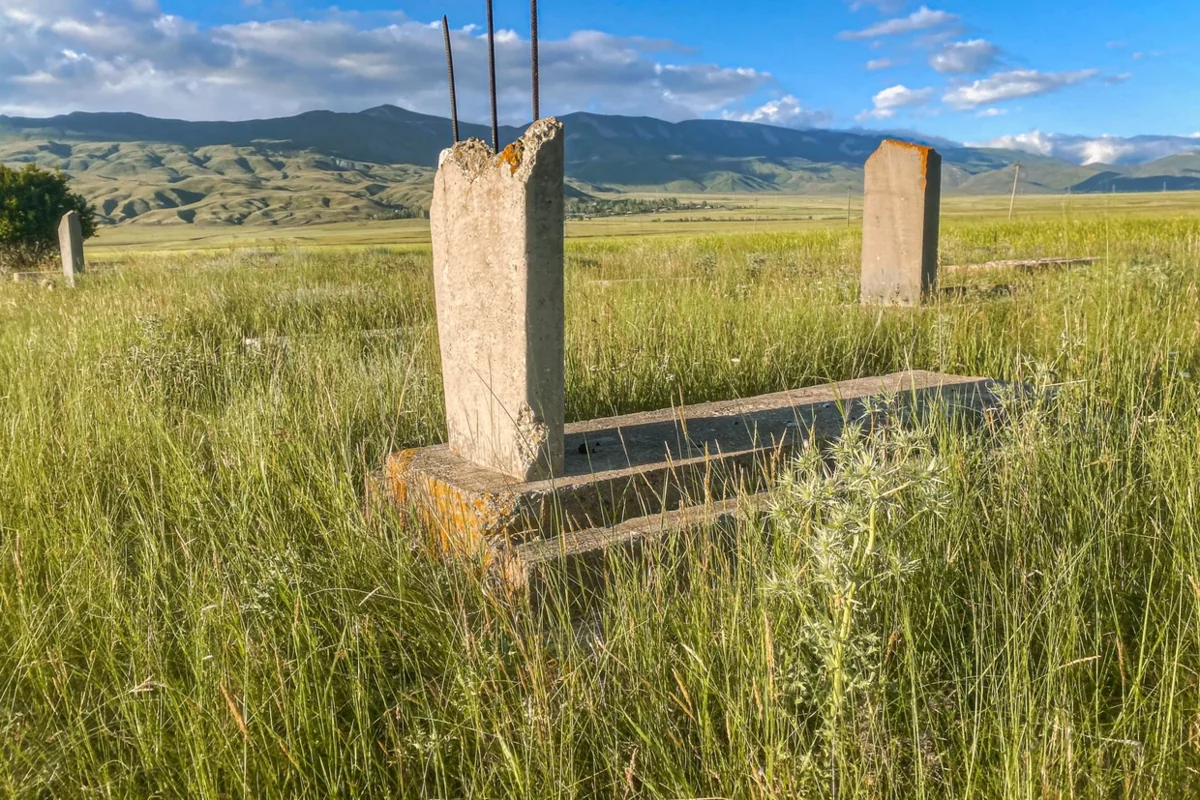
Between 2021 and 2024, extensive fieldwork was conducted across Armenia, including in remote mountainous areas, as part of preparations for the book The Perished Civilization. The research focused on identifying and documenting surviving Azerbaijani heritage sites. According to the project, an Azerbaijani cemetery containing damaged and vandalized gravestones was discovered in Kichik Mazra during this work.
The "Sites of Memory of Western Azerbaijan" project is described as a research initiative in which information on nearly 600 villages in present-day Armenia once inhabited by ancestors of modern Azerbaijanis was collected and systematized through field research. According to the project, fragments of Turkic cultural and historical heritage, including cemeteries, sacred sites and mosques, survive in some of these settlements.
Author