Baku 21° C
Haris Piplas: Lack of coordination slows post-conflict urban recovery
- 20 May, 2026
- 17:56
Stay up to date with the top news!
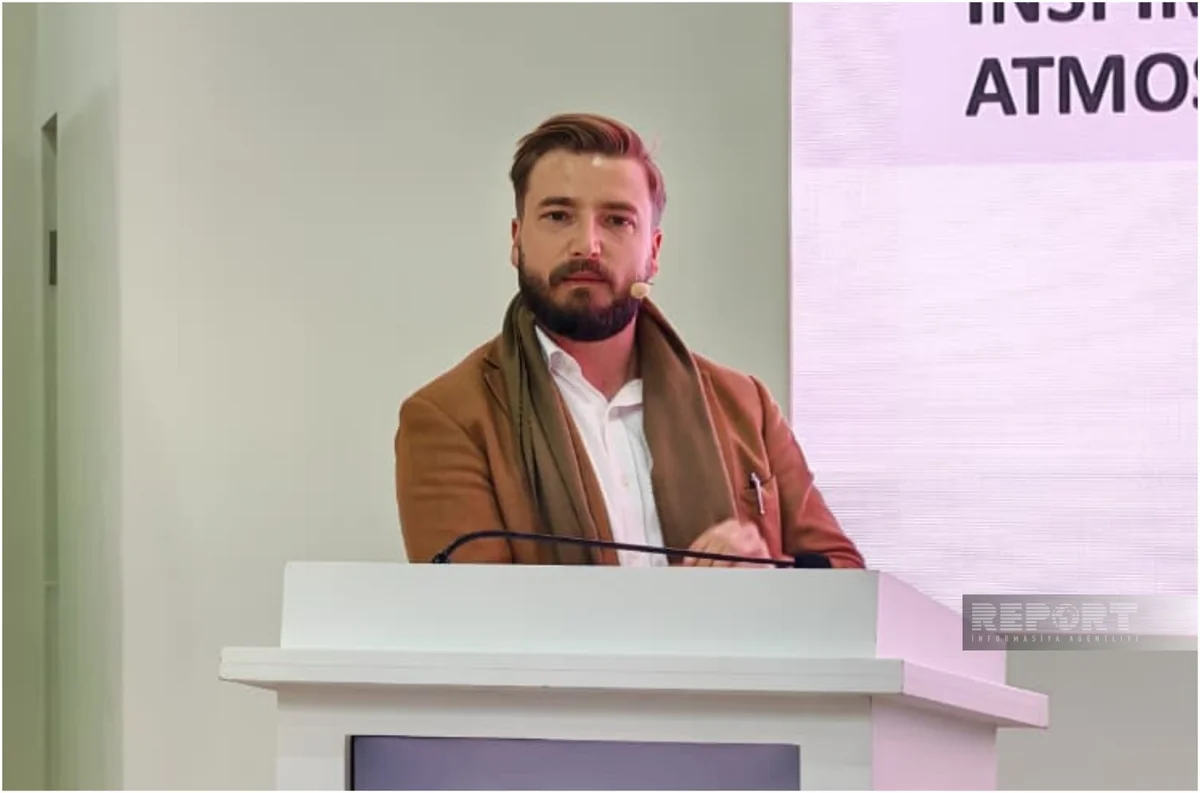
Urban infrastructure renewal must be seen as a single integrated process that combines conceptual planning, institutional coordination, and practical project feasibility, Haris Piplas, Director of Integrated Urban Solutions at Drees & Sommer, said during an event at the World Urban Forum 13 in Baku on "Reconstruction and Urbicide: Sustainable Urban Development and Resilient Communities."
According to Report, Piplas said sustainable urban recovery is impossible without combining technical, social, and economic dimensions into a unified system.
"We cannot afford to separate the rational, technical, and financially feasible from the emotional and human dimension of urban space," he said.
Piplas noted that modern projects require an interdisciplinary approach involving experts in energy, transport, climate, and urban sociology.
He emphasized that urban renewal should be based on real-world case studies and lessons learned from past reconstruction processes.
He pointed to the Balkans - including Sarajevo, Mostar, and Vukovar - as examples showing that lack of coordination between international organizations and local actors significantly slows recovery.
"There was insufficient coordination between international agencies and local structures," he said.
He added that similar challenges exist in contemporary conflicts, including Ukraine, where urban planning and governance approaches need to be updated.
He concluded that effective reconstruction is only possible when all stakeholders are integrated into a unified planning and governance system.
Author