Baku 14° C
Azerbaijan and Vietnam: 3 avenues for future-oriented partnership
- 22 November, 2026
- 16:55
Stay up to date with the top news!
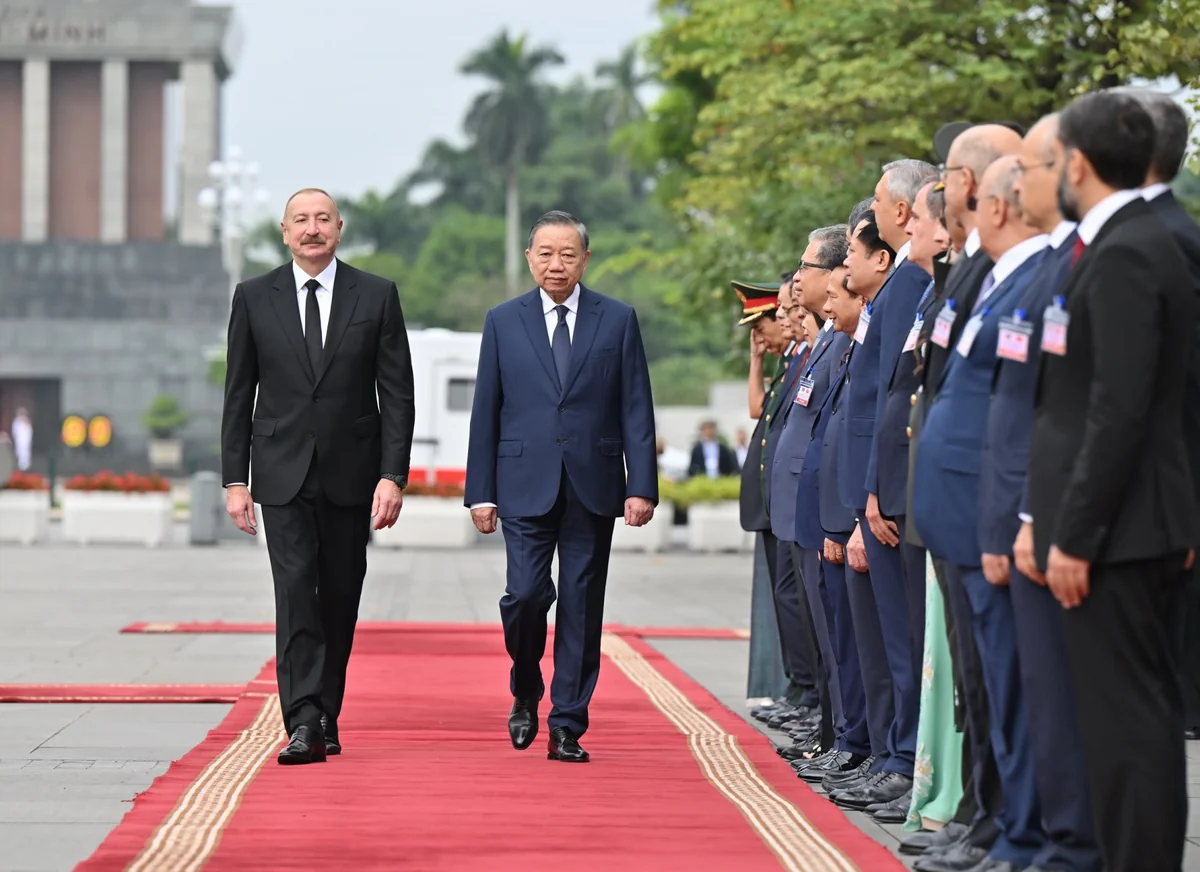
President Ilham Aliyev's visit to Vietnam on November 19–21, 2026, carries significance that extends beyond bilateral diplomacy. A year and a half after the visit to Baku by To Lam, General Secretary of the Central Committee of the Communist Party and President of Vietnam - when relations were elevated to the level of a strategic partnership - Baku and Hanoi are discussing concrete projects and new opportunities for regional cooperation.
This rapprochement has deep historical roots. In 1959, the leader of Vietnam's struggle for independence, Ho Chi Minh, visited Baku and expressed interest in Azerbaijan's oil industry. In 1983, Heydar Aliyev, then serving as First Deputy Chairman of the Council of Ministers of the USSR, arrived in Vietnam. In 2014, Ilham Aliyev's state visit opened a new chapter in relations between the two now-independent states.
Today, the significance of these ties is defined not only by a shared history, but also by converging strategic interests. Azerbaijan is strengthening its position at the crossroads of energy and transport routes, while Vietnam is expanding its economic presence beyond Southeast Asia. Against this backdrop, three key areas of future partnership stand out.
Energy: From traditional ties to new investments
For decades, energy has remained the cornerstone of economic relations between the two countries. Cooperation between SOCAR and PetroVietnam opens up opportunities for joint oil and gas projects, technology exchange, and specialist training. At the same time, talks in Hanoi demonstrated that the energy agenda extends beyond the traditional oil sector.
One of the outcomes of the visit was an agreement between the Ministry of Energy of Azerbaijan and Vietnam's ROX Group on cooperation in solar and wind power plant projects. It reflects the interest of Vietnamese businesses in the investment opportunities of Azerbaijan, which is developing renewable energy alongside its oil and gas industry.
Amid shifts in the global energy architecture, such interaction takes on a regional dimension. Azerbaijan is reinforcing its role as an energy partner for Europe while expanding ties with Asia, whereas Vietnam, a major industrial hub in Southeast Asia, is keen on diversifying its energy cooperation. This partnership has the potential to link the energy interests of the Caspian region and Southeast Asia.
Middle Corridor: New links between Asia and Europe
The second area involves international transport communications. Vietnam holds a prominent place in Southeast Asian trade, while Azerbaijan is developing infrastructure connecting Asia and Europe. Consequently, the Trans-Caspian International Transport Route - known as the Middle Corridor - is of particular interest.
The inclusion of cooperation along this route in the joint statement demonstrates the parties' commitment to expanding Eurasian connectivity. For Vietnamese companies, it offers an additional avenue to access European markets, while for Azerbaijan, it presents the prospect of attracting new cargo flows from Southeast Asia.
Against the backdrop of restructuring global supply chains, the South Caucasus is gaining increasing importance as a hub for international communications. The development of the Middle Corridor and new regional routes can strengthen Azerbaijan's role not only as a transit territory, but also as an active participant in shaping economic ties between East and West.
Diplomacy: From regional dialogue to global engagement
The third area is linked to the growing international standing of both states. Azerbaijan has significantly strengthened its position in the South Caucasus: the restoration of its territorial integrity and sovereignty has reshaped the regional political reality, while the peace process has opened up the prospect of a new system of interstate relations. On the global stage, Baku has expanded its presence through its chairmanship of the Non-Aligned Movement, hosting COP29, and participating in discussions on security, energy, and international cooperation.
Vietnam is an influential member of ASEAN and one of the economic centers of Southeast Asia. Both countries attach great importance to sovereignty, territorial integrity, and non-interference in internal affairs. Notably, during the 44-day war in 2020, Vietnam, then serving as a non-permanent member of the UN Security Council, supported the position of the Non-Aligned Movement states regarding the Armenia-Azerbaijan conflict. President Ilham Aliyev specifically highlighted this in Hanoi.
The sides are interested in further interaction within international organizations, as well as the development of inter-parliamentary and inter-party ties. Humanitarian demining represents a distinct area for sharing experience. In Vietnam, the first all-female team for clearing explosive remnants of war began operating in 2018, while in Azerbaijan, the first female demining teams emerged in 2023. For both countries, the clearance of mines and unexploded ordnance is closely tied to the return of displaced populations, territorial reconstruction, and peaceful life.
Thus, President Ilham Aliyev's visit has outlined clear prospects for cooperation in energy, transport communications, and diplomacy. Historical ties are taking on modern substance, and the partnership between Baku and Hanoi opens up additional opportunities for bringing the South Caucasus and Southeast Asia closer together amid a changing global economy and politics.
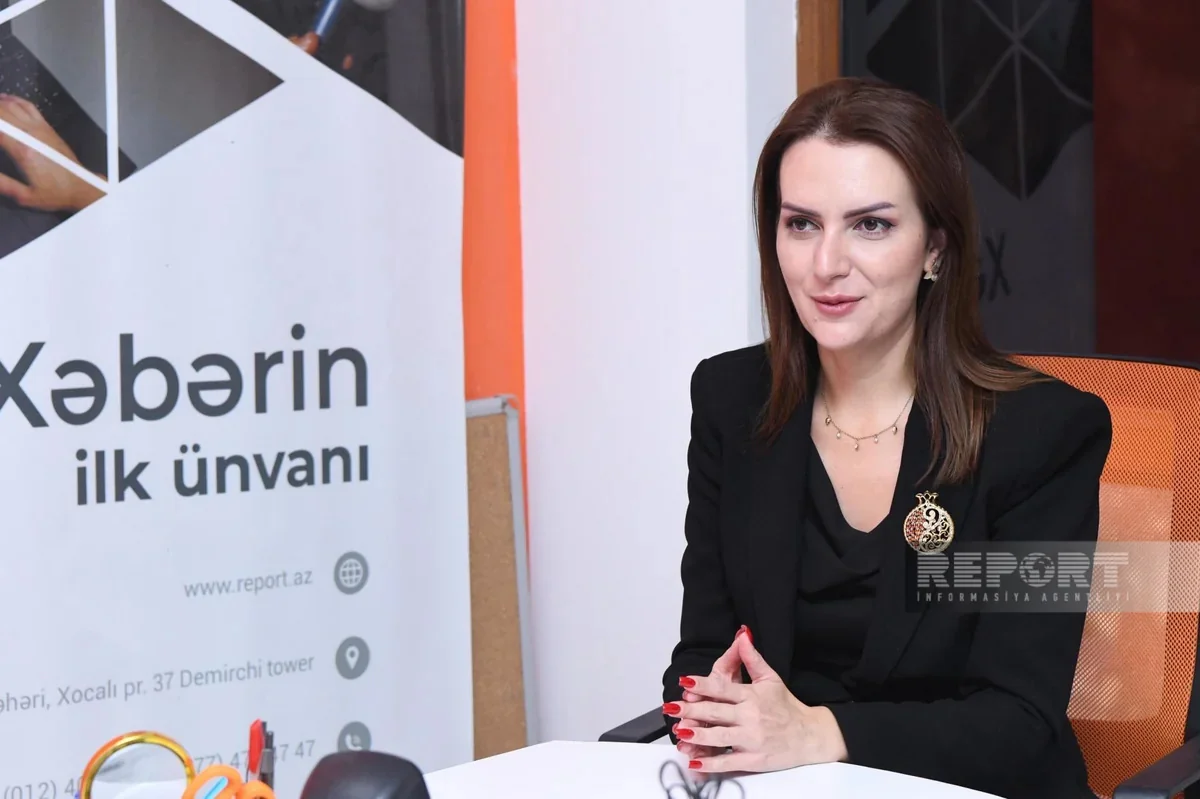
Anastasia Lavrina, Research Fellow at the Institute for Development and Diplomacy at ADA University, political commentator