Baku 23° C
Ambassador: Senegal wants to benefit from Azerbaijan's experience, raise relations to new level — INTERVIEW
- 14 August, 2026
- 14:58
Stay up to date with the top news!
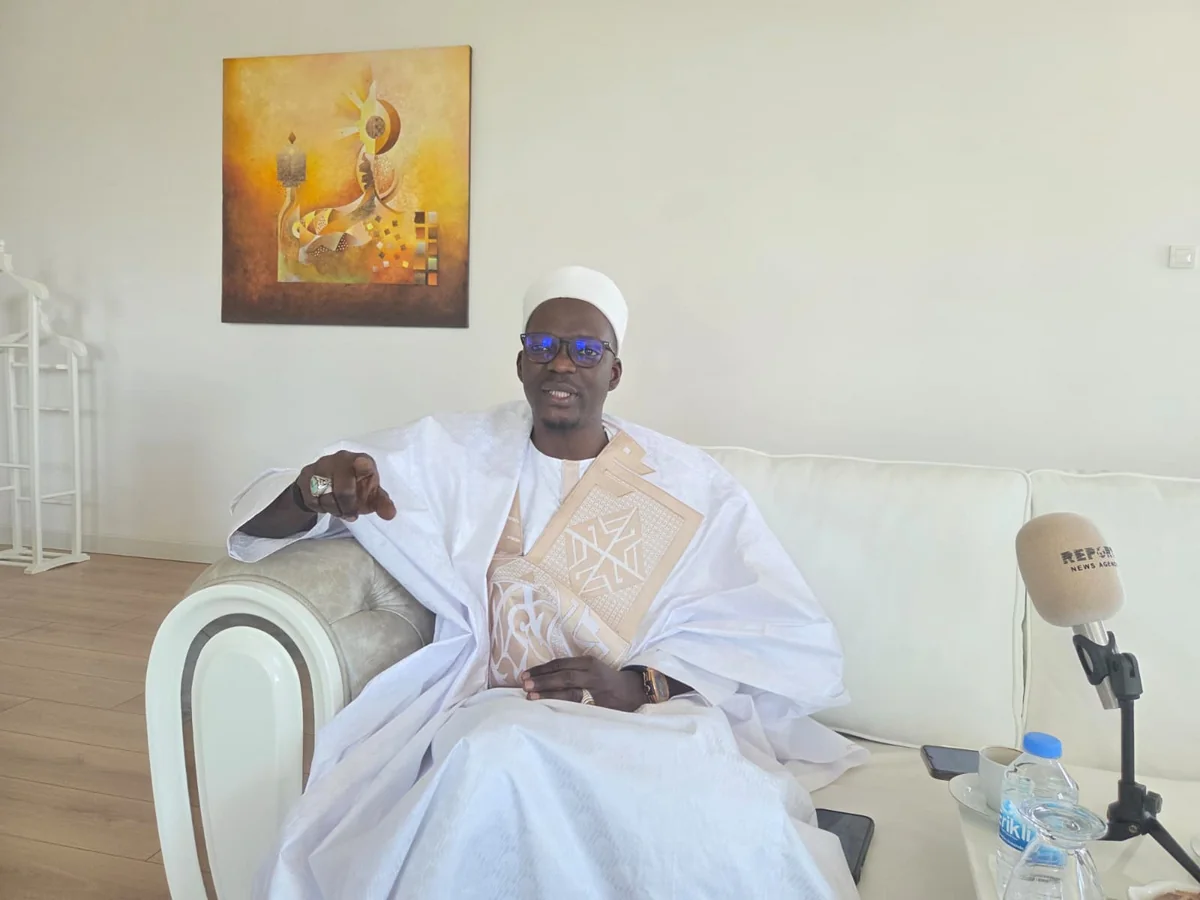
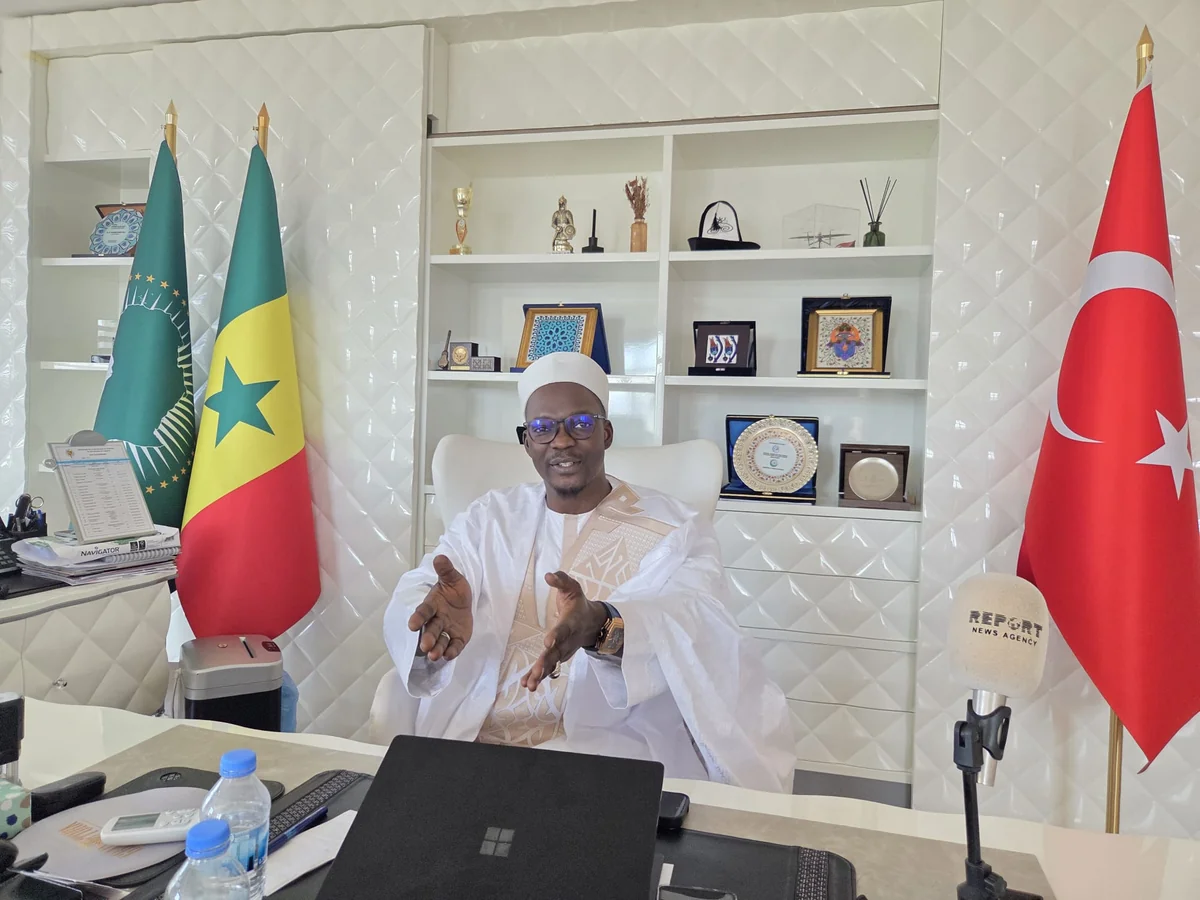
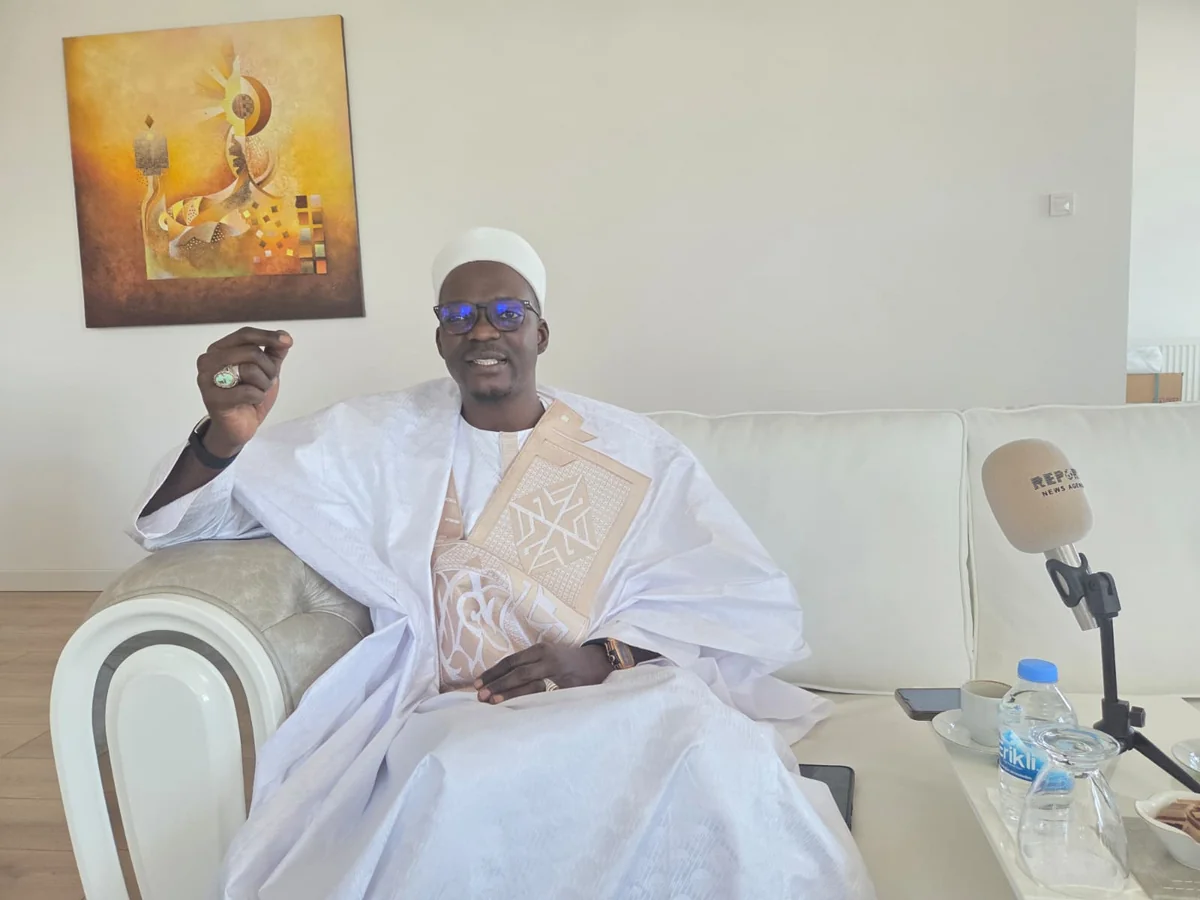
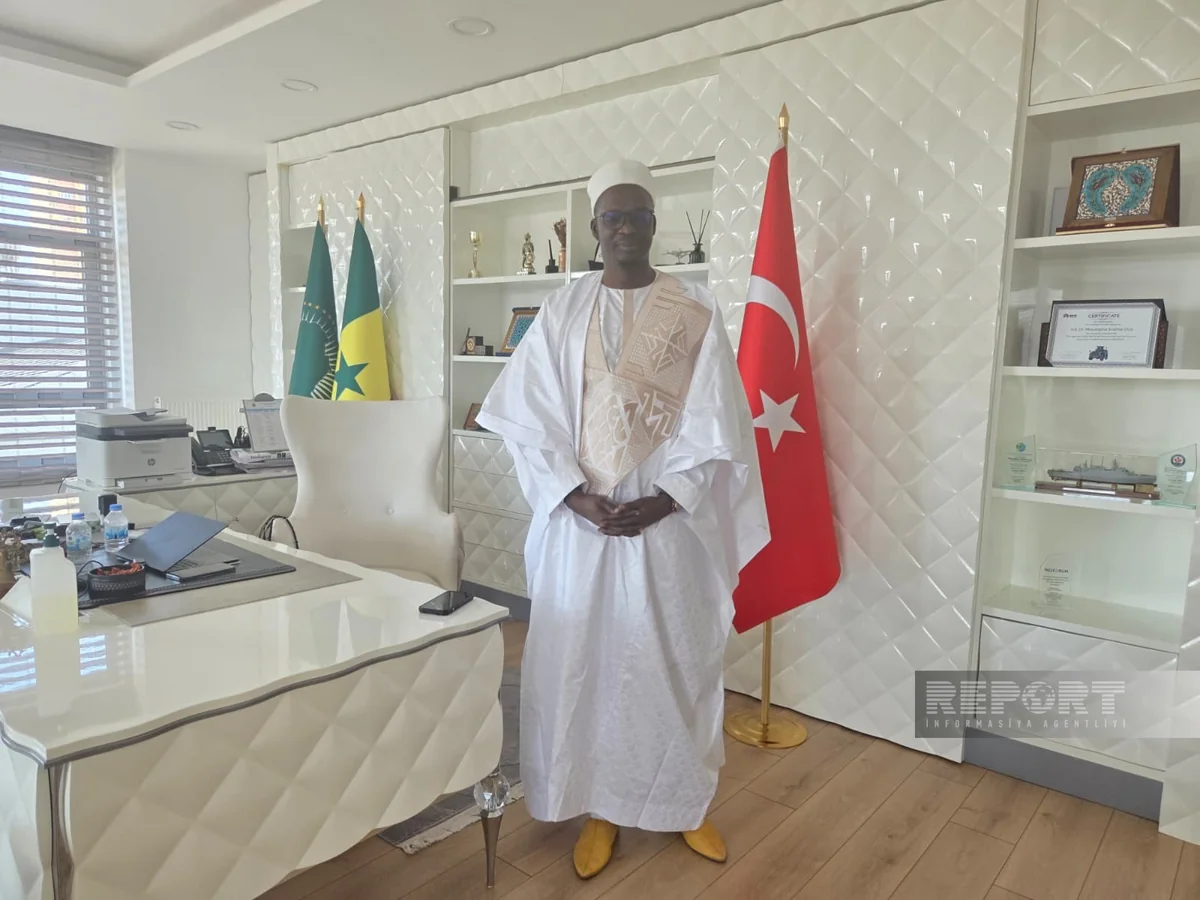
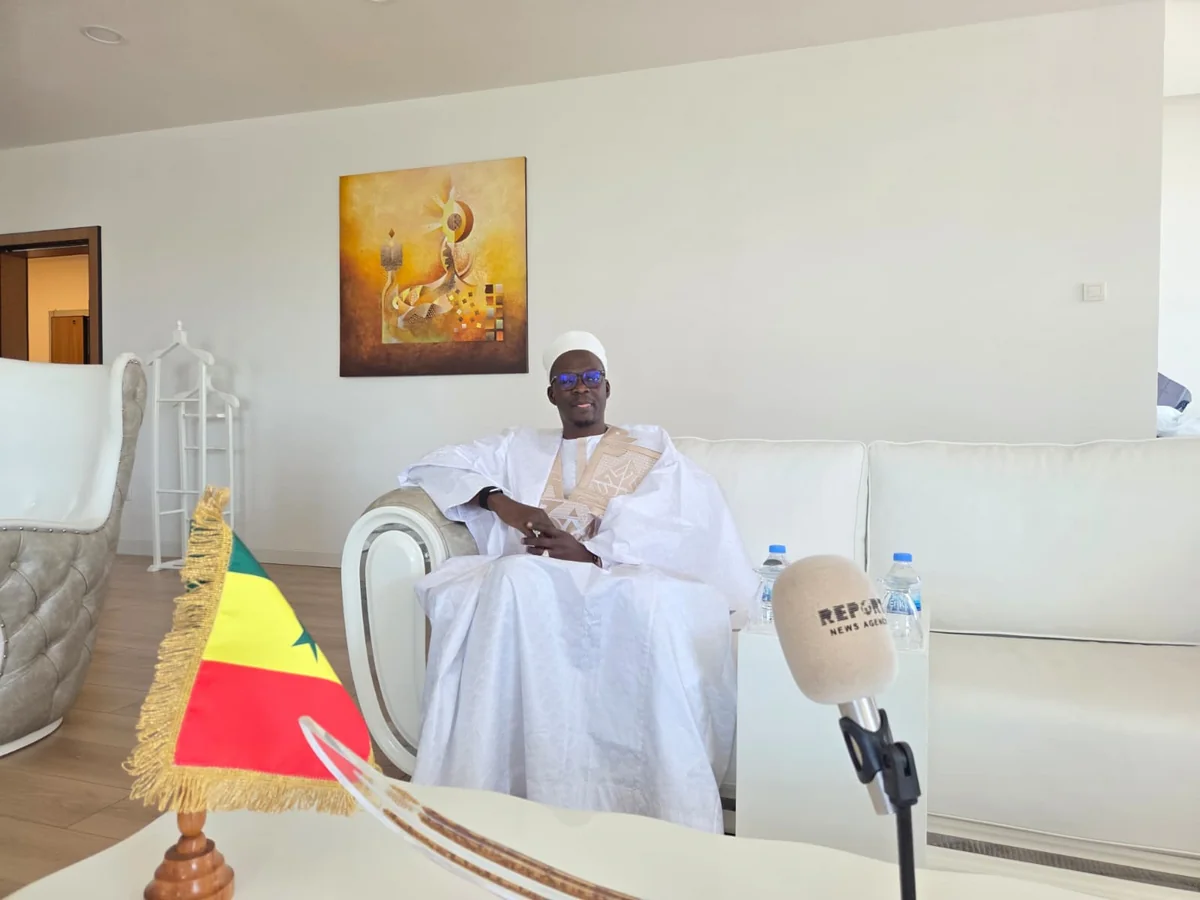
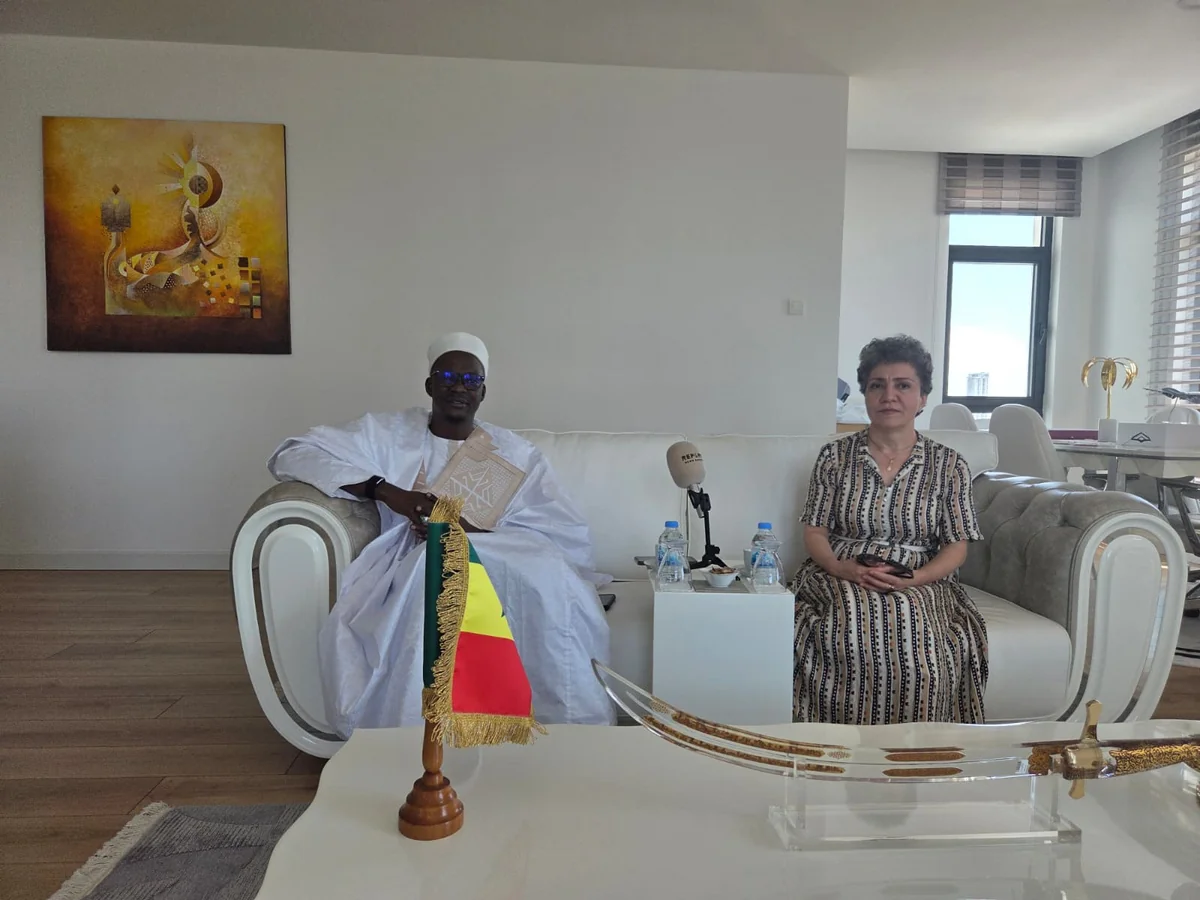
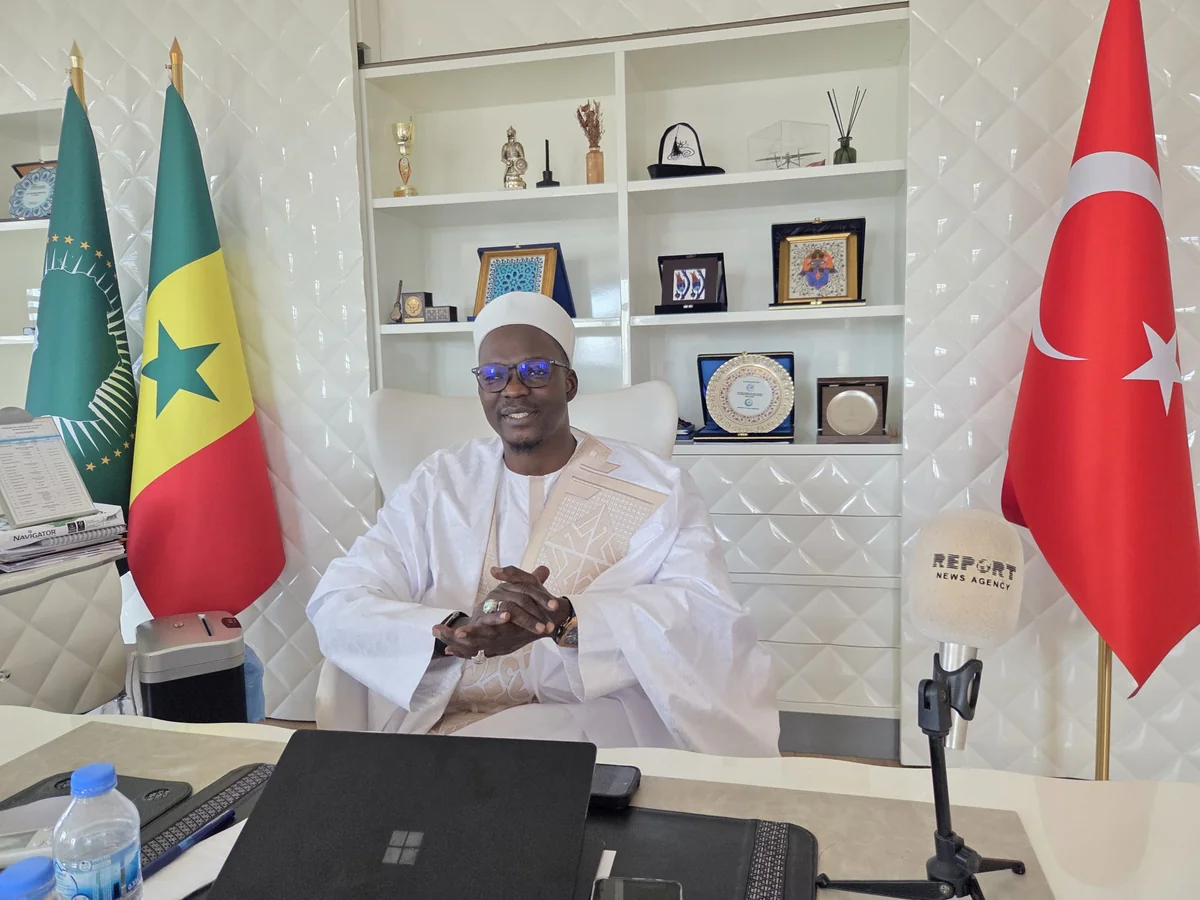
Senegal's Ambassador Extraordinary and Plenipotentiary to Türkiye, Azerbaijan, Turkmenistan and Georgia, resident in Ankara, Moustapha Sokhna Diop, has given an interview to Report's Türkiye bureau.
In the interview, the diplomat spoke about prospects for the development of Azerbaijan-Senegal relations, the experiences of the country, which was once under French colonial rule, the fight against neocolonialism, the Dakar 2026 Summer Youth Olympic Games to be held in Senegal, the country's football academies and investments by its famous footballers in the national economy, as well as the role of Sufism in shaping Senegalese society's commitment to peace.
- Mr. Ambassador, how do you assess Azerbaijan-Senegal relations?
- As I always note, there is great potential for cooperation between the two countries in both the economic and political spheres. One of the main reasons for this is that we share a common historical experience related to colonialism. Overall, alongside the oil and gas sector, we also see broad opportunities for cooperation in information technology, because Azerbaijan is one of the reputable and advanced countries in this field.
However, we believe that the current level of cooperation should be raised further in order to fully realize this potential. We are currently planning high-level mutual visits to develop bilateral relations. As is known, significant oil and gas reserves have also been discovered in Senegal in recent years. We would like to benefit from Azerbaijan's broad experience, especially SOCAR's experience, in the exploration, management and processing of hydrocarbon resources.
- You mentioned colonialism. Senegal was under French colonial rule for many years. Azerbaijan also demonstrates a firm position against neocolonialism. How do you assess the global fight against colonialism?
We fought seriously to gain our sovereignty and, like you, we achieved it. After gaining independence, we also supported other peoples in freeing themselves from the chains of colonialism. In this regard, there is a similarity with Azerbaijan's efforts to help other countries suffering from neocolonialism based on its own rich experience.
The global fight against colonialism gained further momentum after the Bandung Conference held in Indonesia in 1955. Numerous conferences were organized in Senegal and various African countries to strengthen anti-colonial solidarity.
I believe that Azerbaijan has also made important progress in the fight against colonialism. About a month ago, I watched Azerbaijani President Ilham Aliyev's latest speech on this topic. He spoke at length about the colonial situation in France's overseas territories. I think it was an important speech.
The whole world must understand that we already live in an era of globalization, and there should be no place for colonialism in the modern world. This is a matter of principle.
- By the way, last year the Senegalese government put forward an initiative to investigate a well-known historical event that took place during the Second World War. In December 1944, Senegalese soldiers who had taken part in the war demanded the payments they were owed, but were shot by the French army. Do you think these investigations can produce important results in terms of restoring historical truth?
- Yes. Work is currently underway to uncover the historical truth about this tragedy. The opening of some graves at the Thiaroye military cemetery near Dakar, where the massacre took place, is also part of this work. Since archives relating to former French colonies are still closed, the only way to uncover the truth about such crimes is to carry out archaeological excavations and DNA analyses.
During the excavations, several mass graves were discovered, and it was established that many soldiers had been buried there. Our grandfathers and fathers went to war to liberate France and give us a better future. But instead of gratitude and respect, they were killed. This is an extremely painful tragedy in our national history. I believe that the most important work in this direction has already been done through the excavations at the military cemetery.
- What is the current position of the French government on what happened?
- They have already apologized for this. Further research may also be carried out by archaeologists and historians. If we want to move confidently into the future, we must first pass on our history and all these truths to future generations. They must know who their grandfathers were and what they did for their homeland and for justice.
- Senegal suffered from an internal conflict for many years, and the country also has foreign debt. What is the current situation?
- You are undoubtedly referring to the Casamance conflict. I can say that this issue is now almost completely behind us. This separatist insurgency had been ongoing since 1982. However, in recent years, the situation in the region has stabilized. Therefore, we can say with full confidence that the conflict is 99 percent over.
To develop the national economy and implement major projects, there is a need to attract foreign loans.
For example, on August 6, we held a very productive meeting with representatives of the World Bank. As a result of the meeting, the World Bank will provide Senegal with a financial support package of around $600 million. These funds will be directed toward supporting our country's economic stability and development.
- This year Senegal will host a major sporting event - the Dakar 2026 Summer Youth Olympic Games, which will be held in Africa for the first time. Azerbaijan will probably also be invited to this major event. In general, what can you say about the significance of these Games for the African continent and your country?
- Yes, the Summer Youth Olympic Games will be held in Senegal this November. All countries, including Azerbaijan, have been invited to this prestigious event. Countries are already determining which sports they will be represented in, because the program of the Games includes competitions in many sports.
I am confident that some young Azerbaijani athletes and members of the delegation have already completed the registration process to take part in this competition. I hope Azerbaijani athletes will return home from Senegal with a rich medal haul.
At the same time, we can also send our athletes to Azerbaijan for an exchange of experience. This would give them the opportunity to become familiar with your training methods and the preparation of young athletes.
- Senegal is one of the countries that has produced some of the best footballers in the world. Over time, Senegalese footballers have also played for Azerbaijani clubs. In your opinion, what is the secret behind the success of Senegalese footballers?
- You know, there are many football schools and academies operating both in our capital, Dakar, and in other regions of the country. We love football with all our hearts, and we grow up playing football from an early age. From around the age of 9 or 10, children begin attending these schools and start professional training. The most talented among them are selected and sent to specialized training centers. Today, some major French clubs also have training centers in Senegal. For example, clubs such as Paris Saint-Germain have strategic partnerships here.
It is thanks to this system that our talented young footballers are able to reach the international level. For example, Senegalese footballers successfully play in Türkiye, France, England, Italy - almost all European countries.
- Do these footballers also benefit Senegal's economy?
Of course! After some time, these professional footballers return to our country as investors themselves. They invest the money they earned abroad in Senegal. For example, our world-famous footballer Sadio Mane has made an unparalleled contribution to the development of the region where he was born and raised by ensuring the construction of a large and modern hospital, schools, a maternity center and a stadium in his village.
- What can you say about your country's tourism and regional economic potential, for example the cocoa and chocolate industry?
- Many of the world's leading cocoa-producing countries are located in our region. Although cocoa production is not widespread in Senegal, large volumes of cocoa are produced in our neighbor Ghana. In the past, they mainly exported raw cocoa to Switzerland, where some of the world's highest-quality chocolates were produced. Today, however, the countries in our region are no longer only exporters of raw materials; they also produce chocolate themselves. We now have both direct access to raw materials and local processing capacity.
As for our tourism potential, Senegal has a coastline of about 700 kilometers along the Atlantic Ocean. There are many beaches and tourist areas here. At the same time, our country has many historical sites. One of them is Gorée Island on the Atlantic coast. This island played an important role in the forced displacement of millions of people from their homelands and in the transfer of cultures to the Americas. The island's dark and tragic dungeons, which witnessed that period, and the "Door of No Return" hold some of the most painful memories of the transatlantic slave trade and the system known as the "triangular trade."
- Are there opportunities to develop Senegal-Azerbaijan cooperation in the future, especially in the tourism sector? What is Senegal best known for in the world?
- Of course, for our hospitality! In our language and culture, hospitality is called "Teranga." "Teranga" means that our doors, our homes and our hearts are always open to you.
As for tourism ties with Azerbaijan, just two weeks ago we held a very productive online meeting with the Azerbaijan Export and Investment Promotion Agency, AZPROMO. During talks with the agency's leadership, we agreed to organize mutual business and familiarization visits.
As part of these visits, we plan to sign a bilateral agreement aimed at facilitating tourist flows between Azerbaijan and Senegal and making visa-free or simplified travel possible. Our goal is to make travel between the two countries as easy as possible and to develop mutual tourism exchange by encouraging Azerbaijanis to visit Senegal and Senegalese people to visit Azerbaijan.
I should also say that our national dish, Thieboudienne, made from fish and rice, has already been recognized by UNESCO as part of the intangible cultural heritage of humanity and included on its list.
- Senegal is known as one of Africa's peaceful countries. Do you think Senegal's Sufi traditions have played a role in shaping its peaceful and tolerant culture?
- Yes, they have had an extremely strong influence. About 97 percent of our population is Muslim. The secret of Senegal being one of Africa's most peaceful countries lies precisely in Sufism.
Sufism is, above all, a spiritual philosophy that rejects all forms of violence and calls for peace and tolerance. I can give a historical example that clearly shows this. A great Sufi scholar and spiritual leader named Sheikh Amadou Bamba lived in Senegal. It was difficult for the French colonial authorities to understand the scale of his influence. The French believed that Sheikh Amadou Bamba was gathering a large army of millions of supporters and would eventually launch an armed uprising against France. Because of this fear, they first exiled the Sheikh to Mauritania and later to the Mayumbe, or Mayumba, forests in Gabon in order to remove him from the country. During his years in exile, several attempts were made to physically eliminate him, but none of them succeeded.
Even after returning to his homeland, Sheikh Amadou Bamba did not resort to violence or arms against the French. He always carried out his struggle through peace and spiritual values, teaching people forgiveness and peaceful coexistence.
It was this legacy of peaceful resistance that had a major impact on shaping the peaceful character of Senegalese society. Although Sheikh Amadou Bamba died in 1927, the spiritual legacy he left behind remains one of the foundations of security and stability in Senegal to this day.
Author