
 Baku 21° C
Luca Schieppati: Interest in Azerbaijani gas remains strong across Europe - INTERVIEW
- 04 September, 2026
- 12:34
Stay up to date with the top news!
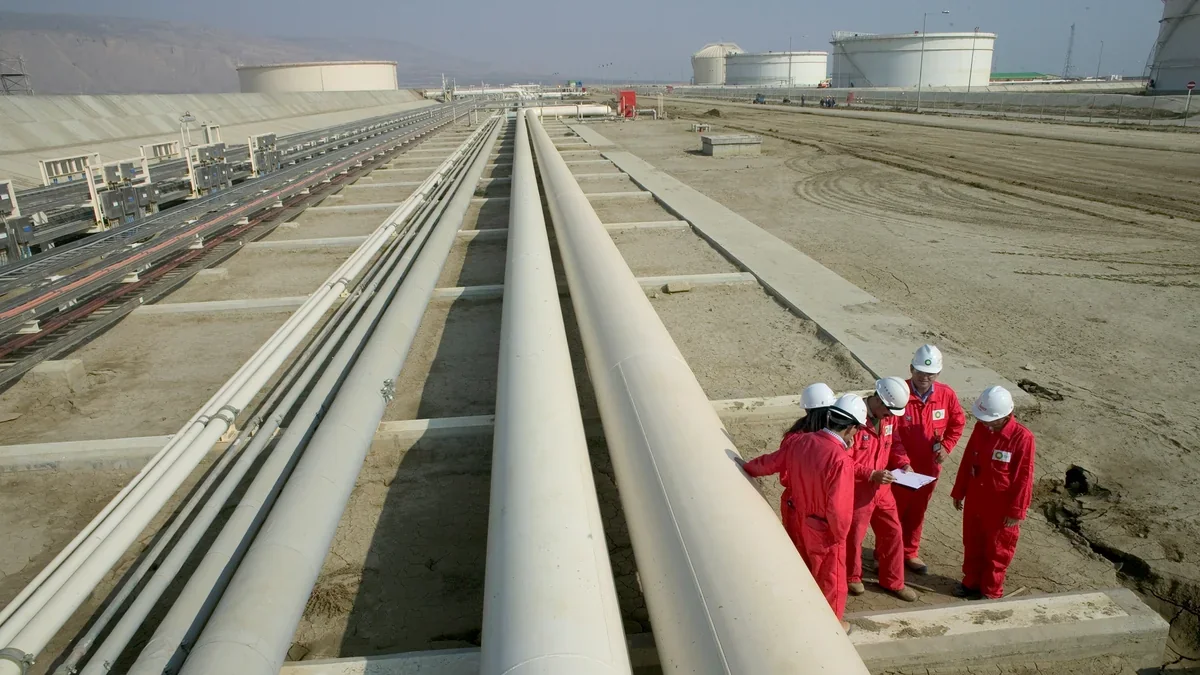
The Southern Gas Corridor (SGC) continues to play an important role in ensuring Europe's energy security, while the Trans Adriatic Pipeline (TAP) remains its key European link, directly connecting Caspian gas supplies with the European market. Against the backdrop of sustained demand for diversified gas sources and the expansion of TAP's infrastructure, the importance of this route continues to grow.
At the beginning of 2026, TAP completed the first phase of its expansion, increasing available long-term transportation capacity by approximately 1.2 billion cubic meters per year. At the same time, work is continuing on further increasing capacity, while the potential use of gas transportation infrastructure for hydrogen and other low-carbon gases is also being explored.
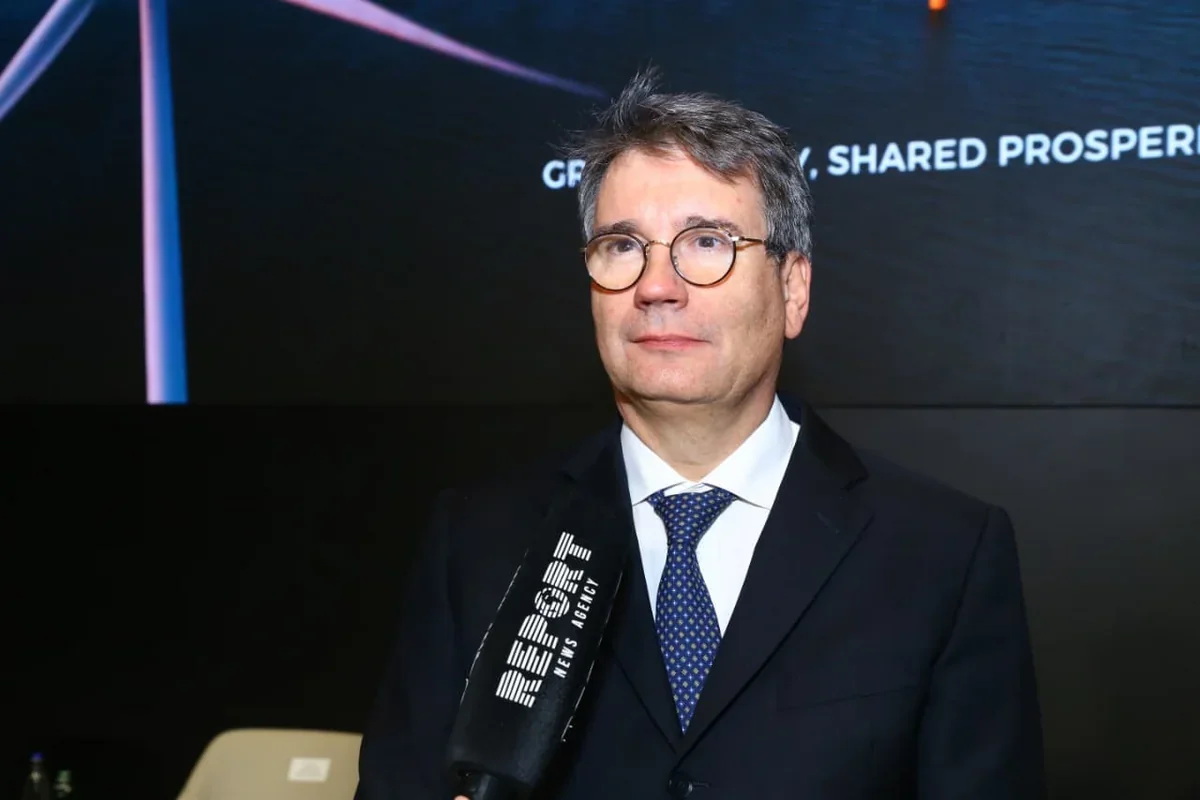
In an exclusive interview with Report, TAP AG Managing Director Luca Schieppati spoke about the reliability of Azerbaijani gas supplies, the results of the first phase of TAP's expansion, prospects for new capacity, Italy's role as the largest market, and the pipeline's readiness for the energy transition.
We present the interview to our readers:
- Mr. Schieppati, over the years TAP has become a key artery for Caspian gas supplies to Europe. How do you assess the current reliability and predictability of Azerbaijani gas deliveries against the backdrop of sustained European gas demand and the need for energy source diversification?
- As the European section of the Southern Gas Corridor (SGC), TAP provides the only direct pipeline link connecting Azerbaijani gas supplies with European markets and has become an important contributor to Europe's diversification efforts.
Over the past five years, TAP has demonstrated a strong track record of safe, reliable and uninterrupted operations. Since the start of commercial operations, the pipeline has delivered more than 60 billion cubic metres (bcm) of natural gas to Europe, contributing to energy security and diversification at a time when these have become strategic priorities for the continent.
The pipeline entered operation at a time when European energy markets were experiencing profound change. TAP's ability to operate safely and reliably throughout this period has demonstrated the resilience of both the infrastructure and the broader Southern Gas Corridor value chain.
The continued reliability of gas supplies delivered through the SGC, combined with TAP's operational performance, has enabled us to consistently meet our transportation commitments and support European energy needs.
- What stage is TAP's capacity expansion process at? What are the key results of the market tests already conducted, and when will TAP be able to deliver the full amount of additional capacity?
- TAP's initial capacity can be expanded in phases to more than 20 bcm per year. Capacity for expansion is offered to the market through regular Market Tests, conducted in an open, transparent and non-discriminatory manner.
In this context, TAP has successfully completed the first phase of its expansion, making an additional 1.2 bcm per year (bcm/a) of long-term transportation capacity available from the beginning of 2026. This expansion was triggered by the successful outcome of the 2021 Market Test.
Looking ahead, TAP remains ready to respond to further market demand through future Market Tests. The 2025 Market Test is still ongoing.
- The first expansion phase of TAP provides the capability to transport approximately 1.2 billion cubic meters of additional gas per year, including around 200 million cubic meters annually for Albania starting October 1, 2026. Can you confirm this timeline? What is the current status of the necessary construction and technical works? When are project completion and the start of physical gas deliveries to Albania expected?
- TAP has completed the first phase of its expansion programme. Approximately 1.04 bcm/a of additional long-term transportation capacity became available between Kipoi and Italy on 1 January 2026. A further approximately 0.16 bcm/a was allocated from 1 October 2026 for entry from the DESFA system and exit at a new exit point in Albania, which will be ready by that deadline. This relates to transportation capacity within the TAP system. Physical gas deliveries depend on downstream infrastructure and shippers" nominations.
- Italy remains the largest market for gas delivered via TAP. What were the supply volumes to Italy for the first half of 2026? What role are the additional capacities introduced under the TAP expansion already playing in these deliveries?
- Italy remains TAP's largest market and a key destination for Caspian gas. Since the start of operations, TAP has delivered over 50 bcm of gas to Italy, underlining its importance for the country's diversification strategy and security of supply. According to data published by Italy's energy regulator (ARERA), Azerbaijan was Italy's second-largest gas supplier in 2025, accounting for 16.2% of total gas imports. This underlines the importance of the Southern Gas Corridor and TAP to Italy's diversified gas supply portfolio.
The additional capacity introduced through the first expansion phase further strengthens TAP's contribution to the Italian market and provides greater flexibility to shippers. Approximately 1.04 bcm/a of additional long-term transportation capacity became available between Kipoi and Italy on 1 January 2026. During the first 6 months of 2026, TAP has transported over 5.5 bcm to Italy.

- In recent years, interest in Azerbaijani gas from European countries has grown significantly. To what extent does TAP"s existing and expanding infrastructure make it possible to meet this additional demand? Are there already concrete requests from new European buyers for deliveries via TAP?
- There is a common understanding that interest in Azerbaijani gas remains strong across Europe, reflecting the continued importance of energy security, diversification and resilient energy infrastructure. During her visit to Baku in July 2026, European Commission President Ursula von der Leyen highlighted the strategic importance of links between the South Caucasus and Europe. TAP, as the European section of the SGC, is well positioned to support these objectives.
TAP's infrastructure is designed to respond to evolving market needs and changing demand patterns. The first phase of TAP's expansion entered operation at the beginning of 2026, making an additional 1.2 bcm/a of long-term transportation capacity available to the market.
At the same time, TAP offers short-term capacity through the PRISMA platform, in line with the ENTSOG Auction Calendar, providing market participants with additional flexibility to respond to changing supply and demand conditions. TAP continues to maximise the capacity offered to the market by leveraging the pipeline's operating conditions and developing commercial products. This adaptability supports regional market integration and contributes to the resilience of Europe's energy system.
TAP remains open to further expansion should additional market demand emerge through future Market Tests. Any additional capacity development would continue to be driven by market demand and the necessary commercial commitments from shippers.
- European gas infrastructure is gradually adapting to energy transition requirements. What is the current status of TAP"s readiness for the potential transportation of hydrogen and other low-carbon or renewable gases? Are technical studies, testing, or engineering designs already underway in this direction?
- TAP is actively assessing how its infrastructure can contribute to future energy pathways. This includes evaluating the potential transportation of hydrogen and other low-carbon or renewable gases, such as biomethane. An initial hydrogen-readiness study carried out in 2021 confirmed TAP's potential to transport hydrogen blends in the future. Since then, TAP has conducted preliminary material testing in an international laboratory, as well as assessments of the suitability of above-ground installations required for hydrogen transport. The results of these studies are currently being evaluated to better understand the opportunities, requirements and potential pathways for future hydrogen transportation through the TAP system. TAP is also exploring options and opportunities related to biomethane, including its use as a fuel for compressor stations. While a number of technical, regulatory and commercial questions remain, we believe that existing gas infrastructure can play an important role in supporting Europe's energy transition.

- How do you evaluate the prospects for TAP's further development, given the potential growth in gas production in Azerbaijan and the possible connection of new supply sources?
- We cannot comment on future gas production levels in Azerbaijan or on potential new sources of supply, as these matters fall outside TAP's remit. Our focus is on providing safe, reliable and efficient transportation services to our shippers and ensuring that TAP remains capable of responding to market demand.
Following the successful completion of the first phase of our expansion programme, the pipeline retains the potential for further capacity increases, subject to market demand being expressed through the established regulated Market Test process.
Author


