
 Baku 20° C
Kazakhstan strengthens border control to prevent fuel shortages
- 20 June, 2026
- 16:00
Stay up to date with the top news!
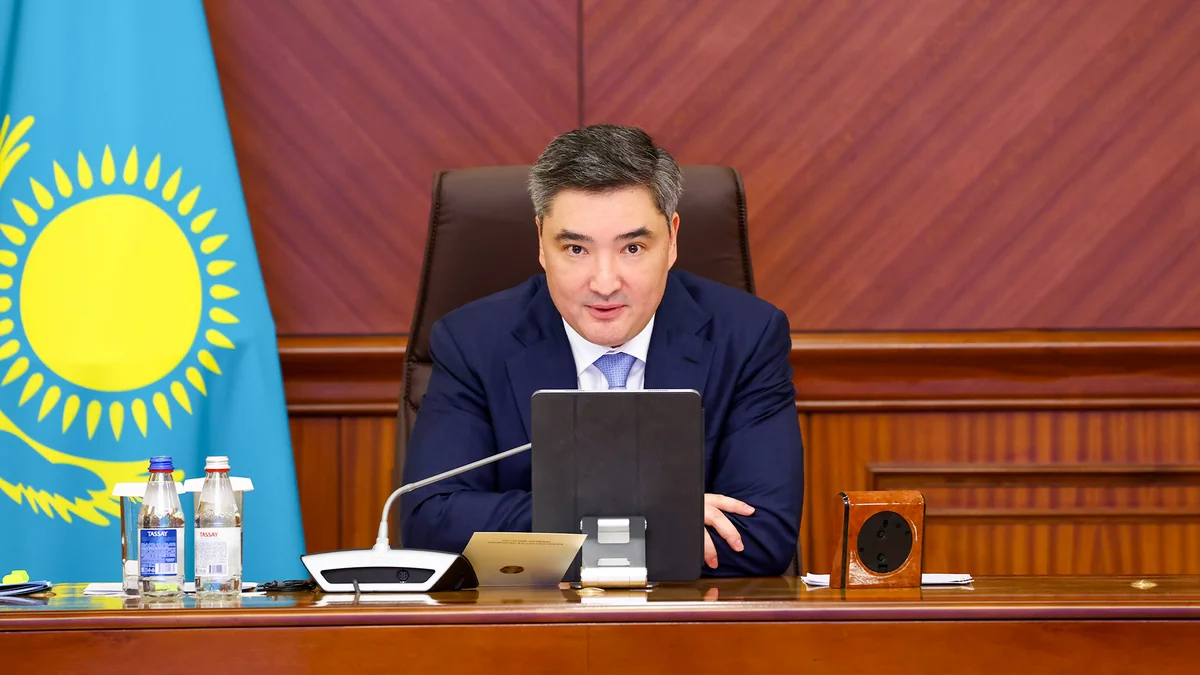
Kazakhstan's Prime Minister Olzhas Bektenov has instructed authorities to tighten border controls and take all necessary measures to prevent fuel shortages in the country, Report informs, citing the Kazakh government's press service.
Bektenov issued this directive during a meeting with heads of relevant ministries and law enforcement agencies regarding the current situation in the oil products market.
"At present, Kazakhstan's oil refineries are operating normally, meeting the needs of the domestic market. The country's reserves of gasoline, diesel, and aviation fuel exceed 1 million tons, which fully covers current consumer demand. Priority is given to supplying filling stations, agricultural producers, and local airlines with petroleum products. No shortage of fuel and lubricants is observed. Production, loading, and reserves of fuel and lubricants are constantly monitored," the statement noted.
The meeting focused on measures to prevent the illegal transportation of petroleum products.
Currently, the Ministry of Energy's order banning the export of certain petroleum products outside Kazakhstan remains in force, and several restrictions have been imposed on vehicles crossing the state border.
Bektenov emphasized at the meeting that ensuring the stability of the domestic oil products market is of strategic importance.
Based on the meeting's conclusions, instructions were given to strengthen border controls, prevent fuel shortages, and ensure the country's needs are met.
The Border Service of Kazakhstan's National Security Committee, together with the Ministry of Finance and the Financial Monitoring Agency, must enhance control at the state border, detect and prevent all schemes of illegal movement of petroleum products.
The Ministry of Energy was also tasked with ensuring continuous monitoring of the production, reserves, and consumption balance of petroleum products, and to propose immediate additional measures if necessary.
Author