Baku 15° C
Sites of Memory of Western Azerbaijan: Ethnic cleansing in Dashkorpu
- 27 October, 2026
- 03:28
Stay up to date with the top news!
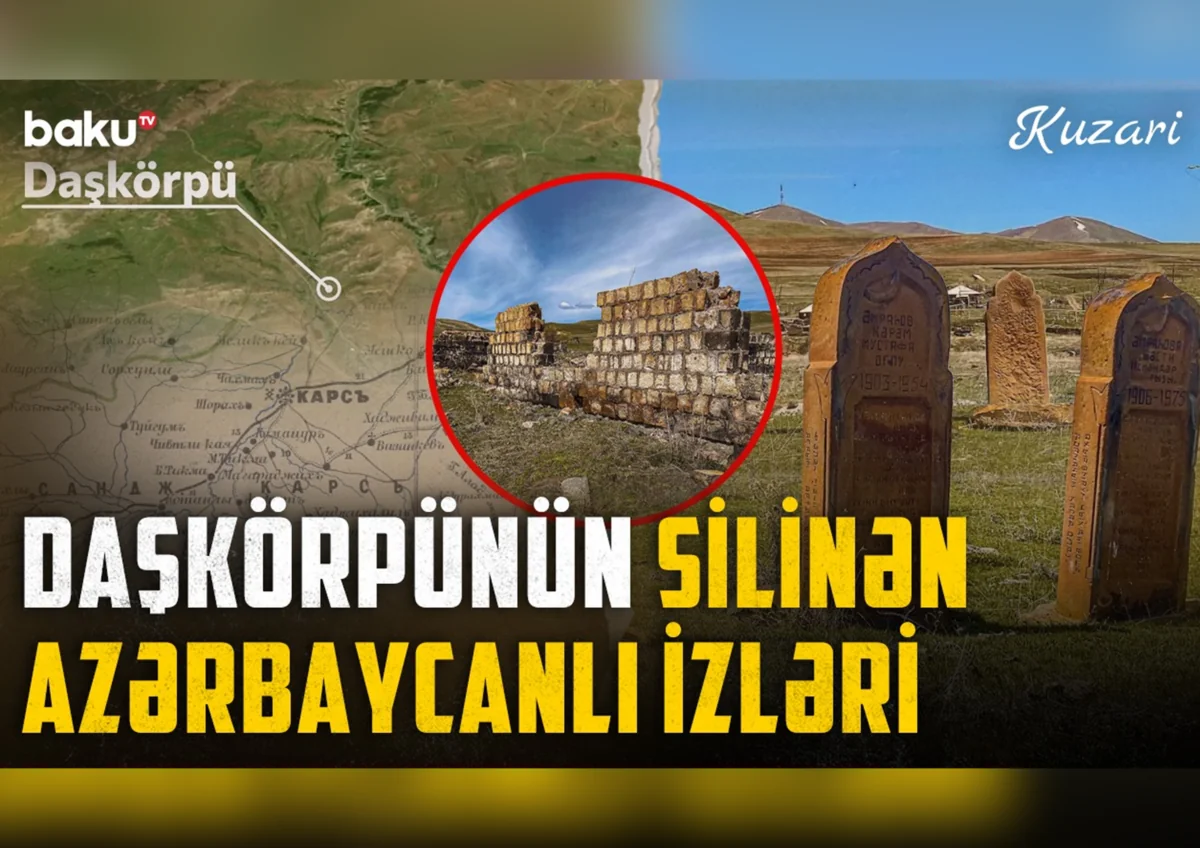
A study on the history of Dashkorpu, a village in present-day Armenia formerly inhabited by Azerbaijanis, has been published as part of the "Sites of Memory of Western Azerbaijan" project.
Report informs that the article appeared in Perished Civilization.
The village's names during the Tsarist period included Dashkyorpi, Dashkepry, Dash-kyorpi, Dashkepri and Dash-Kerpi, and during the Soviet period, Dashkyorpi, Dashkerpi and Dashkyorpyu. On the eve of the Russo-Turkish War of 1877–1878, the territory of the village lay within the Kars Sanjak of the Ottoman Empire. The Treaty of Berlin, concluded after the war, compelled the Ottoman Empire to cede Kars, Ardahan, and Batum (present-day Batumi) to Russia. During the Tsarist period, the village was part of the Kars Okrug of the Kars Oblast.
Tsarist-era statistical records, also cited in Armenian sources, indicate that at various times before 1914 the village was inhabited exclusively or predominantly by ancestors of the Azerbaijanis. Some sources identify them as Karapapakhs (an ethnographic group of Azerbaijanis).
On May 29, 1918, the government of the Azerbaijan Democratic Republic (ADR) ceded Erivan, present-day Yerevan, and several surrounding territories to the Armenians. The First Republic of Armenia was thereby established on land that had historically been inhabited by ancestors of present-day Azerbaijanis. Within the first few months of its existence, it began to make territorial claims against its neighbors: Azerbaijan, Georgia, and Türkiye (the Ottoman Empire at the time).
In 1919–1920, Armenian armed detachments and the troops of the First Republic of Armenia carried out ethnic cleansing of Muslims in the Kars Oblast, which had been part of the Ottoman Empire before the Russian occupation. Ethnic cleansing was also carried out in the Erivan Governorate, as well as in Zangezur, Garabagh, and Nakhchivan.
The sharp decline in the Turkic population of Dashkorpu provides evidence that its residents were subjected to ethnic cleansing. A comparison of earlier population figures with those recorded in Soviet Armenia's 1922 census makes the change apparent.
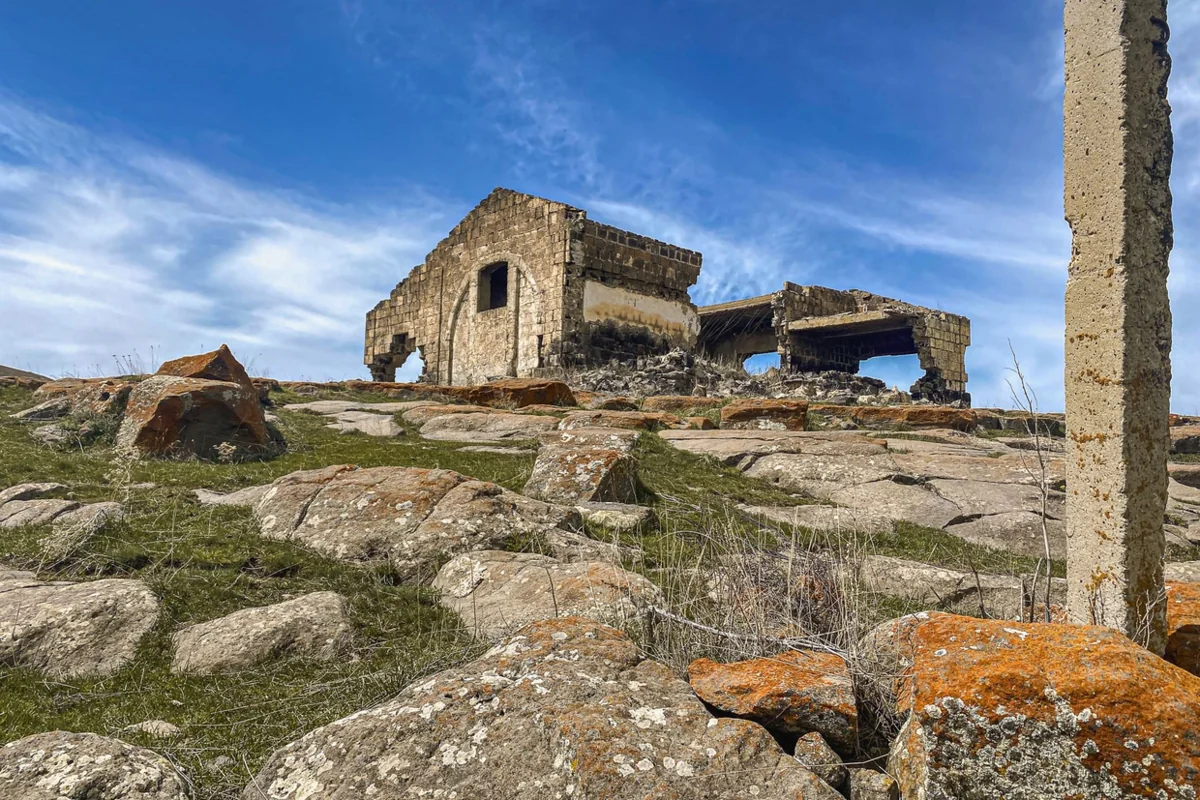
In 1966, the village's territory was incorporated into the Azerbaijani village of Amasia, but the name Dashkorpu continued to be used to refer to the area of the former village.
In the late 1980s, as a result of Armenian territorial claims to Garabagh and escalating tensions between the two republics, Azerbaijanis were permanently driven out of the territory of the Armenian SSR.
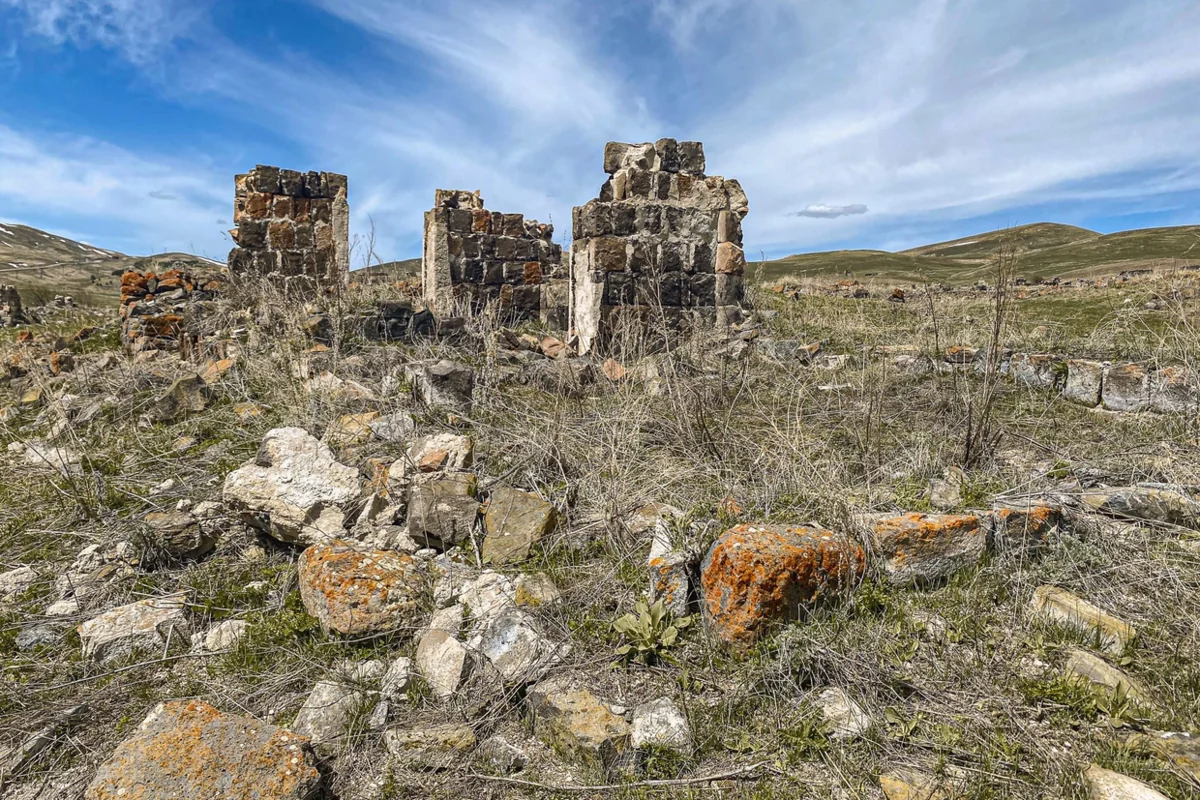
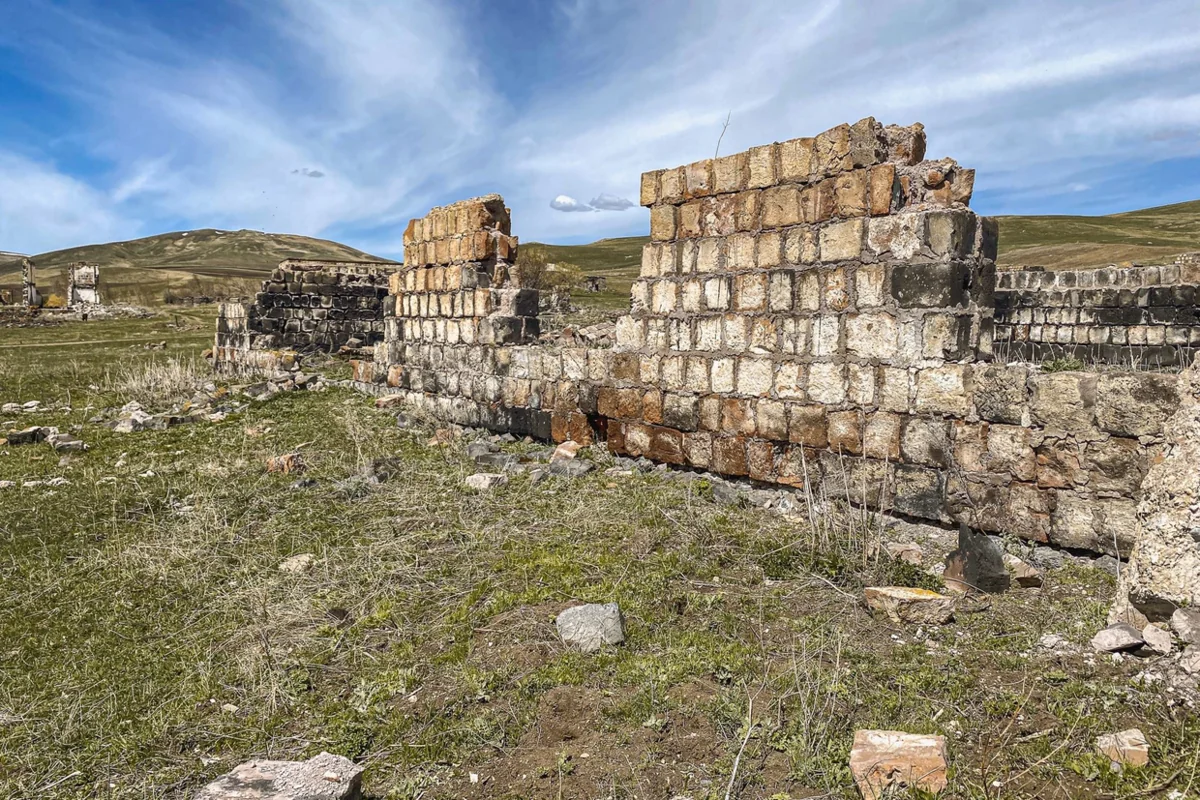
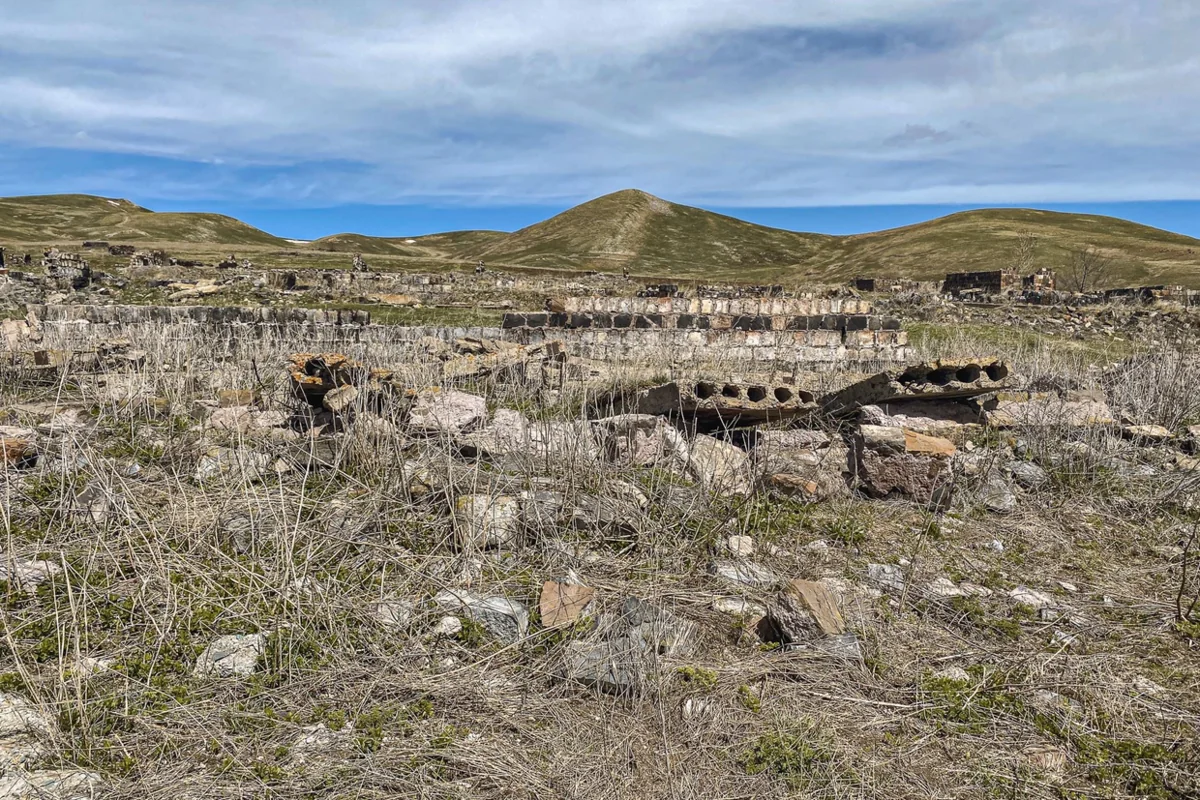
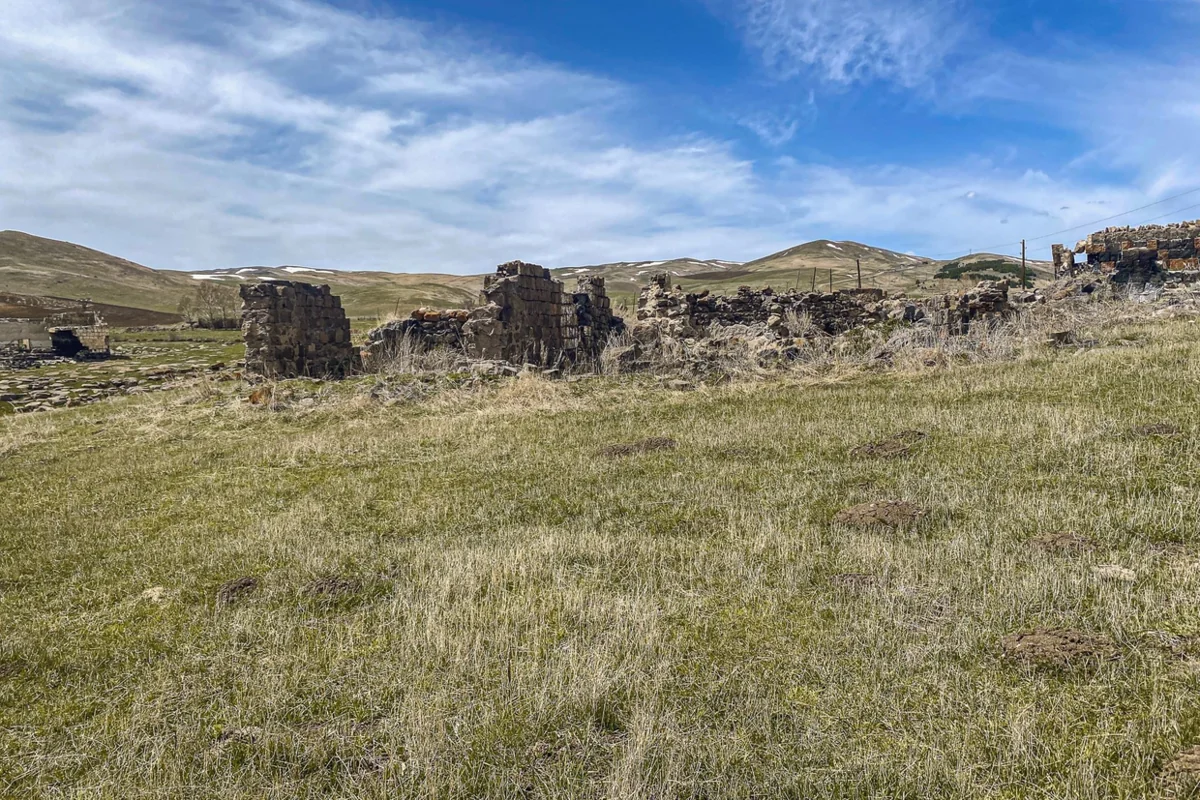
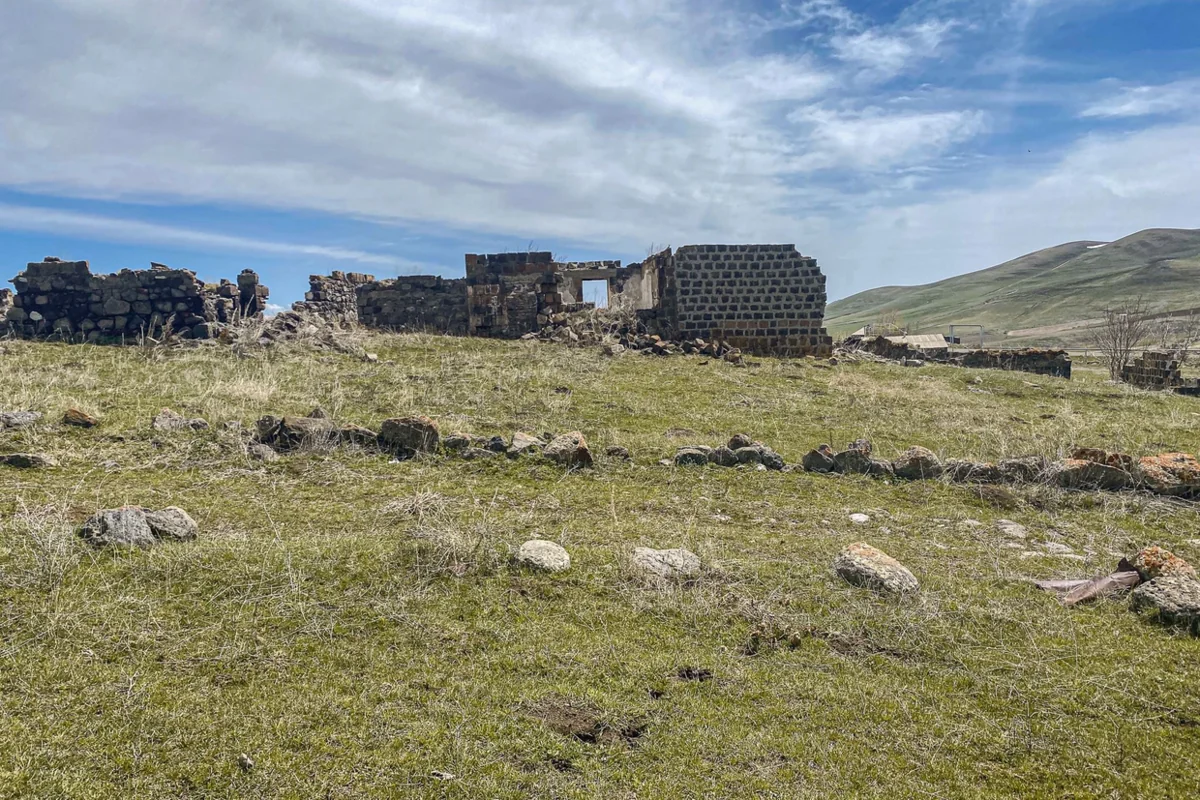
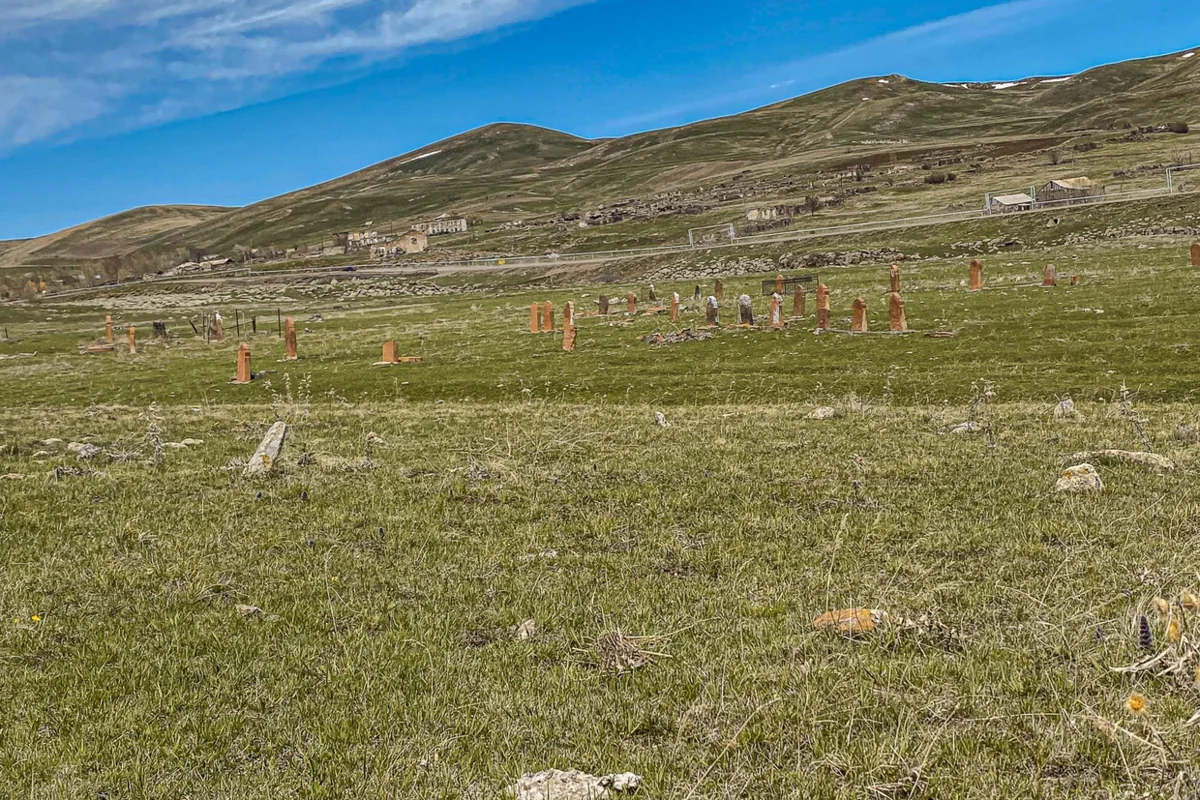
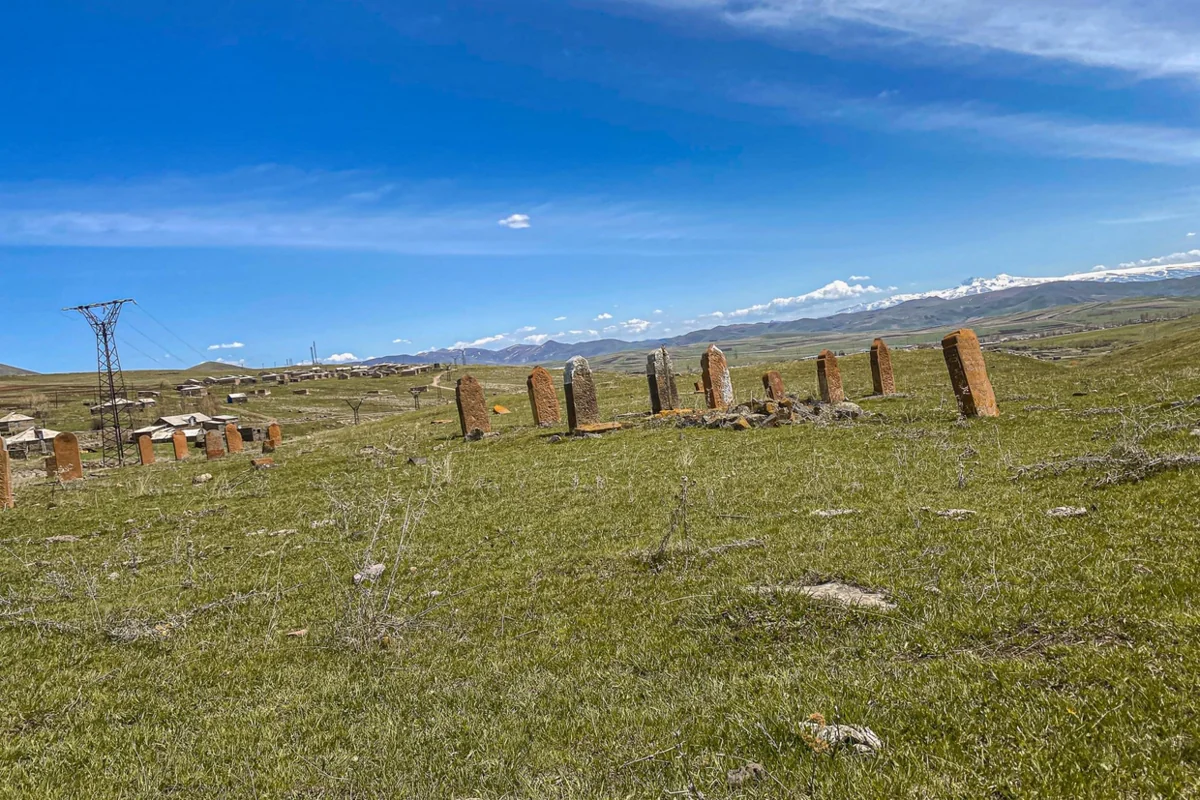
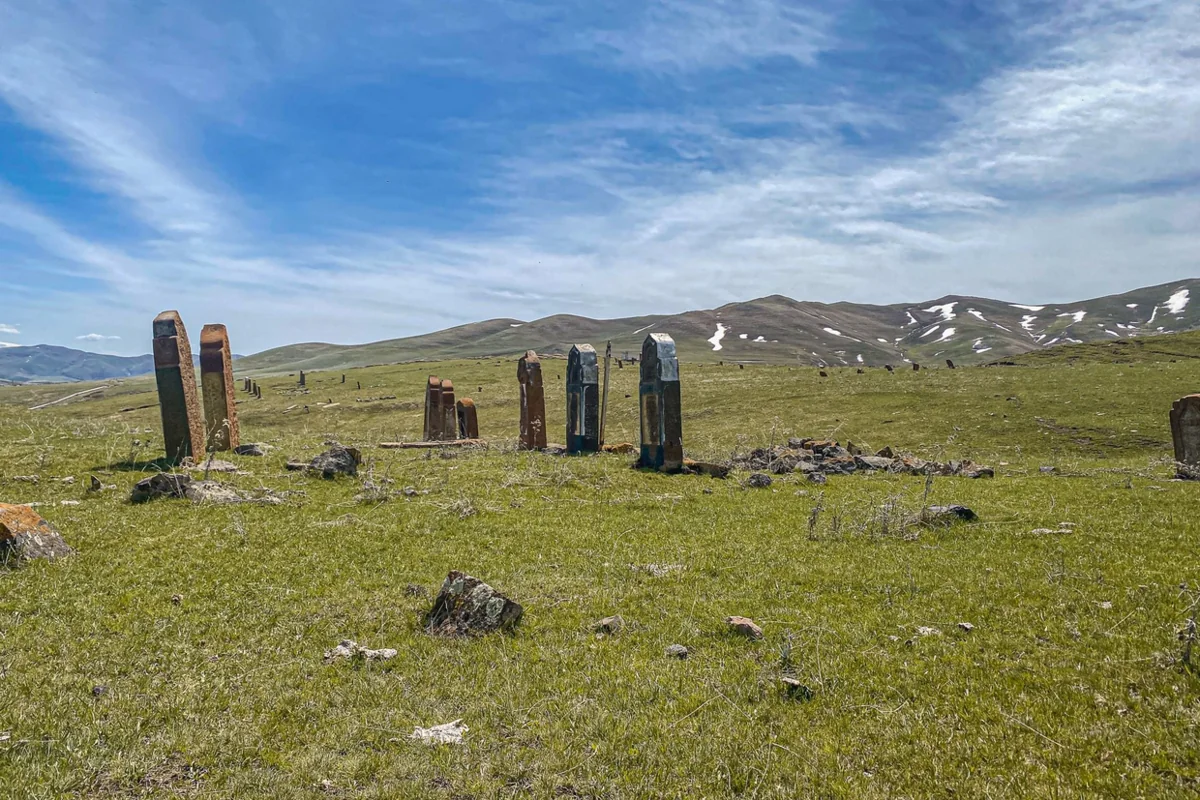
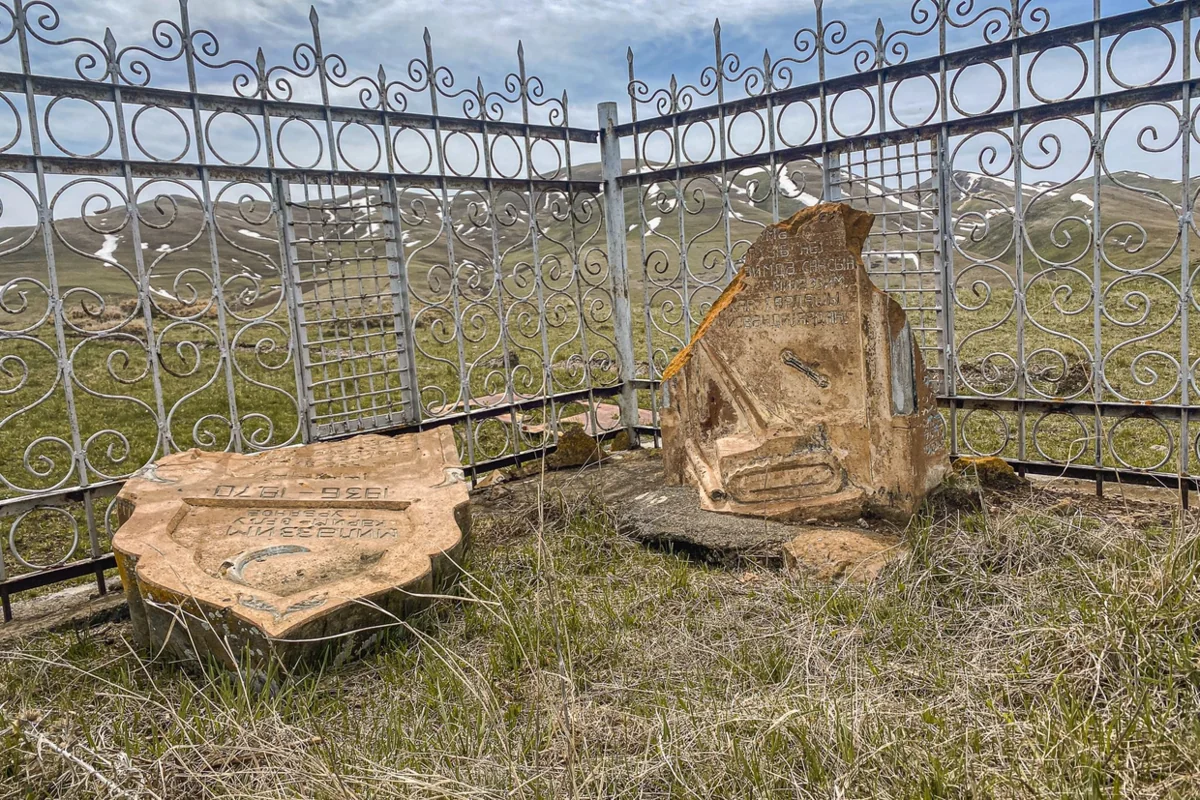
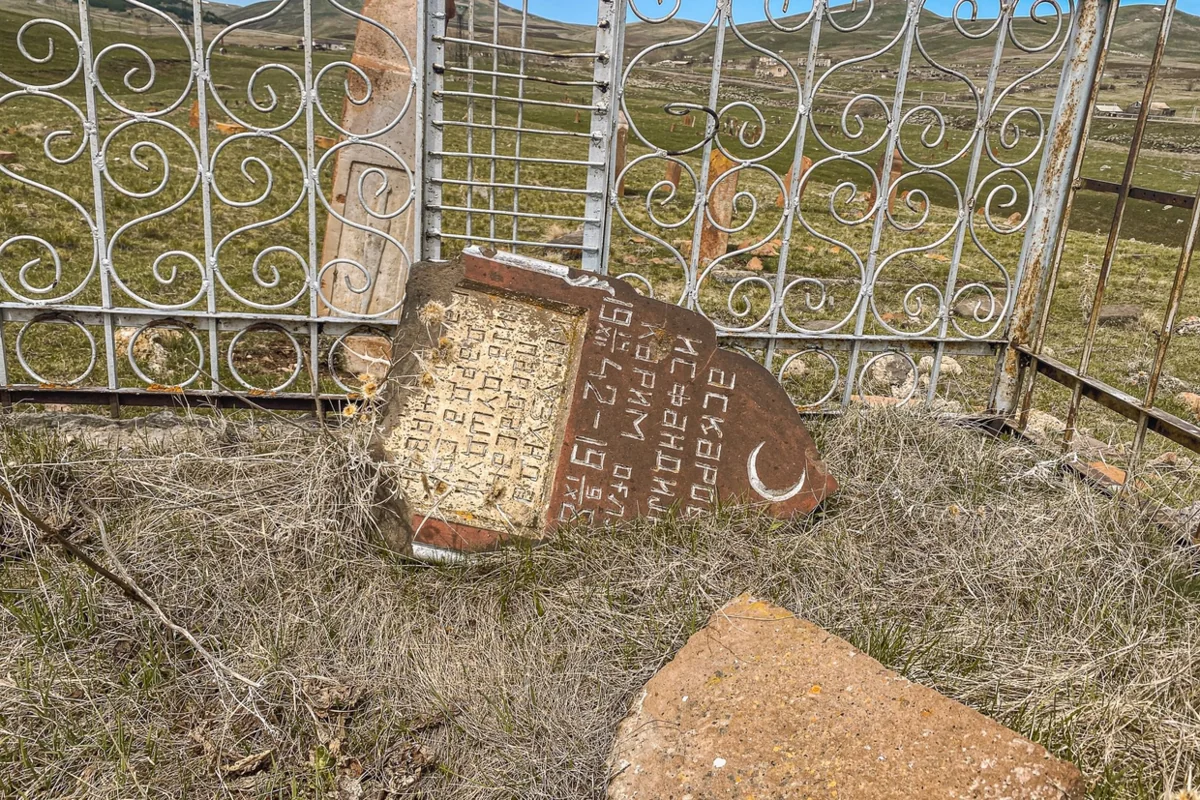
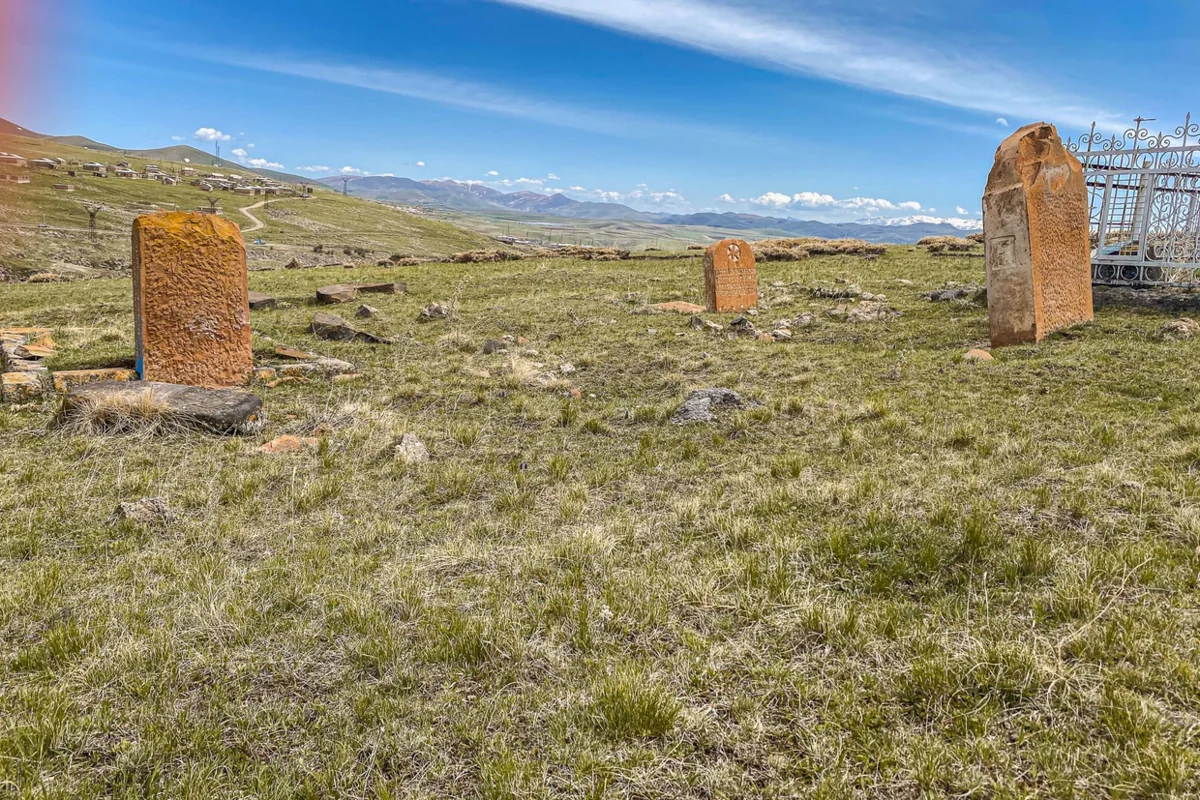
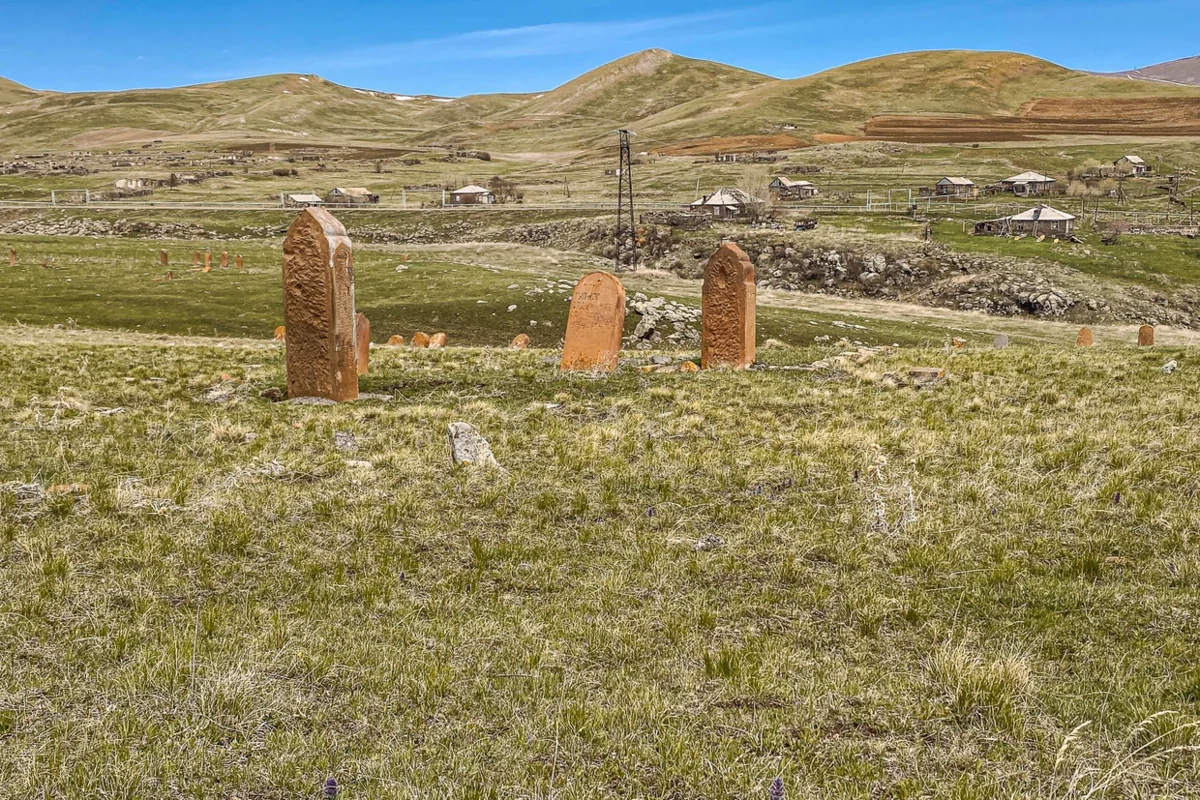
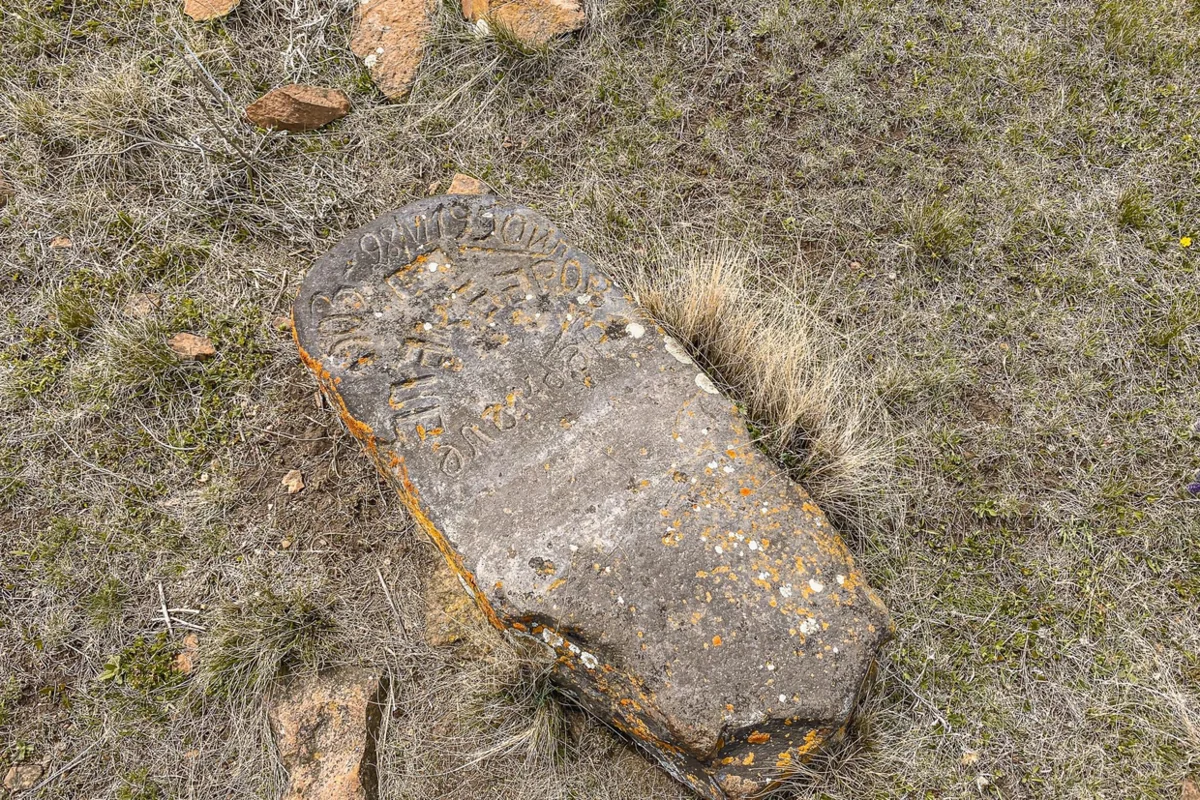
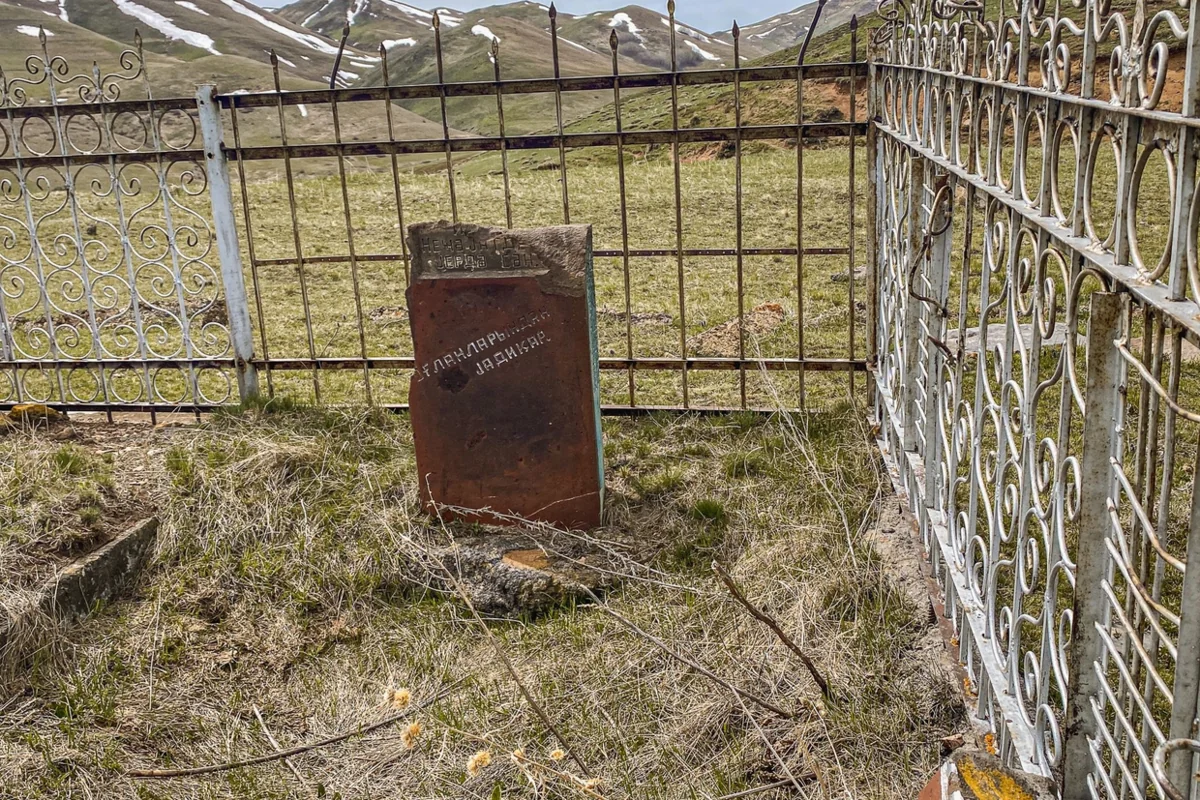
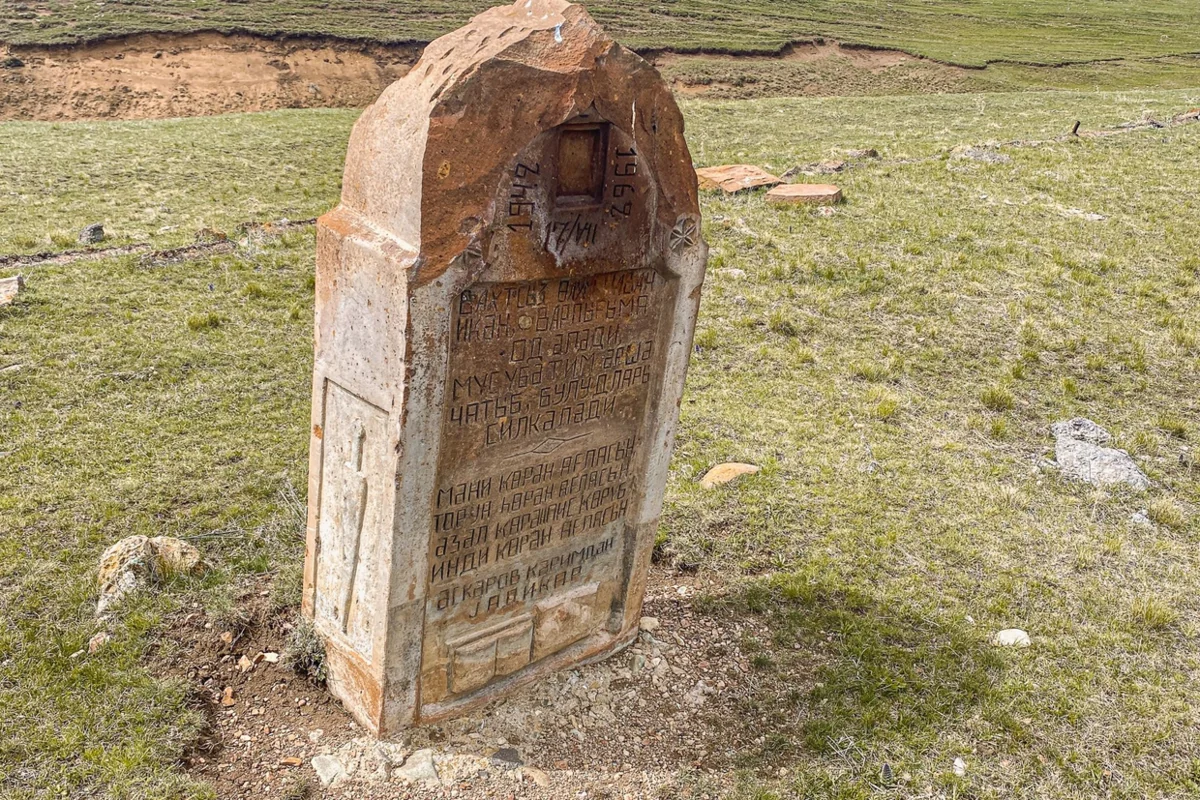
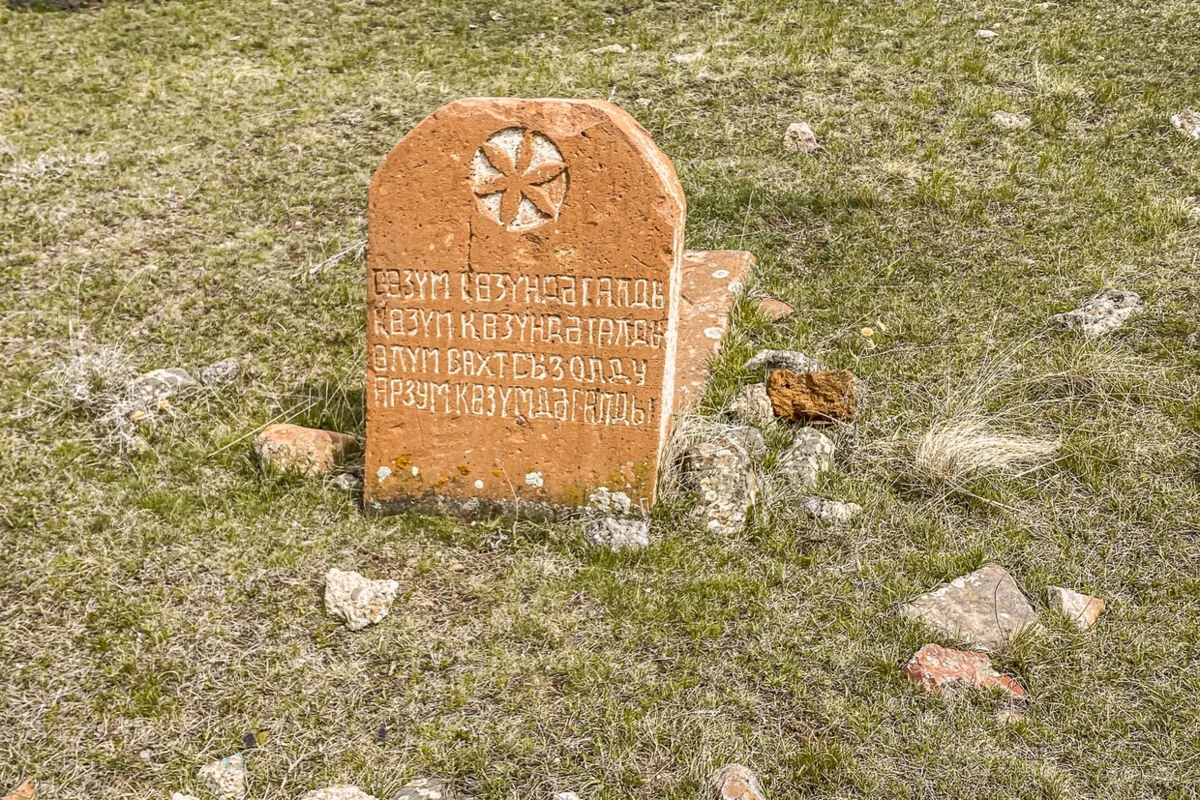
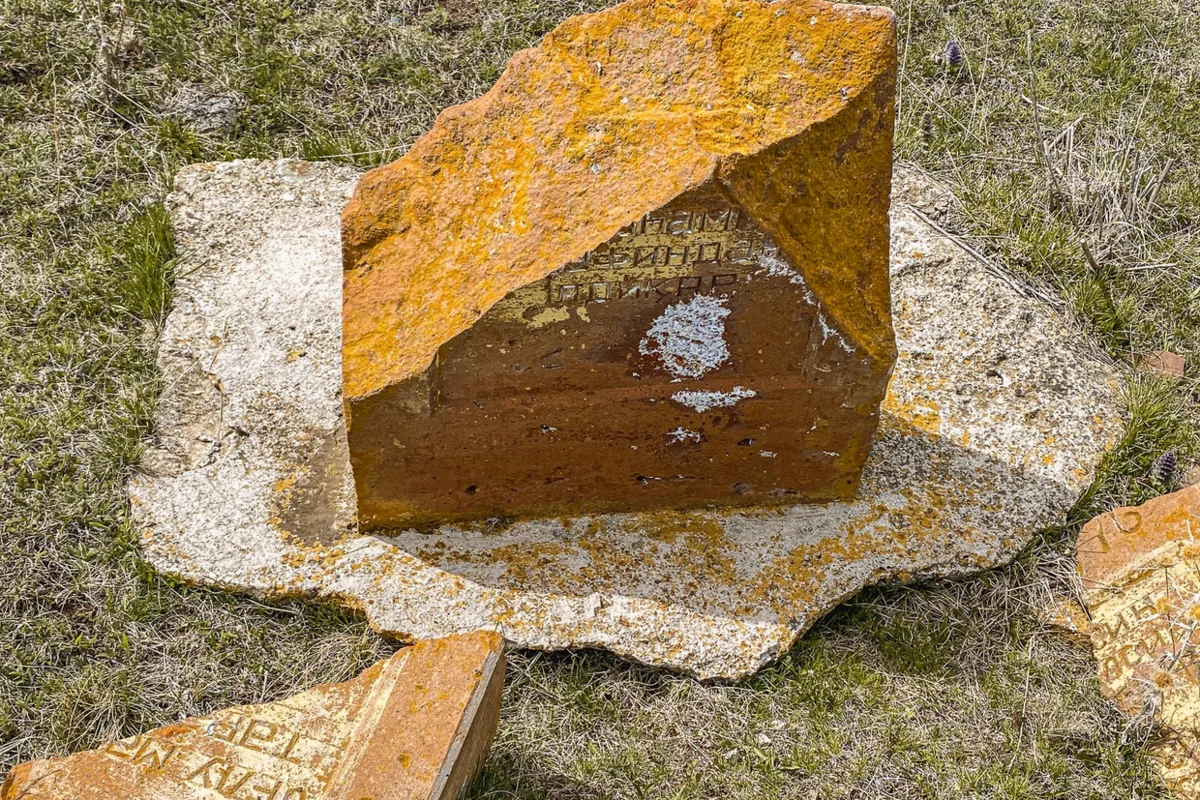
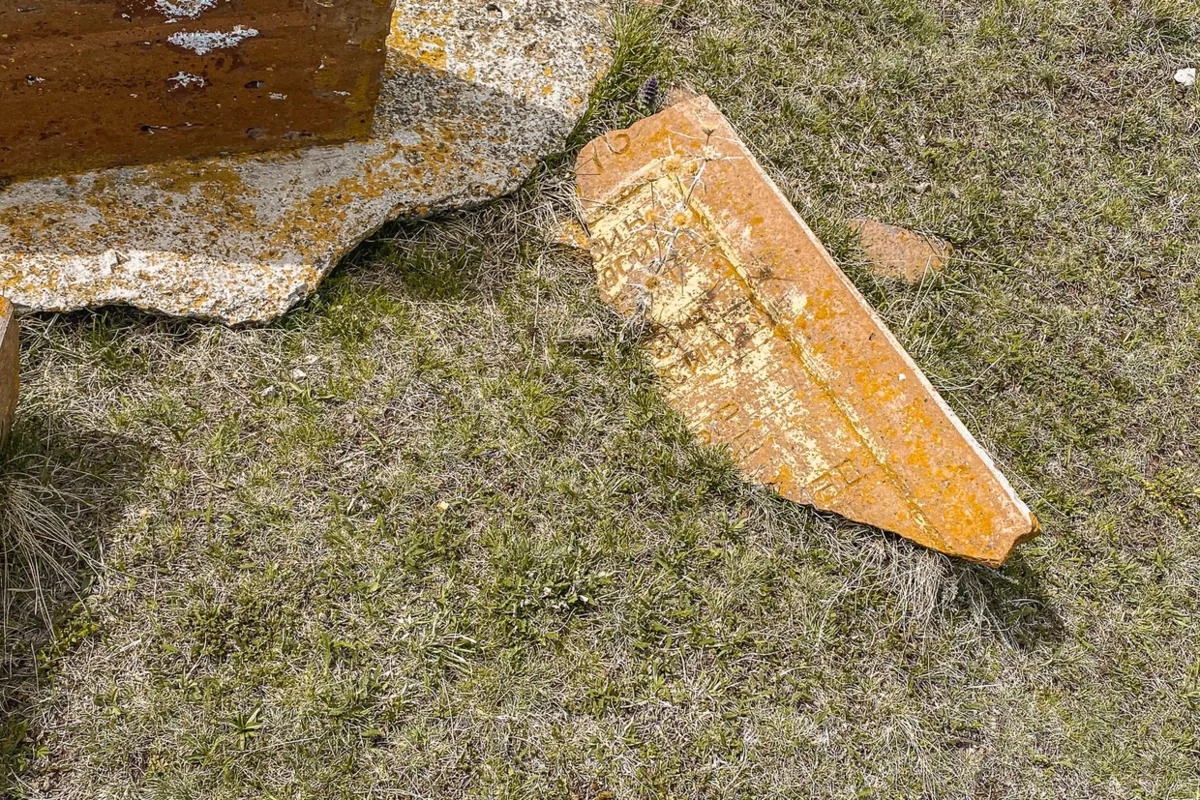
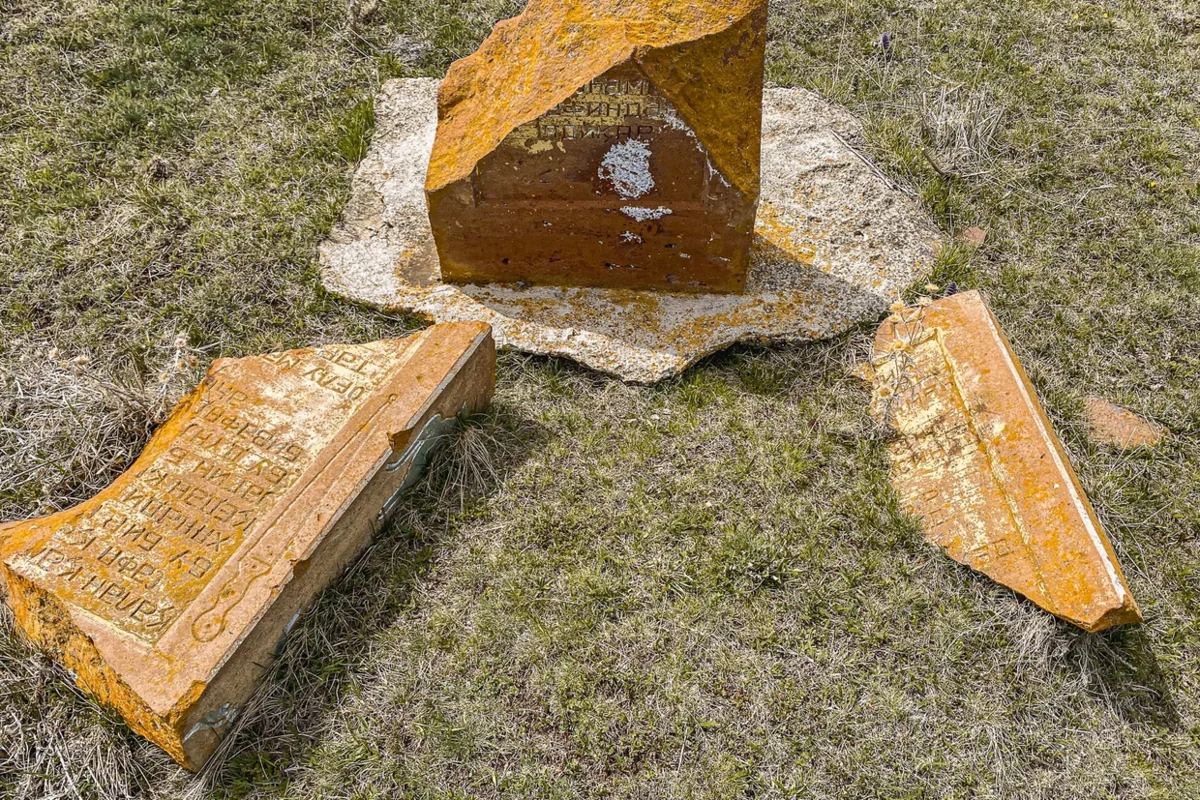
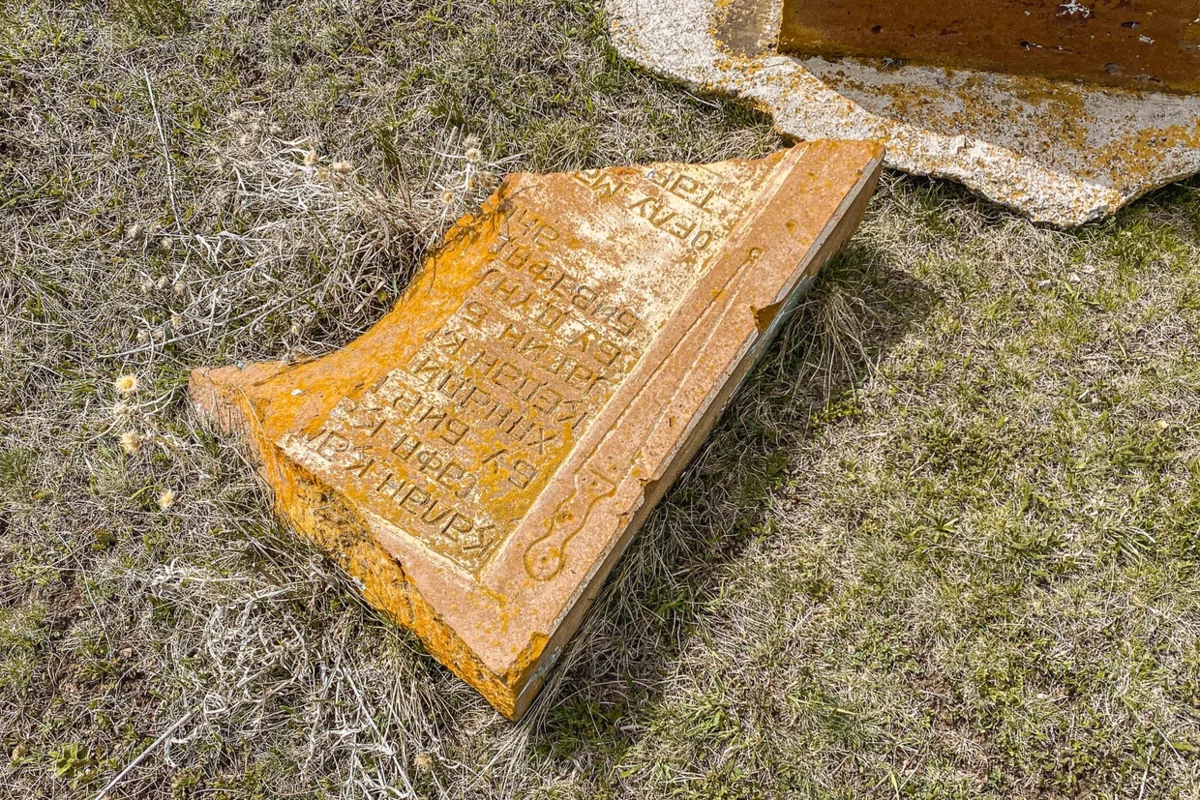
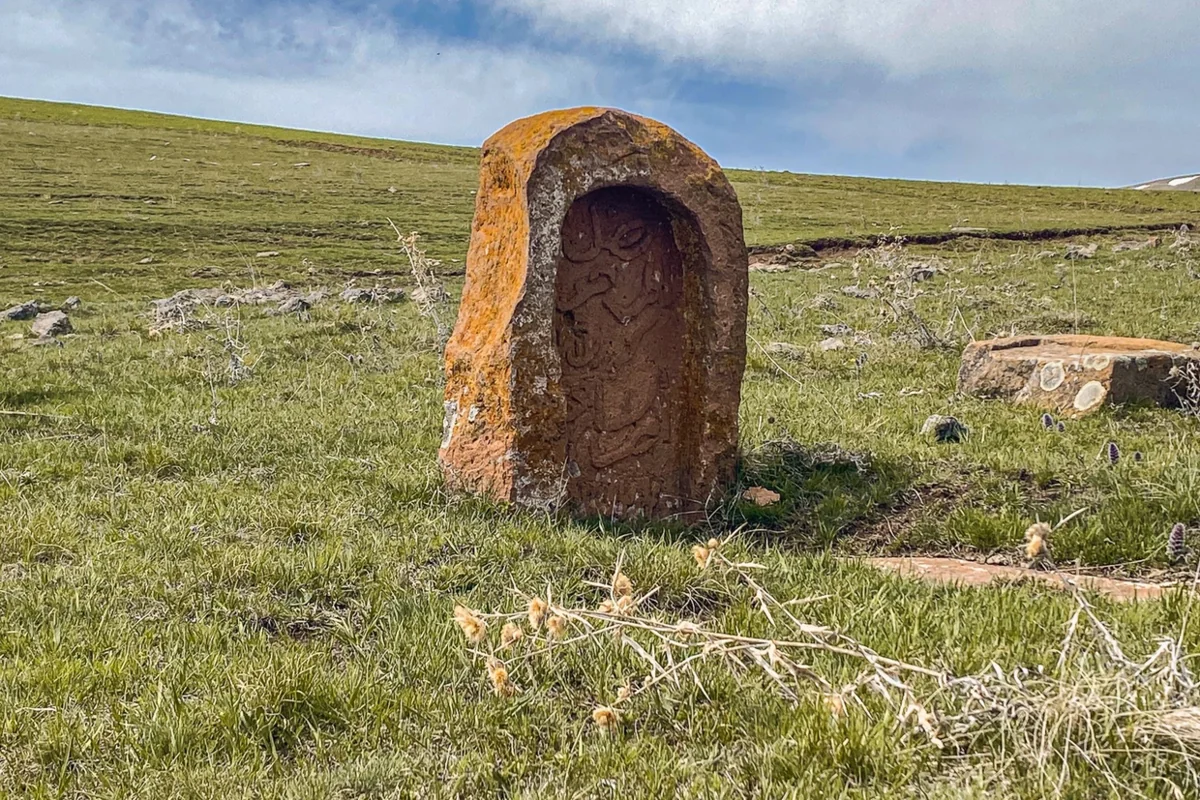
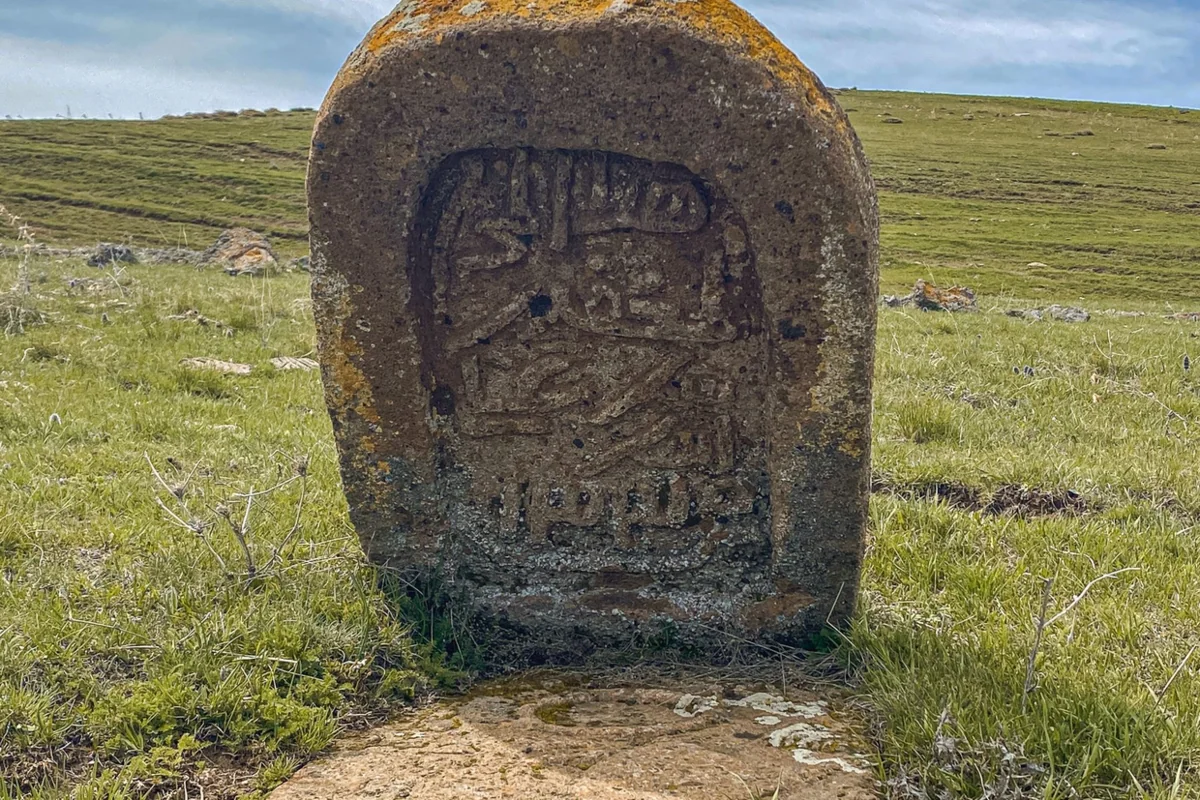
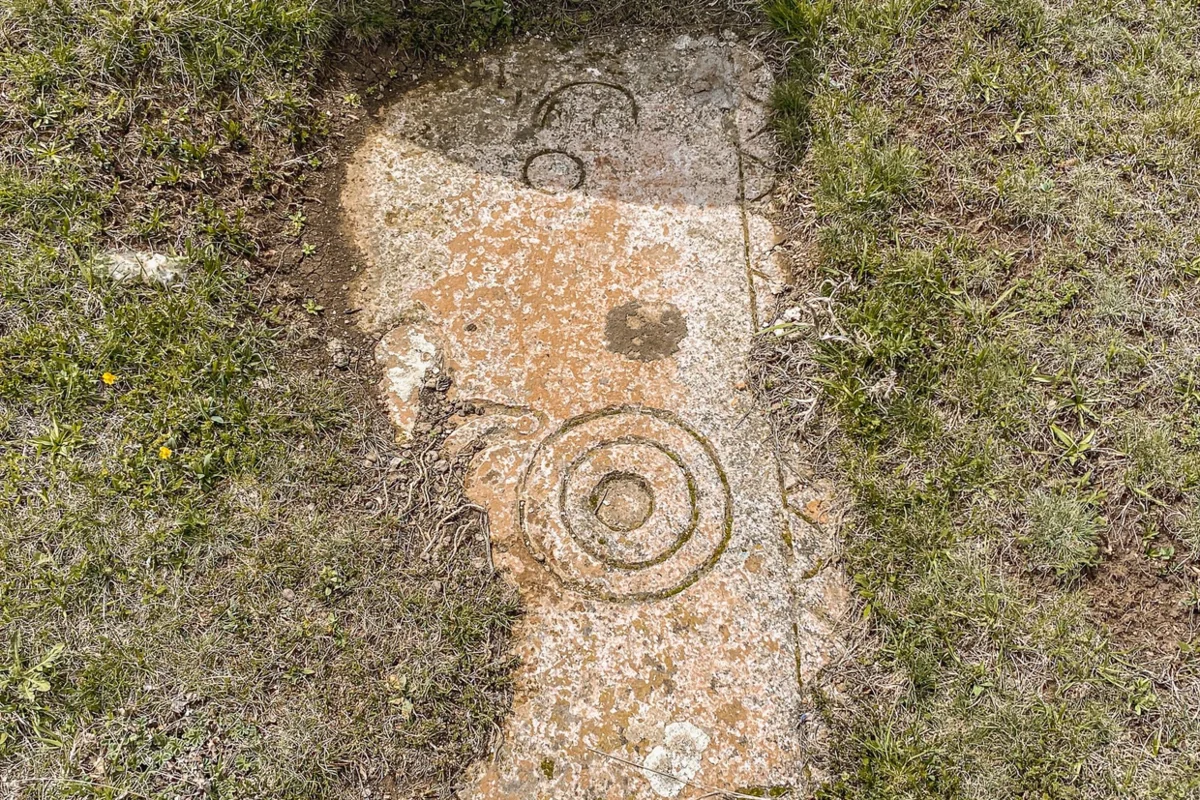
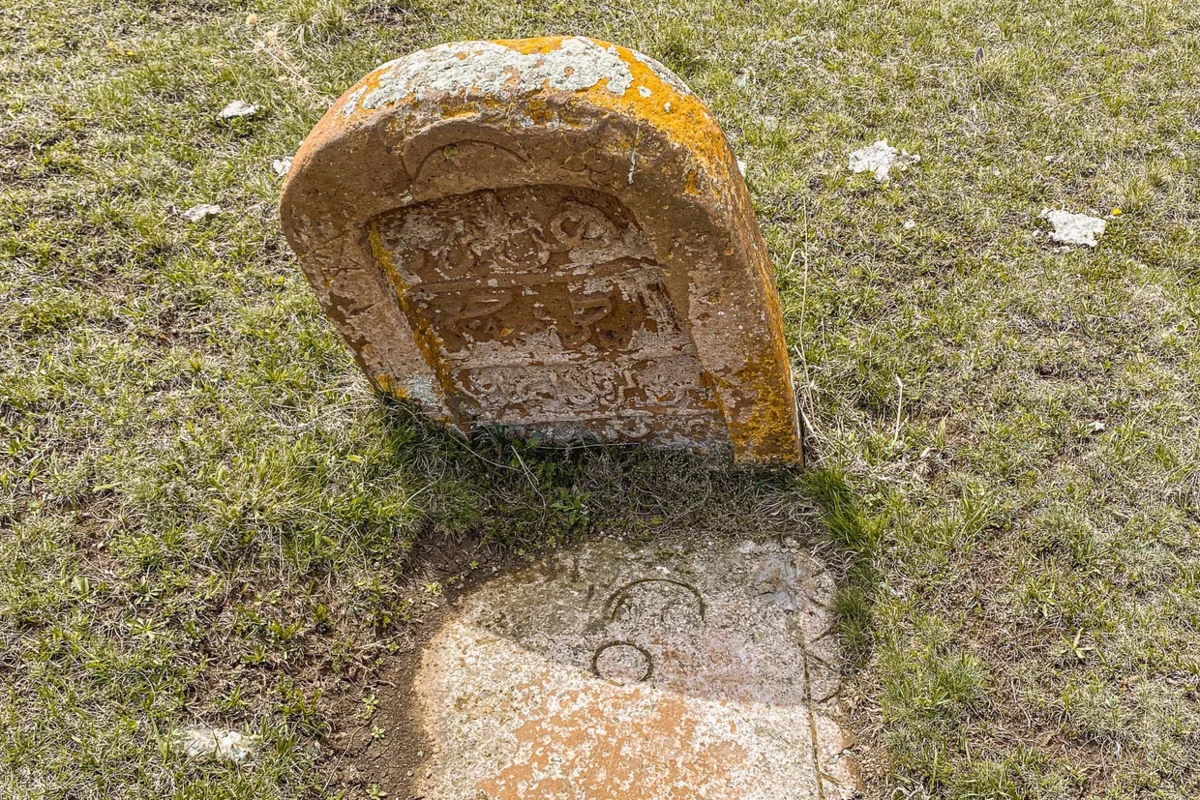
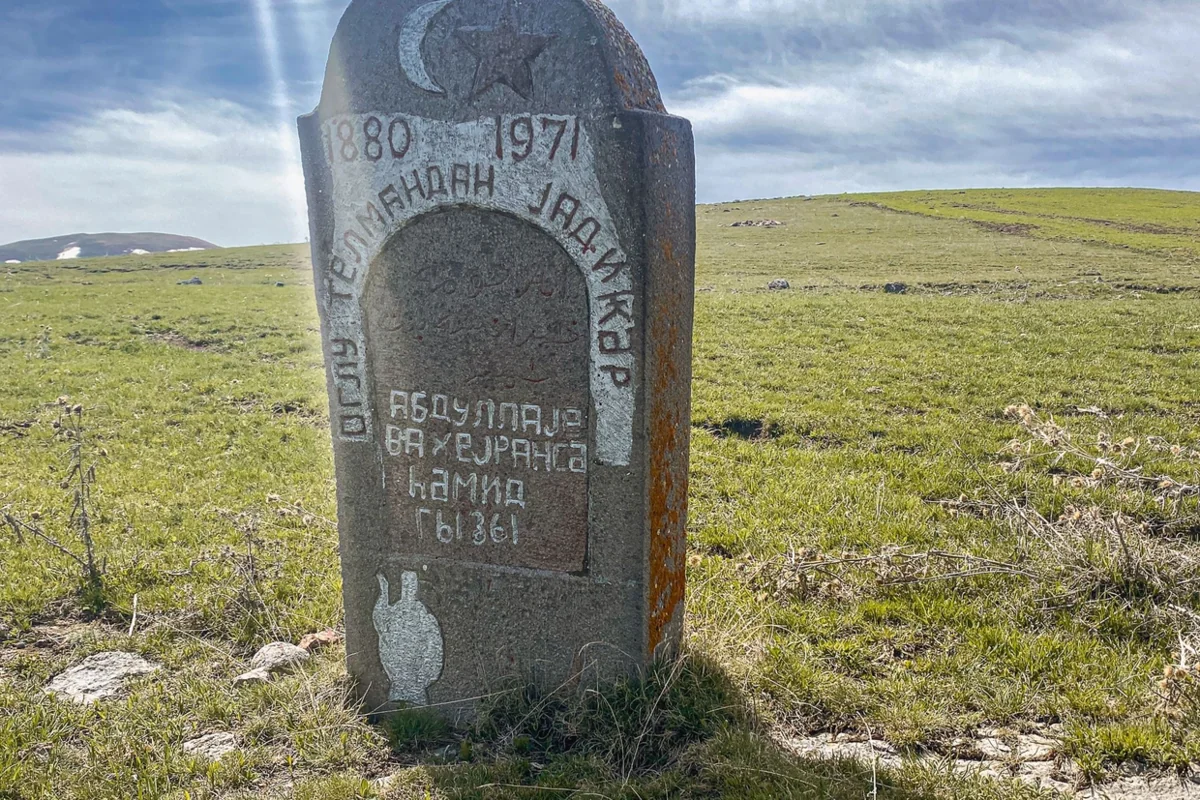
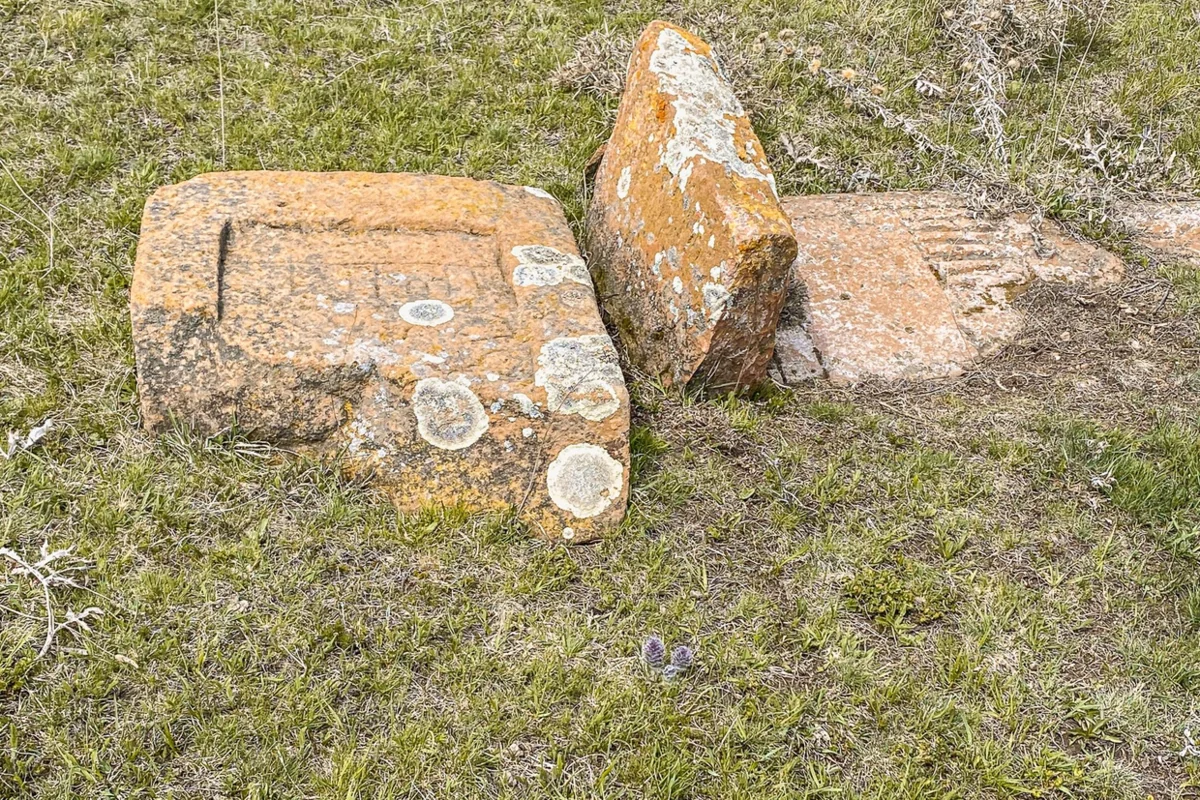
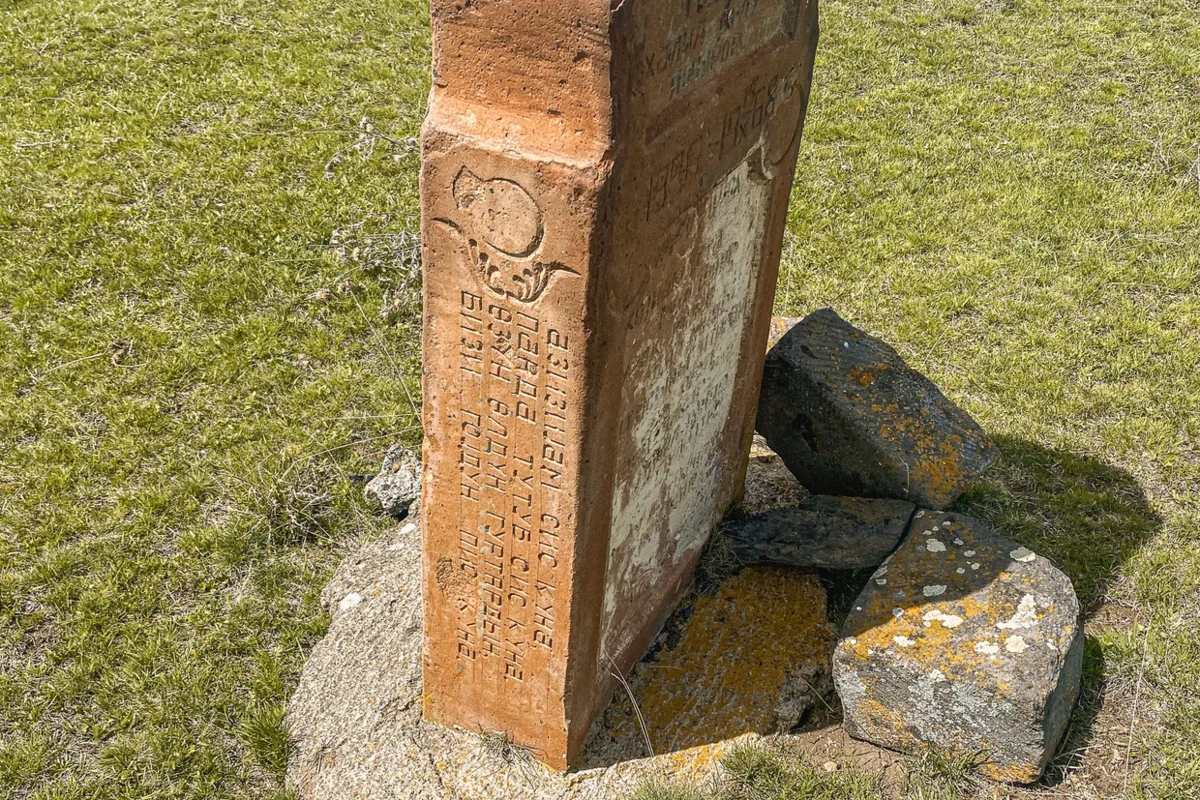
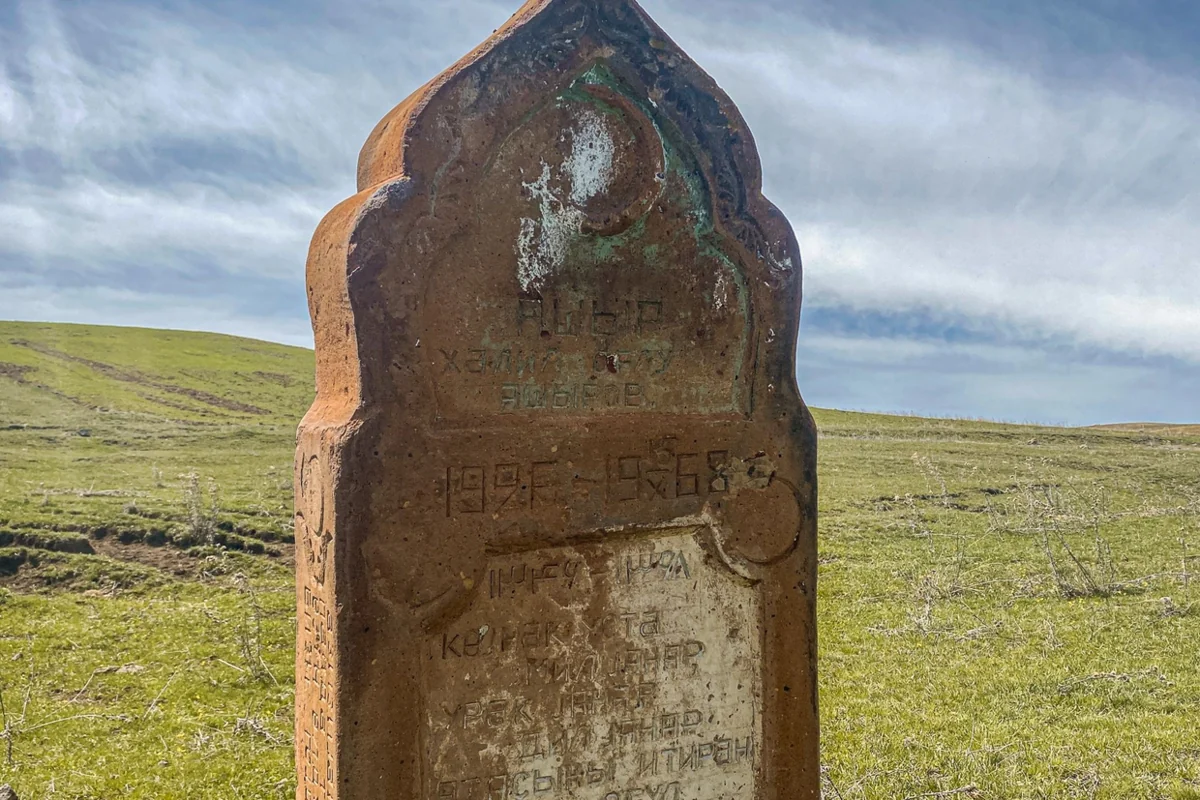
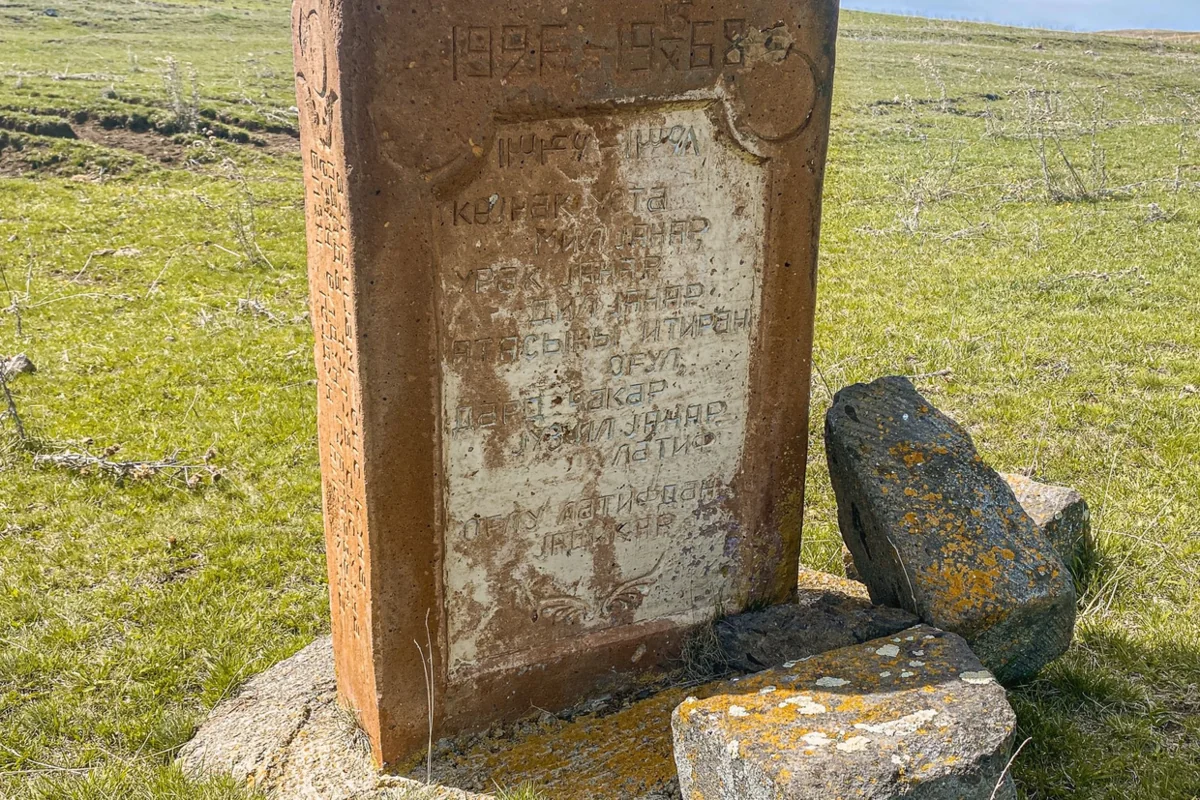
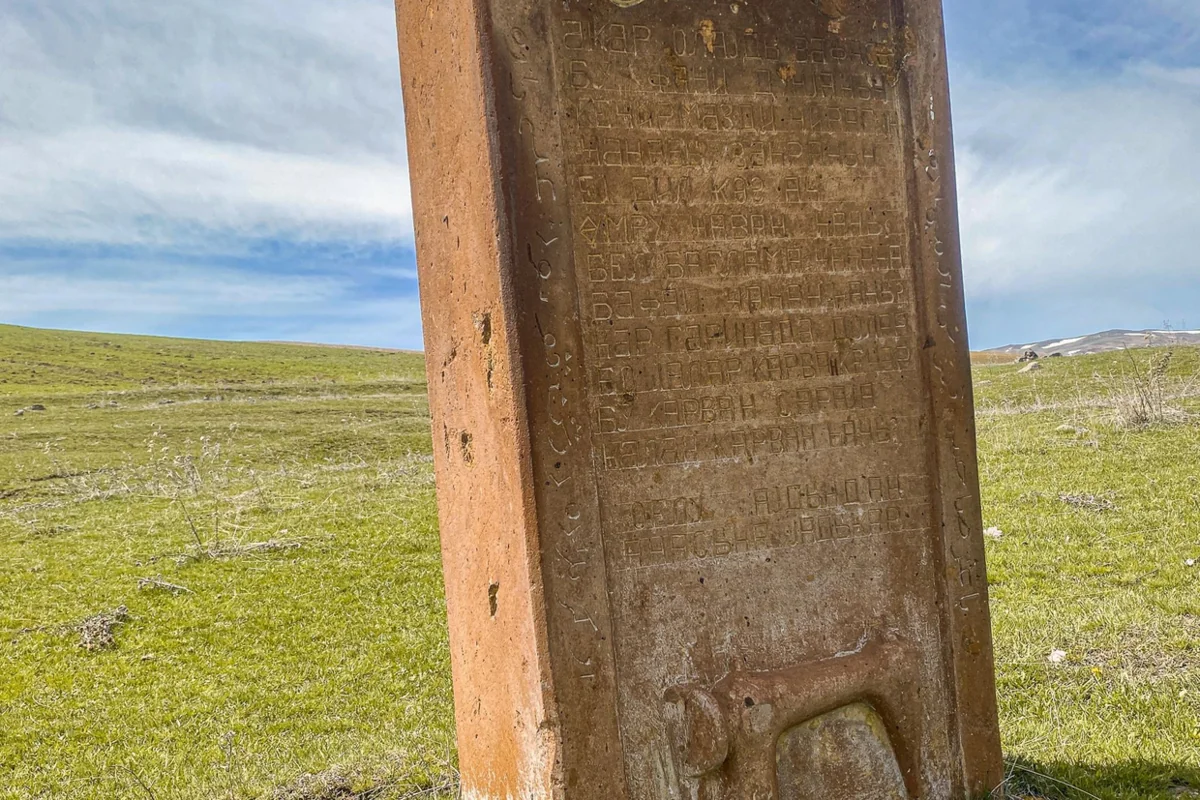
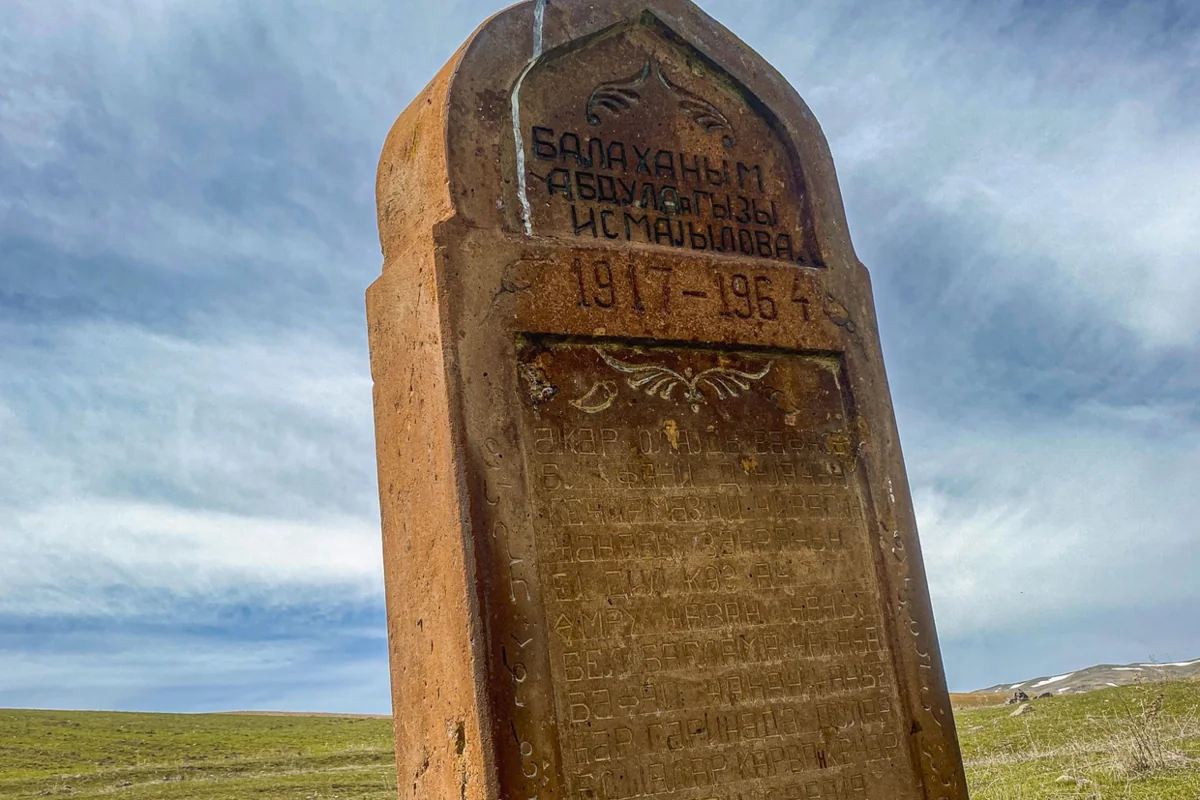
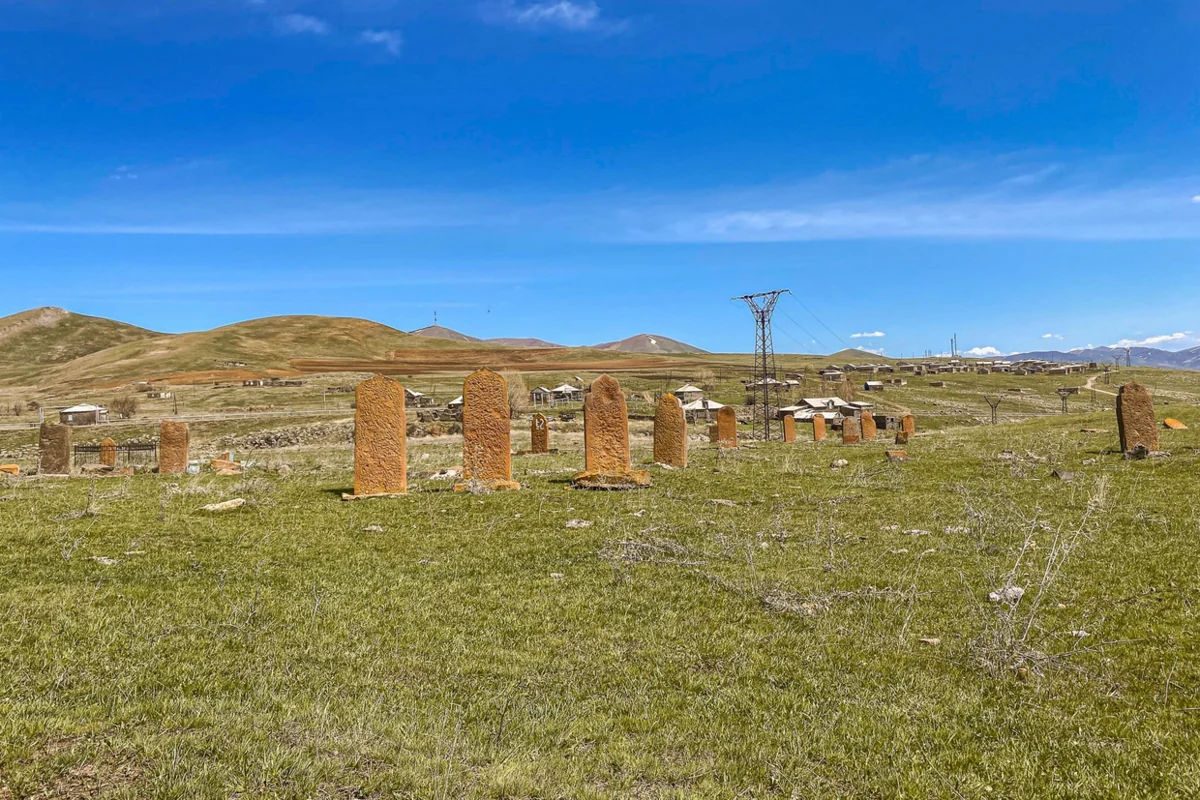
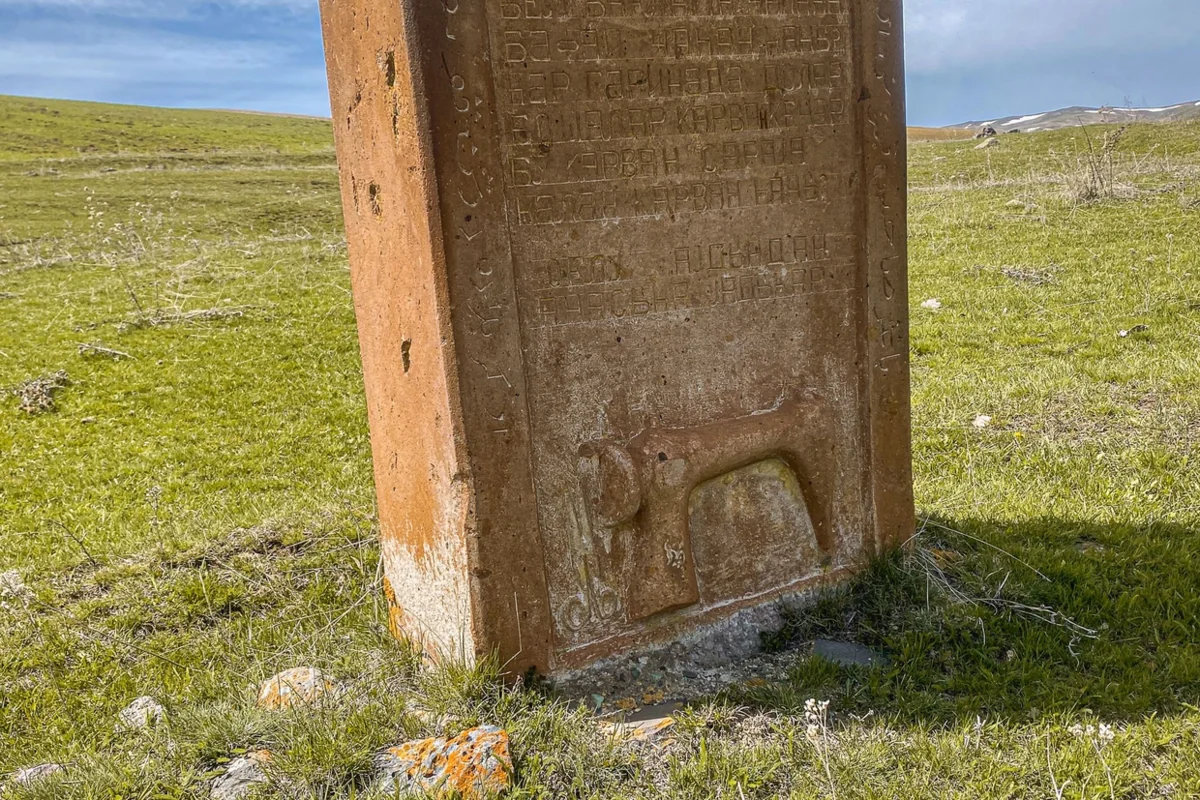
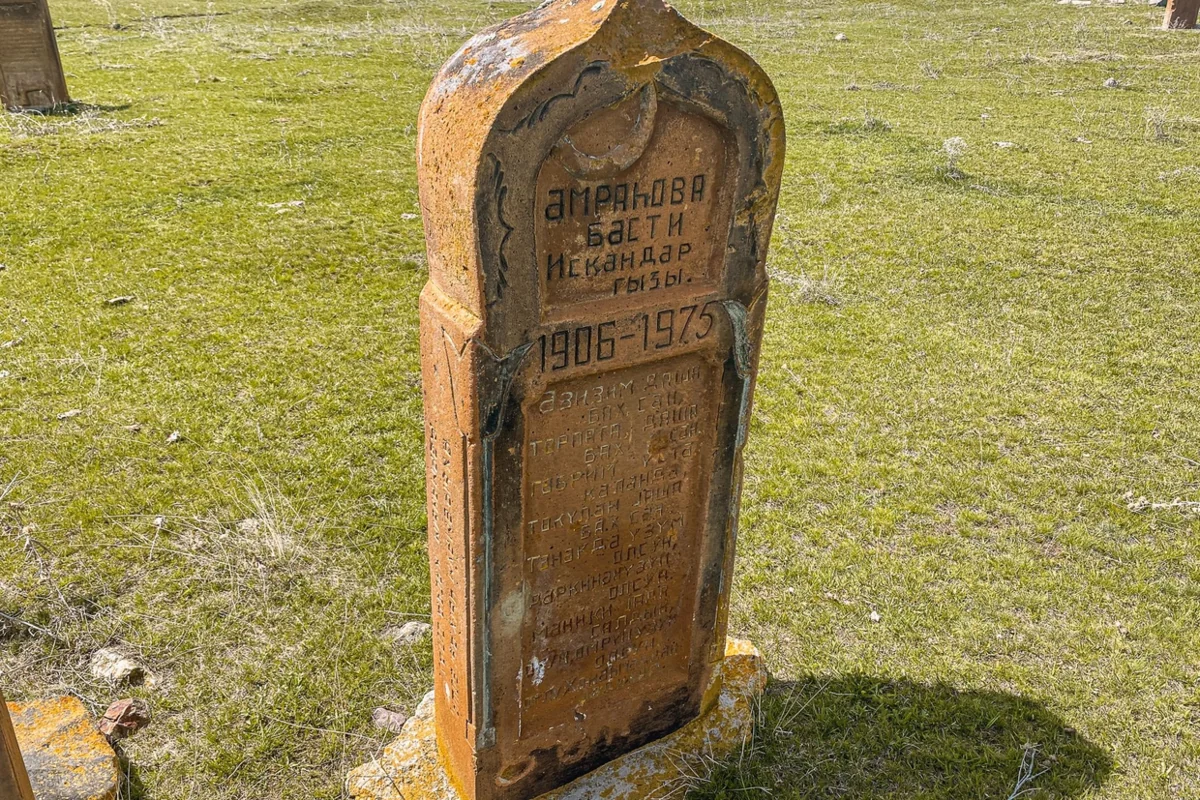
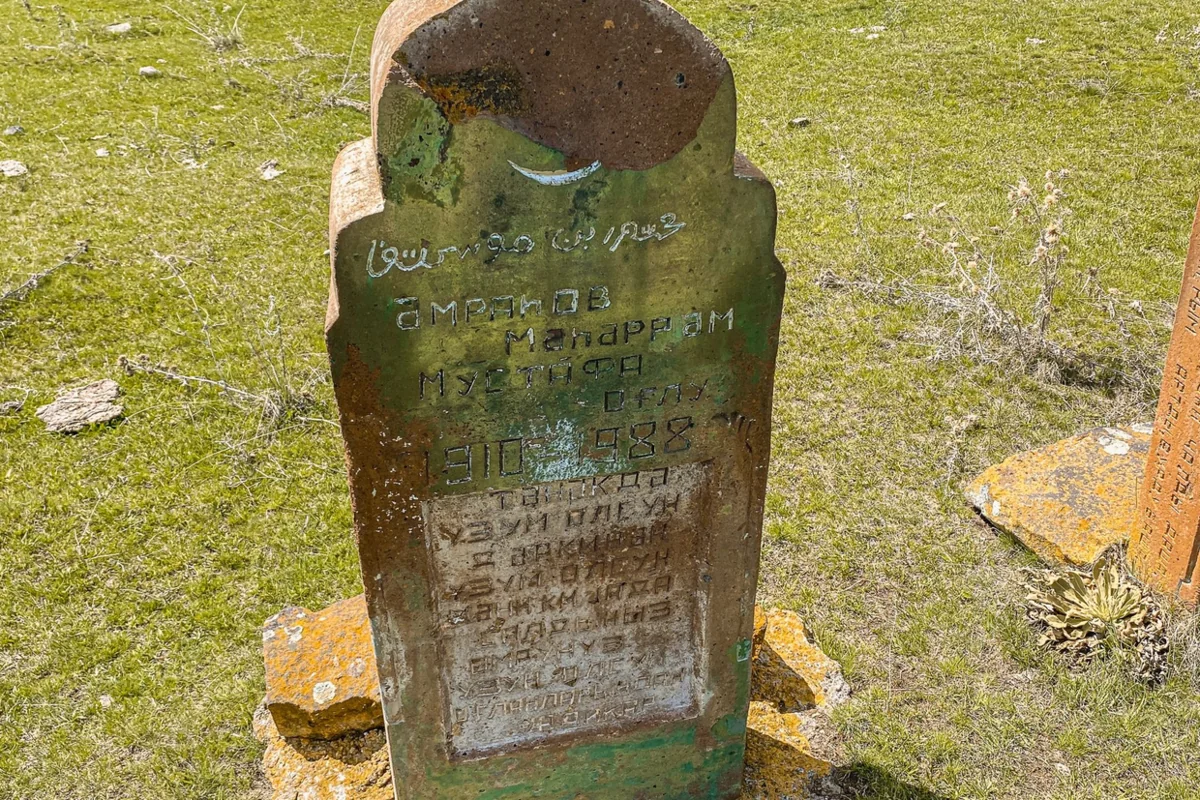
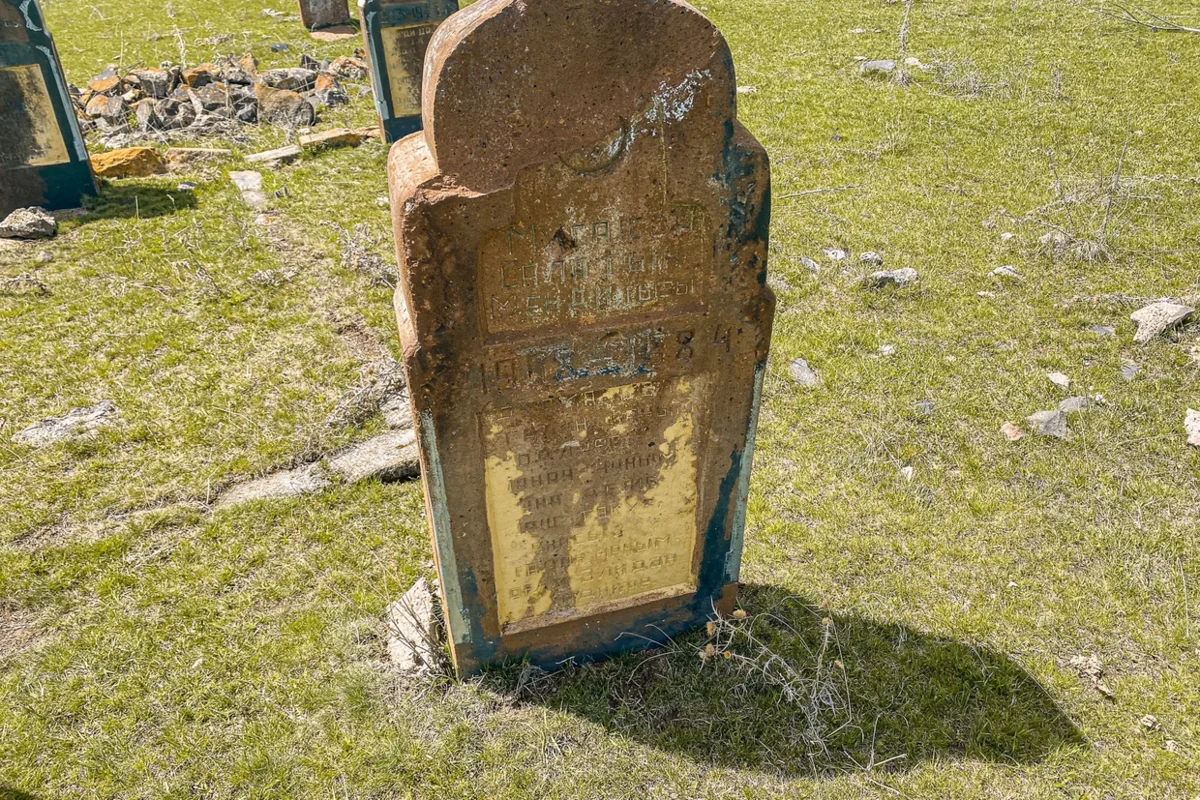
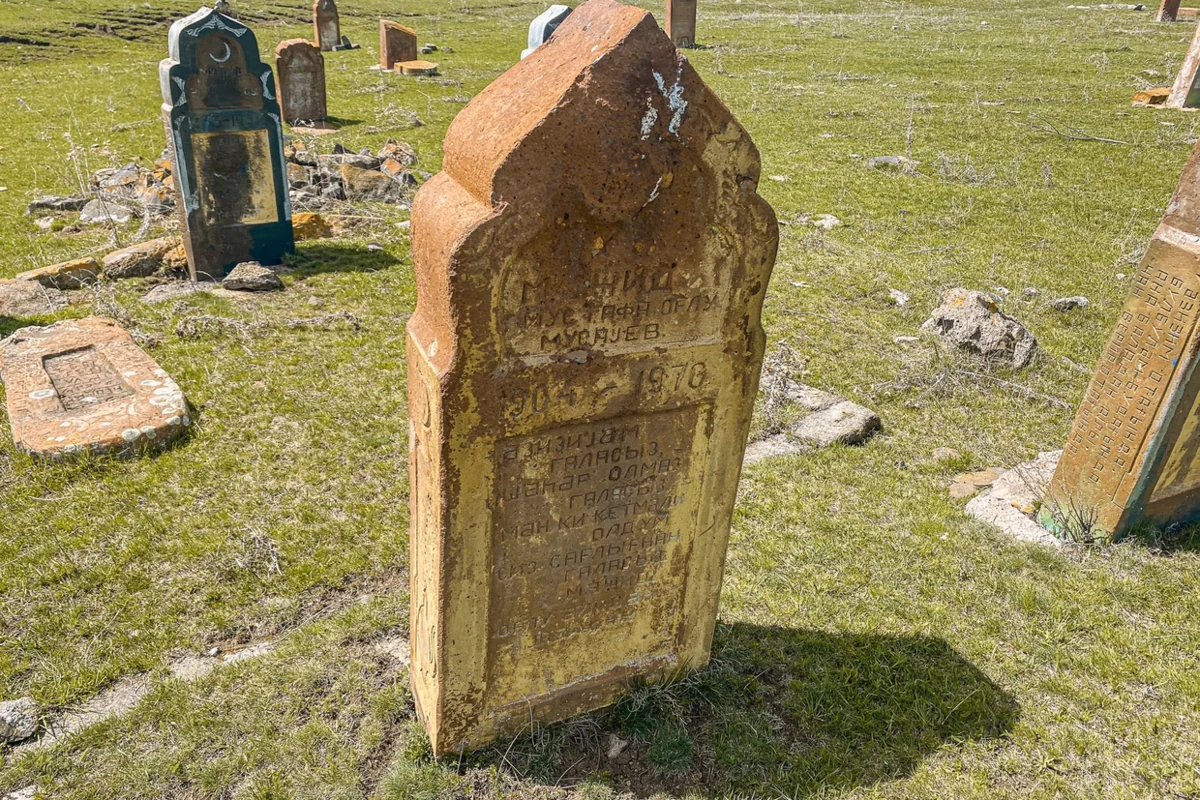
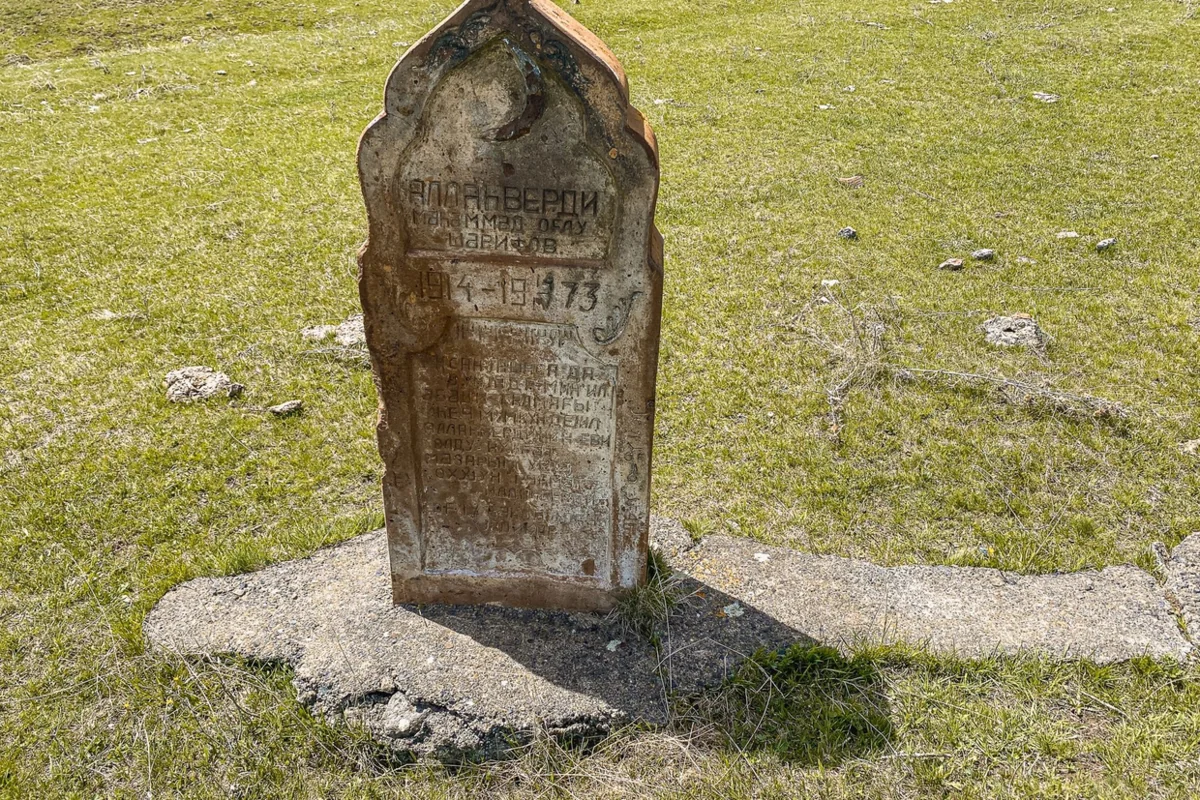
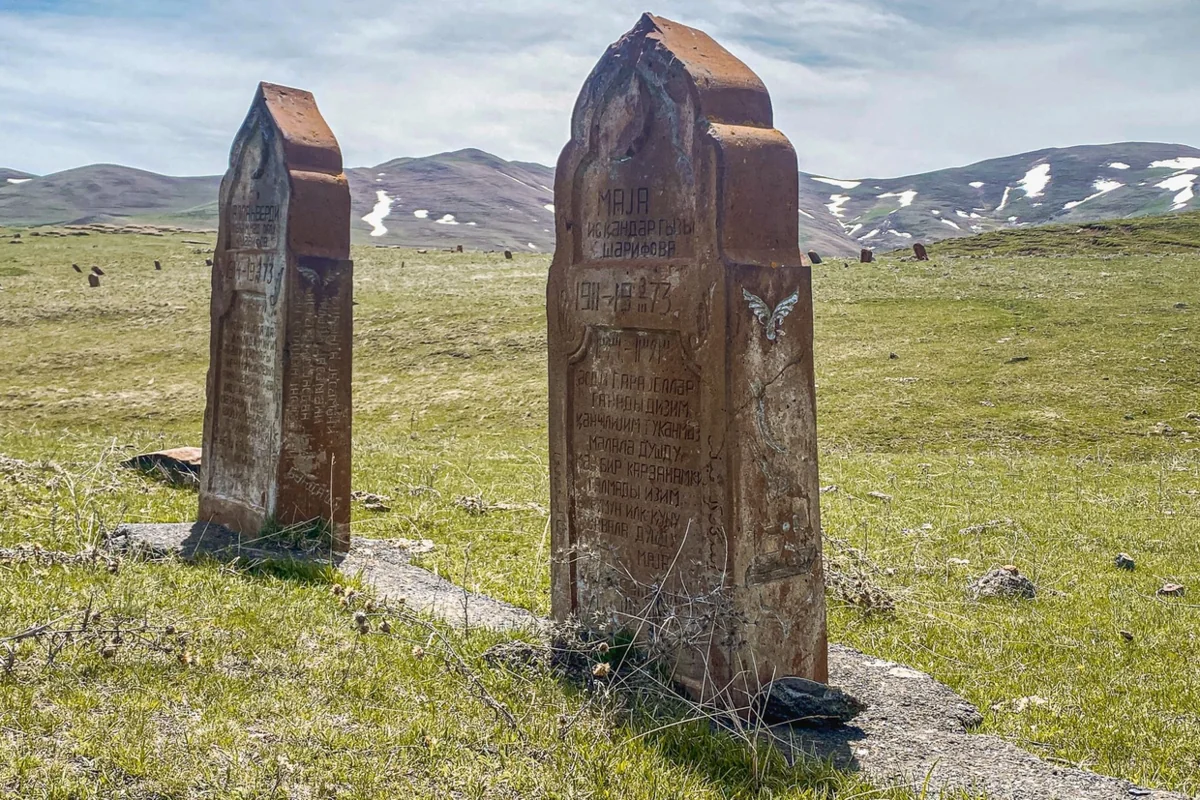
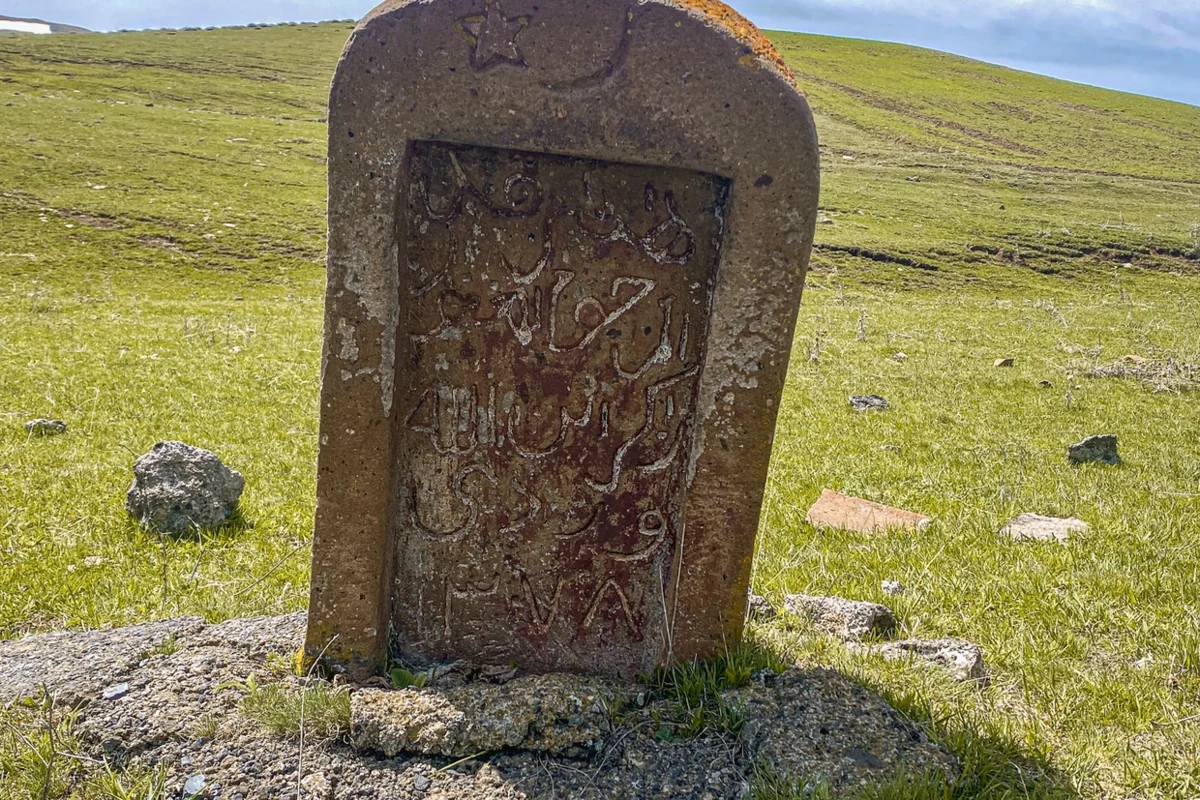
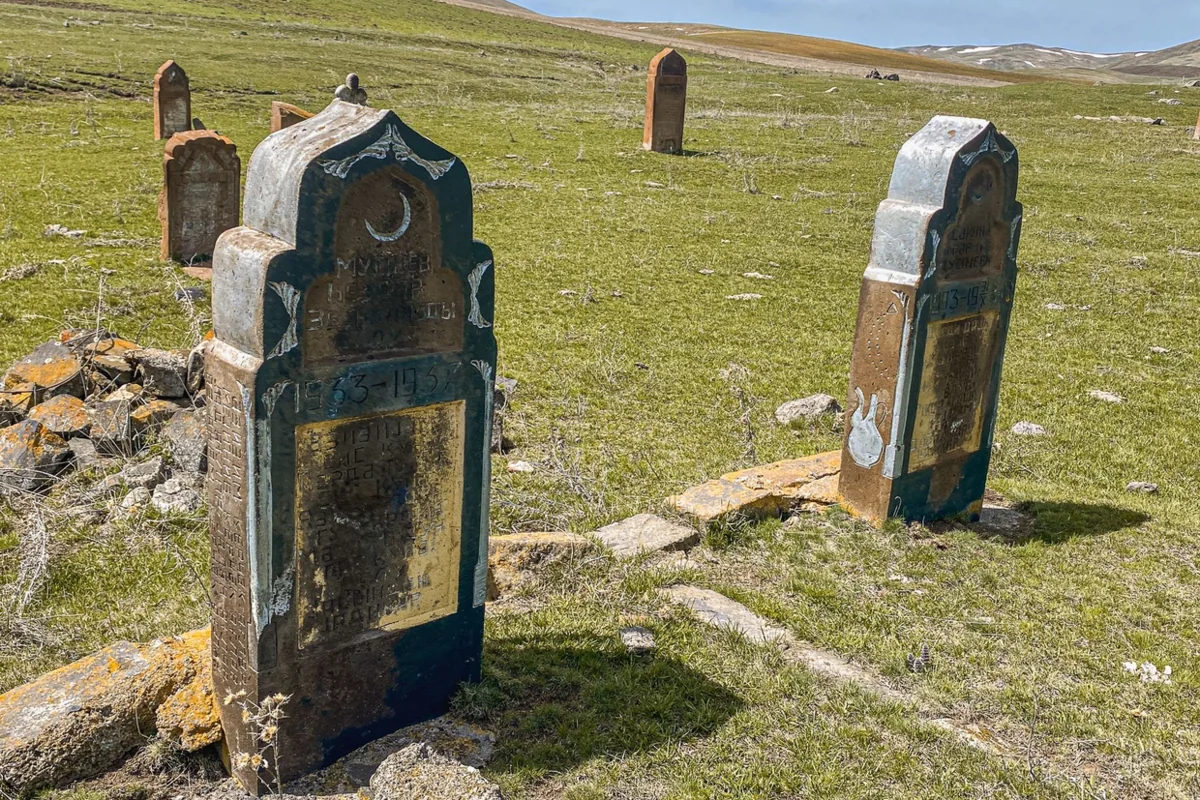
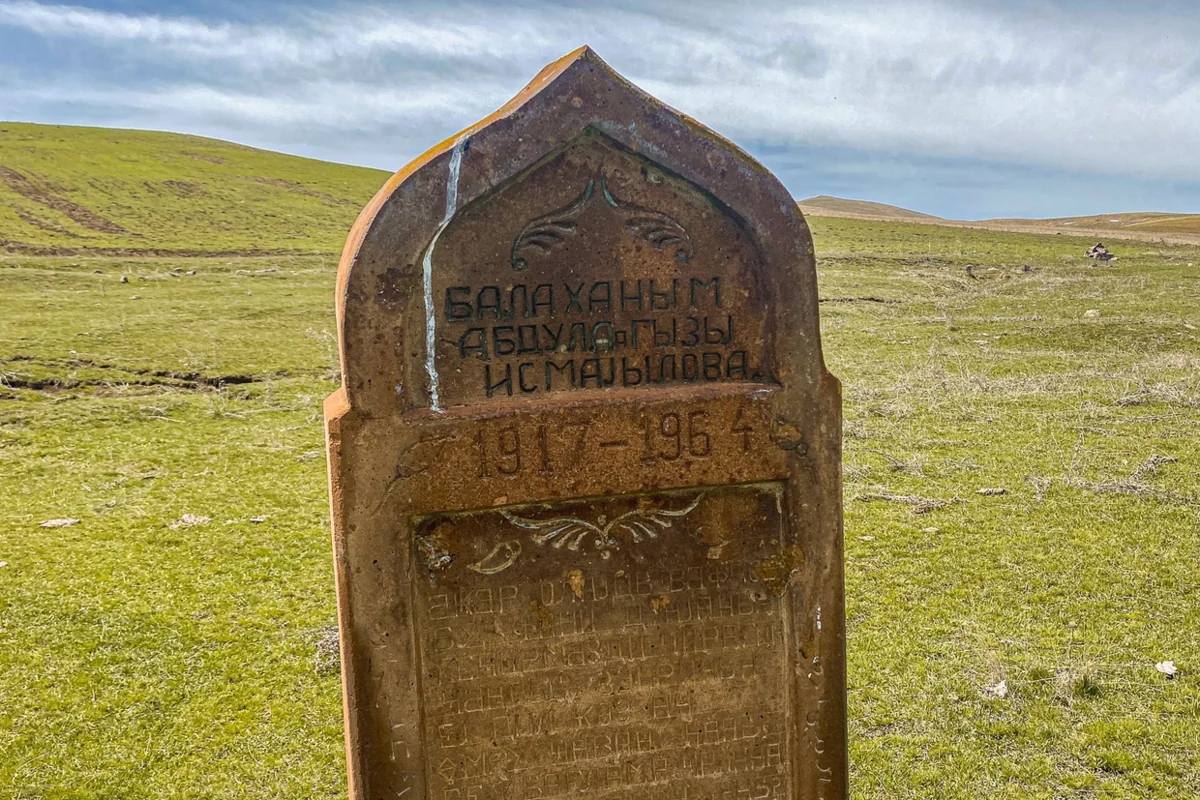
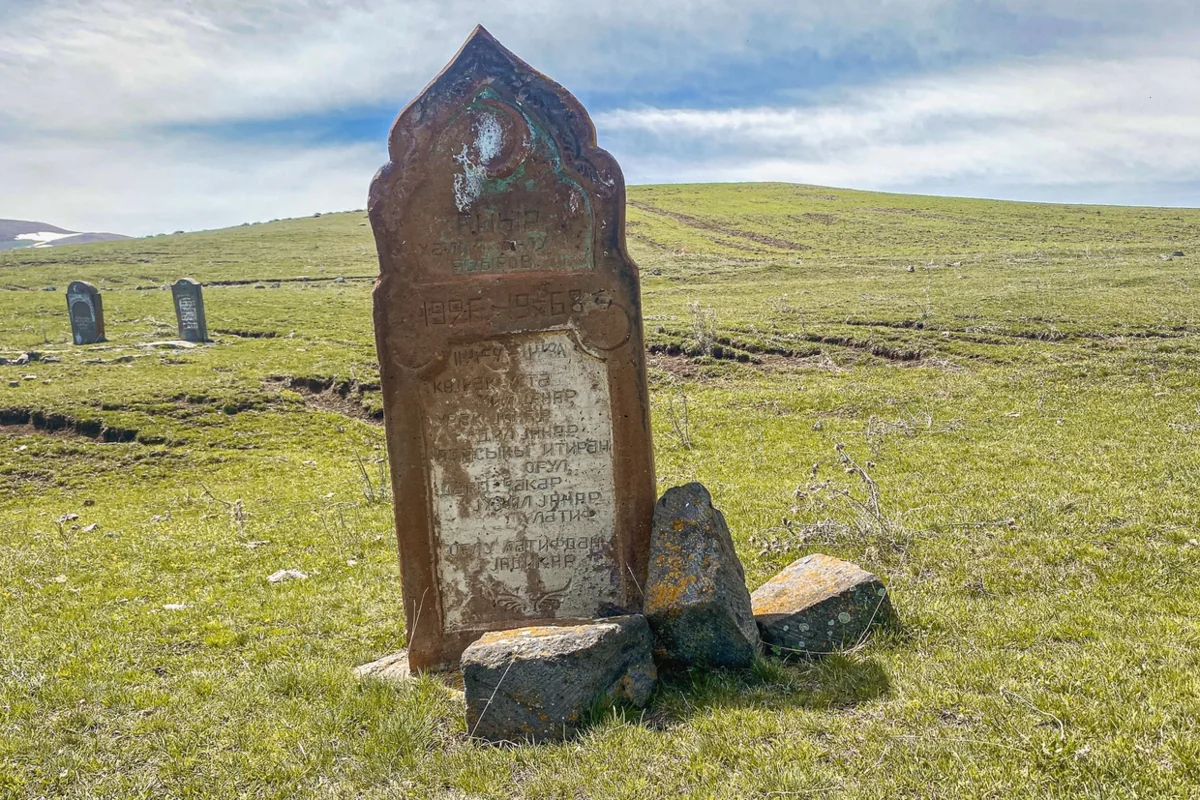
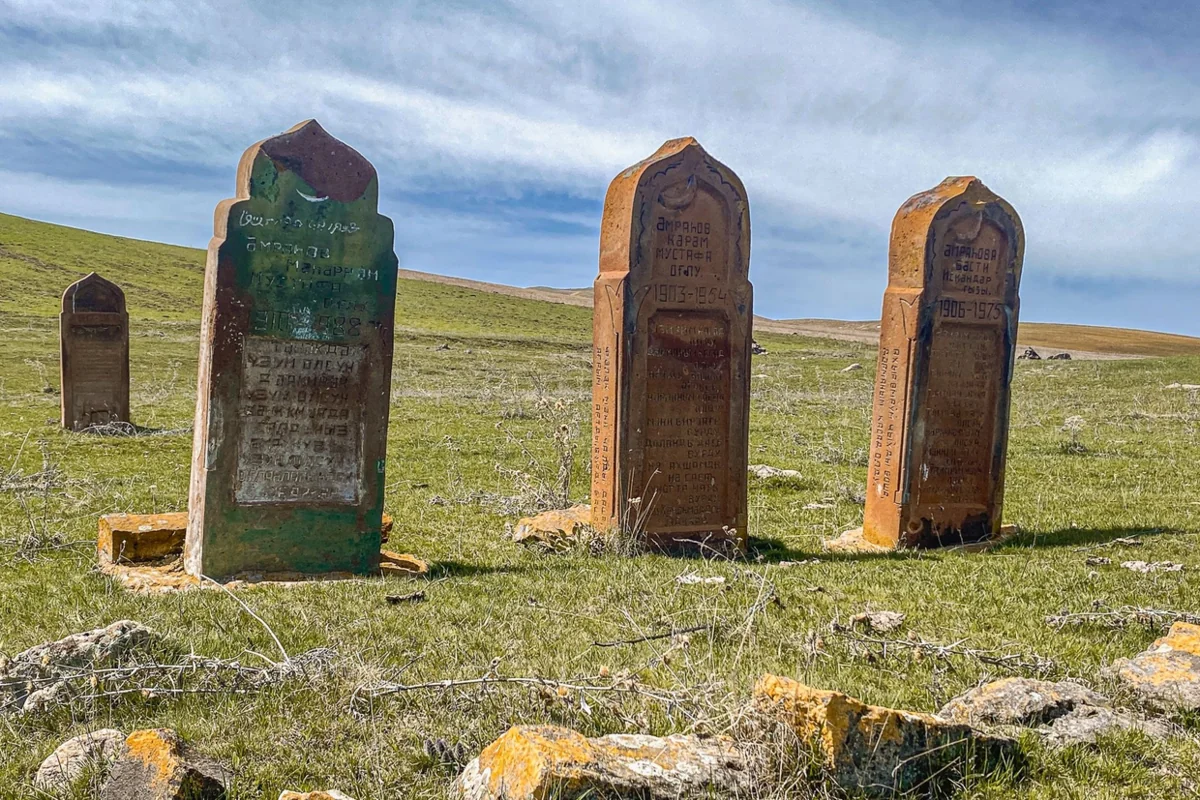
Between 2021 and 2024, extensive fieldwork was conducted across the territory of Armenia, including in remote mountainous regions. The research was undertaken in preparation for the book The Perished Civilization and focused on identifying and documenting surviving Azerbaijani heritage sites. During the fieldwork, an Azerbaijani cemetery with several dozen gravestones was discovered in the village. Some of them have survived. The dates inscribed on the surviving gravestones confirm that Azerbaijanis continued to be buried there until the late 1980s.
Author