
 Baku 12° C
Remains of ancient structures unearthed in Azerbaijan's Beylagan district
- 25 November, 2026
- 10:48
Stay up to date with the top news!
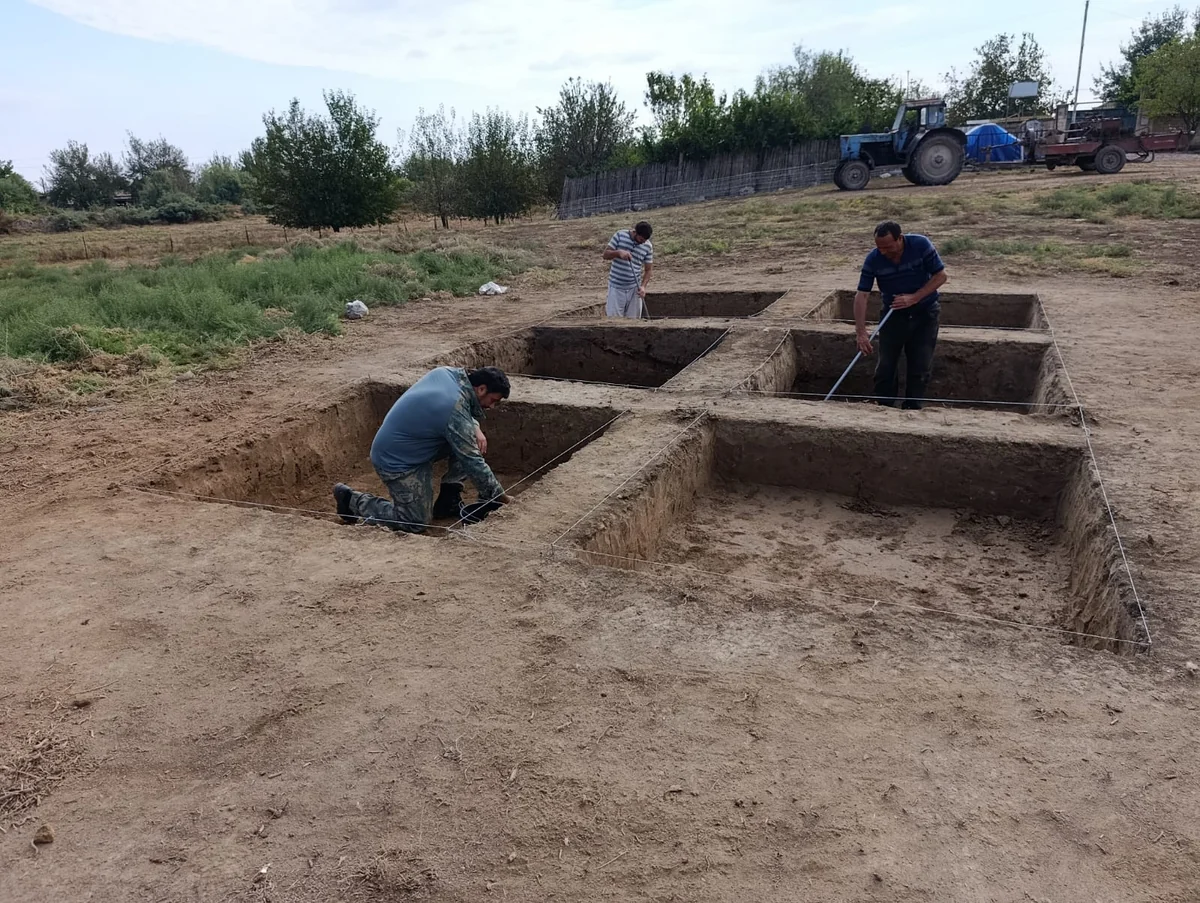
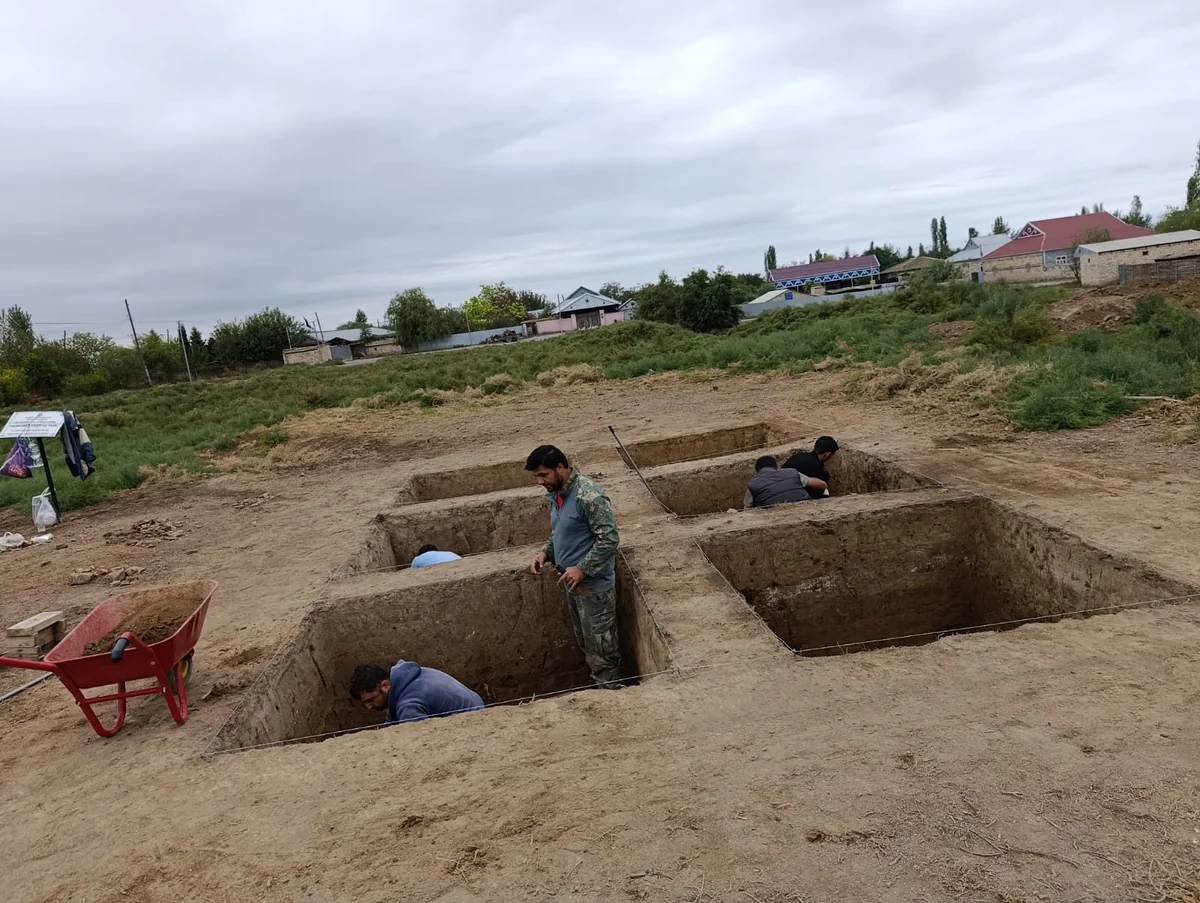
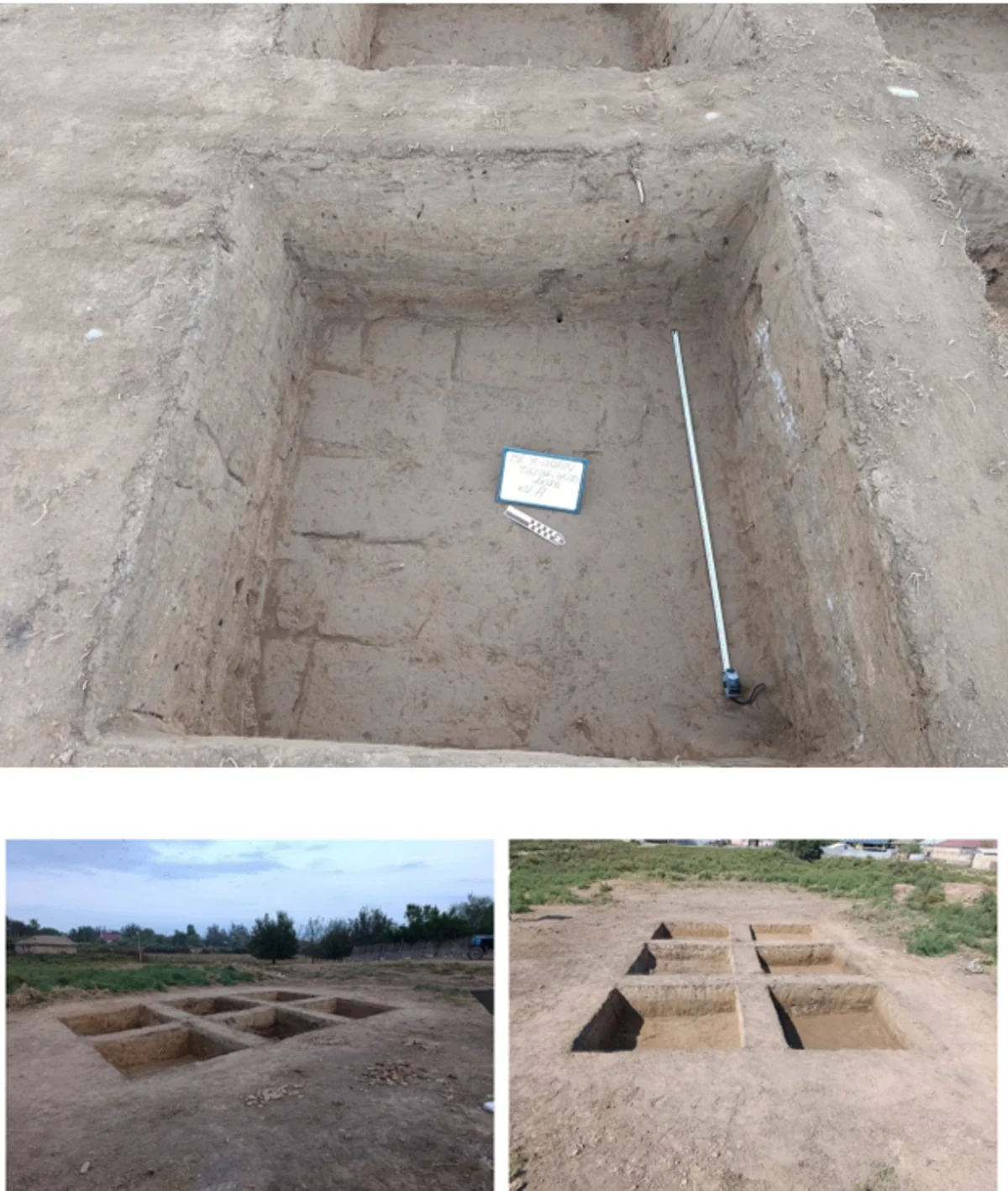
Archaeologists have uncovered remains of an adobe brick floor and fired brick masonry during excavations in Tazakand village, Beylagan district, Azerbaijan, according to the National Academy of Sciences of Azerbaijan's Institute of Archaeology and Anthropology, cited by Report.
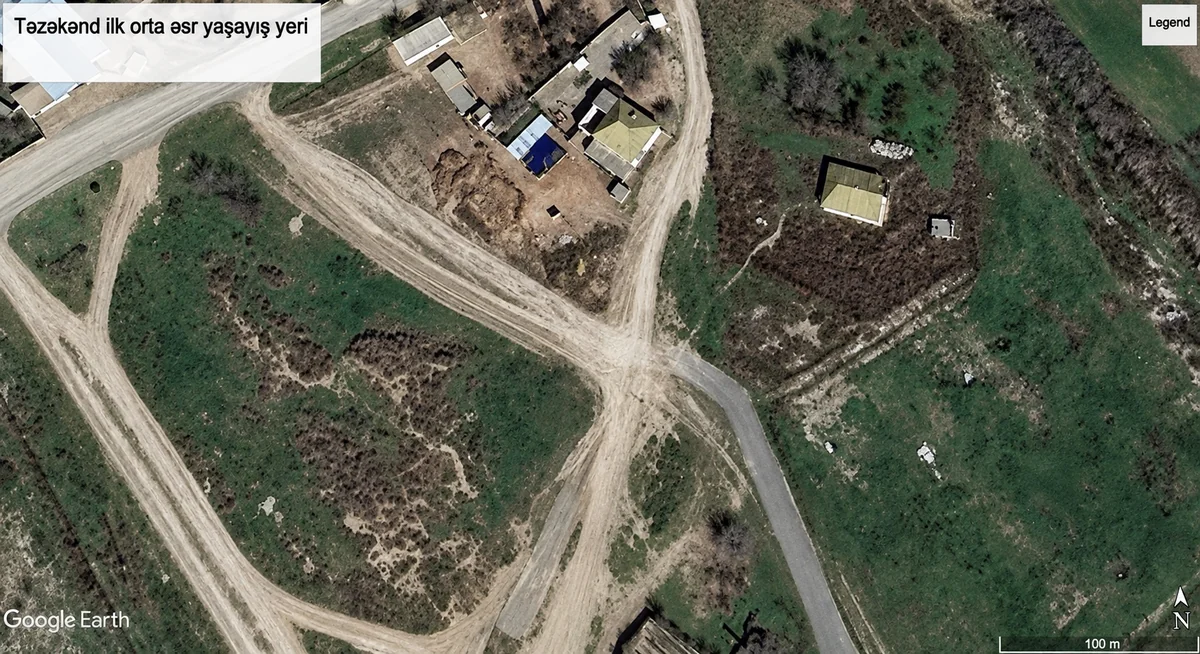
The institute said the cultural layers and architectural elements unearthed at the site point to several periods of settlement at the ancient site on the Mil Plain.
An expedition led by Abdulla Abdullayev, a research fellow at the institute, conducted excavations from September 14 to October 13, 2026. Studies at six excavation sites showed that the cultural layer extends to a depth of about one meter.
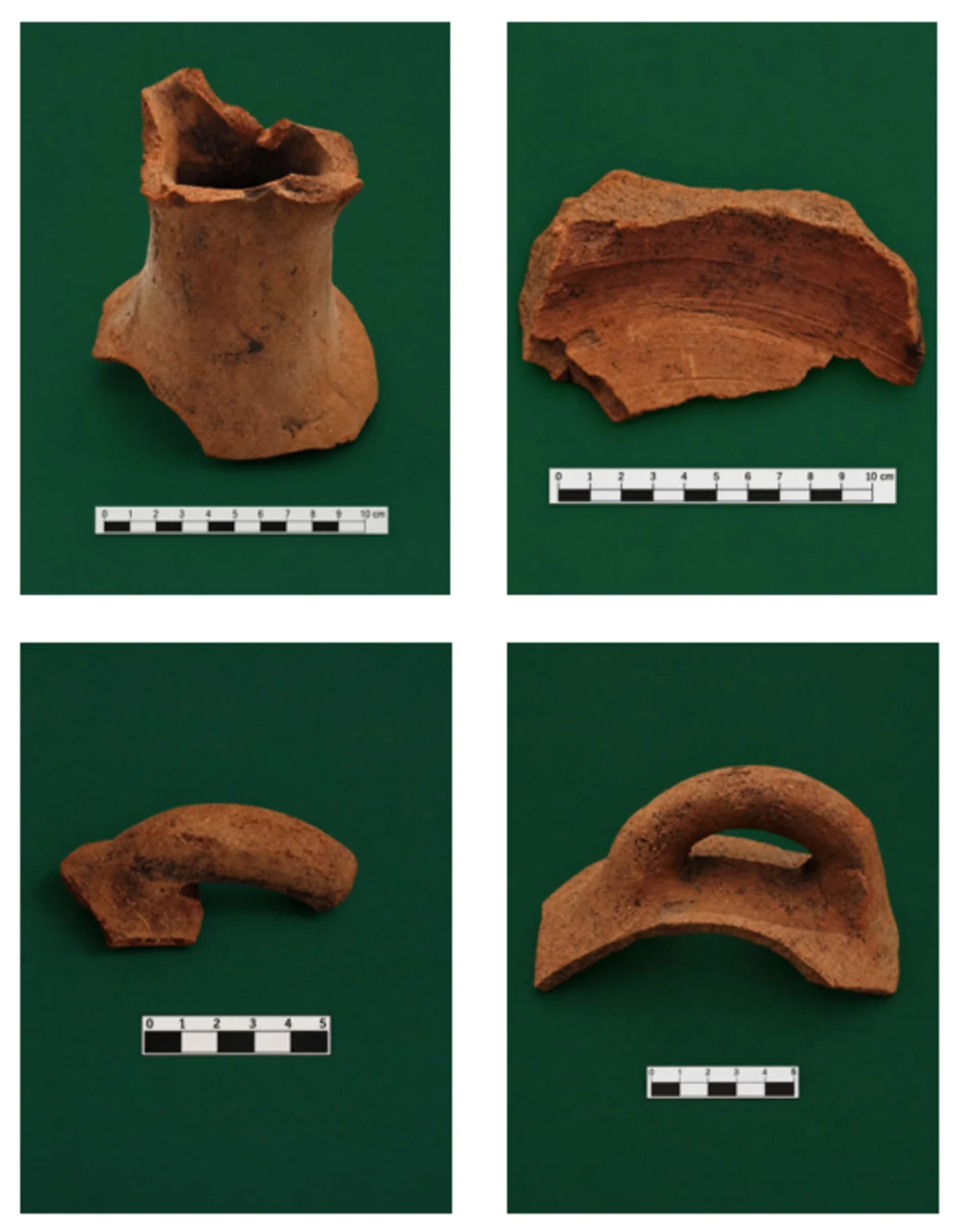
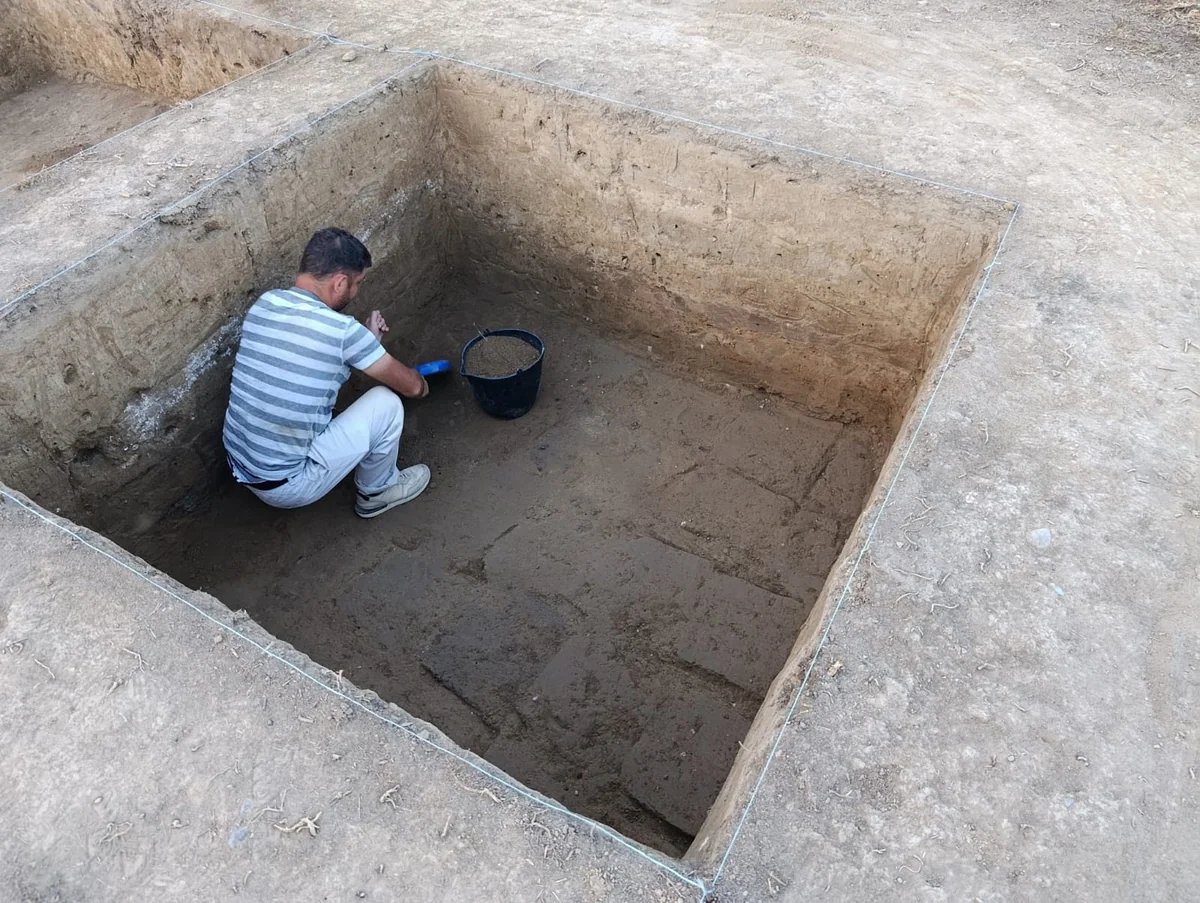
At a depth of 97 cm, archaeologists uncovered an adobe brick floor made of bricks measuring 40 × 35 cm. Traces of fired red brick masonry were also found at a depth of 92–93 cm. Other finds included pottery, building materials and bone remains.
The Tazakand archaeological site was first discovered in 1936. Previous research, including the discovery of silver denarii dating back to the reign of Octavian Augustus, indicates that the settlement existed from the 2nd–1st centuries BC to the 5th–7th centuries AD.
Researchers have identified the Tazakand site with the ruins of the early medieval city of Paytakaran.
Author