Baku 16° C
Givrag village: erased Azerbaijani heritage and silenced memory
- 27 October, 2026
- 23:33
Stay up to date with the top news!
A study on the history of Givrag, a village in present-day Armenia inhabited predominantly by Azerbaijanis until 1940, has been published as part of the "Sites of Memory of Western Azerbaijan" project.
Report informs that the article appeared in Perished Civilization.
According to the study, the village was situated in Zangezur, on land that was historically inhabited by ancestors of the Azerbaijanis. During the Tsarist period, its name was recorded as Kirzakh, Kivrak, Kvrag and Kivrakh, and during the Soviet period as Kirzakh and Kivrag. The village is mentioned in Ottoman sources dating to the 16th and 18th centuries. From the mid-18th century until the Russian conquest, the territory of the village formed part of the Karabakh Khanate. During the Tsarist period, the village was part of the Zangezur Uyezd of the Elisavetpol Governorate.
Tsarist-era statistical records indicate that the village was inhabited predominantly by ancestors of the Azerbaijanis. The records list 59 inhabitants in 1886, 80 in 1897, 148 in 1908, 155 in 1911, 112 in 1912 and 120 in 1914. According to the study, all or the vast majority of these inhabitants were ancestors of the Azerbaijanis.
The article alleges that between 1918 and 1920, Armenian armed detachments carried out ethnic cleansing of the Turkic population in Zangezur and other areas of the region. The authors also link the decline in Givrag's population to these events.
According to Zaven Korkotyan's The Population of Soviet Armenia over the Last Hundred Years (1831–1931), the village had 77 Azerbaijani inhabitants in 1922, 87 in 1926 and 111 in 1931.
The article notes that Soviet Armenia was proclaimed on November 29, 1920. The following day, the leadership of Soviet Azerbaijan decided to cede Zangezur to Soviet Armenia. The former Zangezur Uyezd was subsequently divided, with the western part incorporated into the Armenian SSR, while the eastern part remained within the Azerbaijan SSR.
During the Soviet period, the village was part of the Sisian District, which was established in 1930. Citing Armenian sources, the study states that the village was inhabited exclusively by Azerbaijanis until 1940. That year, collectivization led to the relocation of the village's residents to the neighboring village of Sofulu (present-day Nzhdeh). The village was subsequently abolished. Its remaining buildings were later used for storage.
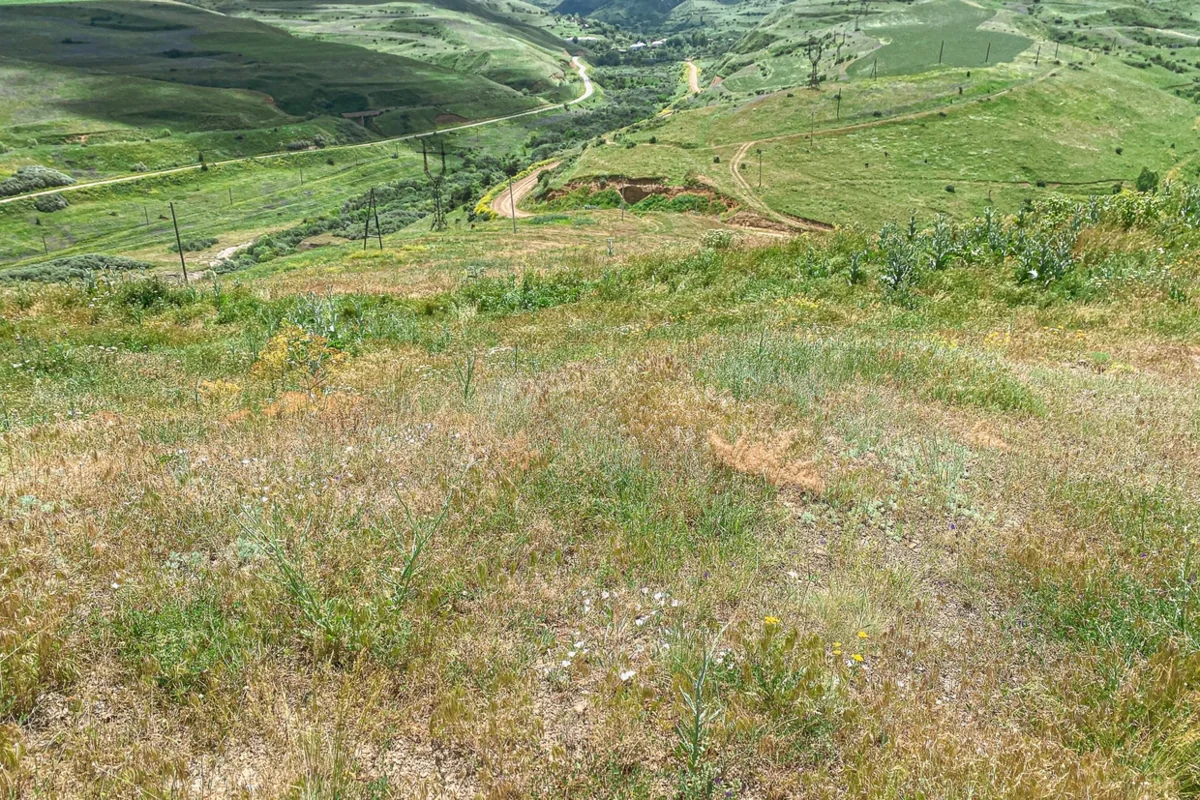
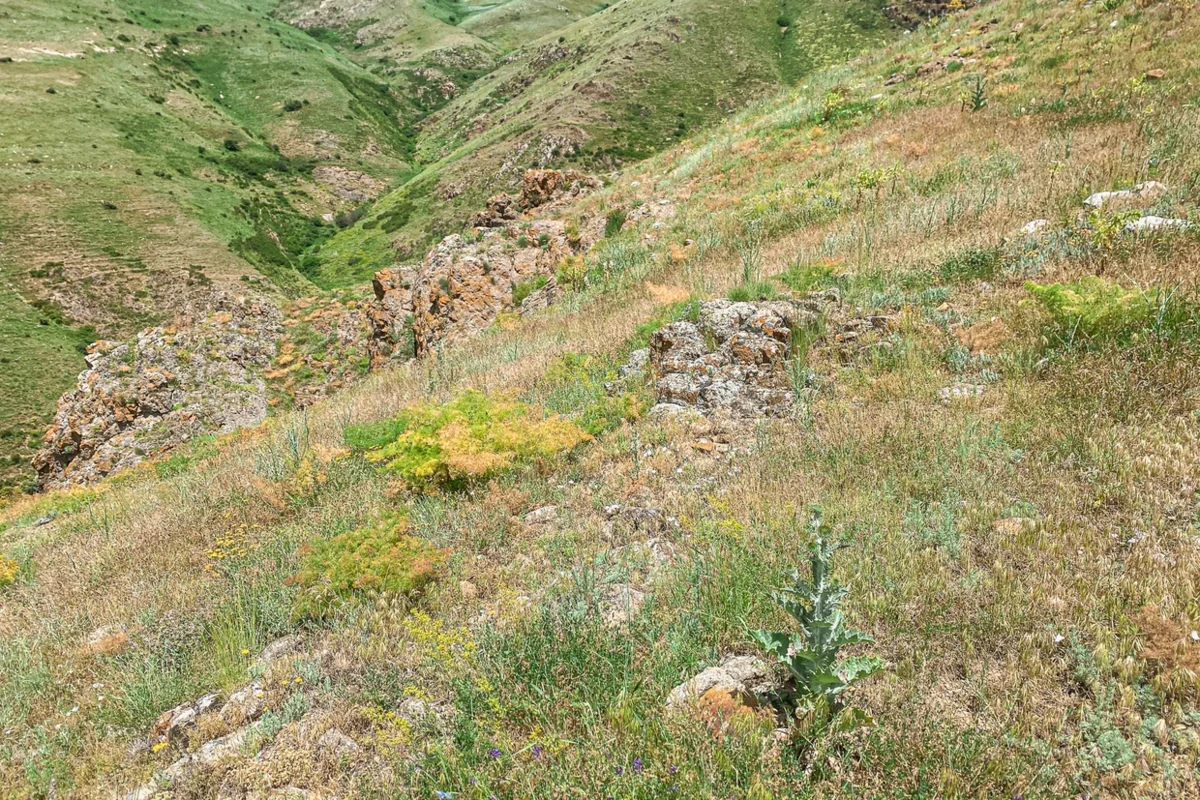
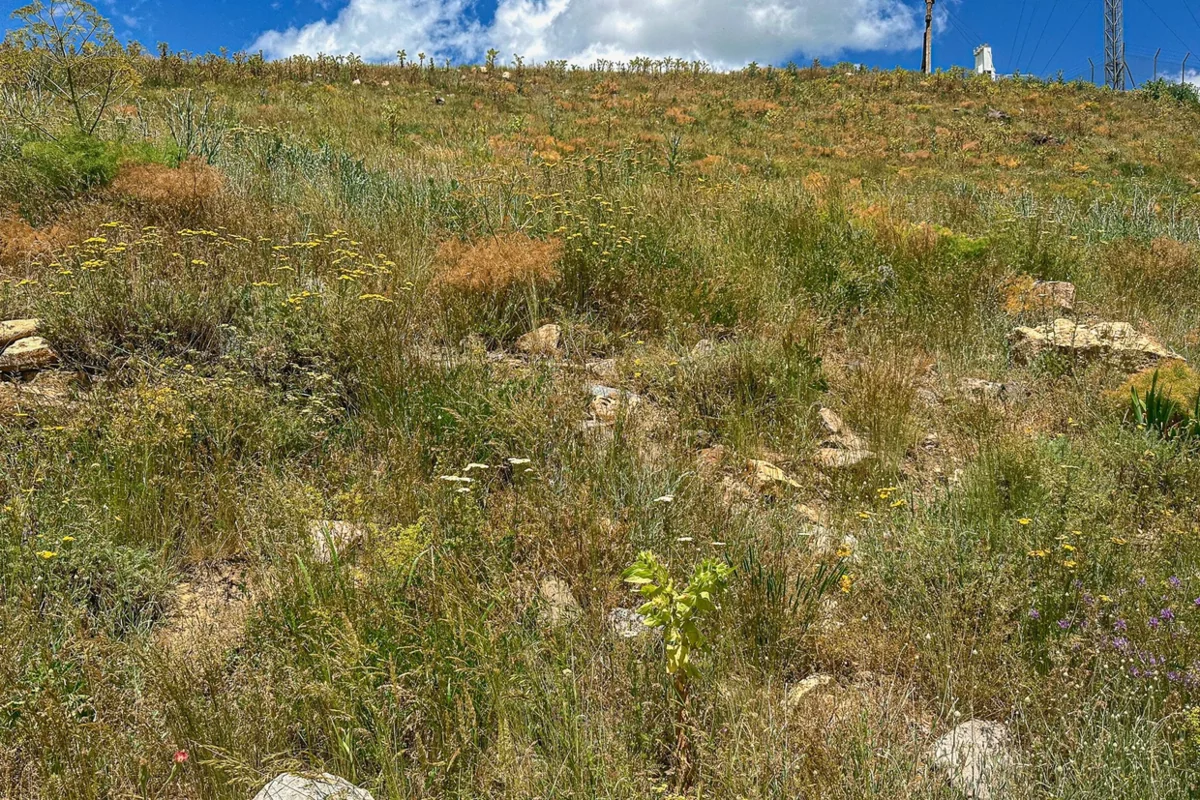
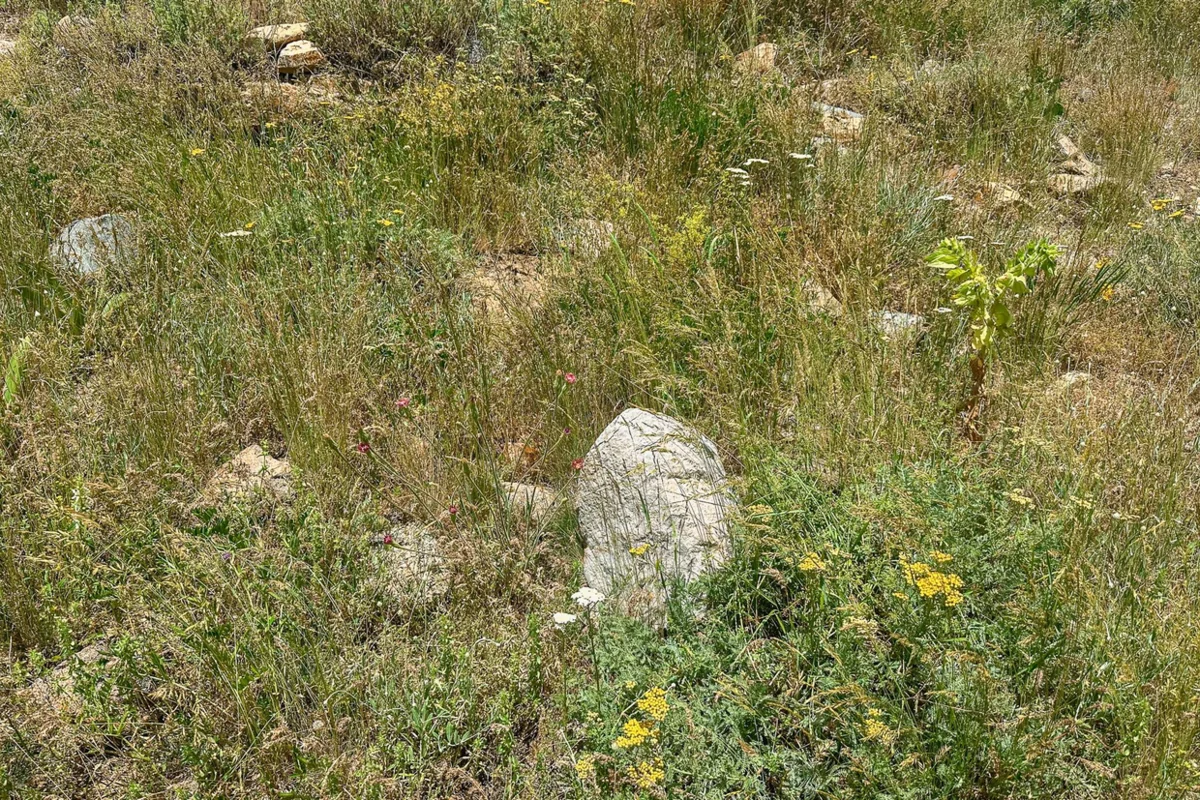
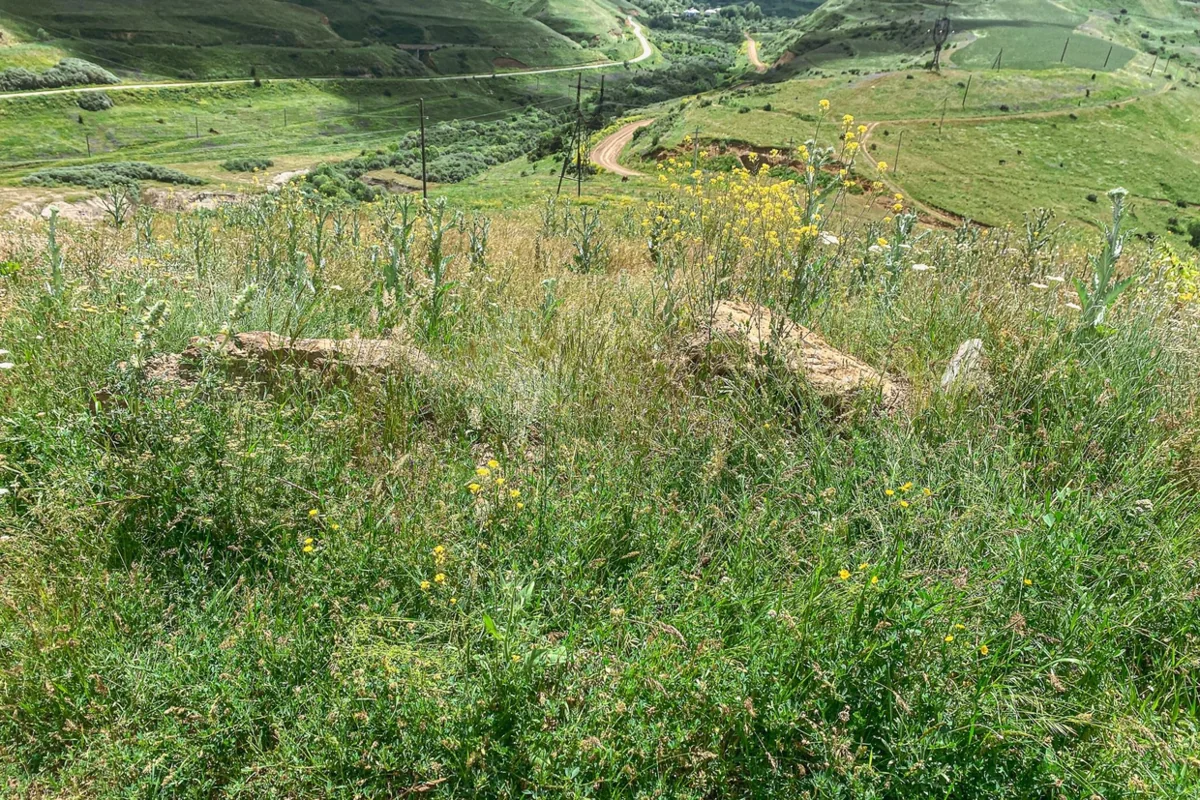
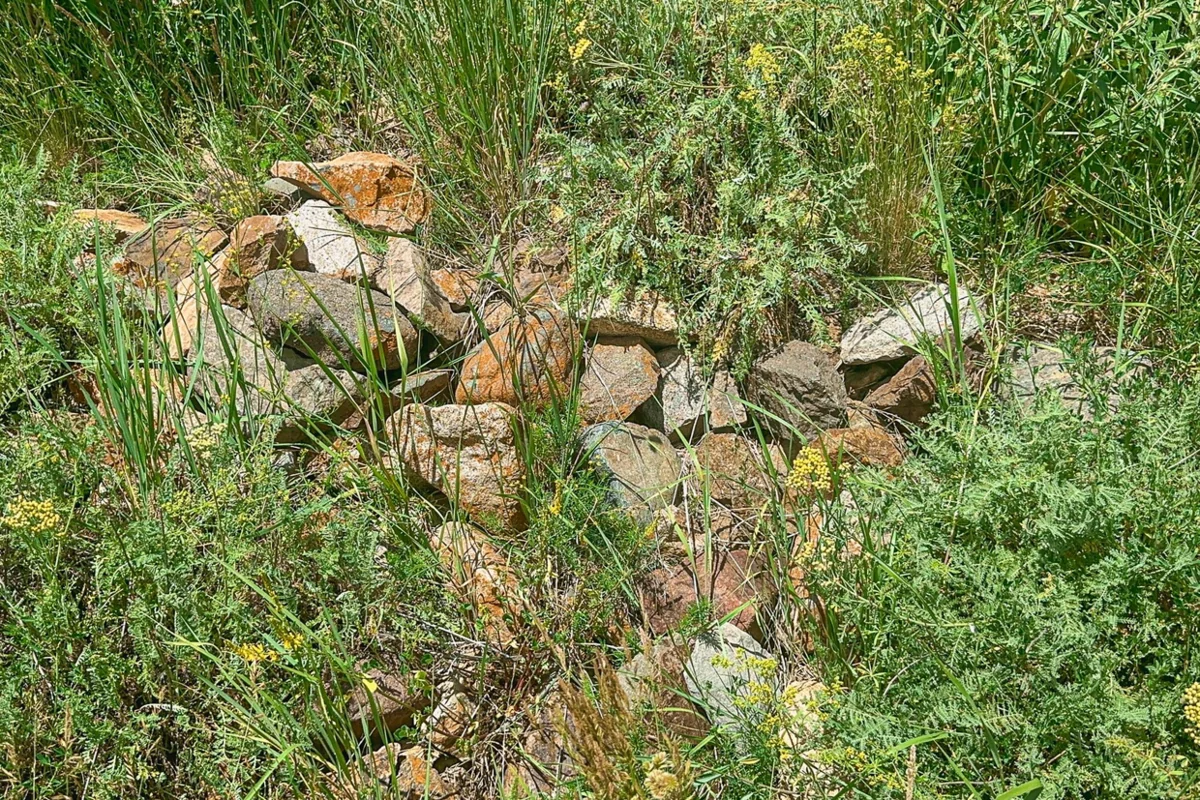
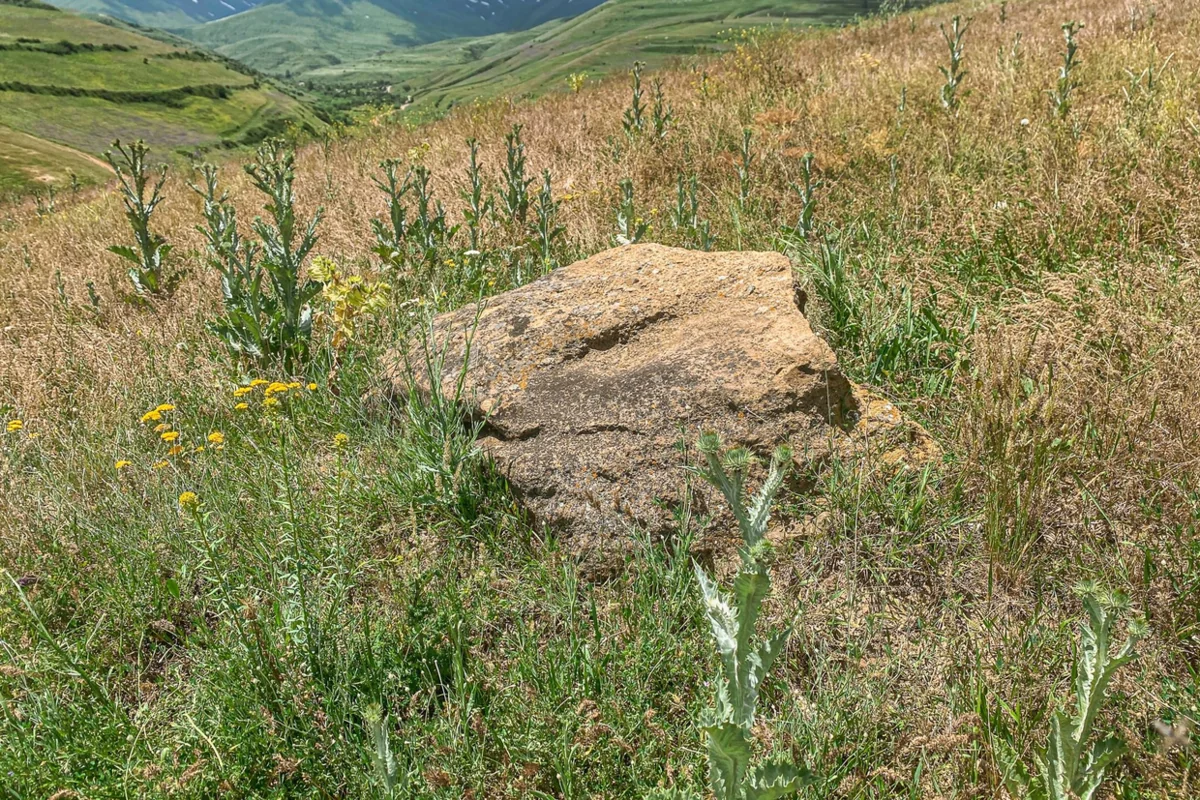
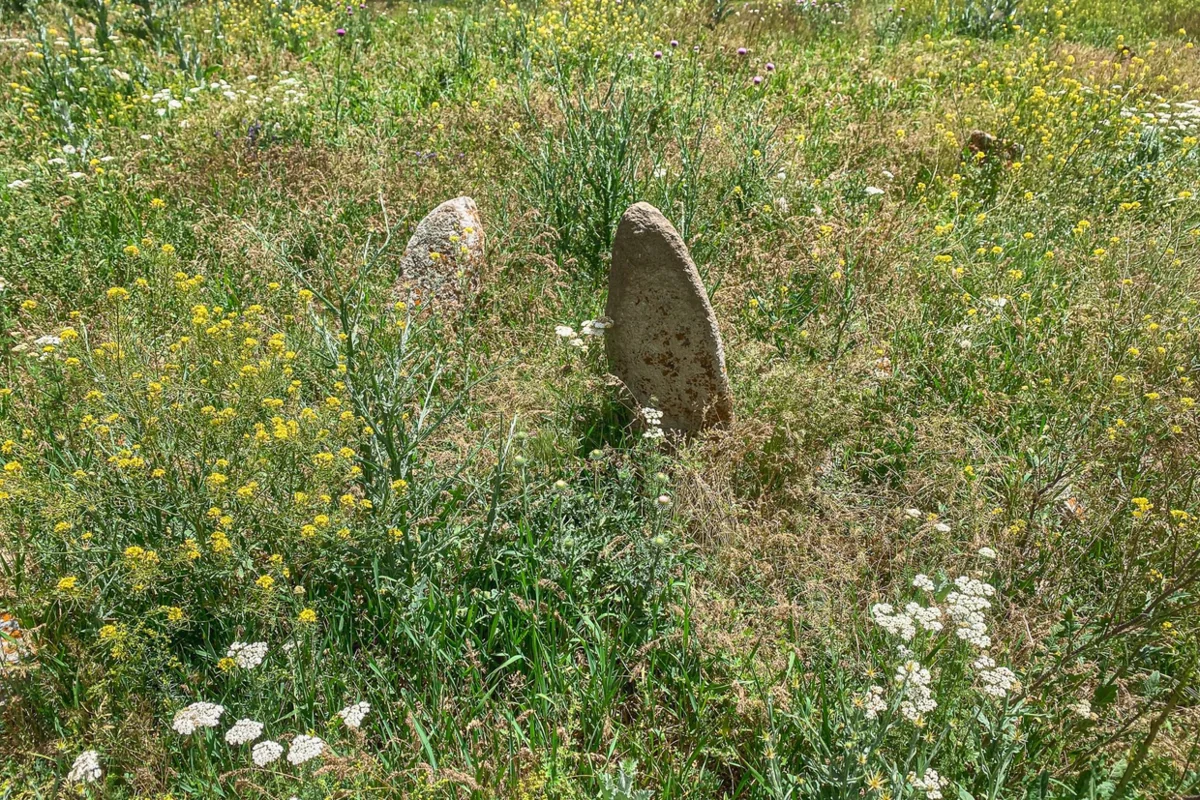
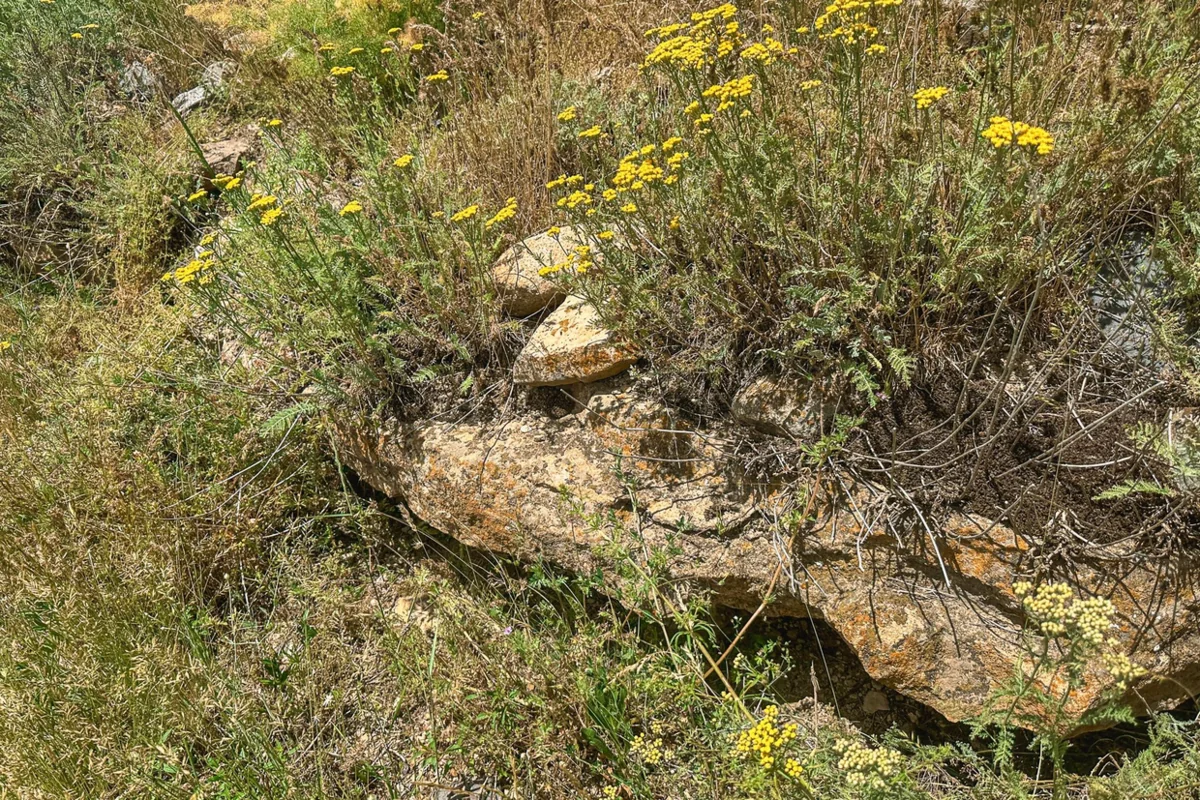
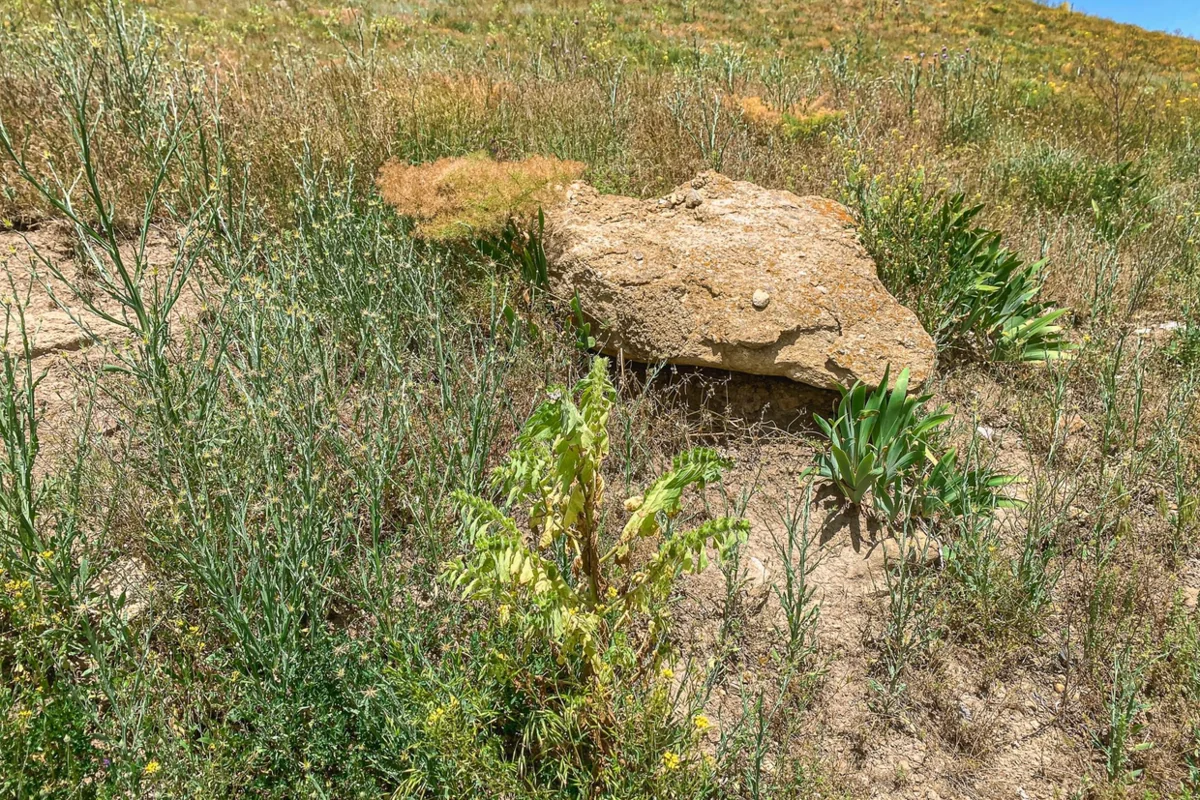
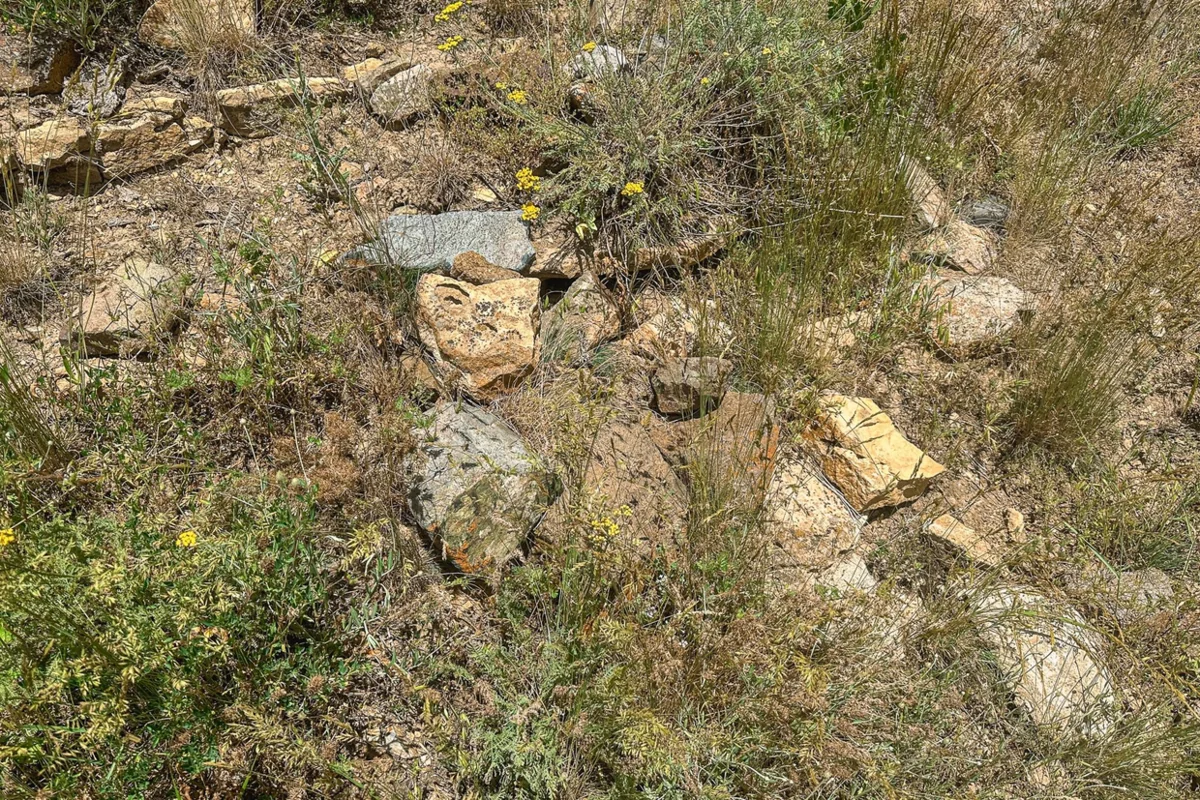
Between 2021 and 2024, fieldwork was conducted across the territory of Armenia in preparation for the book The Perished Civilization, focusing on identifying and documenting Azerbaijani heritage sites. The remains of an Azerbaijani cemetery were found in Givrag at the coordinates indicated on the maps of the General Staff of the USSR. The site contains several dozen ruined gravestones.
Information on nearly 600 villages in present-day Armenia historically inhabited by ancestors of the Azerbaijanis has been collected and systematized as part of the "Sites of Memory of Western Azerbaijan" project. Some of these villages retain remains of Turkic cultural and historical heritage, including cemeteries, shrines and mosques.
Author