Baku 25° C
Uzbekistan in 48 hours: Travel notes from business trip to Tashkent, Bukhara
- 27 August, 2026
- 15:39
Stay up to date with the top news!
A business trip rarely leaves time to get acquainted with a country, especially when the entire journey is limited to two days and most of the schedule is occupied by official events.
However, even within such a tight journalistic itinerary, there is always an opportunity to glance at historical quarters, appreciate the surrounding beauty, and briefly immerse oneself in the country's centuries-old past.
In Uzbekistan, through which the Great Silk Road once stretched, short spare hours had to be gathered piece by piece-between official events and drafting reports. Consequently, getting to know Tashkent turned out to be far from a typical tourist experience. For the most part, the city could only be observed through a car window, occasionally during a short walk, while certain landmarks became part of the official program itself.
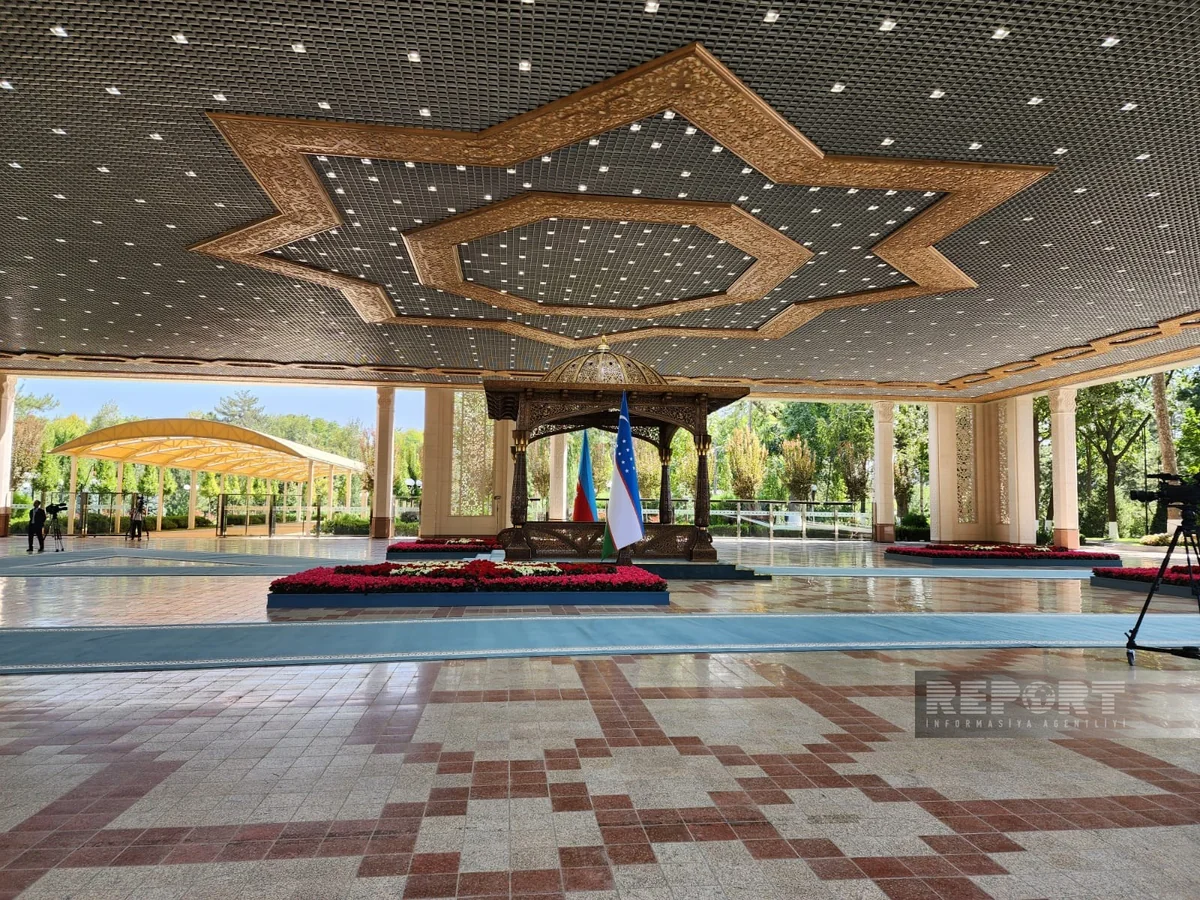
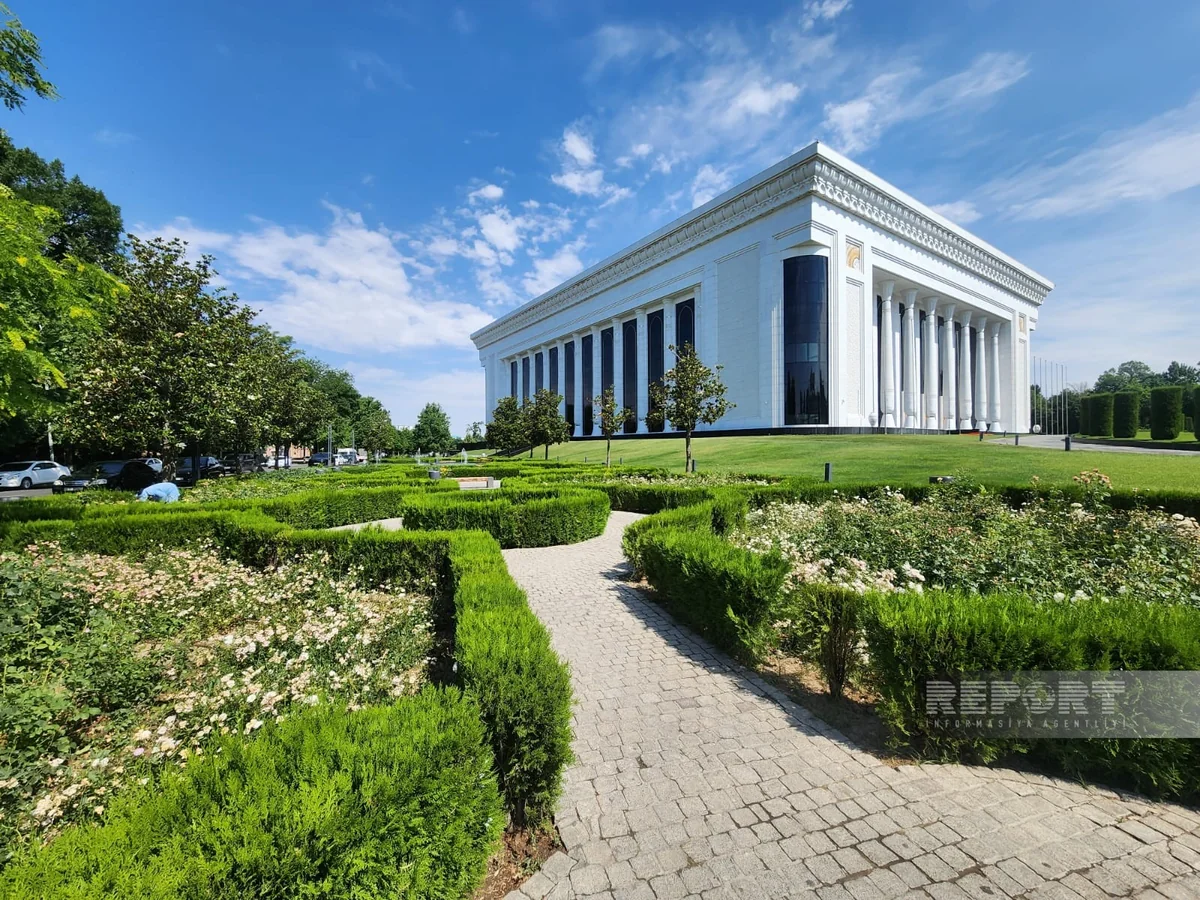
One such site was the Kuksaroy State Residence. Naturally, it is impossible for an ordinary traveler to enter the complex. However, for journalists covering the state visit of President of Azerbaijan Ilham Aliyev to Uzbekistan on August 23–24, such locations serve as a workspace. Strict protocol, official negotiations, press coverage-and at the same time, a unique chance to see what usually remains behind the scenes.
Beyond the framework of official events, Tashkent appeared completely different.
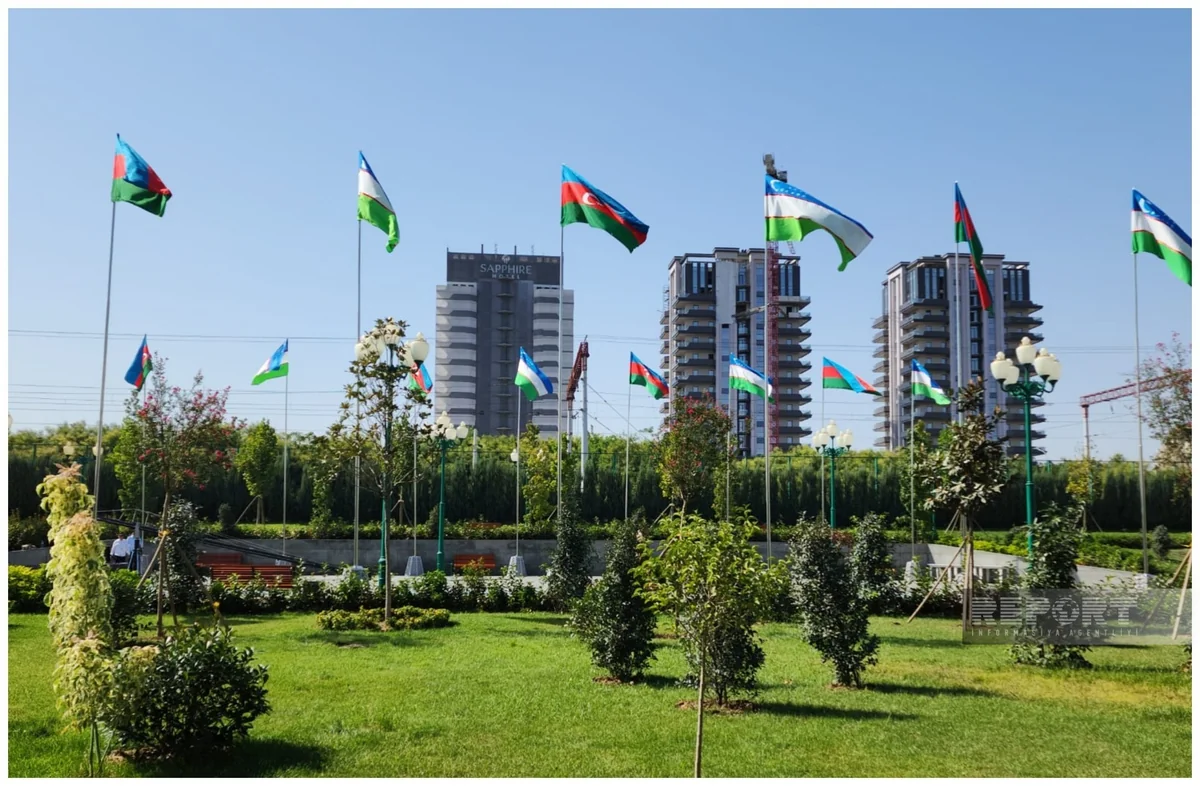
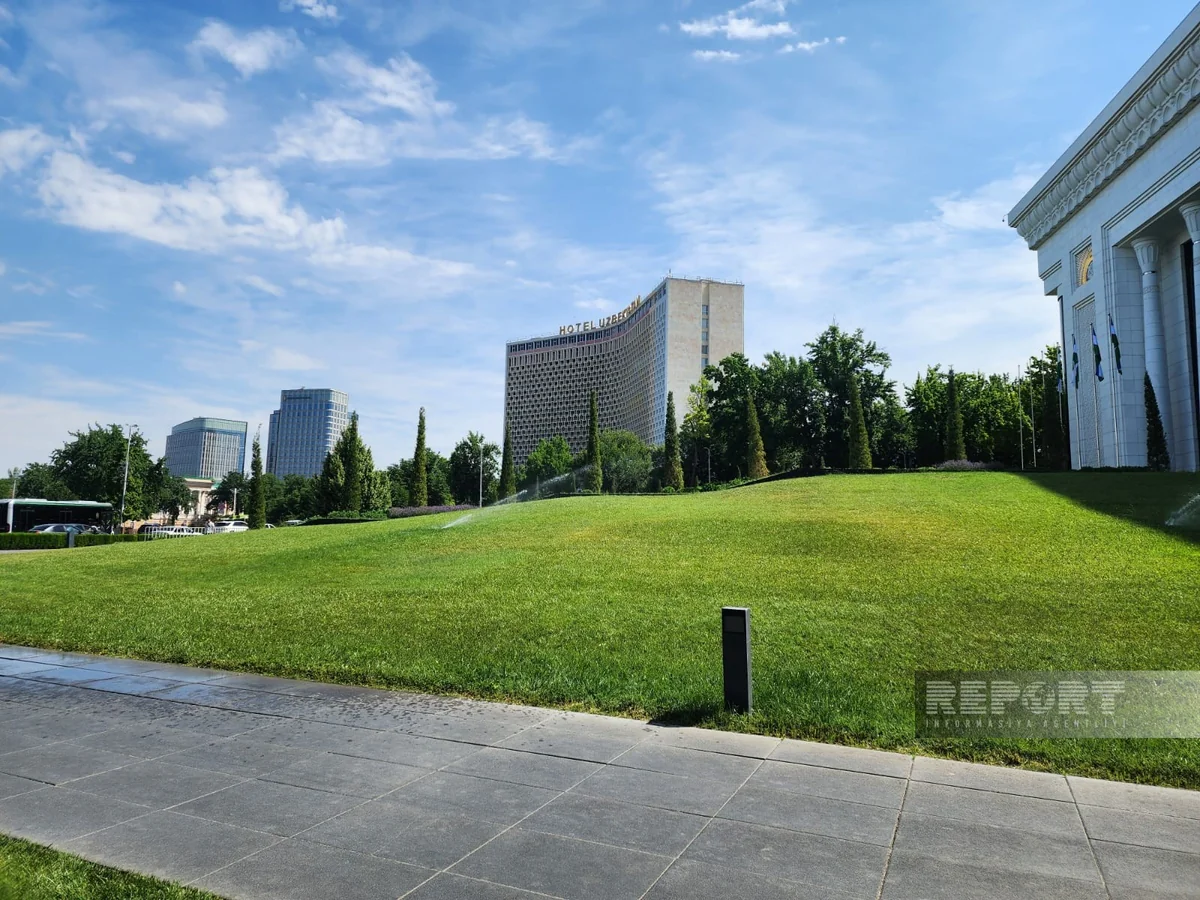
The first thing one notices while driving or taking a walking tour of the city is how spacious it is. Wide thoroughfares and avenues, vast distances, and an abundance of green spaces define the urban landscape. Trees here are not merely a decorative element: in the August heat, when temperatures often rise above 40 degrees, their shade becomes a true salvation along sidewalks and streets.
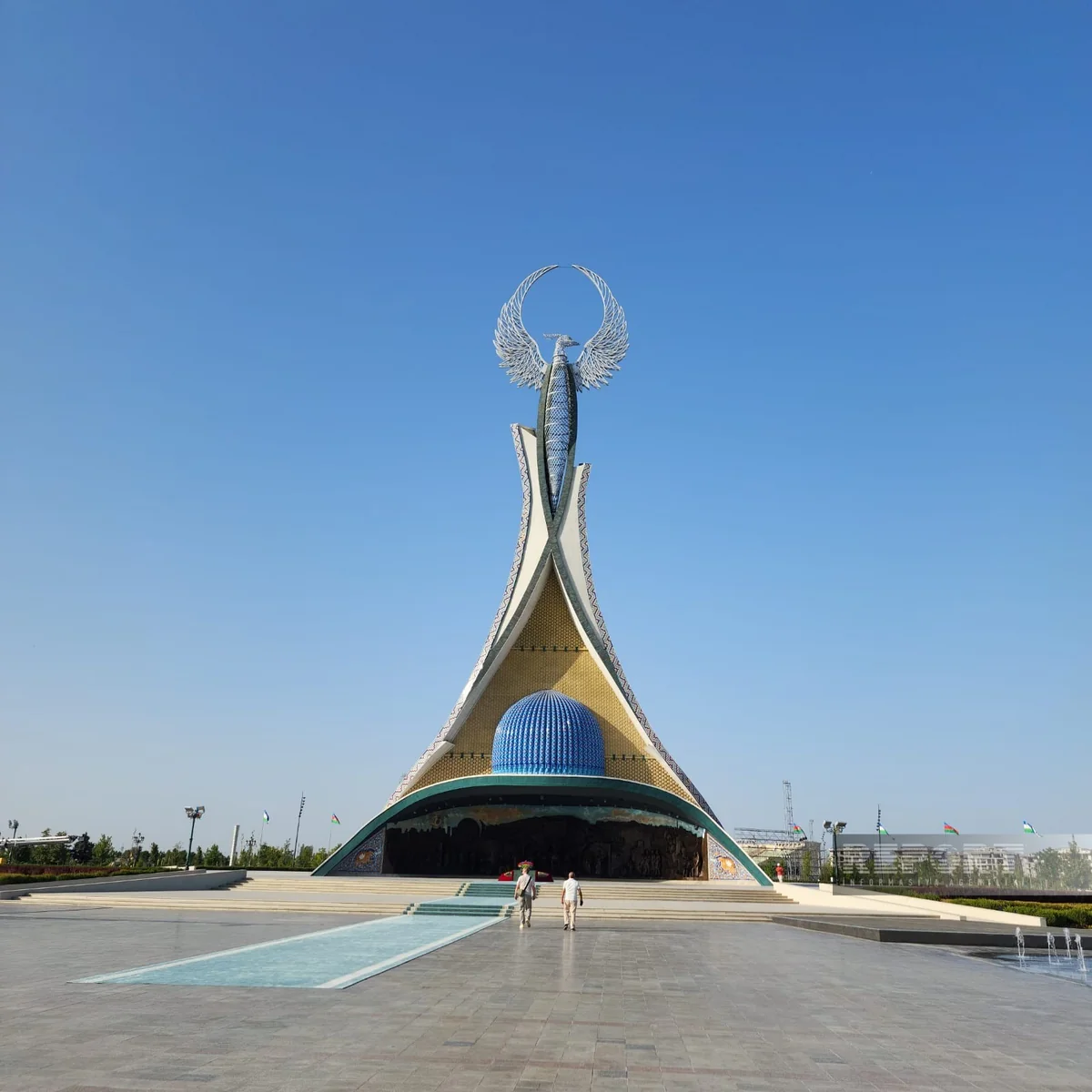
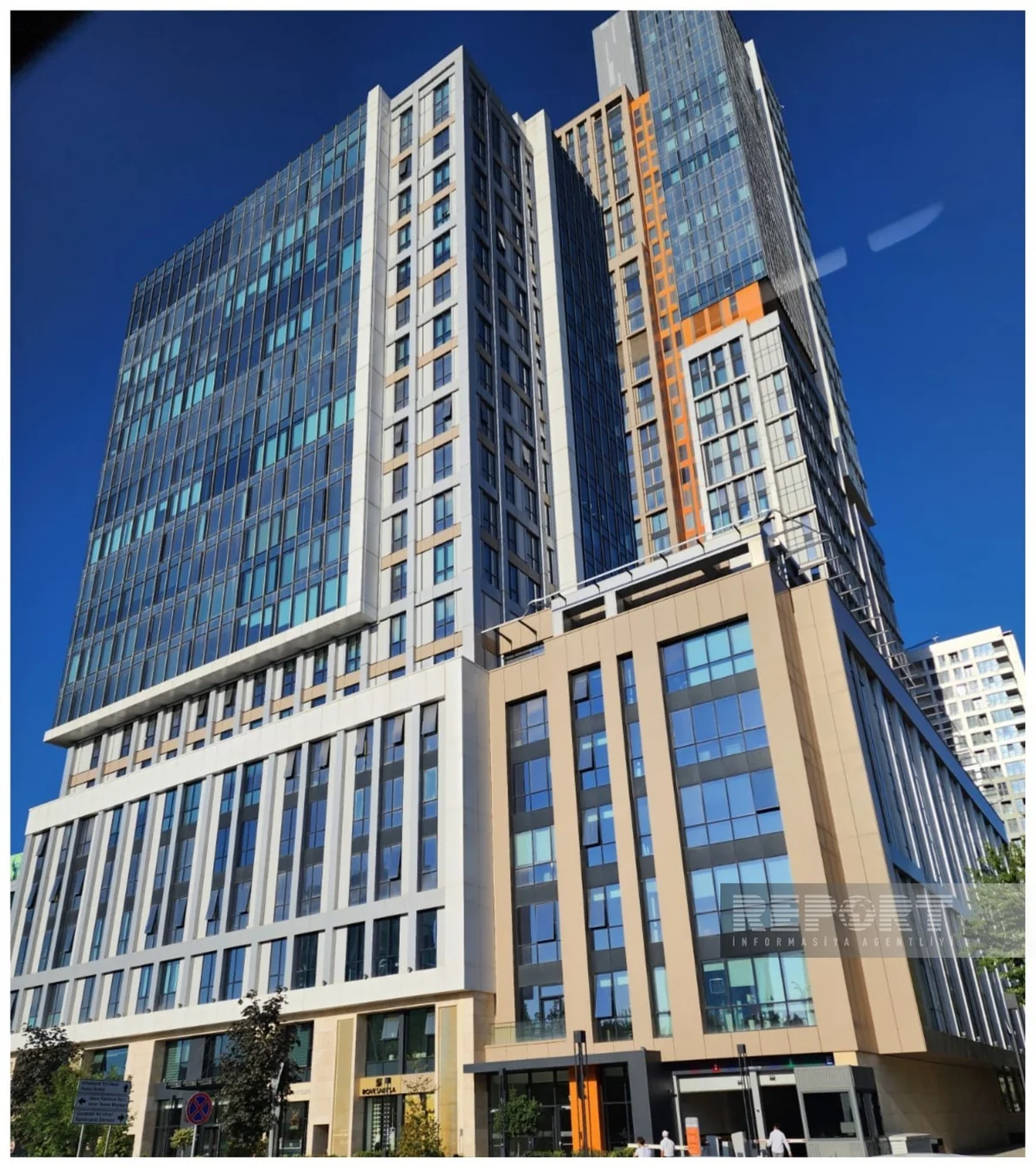
What immediately catches the eye is how actively Tashkent is being built up. Construction cranes have long become a familiar feature of the city skyline as new residential and business complexes rise alongside modern high-rise buildings. Meanwhile, the traditional appearance of the capital, which boasts a history of over 2,200 years, increasingly stands side by side with a new format of architecture.
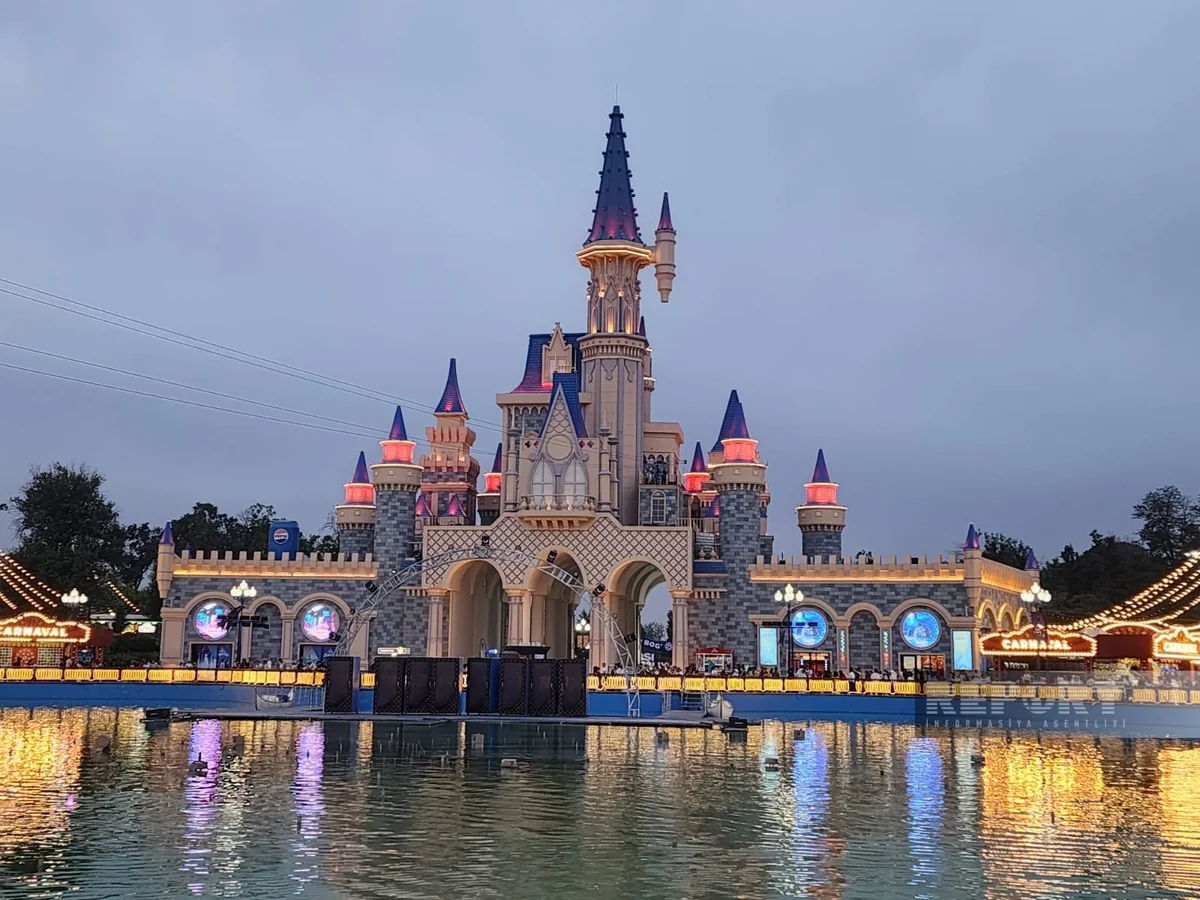
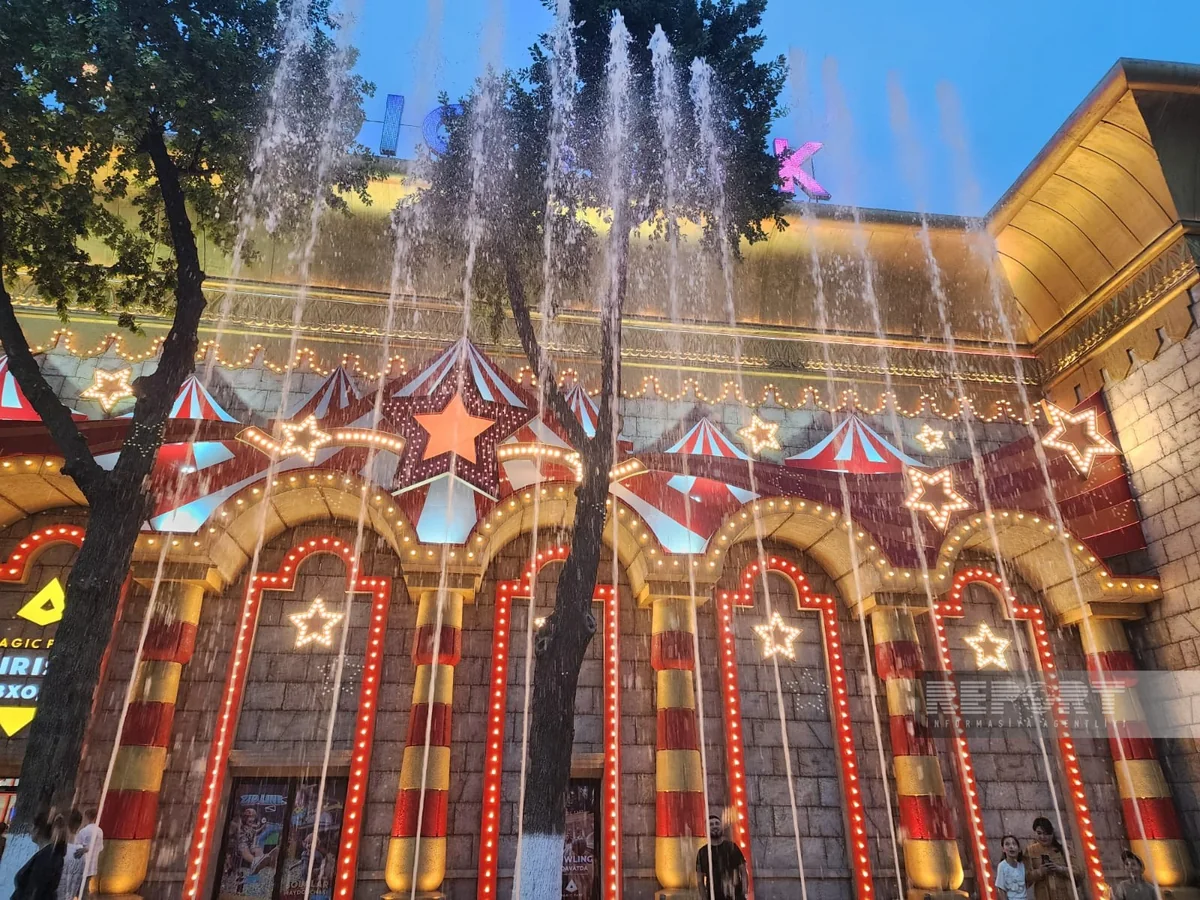
One of the most striking examples is Tashkent City, which we, as journalists, managed to visit during a break between official events. Conceived as the capital's new business and entertainment hub, this ambitious project encompasses high-rise office towers, international chain hotels, park zones, and commercial spaces.
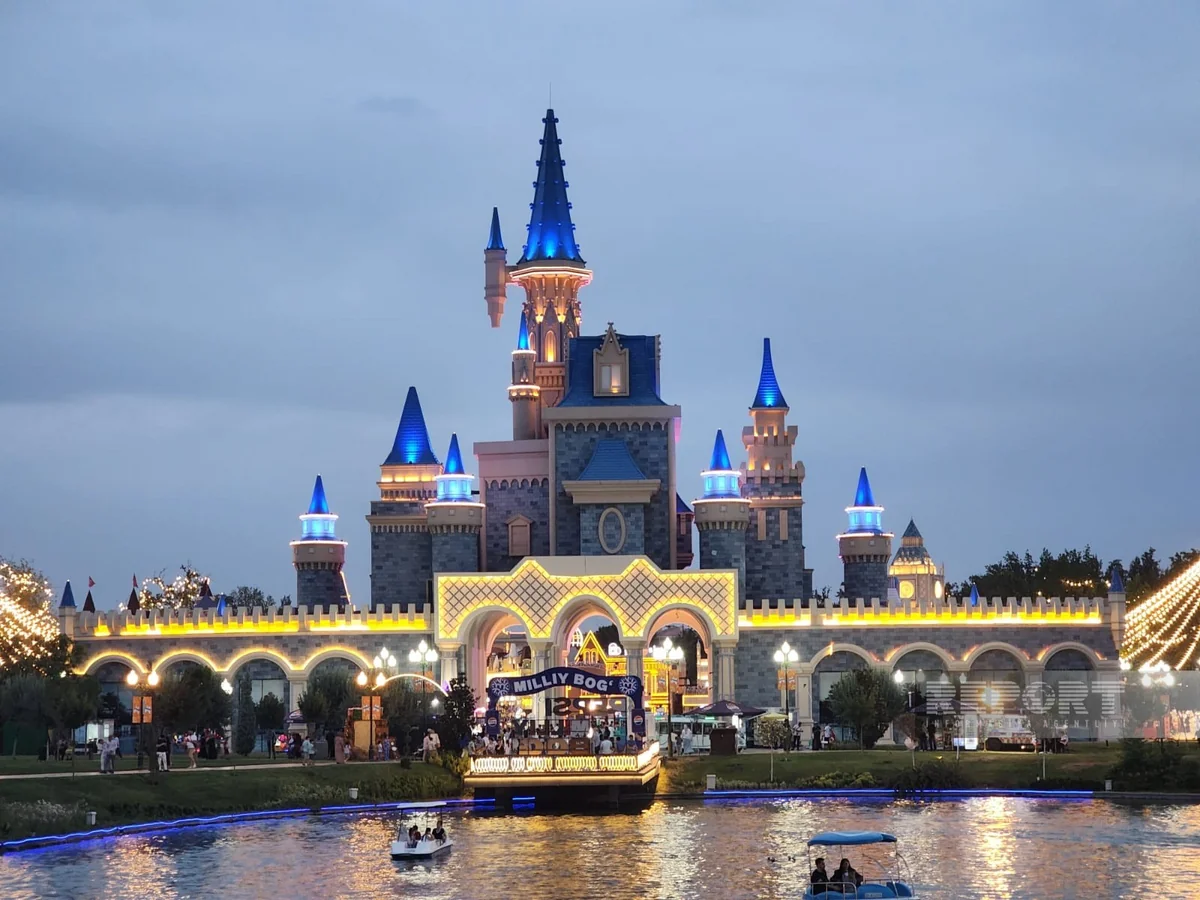
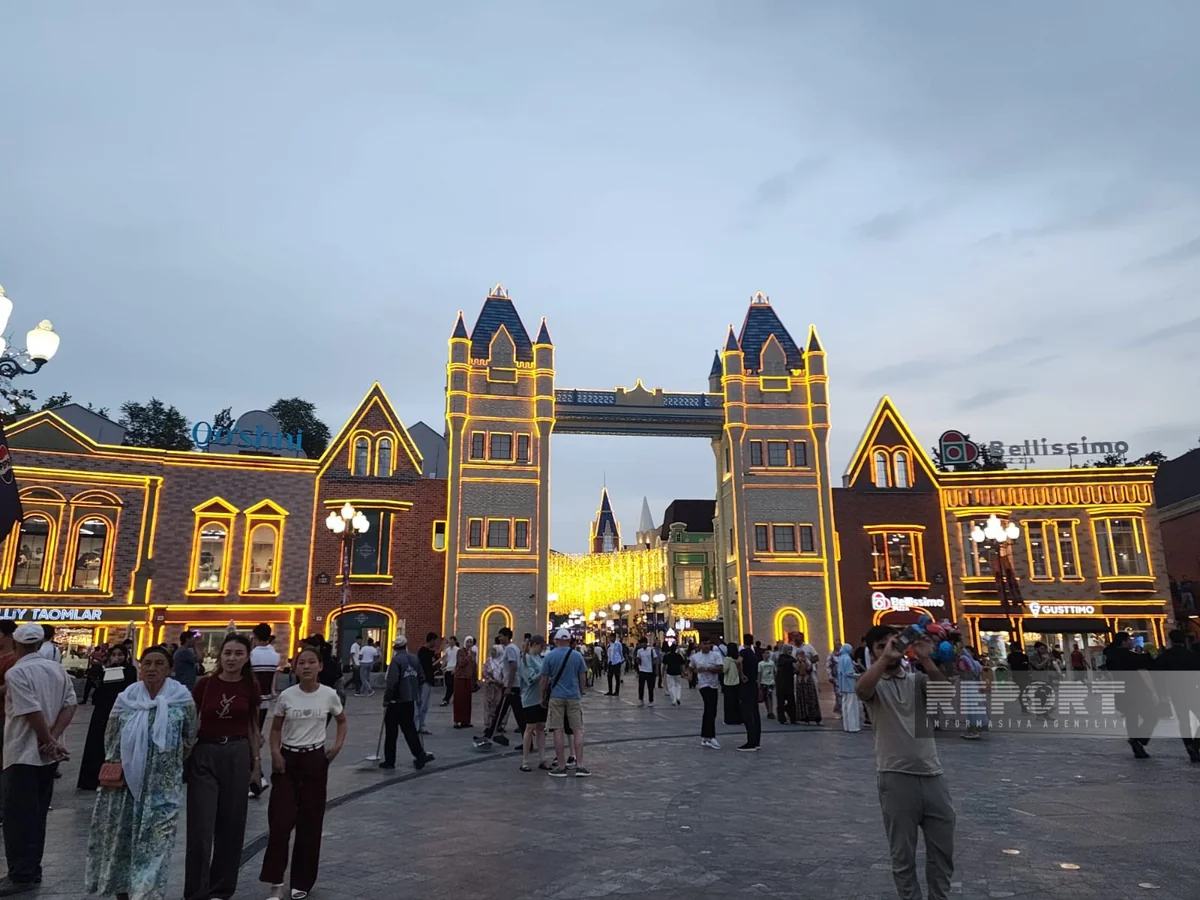
We arrived there in the evening, which turned out to be the best time for a walk. After sunset, the park comes alive, filling with visitors as illumination turns on, musical fountains operate, and cafes fill up. Families with children, youth, and tourists gather all around; some take photographs, others sit by the fountain, and many simply stroll. Life here truly does not slow down until late at night.
After an intense workday, the mere opportunity to pause for even half an hour and walk amidst this evening vitality turns into one of the most pleasant aspects of a business trip. Simultaneously, it offers a view of Tashkent from a different angle-how locals relax and spend a typical summer evening.
Of course, there were many places in Tashkent we did not have time to see. However, for anyone visiting Tashkent, I primarily recommend visiting the Square of Amir Timur-the great commander and founder of the Timurid Empire-as well as Independence Square, the famous metro system (one of the most beautiful in the world with its mosaics and marble columns), the Old City, the Hazrati Imam Complex, and the legendary Chorsu Bazaar, whose trading traditions span several centuries.
The Center of Islamic Civilization, opened in March 2026, also deserves dedicated time as one of the capital's new cultural sites. Its exposition covers the history of Islamic civilization in Central Asia, housing a museum, a library, and unique manuscripts. This is precisely the kind of place one cannot simply visit for fifteen minutes; it is best to set aside separate time to explore it thoroughly.
Our next stop was Bukhara-a city that can be compared to an open-air museum. Upon arriving here, one immediately feels transported into a true Oriental fairytale. It is one of the oldest cities in Central Asia, with a history spanning over 2,500 years.
History here is not isolated within individual tourist spots-it literally surrounds you. Bukhara must be explored on foot. In the Middle Ages, Bukhara was considered one of the largest centers of Islamic scholarship, where great thinkers such as Ibn Sina (Avicenna) and Imam al-Bukhari lived and worked.
The Ark Fortress
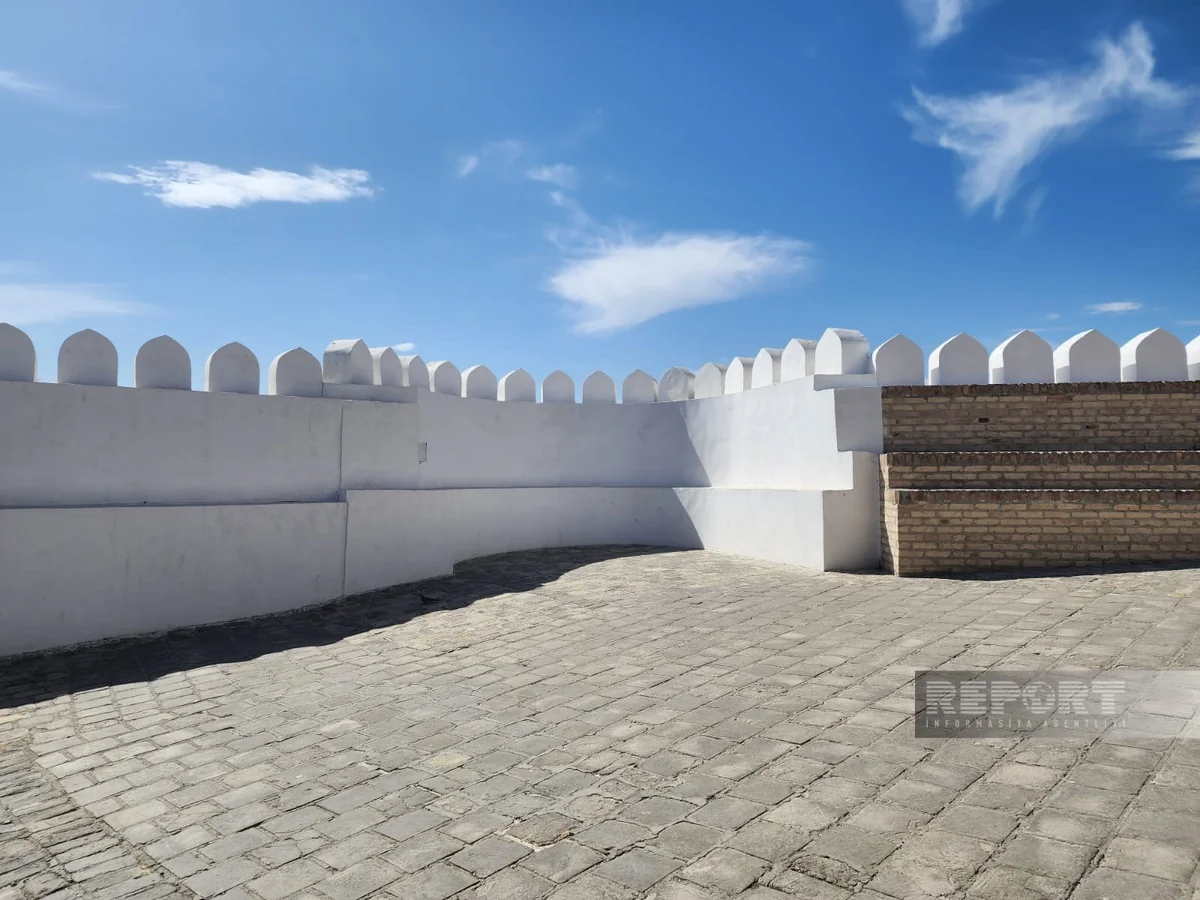
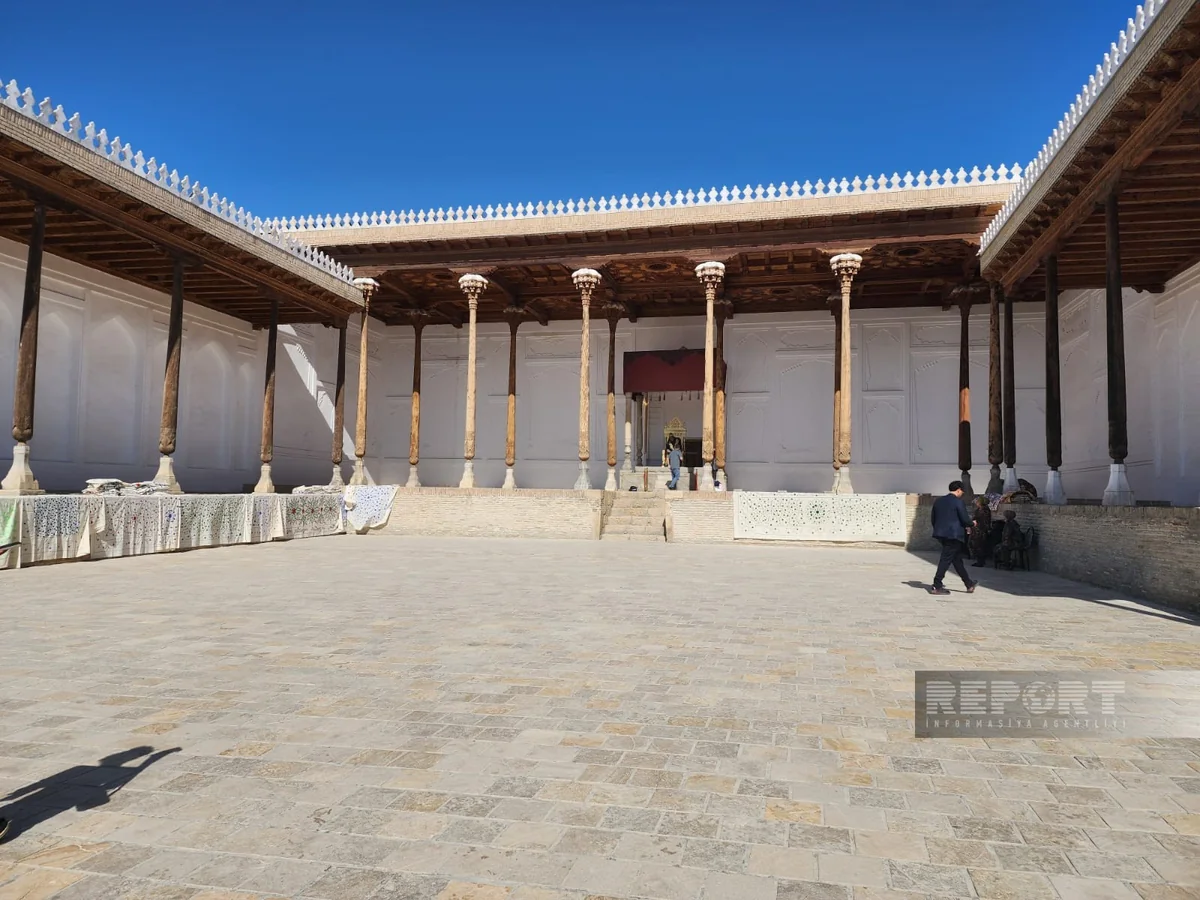
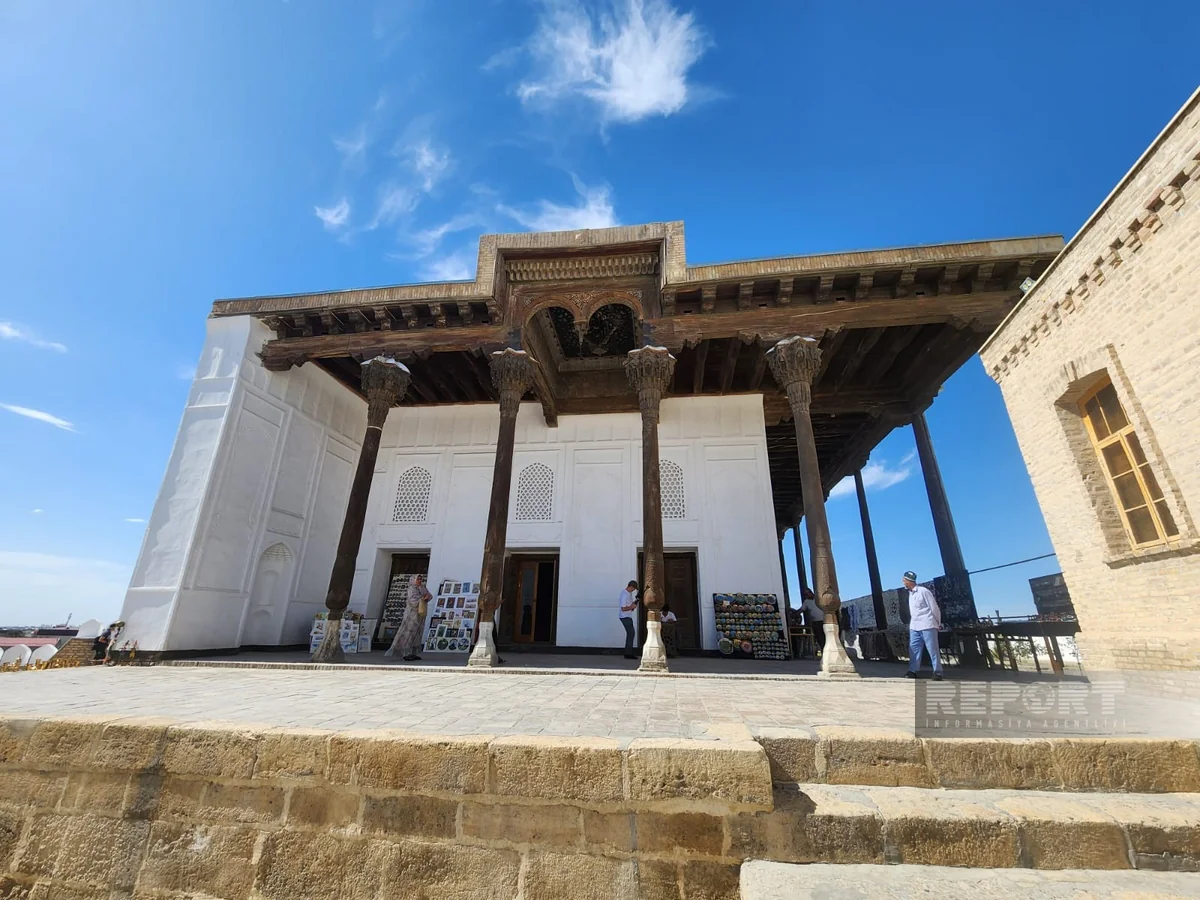
The Ark Fortress is one of the oldest landmarks in Bukhara. The fortress was founded as early as the 4th century BC. The fortress acquired its current appearance primarily in the 17th–18th centuries, and as recently as the early 20th century, it served as the winter residence of the Emirs of Bukhara. A significant portion of the fortress was destroyed in 1920, yet the surviving structures still convey the scale of this once massive complex. Today, the Bukharan State Museum-Reserve is located across the Ark's territory of approximately 4 hectares.
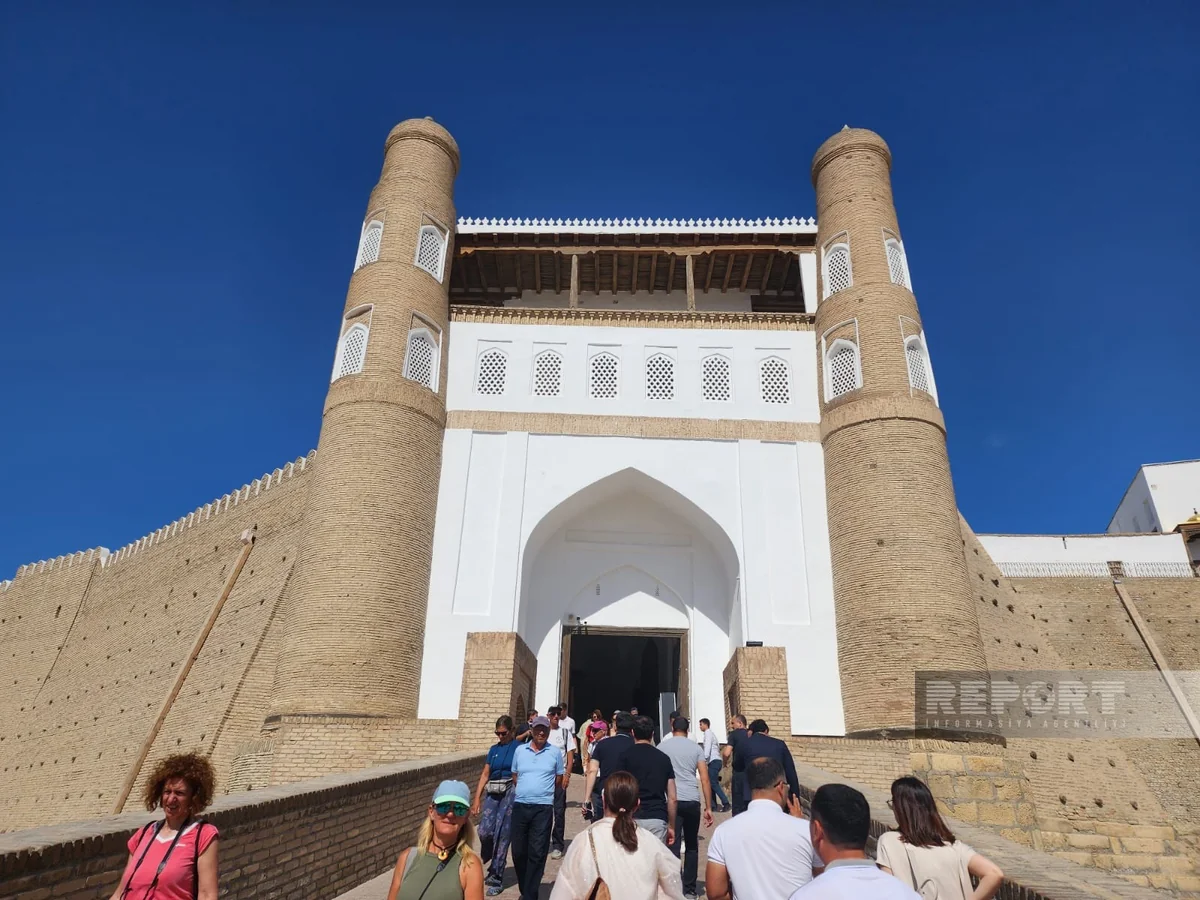
The massive walls of the ancient citadel can be spotted from afar, reaching a height of up to 20 meters. For centuries, the Ark served as the residence of Bukharan rulers, and by the beginning of the 20th century, nearly 3,000 people lived here. Behind its fortress walls were a palace, a mosque, a treasury, craft workshops, and courtiers' dwellings-essentially a city within a city, with its own laws, hierarchy, and way of life.
Yet inside, the Ark looks entirely different from what one might imagine when viewing its impressive outer walls. Beyond the gates, narrow passages, stairways, and small courtyards with whitewashed walls open up. One walks now through a cool, shaded corridor, now out again under the scorching sun.
Toki-Miyona
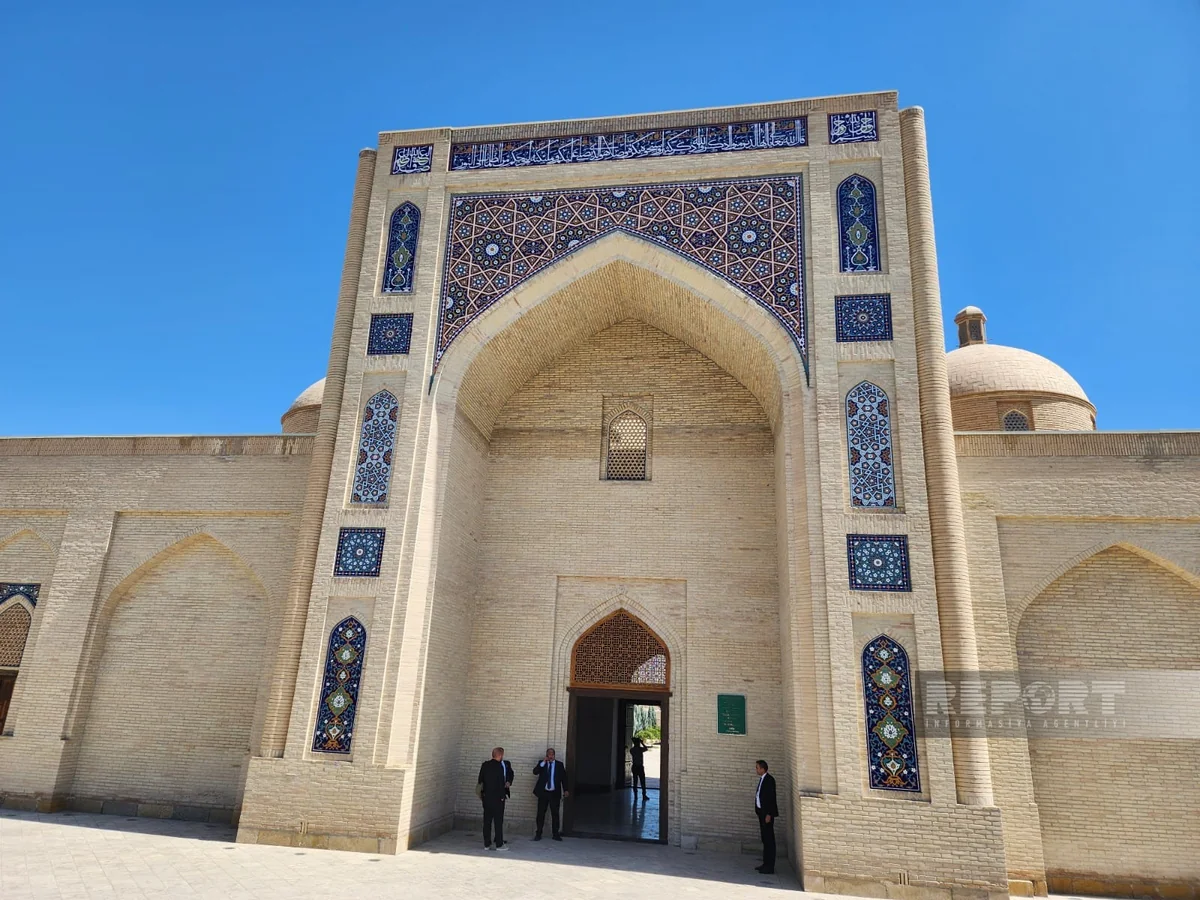
From the historical center, the route leads toward the Memorial Complex of Bahauddin Naqshband, located near Bukhara. Here, the atmosphere changes: less tourist bustle, more silence and greenery. Restored Toki-Miyona gates, through which pilgrims once passed, lead to the mausoleum. Beyond them lies a spacious area with mosques, gardens, and a pond. People arrive here with their families; some pray, while others sit for a long time in the shade of the trees.
The old trees and surrounding greenery create a special atmosphere. Against the backdrop of hot and sunny Bukhara, the cool shade of these courtyards is felt with particular intensity. It is easy to linger here longer than planned, even when a busy work schedule constantly reminds you of the time.
Bahauddin Naqshband lived in the 14th century and is considered one of the most prominent Sufi thinkers in Central Asia. His name gave rise to the Naqshbandi Sufi order, whose followers spread far beyond Central Asia. One of the core principles of his teaching was the harmony between spiritual life and ordinary human labor. The well-known saying is attributed to Naqshband: "Heart to God, hands to work."
Mausoleum of Ismail Samani
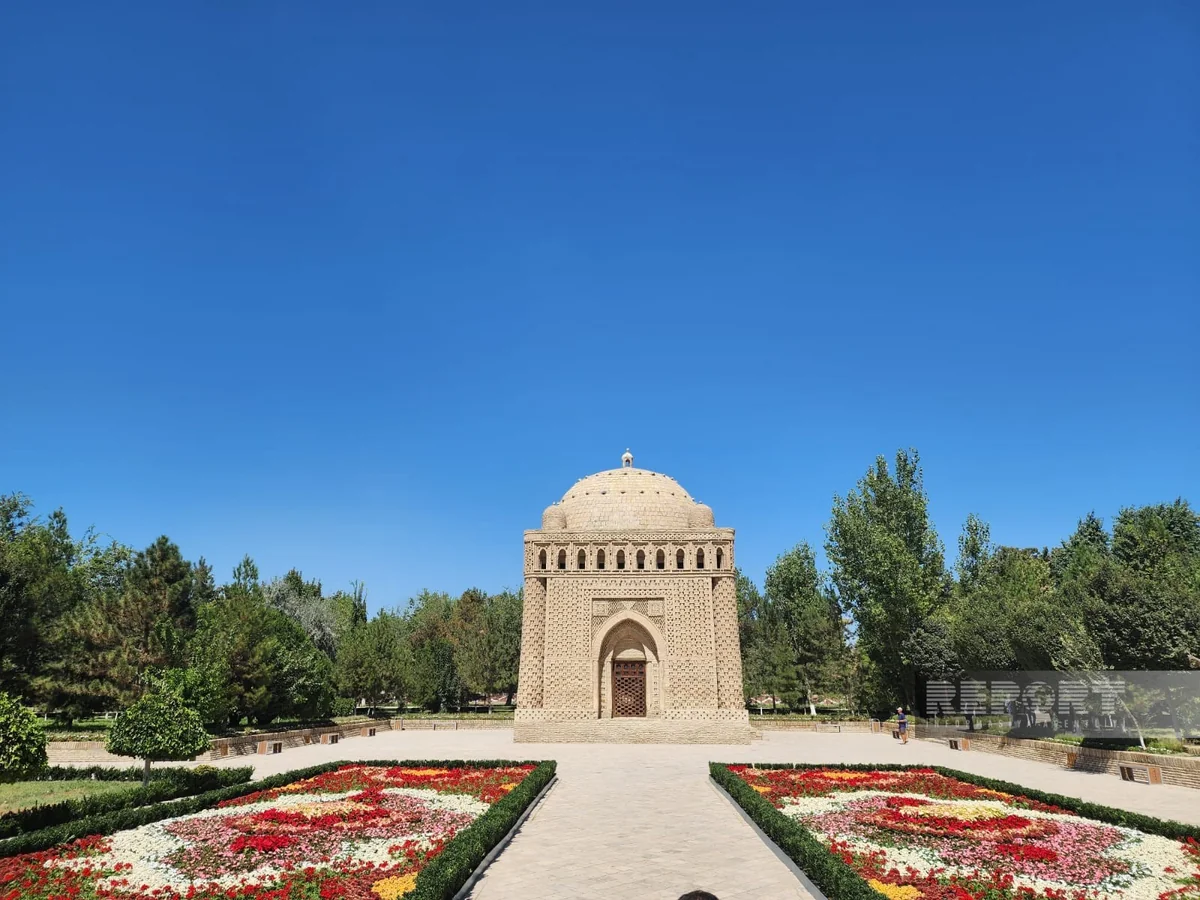
The next stop was the Mausoleum of Ismail Samani, one of the oldest monuments of Islamic architecture in Central Asia. Built in the late 9th to early 10th centuries, it was constructed almost entirely of fired brick. Yet calling it a simple structure would be an understatement: researchers have counted 18 different types of brickwork pattern here, causing the walls to appear different depending on the light-ranging from warm golden in the morning to deep terracotta at sunset. It is believed that Ismail Samani, founder of the Samanid dynasty, along with his father and grandson, are buried in the mausoleum.
Poi-Kalyan
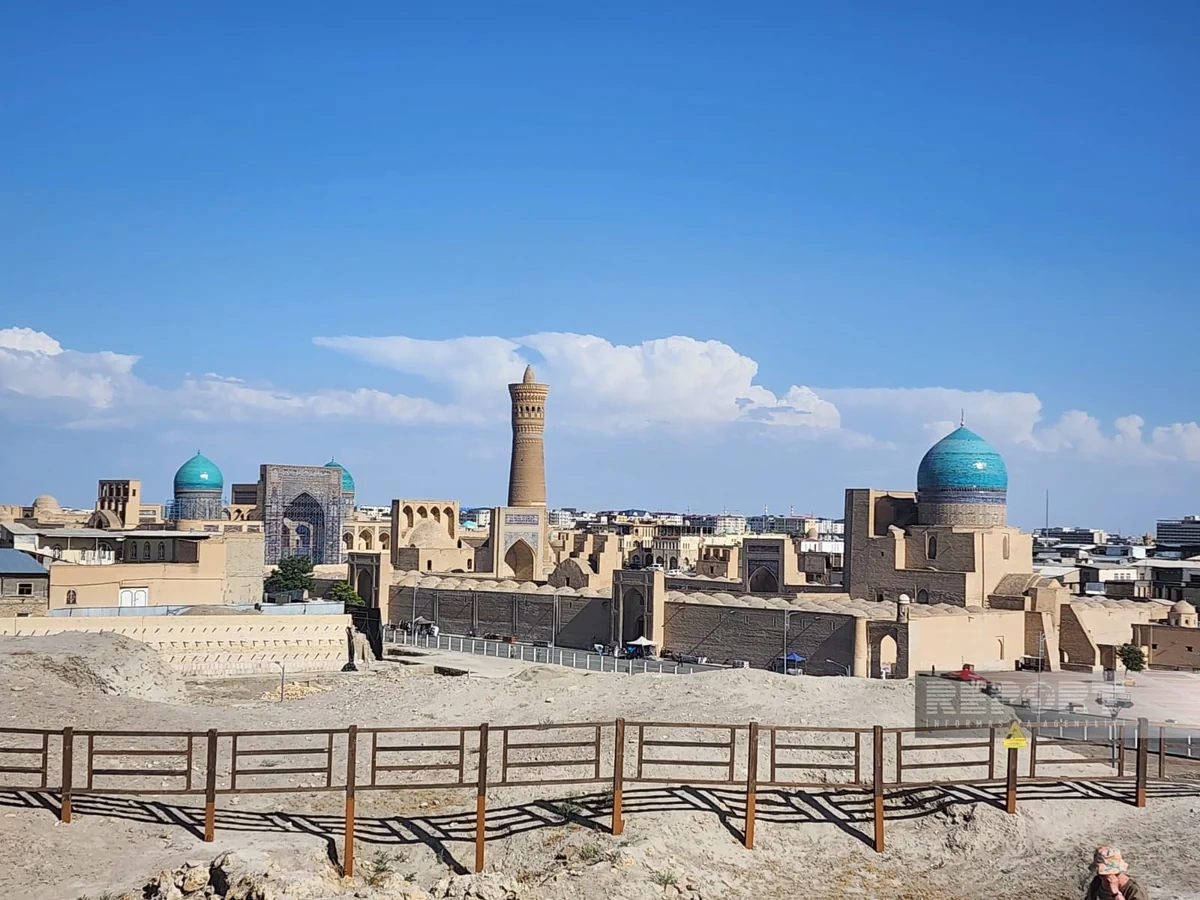
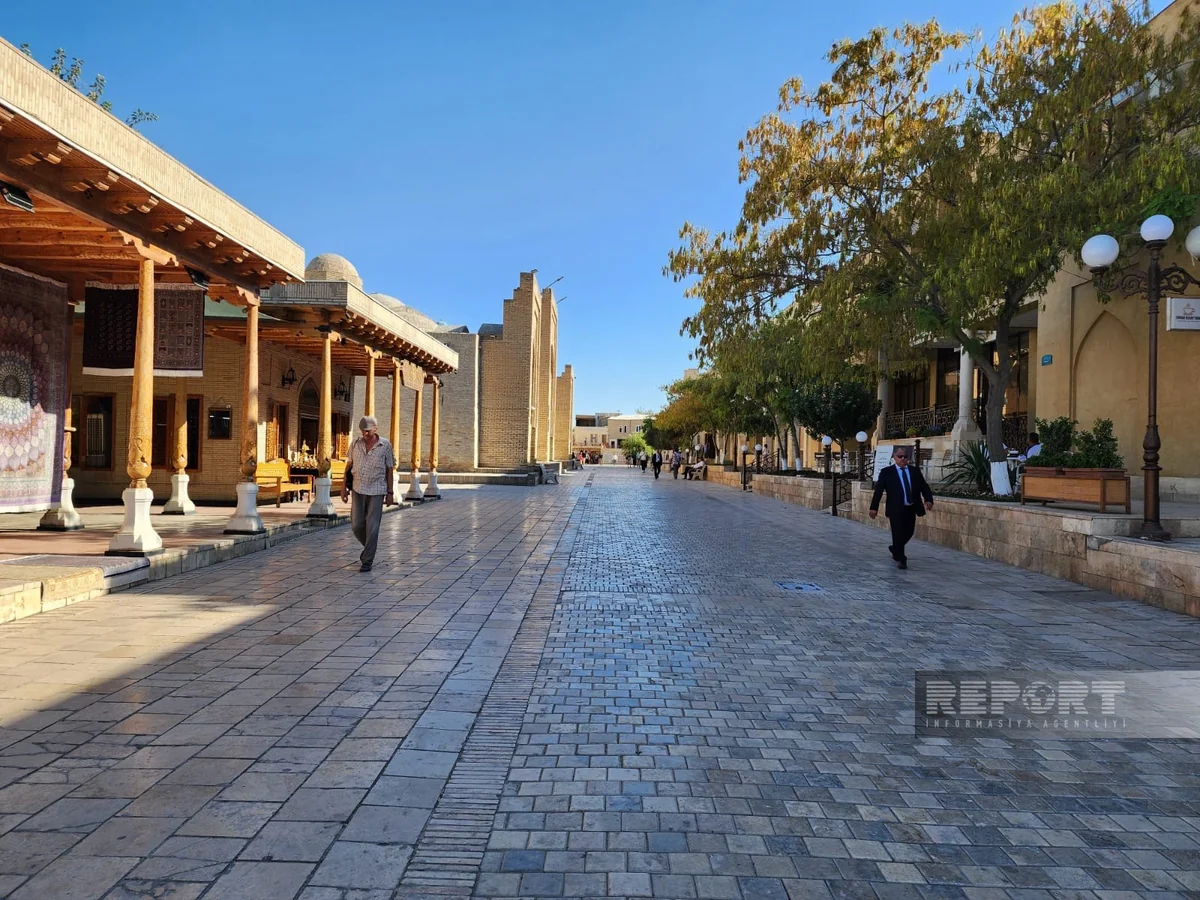
Then, our acquaintance with Bukhara continued in the historic center. Here, as was the case with Tashkent, the city appears completely different-more bustling, monumental, and instantly recognizable by the very views most frequently featured in photographs and postcards.
The Kalyan Minaret, the Kalyan Mosque, and the Mir-i-Arab Madrassah form one of the most iconic architectural ensembles of Bukhara-Poi-Kalyan, whose name translates as "at the foot of the Great One." Sand-colored walls, turquoise decorative elements, and a minaret towering over the old city create the exact image of Bukhara that lingers in memory.
The oldest monument of the ensemble is the Kalyan Minaret, built in 1127. Located nearby is the Kalyan Mosque, constructed in the 16th century, which is the largest in Bukhara and capable of accommodating up to 12,000 people. Situated in the same complex is the Mir-i-Arab Madrasa, also built in the 16th century, which continues to function as an active religious educational institution.
And from there, the route shapes itself: ancient trading domes, small shops filled with ceramics, fabrics, embroidery, and jewelry, and narrow streets gradually lead to one of the central city squares-Labi-Hovuz. Here, one no longer feels the urgency to capture yet another landmark on camera, but rather to simply walk, look around, and absorb the atmosphere of the old city, where scenes from the famous childhood movie "Adventures of Ali-Baba and the Forty Thieves" were filmed.
Perhaps this is Bukhara's primary charm for a short visit. Surprisingly, even when spare time is extremely limited, it proves sufficient to walk through a portion of the old city and gather a wealth of impressions.
What also came as a surprise in Bukhara is how seamlessly new structures blend into the city's historical aesthetic. Local developers strive to preserve the overall architectural style: new buildings do not clash with the surrounding architecture, but rather harmonize with it in color, scale, and facade design.
A distinct part of discovering Uzbekistan is, of course, the local cuisine. A tight work schedule is no excuse to bypass it. Here, plov is not merely the most famous dish, but practically a standalone culinary tradition, prepared with unique regional variations across the country. It is served alongside fresh vegetables, flatbread straight from the tandoor, and tea, without which no meal here seems complete.
Visitors must also try samsa-filled with meat, onions, and spices, traditionally baked in a tandoor-as well as manti and shurpa. Portions are typically generous and dishes are rich, so the ambition to sample everything over two days quickly runs into the limits of appetite.
Yet what leaves the strongest impression is not just an individual dish, but the culture surrounding food itself. Meals are unhurried: flatbreads, tea, fresh fruit, and sweets continuously appear on the table, easily turning a simple lunch into a natural continuation of discovering the country.
Experiencing a nation as vast and ancient as Uzbekistan in two days is naturally impossible, but for an initial introduction, it proved more than enough. One leaves Uzbekistan with a strong desire to return-and there are plenty of reasons to do so, with Samarkand, Khiva, and other ancient cities rich in history still waiting ahead.
Yet it was not only the places waiting to be seen that left an impression. Over these two days, what stood out most was the people-open, hospitable, and eager to connect. Furthermore, a warm attitude toward Azerbaijan was felt not only among local residents.
In Bukhara, we noticed several times: as soon as someone overheard Azerbaijani being spoken, the question immediately followed, "Where are you from?" That was how conversations sparked with locals, as well as with tourists from Tajikistan and Türkiye. The Turkic linguistic and cultural affinity is felt everywhere here, serving as a natural bridge for communication.
One such conversation was particularly memorable. A tourist from Türkiye, hearing our speech, approached and asked where we were from. Upon learning we were from Azerbaijan, he immediately inquired where Presidents Ilham Aliyev and Shavkat Mirziyoyev were meeting at that exact moment. Hearing the response, he remarked with a smile that he would like to go there and pass along greetings from President of Türkiye Recep Tayyip Erdogan.
Discovering Uzbekistan-its past, present, and future-is deeply engaging. For this reason, I left the country feeling that very soon I would have another opportunity to visit a nation with which Azerbaijan is now bound by eternal friendship. The Treaty on Eternal Friendship became the key document signed during the state visit of President of Azerbaijan Ilham Aliyev to Uzbekistan. It elevates relations between the two countries to an entirely new level. Moreover, the document effectively institutionalizes the fraternal relations between our peoples, opening up new opportunities for both nations.
Author