Baku 23° C
Discovering Poland: A phoenix in the heart of Central Europe – REPORTAGE
- 29 July, 2026
- 16:29
Stay up to date with the top news!
Before every trip, we naturally gather information about the place we are heading to: we read articles, look at photographs, and study its history. Gradually, a certain image takes shape in our minds - what we will see, what may surprise us, and what makes this country different from others. But sometimes reality proves far more interesting than anything we had imagined.
One such country is Poland, located in the heart of Central Europe.
What do we know about Poland? From school, we remember its difficult history, including the fact that it was in Poland that World War II began. Today, Poland is a member of the European Union and an important part of NATO's eastern flank. As a result, my imagination had drawn a fairly typical European city: neat streets, modern infrastructure, and traces of the past preserved here and there.
However, a recent familiarization trip completely changed my perception of the country. Poland revealed itself to me from a different side - one that pleasantly surprises a visitor from the very first days of acquaintance.
Warsaw - resilience in every brick
The first stop on our journey was Warsaw. The capital welcomed us, somewhat unexpectedly, not very "warmly" - with an unusual temperature of just 18 degrees for the middle of summer. This was despite the fact that only a few days before our arrival, locals had been complaining about exhausting heat. From the very first minutes, the city seemed to make it clear that it had a character of its own. But once you get to know Warsaw better, it becomes clear that, despite the chilly weather for this time of year, the city itself is full of warmth.
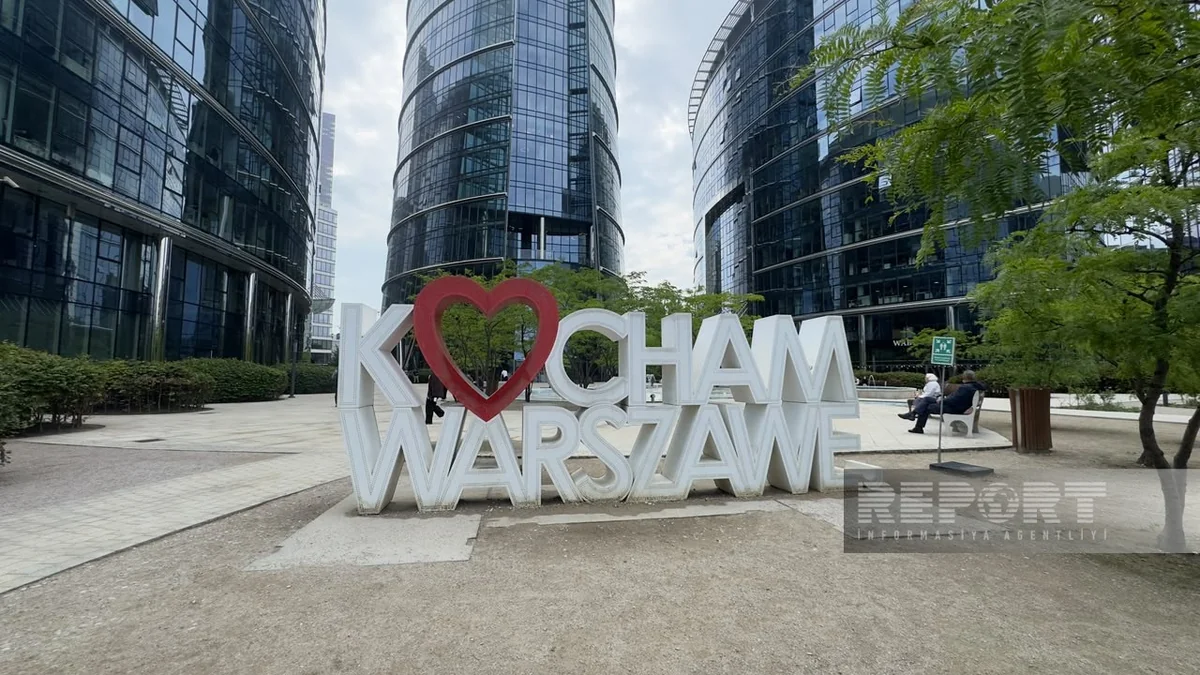
Clean air, an abundance of greenery, modern skyscrapers reminiscent of American concrete jungles - this was the Warsaw that appeared before us. Yet behind this modern face lies a much deeper history and the city's true soul.
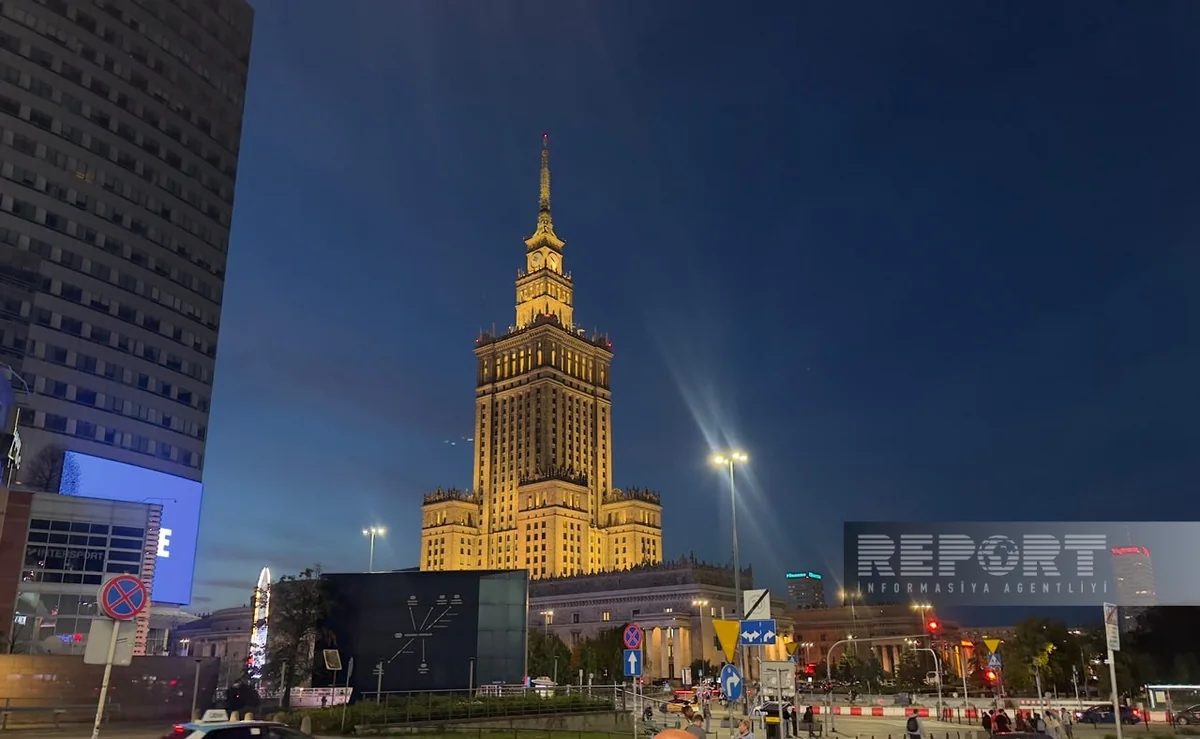
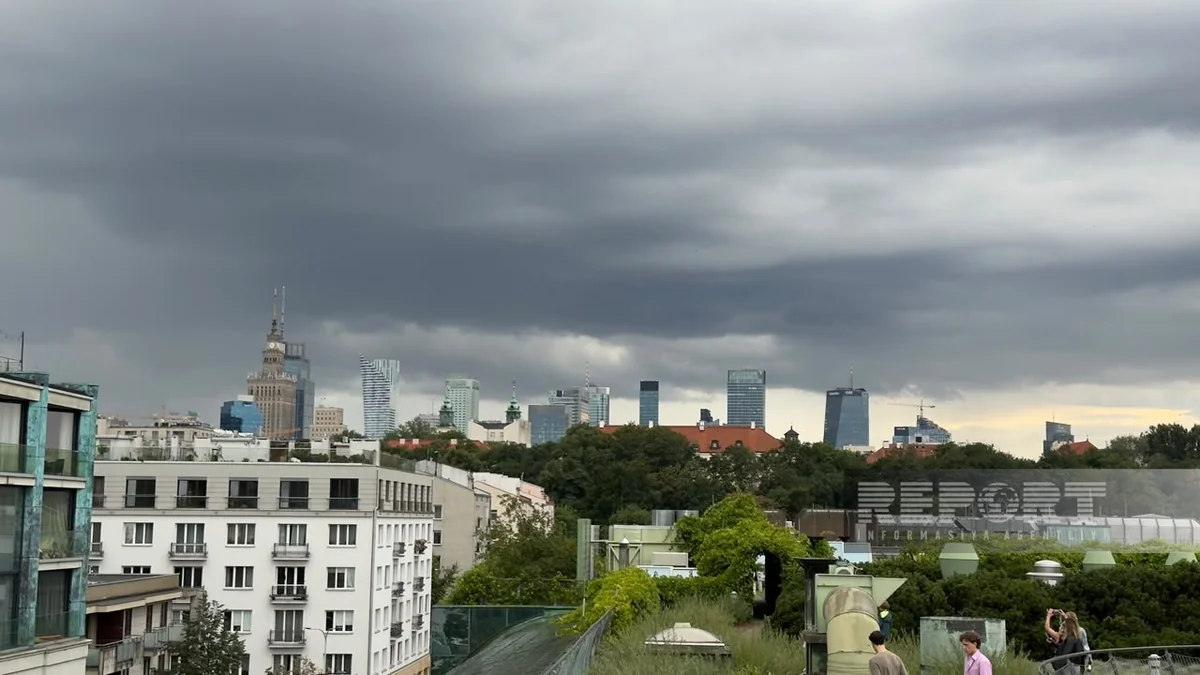
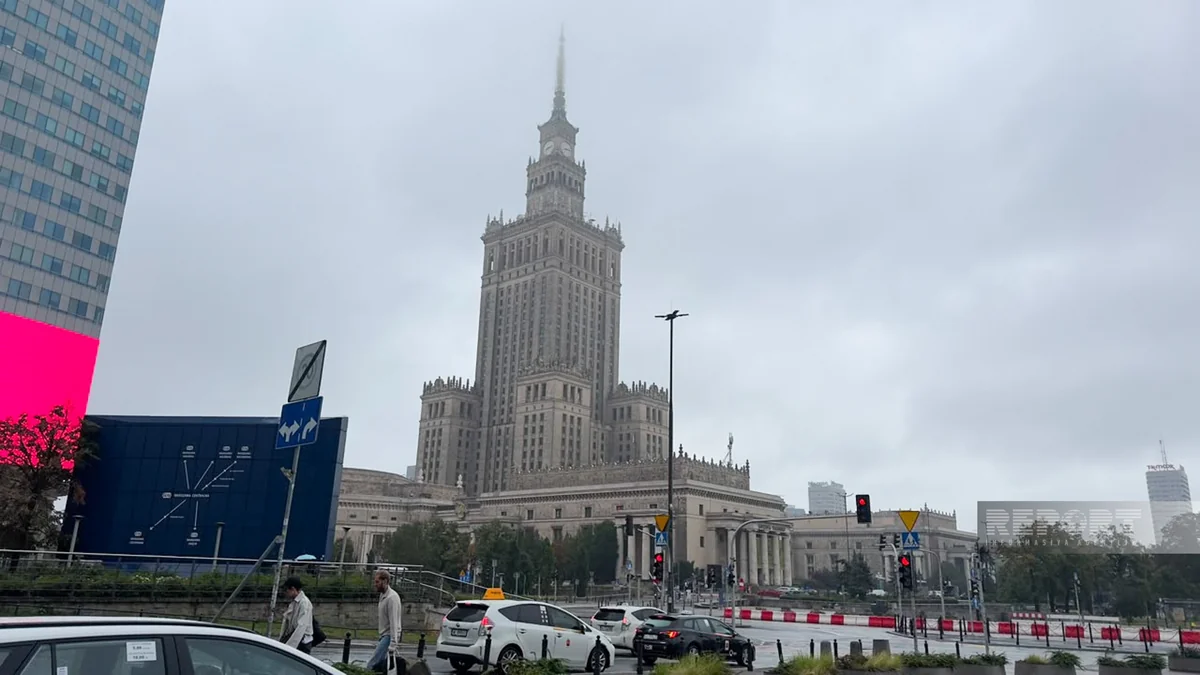
Warsaw is a city where the glass high-rise Varso Tower and the historic Palace of Culture and Science, lively streets and quiet park alleys, coexist in harmony. Everyone can find something of their own here: history lovers will discover dozens of museums and monuments; nature lovers, spacious parks; architecture enthusiasts, the restored Old Town; and gastronomic travelers can explore both traditional Polish cuisine and modern signature restaurants.
Łazienki Park, or Łazienki Królewskie - the "green heart of Warsaw" - is the largest park in the Polish capital, stretching across almost 76 hectares in the very center of the city. Here, within just a few minutes, you forget that you are in a major metropolis. The noise of the city gives way to birdsong, dense alleys create the feeling of a real forest, and the air seems especially fresh.
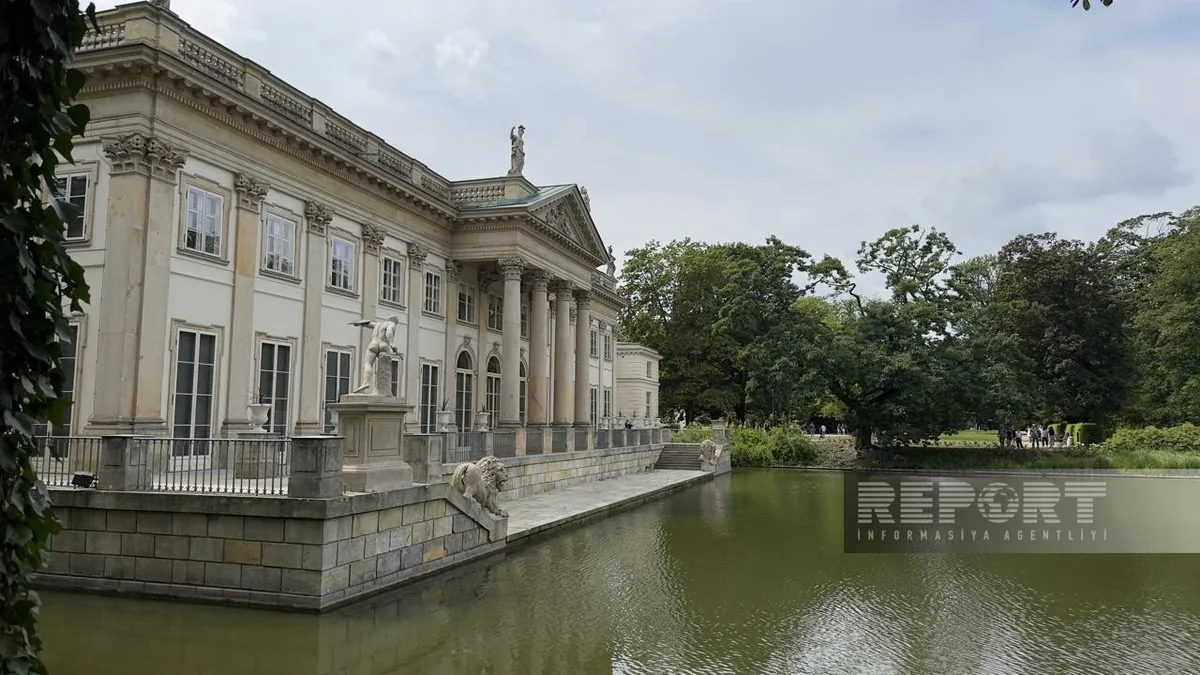
Łazienki is not just a city park. The atmosphere of the royal era can still be felt here, as this was once the summer residence of Poland's last king, Stanisław August Poniatowski. The main jewel of the complex is the Palace on the Isle, or Pałac na Wyspie, located on an artificial island in the middle of a picturesque pond. It was built between 1784 and 1795 to a design by architect Domenico Merlini in the early Classical style. Despite its relatively modest size, the palace is considered one of Warsaw's most recognizable symbols.
During World War II, the palace and park complex, like much of the Polish capital, suffered serious damage. Yet the Palace on the Isle itself was almost miraculously spared destruction.
If you look closely at the palace façade, you can see small holes - traces of preparations made by German troops to mine the building. The explosives were meant to be detonated, but in the end this did not happen, allowing the palace to survive to this day. After the war, these traces could easily have been concealed during restoration. But the Poles consciously chose to leave them untouched. It is in such small details that a nation's attitude toward its own history becomes especially clear.
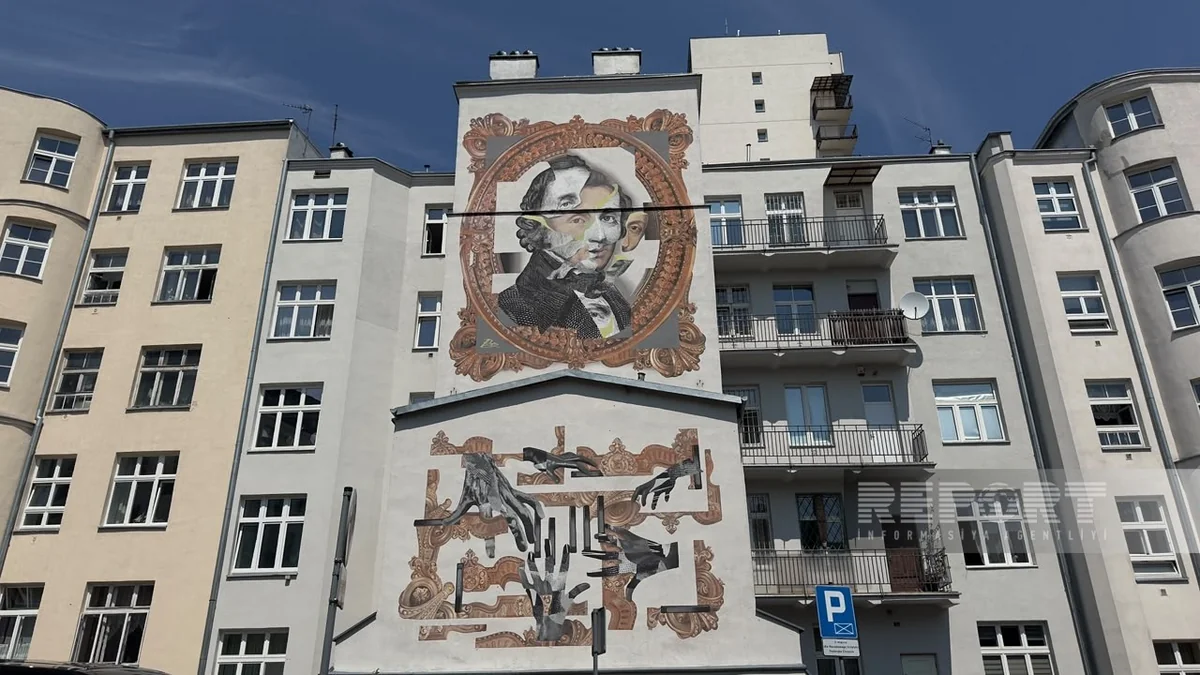
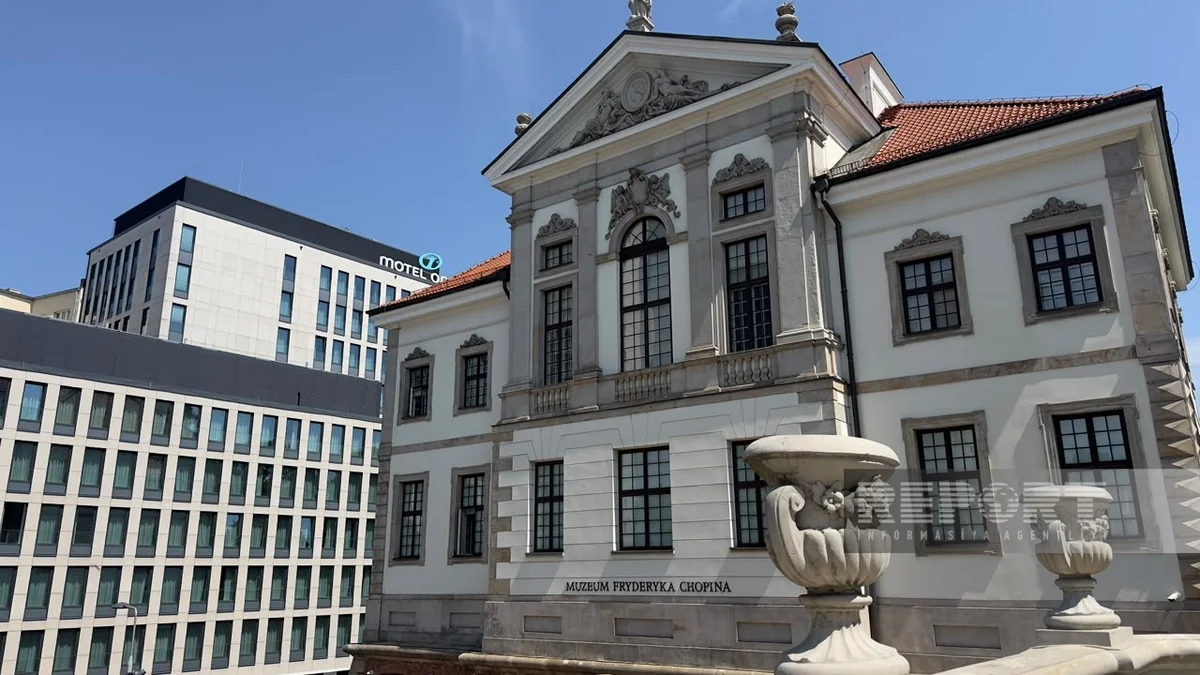
Frédéric Chopin is an integral part of Polish culture, national identity and historical memory. One gets the feeling that his music accompanies travelers from the first moments of their stay in the country - and this is no exaggeration. After all, Warsaw's largest airport bears his name. In Poland, Chopin is almost everywhere. Streets, squares and cultural institutions across the country are named after him. The capital's University of Music bears the name of the great composer, and just a few minutes' walk away stands a museum dedicated to his life and work.
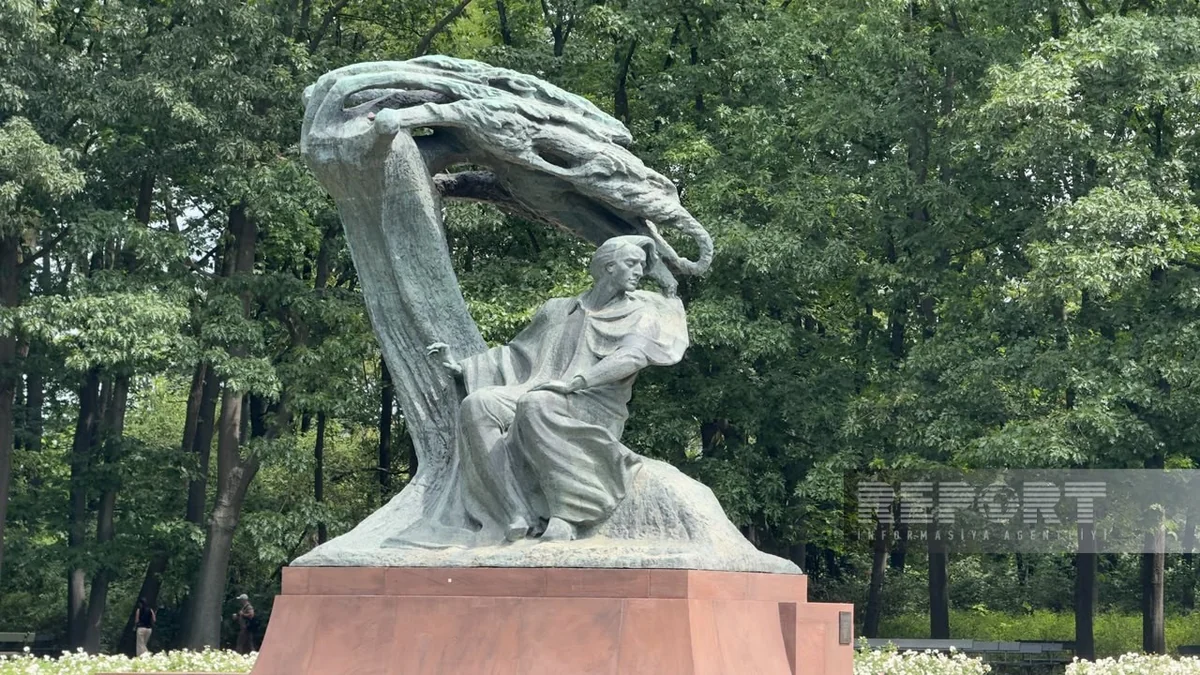
A monument to Chopin stands in Łazienki Park. The composer's music lives not only in concert halls and museums, but also in the open air. Every summer, free piano concerts are held at the foot of the monument, drawing hundreds of Warsaw residents and tourists from around the world.
At the same time, his image extends far beyond concert halls and museums: portraits of Chopin can be seen on graffiti and large murals decorating city streets.
Warsaw's Old Town, Stare Miasto
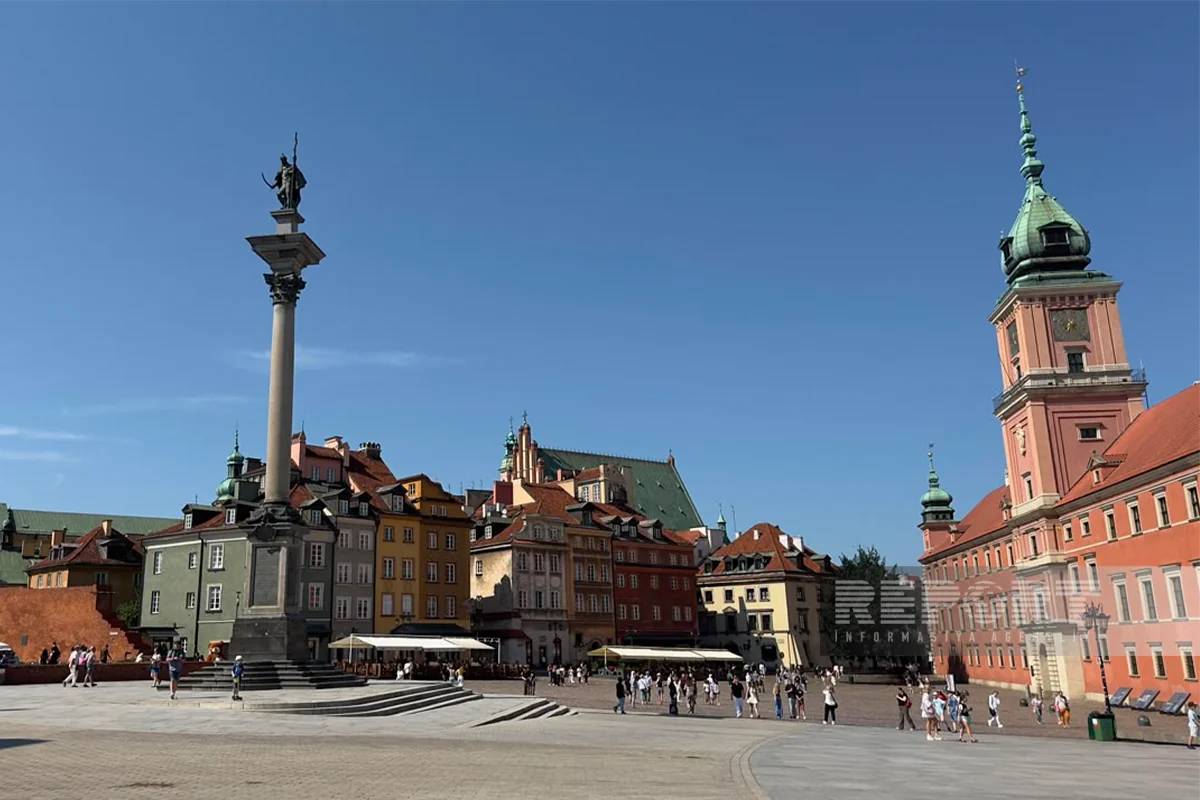
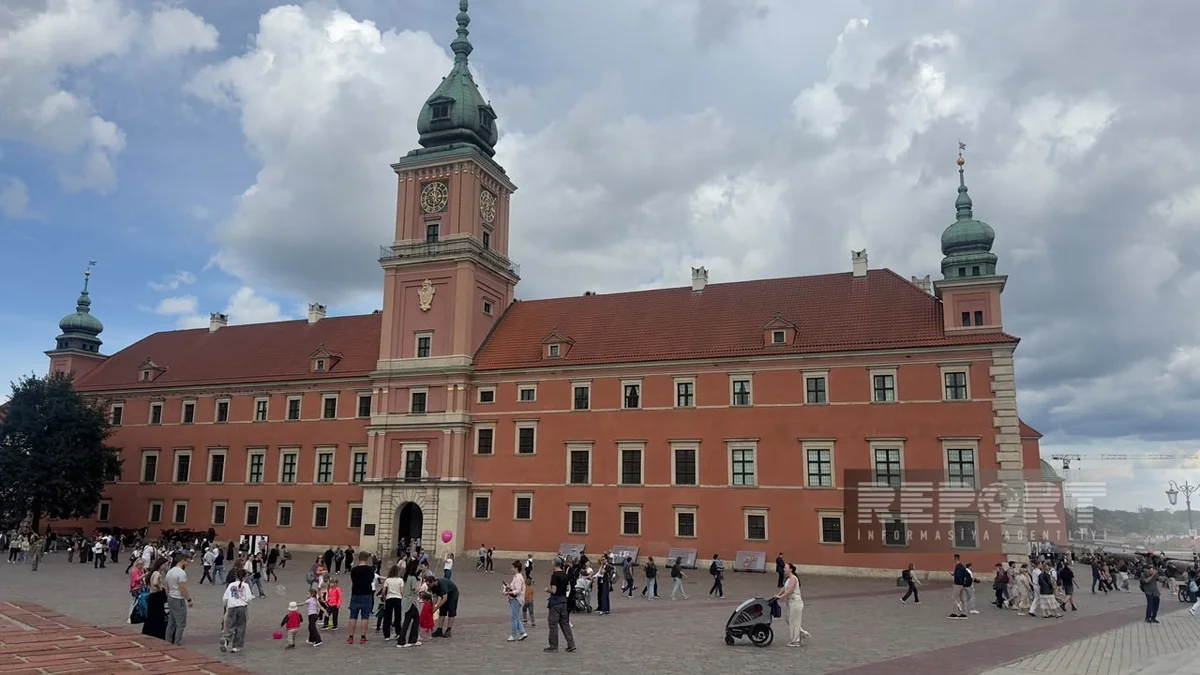
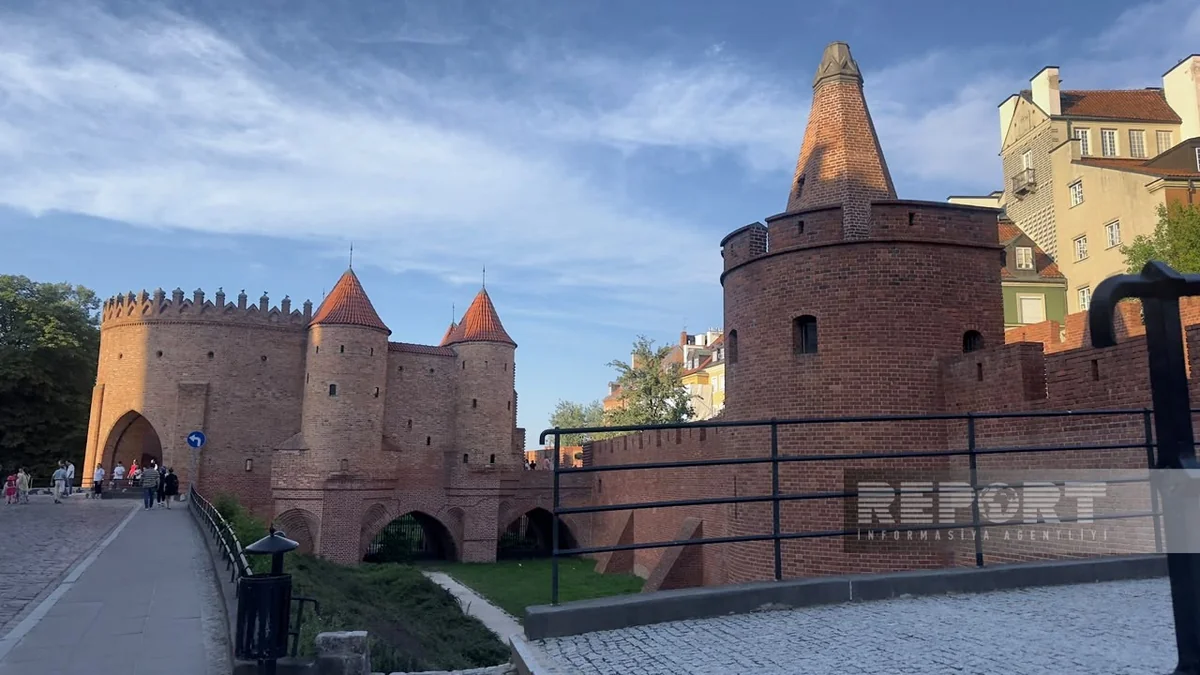
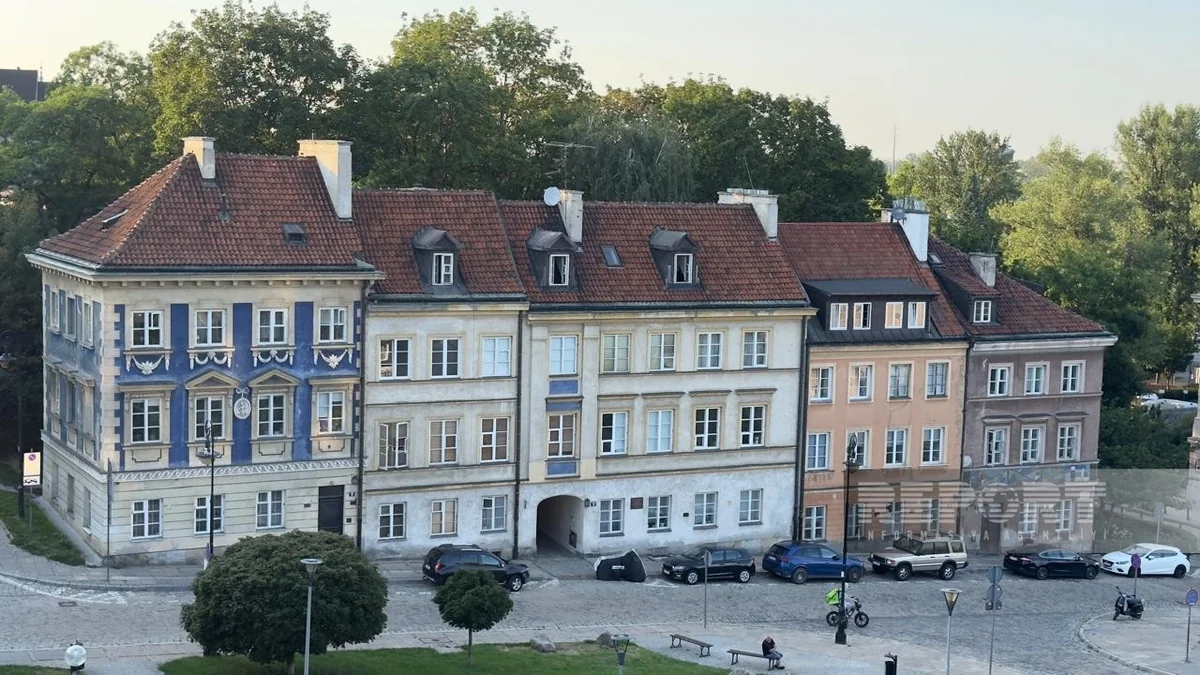
The main treasure of any city is its historic quarter. True, not every city that calls itself ancient actually has an "old town." Fortunately, Warsaw is not one of them. My encounter with old Warsaw felt warm. Despite the 18-degree temperature, I stopped feeling cold here; it was as if warmth was radiating from the walls themselves. The narrow cobbled streets were full of life: street musicians played different melodies, the clinking of dishes and the laughter of visitors drifted from cafés, and tourists strolled unhurriedly, looking at shop windows and the old façades of houses. The red-tiled roofs and colorful buildings created the feeling of having stepped inside an old European postcard.
Looking at this peaceful scene, it is hard to imagine that a little more than eight decades ago, almost nothing was left here. After the Warsaw Uprising of 1944, German troops almost completely destroyed the city's historic center. It seemed impossible to restore it.
But the people of Warsaw decided to bring back their city's former appearance. Architects and restorers worked from old photographs, archival drawings and the paintings of court artist Bernardo Bellotto, also known as Canaletto. Where documents were lacking, they relied on eyewitness memories. Step by step, brick by brick, the Royal Castle, the Market Square, churches, palaces and residential houses were restored.
The Old Town is an example of how, even after the harshest trials, it is possible to preserve one's history and bring back to life what seemed to have been lost. In 1980, the historic center was included on the UNESCO World Heritage List. For Poles, the Old Town is not merely a tourist attraction, but a symbol of resilience, national memory and the ability to rise again even after the most difficult ordeals.
Poland through its museums
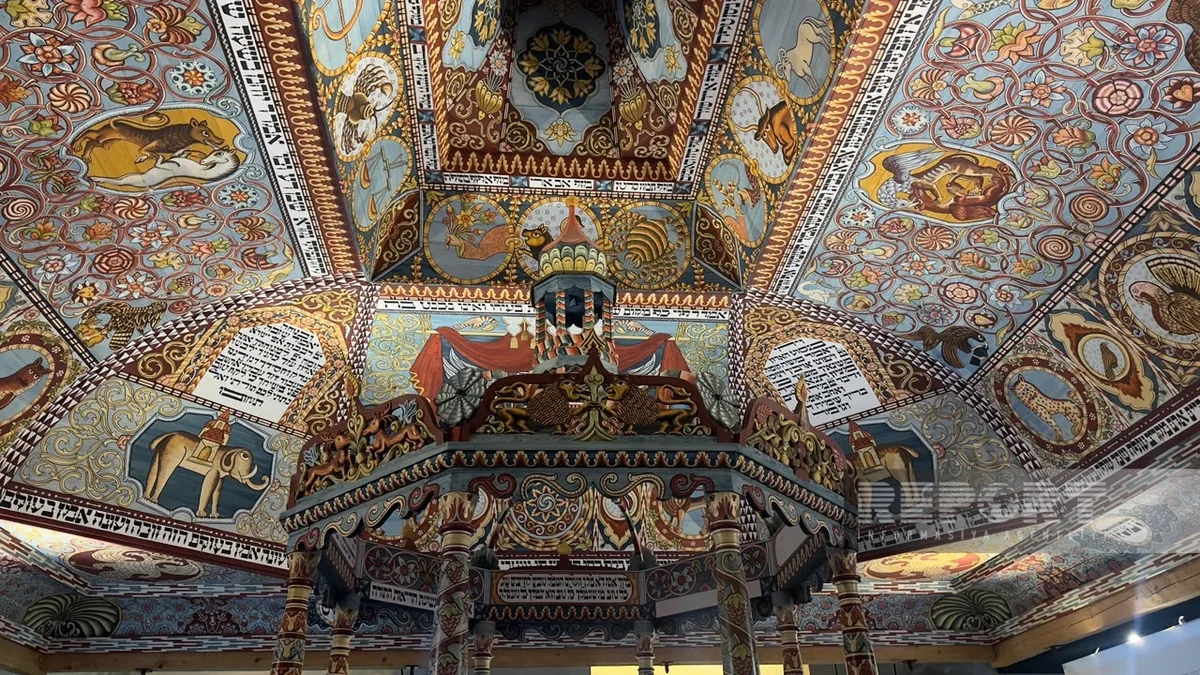
If you love history and museums, Warsaw will certainly not disappoint you. During the trip, we visited the Warsaw Uprising Museum, the POLIN Museum of the History of Polish Jews, the Museum of King Jan III's Palace at Wilanów, the Katyn Museum and the State Ethnographic Museum in Warsaw.
At first glance, it may seem that they all tell the same story - the history of Poland. So why not combine them into one large national museum of history? The answer comes naturally after the very first tour.
The Poles remember everything. They do not try to erase the painful chapters of their past, nor do they live with dreams of revenge. Instead, they preserve memory in order to understand the price at which modern Poland was built.
This is perhaps the greatest value of Warsaw's museums. Walking through the Old Town, you see restored houses, squares and palaces. But only after crossing the threshold of a museum do you begin to understand what stood behind that revival.
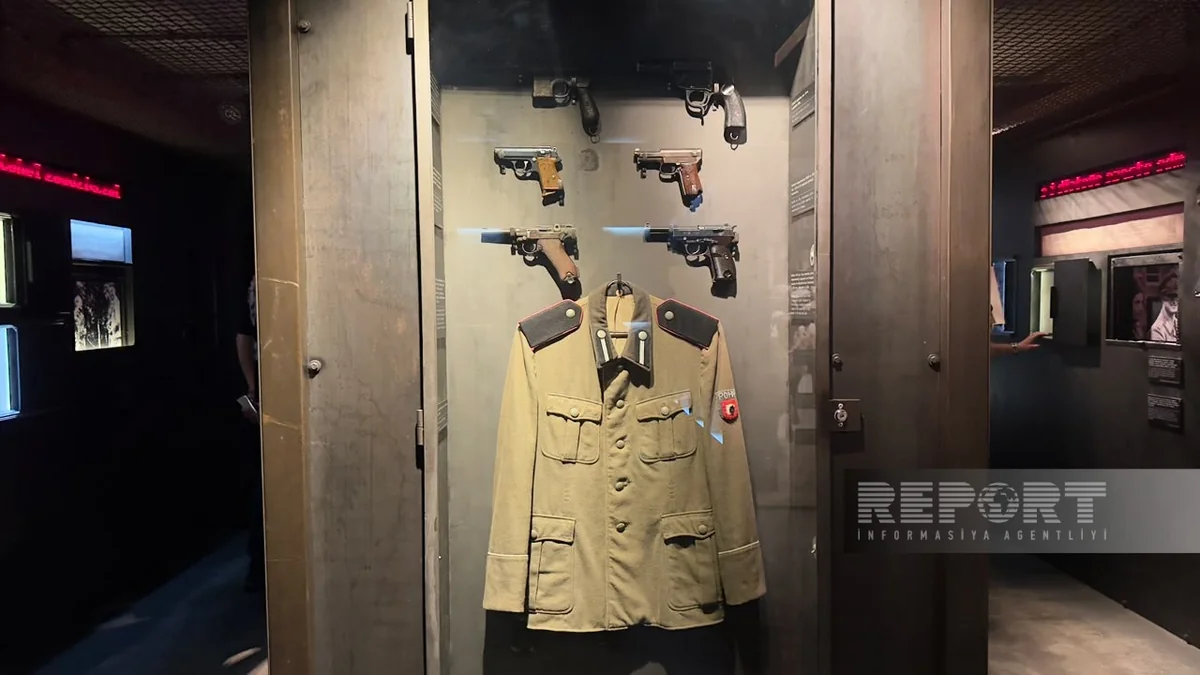
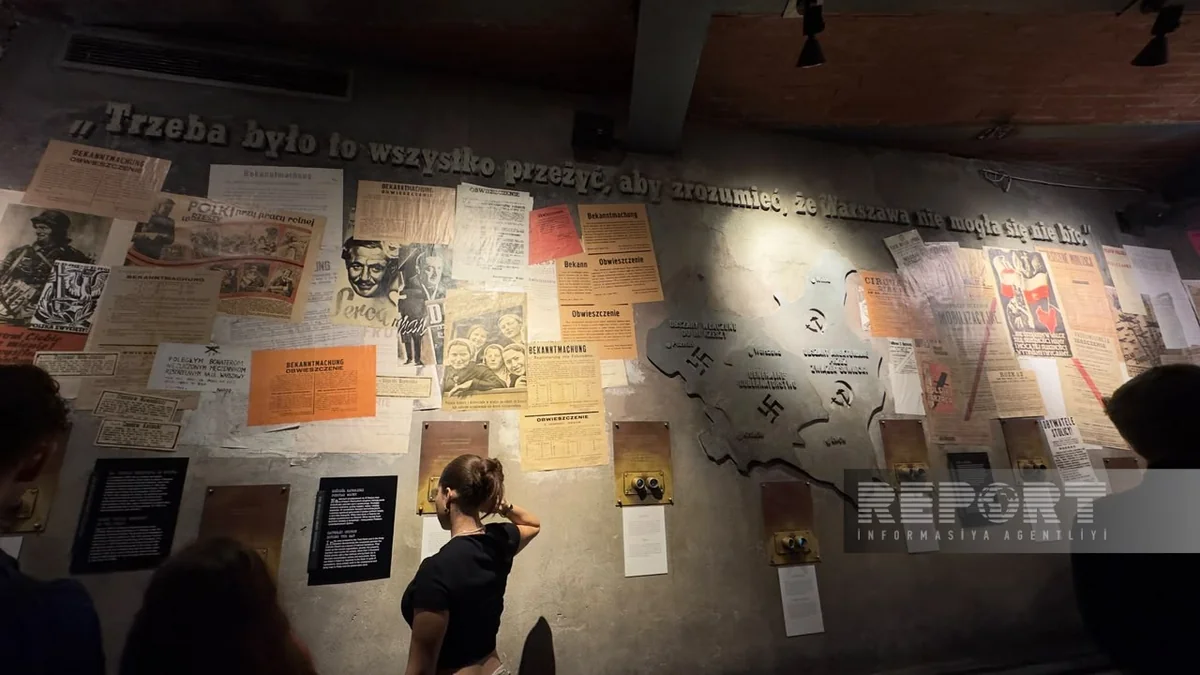
At the Warsaw Uprising Museum, a German aircraft hangs above your head, while all around are authentic weapons, photographs and personal belongings of those who took part in the events. The exhibition quite literally transports visitors to August 1944, making them feel the atmosphere of a city fighting for its freedom.
The Katyn Museum leaves an equally powerful impression. Here, history ceases to be a set of dry dates. Before your eyes are wedding rings, letters, documents, military tags and personal belongings of Polish officers who became victims of the Katyn crime. These objects speak of the tragedy far more eloquently than any numbers.
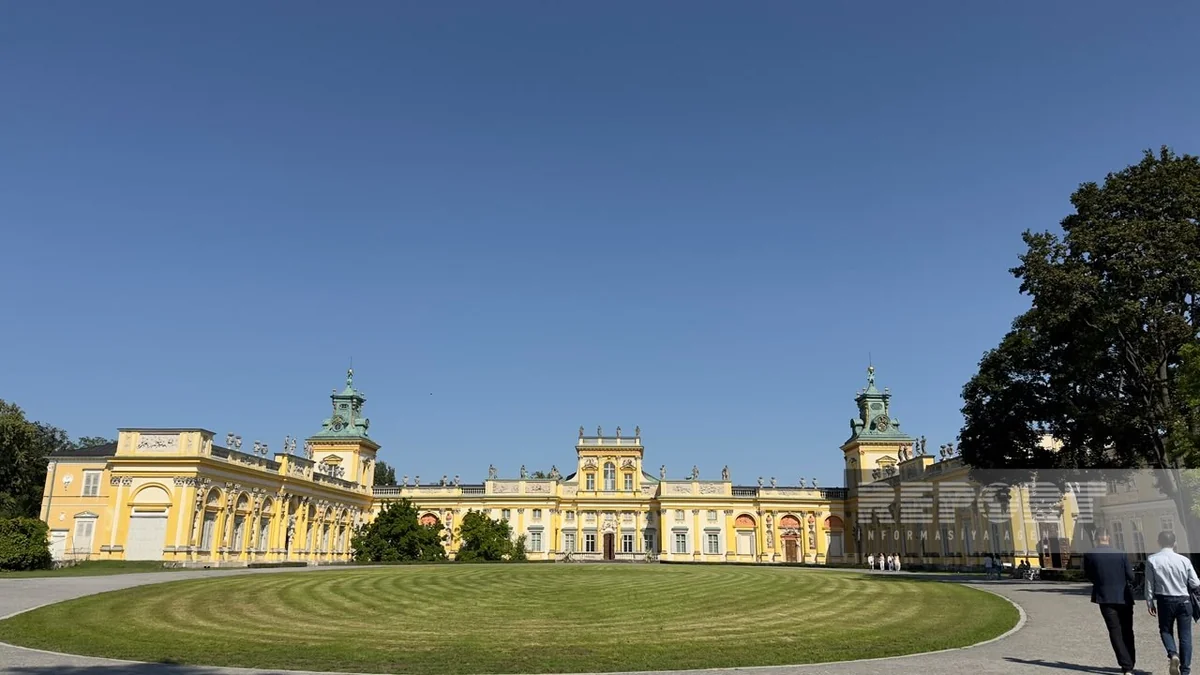
The palace at Wilanów, meanwhile, takes you to an entirely different era. Luxurious interiors, works of art and magnificent gardens allow you to spend a few hours in the world of Polish Baroque and see Poland not only through the prism of wars and tragedies, but also through its cultural grandeur.
That is why it is impossible to imagine a journey through Warsaw without its museums. They do not simply complement a walk through the city; they help explain why, for Poles, memory is as important a part of national identity as language, culture and statehood.
Warsaw's architectural know-how
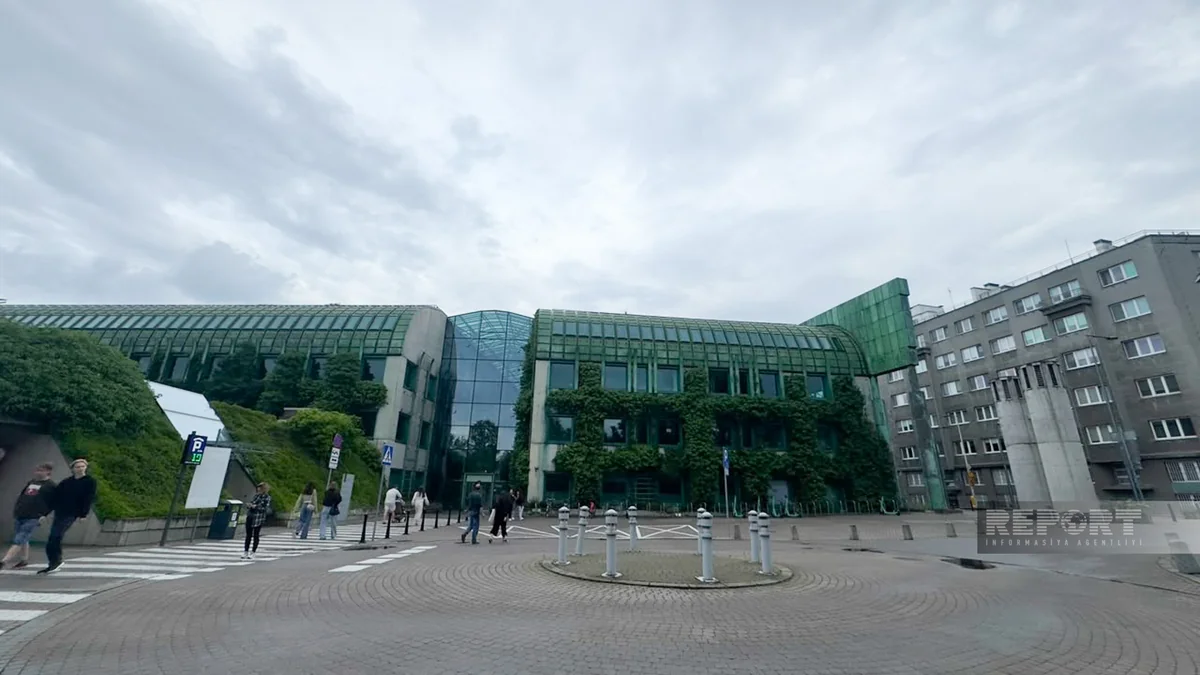
History is history, but Warsaw knows how to surprise not only with restored palaces and old streets. Its modern architecture is no less interesting. One could write a separate article about the new buildings of the Polish capital, but I will focus on one that made a particularly strong impression on me - the University of Warsaw Library.
It is much more than a university library. The building has become a symbol of respect for knowledge, a bold architectural experiment and one of the city's most unusual public spaces. As soon as you enter, you get the feeling that this is a place where you truly want to study. Glass façades fill the space with light, while the walls feature texts and formulas in different languages - as if the very history of human thought has become part of the architecture.
But the real jewel of the library is its famous rooftop gardens. As you climb onto the terraces, literally immersed in greenery, it is hard to believe that you are in the center of a major European city. A panorama of Warsaw opens before your eyes. It is a place where you want to linger, disconnect from the bustle of the city and simply enjoy the view. A true blessing.
Lublin - the intellectual capital of eastern Poland
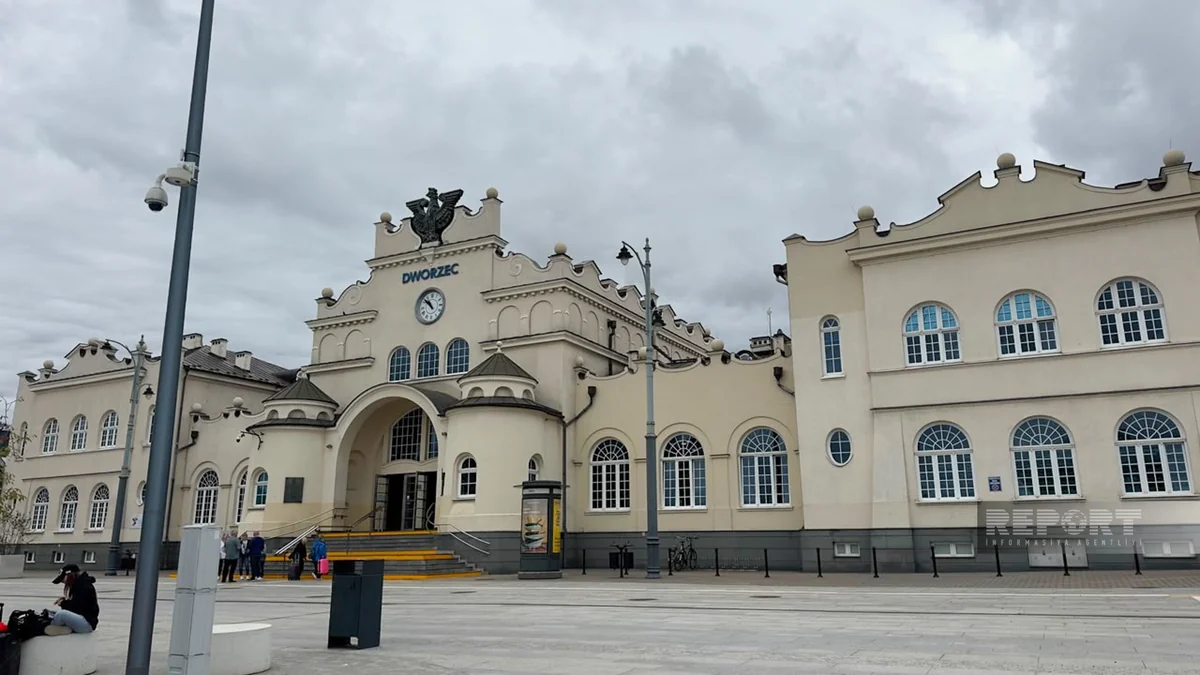
To truly feel Poland, Warsaw alone is not enough. The capital introduces you to the country's modern life, its history and its scale. But once you travel beyond it, a completely different Poland opens up. That is why one day of our journey was devoted to a trip to the east of the country, to Lublin.
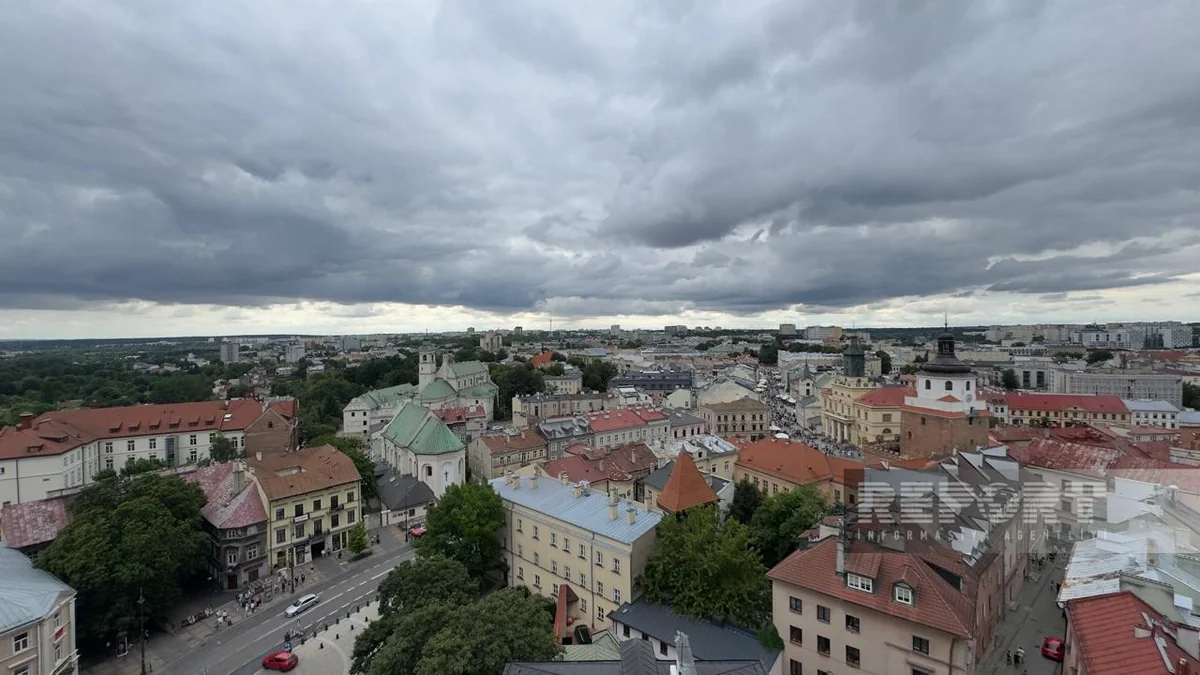
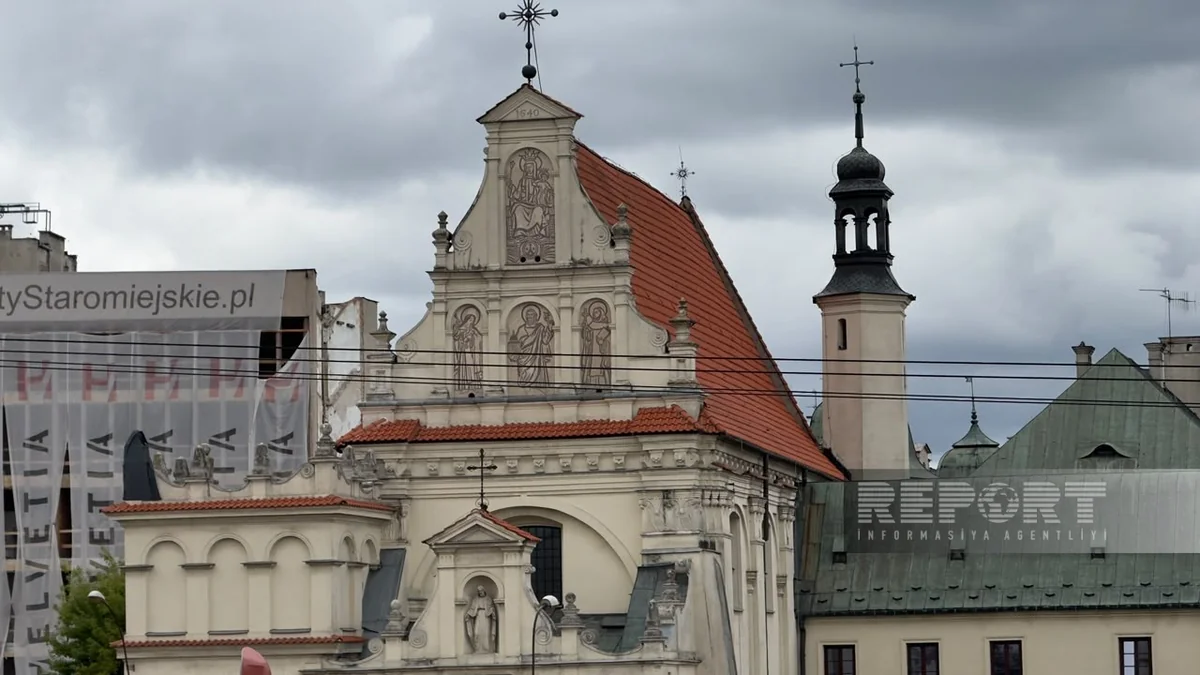
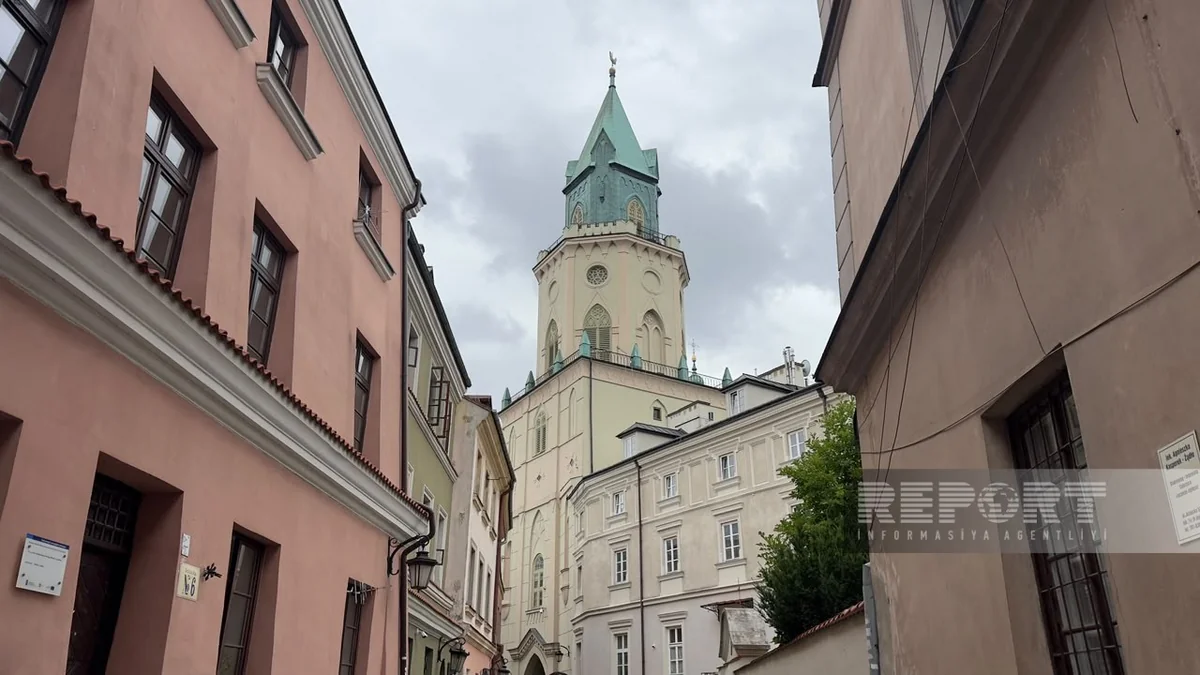
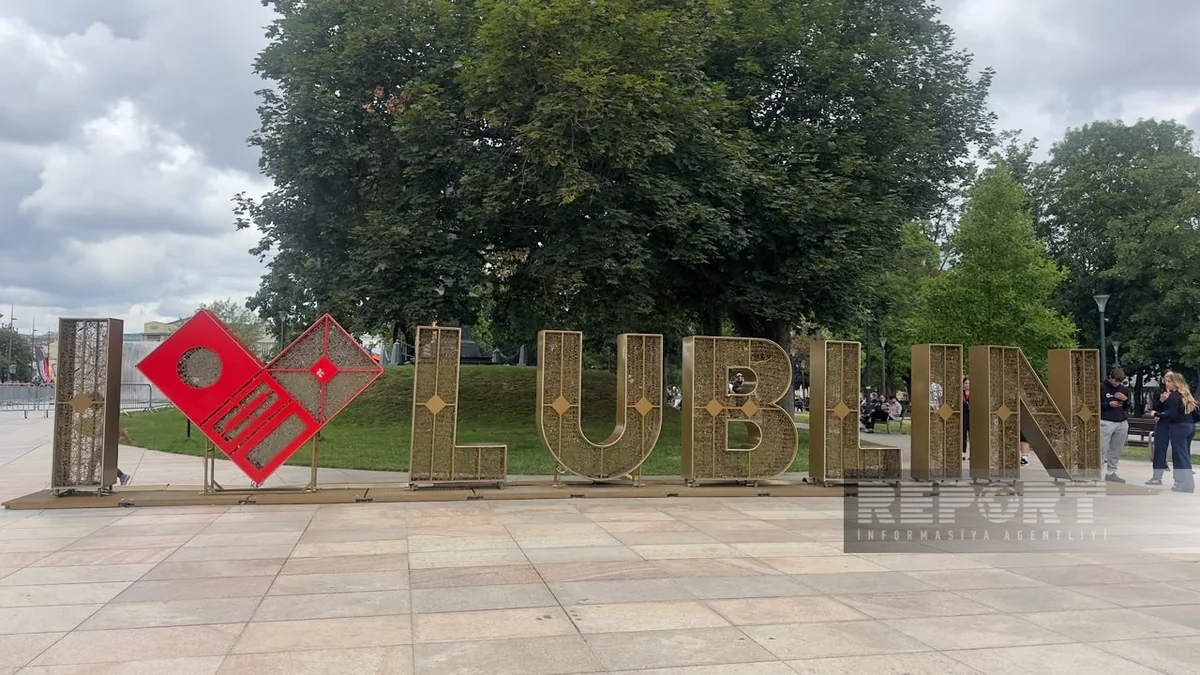
Lublin is one of Poland's oldest cities, with a history of almost 800 years. For centuries, it was an important trade and political center, a meeting place for different peoples, cultures and religions. Today, the city is known for its beautifully preserved Old Town, the majestic Lublin Castle, the Kraków Gate and its many universities. It is no coincidence that Lublin is called the intellectual capital of eastern Poland.
I will admit honestly that when I saw Lublin on the trip program, I did not immediately understand the organizers' choice. Against the backdrop of famous Warsaw, Kraków and Gdańsk, this city is rarely among the first tourist destinations that come to mind. But the moment I found myself on Lublin's old streets, all questions disappeared on their own.
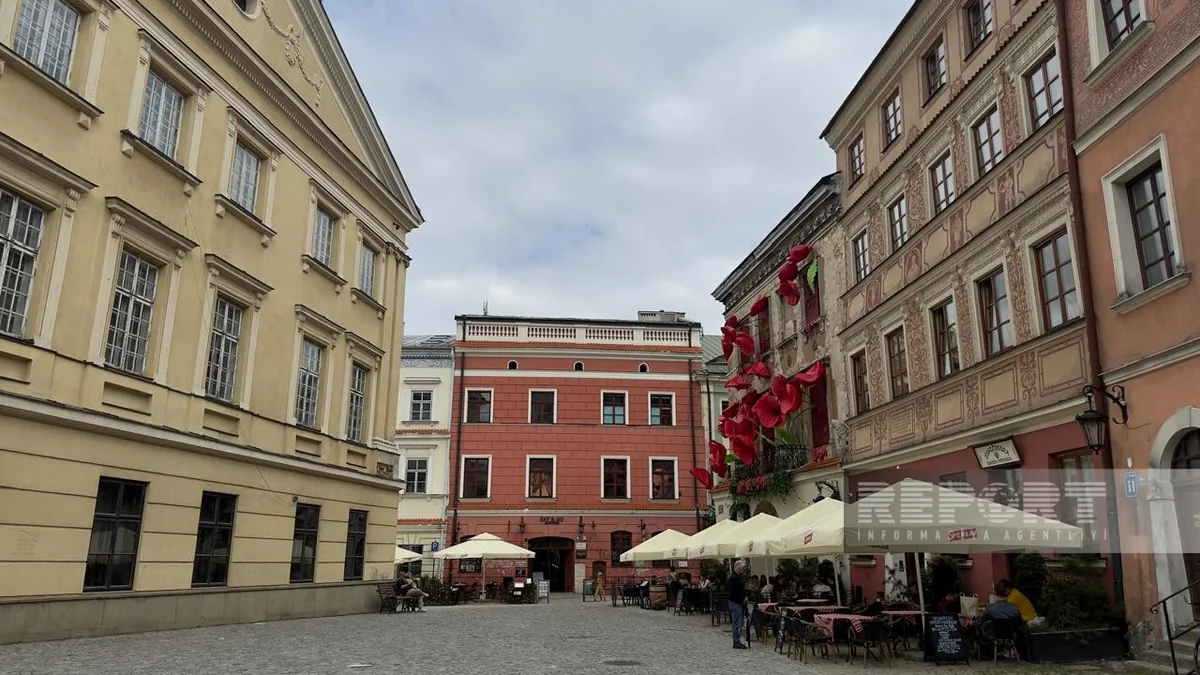
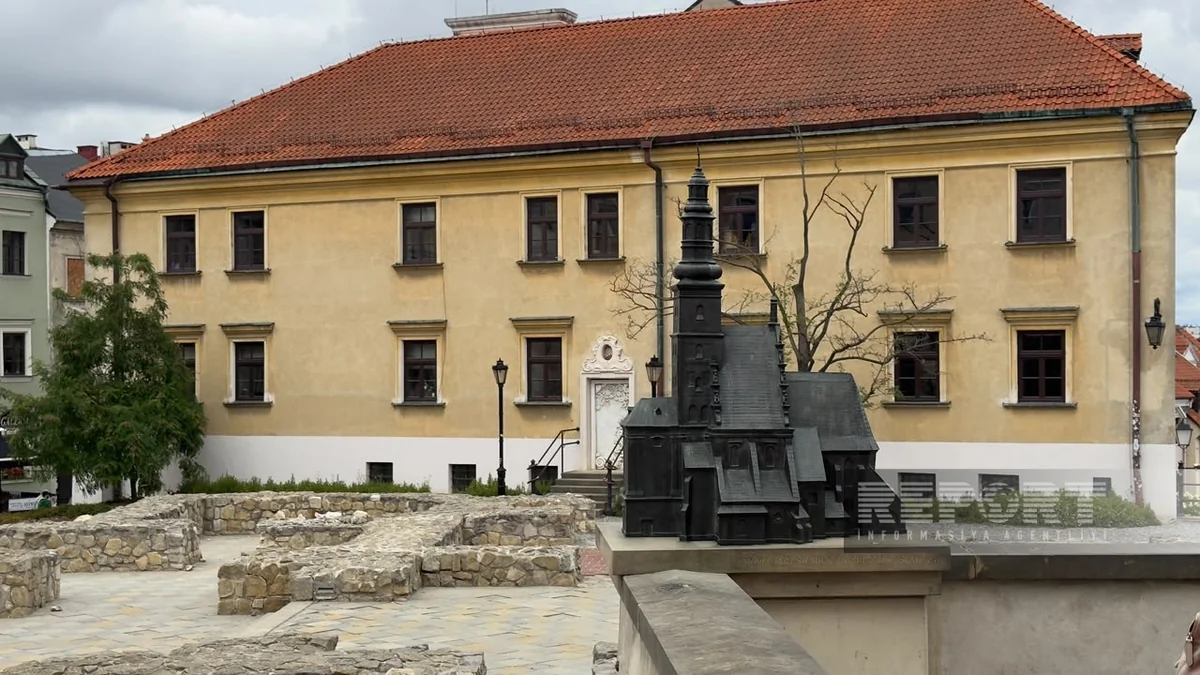
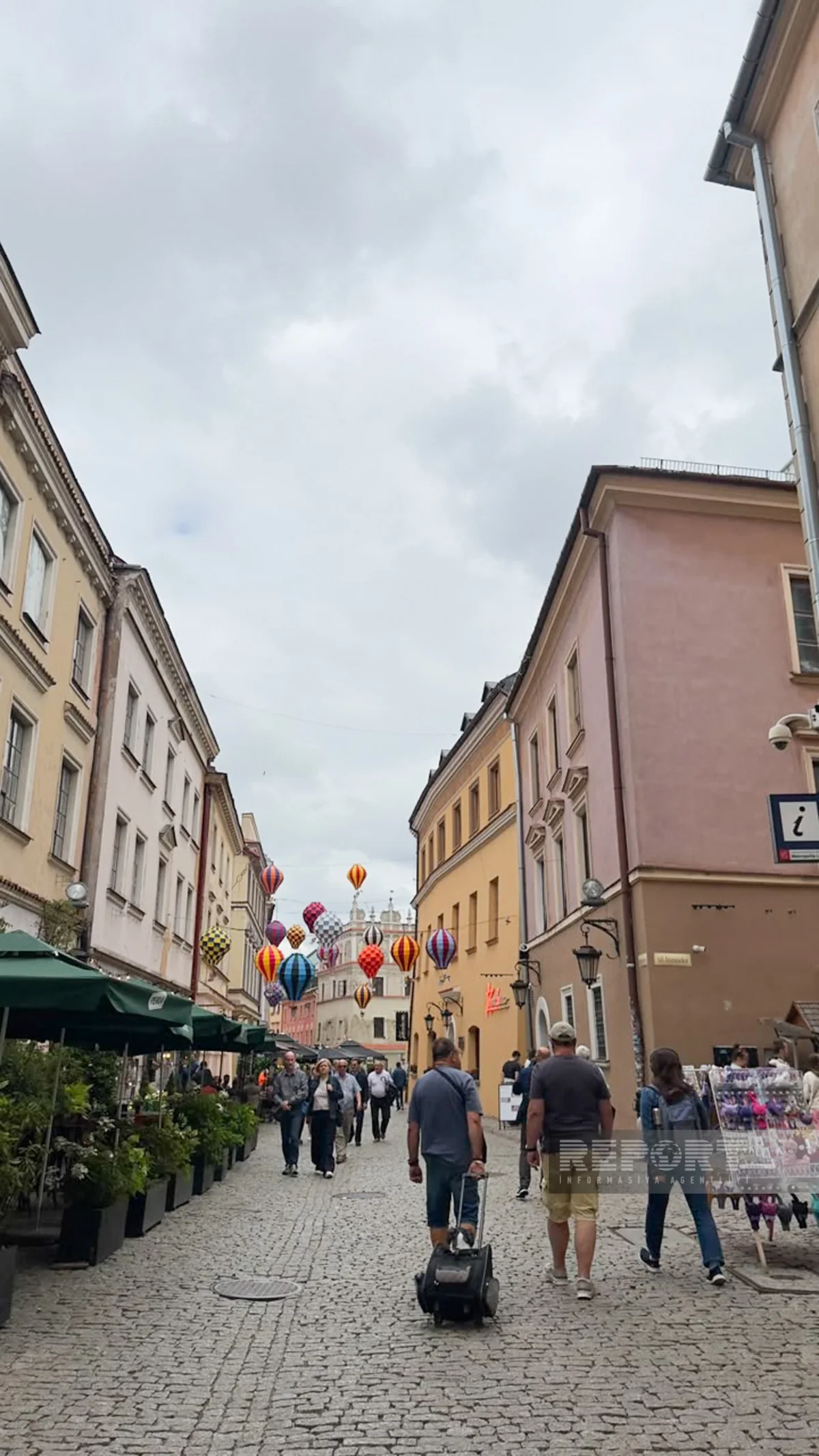
Lublin charms visitors with its narrow streets, colorful house façades, old arches and inner courtyards. There is a feeling that time flows a little more slowly here. History quite literally surrounds you on all sides. It gives the impression of a city that lives a rich modern life while carefully preserving its past.
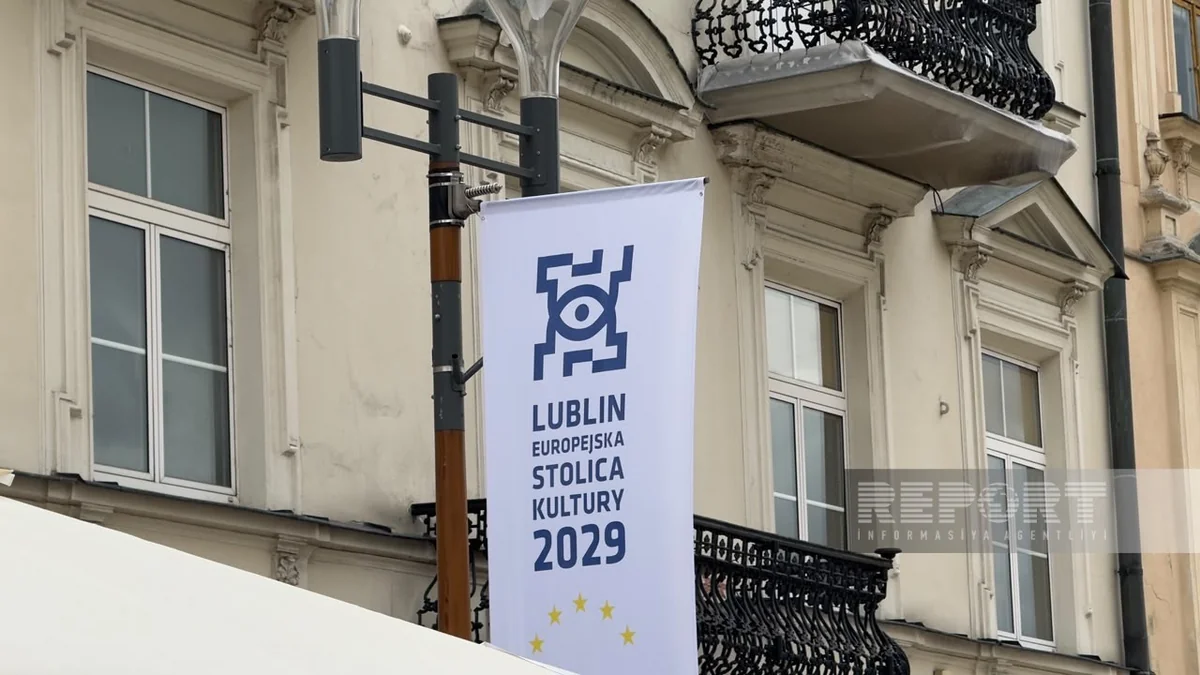
Very soon, this city will have another reason to find itself at the center of Europe's attention. In 2029, Lublin will become the European Capital of Culture - a prestigious status awarded each year to EU cities for their contribution to the development of culture and the arts.
Overall, Poland revealed itself to me not only as a country with a rich and difficult history, but also as a modern, dynamically developing European state that is moving forward while carefully preserving its heritage.
I brought back from this trip much more than photographs and notes for a report. I brought back a sincere admiration for Poland - a country that, like a phoenix, rose from the ashes and proved that even after the hardest trials, it is possible to become stronger.
Author