The tag «Vatican City State» brings together news, official statements, historical background, and analytical materials related to the State of the Vatican City (Lat. Status Civitatis Vaticanae, Ital. Stato della Città del Vaticano) — the smallest sovereign state in the world by both area and population, serving as the spiritual and administrative centre of the Roman Catholic Church. In this section, readers will find information on the governance structure of the Vatican, the activities of the Pope and the Holy See, diplomatic relations with other states, cultural and religious events, as well as news concerning the Vatican's museums, archives, and architectural heritage.
Vatican City is an independent city-state enclosed entirely within the city of Rome, Italy, covering an area of approximately 44 hectares (109 acres), which makes it the smallest internationally recognized independent state in the world. The state was established in 1929 under the Lateran Treaty signed between the Holy See and the Kingdom of Italy, which resolved the long-standing "Roman Question" and formally recognized Vatican sovereignty. Despite its tiny size, Vatican City maintains full attributes of statehood, including its own citizenship, postal service, media outlets, security forces (the Swiss Guard and the Gendarmerie Corps), and diplomatic representation abroad.
The head of state of Vatican City is the Pope, who also serves as the supreme leader of the worldwide Roman Catholic Church. Executive, legislative, and judicial powers in Vatican City are vested in the Pope, who may delegate various functions to the Roman Curia and other Vatican institutions, including the Governorate of Vatican City State, responsible for the day-to-day administration of the territory. Because of this unique dual role, news related to the Vatican often spans both the governance of the city-state itself and the broader religious and diplomatic activities of the Holy See, which, as a subject of international law, is formally distinct from Vatican City but closely intertwined with it.
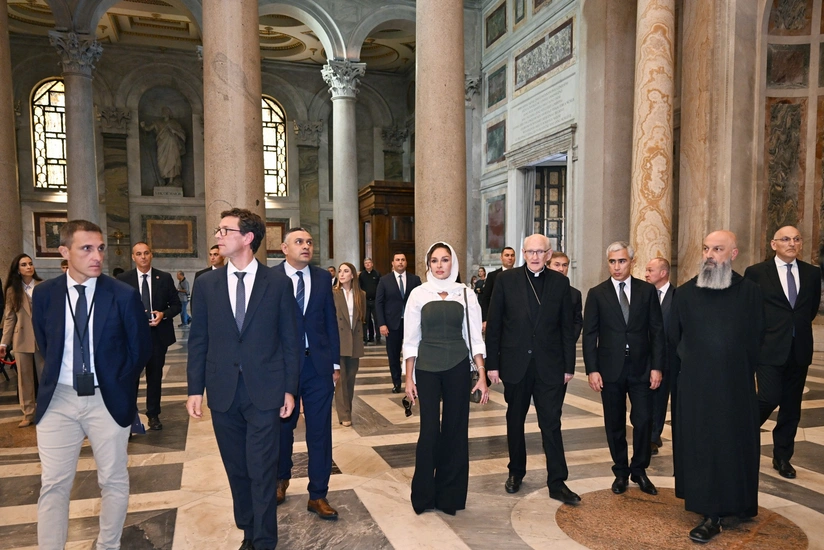
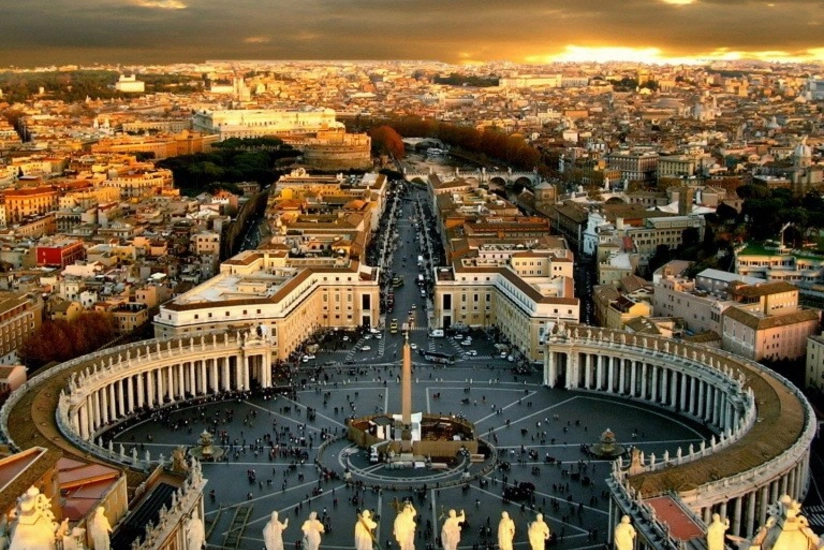
Vatican City is home to numerous landmarks of global cultural and religious significance, including St. Peter's Basilica, St. Peter's Square, the Apostolic Palace, and the Vatican Museums, which house an extensive collection of art and historical artefacts, among them the Sistine Chapel with its renowned ceiling frescoes by Michelangelo. These sites attract millions of pilgrims and tourists annually and are regularly featured in coverage related to major religious holidays, papal ceremonies, canonizations, and public audiences.
In the news agenda, coverage under this tag frequently includes papal elections (conclaves), statements and addresses by the Pope on international and social issues, Vatican diplomacy and its relations with various countries, administrative and financial reforms within Vatican institutions, as well as security-related developments affecting the territory. Given its unique status as both a sovereign state and the centre of a global religious institution, Vatican City also features prominently in discussions of international law, diplomatic protocol, and interfaith relations.
Materials collected under this tag may include news about papal activities and official Vatican statements, reports on diplomatic engagements and international visits, coverage of major religious events and ceremonies held within Vatican City, articles on the administration and governance of the state, as well as historical and reference materials on the Lateran Treaty, Vatican institutions, and its cultural heritage sites.
The Vatican City State theme is of interest to readers following international relations and diplomacy, religious studies scholars, historians, journalists covering the Catholic Church, as well as a broad audience interested in the history, culture, and governance of one of the world's most unique sovereign territories.

 Baku 17° C