An Unmanned Aerial Vehicle (UAV), commonly referred to as a drone, is an aircraft without a human pilot on board, operated either remotely by an operator or autonomously via pre-programmed algorithms.
By 2026, the UAV industry has taken a colossal leap: from heavy, expensive reconnaissance systems to the integration of artificial intelligence, micro-drone swarms, and widespread commercial use. The analytical department of Report.az presents a detailed breakdown of the architecture, classification, and application of unmanned systems in the modern world.
Regardless of their size, most modern UAVs share a similar basic architecture consisting of several critical subsystems:
Airframe (Body): The load-bearing structure, typically made from lightweight composite materials (carbon fiber, Kevlar), which provides aerodynamic properties.
Propulsion System: Electric motors (for compact copters) or internal combustion engines (for heavy, fixed-wing aircraft).
Flight Controller (The Brain): A microprocessor that processes data from sensors (gyroscopes, accelerometers, barometers, GPS/GLONASS) and controls the motors to keep the aircraft stable in the air.
Payload: Electro-optical stations (daylight and thermal imaging cameras), laser rangefinders (LiDAR), communication relays, or weapon systems.
Communication Link: A secure system for transmitting telemetry and video signals between the drone and the Ground Control Station (GCS).
The architecture of a drone determines its flight characteristics and scope of application. There are three main types:
Multirotor (Copters): Aircraft with multiple lifting rotors (quadcopters, hexacopters).
Advantages: Vertical Take-Off and Landing (VTOL), the ability to hover in place, high maneuverability.
Disadvantages: Low speed and short flight duration due to high energy consumption.
Fixed-Wing: Aircraft that use the aerodynamic lift of a stationary wing.
Advantages: High speed, the ability to cover vast distances, and remain airborne for dozens of hours (e.g., Global Hawk strategic drones).
Disadvantages: Require a catapult or a runway for takeoff and landing.
Hybrid (VTOL): Combine the advantages of both types—taking off vertically using rotors and then transitioning to horizontal flight on a wing.
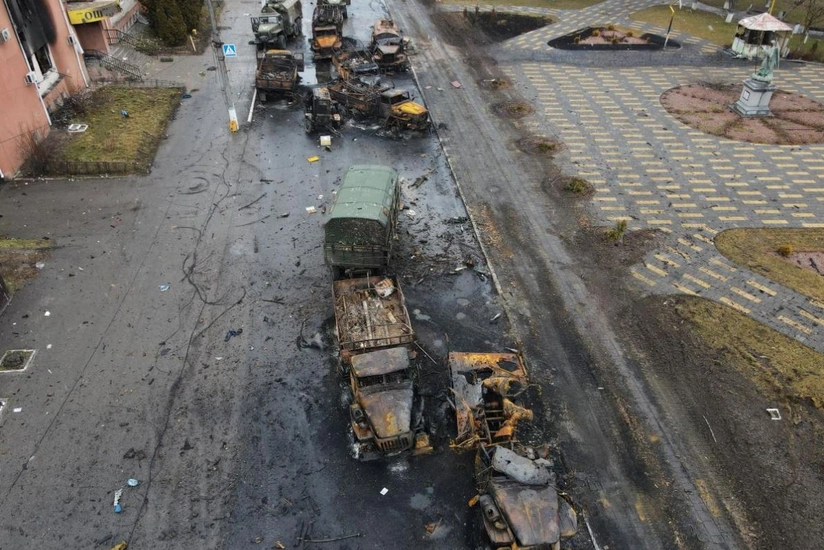
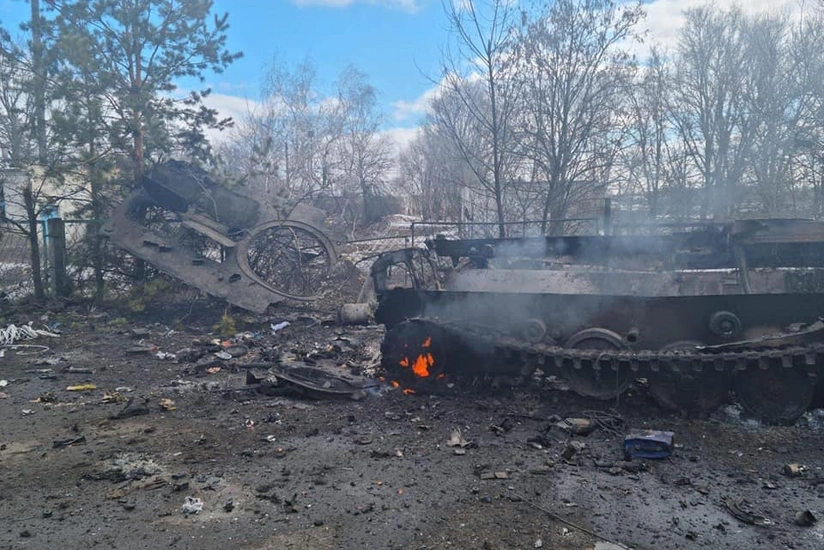
The role of UAVs in armed conflicts has radically transformed. While in the early 21st century drones were used primarily for reconnaissance, today they have become the primary strike tool.
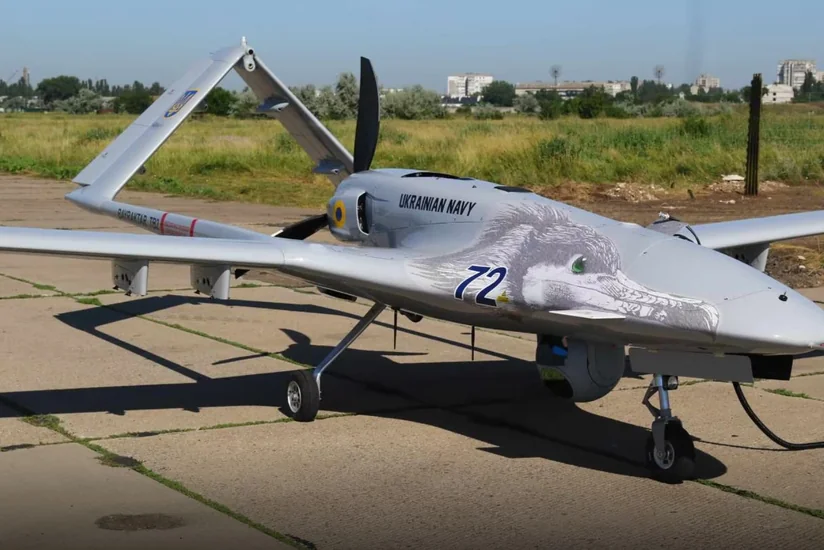
A turning point in the history of military art was the 44-day Patriotic War in the autumn of 2020. Azerbaijan demonstrated to the world a textbook tactic for deploying unmanned aviation. The integration of Bayraktar TB2 reconnaissance and strike complexes with Harop loitering munitions (kamikaze drones) allowed the Azerbaijani Armed Forces to destroy the enemy's layered air defense systems, armored vehicles, and logistics with surgical precision, minimizing personnel casualties.
By 2026, the military evolution of UAVs has reached a new stage:
FPV Drones: Cheap, First-Person View kamikaze drones assembled from commercial components, which have completely altered the tactics of trench warfare.
Swarm Intelligence: Groups of dozens of drones controlled by neural networks that are capable of autonomously assigning targets and coordinating attacks without human intervention.
Beyond the military sphere, UAVs have become an integral part of the global economy:
Infrastructure Monitoring: Fixed-wing drones regularly patrol strategic assets, such as the pipelines of the Southern Gas Corridor, detecting leaks and damage using thermal imagers.
Agricultural Sector: Agrodrones are used for precise multispectral crop analysis and targeted fertilizer spraying, saving farms millions of dollars.
Logistics: Delivering medical supplies to hard-to-reach regions and providing commercial express cargo delivery in major cities.
The era of unmanned aviation is just beginning. In the coming decades, the development of quantum sensors, solid-state batteries, and AI will make UAVs the primary tool for both ensuring national security and driving civil logistics.

 Baku 28° C