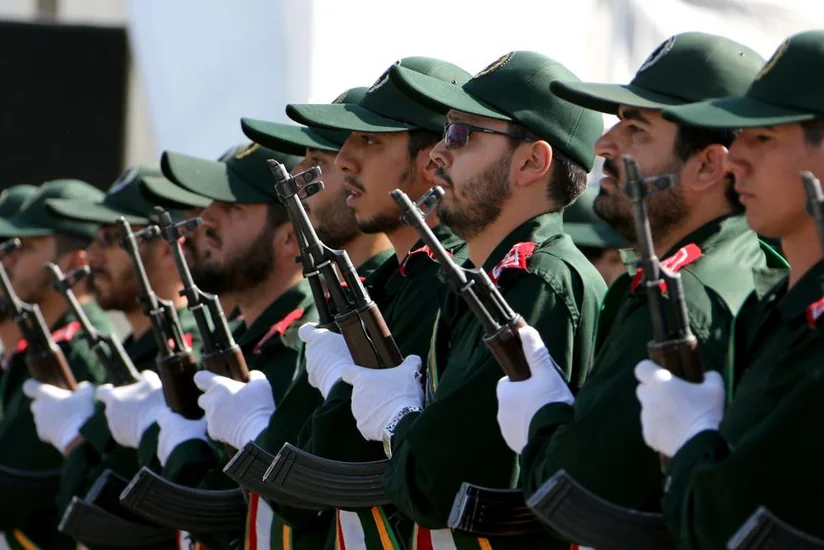
The Islamic Revolutionary Guard Corps (IRGC) is the elite military and political formation of the Islamic Republic of Iran, officially established in 1979 by the decree of Ayatollah Khomeini. Over the decades of its existence, the IRGC has evolved from a revolutionary militia into the most powerful institutional structure in the Middle East. Today, it is not merely an army, but a true "state within a state" that controls strategic weapons, foreign policy, intelligence, and a significant portion of the Iranian economy.
Against the backdrop of the unprecedented escalation in late February 2026 and direct military clashes with the US-Israeli coalition, it is the IRGC that stands as the primary actor on Tehran's behalf. The analytical department of Report.az provides a detailed breakdown of the structure, capabilities, and sphere of influence of this unique organization.
Unlike the regular Iranian army (Artesh), whose traditional mission is to defend the state's borders, the IRGC was created specifically to protect the country's Islamic system from internal and external threats. The Corps is subordinate exclusively to the Supreme Leader of Iran (Ayatollah Ali Khamenei) and possesses its own ground, naval, and aerospace forces. These forces operate parallel to the regular army but vastly surpass it in terms of funding and technological equipment.
The IRGC is a complex mechanism consisting of five main branches, each performing highly specific tasks:
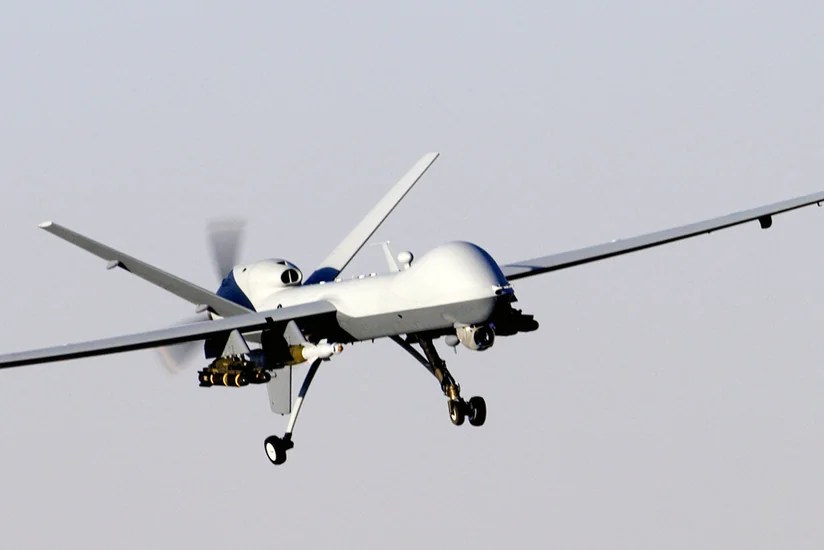
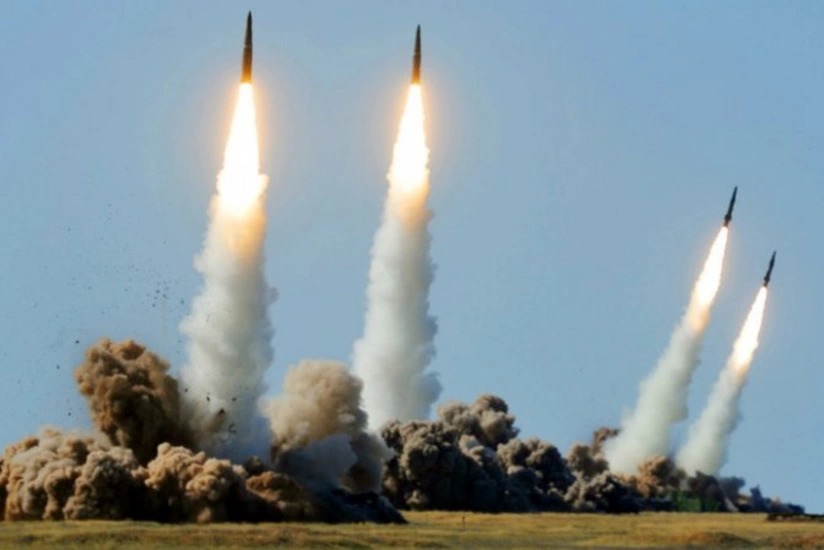
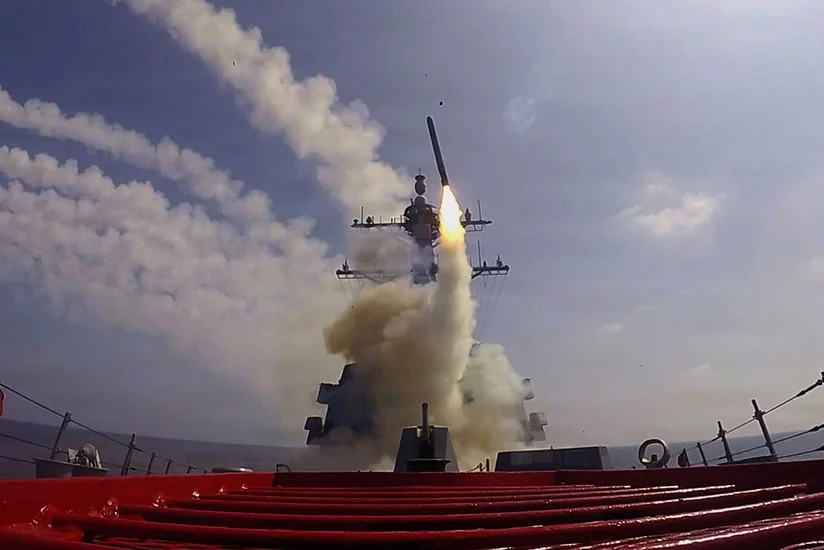
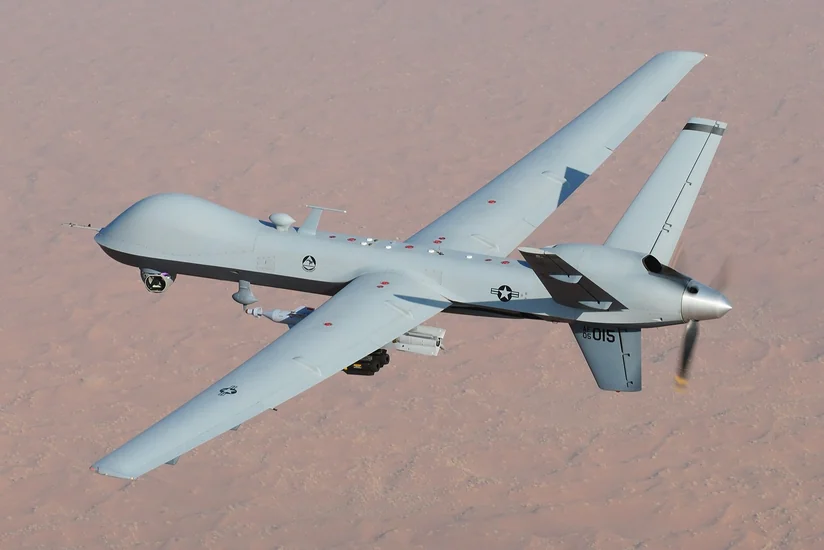
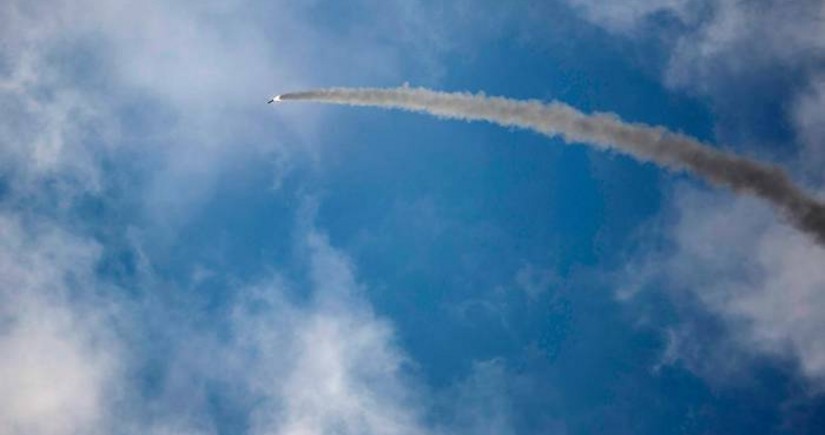
The most critically important component in the realities of modern conflicts. The IRGC AF maintains complete control over Iran's strategic missile program and its arsenal of strike drones. At their disposal are thousands of ballistic and cruise missiles (such as the Fateh, Zolfaghar, Khorramshahr families, and the Fattah hypersonic complexes), capable of reaching any point in the Middle East, including Israeli territory and US military bases. The Aerospace Force also oversees the Iranian space program and the operation of the famous Shahed series UAVs.
The elite within the elite. The Quds Force specializes in unconventional warfare and extraterritorial operations. This unit is responsible for the creation, funding, and coordination of the so-called "Axis of Resistance"—a network of loyal proxy groups. Under their patronage operate Lebanon's Hezbollah, Palestinian Hamas, Yemen's Houthis (Ansar Allah), and Shia militias in Syria and Iraq. It is the Quds Force that projects Iranian influence from the Mediterranean Sea to the Bab el-Mandeb Strait.
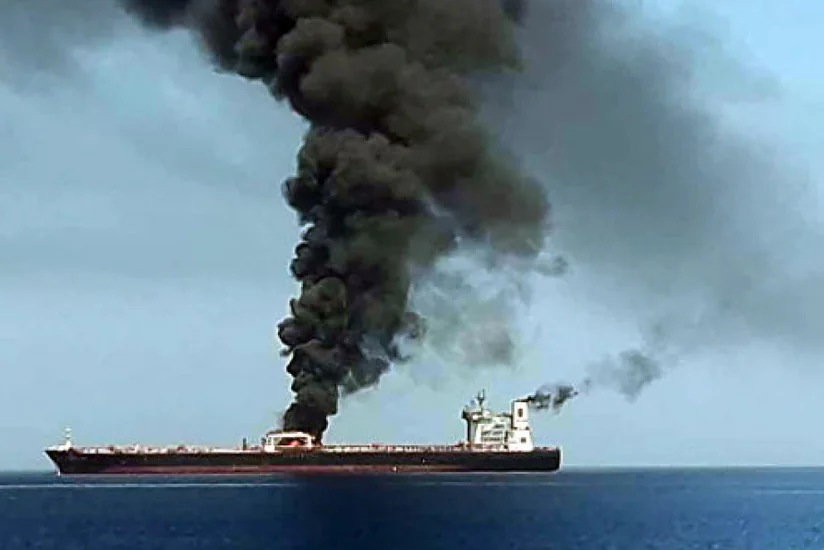
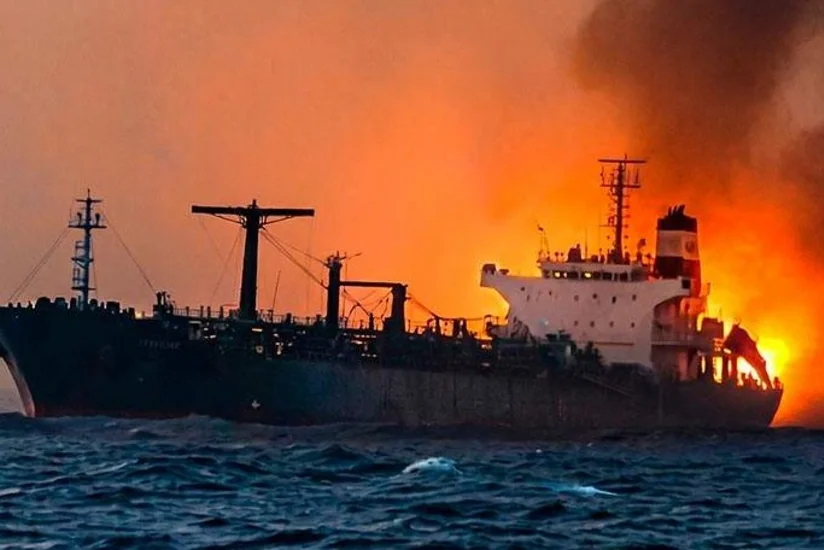
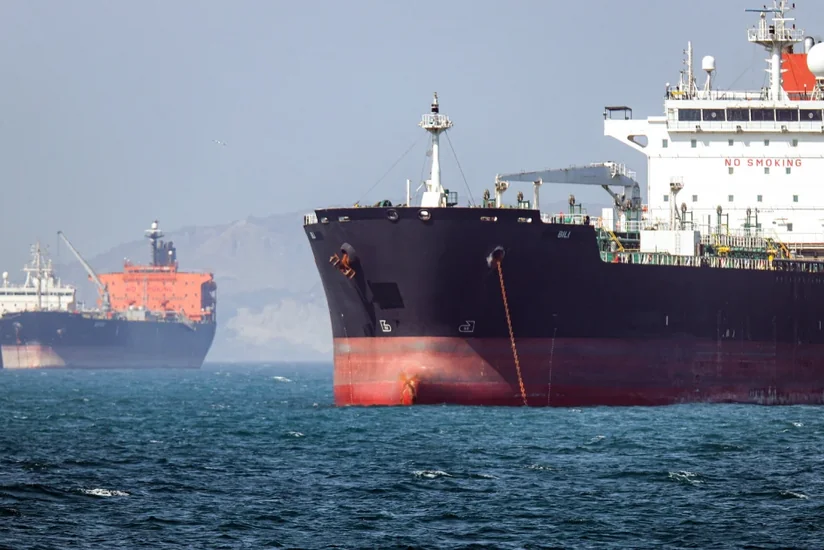
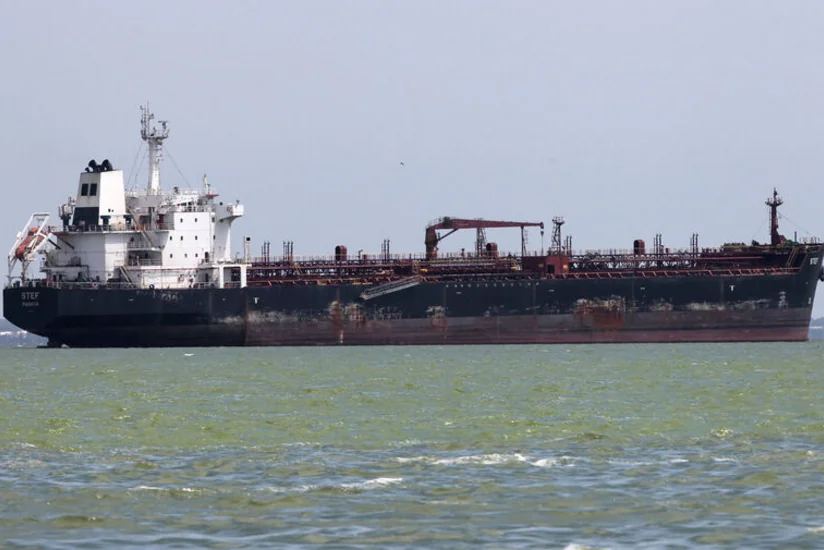
The naval branch of the Corps specializes in asymmetric maritime warfare in the strategically vital Persian Gulf and the Strait of Hormuz. Unlike a traditional "blue-water" navy, they rely on "mosquito fleet" tactics: utilizing hundreds of fast attack craft equipped with torpedoes and anti-ship missiles, naval mines, and unmanned kamikaze drone boats.
The backbone of the Corps' armed forces. They are responsible for internal security, suppressing separatist rebellions (for example, in Baluchestan or Kurdistan), and managing border conflicts.
A paramilitary volunteer militia boasting millions of members nationwide. The Basij serves as a morality police force, a tool for suppressing protests, and a massive mobilization reserve in the event of a full-scale war.
The power of the Corps relies not only on weaponry but also on colossal financial resources. According to international experts, the IRGC directly or indirectly controls between 20% and 30% of Iran's entire economy. Through the Khatam al-Anbiya conglomerate, the Corps has monopolized the country's largest construction, infrastructure, and energy projects, including the development of the South Pars oil and gas fields. This economic autonomy renders the IRGC virtually invulnerable to internal political pressure.
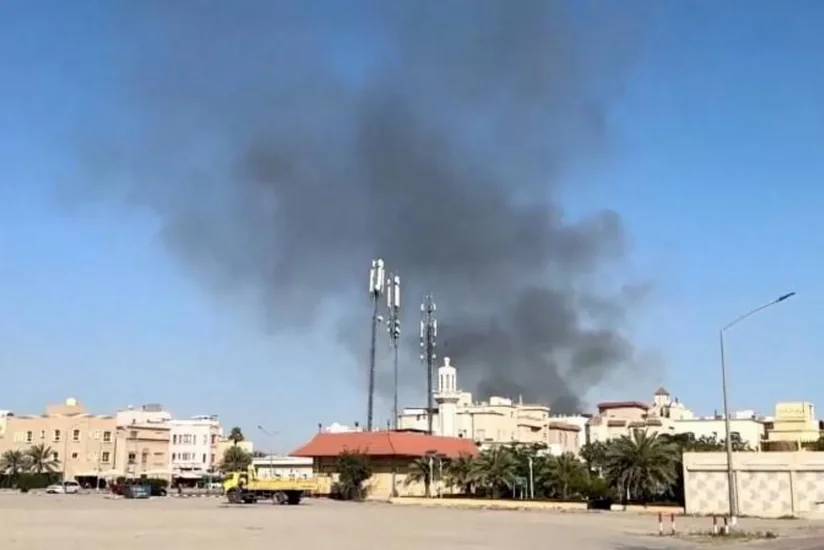
The events of the morning of February 28, 2026, when Israel and the US launched massive strikes on Iranian infrastructure, presented the Islamic Revolutionary Guard Corps with the most severe challenge in its entire history.
IRGC AF missile bases and headquarters in Tehran, Karaj, and Kermanshah became the primary targets of the coalition's preemptive attack. Now, the entire world is waiting to see what the response of IRGC Commander-in-Chief Major General Hossein Salami will be. The military doctrine of the Corps does not tolerate unanswered strikes, maximizing the risk of activating their entire ballistic missile arsenal and launching synchronized strikes by the "Axis of Resistance" forces against American and Israeli targets.
Today, the Islamic Revolutionary Guard Corps is not just a tool of regional policy; it is a force capable of fundamentally altering the geopolitical landscape of all of Eurasia with a single decision.

 Baku 27° C