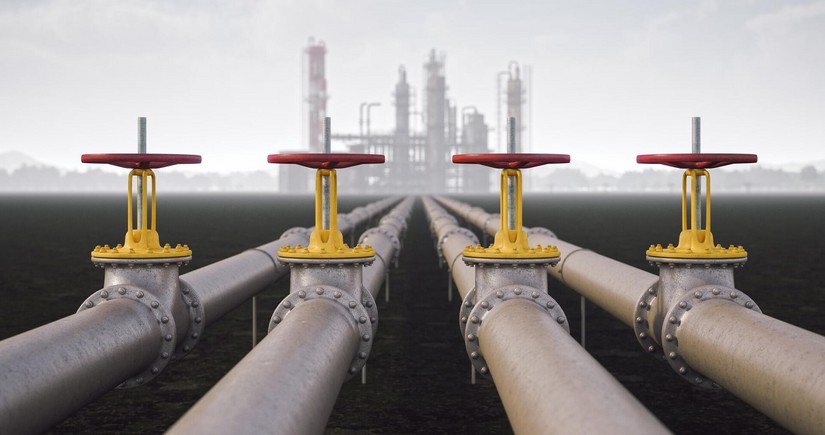
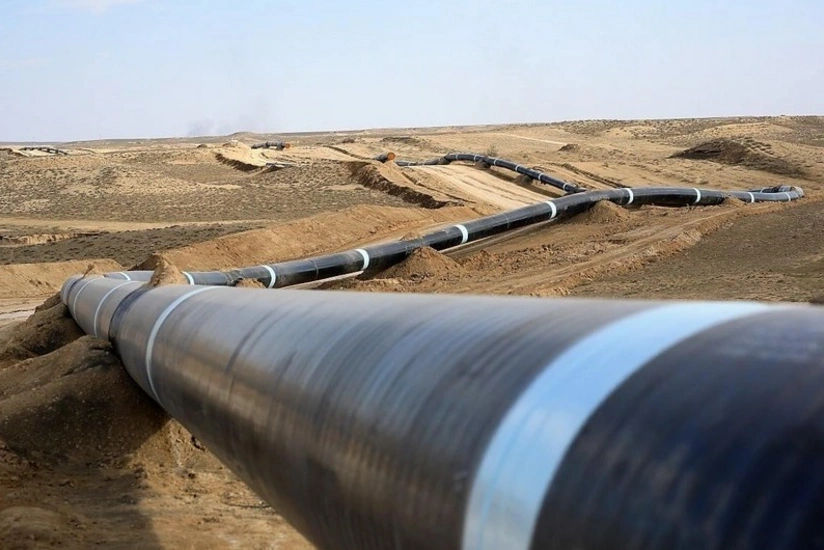
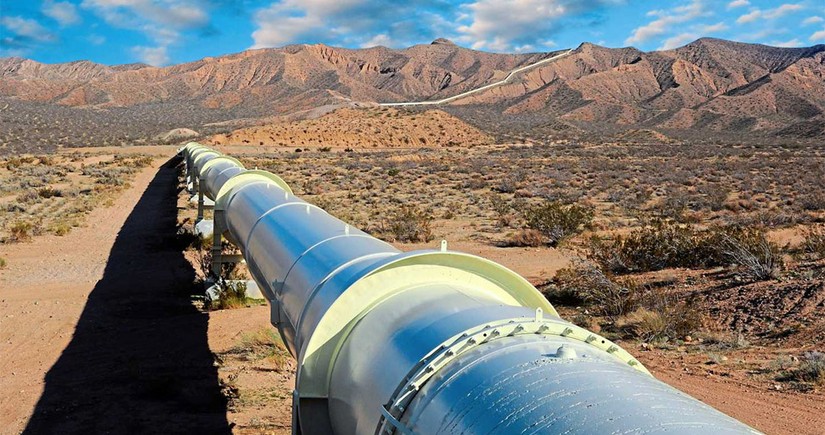
The Trans-Anatolian Natural Gas Pipeline (TANAP) is the central link of the Southern Gas Corridor (SGC), facilitating the transportation of natural gas from Azerbaijan’s Shah Deniz field across the entire territory of Türkiye to the European borders. In 2026, amidst the global restructuring of energy markets, TANAP has firmly established itself as one of the most reliable and strategically vital routes on the Eurasian continent.
Spanning 1,850 kilometers, the pipeline begins at the Türkiye-Georgia border (Posof) and concludes at the Türkiye-Greece border (Ipsala), where it connects to the Trans-Adriatic Pipeline (TAP).
Key Project Characteristics:
Pipe Diameter: 56 inches (1,420 mm) on the main section and 48 inches for the subsea crossing of the Dardanelles Strait.
Investment: Approximately $7 billion, making it one of the largest infrastructure projects in the region.
Shareholders: Southern Gas Corridor CJSC (Azerbaijan) — 51%, SOCAR Turkey — 7%, BOTAŞ (Türkiye) — 30%, and BP — 12%.
The primary focus of 2024–2026 has been the implementation of the memorandum between Azerbaijan and the European Union to double gas supplies by 2027.
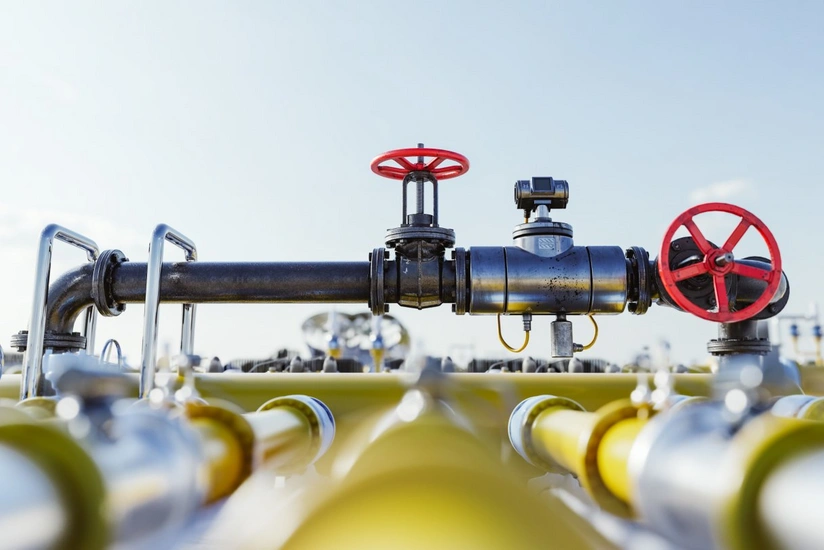
In 2026, TANAP is in an active phase of capacity building. Through the installation of new compressor stations and the modernization of existing nodes, the pipeline’s throughput capacity is steadily advancing toward its design target of 31 billion cubic meters (bcm) per year. This will allow Azerbaijan to not only meet the rising domestic demand within Türkiye but also significantly increase export volumes to Italy, Greece, Bulgaria, and other countries in Eastern Europe.
TANAP is more than just a pipeline; it is a geopolitical tool for stability. A comparison of the route’s efficiency in 2026 reveals its growth:
Parameter Initial Phase (2018) Current Status (2026) Target Metric (2027+) Flow Volume 16 bcm ~24 bcm 31 bcm Compressor Stations 2 5 (Modernized) 7 Share in Turkish Imports ~12% >20% High StabilityFor Baku, TANAP is a symbol of economic independence and successful multi-vector diplomacy. President Ilham Aliyev has repeatedly emphasized that TANAP is a joint victory for Azerbaijan and Türkiye, one that has effectively redrawn the energy map of the world.
In March 2026, experts at Report.az noted that the uninterrupted operation of the pipeline, even during periods of high global turbulence, has proven Azerbaijan’s exceptional reliability as a supplier. Gas from the Caspian Basin has become a "green" alternative to coal for many European nations, assisting them in meeting their decarbonization goals.
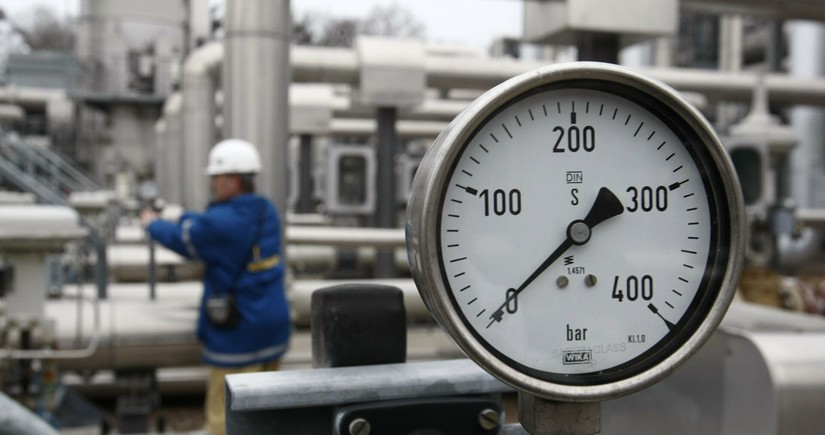
In 2026, TANAP operations utilize advanced AI systems for leak monitoring and pressure control. The project complies with the most stringent EU environmental standards, while social programs supporting local communities and biodiversity preservation continue to be implemented along the pipeline route.
TANAP is success embodied in steel. In 2026, it remains the primary artery fueling Türkiye's industry and providing warmth to millions of European homes. Through TANAP, Azerbaijan reaffirms its role as the "energy bridge" connecting East and West for decades to come.

 Baku 29° C