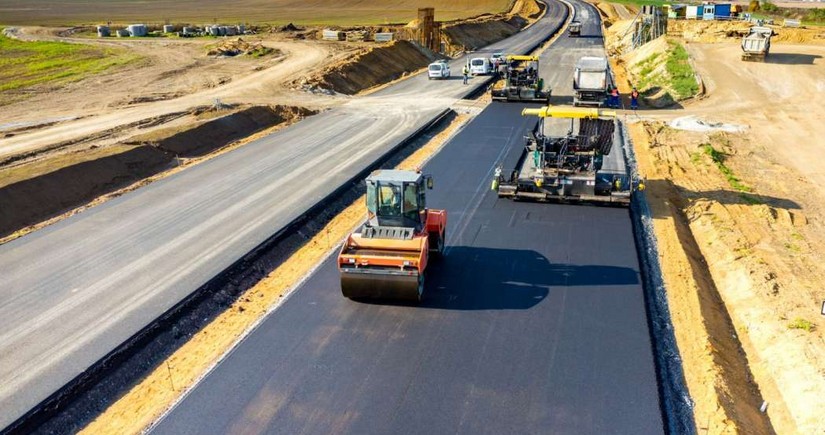
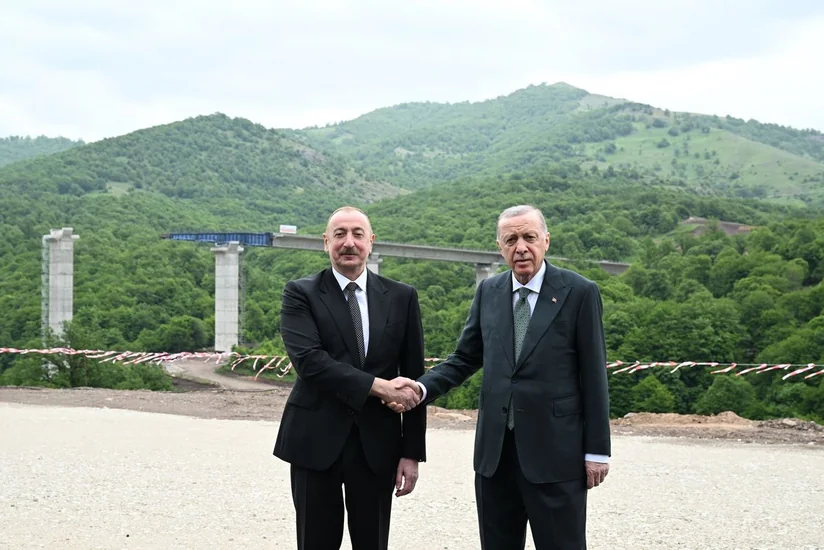
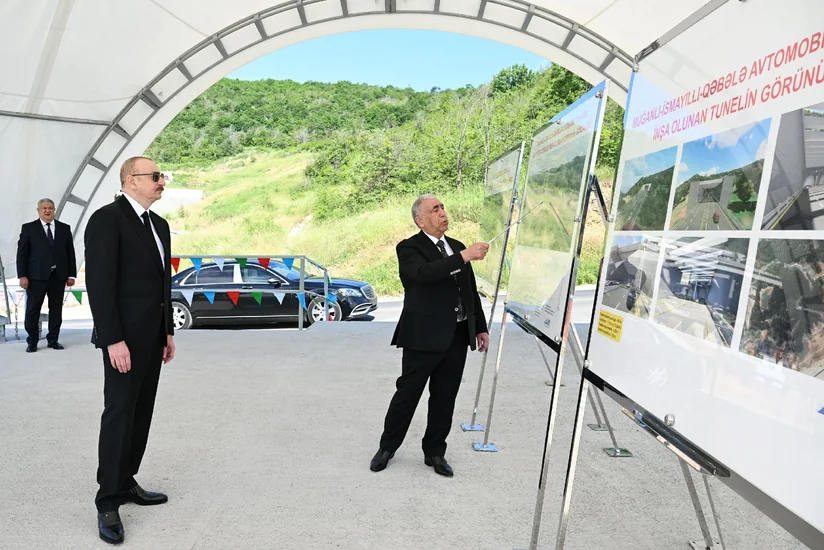
The State Agency of Azerbaijan Automobile Roads (AAYDA) is the central authority responsible for the design, construction, operation, and modernization of the country's road infrastructure. By the spring of 2026, the Agency has de facto become a key instrument for realizing official Baku's geo-economic ambitions, transforming Azerbaijan into the indispensable transit hub of Eurasia.
Amidst the paralysis of traditional global logistics routes (the blockade of the Red Sea and mounting tensions in Eastern Europe), the quality and throughput capacity of Azerbaijani highways have acquired the status of a global economic security issue.
The analytical department of Report.az identifies three main directions where the Agency's multi-billion dollar investments and colossal technological resources are currently concentrated:
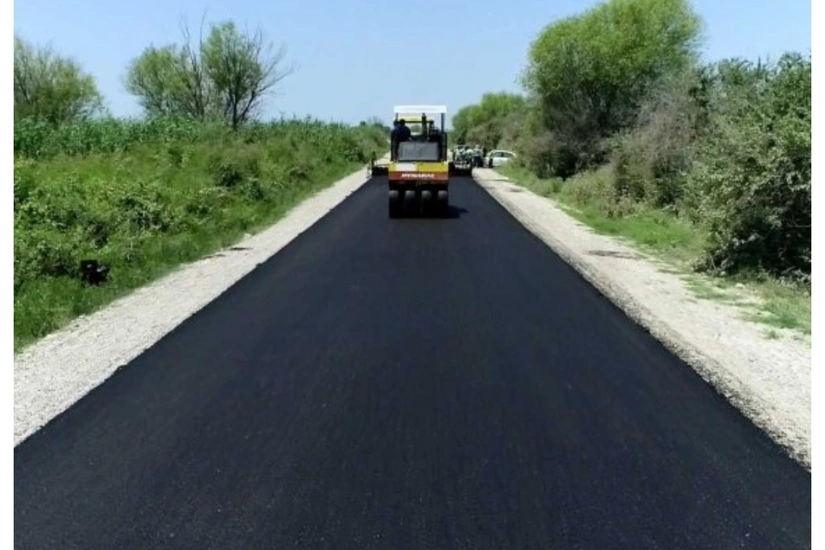
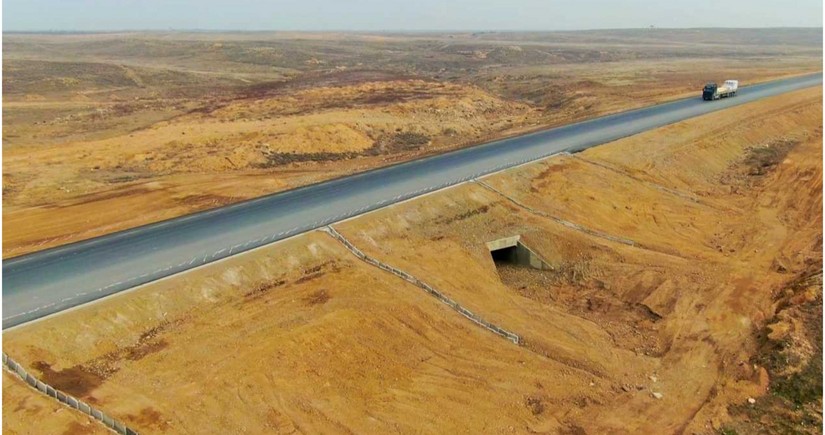
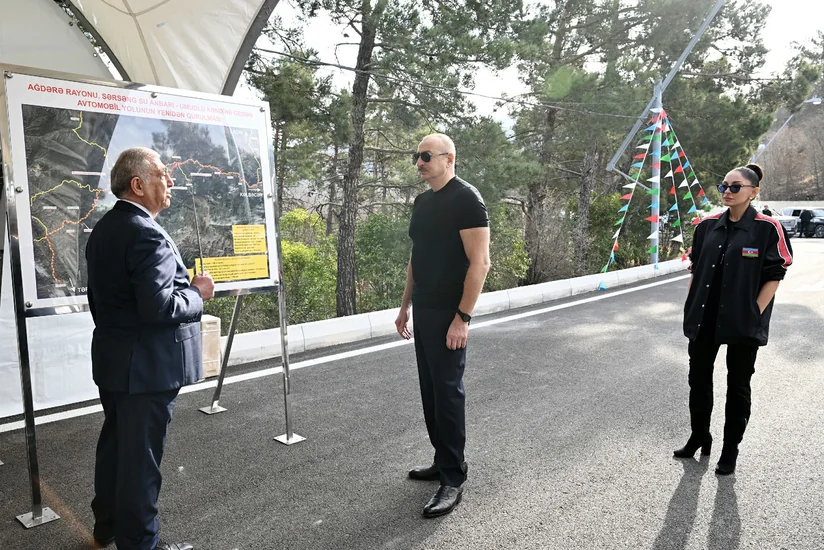
Road construction in the liberated territories remains an absolute priority for AAYDA. The Agency is implementing projects in the most challenging terrain conditions, running in parallel with a large-scale demining process. This road network not only ensures the return of former internally displaced persons but also fully integrates the region into the national economy.
Key Project Strategic Significance Current Status (2026) Horadiz – Jabrayil – Zangilan – Aghband Highway The overland backbone of the Zangezur Corridor. Provides access to the Armenian/Iranian border to connect with Nakhchivan and Turkey. Main construction works completed; multimodal logistics hubs are operational. Ahmadbeyli – Fuzuli – Shusha Highway The main transport artery connecting the cultural capital with the international airport in Fuzuli and the rest of the country. Fully commissioned, including a system of modern overpasses and tunnels. Toghana – Kalbajar – Istisu Road Providing year-round access through mountain ranges (Murovdag tunnel) to the strategic heights and the tourism/balneological potential of Kalbajar. In active operation; rapid development of roadside tourism infrastructure.To intercept cargo flows traveling from Asia to Europe, AAYDA has completed a deep modernization of international transport arteries.
Toll Highways: The successful launch of the first toll highway—Baku – Guba – Russian border—proved the economic viability of this model. In 2026, AAYDA is actively implementing contactless payment systems (Free Flow) and plans to expand the commercial road network southward (Baku – Astara – Iranian border), which radically reduces transit times for freight trucks.
The 2026 iteration of AAYDA is actively moving away from outdated Soviet construction standards.
The implementation of Weigh-in-Motion (WIM) systems — automated complexes for controlling the weight and dimensions of moving trucks, preventing the destruction of asphalt by overloaded freight vehicles.
The integration of an intelligent lighting control and weather monitoring system (providing ice and fog warnings), fully connected to a unified dispatch center in Baku.
Investments in AAYDA yield a powerful multiplier effect for the entire Azerbaijani economy:
Job Creation: The Agency and its contractors are among the largest employers in the country, providing stable work for tens of thousands of engineers, builders, and logistics specialists.
Non-Oil Sector Growth: High-quality roads significantly reduce transport costs for the agro-industrial complex and stimulate domestic tourism, which directly increases the country's GDP outside the oil and gas sector.
The activities of the State Agency of Azerbaijan Automobile Roads in 2026 are a clear demonstration of how asphalt and concrete are converted into geopolitical influence. By creating a modern, sustainable, and high-speed road network, Baku has definitively secured its status as the primary crossroads between Europe and Asia.

 Baku 32° C