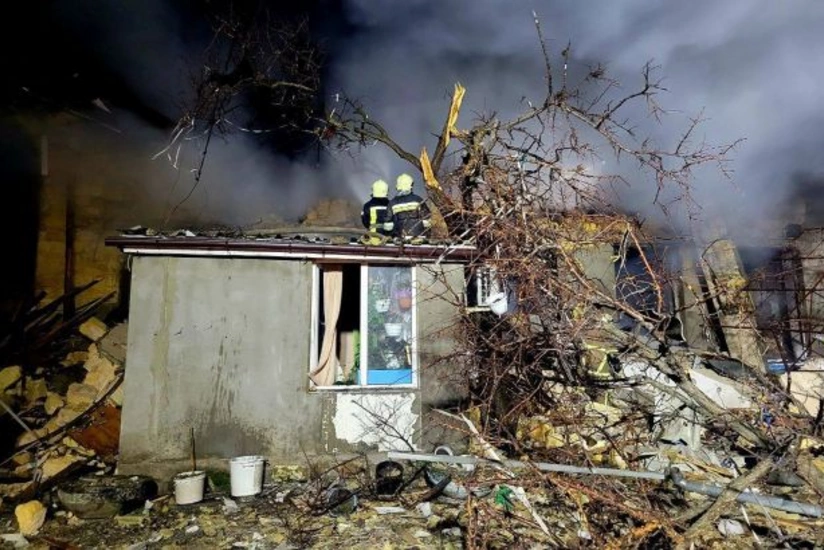
Shahed (translated from Persian as "witness" or "martyr") is a family of Iranian unmanned aerial vehicles developed by the HESA company. The most famous and mass-produced representative of the lineup is the Shahed-136 model, classified as a loitering munition (kamikaze drone).
In the realities of the large-scale Middle East conflict in the spring of 2026, "Shaheds" have become the primary instrument of Tehran's asymmetric warfare. They allow for massive strikes on enemy infrastructure across vast distances, deliberately overloading advanced air defense systems.
The secret to the Shahed-136's effectiveness lies not in high technology, but in its intentional absence. This weapon is designed to be as cheap to produce as possible (estimated cost ranges from $20,000 to $50,000 per unit) and is assembled from readily available commercial components.
Key Design Features:
Aerodynamic Layout: Built on a "flying wing" (delta shape) design, which provides good flight characteristics with minimal structural weight. The hull materials are predominantly lightweight plastic and carbon fiber.
Propulsion System: Equipped with a simple two-stroke piston engine (often a copy of the German Limbach L550E or the Chinese Mado MD-550) driving a wooden pusher propeller. It is the characteristic loud buzzing sound of this motor in flight that earned the drone the popular nicknames "moped" or "lawnmower."
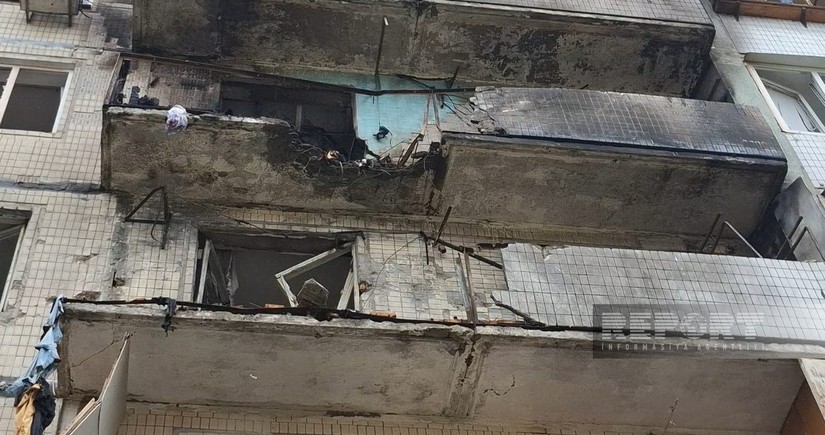
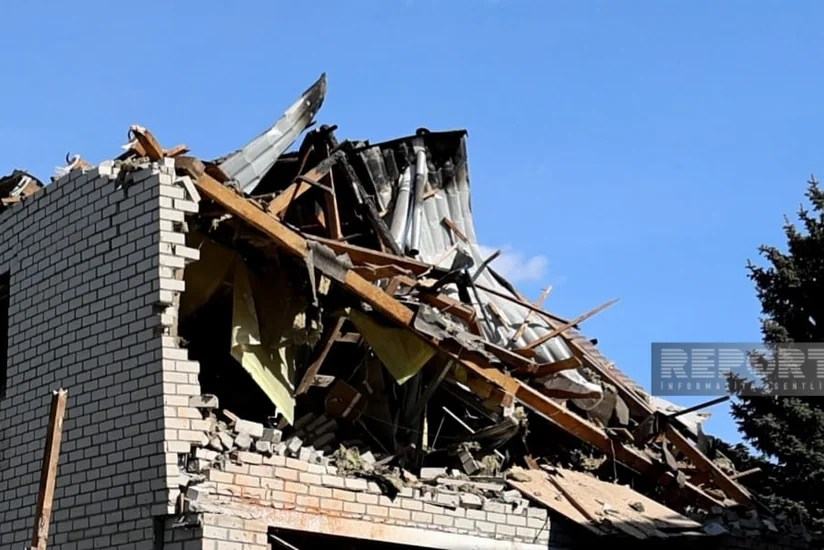
Warhead: Carries between 40 to 50 kg of explosives located in the nose of the aircraft. Upon hitting the target, the drone detonates, causing severe damage to buildings and lightly armored vehicles.
Guidance System: The UAV is autonomous. The GPS/GLONASS coordinates of a stationary target are programmed into it in advance. In the event of losing the satellite signal due to electronic warfare (EW) jamming, the drone continues its flight using an inertial navigation system (INS), although its accuracy drops significantly as a result.
The Shahed-136 is not designed to hunt moving targets. Its primary mission is the destruction of stationary energy, port, and military infrastructure.
Iranian tactics are built on the concept of oversaturation:
Mass Launch: Drones are launched in volleys from camouflaged, container-type launchers (often disguised as ordinary commercial trucks). A single volley can contain anywhere from 5 to 20 units.
Ultra-Low Altitude Flight: The devices fly at altitudes of 50 to 200 meters, hugging the terrain, which makes them an incredibly difficult target for early warning radars.
Economic Exhaustion: The main goal of launching a "swarm" of cheap Shaheds is to force the enemy to expend highly expensive anti-aircraft missiles on their interception (which can cost several million dollars each), thereby depleting the air defense arsenal before a heavier ballistic missile strike.
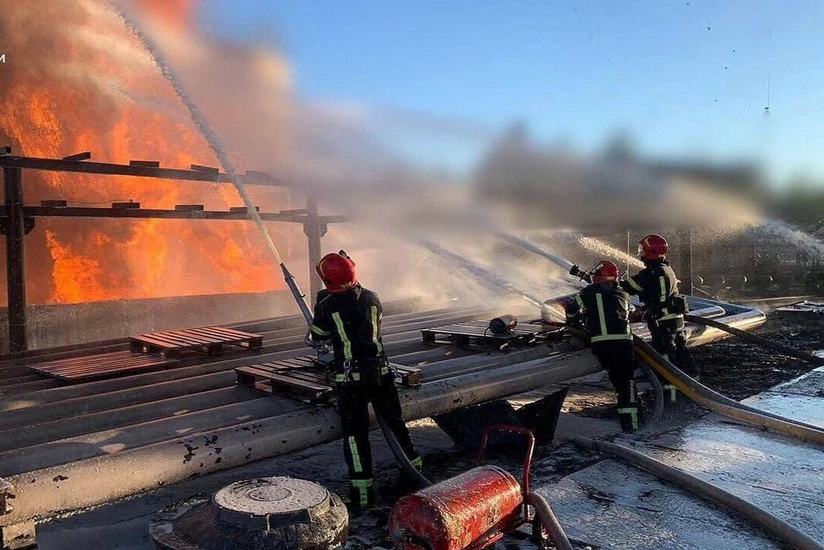
Against the backdrop of massive strikes by the US-Israeli coalition on Iran in March 2026, Tehran initiated the massive deployment of its loitering munitions as part of its retaliatory measures.
The autonomous flight characteristics of these UAVs create colossal risks for neighboring, neutral states. As demonstrated by the March 5, 2026 incident near the Nakhchivan airport, the intense use of powerful electronic warfare (EW) systems in the region leads to the suppression of GPS signals. As a result, "Shaheds" veer off course, turning into unguided, "blind" projectiles that threaten the civilian infrastructure of sovereign countries hundreds of kilometers away from the main combat zones.

 Baku 23° C