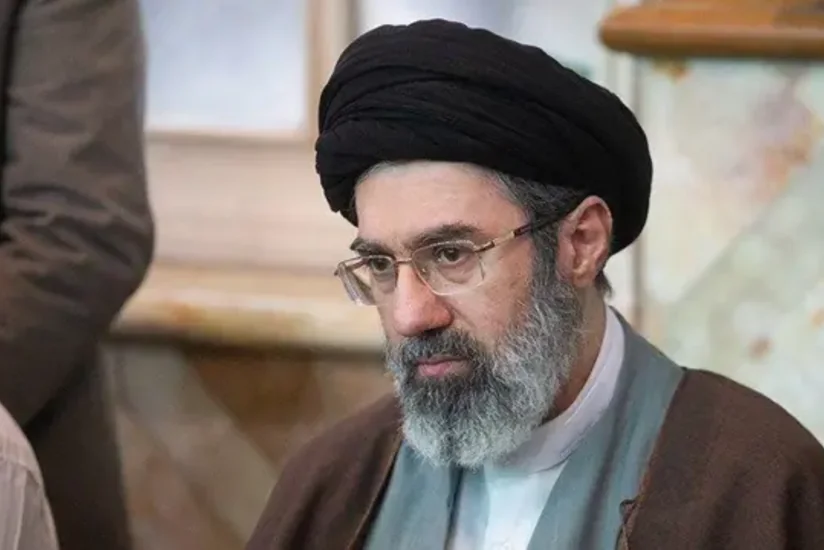
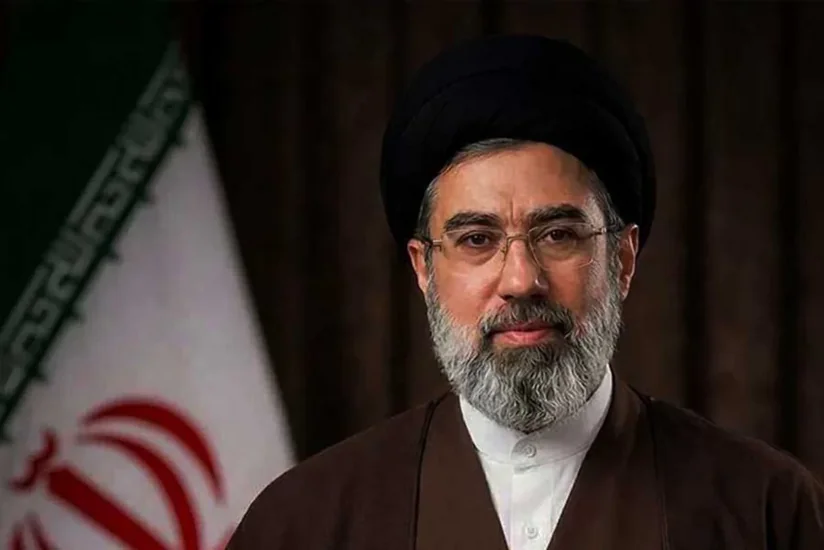
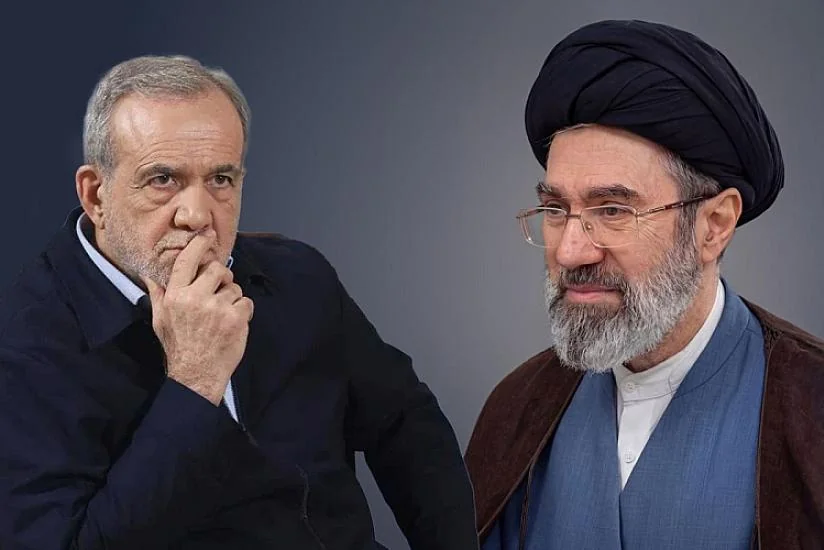
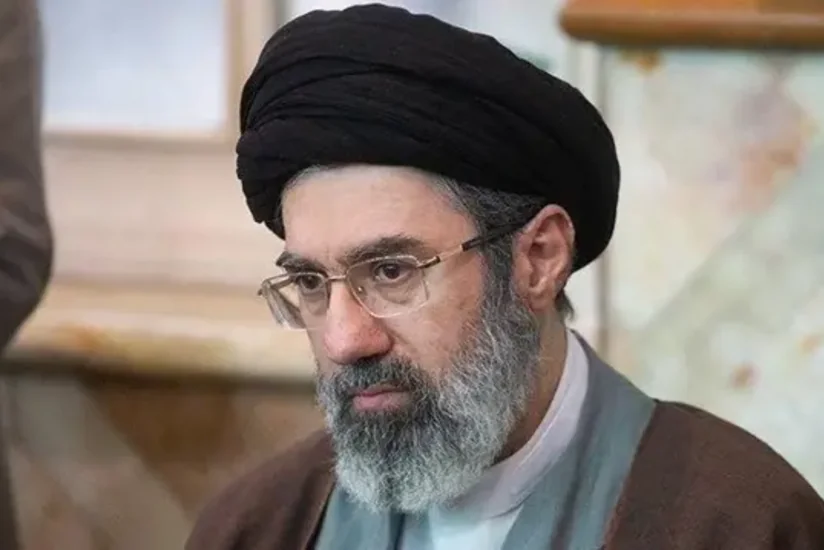
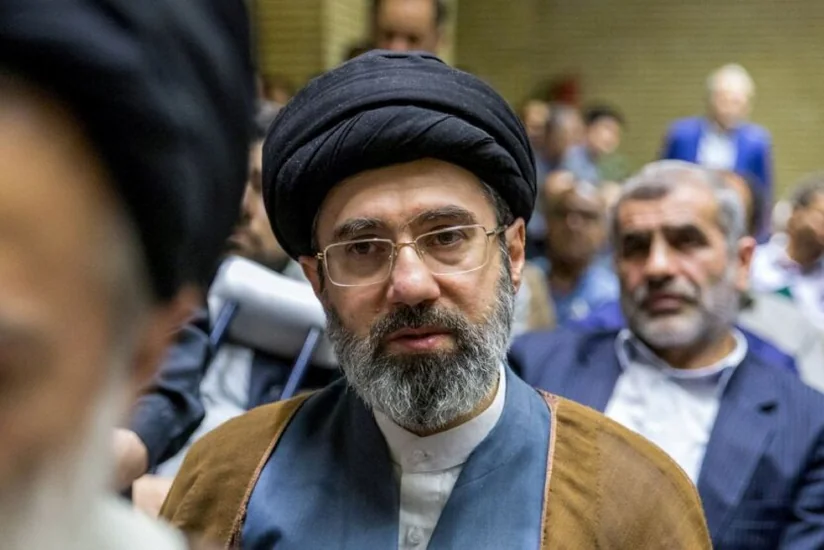
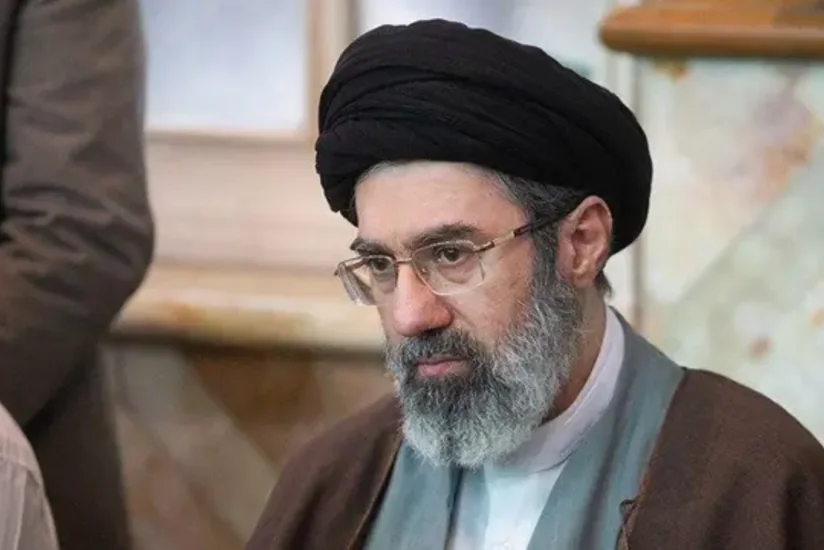
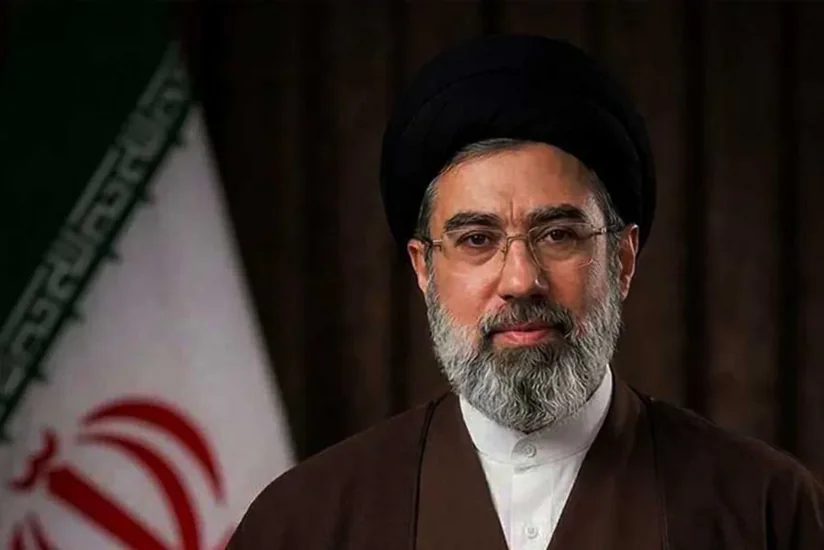
Seyed Mojtaba Hosseini Khamenei (Persian: مجتبی حسینی خامنهای; born September 8, 1969, Mashhad, Iran) is an Iranian state and religious figure, and the 3rd Supreme Leader of the Islamic Republic of Iran since March 8, 2026. The second eldest son of Iran's 2nd Supreme Leader Ali Khamenei, he was for many years considered one of the country's most influential "shadow" politicians, maintaining deep ties with the leadership of the Islamic Revolutionary Guard Corps (IRGC) prior to his official appointment.
Born on September 8, 1969, in the city of Mashhad (Razavi Khorasan Province), Khamenei participated in the Iran-Iraq war as a teenager, visiting the front lines between 1987 and 1988.
After finishing school, he dedicated himself to the study of theology. His early mentors included Ayatollah Mahmoud Hashemi Shahroudi and his own father. In 1999, Mojtaba continued his spiritual education at the religious center in Qom, where he achieved the status of faqih (Islamic jurist). He studied under prominent theologians such as Mohammad-Taqi Mesbah-Yazdi and Ayatollah Lotfollah Safi Golpaygani. He subsequently taught theology himself at the religious centers in Qom.
Until 2026, Mojtaba Khamenei held no official state positions, yet he de facto managed the "Office of the Supreme Leader" (Beit-e Rahbari), exercising strict control over strategic appointments in Iran.
Alliance and Conflict with Ahmadinejad: In the early 2000s, Mojtaba was a consistent supporter of Mahmoud Ahmadinejad. Researchers estimate that he played a decisive role in Ahmadinejad's electoral victories in the 2005 and 2009 presidential elections. However, by 2013, their political alliance had collapsed: Ahmadinejad publicly leveled a series of accusations against the Supreme Leader's inner circle, hinting at Mojtaba's involvement in the embezzlement of state funds.
Ties with Security Forces: Foreign intelligence agencies and experts indicate that Mojtaba took informal control of the paramilitary Basij militia. He is widely believed to have coordinated the brutal suppression of anti-government protests in June 2009 and during subsequent crisis years.
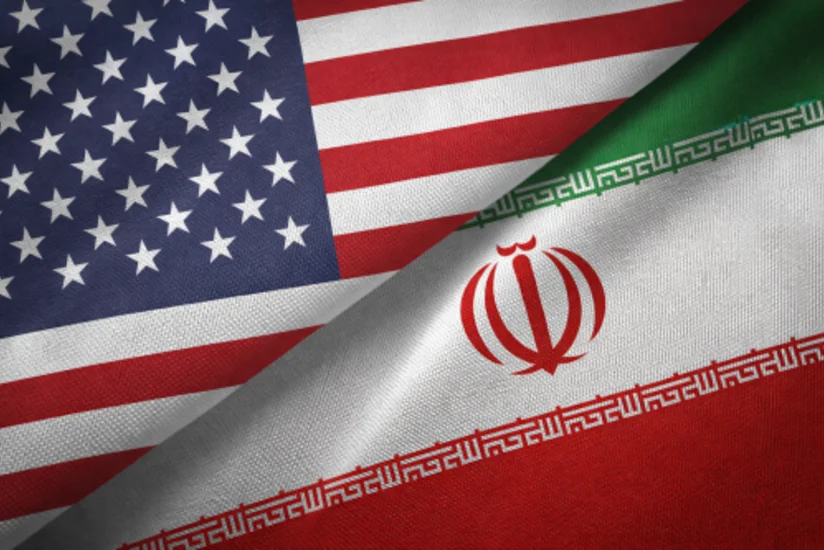
International Sanctions: On November 4, 2019, the US Department of the Treasury added Mojtaba Khamenei to its sanctions list. The US agency justified the decision by stating that Ali Khamenei had delegated a portion of his authority to his son, which was used to advance domestic repressive policies and regional expansion.
The question of Ali Khamenei's successor remained a subject of intense debate for years. According to the Iranian Constitution, the position of Supreme Leader is not hereditary but elective. Many analysts doubted Mojtaba's prospects due to the principle of anti-monarchism (a foundational idea of the Islamic Revolution) and his lack of the requisite high theological status.
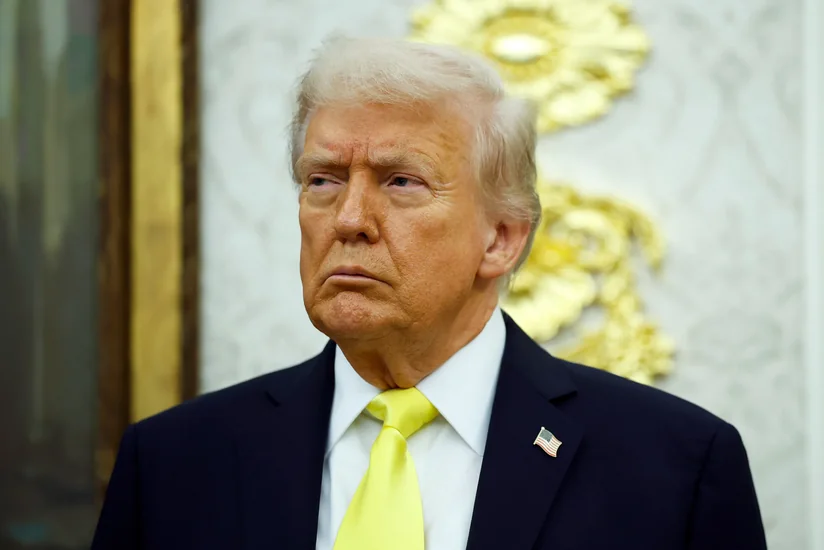
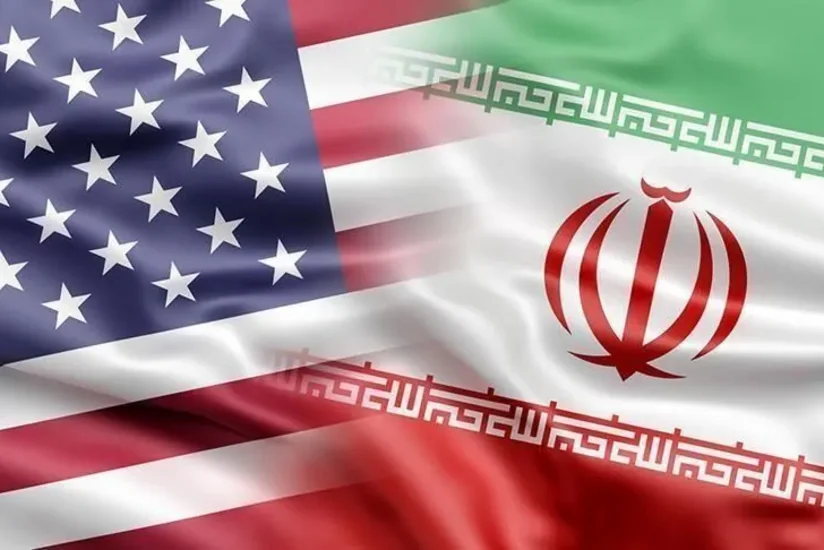
The situation changed radically in the spring of 2026. On February 28, 2026, during a massive US-Israeli operation, a missile and bombing strike hit Iranian territory, resulting in the death of Ali Khamenei. The tragedy dealt a severe blow to Mojtaba's family: according to media reports, the attack also killed his wife, Zahra Adel (daughter of the former Speaker of the Majlis, Gholam-Ali Haddad-Adel), and his son, Ali (born 2007). Mojtaba's mother, Mansoureh Khojasteh Bagherzadeh, died in the hospital from her injuries on March 2, 2026.
Amidst an acute military crisis and an existential threat to the regime, the Assembly of Experts officially proclaimed Mojtaba Khamenei as the 3rd Supreme Leader of the country on March 8, 2026. Political scientists view this move as a symbol of the ultimate consolidation of power by the radical wing of the IRGC and Iran's transition to a format of strict military-authoritarian rule.

 Baku 23° C