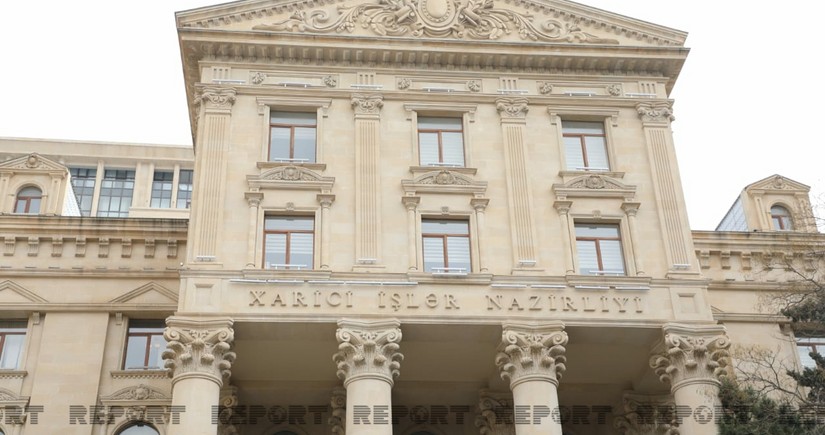
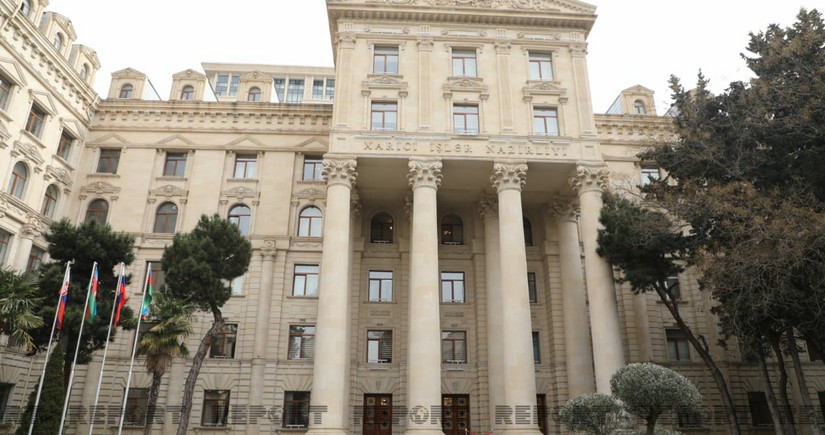
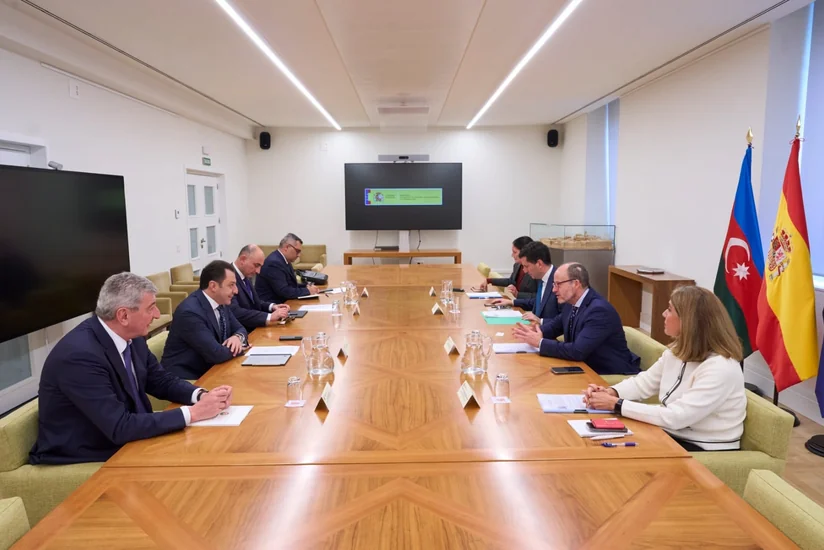
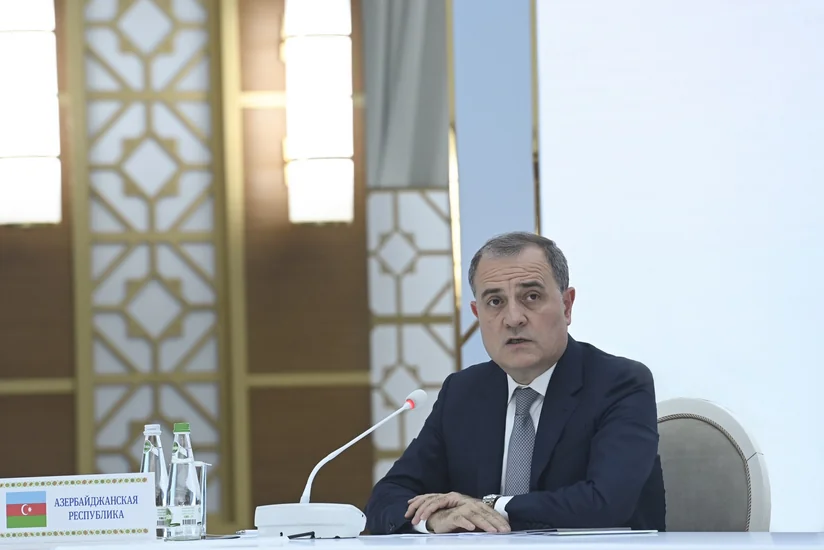
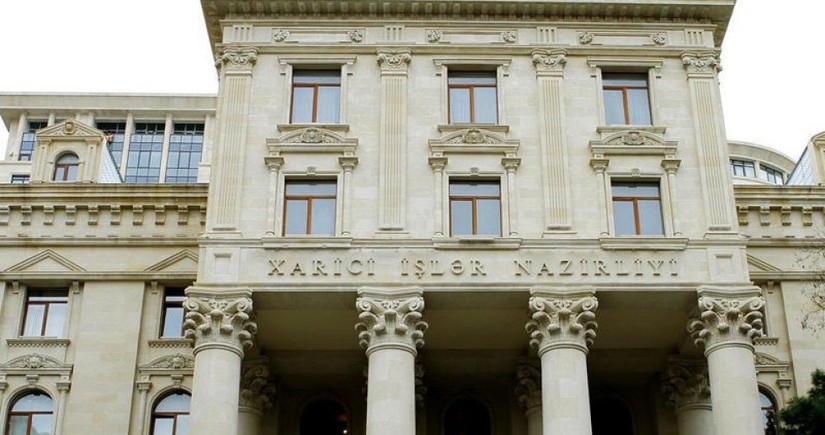
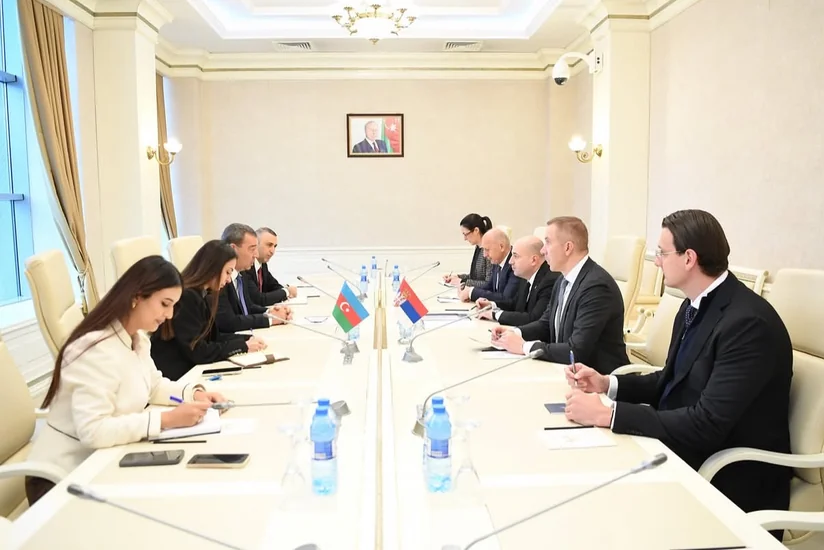
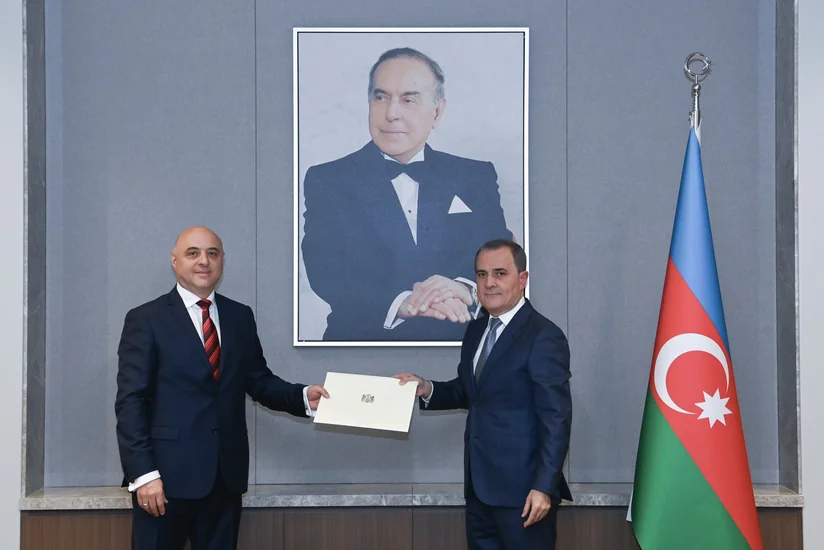
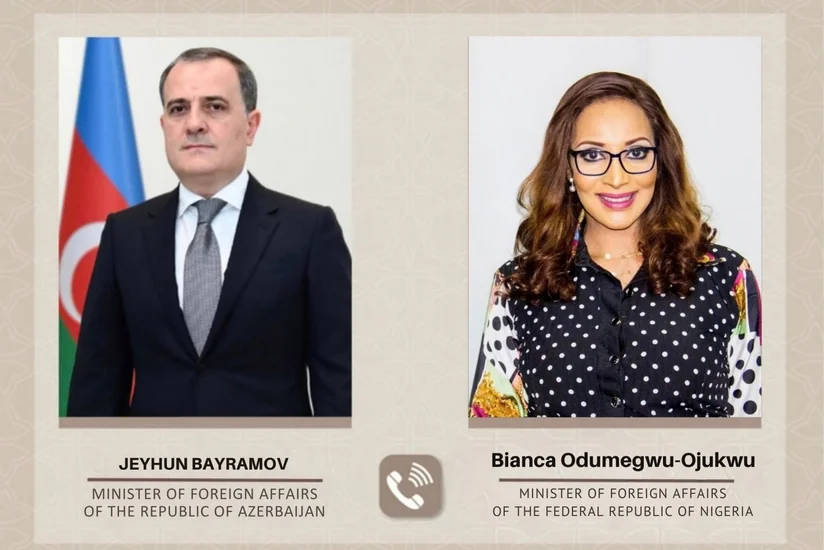
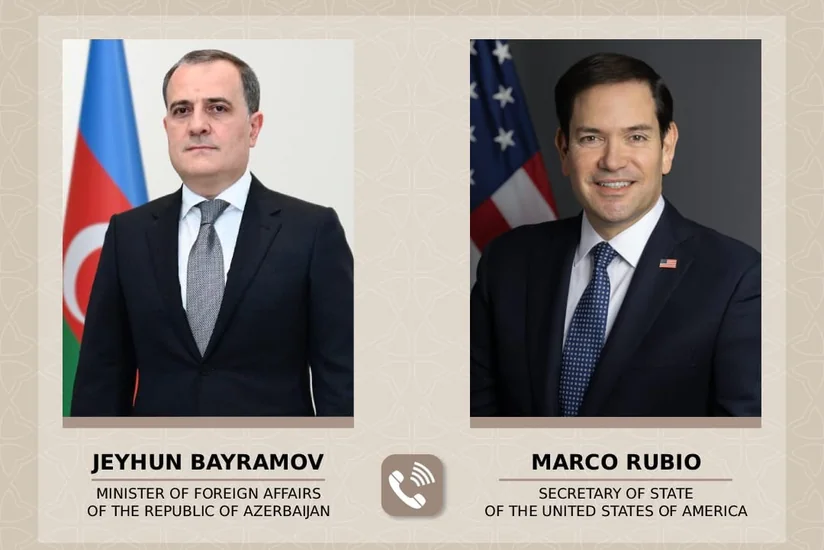
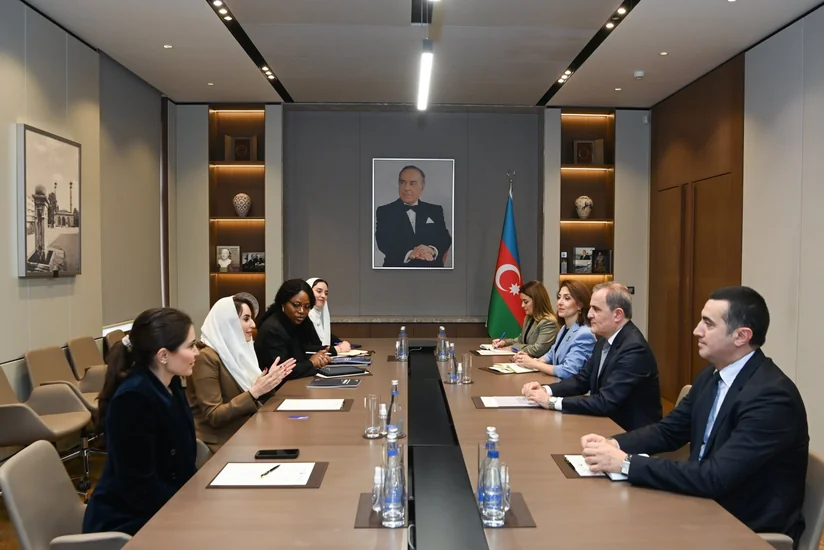
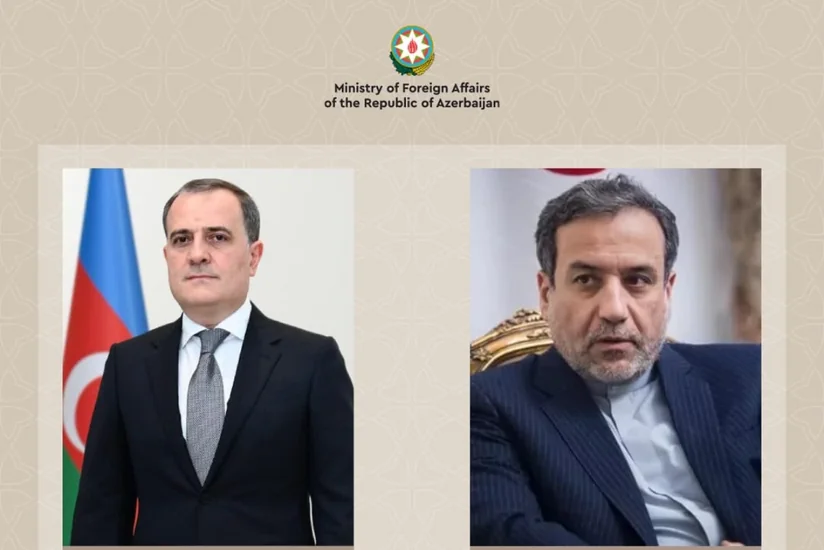
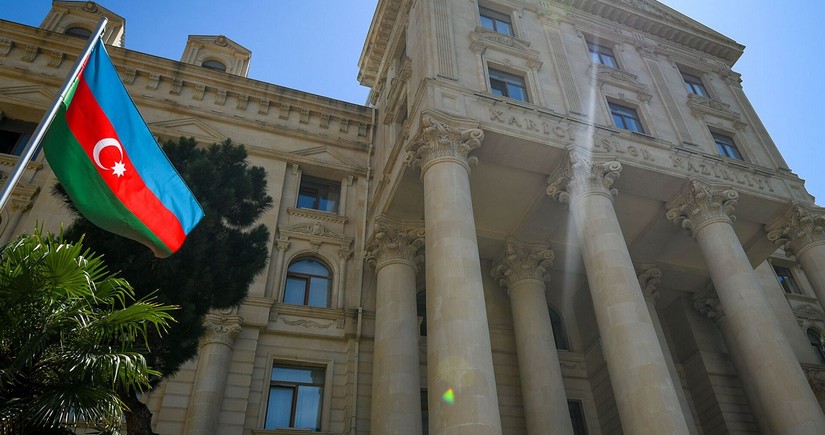
The Ministry of Foreign Affairs of the Republic of Azerbaijan (Azerbaijani: Azərbaycan Respublikası Xarici İşlər Nazirliyi) is the central executive body responsible for implementing the state policy in the field of Azerbaijan's relations with foreign states and international organizations. The MFA plays a pivotal role in ensuring the sovereignty, security, and territorial integrity of the nation, as well as promoting its national interests on the global stage.
The history of Azerbaijani diplomacy is inextricably linked to the stages of the country's statehood. The first Ministry of Foreign Affairs was established during the period of the Azerbaijan Democratic Republic (ADR) in 1918. Mammad Hasan Hajinski served as the first Minister. Despite the short existence of the ADR, the diplomats of that era succeeded in achieving de facto recognition of Azerbaijan's independence at the Paris Peace Conference.
During the Soviet era (Azerbaijan SSR), the functions of the MFA were limited; however, the department was restored in 1944. The modern stage of the MFA's development began with the restoration of independence in 1991. With the return to power of National Leader Heydar Aliyev, a concept of balanced foreign policy was established, allowing Azerbaijan to integrate into the global community and become a reliable energy and logistics partner.
The Ministry is headed by the Minister of Foreign Affairs, who is appointed by the President of the Republic of Azerbaijan. The structure of the department includes:
Central Apparatus: Departments organized by territorial directions (Europe, Asia, America, Africa), and functional departments such as multilateral diplomacy, international law and treaties, and press service.
Foreign Missions: An extensive network of embassies, permanent missions to international organizations (UN, NATO, OSCE, EU, Council of Europe), and consulates general.
Diplomatic Academy (ADA): ADA University, operating with the support of the MFA, trains a new generation of personnel for the diplomatic service.
Azerbaijan's foreign policy strategy is based on the principles of equality, mutual respect, and non-interference in the internal affairs of other states. The main areas of focus include:
Strengthening Territorial Integrity: Following the victory in the 44-Day Patriotic War in 2020 and the full restoration of sovereignty, the MFA's activities are concentrated on the diplomatic consolidation of the war's outcomes, the peace process with Armenia, and the delimitation of state borders.
Regional Cooperation: Azerbaijan acts as an initiator of trilateral and multilateral cooperation formats (e.g., Azerbaijan-Turkey-Pakistan or Azerbaijan-Georgia-Turkey), contributing to stability in the Caucasus.
Energy Diplomacy: Promotion of the Southern Gas Corridor and green energy projects, transforming the country into a key supplier of energy resources to Europe.
Transport Logistics: Development of the East-West (Middle Corridor) and North-South corridors, positioning Azerbaijan as a vital transit hub for Eurasia.
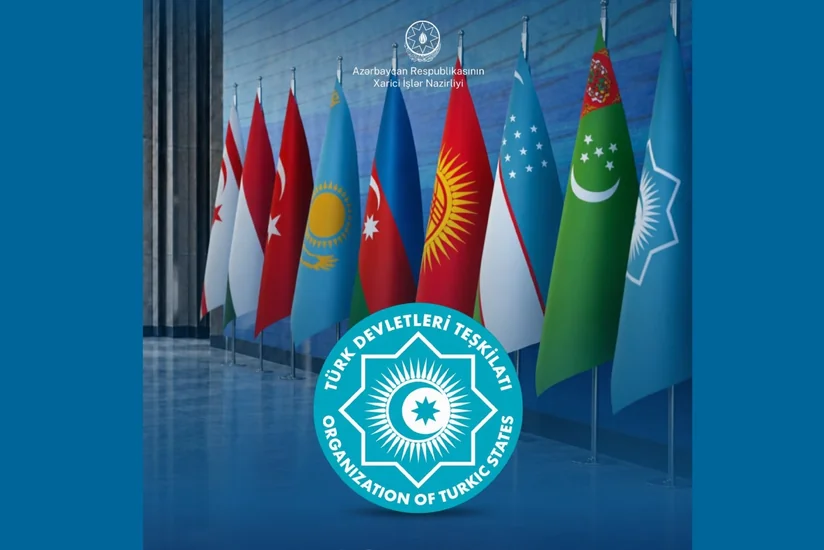
Multilateral Diplomacy: Active participation in the Non-Aligned Movement (which Azerbaijan successfully chaired), the Organization of Turkic States (OTS), and the Organization of Islamic Cooperation (OIC).
One of the most important functions of the MFA is the consular service. The Ministry ensures the protection of the rights and interests of Azerbaijani citizens living abroad. These services include:
Issuance and renewal of passports;
Registration of acts of civil status;
Providing assistance to citizens in emergency situations;
Visa support for foreign citizens wishing to visit Azerbaijan (including the ASAN Visa system).
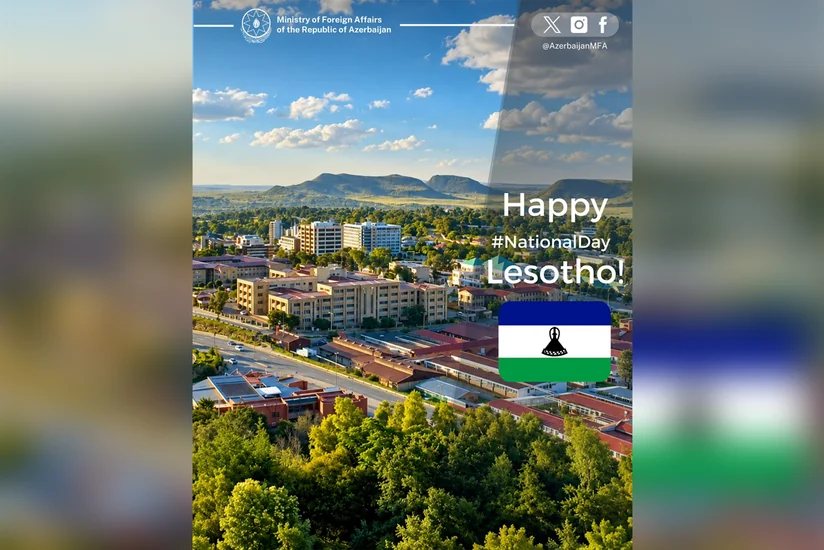
In the age of information technology, the MFA of Azerbaijan actively utilizes digital diplomacy tools. The Ministry's official social media accounts (X/Twitter, Facebook, Instagram) promptly inform the public about foreign policy actions, high-level visits, and the country's official position on global issues. Public diplomacy is aimed at forming a positive image of the country, popularizing Azerbaijani culture, and combating disinformation.
Through the MFA and the Azerbaijan International Development Agency (AIDA), the country implements humanitarian aid programs for nations affected by natural disasters or economic crises. Azerbaijan also actively provides scholarships for foreign students, contributing to the development of its "soft power."
Today, the Ministry of Foreign Affairs of Azerbaijan is a modern, dynamic structure that professionally responds to global challenges. The country's diplomatic corps works daily to ensure that Azerbaijan's voice is heard confidently at the highest international rostrums. Successfully hosting global events in Baku, such as COP29, confirms the status of the MFA as an effective coordinator of global dialogue.
The Ministry's mission remains unchanged: to serve the state, protect national sovereignty, and build bridges of friendship between Azerbaijan and the rest of the world.

 Baku 20° C