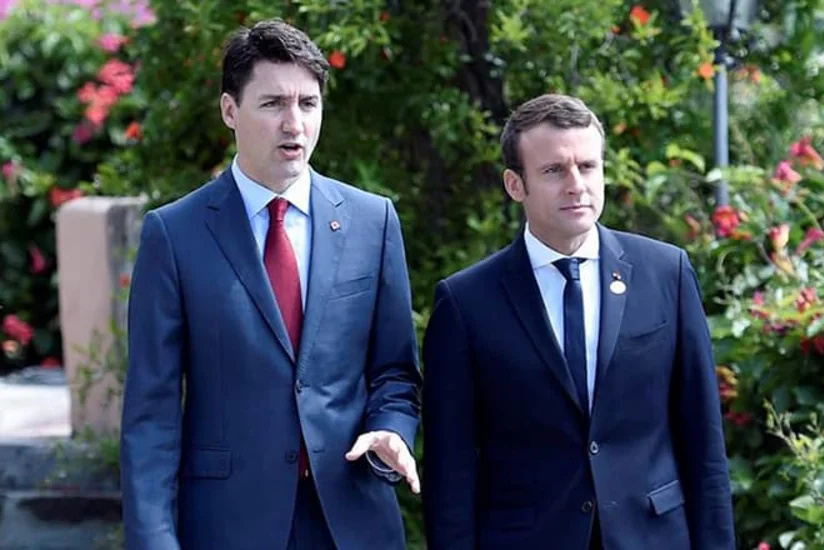
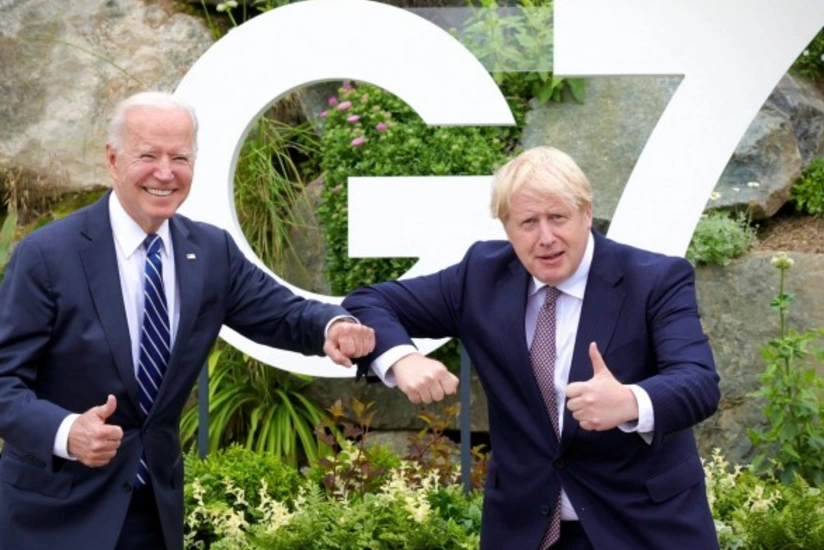
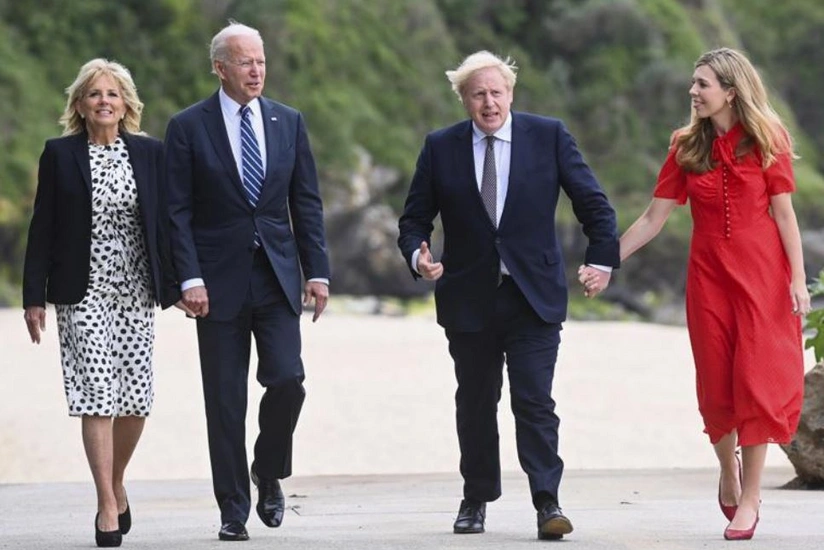
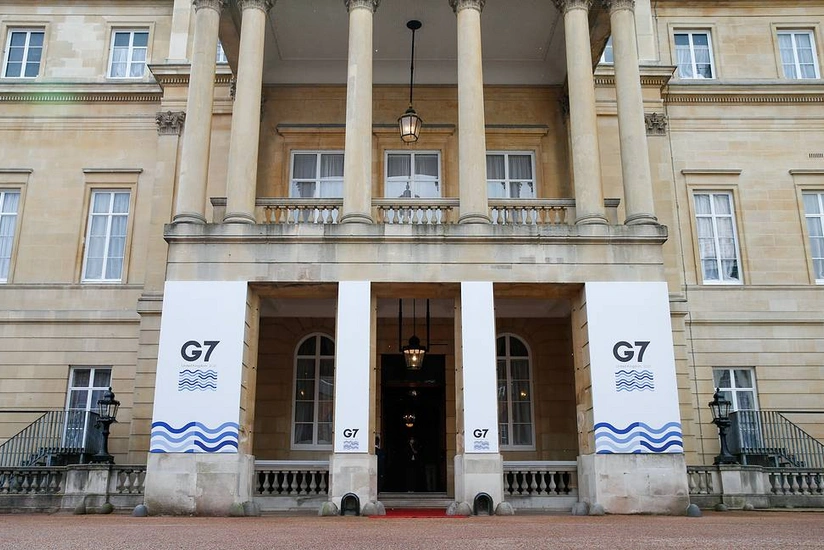
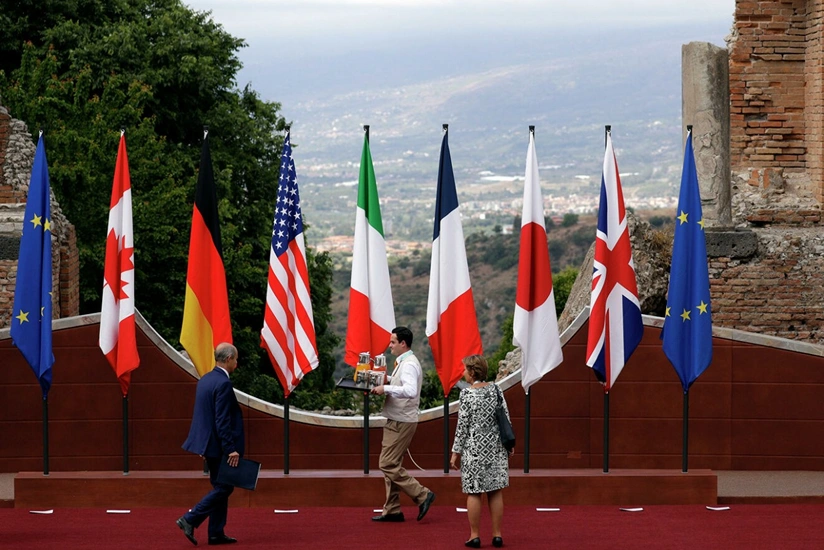
The Group of Seven (G7) is an informal international club uniting seven of the world's leading advanced advanced economies and democracies. The G7 is not a formal international organization; it has no charter, headquarters, or permanent secretariat. However, the decisions made at the annual summits by the leaders of these countries exert a defining influence on the global economy, international trade, and the architecture of global security.
The Group of Seven consists of states possessing the largest advanced economies and high levels of net national wealth:
United States: The world's largest economy and the primary financial and military center of the club.
Japan: A technological leader and the alliance's key partner in the Asia-Pacific region.
Germany: The largest economy in the European Union and the industrial locomotive of Europe.
United Kingdom: One of the world's leading global financial centers.
France: A nuclear power and a crucial political player within the EU.
Italy: An industrial-agrarian economy playing a vital role in the Mediterranean basin.
Canada: A country with vast natural resources and deep economic integration with the US market.
The top leadership of the European Union (the President of the European Council and the President of the European Commission) also participates in the club's work on a permanent basis. However, the EU does not hold the status of a full member and does not assume the rotating presidency of the summits.
As of 2026, the G7 countries account for roughly 10% of the global population and approximately 43–45% of the world's nominal GDP. At the same time, their share in the global economy has been gradually declining against the backdrop of the rapid growth of the Global South, primarily China and India.
The formation of the club began in 1975 in Rambouillet, France, as a coordinated response to the global oil crisis and the economic recession of the early 1970s. Initially, it was the Group of Six (G6), which Canada joined in 1976 to form the classic G7.
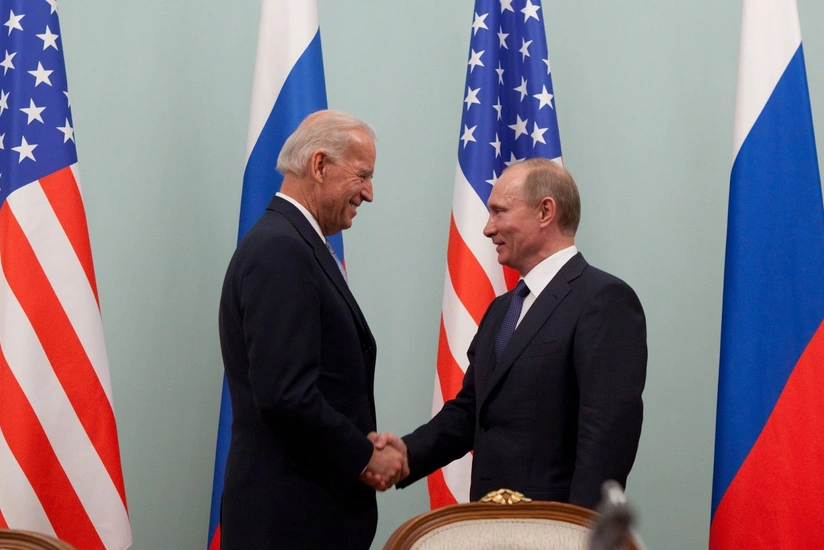
The Era of the Group of Eight (G8): In 1997, the Russian Federation joined the format as a full member, a move that symbolized the end of the Cold War and an attempt to integrate Moscow into the Western geopolitical framework.
Return to the G7: In 2014, amid the political crisis in Ukraine and the annexation of Crimea by Russia, Western leaders refused to attend the planned G8 summit in Sochi. They suspended Russia's membership and reverted to the original seven-state format.
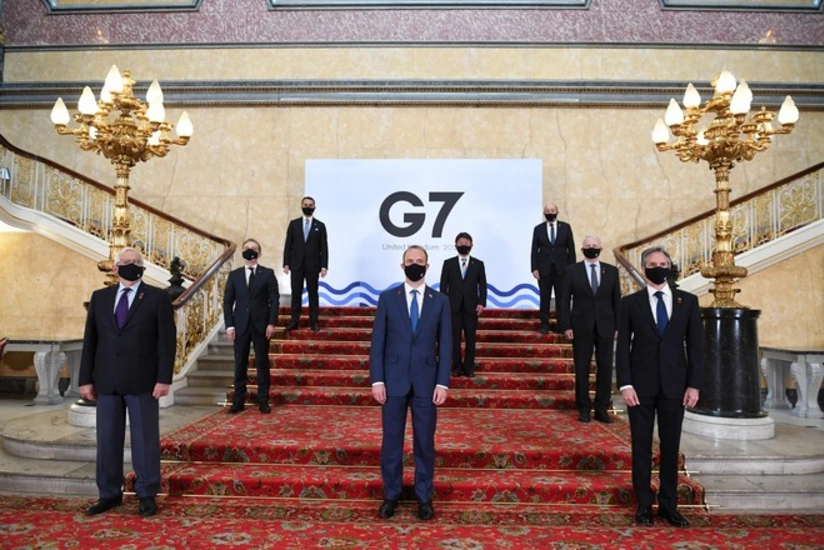
Governance within the G7 operates on a rotational basis. Each year, one of the member states assumes the presidency, organizing specialized ministerial meetings (for foreign affairs, finance, and environment ministers) that culminate in the main event of the year: the G7 Leaders' Summit.
Because the G7 does not issue legally binding documents, the final communiqués of the summits serve as high-level political declarations. These documents set the strategic direction for major global institutions such as the International Monetary Fund (IMF), the World Bank, and the World Trade Organization (WTO).
Amid the deep geopolitical crisis of March 2026, the agenda of the Group of Seven is intensely focused on ensuring its own economic resilience and collective security:
Geopolitical Conflicts: Formulating a consolidated position regarding the protracted war in Eastern Europe and the unprecedented military crisis in the Middle East, including securing vital maritime trade routes.
Energy Security and the Green Economy: Reducing dependence on authoritarian energy suppliers and accelerating the financing of renewable energy sources. In this context, G7 decisions directly impact countries like Azerbaijan, which serves as a highly reliable gas supplier to Europe (including G7 member Italy).
Technological Containment: Controlling the development of artificial intelligence (AI) and protecting critical supply chains for semiconductors and rare-earth metals from Chinese dominance.
Relations with the Global South: Adapting to the growing influence of BRICS. The G7 is actively attempting to regain the initiative by offering developing nations alternative infrastructure and credit projects.
The Group of Seven remains the most powerful tool for policy coordination among Western nations. However, in a rapidly changing multipolar world, its ability to unilaterally dictate the rules of the global game is being subjected to increasingly severe tests.

 Baku 29° C