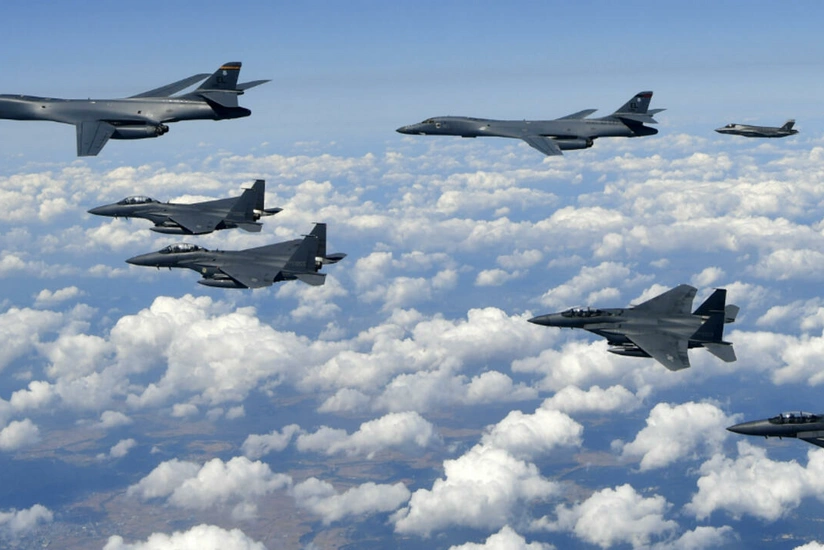
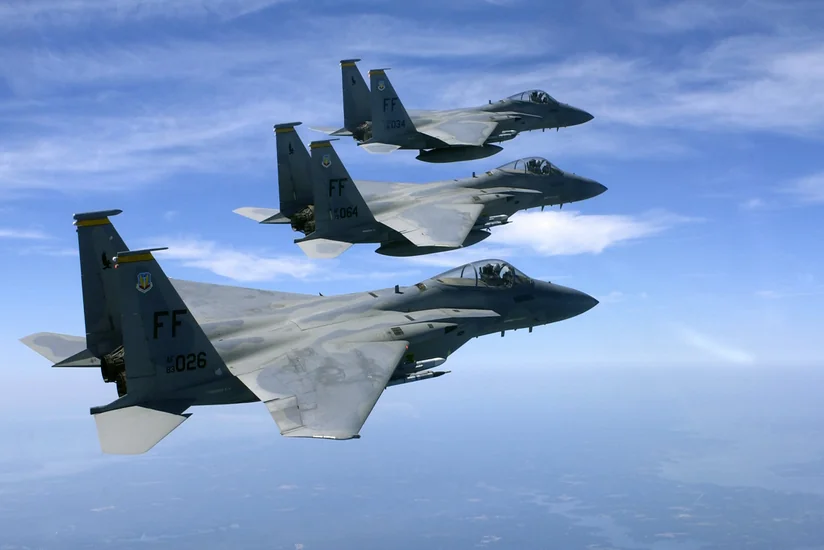
The McDonnell Douglas (now Boeing) F-15 Eagle is a fourth-generation, all-weather tactical fighter originally designed to gain and maintain absolute air superiority.
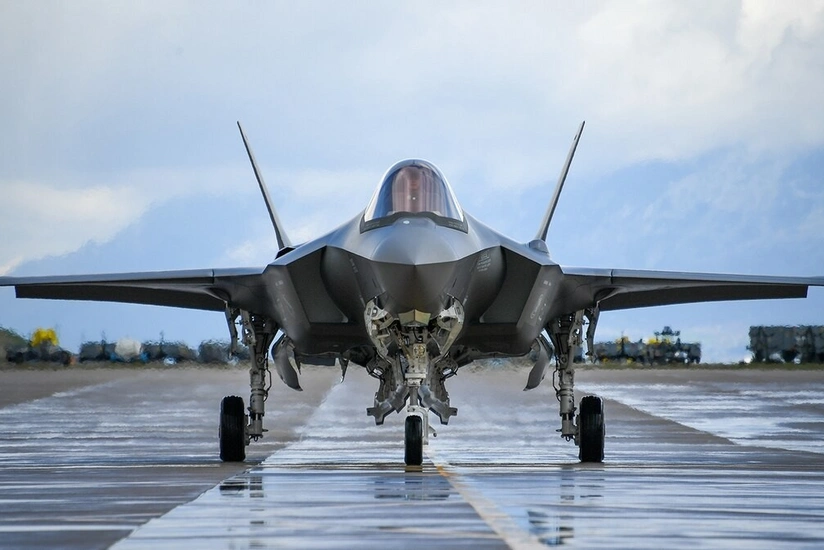
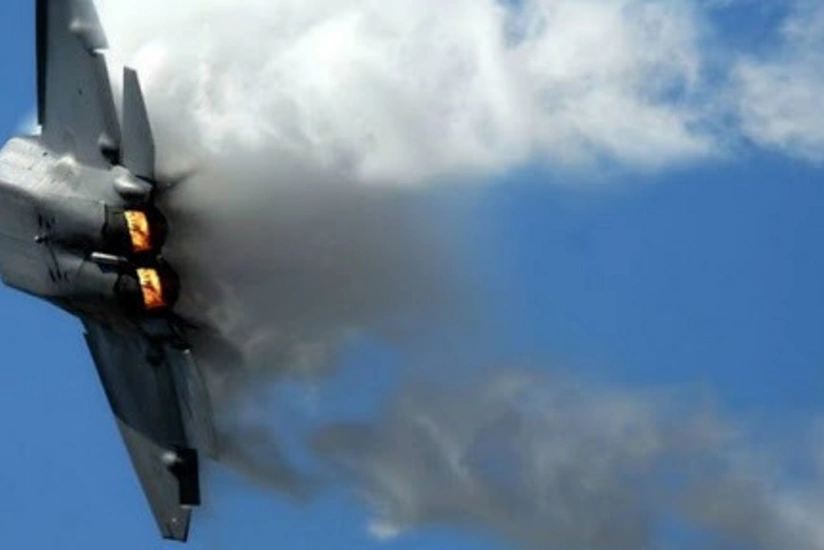
If the F-35 is the stealthy "brain trust" of modern aviation, the F-15 is brute, unadulterated kinetic power. In over half a century of operation, this aircraft has set a record that remains unsurpassed in the history of military aviation: over 100 aerial victories and zero losses in dogfights (a 104:0 ratio).
The uniqueness of the F-15's architecture lies in its incredible potential for modernization. The analytical department of Report.az highlights three main milestones in the history of this aircraft:
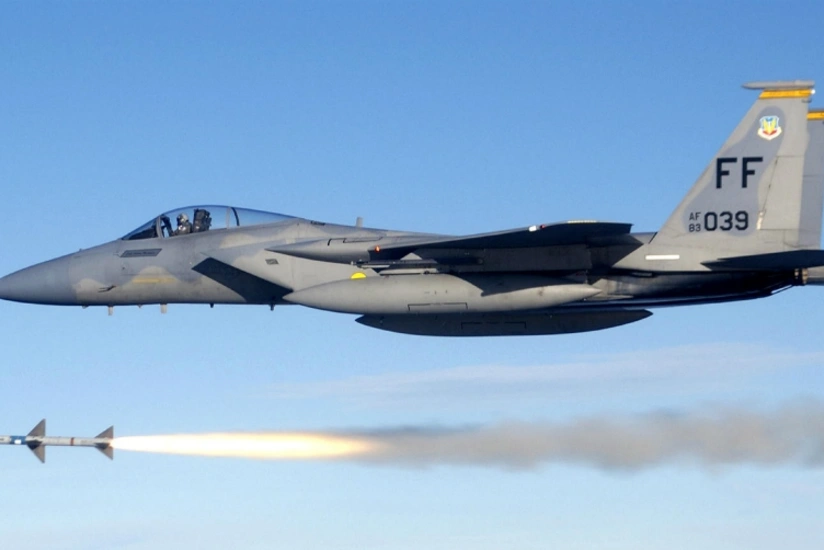
F-15A/C (Air Superiority): The classic versions created during the Cold War to counter Soviet MiGs. Their main mantra was "not a pound for air-to-ground." These were pure aerial hunters with massive radars and a high thrust-to-weight ratio.
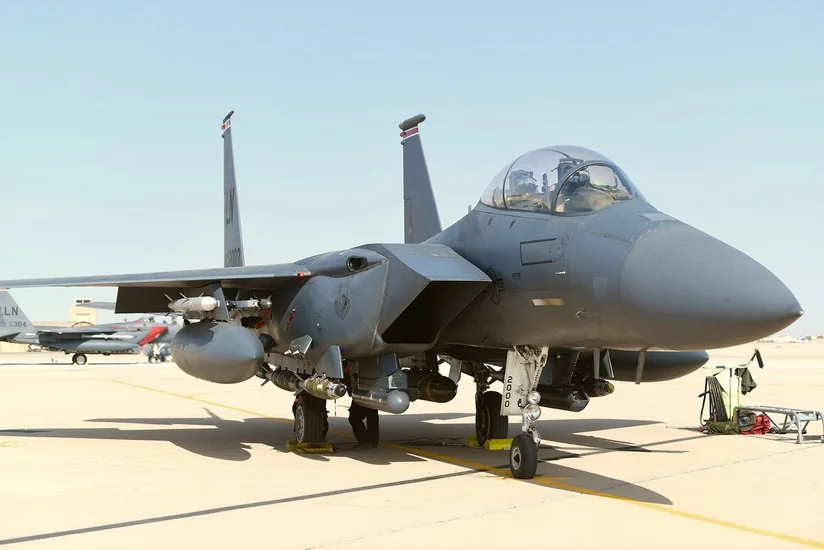
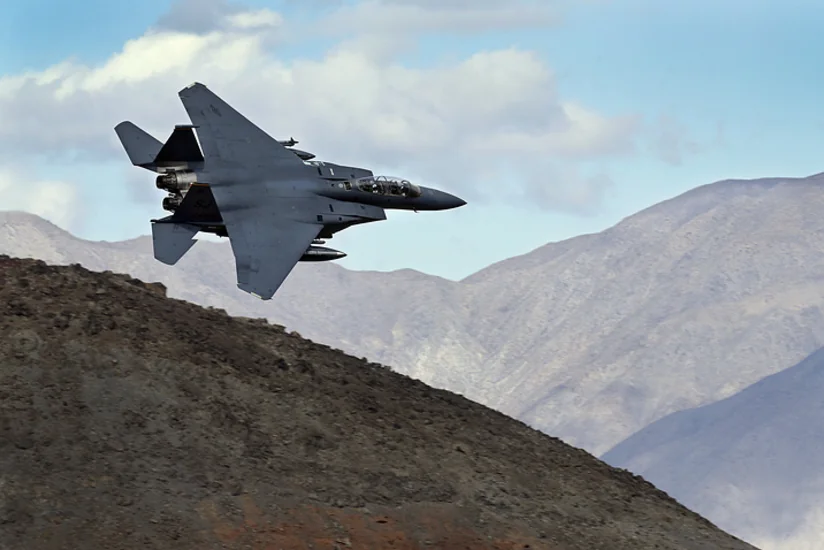
F-15E Strike Eagle (Universal Soldier): In the late 1980s, the platform was radically redesigned. A second seat was added for a weapon systems officer, the airframe was strengthened, and conformal fuel tanks were added. The F-15E became a heavy multirole fighter-bomber capable of delivering precision strikes deep behind enemy lines in any weather conditions.
F-15EX Eagle II (2026 Realities): The newest reincarnation of the legend. Despite the presence of fifth-generation stealth fighters, the Pentagon resumed purchasing the F-15 in the "EX" version. It is equipped with the world's most powerful airborne computer (ADCP II), an advanced electronic warfare system (EPAWSS), and a fully digital cockpit.
A logical question arises: why are the US and its allies (Israel, Japan, Saudi Arabia) buying invisible F-35s while simultaneously investing billions in upgrading old, radar-visible F-15s?
The answer lies in the modern doctrine of combined operations:
Characteristic F-35 (The Invisible) F-15EX (The Heavyweight) Stealth Absolute. Capable of covertly penetrating enemy air defense (A2/AD) zones. None. Visible on radars from hundreds of kilometers away. Combat Payload Limited (weapons are hidden in internal bays to preserve the stealth contour). Colossal. The F-15EX operates as a "missile truck", carrying up to 22 air-to-air missiles or hypersonic weapons. Engagement Tactics The F-35 flies ahead, uncovering radars and locating targets while remaining invisible. It transmits coordinates backward via a secure Data Link. The F-15EX stays at a safe distance behind and launches its massive arsenal of long-range missiles at the targets "illuminated" by the F-35.The F-15 remains a crucial instrument of US geopolitical influence. Export versions of this fighter shape the balance of power in key regions:
Israel (F-15I Ra'am): The strategic aviation of the IDF, capable of reaching Iran's nuclear program facilities.
Saudi Arabia and Qatar (F-15SA / QA): The most technologically advanced export versions, ensuring these countries' dominance in the Persian Gulf.
Japan (F-15J): The primary interceptor of the Japan Air Self-Defense Force for deterring Chinese activity in the Indo-Pacific region.
The F-15 Eagle fighter is a rare example of military hardware that has transcended eras. In 2026, it proves that in modern warfare, pure stealth does not solve every problem: to win, you still need powerful engines, the ability to carry hypersonic weapons, and an immense reserve of durability.

 Baku 23° C