The Baku-Tbilisi-Ceyhan (BTC) Main Export Oil Pipeline is not merely an outstanding engineering marvel; it is a true geopolitical bridge that permanently altered the energy map of Eurasia. Launched in 2006, this project became a symbol of Azerbaijan's independence and strategic vision, providing the hydrocarbon resources of the Caspian basin with direct access to global markets for the first time, completely bypassing traditional northern routes.
In 2026, celebrating its 20th anniversary, the BTC is experiencing an epoch of renaissance. Amidst a global energy crisis and the massive restructuring of logistical chains, the pipeline has transformed into a critically vital artery, guaranteeing the stability and security of supplies for all of Europe.
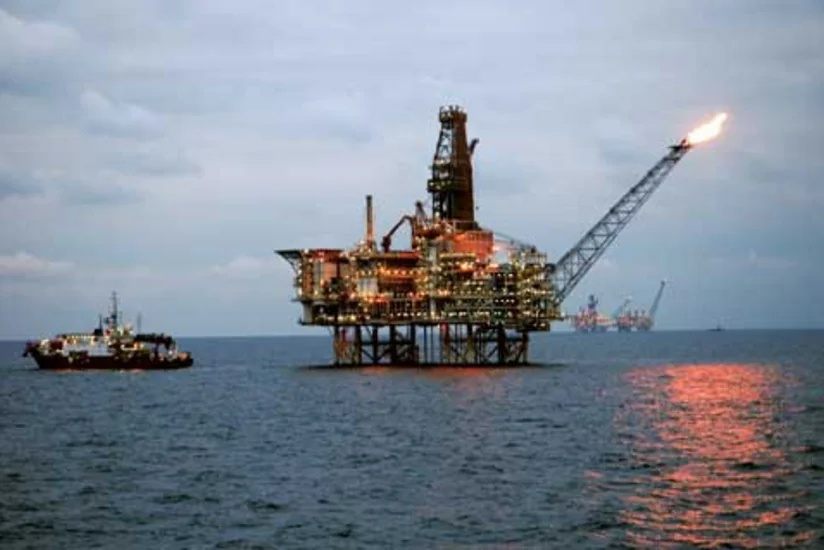
The foundation for the creation of the BTC was laid in 1994 with the signing of the historic "Contract of the Century" for the development of the Azeri-Chirag-Gunashli (ACG) block of fields, an initiative spearheaded by National Leader Heydar Aliyev. The primary challenge was transporting the colossal volumes of extracted oil to Western markets.
Despite immense political pressure and the deep skepticism of certain international experts, Azerbaijan, Georgia, and Turkey, supported by Western partners (primarily bp), successfully realized this megaproject. Construction commenced in 2002, and by July 2006, the solemn inauguration of the pipeline and the loading of the first tanker with Azeri Light crude took place at the Turkish port of Ceyhan.
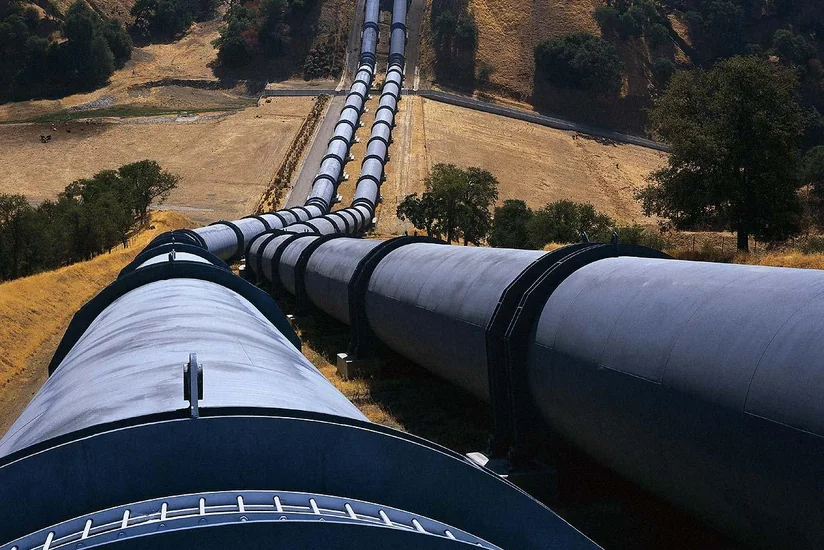
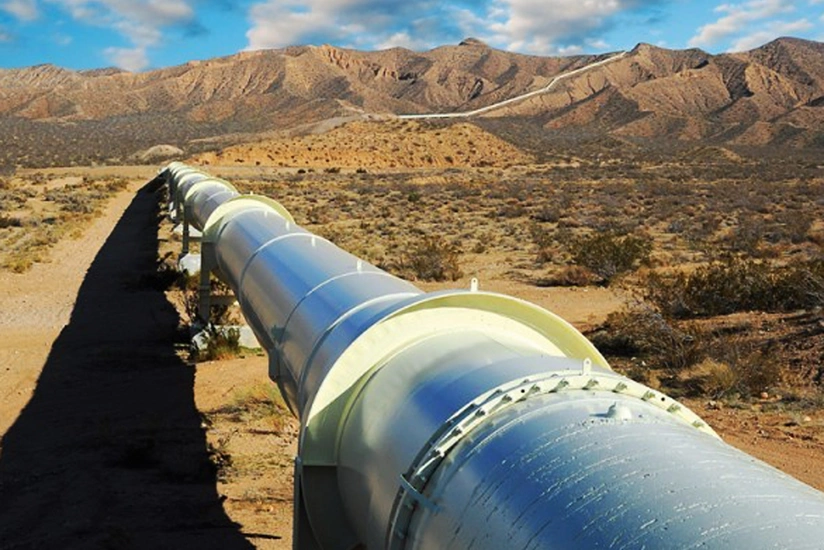
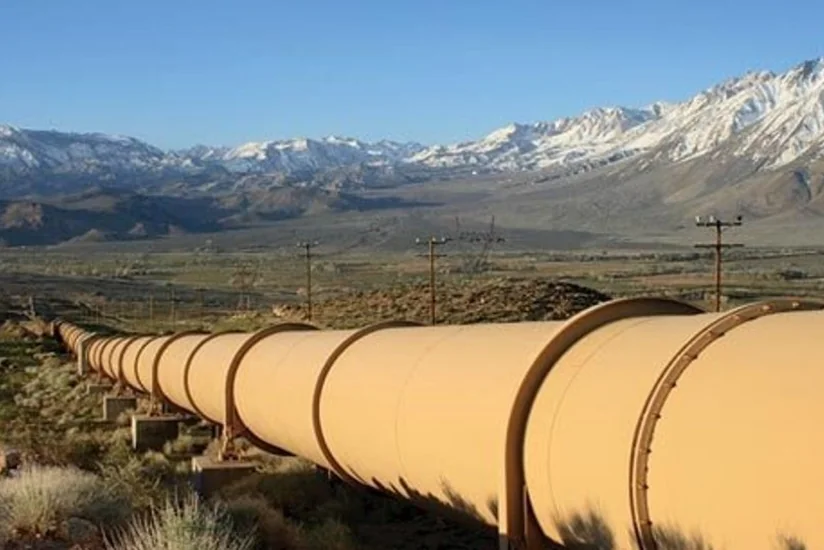
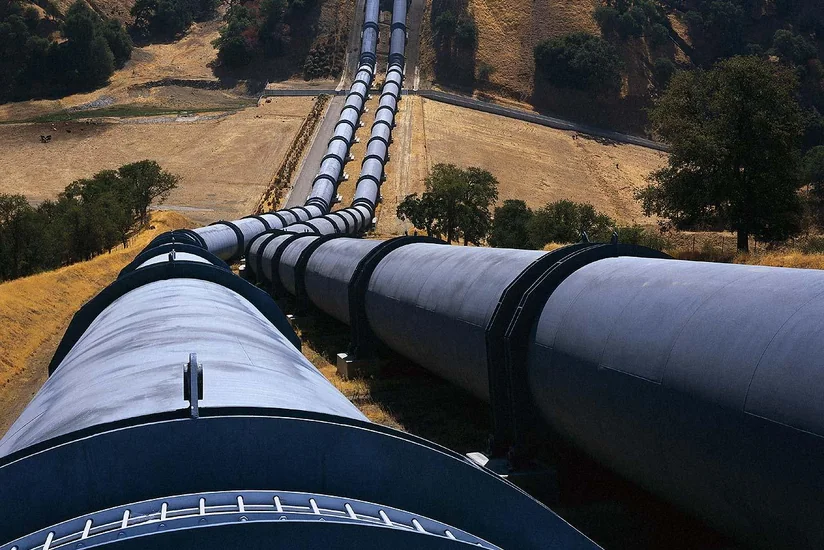
The BTC is a highly complex engineering infrastructure that crosses mountain ranges, seismically active zones, and hundreds of rivers.
Starting Point: The Sangachal Terminal (near Baku, Azerbaijan).
Transit Hub: The territory of Georgia (Tbilisi), where the pipeline operates under the strictest environmental standards, including its passage near the Borjomi Gorge.
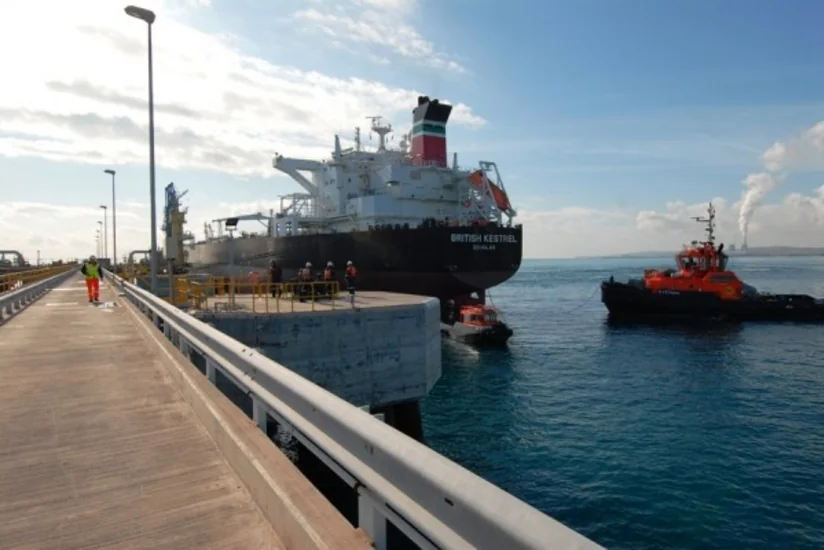
Endpoint: The deep-water marine terminal at the port of Ceyhan on Turkey's Mediterranean coast, from where tankers deliver oil to buyers worldwide.
Total Length: 1,768 kilometers (443 km in Azerbaijan, 249 km in Georgia, and 1,076 km in Turkey).
Capacity: 1.2 million barrels per day (or approximately 50 million tons per year).
The global shocks of the 2020s, strict sanction regimes, and the sharp decline in transit through traditional European oil pipelines (such as the Druzhba pipeline) have exponentially increased the significance of Baku-Tbilisi-Ceyhan. Today, it is no longer just a route for Azerbaijani oil; it is a core element of the Middle Corridor (Trans-Caspian Route).
By 2026, the BTC plays a key role in the diversification of supplies not only for Azerbaijan but also for the nations of Central Asia. Oil from Kazakhstan (the Tengiz field) and Turkmenistan is actively pumped through the pipeline. For Astana and Ashgabat, this route has become an essential window to Europe, allowing them to significantly reduce their dependence on northern neighbors.
Furthermore, in 2026, BTC operators are actively implementing "green" technologies. Pumping stations along the route are being modernized to utilize renewable energy sources (solar and wind), which drastically reduces the carbon footprint of hydrocarbon transportation and strictly aligns with the environmental standards of the European Union.
The Baku-Tbilisi-Ceyhan pipeline is living proof of how visionary economic diplomacy can transform a regional partnership into a global guarantor of energy security.

 Baku 13° C