Baku 25° C
Planned social media regulation may protect children's mental health - OPINION
- 03 July, 2026
- 15:12
Stay up to date with the top news!
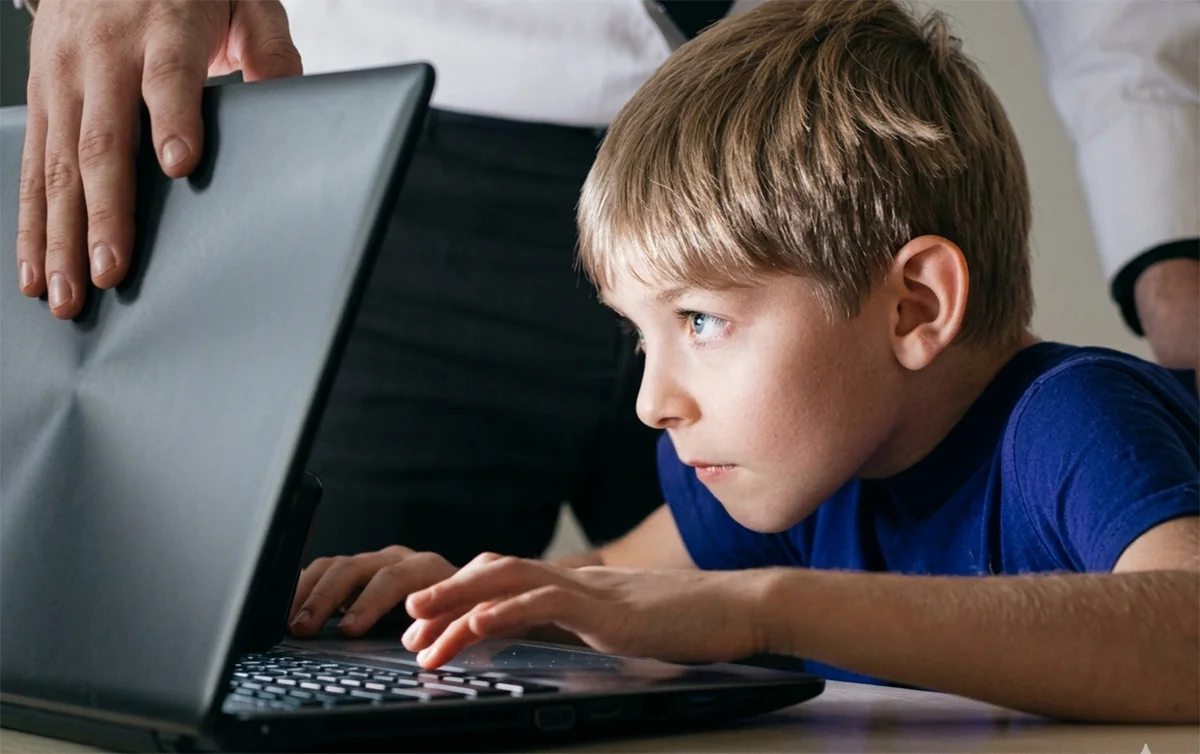
The planned changes to legislation on social networks in Azerbaijan are mainly protective in nature and are aimed primarily at shielding children from the potential dangers of the digital environment.
Psychologist and EMDR (Eye Movement Desensitization and Reprocessing) therapist Nargiz Huseynova told Report.
According to her, from a psychological point of view, such regulation of social media may have both positive effects and certain risks if it is not applied properly.
"In particular, the ages of 10 to 16 are among the most sensitive stages of brain development. At this age, the parts of the brain responsible for decision-making, impulse control, attention and emotional regulation are not yet fully formed. At the same time, adolescents are more sensitive to social influence. Therefore, protecting children from the negative effects of social networks may be beneficial for their mental health. For example, constant comparison with other people's lives on social networks can lead to low self-esteem, self-dissatisfaction and insecurity in children. When they perceive the lifestyles presented on social media as reality, they may begin to think that they are unsuccessful or not good enough. This, in turn, can lead to increased emotional stress, body image concerns and weaker self-esteem," she said.
The psychologist noted that there are also risks such as cyberbullying, exposure to age-inappropriate content, and interest in various platforms, including betting and gambling websites.
"In the digital environment, children can sometimes come under the influence of manipulative content, posts that promote violence and various dangerous challenges. In this regard, regulation can serve as a mechanism that protects children from such threats and may have a positive impact on their mental health. At the same time, reducing the amount of time spent on social networks can allow children to devote more time to real-life communication, education, sports and creative activities. This can help develop their social skills, strengthen face-to-face communication with family members and friends, increase self-confidence, improve attention and support emotional stability. Spending less time in front of digital screens can also have a positive effect on sleep quality and overall psychological well-being," she said.
Huseynova stressed that, for children aged 16 to 18, using social networks under parental supervision can help them adapt to the digital environment more responsibly and gradually, while supporting a healthier maturation process.
"At this age, instead of giving young people complete freedom, allowing them to use the digital environment gradually under parental supervision can help form healthier digital behavior habits in the future. On the other hand, certain psychological risks of such bans should also be taken into account. Adolescence is a period when the sense of independence is formed, boundaries are tested and protest behavior may sometimes be observed. For this reason, strict bans may create a 'rebellion effect' in some children. In particular, if the parent-child relationship has not been built on a healthy basis, mutual trust is weak and communication problems exist, an adolescent may perceive this as control or pressure," she said.
The therapist said that, in such cases, children may try to access social networks secretly or use various technical means to bypass restrictions.
"This can lead to trust problems between parents and children, increase mutual stress and cause tension within the family. Applying regulations without explaining them may also lead to dissatisfaction and aggressive reactions in some adolescents. In addition, children who cannot access platforms used by all their peers may, in some cases, feel socially isolated. They may feel excluded from the topics discussed by their friends and experience a weaker sense of belonging to social groups. In this regard, a child's social needs should also be taken into account when bans are introduced," she said.
The psychologist also spoke about the possible consequences of unrestricted social media use after children reach adulthood.
"Suddenly gaining full access to social media after reaching adulthood may also create certain risks. If digital literacy, self-control and time management skills have not been developed by that stage, this sudden freedom may further strengthen social media addiction. If the preparation process is not sufficient, their ability to manage their own behavior may weaken. At the same time, this process should not be limited to bans alone. Building healthy parent-child relationships is one of the key conditions for the success of this policy. Open dialogue within the family, listening to the child's views, playing games together, organizing joint activities and strengthening mutual trust have a positive impact on a child's psychological development. When parental supervision is guiding and supportive rather than punitive, the child's sense of responsibility also increases," she added.
Huseynova also said that, if the bans envisaged in the legislation are introduced, preparation mechanisms should be created in parallel.
"Unsupervised use of social networks in the age group in question may have a negative impact on a child's psychological development, emotional stability and brain development. However, if the bans envisaged in the legislation are introduced, preparation mechanisms should also be created in parallel. Promoting proper communication between parents and children, implementing digital literacy programs in schools, making psychological counseling accessible and raising awareness among parents will play an important role in ensuring the success of this process. In this way, children's safety can be ensured while also supporting their healthy psychological and social development," she said.
Author