Baku 21° C
Global issues of indigenous peoples, modern forms of colonialism discussed in Shusha
- 06 July, 2026
- 13:30
Stay up to date with the top news!
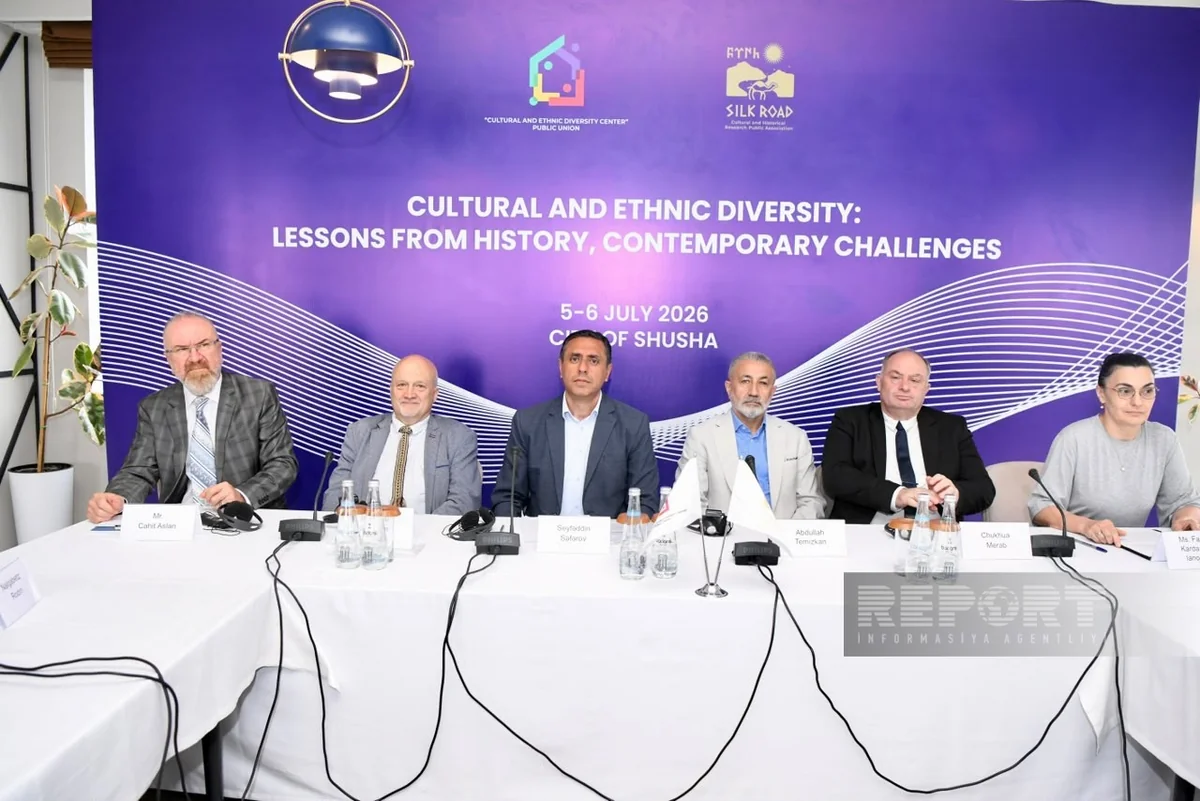
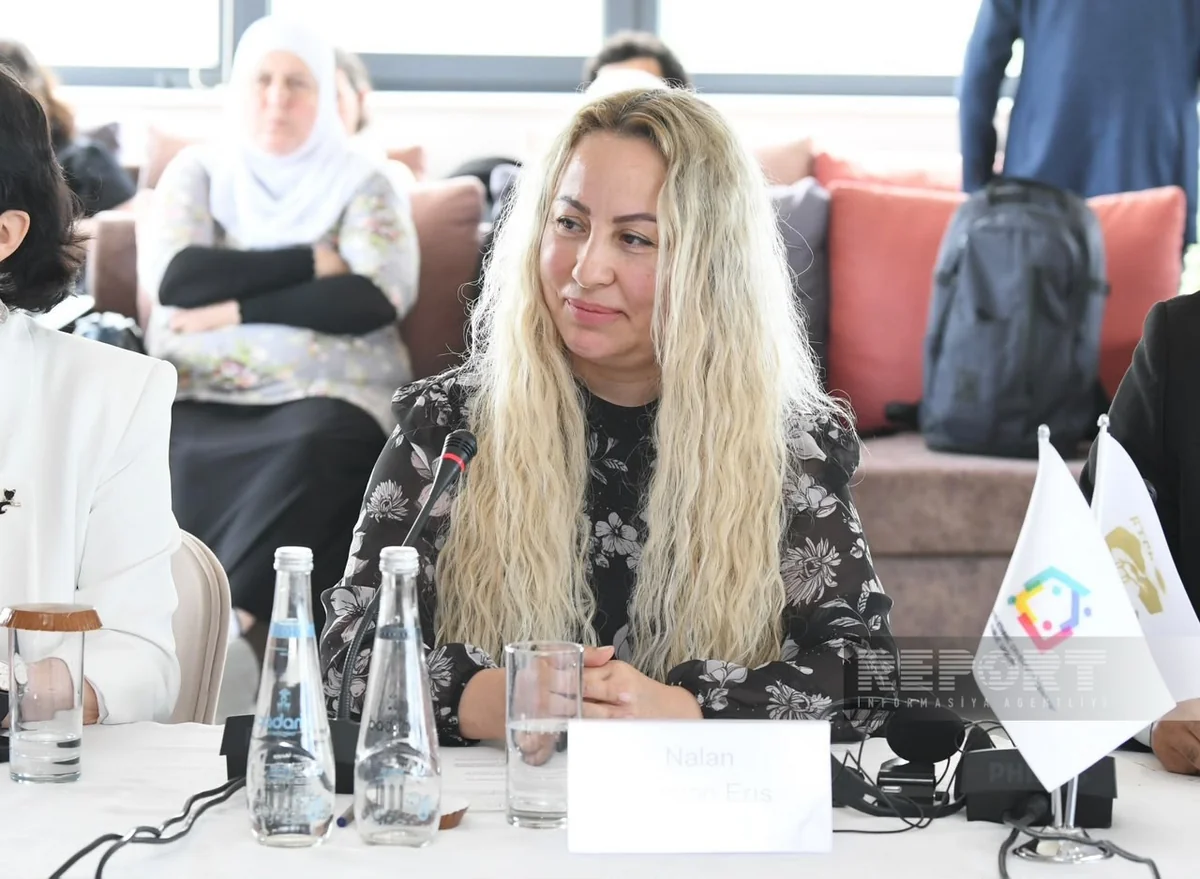
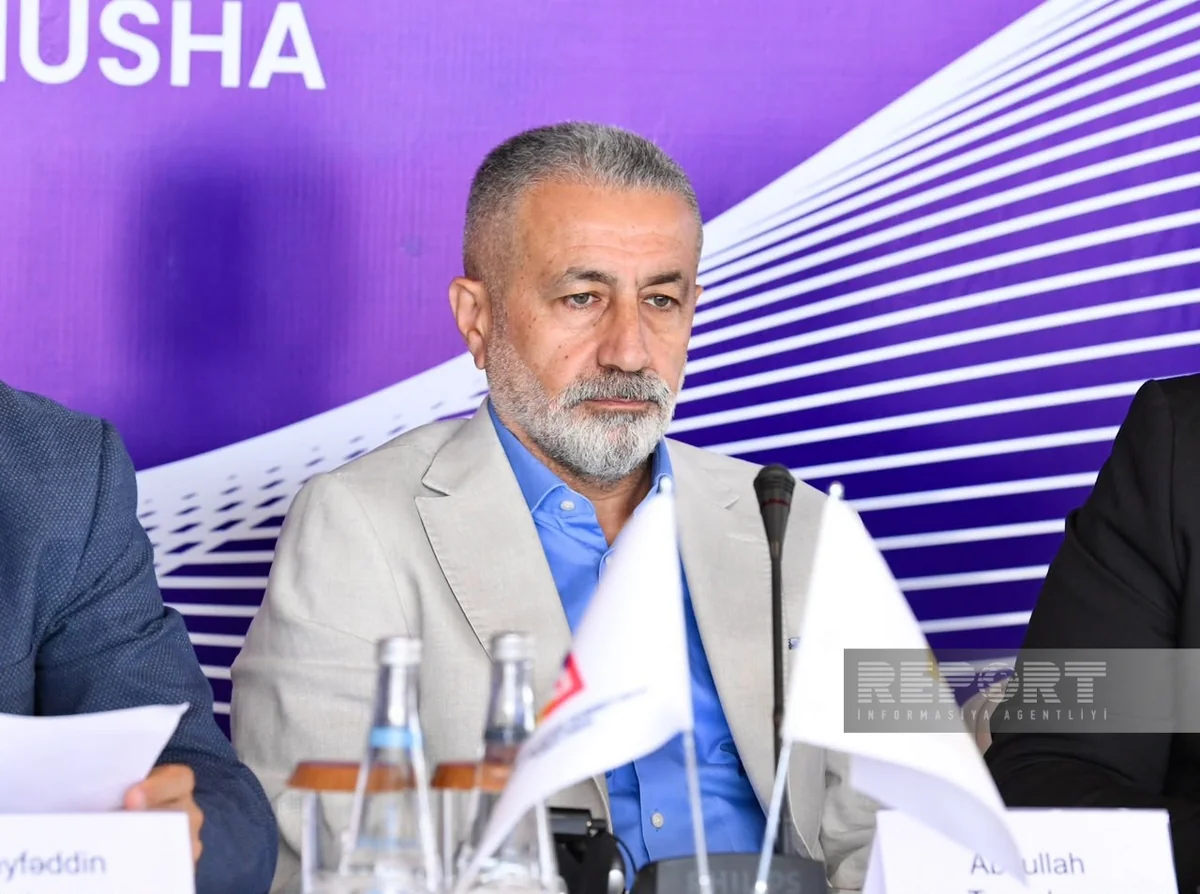
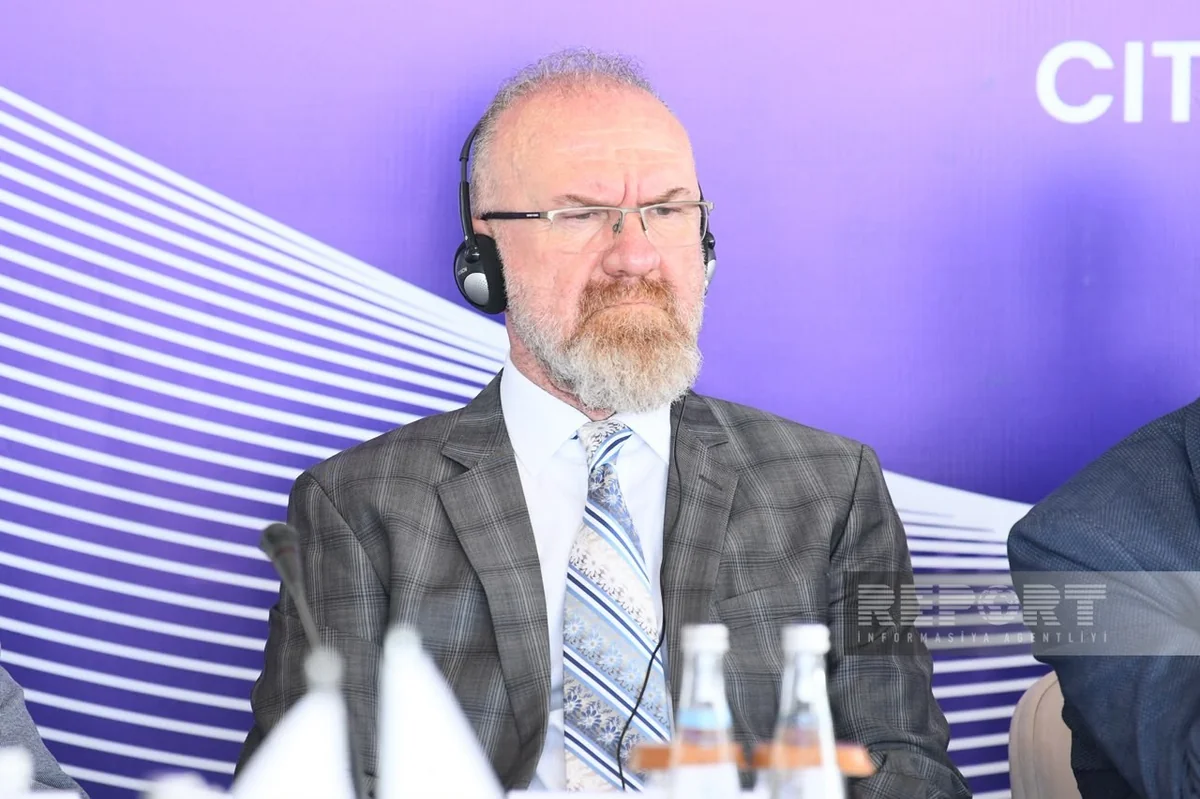
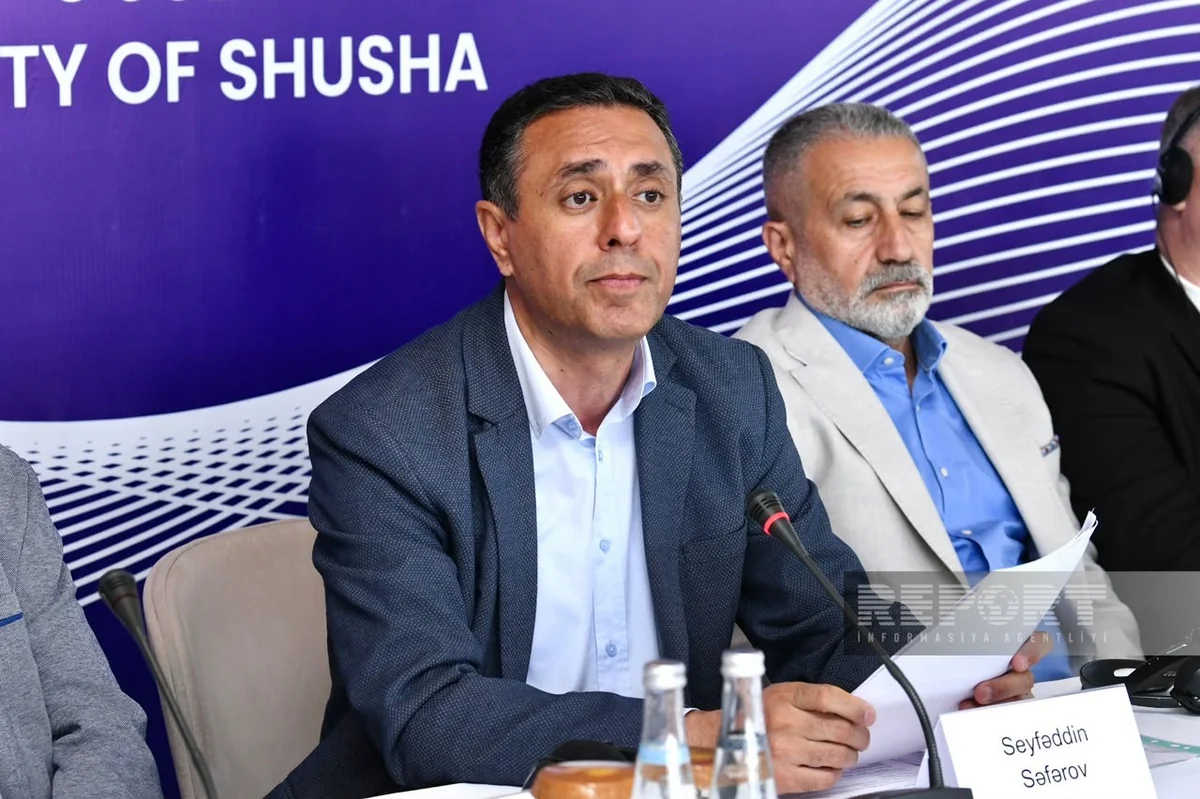
A panel discussion titled "Modern Forms of Colonialism: Actions Bringing Tragedies, Slavery, and Suffering to Peoples" was held Shusha within the framework of the conference "Cultural and Ethnic Diversity: Lessons of History, Contemporary Challenges."
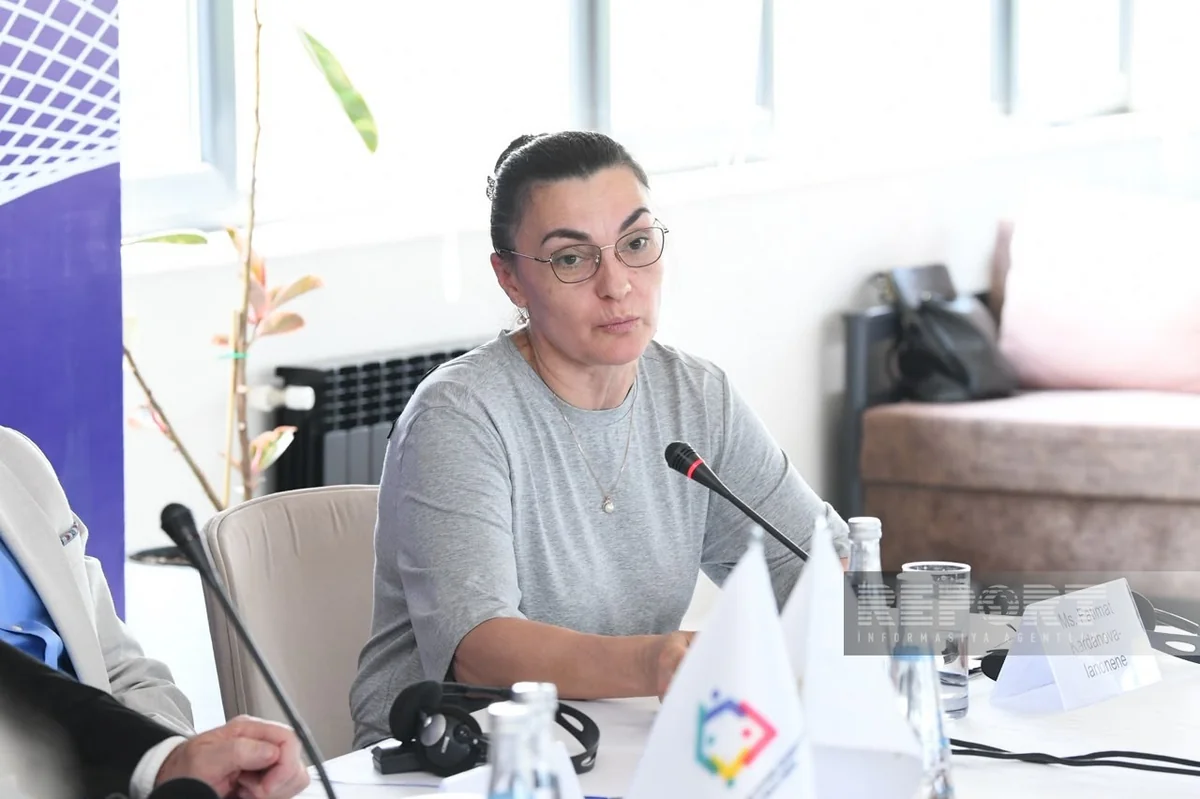
According to Report's correspondent, Fatimat Kardanova-Yanonene, co-founder and chair of the World Circassian Council in Lithuania, thanked representatives of Azerbaijani civil society for creating this important international platform.
According to her, the conference could mark the beginning of a new stage of international cooperation.
"Azerbaijan can become a platform for holding international forums dedicated to the historical and national memory of the indigenous peoples of the Caucasus. Circassians expect Azerbaijan's support in preserving the Circassian language and culture, which are under pressure from Russia," she said.
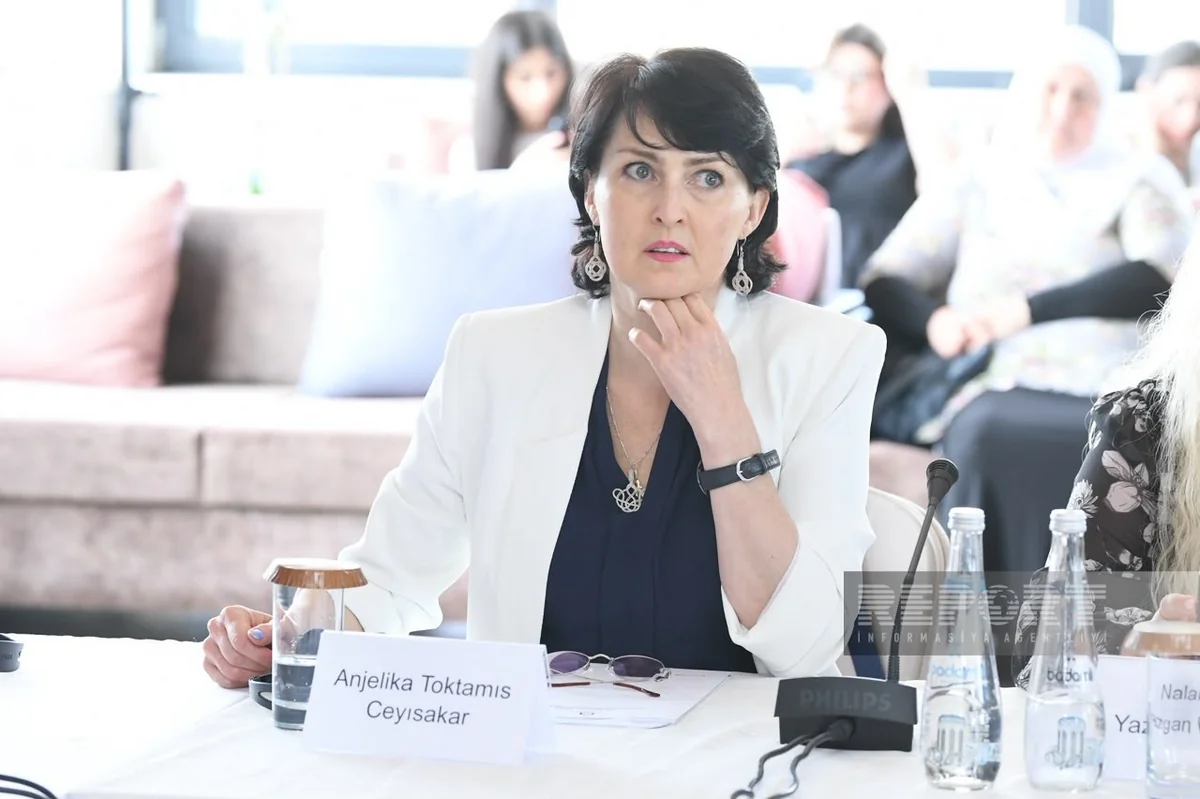
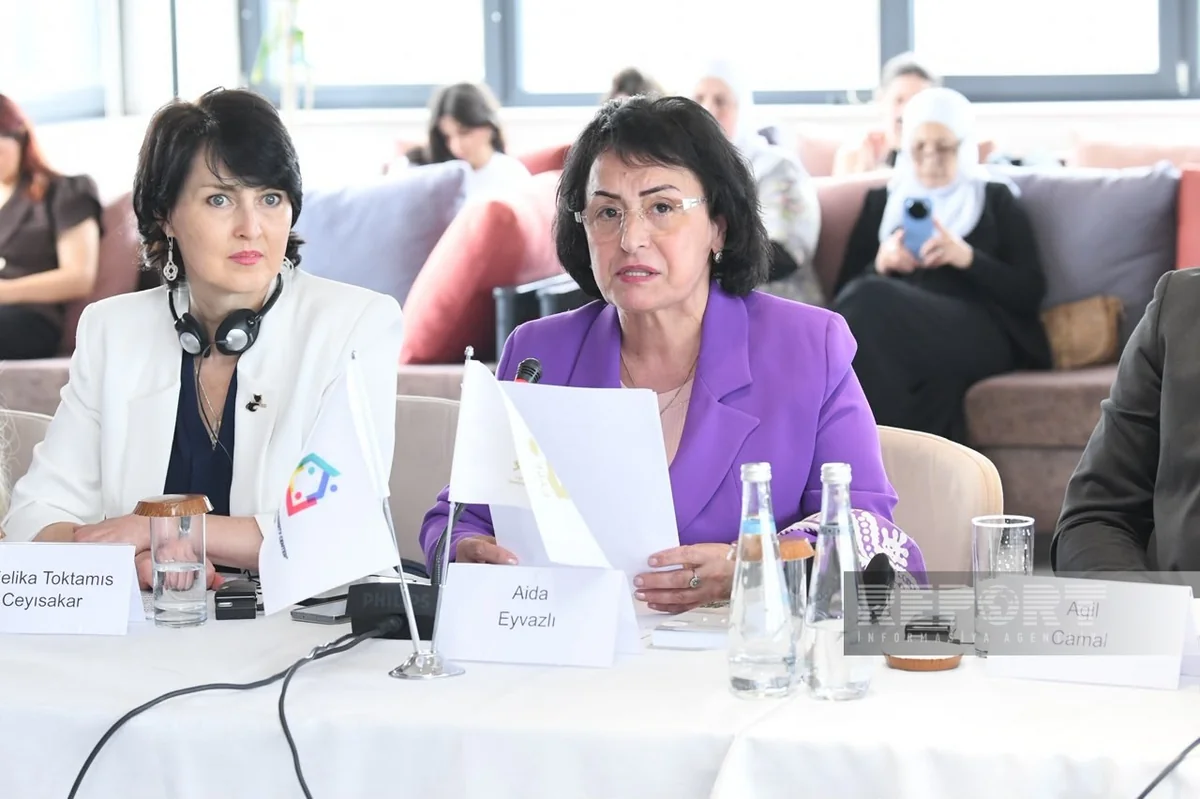
Angelika Toktamish-Jeyishakar, a member of the Circassian Agency public union from Türkiye, emphasized that discussing the future of peoples who have experienced severe historical tragedies is of particular value.
"The goal of Circassian communities is not conflict, but justice, cooperation, economic well-being, and sustainable peace between peoples. Without forgetting the past, we want to look to the future with confidence," she stated.
Raisa Zubareva, leader of the Free Saha movement, speaking via video link, said that the movement did not arise from hatred but as a result of 400 years of discrimination and pressure.
"The lands of Saha are one of the richest regions in the world in natural resources. Diamonds, gold, oil, natural gas, coal, rare earth metals, and other minerals are extracted here. However, all decisions are made in Moscow-resource extraction, revenue distribution, tax policy, and strategic priorities are all regulated there. Today, the Republic of Saha has effectively turned into a raw-material colony without control over its own economic future. As a result, a paradox has emerged: one of the world's richest resource regions faces serious social and infrastructure problems," she said.
According to Zubareva, the Saha people also face ethnic discrimination.
"Our language is being pushed out of many spheres of public life. Despite its official status as a state language in the Republic of Saha, it is gradually being replaced by the Russian language in education, public administration, and the information space," she noted.
Zurtan Khaltarov, founder of the Buryad Guren (Government of Buryatia) movement, who also joined via video link from Poland, emphasized that the Buryats are the largest indigenous colonized people of Siberia.
"We live in a territory stretching from the Yenisei to the Amur. Unlike some pseudo-national Buryat organizations focused mainly on cultural and folkloric activities and unable to form a unified political agenda on historical memory and collective rights, the modern Circassian movement demonstrates a higher level of international mobilization. Over recent decades, Circassian organizations have successfully united their diaspora and made the issue of recognizing the Circassian genocide a central element of their national identity and political program," he said.
According to Khaltarov, fundamental rights and freedoms of the Buryats are being ignored in Russia.
"The experience of modern Azerbaijan is of particular interest to the Buryat national movement. Azerbaijan has shown that preserving historical memory, strengthening national identity, and effective state governance are interconnected processes. The country has created a model of sustainable development where culture, language, and historical memory are treated as strategic resources of the nation. For the Buryat people, this experience shows that cultural revival and institutional self-assertion do not contradict modernization; on the contrary, they become its foundation, ensuring the preservation of national identity amid global political and economic changes," he stressed.
Author