 Baku 25° C
Azerbaijani journalists visit Islamic Civilization Center in Tashkent
- 19 August, 2026
- 16:56
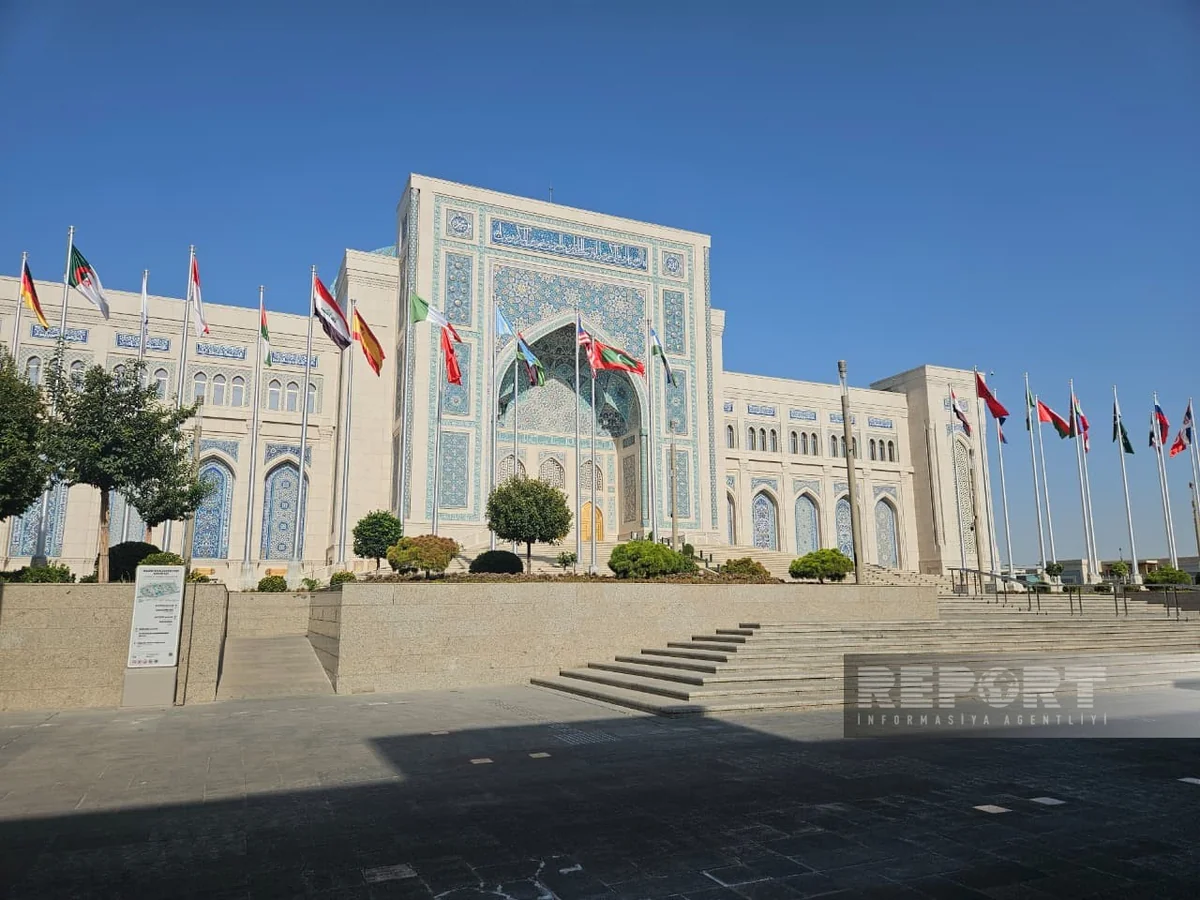
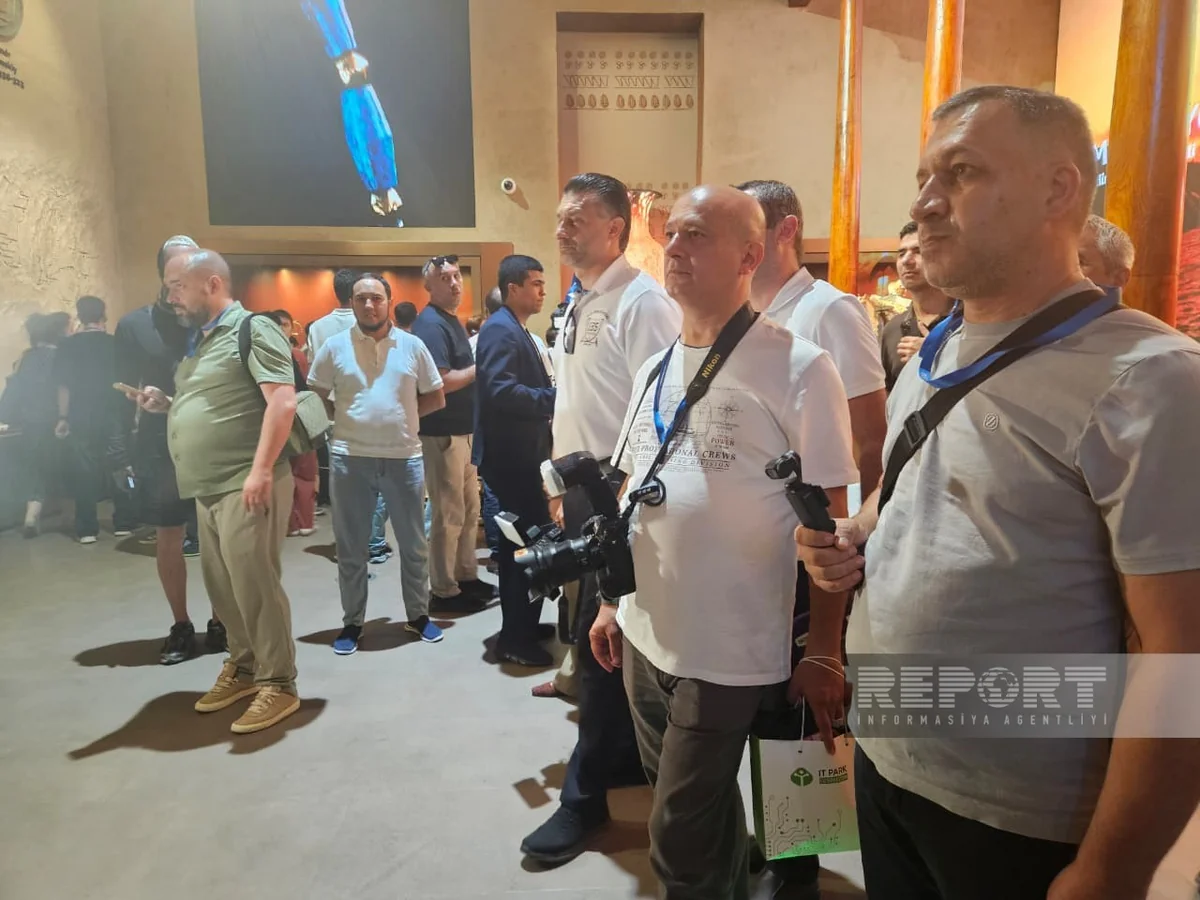
Azerbaijani journalists visited the Islamic Civilization Center in Uzbekistan as part of a media tour of the country.
According to Report's correspondent reports from Tashkent, the visit was held as part of the media tour.
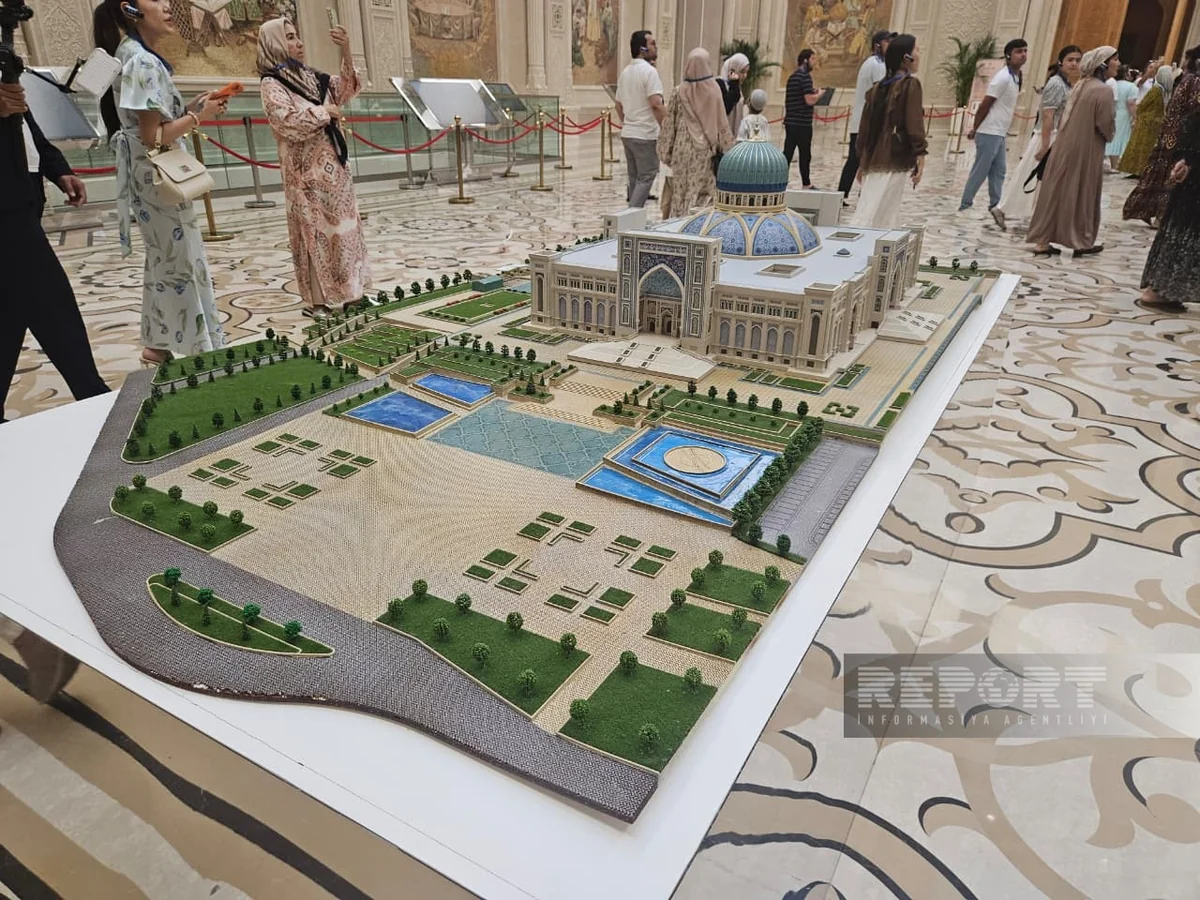
The center was established on the initiative of Uzbek President Shavkat Mirziyoyev. The idea of creating the center was first announced by the Uzbek leader at the UN General Assembly in 2017. Construction of the complex lasted eight years, and it was officially opened on March 17, 2026.
The center covers an area of 10 hectares. The second floor houses the Museum of Islamic Civilization, covering 8,500 square meters, as well as a 550-seat conference hall. The third floor features a 224-seat library, an international research platform and office space.
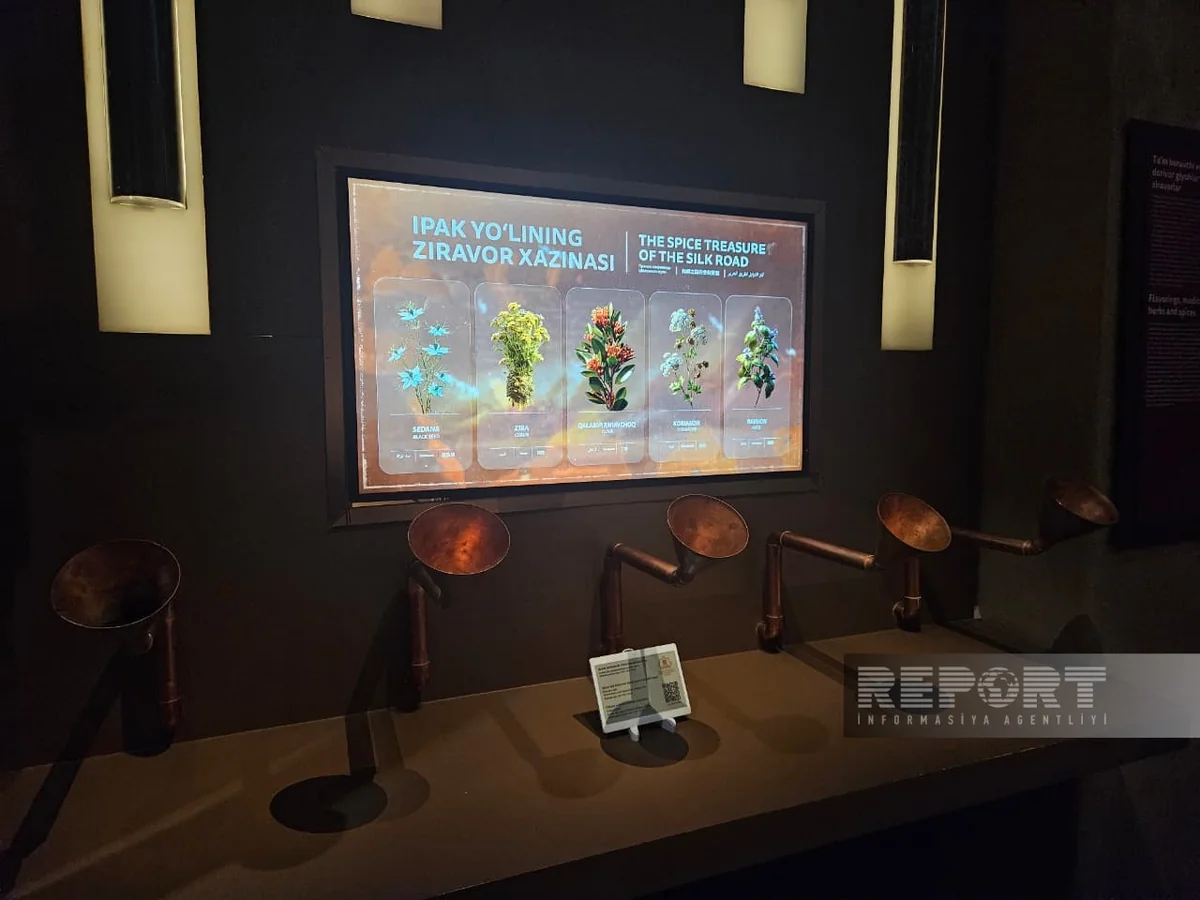
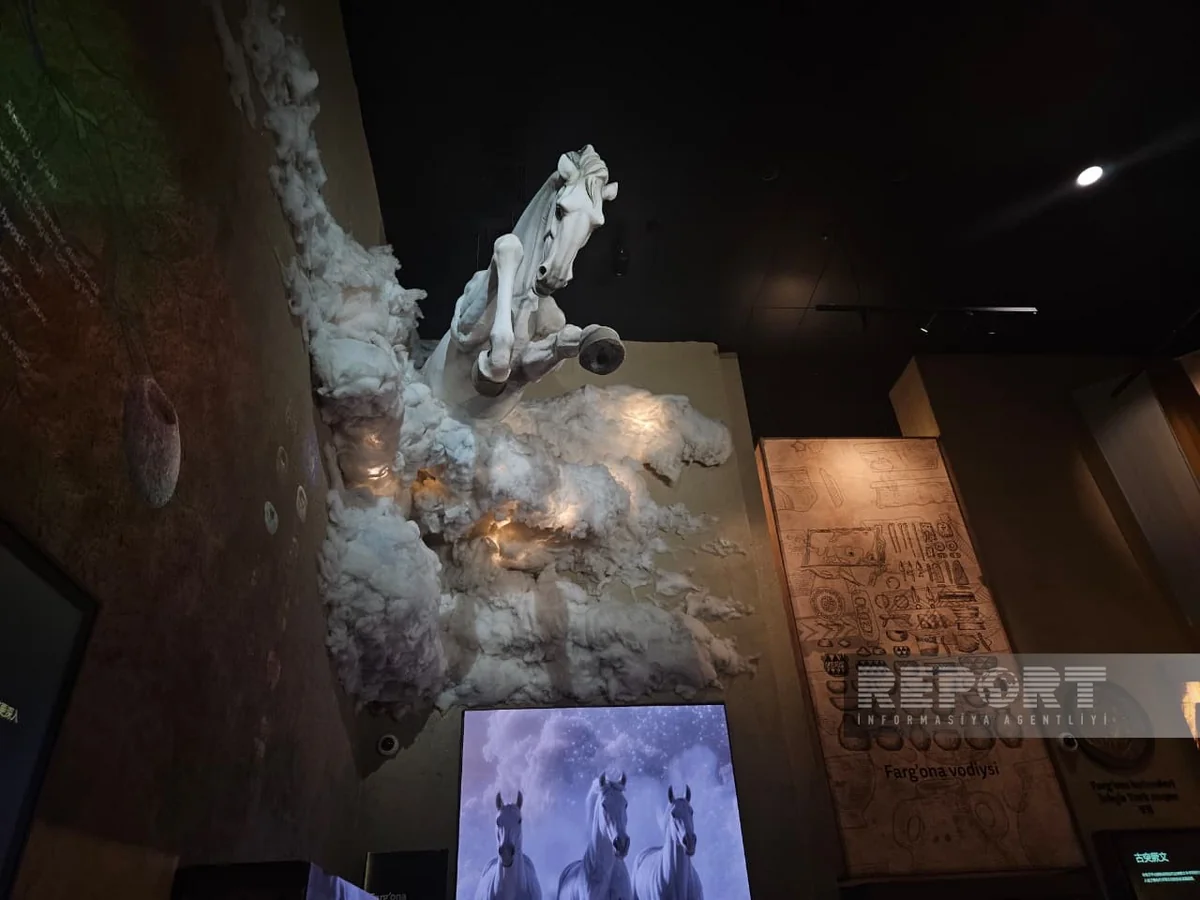
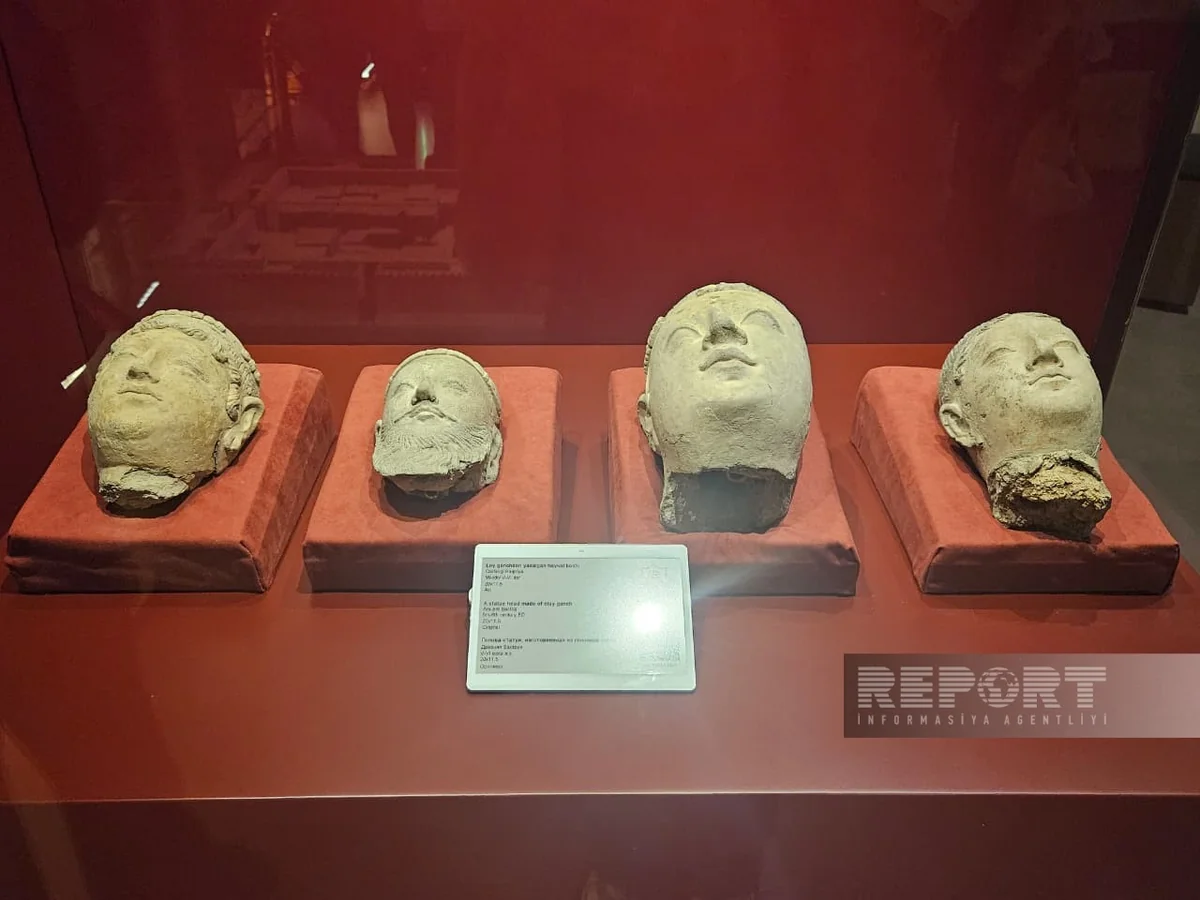
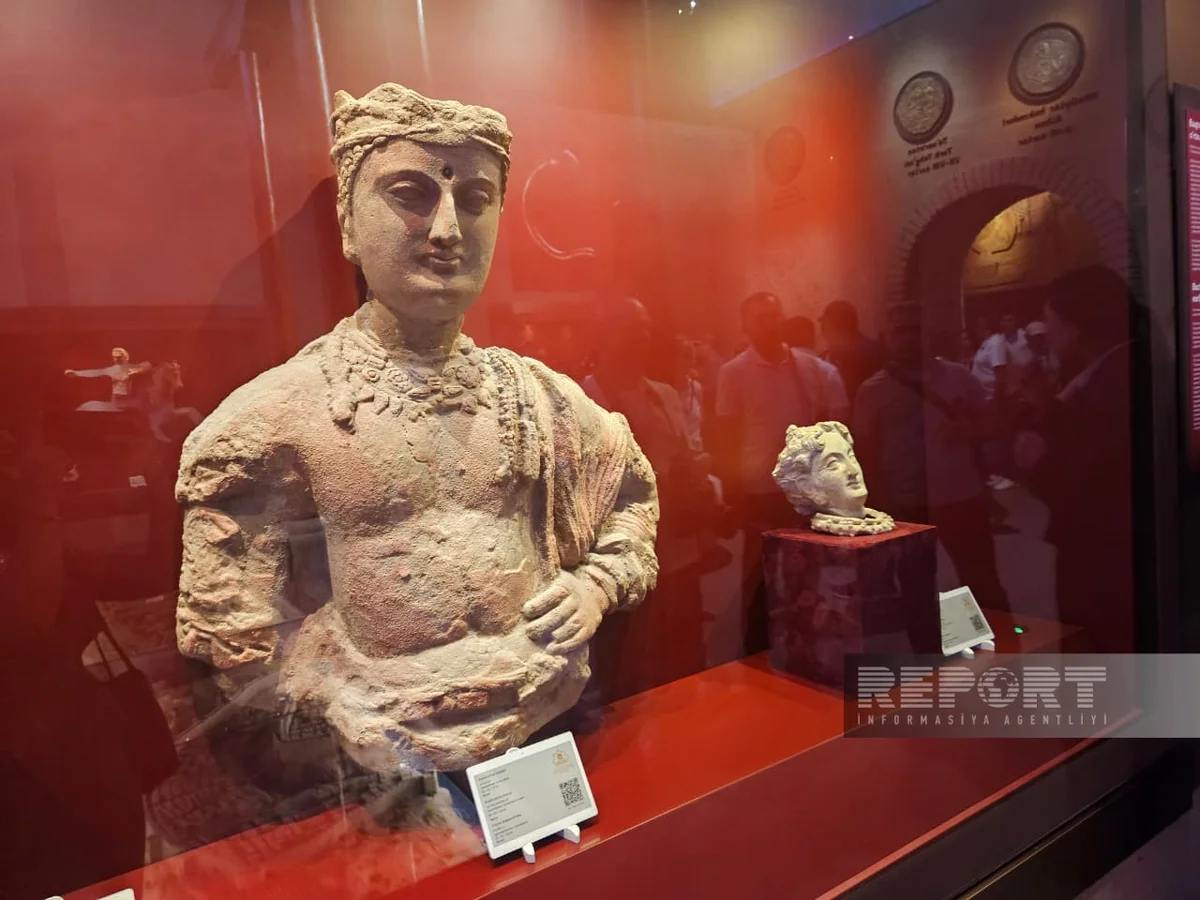
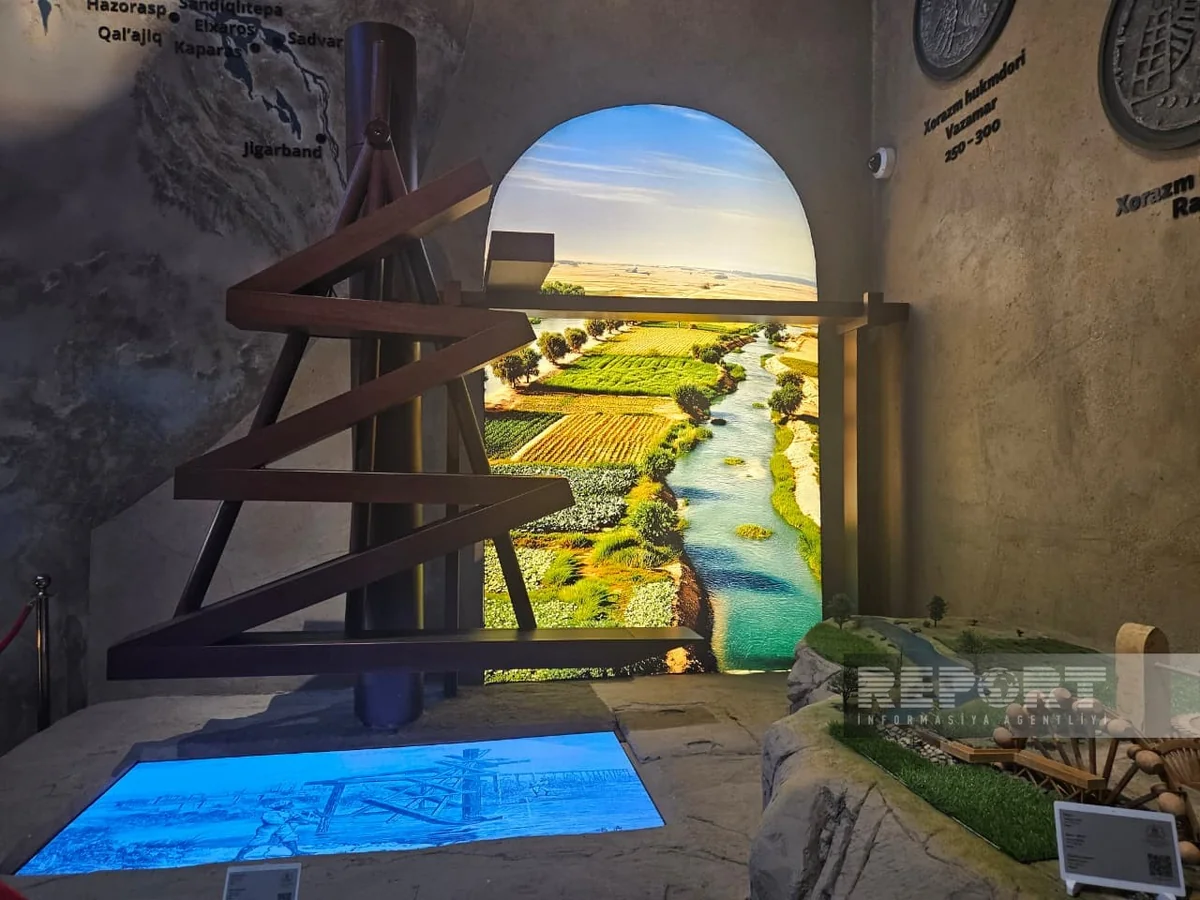
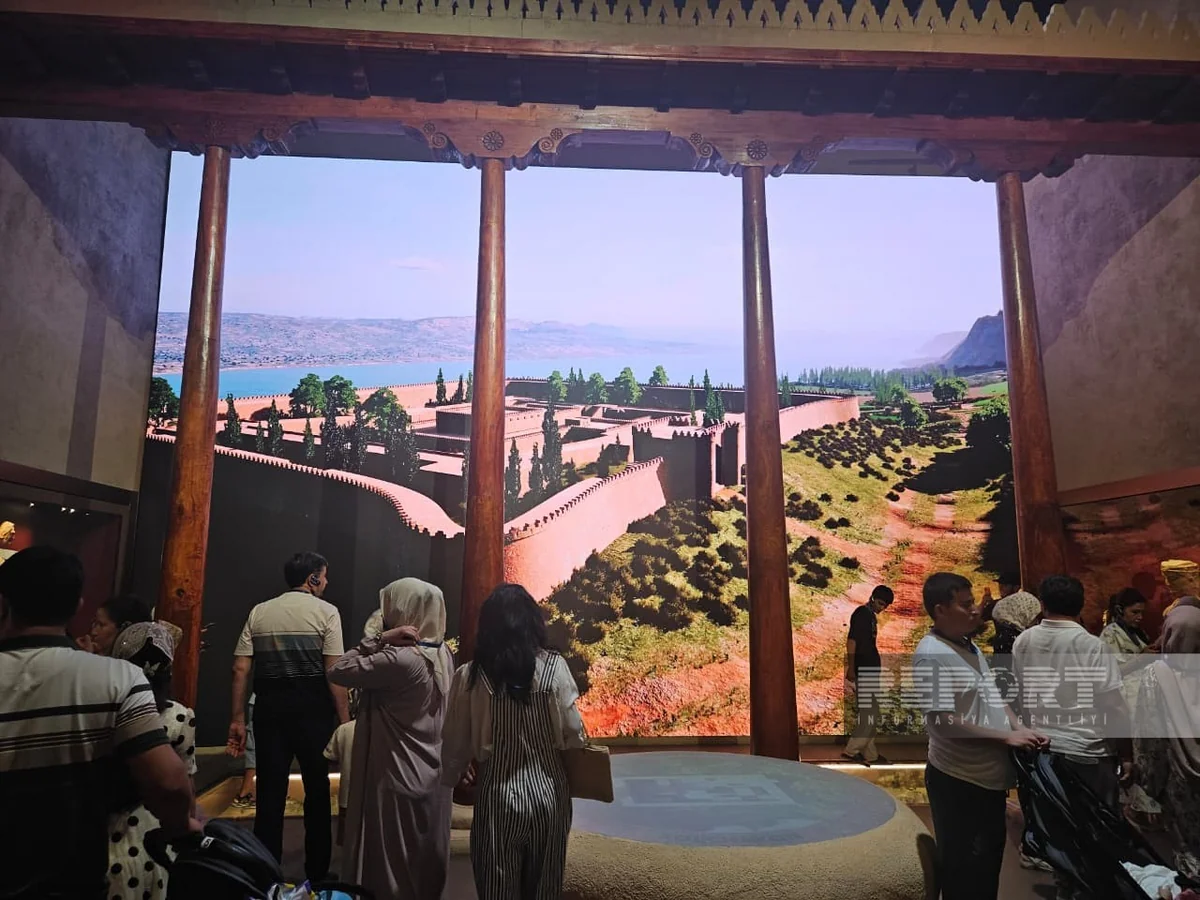
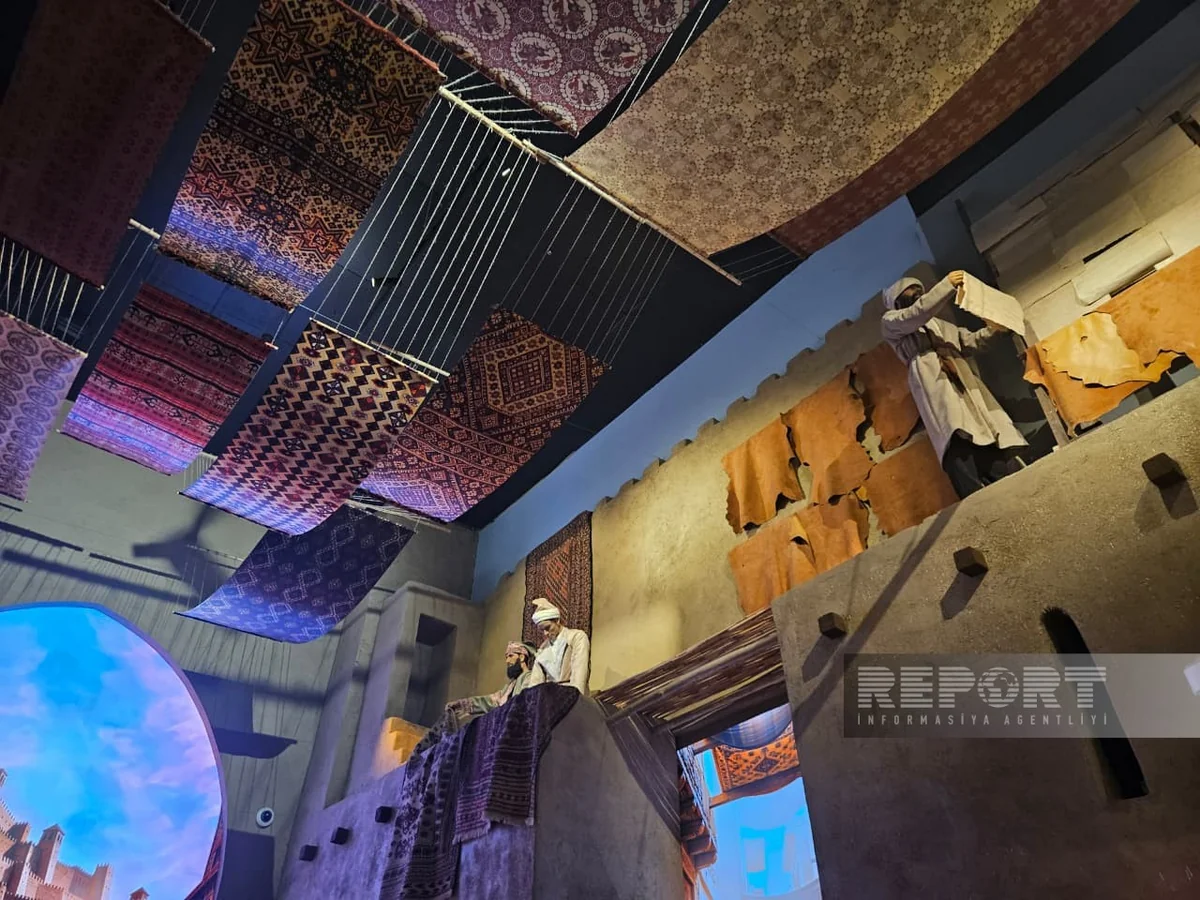
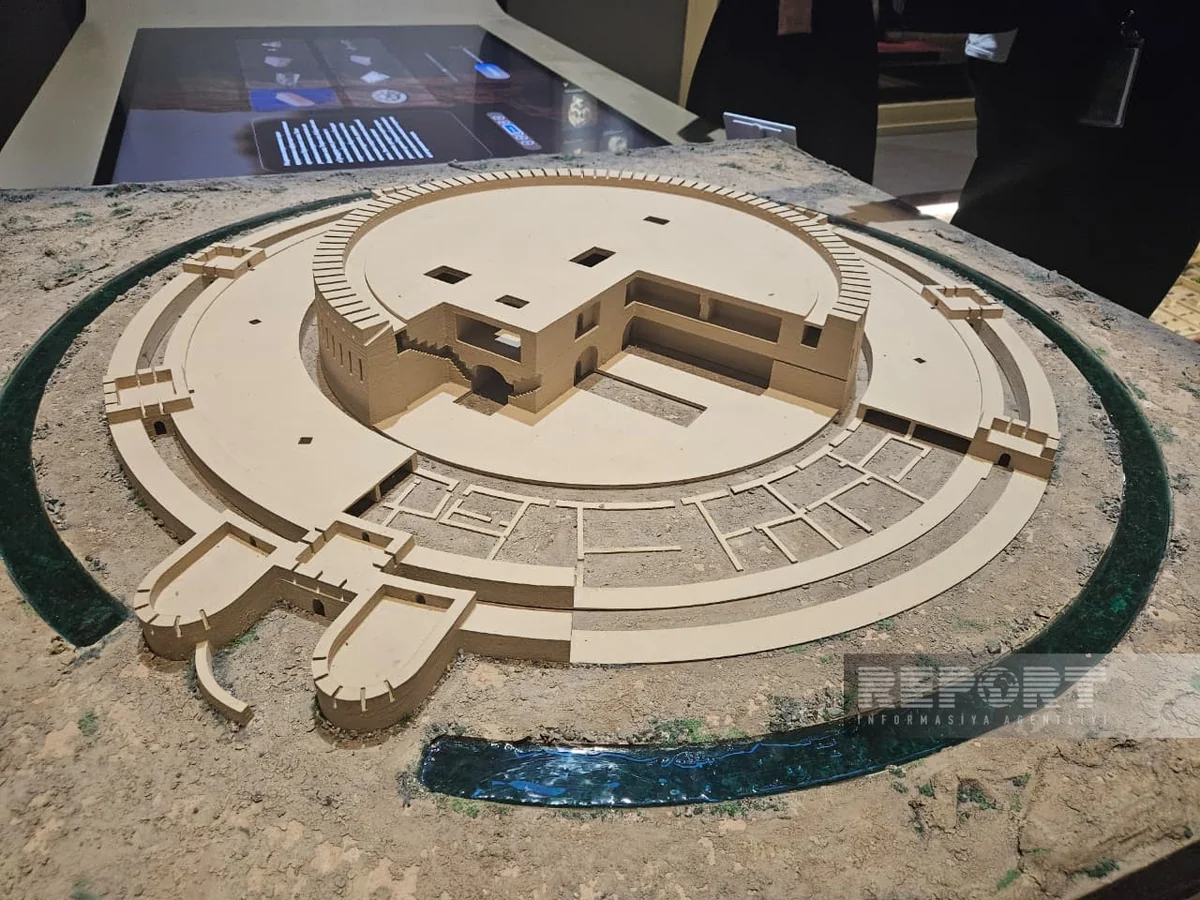
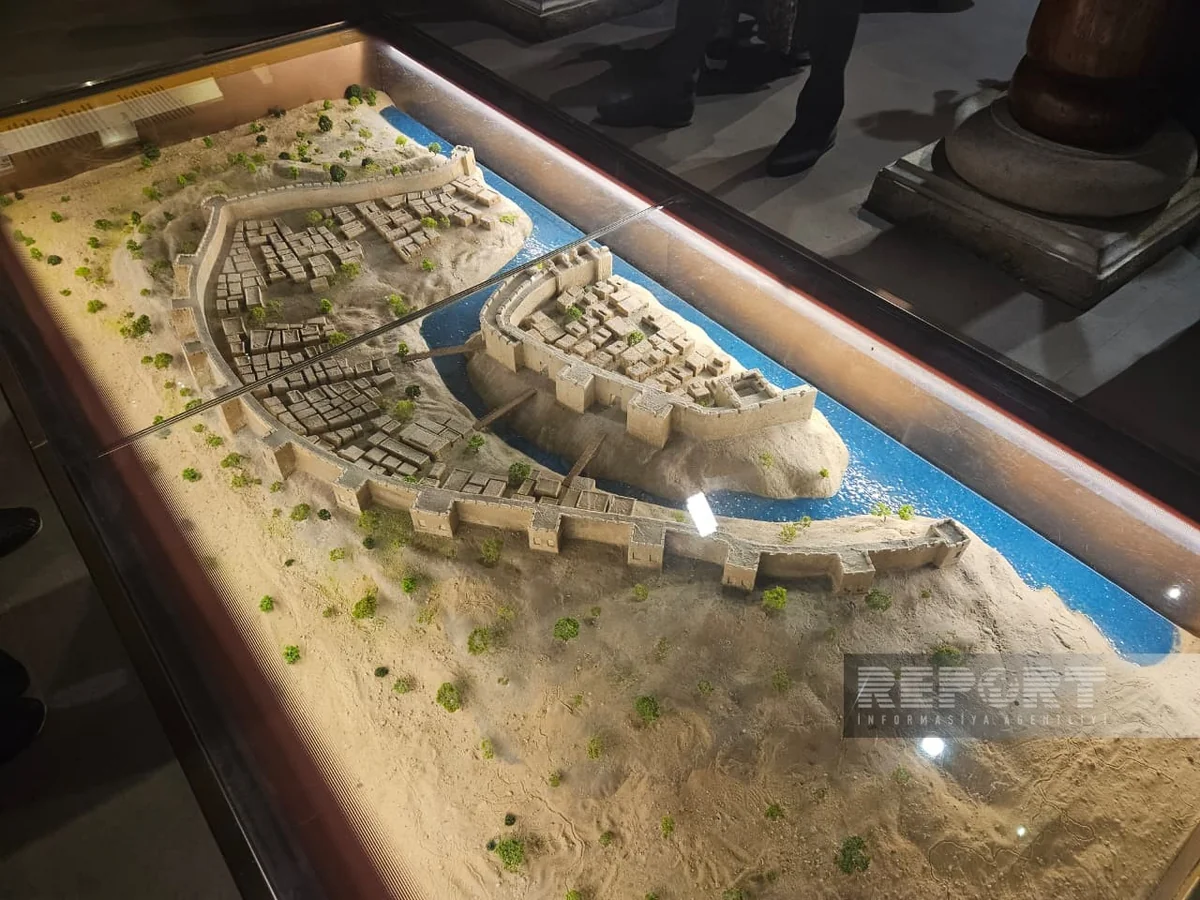
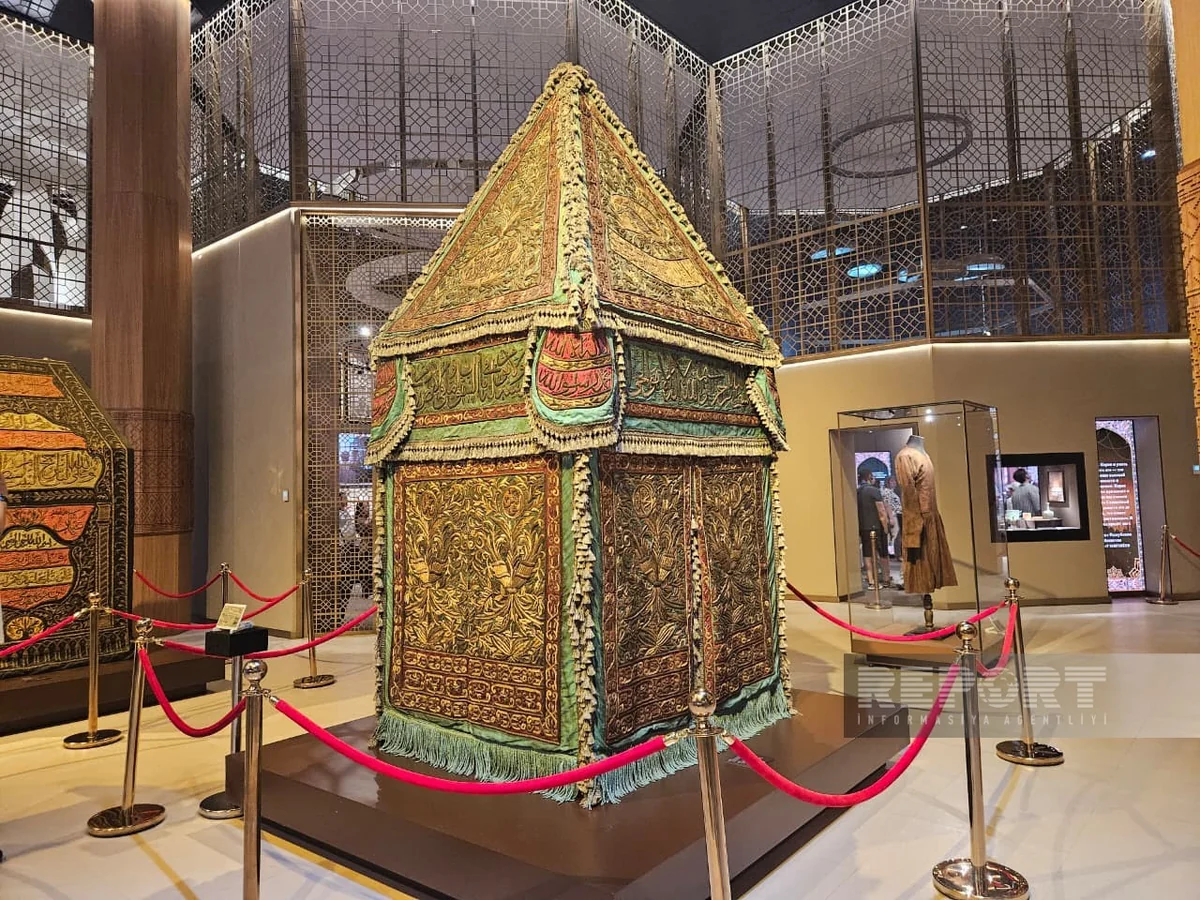
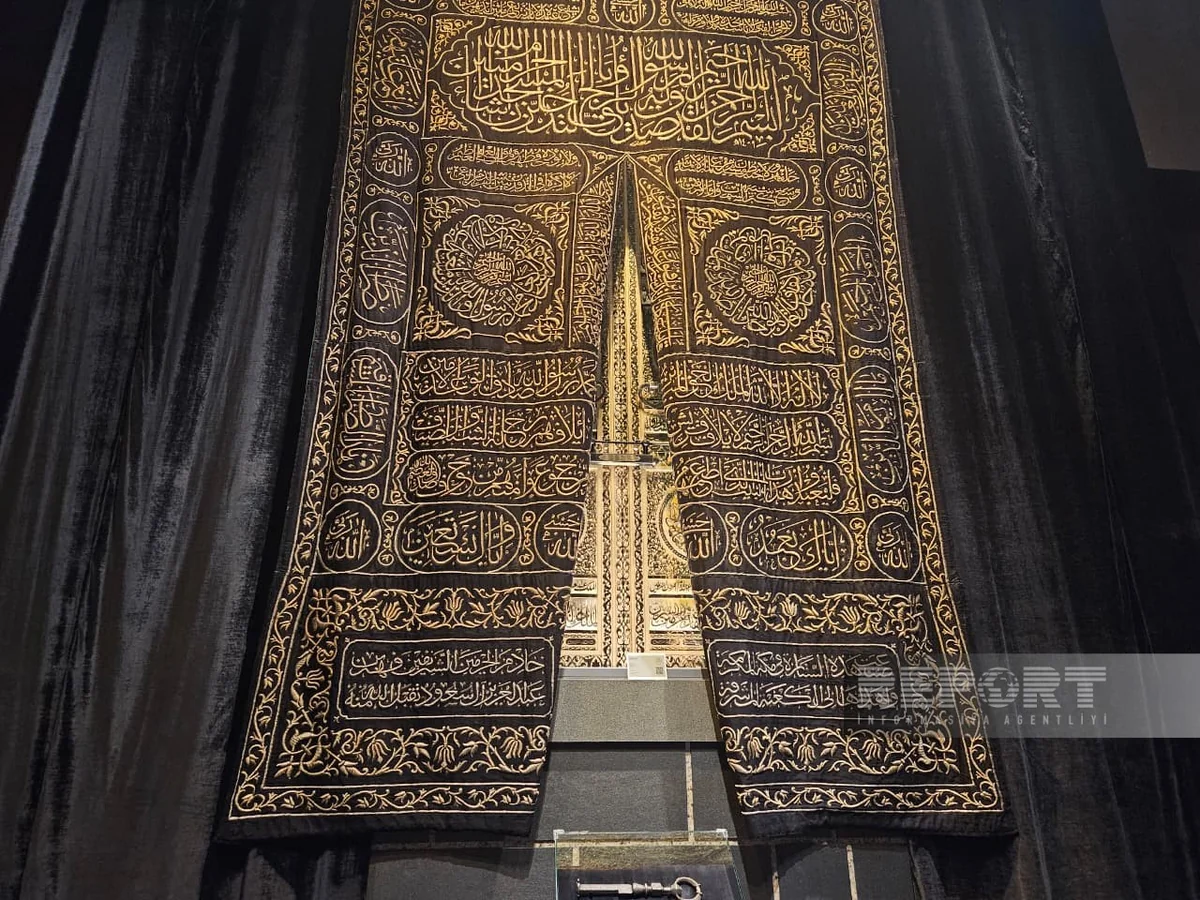
During the visit, the journalists explored exhibits showcasing the history of ancient civilizations in Central Asia, the routes of the Great Silk Road, the eras of the First and Second Renaissances, and the lives and legacies of Amir Timur, Mirzo Ulugbek, Alisher Navoi and other prominent historical figures of the region. Separate sections are dedicated to ancient Bactria, Khorezm, Sogdia, Fergana and Chach.
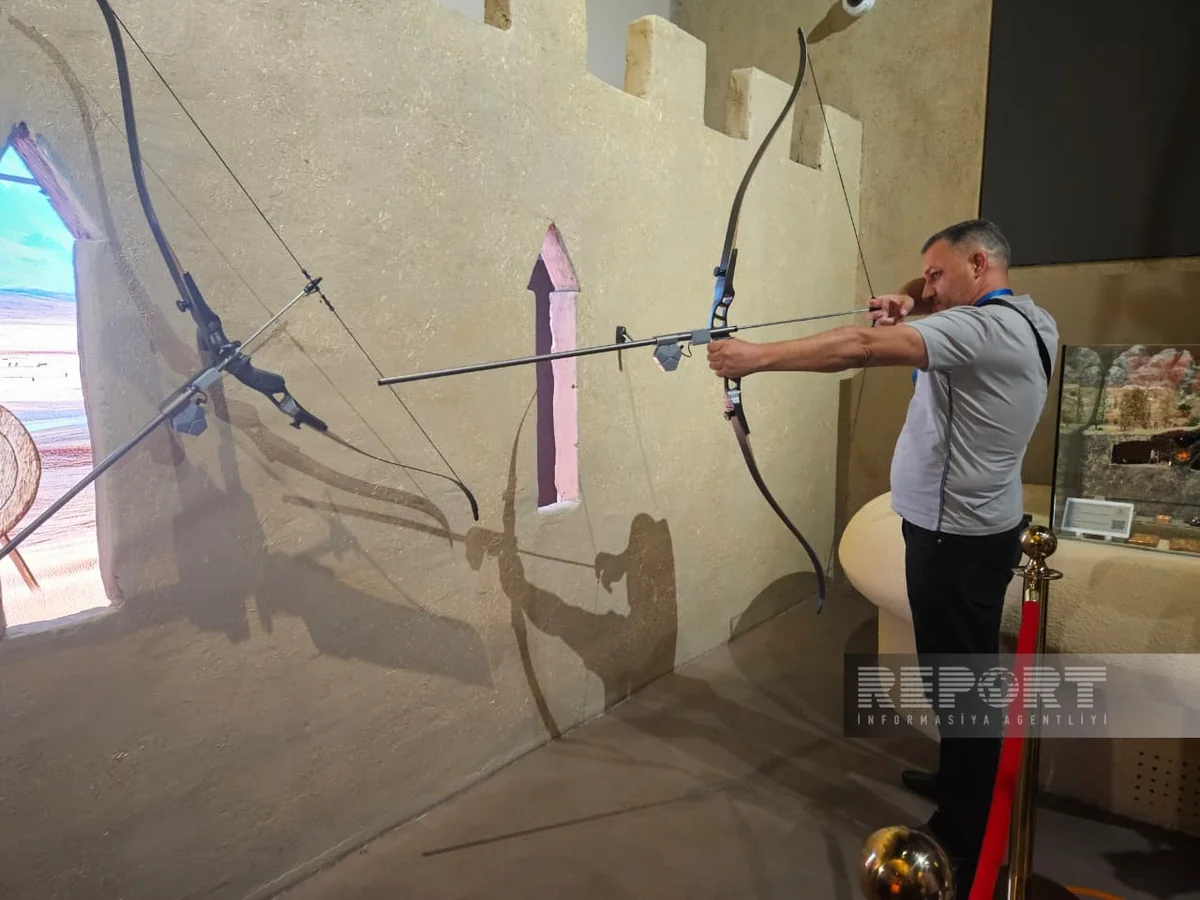
The interactive elements of the center attracted particular interest from the media tour participants. In the "Hall of Fame," digital panels feature a platform where more than 100 avatars of prominent thinkers, scholars and educators from Central Asia "come to life." They share information about the discoveries, scientific works and ideas of these historical figures.
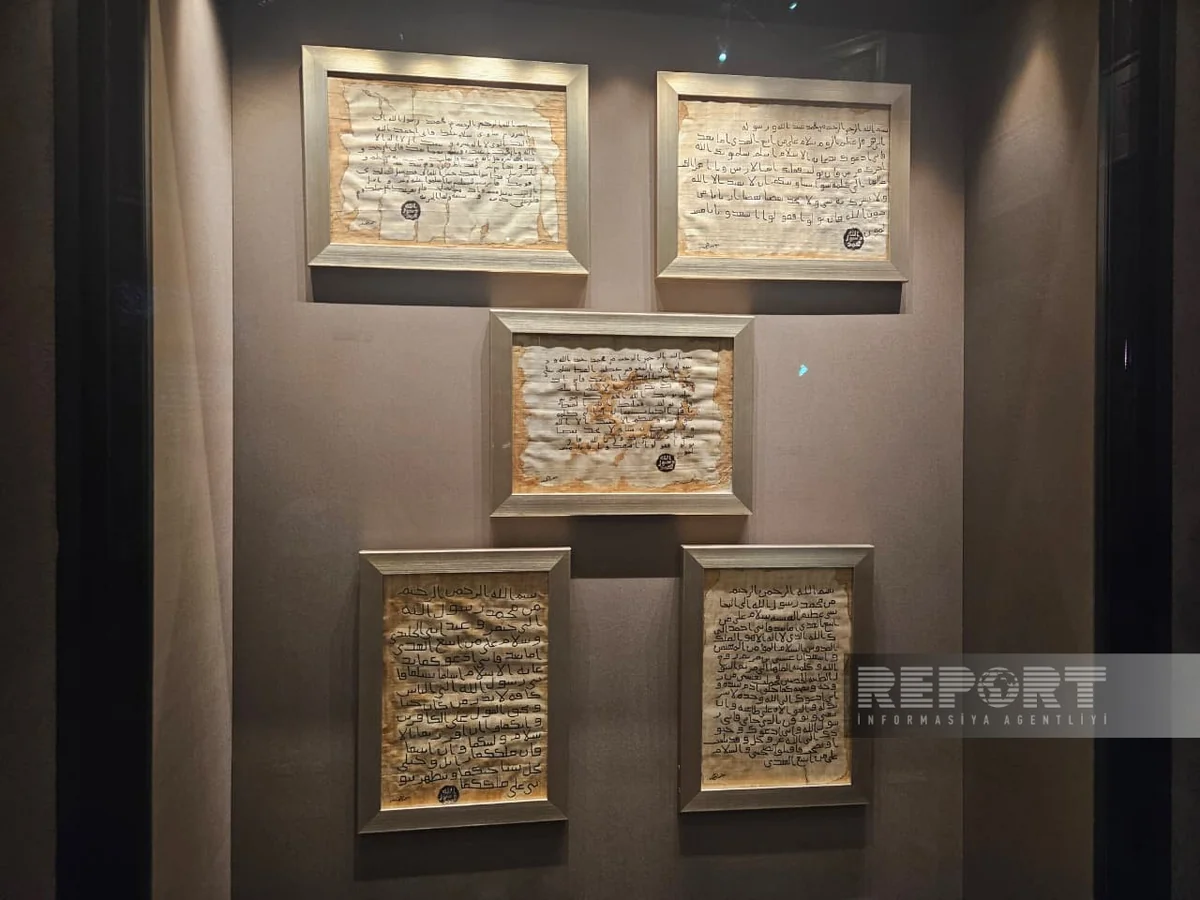
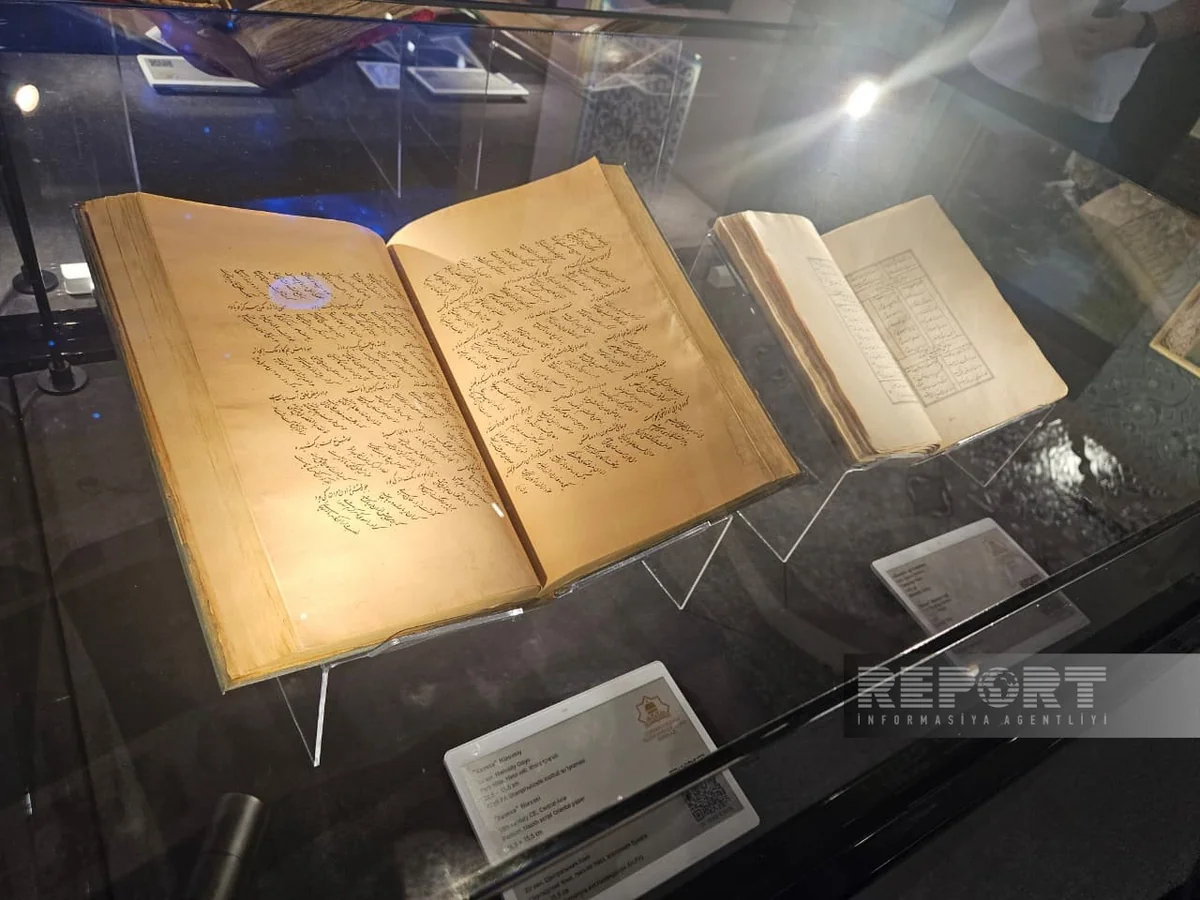
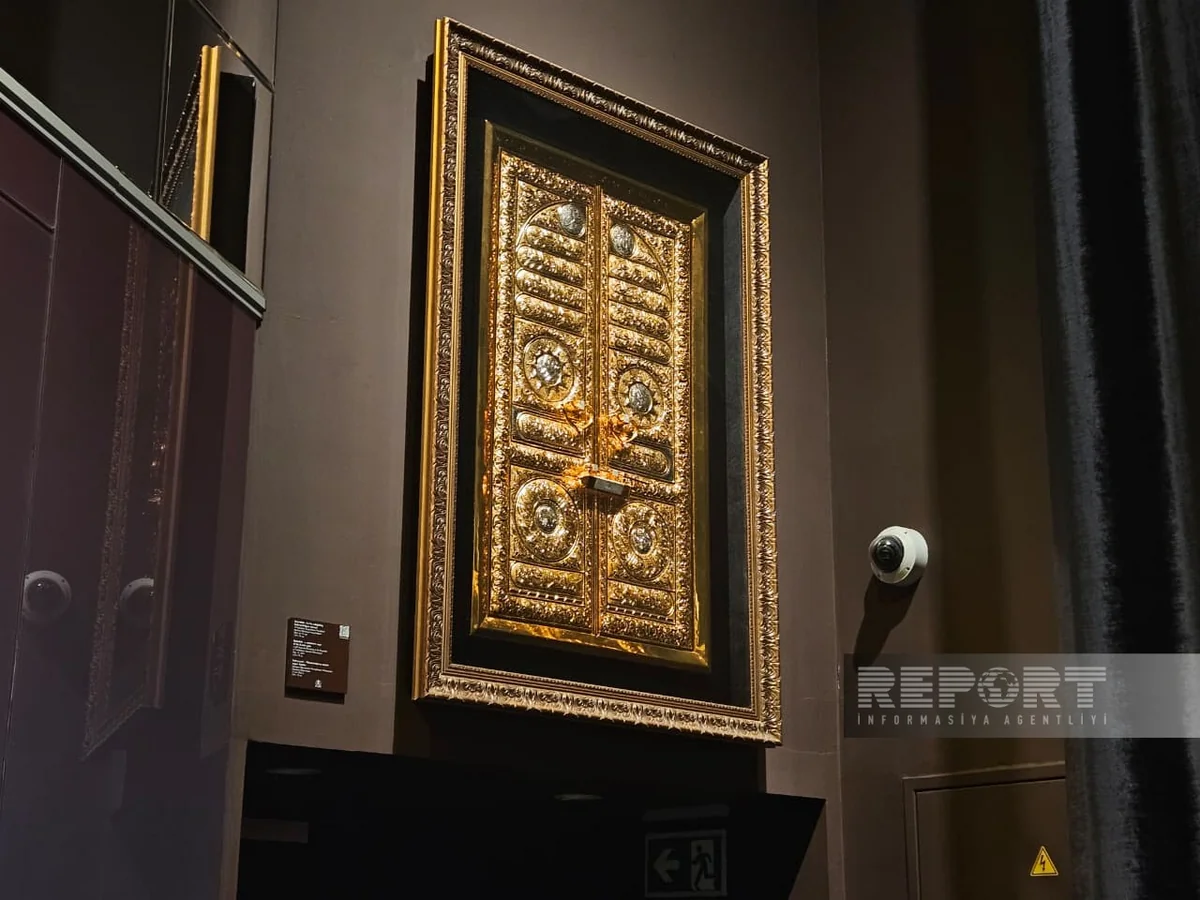
The journalists also visited the Holy Quran Hall, which houses one of the oldest surviving handwritten copies - the Uthman Quran, consisting of 338 folios. The exhibition also includes other handwritten Qurans dating from different historical periods of Central Asia.
Another major part of the exhibition is the 260-meter-long "Wall of Civilizations and Discoveries," which combines historical materials, archaeological artifacts, video projections and interactive installations. It tells the story of the development of ancient states and cultures of Central Asia through a modern educational format.