
 Baku 18° C
Serbia significantly boosts energy security by diversifying energy supply routes
- 10 September, 2026
- 21:10
Stay up to date with the top news!
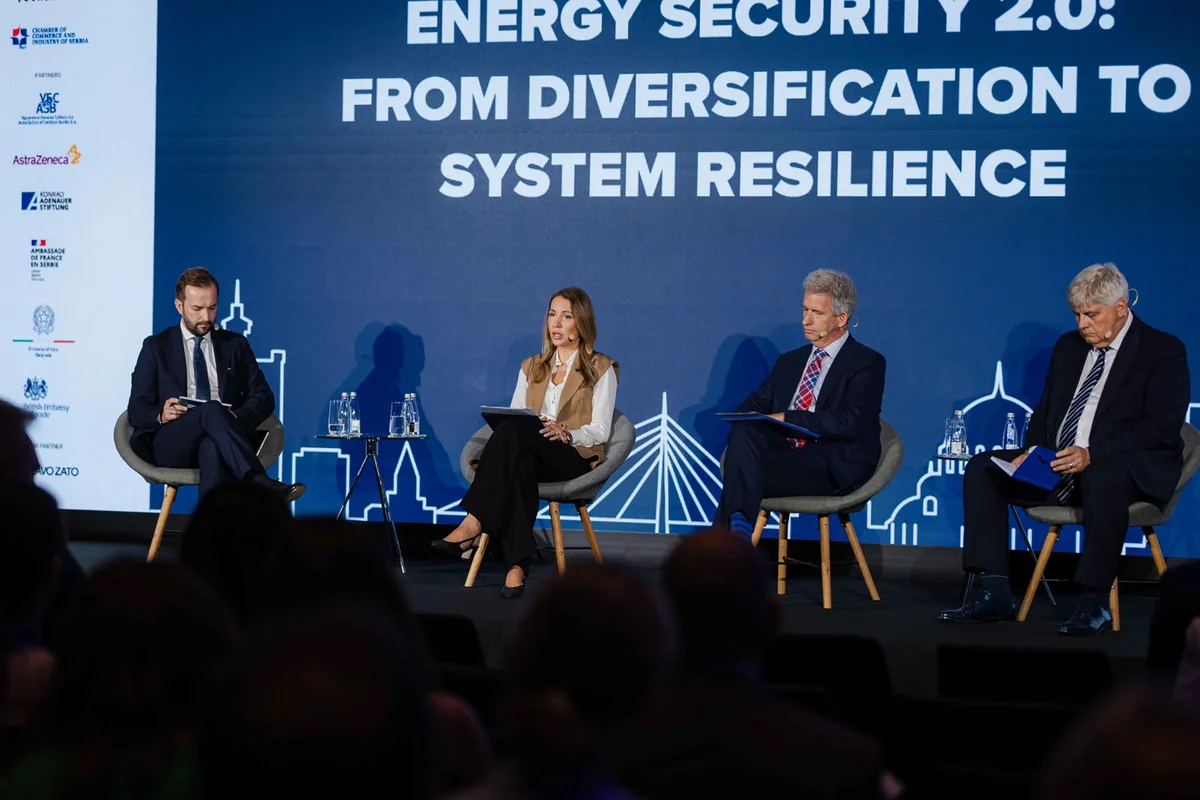
Serbia has significantly strengthened its energy security in recent years by diversifying energy supply routes, Serbian Minister of Mining and Energy Dubravka Đedović Handanović said at the BELTALKS: Belgrade Economic Dialogues conference, Report's Balkan bureau informs.
According to her, the country has implemented a number of major projects in the energy sector over the past four years, and despite various geopolitical challenges, there have been no serious problems with ensuring energy supplies to citizens.
The minister said that one of Serbia's key priorities is strengthening regional energy connectivity. In this regard, the country plans to increase the transmission capacity of electricity interconnectors from approximately 4,000 megawatts to 6,000 megawatts.
Đedović Handanović noted that Serbia has also diversified its gas supply routes in recent years. At the same time, new projects are being developed to expand the country's domestic gas infrastructure and increase its capacity to transport gas in various directions across the country.
According to the minister, Serbia has also recorded significant growth in the renewable energy sector. The installed capacity of solar and wind energy has more than tripled over the past four years, rising from approximately 400 megawatts to 1.3 gigawatts.
She said that as a result of auctions for renewable energy sources, 17 new wind and solar power plant projects have been secured. Eight of them have already been connected to the electricity grid.
Serbia also plans to expand its use of nuclear energy. The minister said that the moratorium on the construction of nuclear power plants has been lifted and conditions have been created for nuclear energy to become part of the country's future energy mix. The first phase of the nuclear program is expected to be completed by mid-2027.
The minister said that the Djerdap 3 reversible hydropower plant project is of particular importance within the framework of energy cooperation with the United States. According to her, the project could become one of the major energy storage facilities in Southeast Europe and contribute to the region's energy security.
Đedović Handanović also emphasized that Serbia is interested in accelerating integration with the European energy market. She said that the country is among the first to fulfill the necessary regulatory conditions for coupling electricity markets, with the goal of being ready for market coupling in 2028.
Author