Baku 18° C
Kallas to discuss Irish alumina supplies to Russia in Dublin amid growing EU pressure
- 09 June, 2026
- 17:00
Stay up to date with the top news!
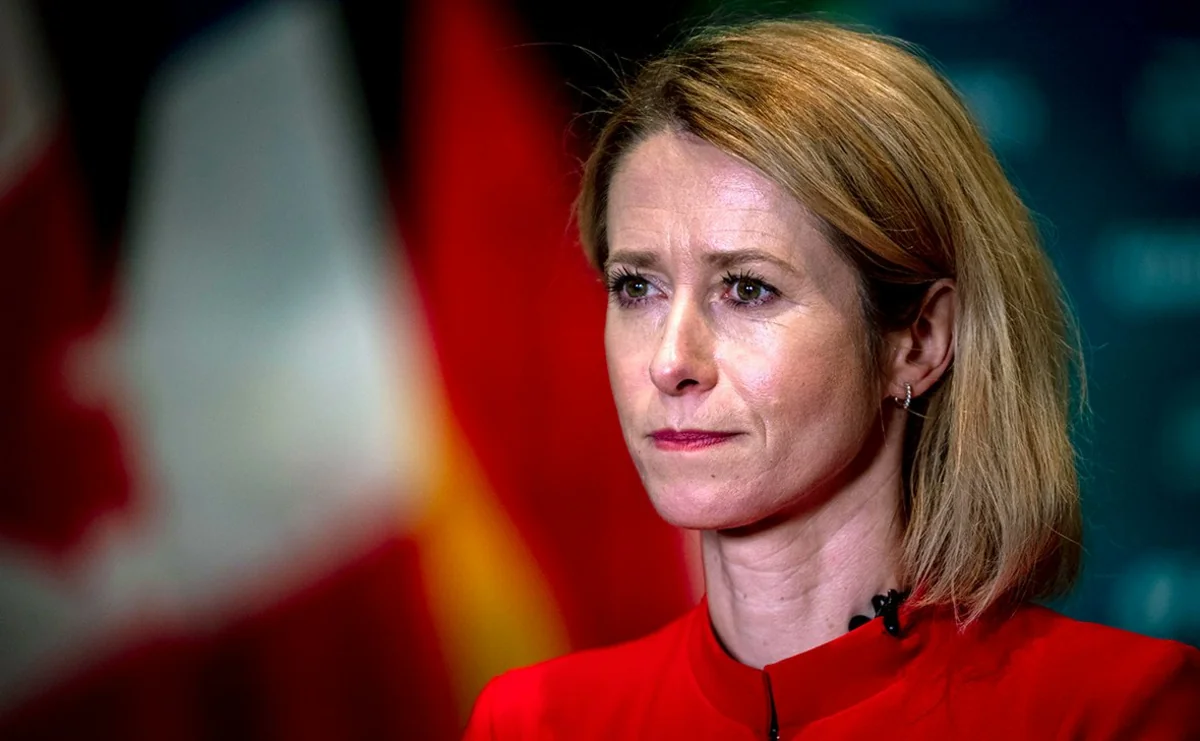
EU Foreign Minister Kaja Kallas traveled to Dublin on June 9 for talks with Irish leaders, during which the ongoing supply of alumina from the Irish smelter Aughinish Alumina to Russia is expected to be addressed, Report informs.
This issue has become increasingly politically charged in recent days ahead of Ireland's EU Council Presidency in the second half of the year, causing growing discontent among European politicians and Ukraine.
While alumina supplies to Russia are not subject to EU sanctions, an investigation by an international consortium of journalists has called into question the role of Europe's largest alumina refinery in a supply chain that, according to the authors, ultimately supplies the Russian military-industrial complex with raw materials.
Growing Pressure on Dublin
Political pressure on Ireland is intensifying on several fronts. The Ukrainian Embassy in Dublin previously expressed "serious concern" about the widespread use of alumina by the Russian military-industrial complex. Belgian Foreign Minister Maxime Prévost called the investigation's findings "extremely alarming."
The discussion was further fueled by a letter from 39 MEPs from 12 countries to Kallas and European Trade Commissioner Maroš Šefčovič calling for an end to raw material exports to Russia.
The issue proved so sensitive that Irish Minister for European Affairs and Defence Thomas Byrne was forced to address it at an informal meeting of EU defence ministers in Cyprus on June 8.
"We don't want to be involved in supplies to Russia. We don't want to find ourselves in that situation," Byrne told reporters in Nicosia, recalling that the government had launched its own investigation into the company's activities.
According to him, Ireland has been "a very strong supporter of sanctions against Russia" and has supported all EU sanctions packages since the outbreak of full-scale war in Ukraine.
"When the results of the investigation are ready, I have no doubt the government will discuss them with the European Commission," he added.
How Irish Alumina Found Its Way into Scandal
At the center of the dispute is the Aughinish Alumina smelter in County Limerick, the largest alumina producer in Europe and one of the region's largest employers.
The plant is owned by the Russian aluminum giant Rusal, part of EN+ Group, founded by Russian billionaire Oleg Deripaska, who has been under EU sanctions since 2022.
According to an investigation by the Irish Times, the Organized Crime and Corruption Reporting Project (OCCRP), The Guardian, and the Russian publication iStories, a significant portion of the alumina produced in Ireland is shipped to Rusal's Russian aluminum smelters in Krasnoyarsk and Sayanogorsk.
The journalists traced the shipment route using customs records, ship registers, satellite images, and financial documents obtained by them. According to their data, the raw materials are delivered by sea to the St. Petersburg region, then transported by rail almost 5,000 km to Siberia.
The investigation pays particular attention to the Krasnoyarsk Aluminum Smelter, which, according to published data, received approximately 480,000 tons of Irish alumina in 2024-approximately two-thirds of its total supply.
The smelter positions itself as the only enterprise in Russia capable of producing high-purity aluminum used in the manufacture of military aircraft and missiles.
Connections to the Russian Military-Industrial Complex
According to the investigation, the produced aluminum is then sold through the Moscow-based Aluminum Sales Company (ASC), which the authors of the article describe as one of the largest suppliers of aluminum to the Russian defense sector.
The journalists identified 107 defense industry enterprises among the company's clients, including 40 organizations subject to EU sanctions. These include the Votkinsk Plant, which produces Iskander-M ballistic missiles; Uraltransmash, which produces self-propelled artillery units; and Uralvagonzavod, which produces T-72 tanks.
The authors of the investigation emphasize that they have no evidence that specific batches of Irish alumina were used in the production of specific types of weapons. However, experts believe it is highly likely that the raw material is becoming part of the overall metallurgical base for Russian military production.
Exports to Russia increased sharply
Supply volumes have increased significantly since the start of the war with Ukraine.
According to data from the Irish Central Statistics Office, Irish alumina imports to the Russian market increased from approximately 394,000 tons in 2020 to over 826,000 tons in 2024.
Russia's share of Aughinish's sales increased from 23% to 68% over the same period.
Even more controversial were data for the first quarter of 2026, which showed that 83% of all Irish alumina exports went to Russia, while the EU accounted for only 0.6%.
Following the publication of these figures, authorities and refinery management claimed a statistical error. According to the company, the actual share of deliveries to Russia was approximately 51% in the first quarter of this year and 45% by the end of 2025.
Why Brussels isn't imposing sanctions yet
Despite growing criticism, the European Commission is not yet recommending restrictions against either the plant or the alumina itself.
This is because Aughinish remains a vital supplier of raw materials for European industry, and its closure could cause serious disruptions to the aluminum market and higher prices in the EU.
Irish Prime Minister Micheal Martin previously called the possible restrictions "counterproductive," stating that they would harm Europe more than the Kremlin.
The company also denies the accusations, emphasizing that alumina and aluminum are essential industrial commodities widely used in the civilian economy, and that the plant's operations are fully compliant with EU law and current sanctions regimes.
However, as the Irish Presidency of the Council of the EU approaches, the issue is becoming increasingly politically sensitive for Dublin. Many European politicians are finding it increasingly difficult to explain why Europe's largest plant, owned by entities linked to Oleg Deripaska, continues to supply raw materials to Russia in the fifth year of the war, and why these supplies are growing, even if they are legal.
Author