Baku 22° C
Israel from Jerusalem to Tel Aviv: Country of amazing contrasts
- 19 September, 2026
- 11:26
Stay up to date with the top news!
Israel is a country of amazing contrasts, both on a regional scale and within the state itself.
When the plane comes in for a landing at Ben Gurion, Israel's main international airport, the first impression turns out to be completely different from what I had imagined. In my imagination, Israel had long remained almost synonymous with a desert - a country easily envisioned through the biblical stories of Moses and the exodus of the Jews from Egypt. But even from the airplane window, it becomes clear that modern Israel looks different.
After landing and taking my first trips around the country, it is immediately noticeable how much greenery there is. Trees gradually give way to entire forest expanses, and areas constantly appear along the roads that do not at all correspond to the usual idea of the desert Middle East. One gets the impression that landscaping here has become not just a matter of beautification, but a part of the country's very structure. For a state, a significant part of whose territory is located in an arid zone, this is of almost strategic importance.
Ben Gurion itself does not give the impression of a gigantic architectural complex. But these are the main air gates of Israel, located between Tel Aviv and Jerusalem. And it was from here that my journey across the country began.
Yerushalayim Shel Zahav – Jerusalem of Gold
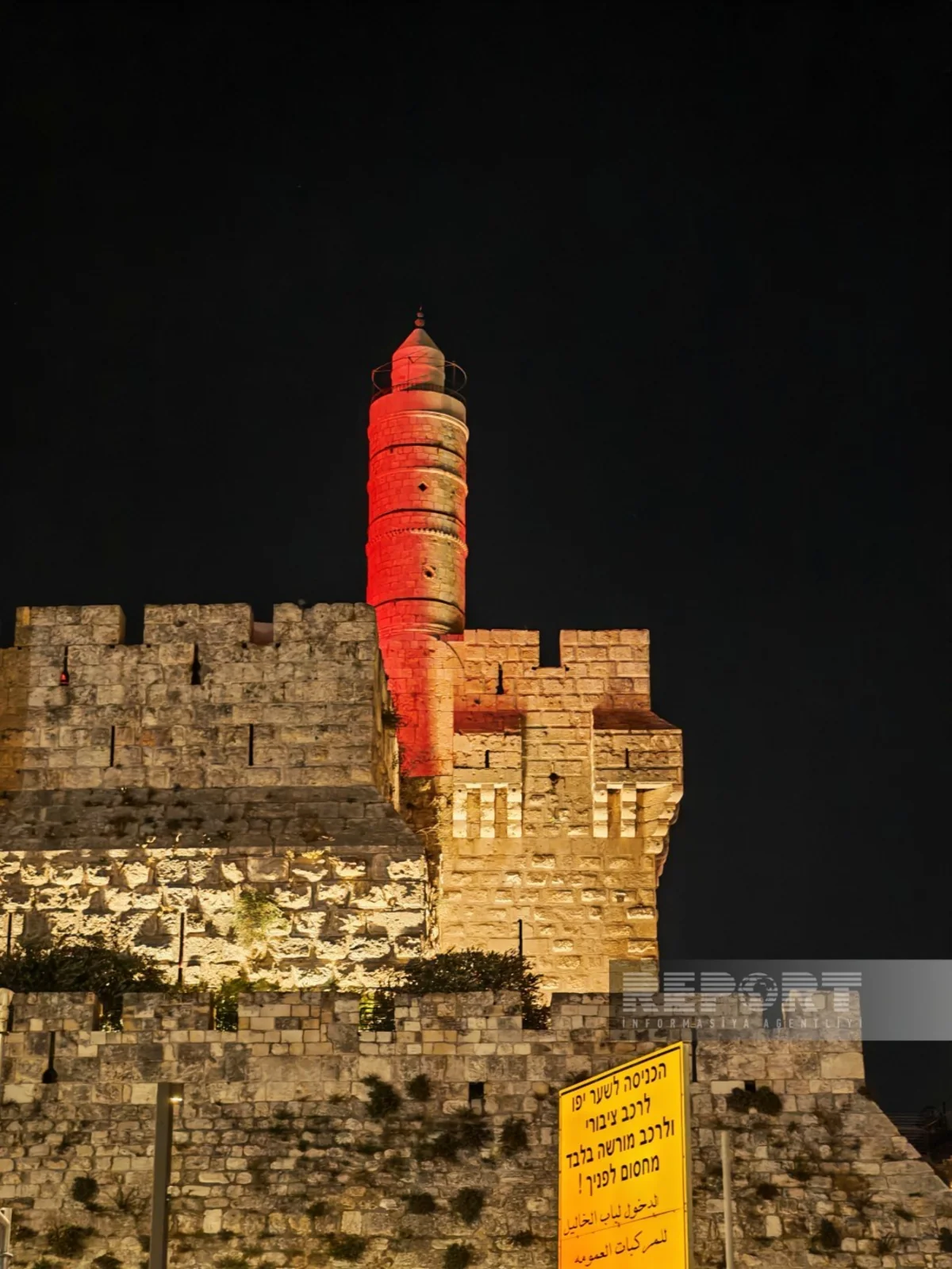
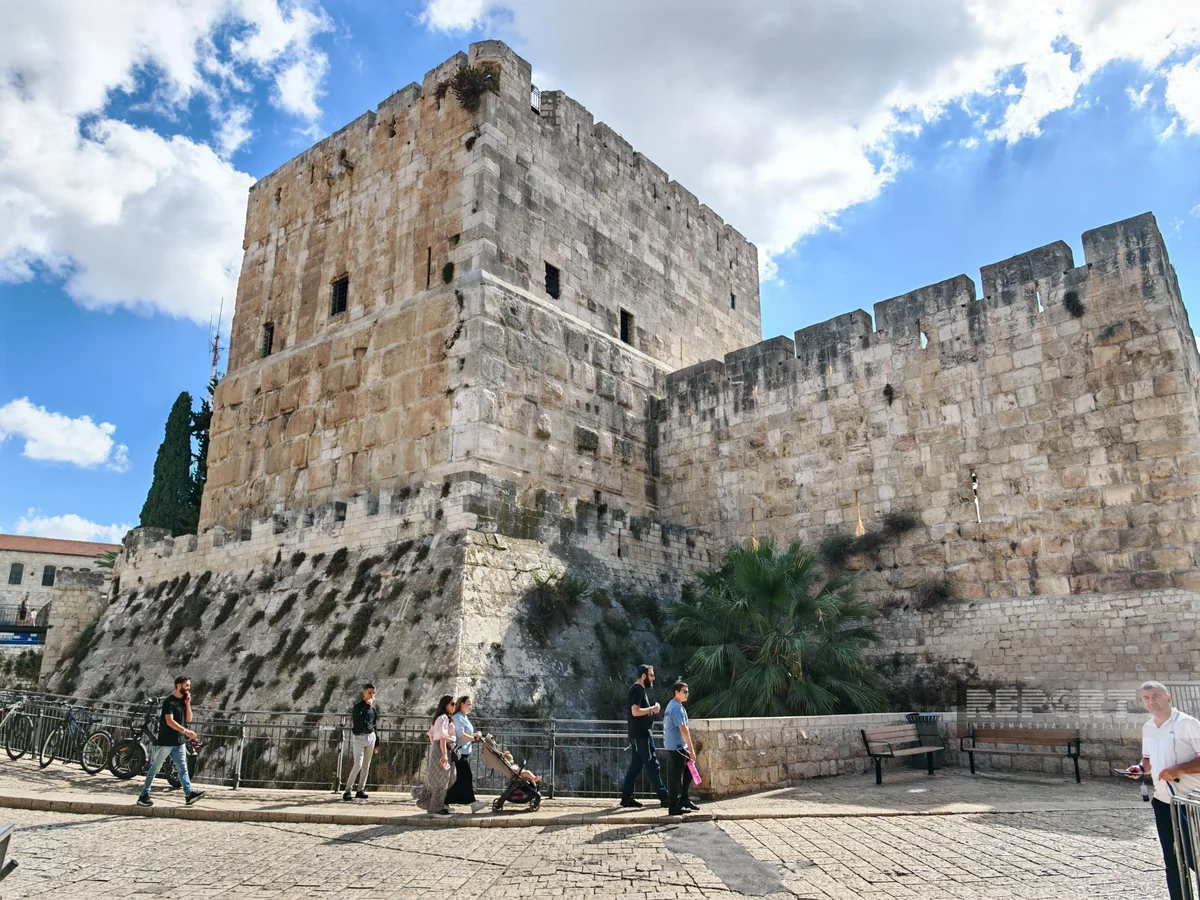
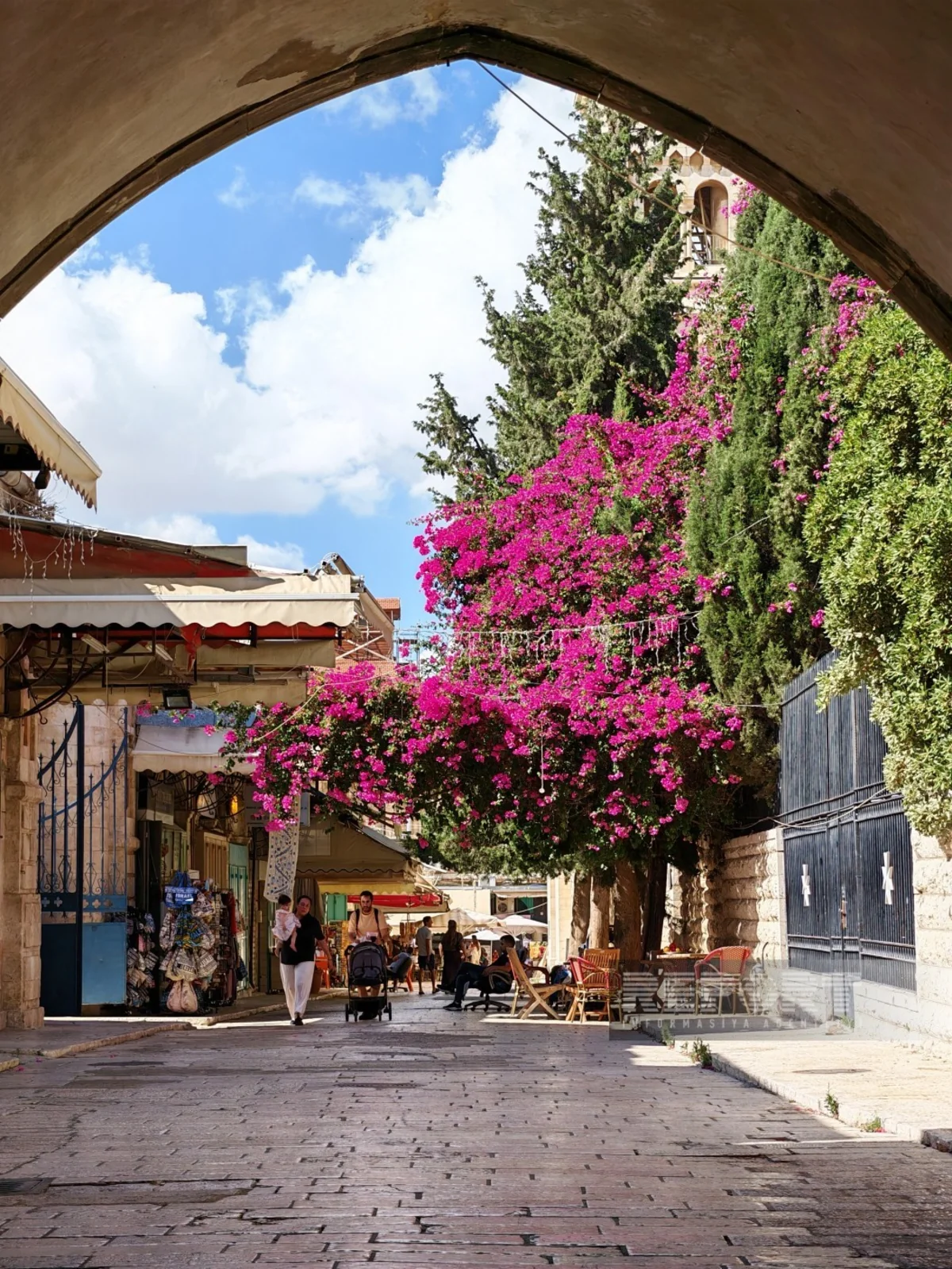
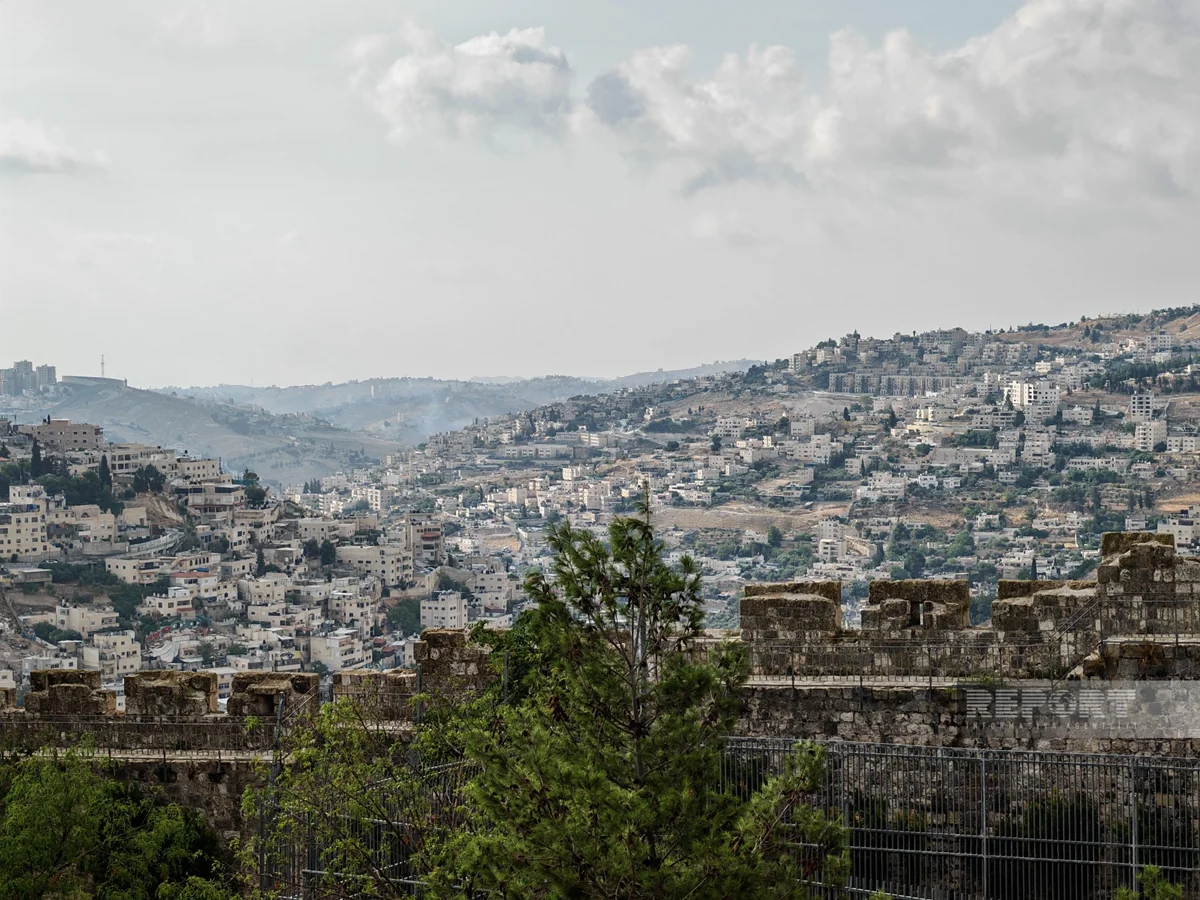
The first destination turned out to be not Tel Aviv at all, but Jerusalem. And the road there became one of the first big surprises for me. The further we drove from the airport, the more forests and hills there were around. And then Jerusalem appeared. The city looked as if it had stepped off the pages of ancient texts. It sprawled across hills, each of which is connected either to biblical history or to later events that determined the city's fate. It is hard here to just walk past any building and not think about how many centuries of history have passed along this very street.
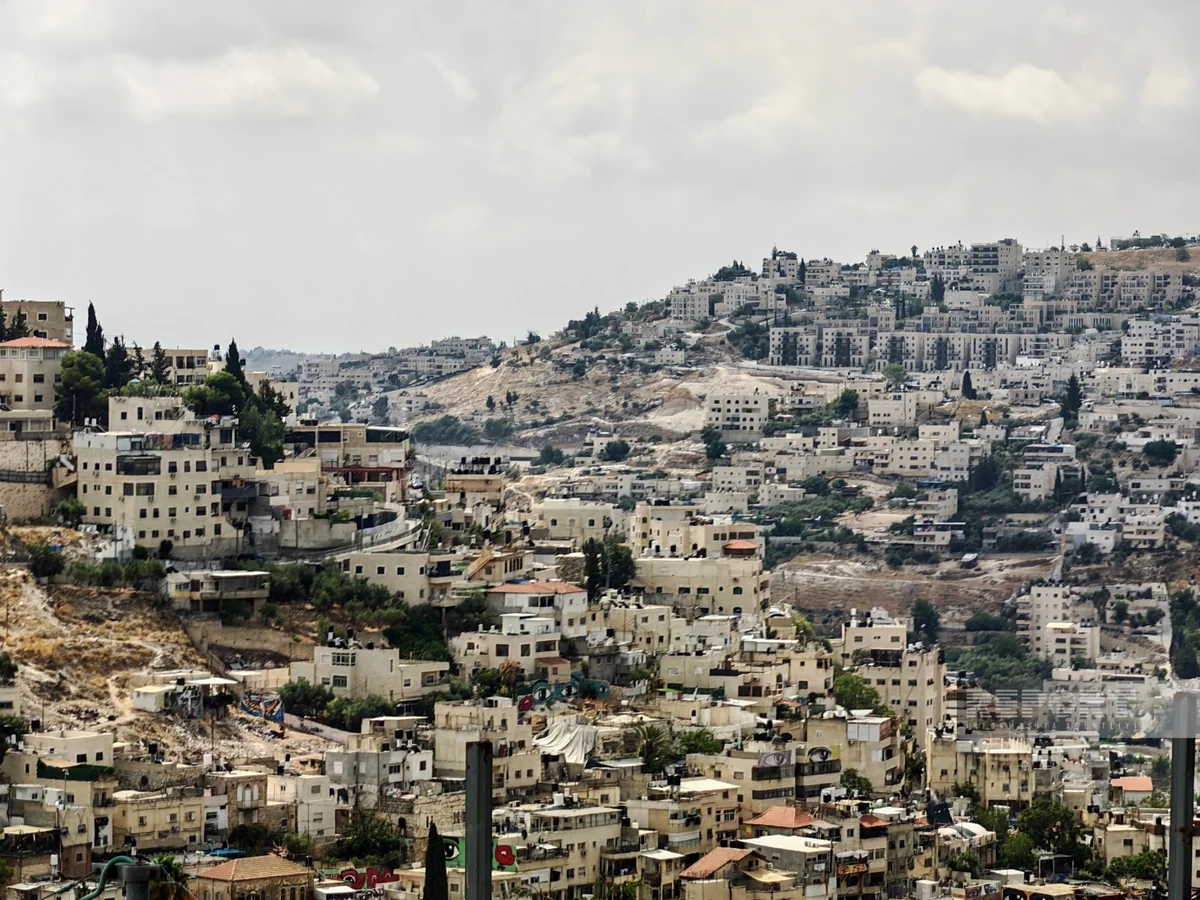
This is felt especially strongly in the Old City. Its area is approximately one square kilometer, but a huge number of historical and religious monuments are concentrated in this small space. According to UNESCO estimates, there are about 220 historical sites here.
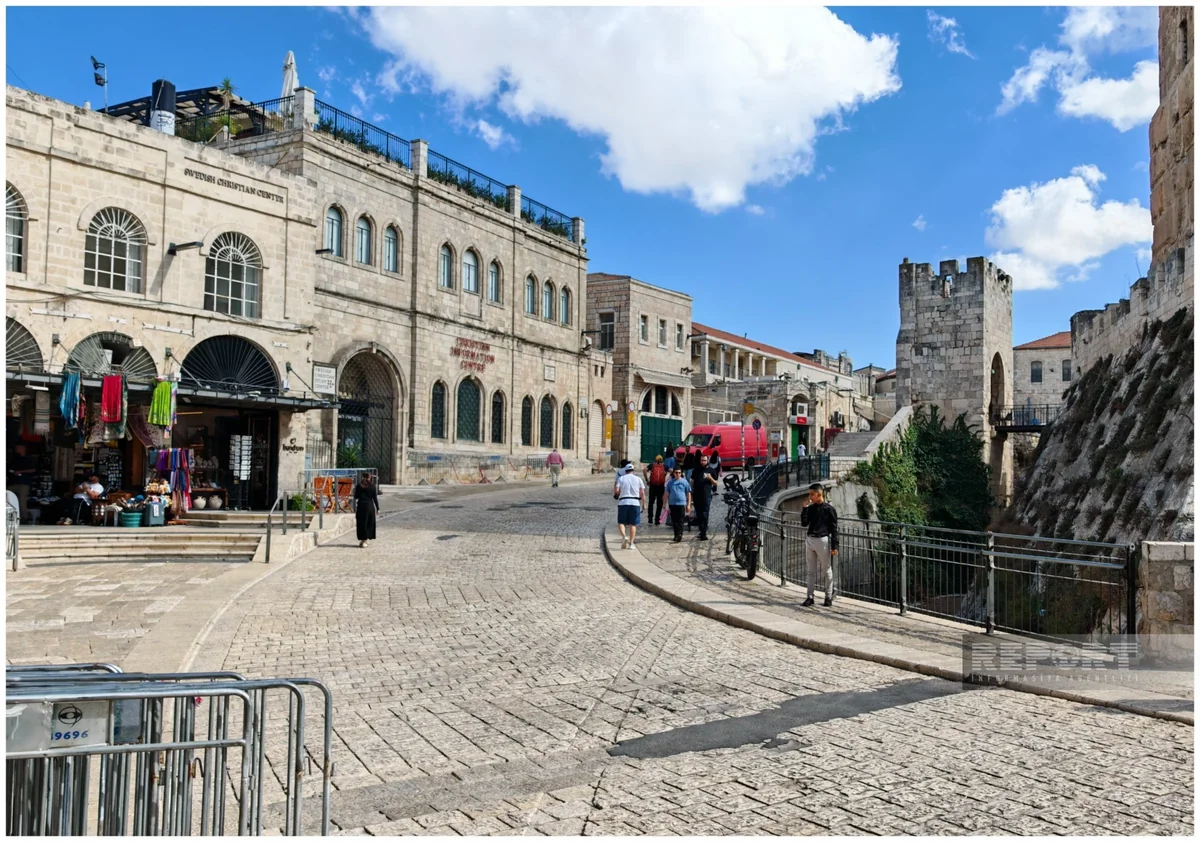
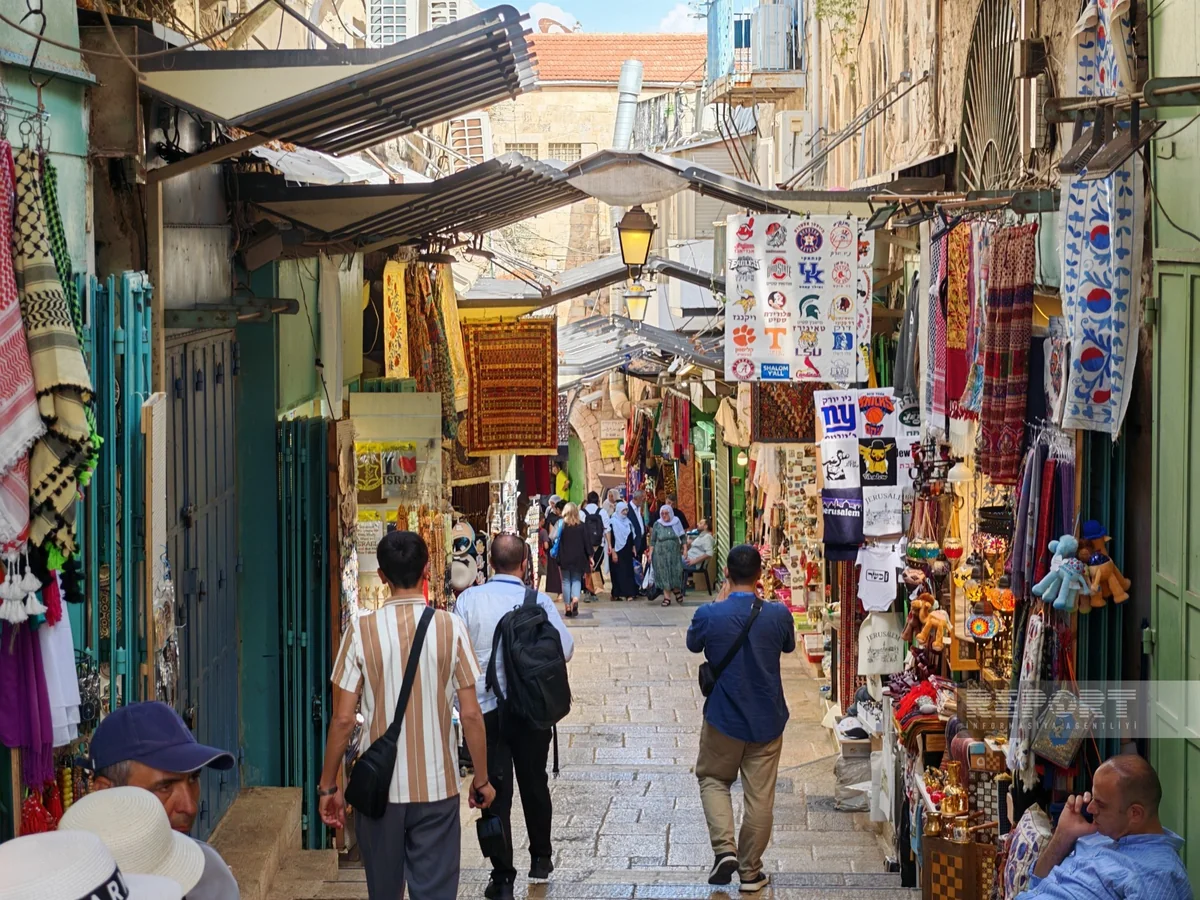
For a Baku resident, the Old City of Jerusalem may turn out to be surprisingly familiar. It largely resembles Icherisheher: narrow streets, stone walls, small squares, residential buildings, merchants, and a constant flow of people. Only behind the walls and doors here lies a history that is difficult to measure in ordinary historical periods.
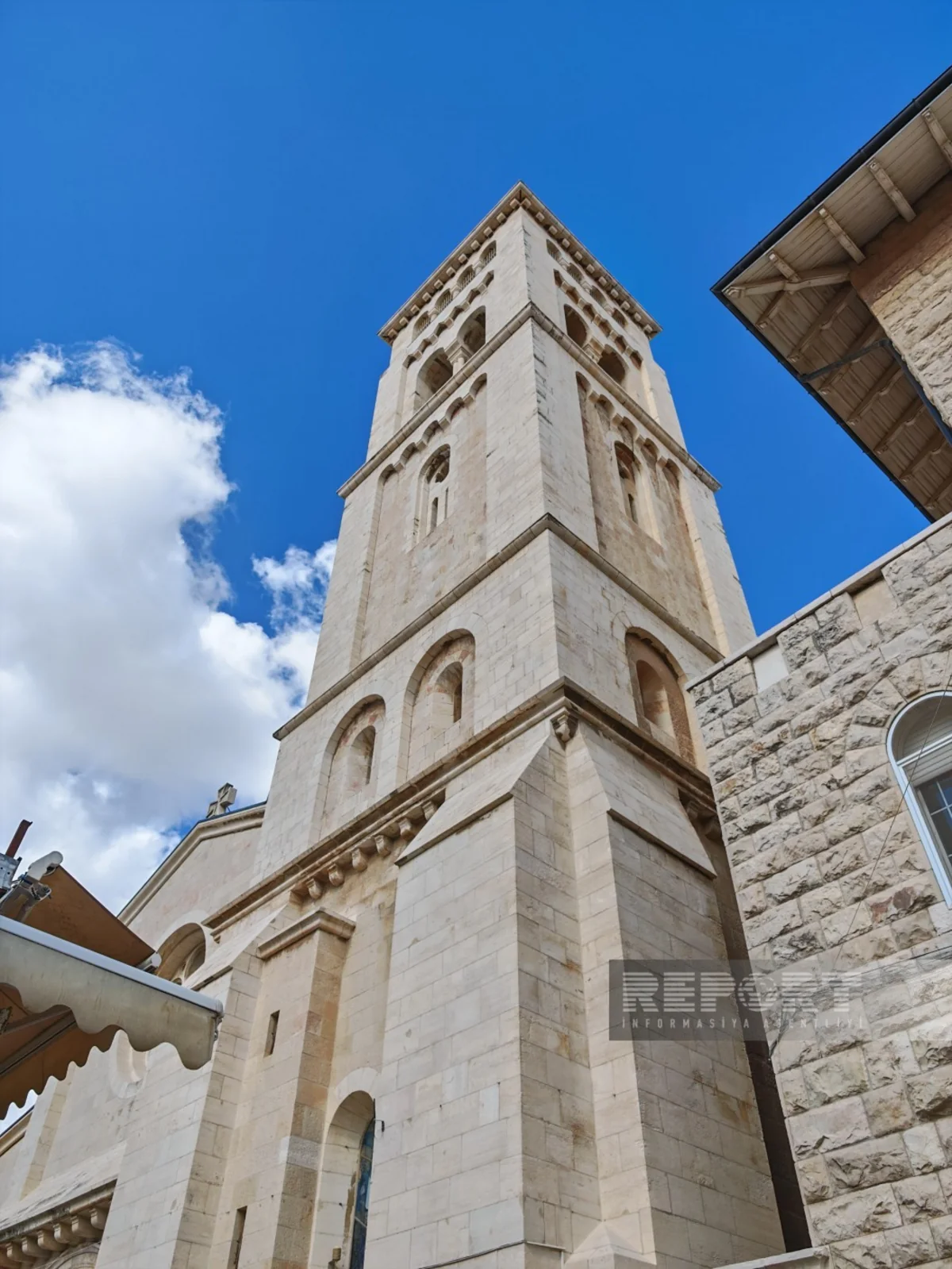
If one tries to describe every sight in Jerusalem, several volumes could be written. Here, churches, mosques, and synagogues exist literally on top of the history of the Roman Empire, the Crusades, and numerous wars the city has endured.
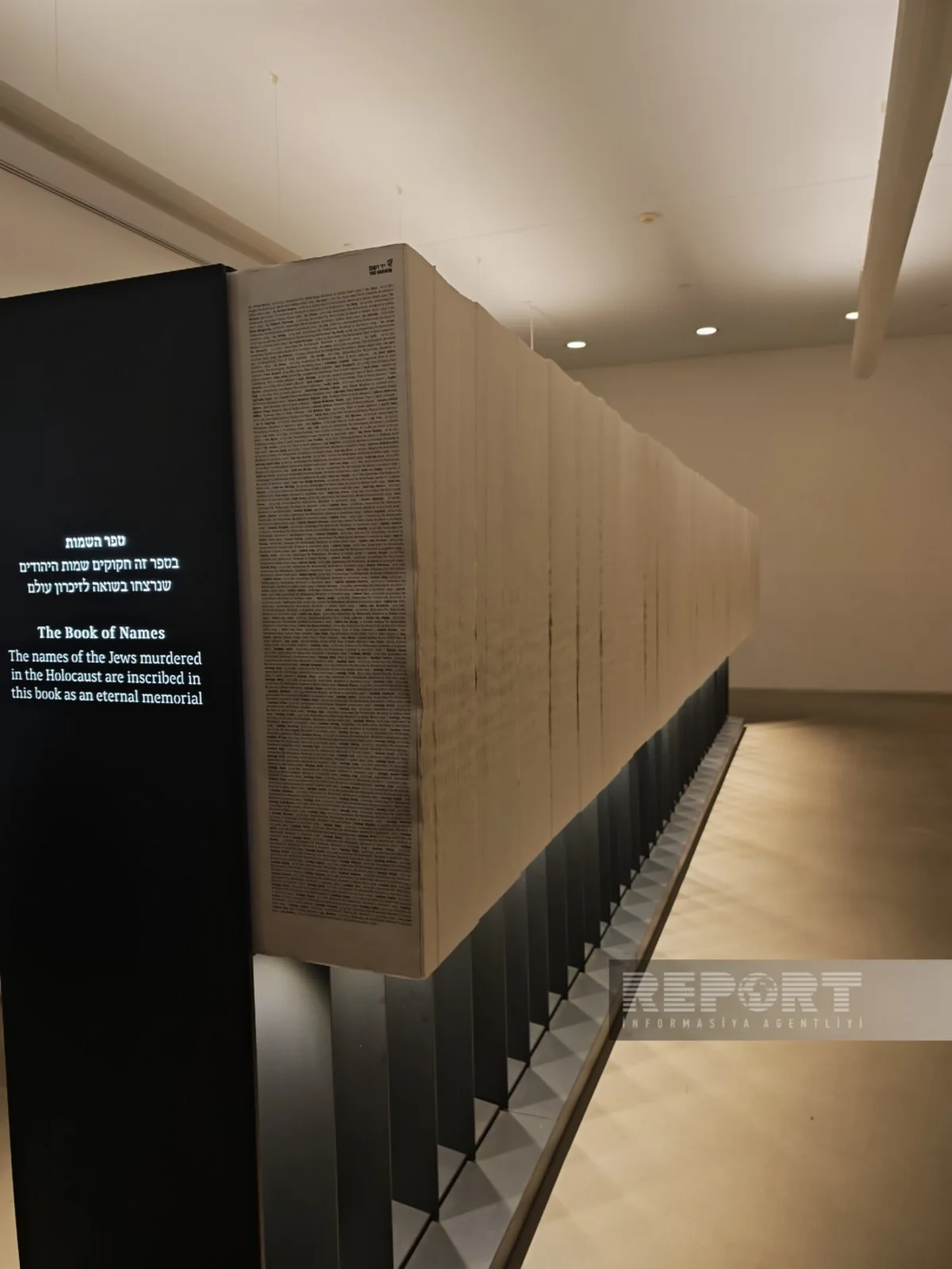
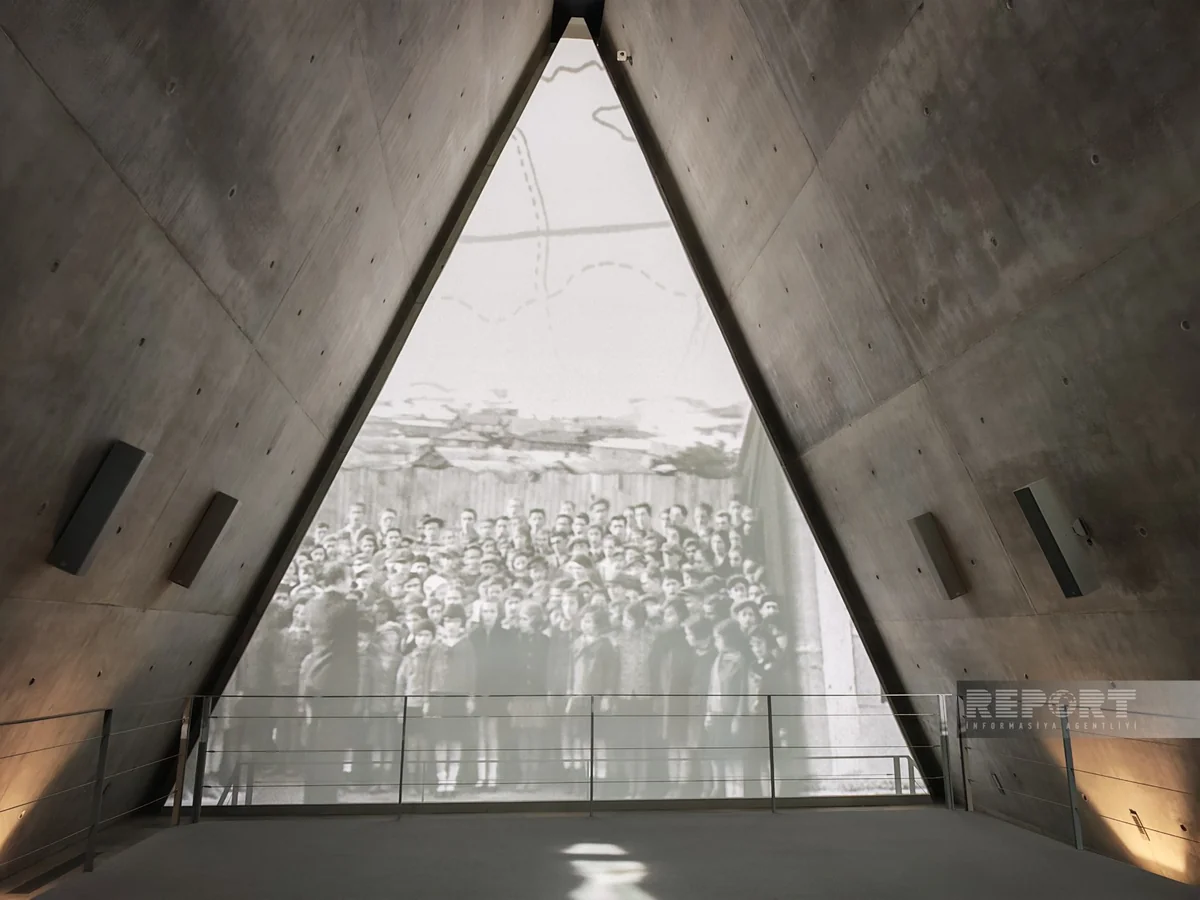
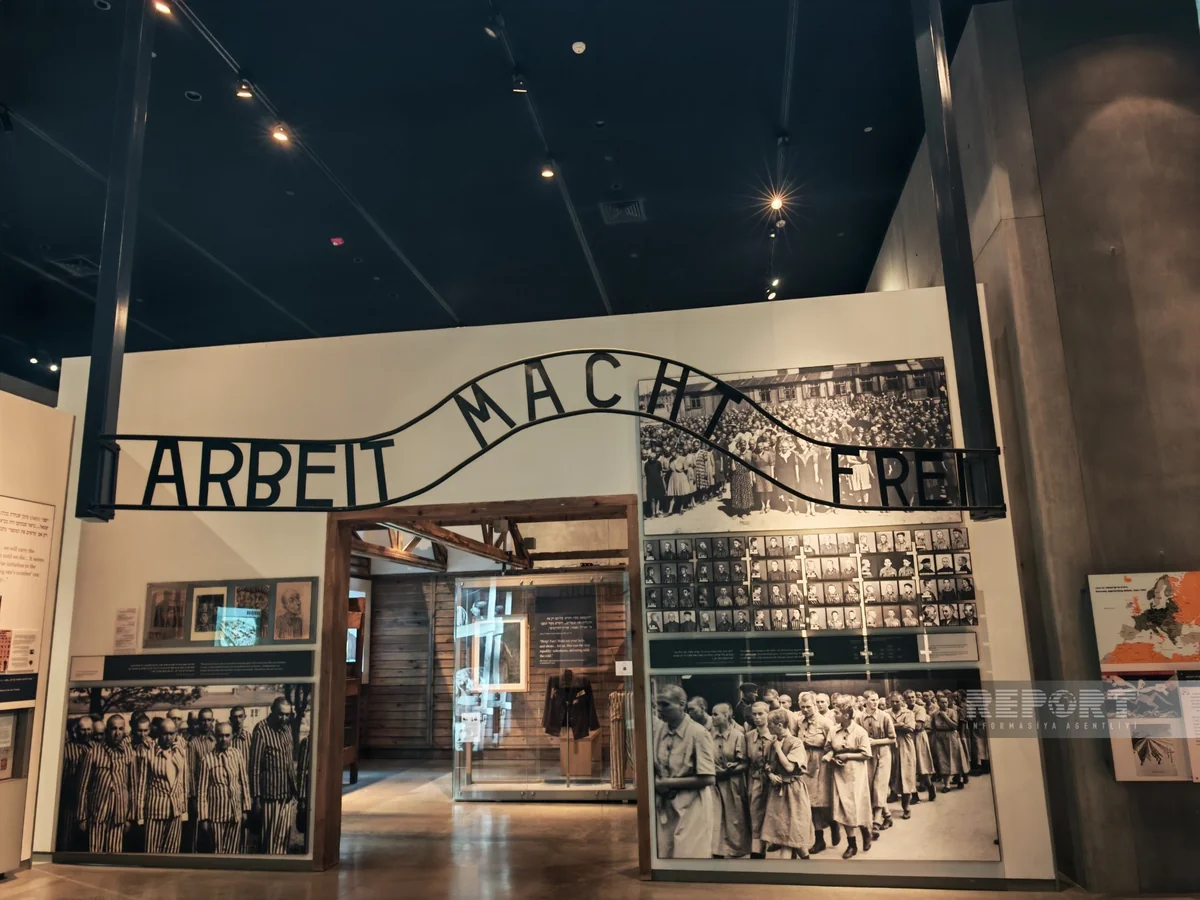
But Jerusalem preserves not only ancient history. On the outskirts of the city lies Yad Vashem - the World Holocaust Remembrance Center, dedicated to the history of the extermination of European Jews by Nazi Germany and its allies and accomplices.
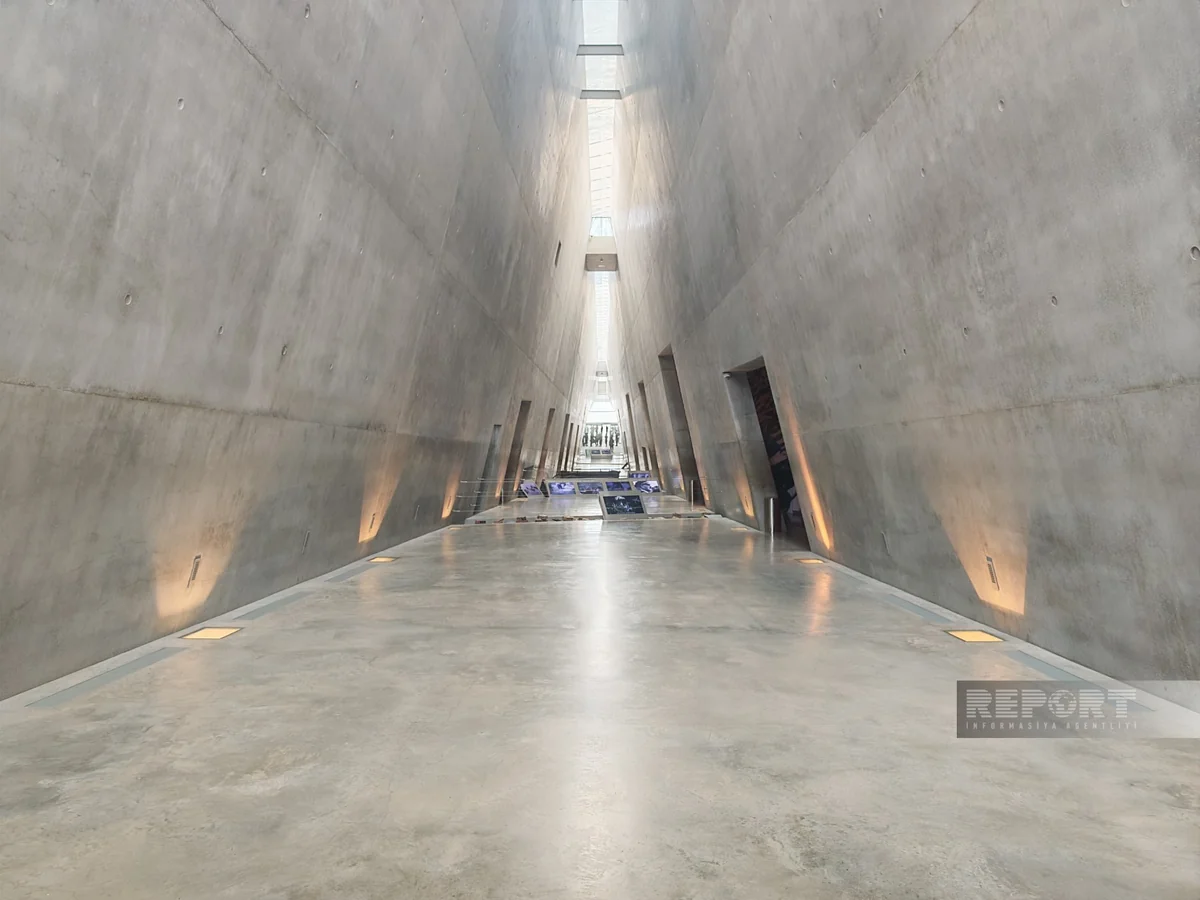
The museum makes an impression even before you start looking at the exhibits. Its main exhibition is arranged in chronological order, and the building itself creates the feeling of a reinforced concrete bunker. When you walk inside, the space seems to lead you downwards. The corridor gradually slopes down, and the dim lighting and dark tones create a sense of the heaviness of what happened from the very first minutes.
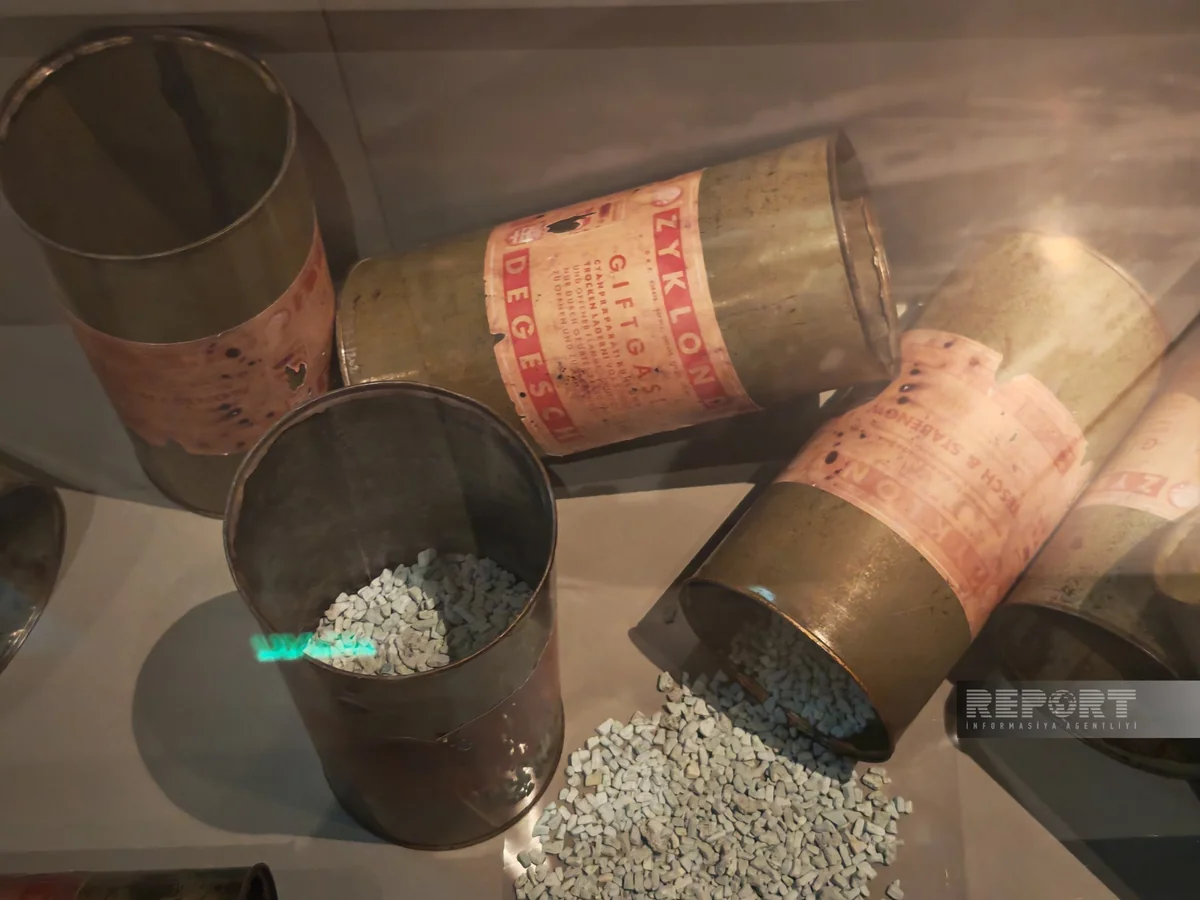
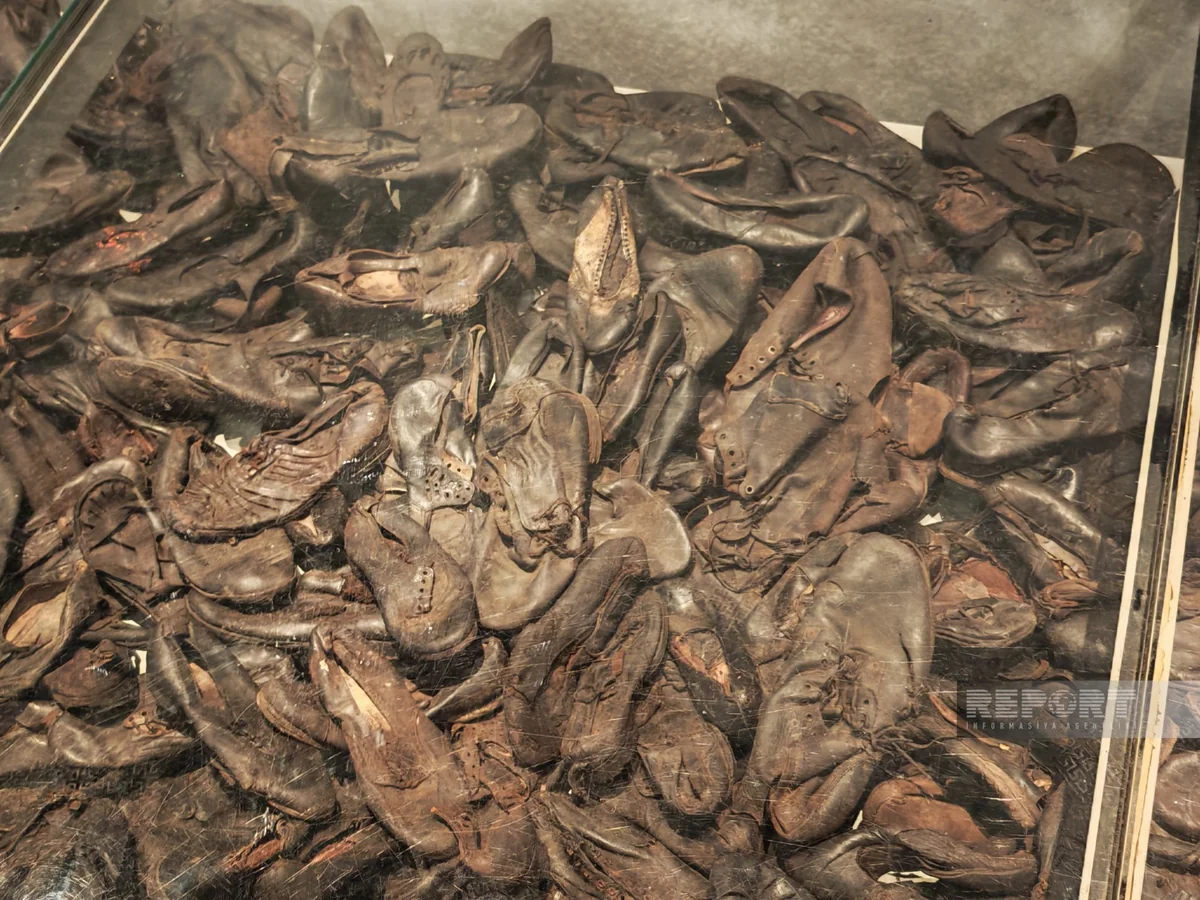
The halls present a large number of documents, photographs, and personal belongings that allow one to see the history of the Holocaust not only through statistics but also through the daily lives of people. Among the exhibits, you can see everyday items of Jews who ended up in ghettos and concentration camps, as well as other evidence of those years.
Because the exhibition develops in chronological order, as the end of the war approaches, the space itself changes. Around 1944, a gradual ascent begins. After a long downward movement, the visitor begins to walk upwards, and natural light appears at the end of the corridor.
This is one of those details that are particularly well remembered after visiting the museum. The light at the end is perceived as a symbol of the end of one of the most terrible pages of European history and, at the same time, as hope for the future.
Three shrines
I managed to visit three more places around which the religious life of the Old City is concentrated for most visitors.
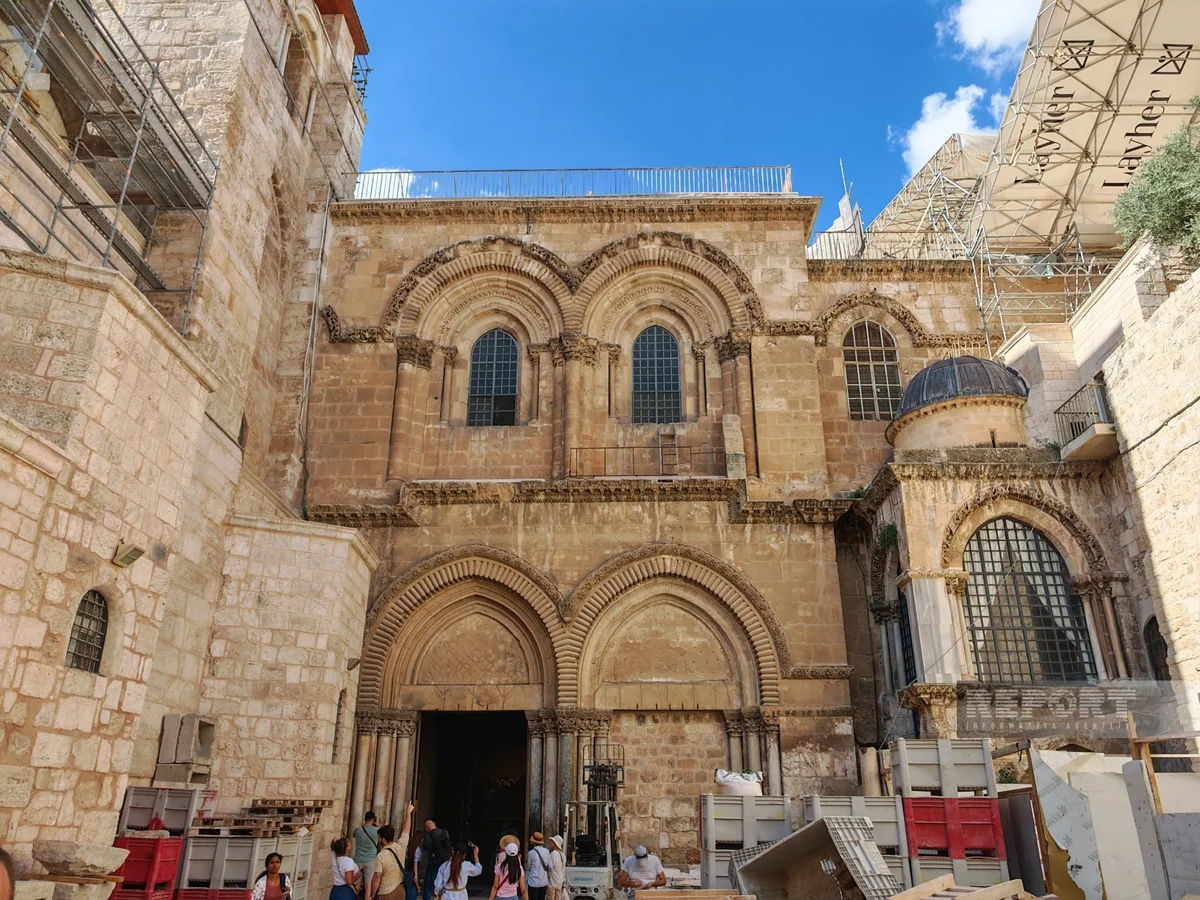
The first is the Church of the Holy Sepulchre, one of the main pilgrimage sites for Christians from all over the world. People from virtually all Christian traditions and from a wide variety of countries come here. At the same time, the church itself does not give the impression from the outside of some monumental structure that is impossible to miss. It seems hidden among the buildings and narrow streets of the Old City.
Inside, the feeling is completely different. Here, you simultaneously feel the bustle of a large tourist and pilgrimage center and some amazing humility. Monks of different traditions walk through the church - Catholics, Orthodox Christians, and representatives of the Greek and Ethiopian churches. Every staircase, every stone, and every small section of space here is connected to centuries-old religious history.
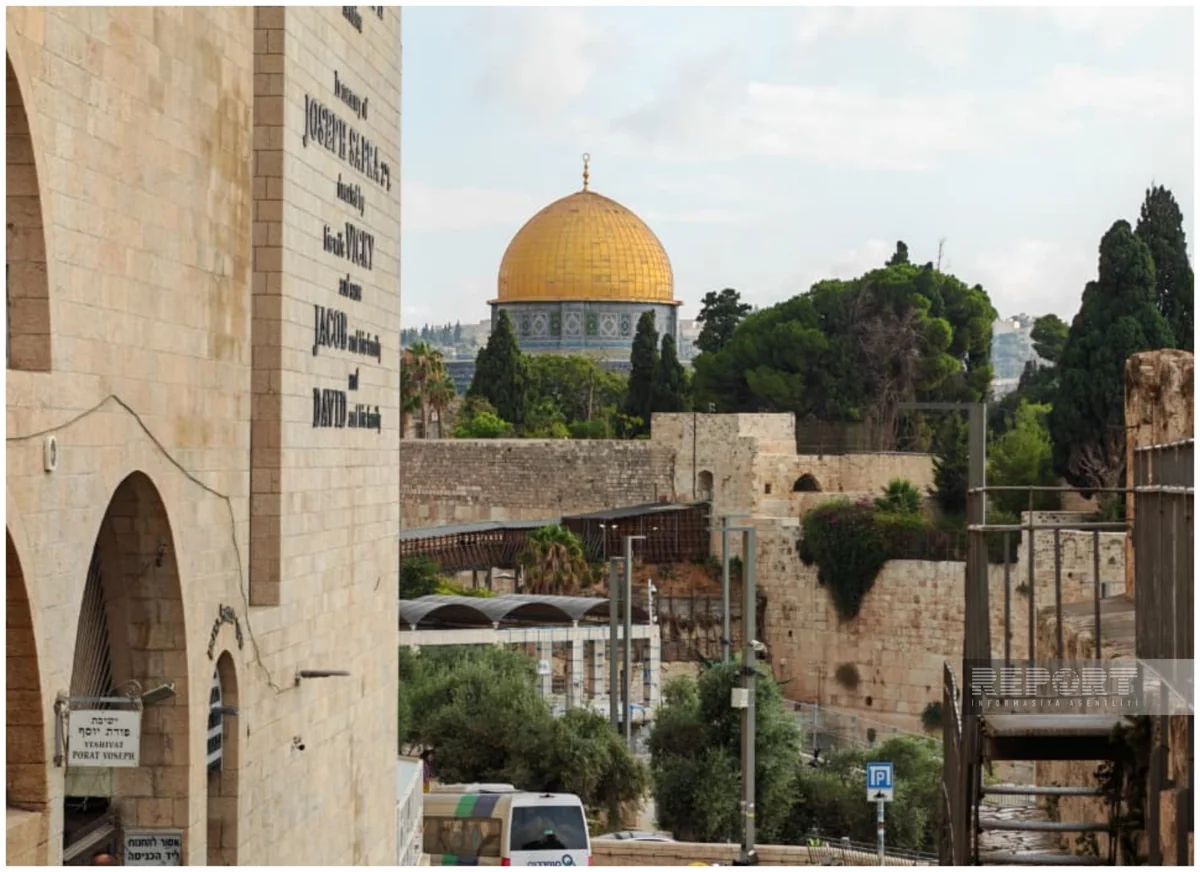
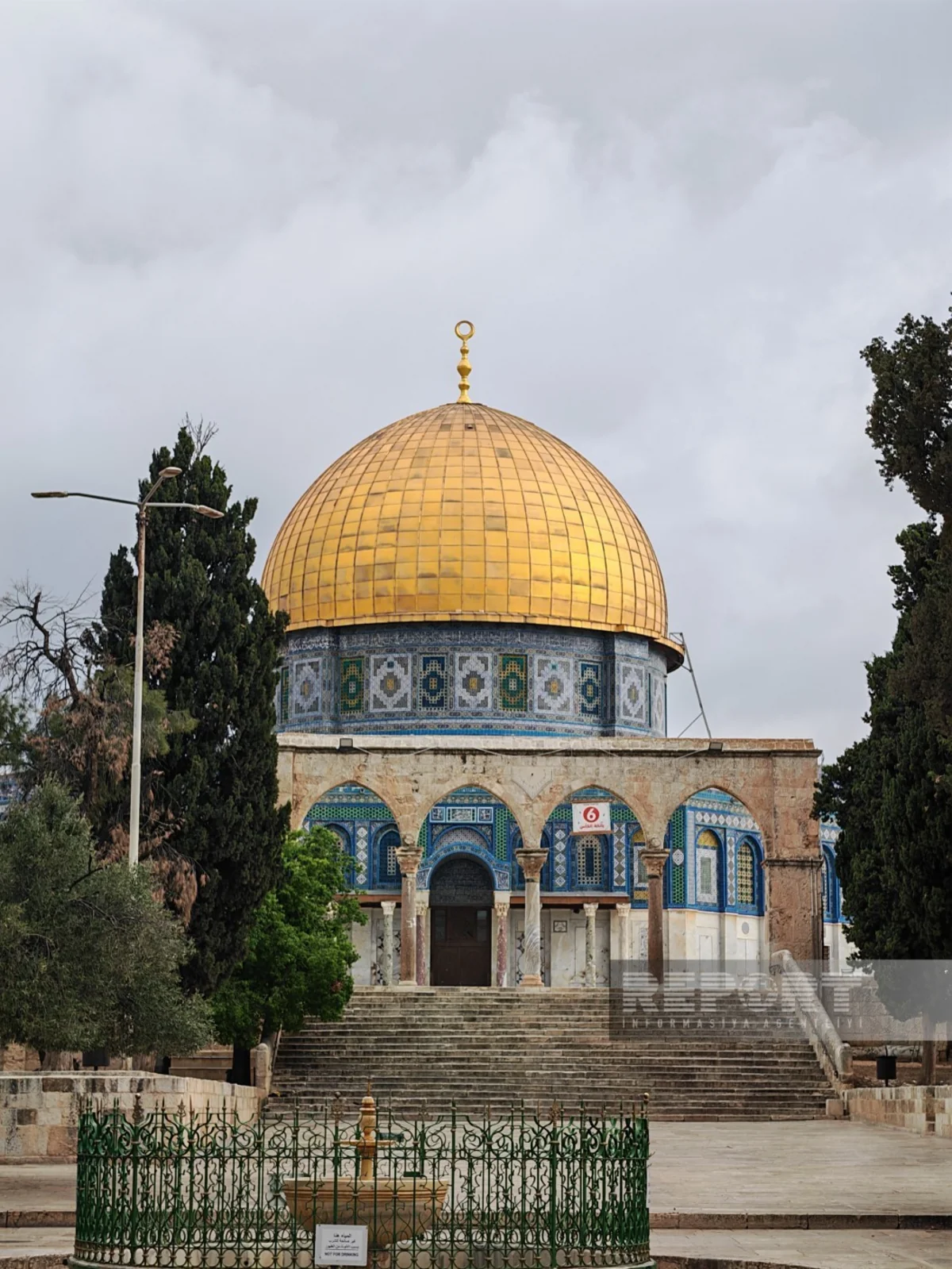
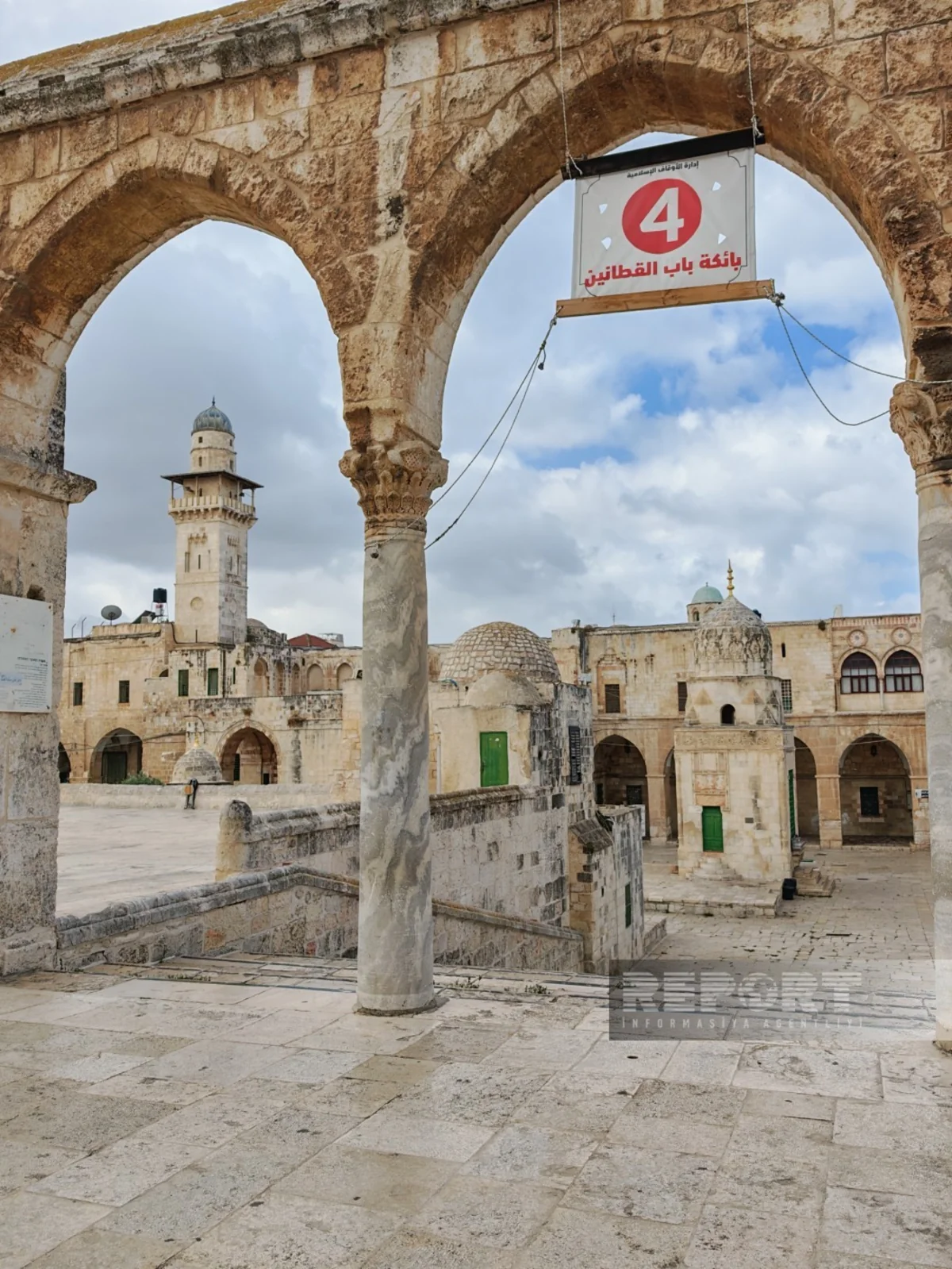
The second place is the Al-Aqsa compound on the Temple Mount, one of the main shrines of Islam. Its religious part is managed by the Jordanian Waqf, while security and access control are under Israel's jurisdiction. Jordan's special historical role regarding the Muslim holy sites of Jerusalem is enshrined in the 1994 peace treaty between Israel and Jordan.
The atmosphere here is completely different. After the noisy streets of the Old City, the space inside the compound is perceived almost as an island of silence. People read prayers and religious literature, talk, and rest in the shade of trees. The external tension, which is easy to feel when talking about the Temple Mount in a political context, fades into the background for a while inside the space itself.
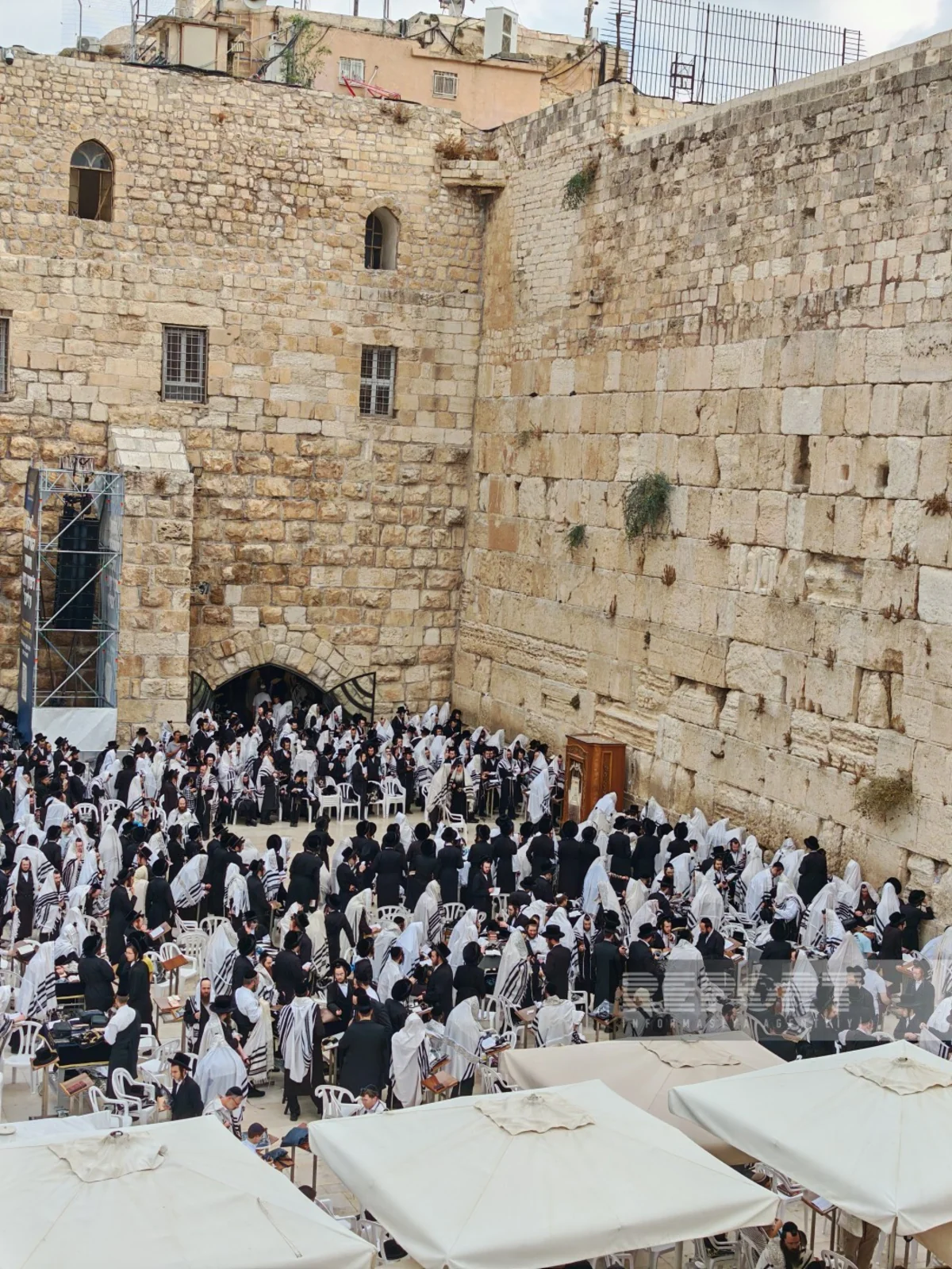
And the third place is the Western Wall (Wailing Wall), the holiest place of prayer accessible to Jews. The name can create a somewhat deceptive impression. I expected to see a space filled exclusively with sorrow and silence. In reality, the atmosphere here is completely different.
People pray, talk, and read sacred texts, but alongside this, you can hear singing. It was especially unusual to see religious groups gathering together, singing, and celebrating important events. The name "Wailing Wall" here is far from always consistent with what is happening around it.
It was here that I first felt particularly acutely the main paradox of Jerusalem: three religions, each of which sees this small area of the city as one of the most important points in its history, exist literally side by side.
War never changes
One of the next points on my route was Kibbutz Nahal Oz - a collective agricultural settlement located in close proximity to the border with the Gaza Strip.
This was a completely different side of Israel. If Jerusalem constantly makes you look back at the past, here the past was very recent and still too clearly visible.
In Nahal Oz, I had the chance to talk to people who survived the October 7, 2023, attack. The very location of the kibbutz makes what is happening especially palpable. The border with the Gaza Strip is less than a kilometer from here, and the strip is clearly visible from the territory of the settlement.
After that, our path led to the venue of the Nova festival. The impression here was even heavier. Memorials in memory of those killed on October 7 were installed on the territory where the musical event took place. The atmosphere of music and celebration usual for a festival was completely replaced here by silence and the memory of the dead.
If earlier Israel seemed to me primarily a place where different religions, languages, and cultures exist side by side, here it was especially acutely felt how fragile this reality can be in a region where history and modernity are constantly colliding with each other.
Probably, Nahal Oz became the place where the journey definitively ceased to be just an acquaintance with the country. Behind the beautiful roads, ancient cities, and green hills, another reality of Israel suddenly emerged very clearly - life near a conflict zone.
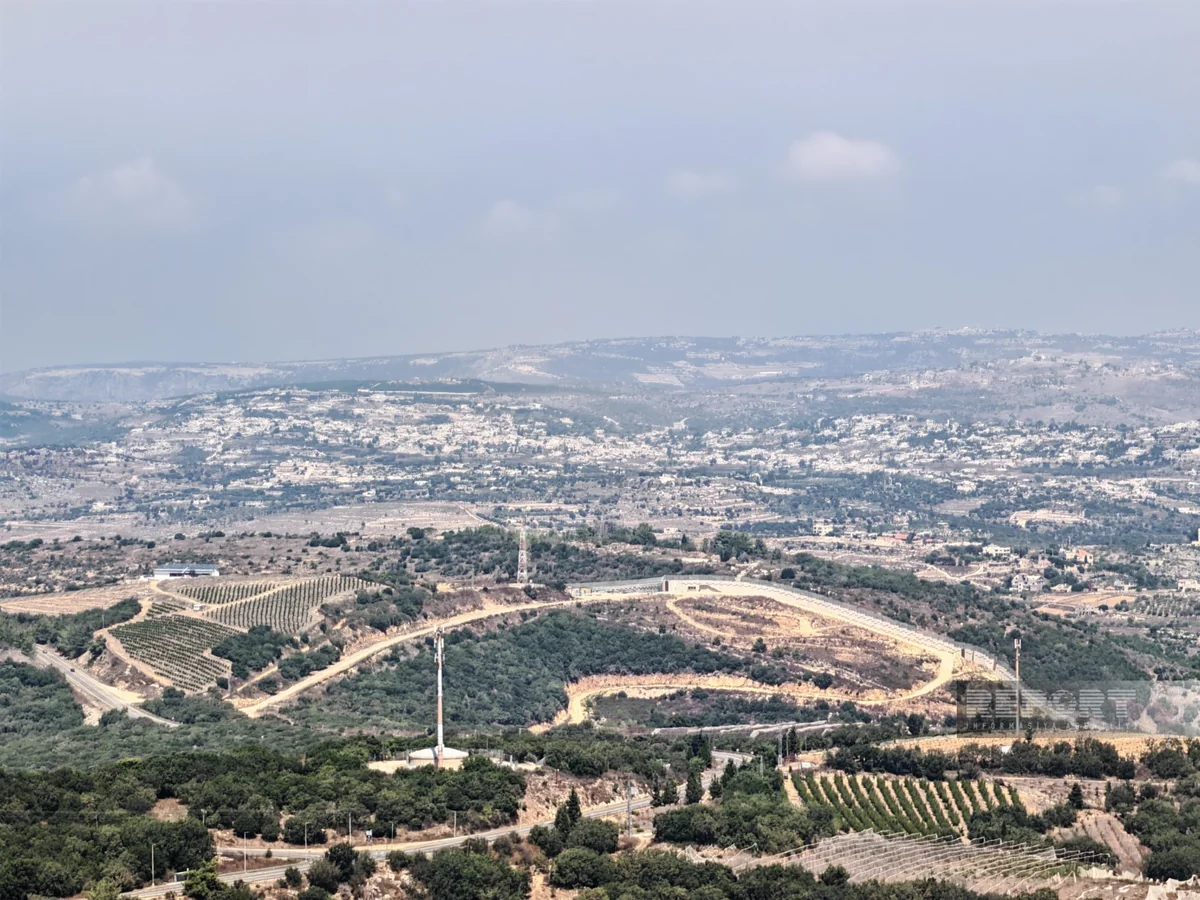
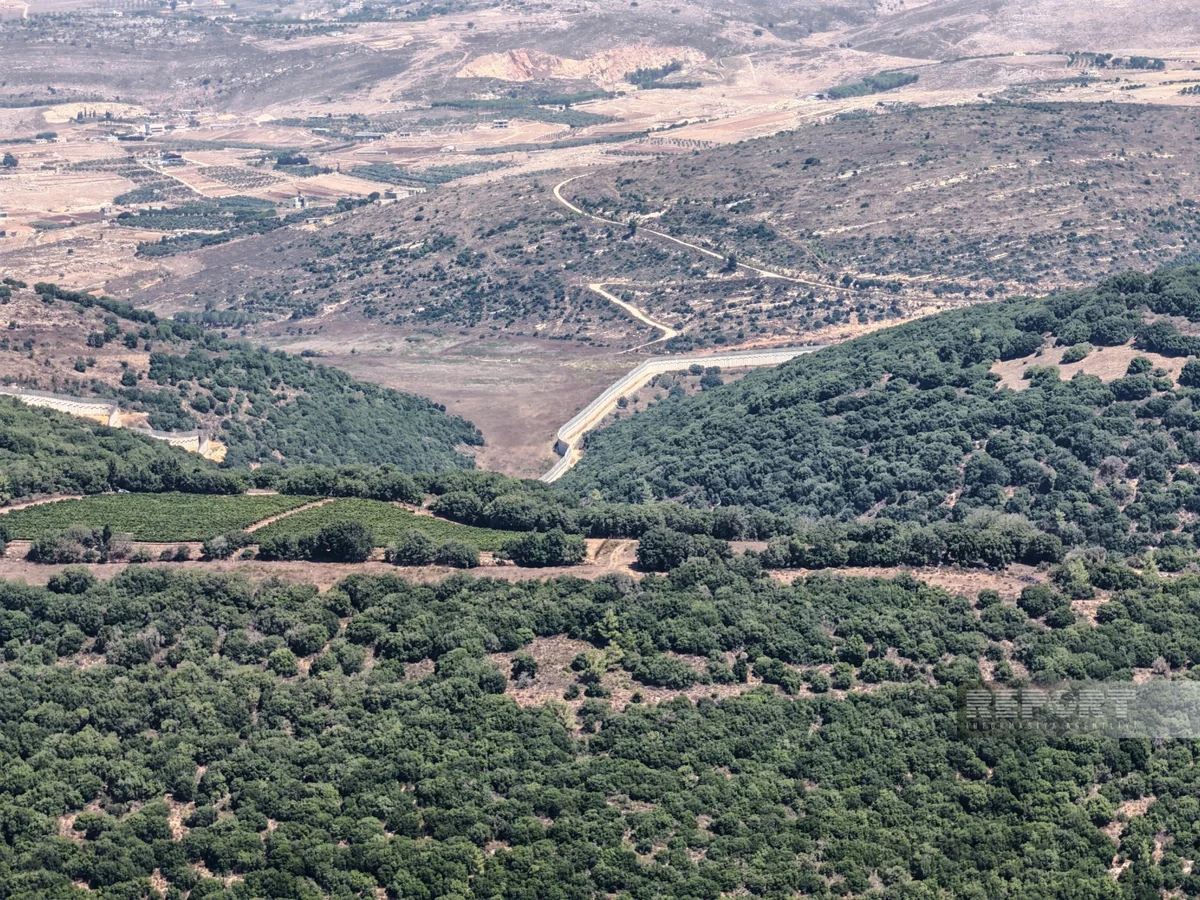
Another place I had the chance to visit was Israel's northern border with Lebanon. We climbed Mount Adir, which overlooks the territory of the neighboring country.
Here again, the contrast that I started to notice on the way from the airport to Jerusalem became apparent. On the Israeli side of the border, there is a lot of greenery around. Trees and forests stretch along the roads and slopes. Beyond the border fence, the landscape gradually changes: vegetation becomes noticeably sparser, and the terrain looks drier and more open.
Standing on the mountain and looking at Lebanon, I again caught myself thinking that I was seeing another part of the daily news agenda with my own eyes. Usually, the border exists for a journalist in the form of a map, a photograph, or a short report about an incident that has occurred. Here, behind it, were ordinary Lebanese villages, residential buildings, and roads. If you didn't know that this is one of the most sensitive borders in the region, the landscape from the outside looked completely ordinary.
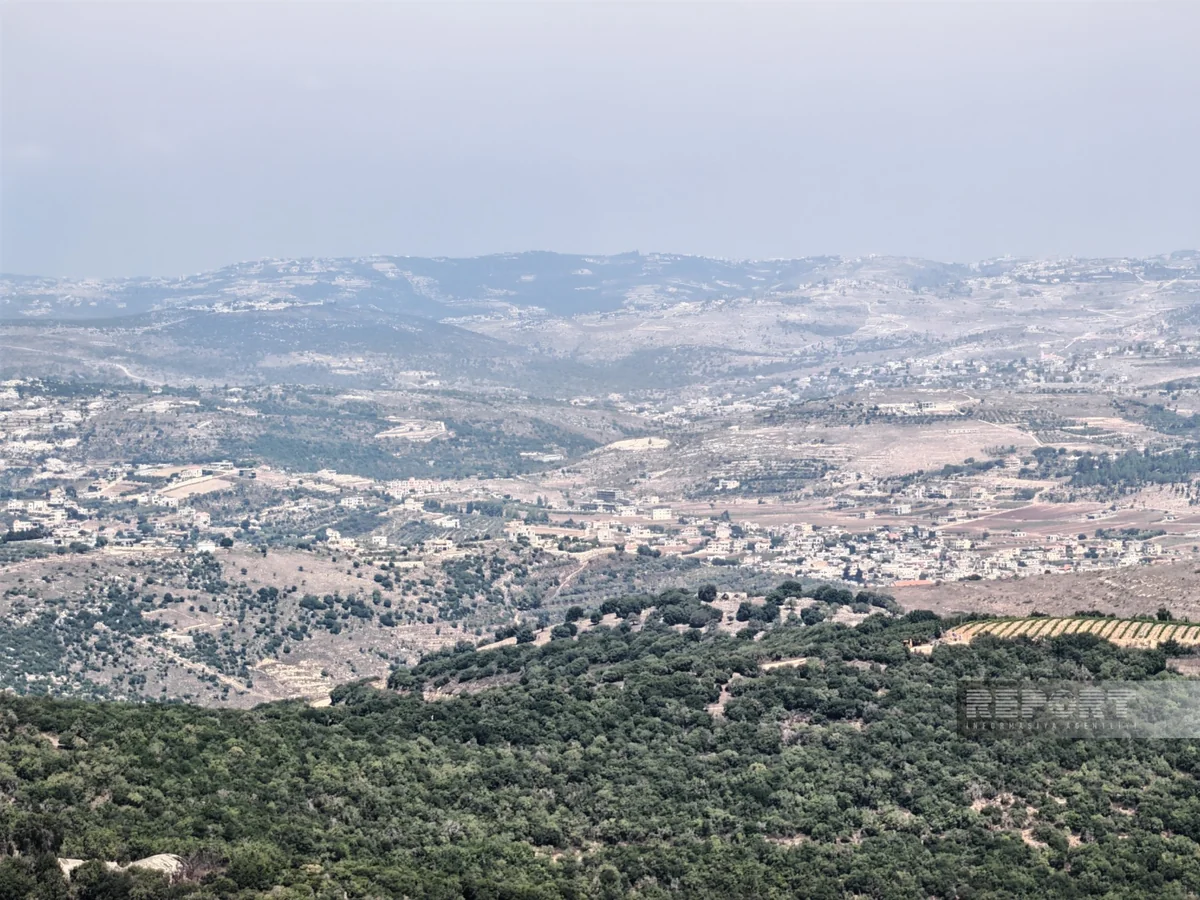
Fortunately, during our stay here, no incidents or shootouts were visible. On the other side of the border, ordinary life continued, as far as it could be seen from a distance.
I managed to meet with representatives of the Druze community. It was here that the topic of the Middle East conflict acquired another dimension for me - a human one. The Druze turned out to be an example of a people for whom state borders and political events can literally divide families and communities. Community representatives talked about relatives and fellow tribesmen who live on different sides of the borders and do not always have the opportunity to meet each other.
It resulted in yet another contradiction of this trip. On the map, the border looks like a simple line separating two states. For the people living on both sides, it can mean much more - the inability to see relatives, maintain customary ties, and simply visit a neighboring settlement.
After Jerusalem and Nahal Oz, I increasingly noticed one feature of Israel: here, the border, the conflict, and history are not somewhere far away. They are constantly present in the surrounding landscape, but at the same time, life on both sides of the border can look surprisingly ordinary.
Green islands of sandy seas
Between trips around the country, I happened to pass through agricultural settlements, where it became especially clear why Israel pays so much attention to landscaping. Among the fields and orchards, drip irrigation systems were constantly encountered.
The principle seems simple: water is supplied directly to the roots of plants in small portions, which makes it possible to consume one of the most valuable resources much more economically. For a country with an arid climate, this has become one of the ways to develop agriculture where the natural conditions for it are far from ideal.
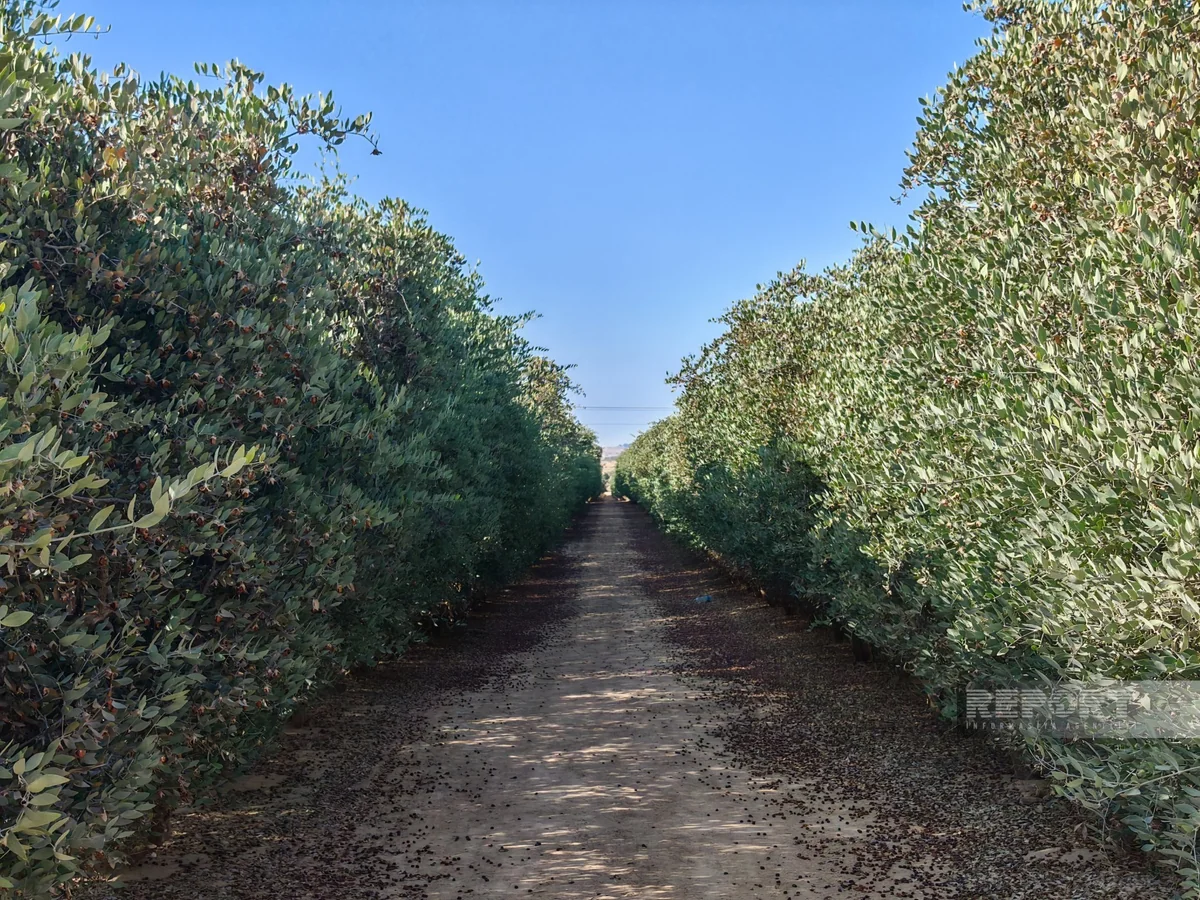
It was precisely such details that best explained what I saw in the first days of the trip. Behind the green roads and gardens stood technology thanks to which Israel learned to adapt agriculture to its own climate.
The city that does not sleep
The last point of my journey was Tel Aviv.
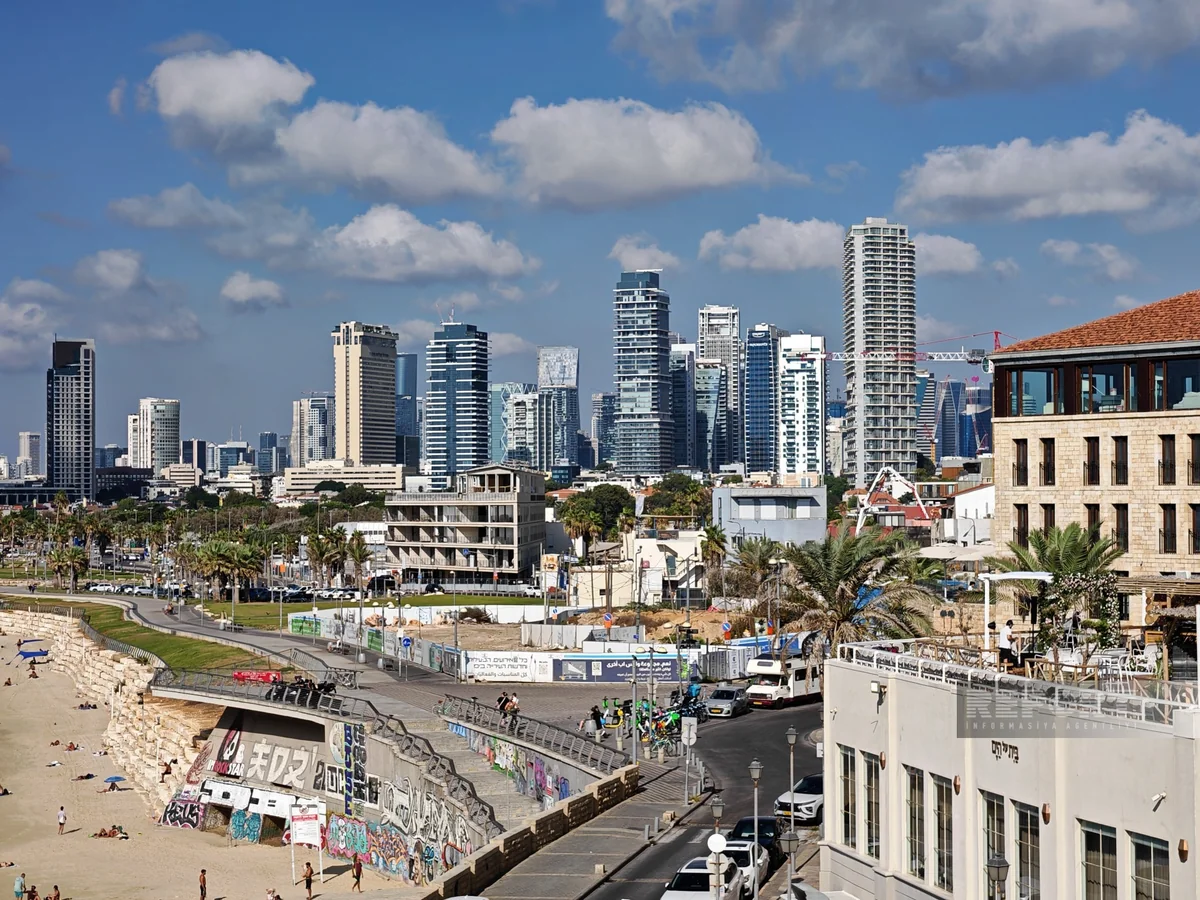
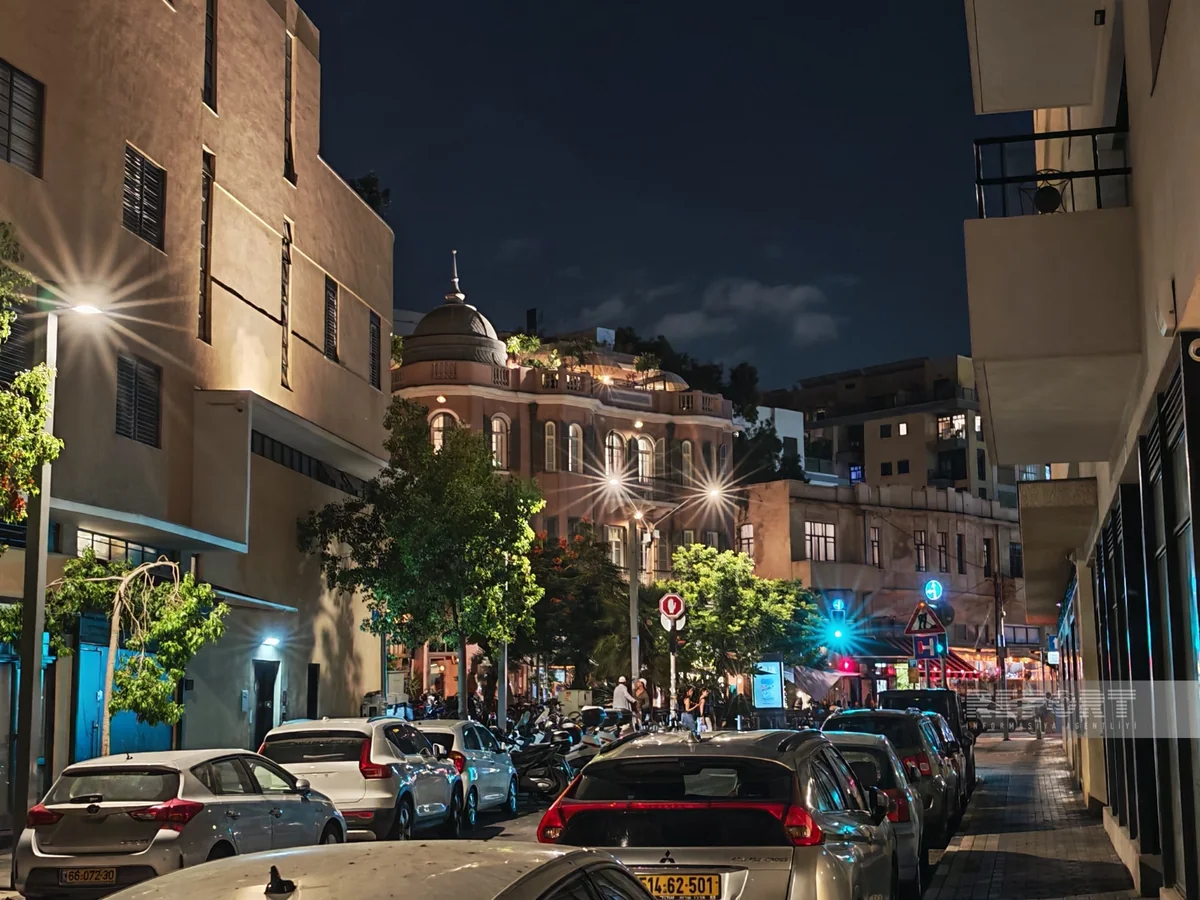
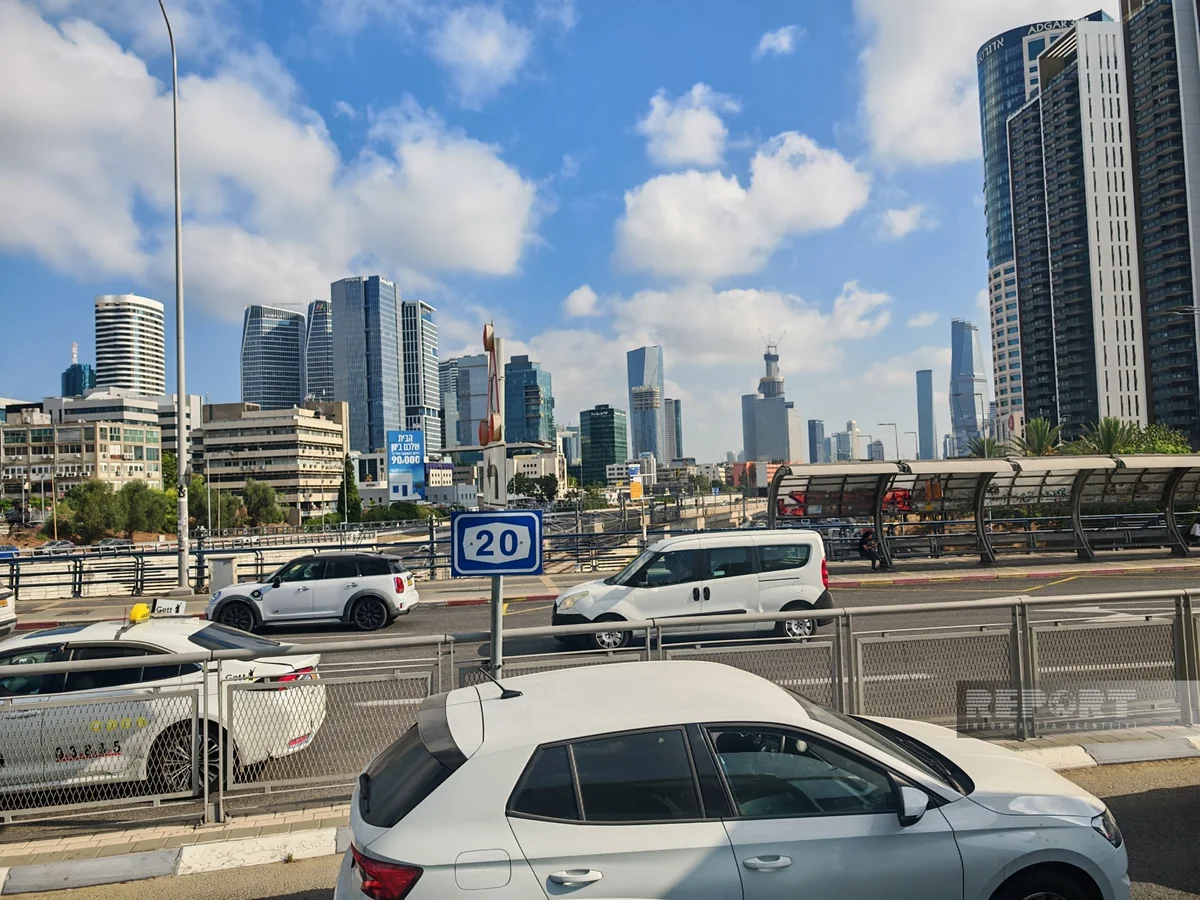
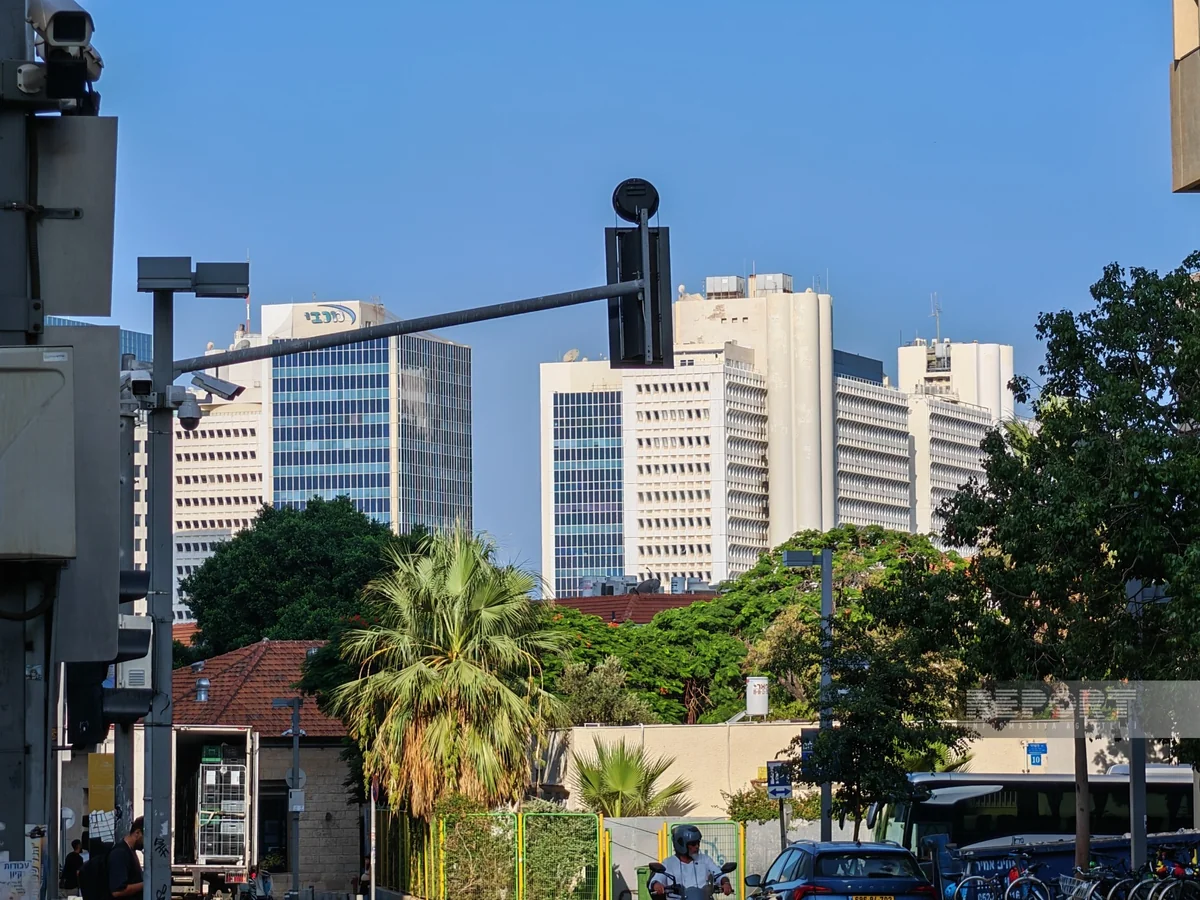
After small settlements, ancient Jerusalem, and border areas, Tel Aviv was perceived completely differently. This is a large and very lively metropolis, which, it seems, really hardly sleeps. There are a lot of young people everywhere, cafes and restaurants are filled with visitors, and movement is constantly felt on the streets.
At some point, I caught myself thinking that I was beginning to forget exactly which country I was in. Tel Aviv reminded me of the center of Baku enlarged several times - only with a large number of skyscrapers and a significantly denser urban layout.
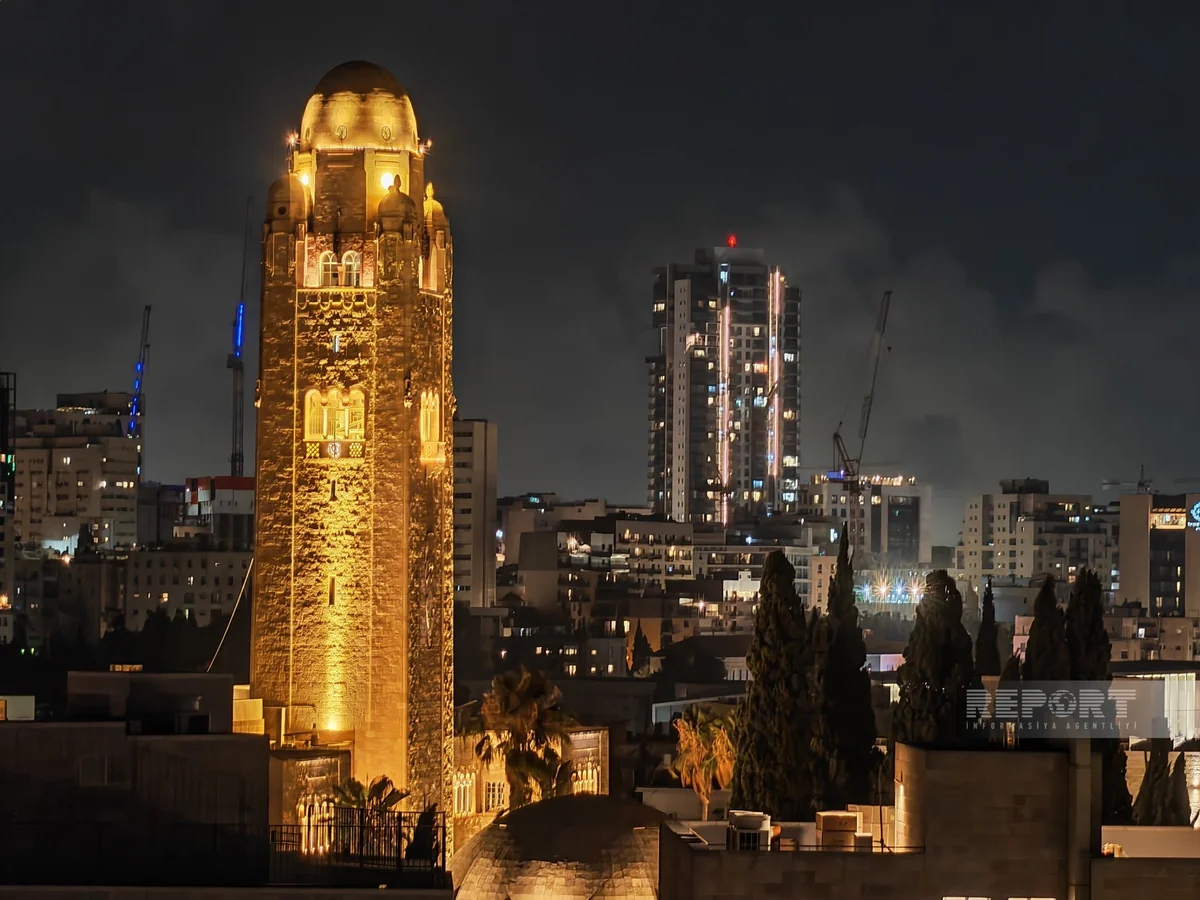
Modern Israel is felt particularly well here. High-rise buildings tower over the city, the streets are filled with people, and the historical quarters literally do not allow for a quiet walk at certain hours. After Jerusalem with its ancient stone walls, Tel Aviv seemed like a city from a completely different era.
Everything new is well-forgotten old
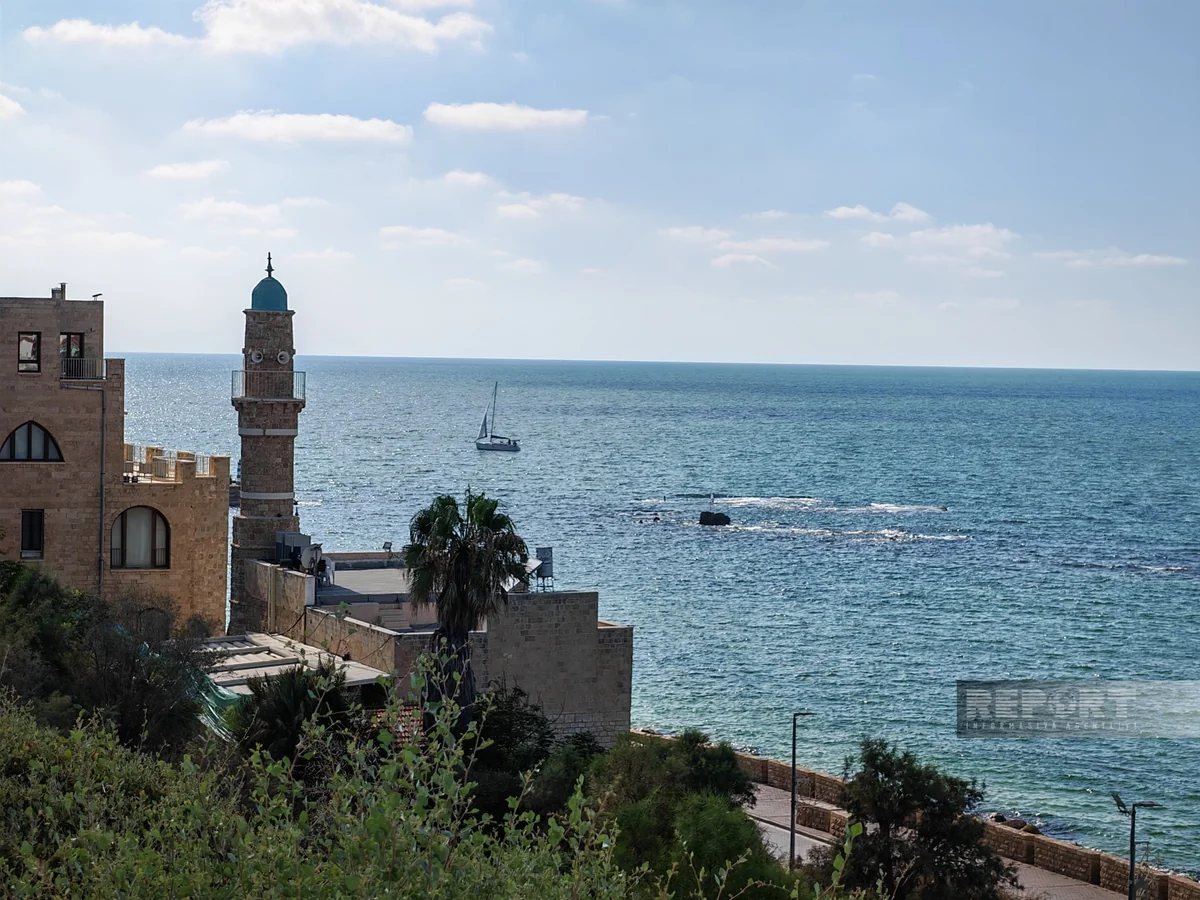
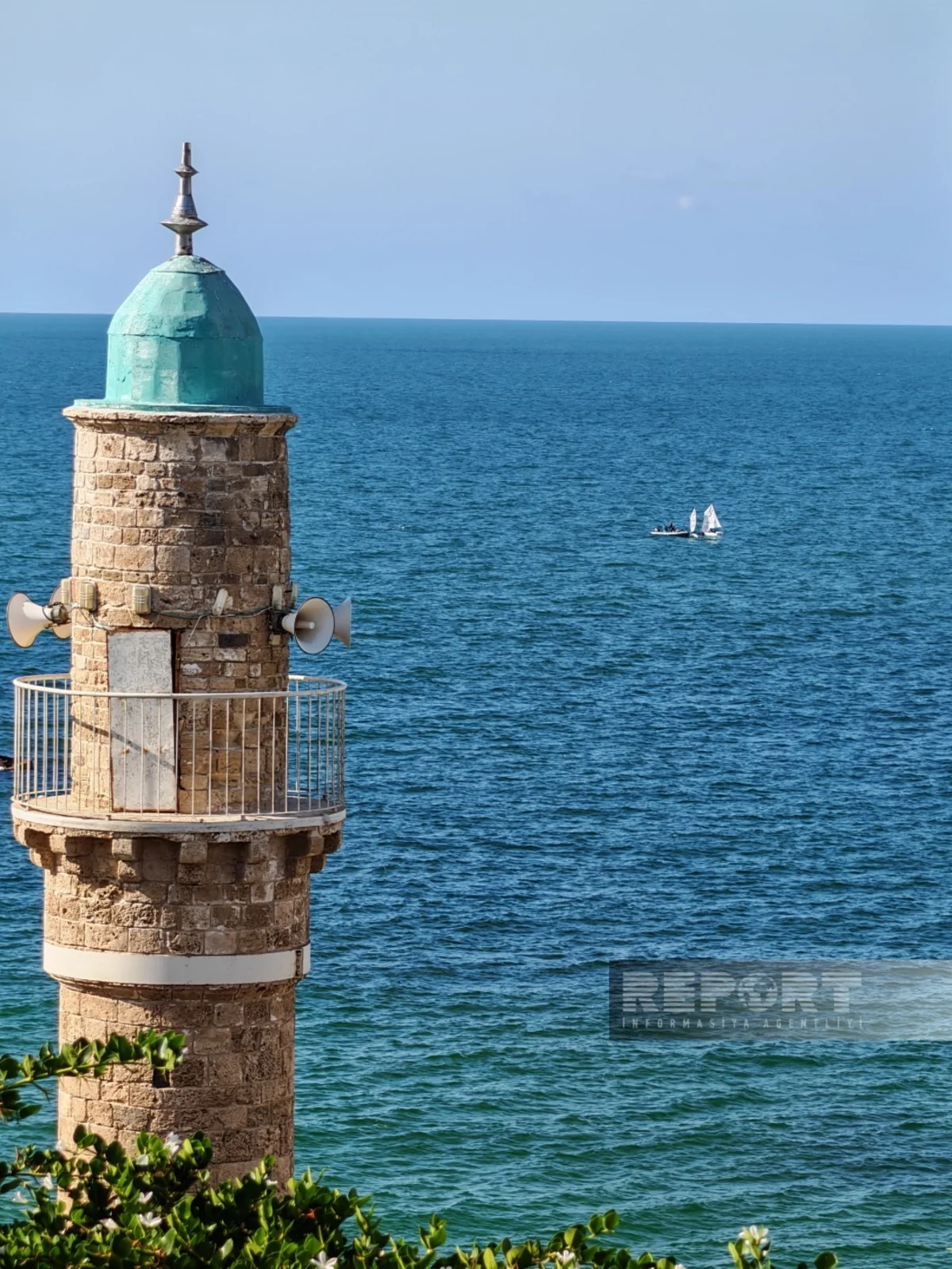
But here too, there was a place that brought me back to the familiar image of old Baku. This is Jaffa. Today Jaffa is part of Tel Aviv, but its history is significantly older than the modern city itself. This is one of the oldest port cities in the region, which existed long before the emergence of modern Tel Aviv. In the Middle Ages, Jaffa came under the rule of the Crusaders, and subsequently, the city experienced many more periods and changes of rulers.
Today, a completely special urban landscape remains from this centuries-old history. Stone buildings, narrow winding streets, and old quarters by the sea largely remind one of Icherisheher.
Here, as in Jerusalem, the history of different religions exists literally next door. In old Jaffa, you can find mosques and Christian institutions, and nearby there are art workshops, small cafes, and shops.
After the noisy Tel Aviv, old Jaffa is perceived almost as a different city. The narrow streets become quieter, there are significantly fewer people, and the sea constantly reminds you that you are facing an ancient port.
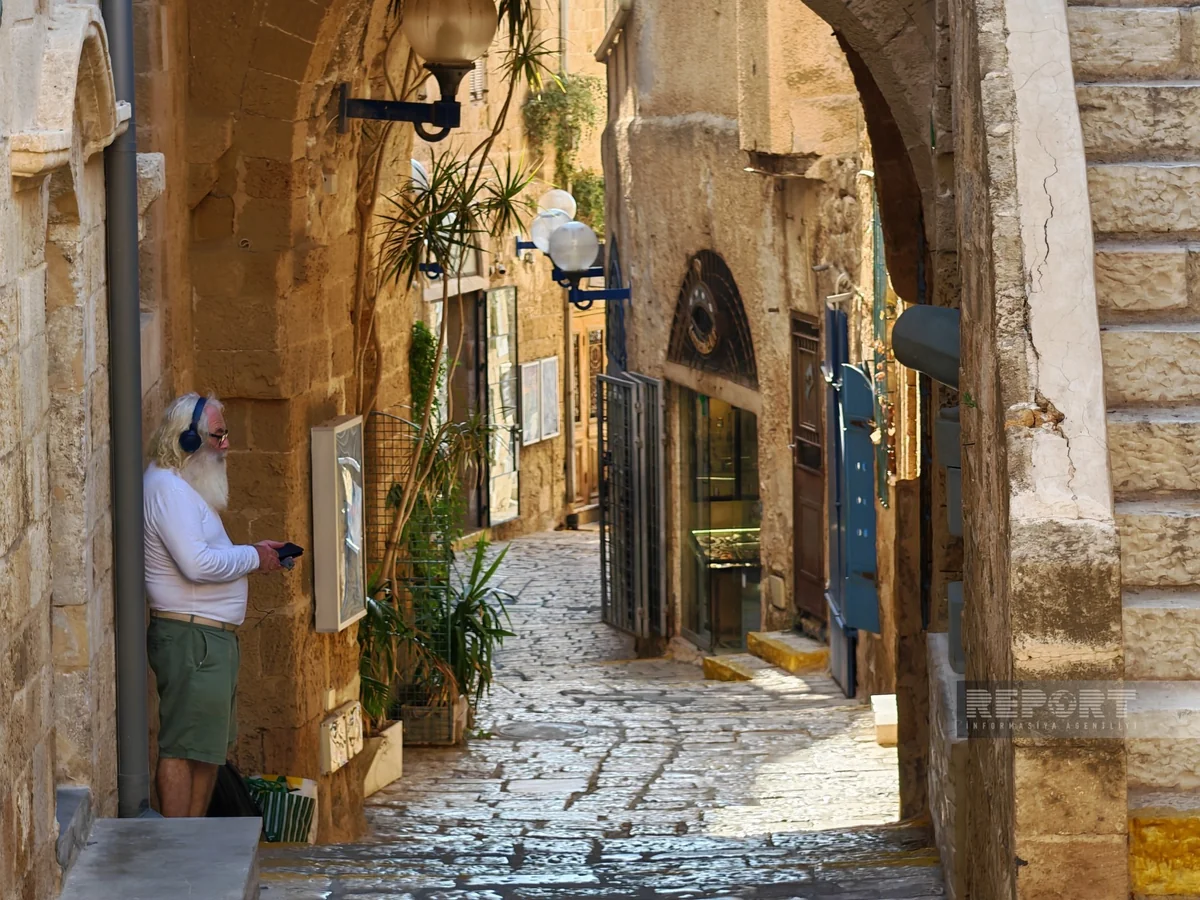
This resulted in another contrast that accompanied me almost the entire trip: in a few minutes, you could go from a modern metropolis with skyscrapers to a city whose history spans thousands of years.
The main impression from the trip: Israel is a country of contrasts. Here everyone can find a corner to their liking. From the quiet streets of Jerusalem, steeped in history, where religion remains an important part of everyday life, to the absolutely secular Tel Aviv, where lights are constantly on, young people relax, and the sea creates the feeling of a resort town.
Israel can be very different, and this is probably its main mystery. We are used to perceiving this country primarily through news, conflicts, and political events. But a trip allows you to see it from a completely different side. Behind the familiar image, a country with colossal historical, cultural, and human depth is revealed, where antiquity and modernity, religion and secular life, tranquility and proximity to conflict exist literally next to each other.
And, perhaps, this remains the main impression of the country.

Author