Baku 23° C
EU plans ban on sales of video game consoles to Russia
- 28 January, 2025
- 14:45
Stay up to date with the top news!
Brussels is proposing a ban on video game console sales to Russia to stop the country’s armed forces using them to control drones sent to Ukraine, Report informs via The Financial Times.
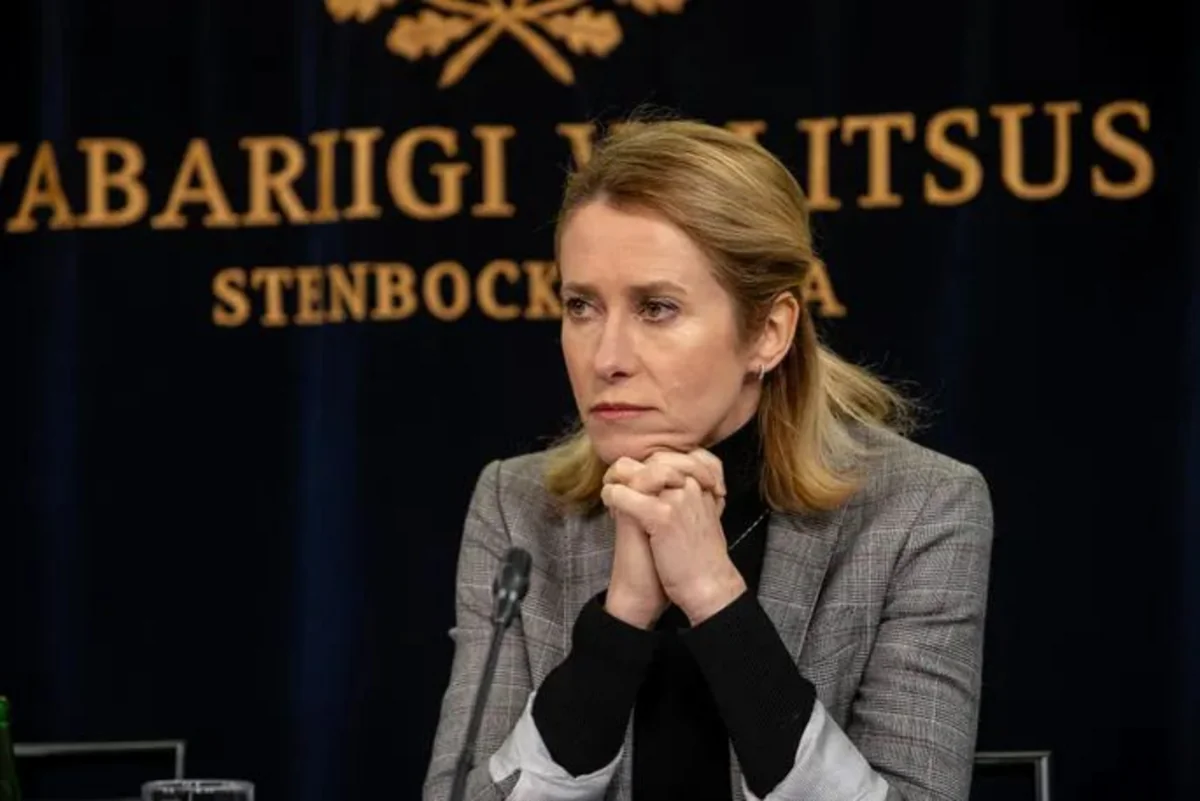
Kaja Kallas, the EU’s foreign policy chief, said products such as Sony’s PlayStation and Microsoft’s Xbox would feature in a new round of sanctions aimed to coincide with the third anniversary of Russia’s full-scale invasion of Ukraine on February 22.
“We are really looking into all the types of things that help Russia to wage this war to put them on the sanctions list,” Kallas told reporters. “Even the consoles for video games, because apparently, these are the ones that they operate drones with.”
Russia has been forced to innovate after Western sanctions restricted access to military and electronic parts. Moscow has used basic semiconductors from refrigerators and other home appliances for its missiles and drones, according to Western and Ukrainian intelligence.
The three biggest game console makers — Microsoft of the US and Japanese groups Nintendo and Sony — all halted sales in Russia in early March 2022. An EU ban would be aimed at traders in the bloc who send gaming equipment to Russia, including second-hand sellers.
China is Russia’s top supplier, selling more than $120 million worth of gaming consoles and related appliances to the country last year, according to Trade Data Monitor. The 2024 figure was a sharp increase of just under $30 million in 2022, when Russia’s invasion pushed a number of Western companies to cut ties with the market.
“Drone remote controllers are essential for military drone operations and should undoubtedly be banned,” said Olena Bilousova, a military and dual-use goods expert at the Kyiv School of Economics.
But she cautioned that an EU ban might not have “a significant impact, as most operators rely on Chinese-made controllers available on online marketplaces in Russia”.
Kallas added that chemicals “needed for the Russian military industry” would also be on the list, as well as restrictions on liquefied natural gas imports. The EU has banned almost all pipeline gas and oil imports in the aftermath of the war but has been buying more Russian LNG as a result, reaching a record high in 2024.
Only about 10 percent of the EU’s piped gas came from Russia in 2024, according to European Commission figures. Half of those volumes that were shipped via Ukraine have stopped as of January 1, when a transit agreement with Russian state-owned giant Gazprom lapsed.
The EU has set a target of weaning itself off all Russian fossil fuels by 2027. It has already banned coal imports from Russia and has set a price cap on seaborne oil with international partners.
Several member states from Scandinavia and the Baltic region are pushing for a reduction in the oil price cap. The G7 imposed a $60 ceiling for insurers and traders to cut Moscow’s income and any move would need to be coordinated with the UK, US, Japan and Canada.
Three diplomats told the Financial Times that the proposed package would also include action to restrict the import of Russian aluminum. The EU imported more than 130,000 tonnes of aluminum from Russia, or about 6 percent of its total imports in the first 10 months of last year, according to Trade Data Monitor, an information provider.
It is unclear yet whether it would be a ban or punitive tariffs that make it unaffordable. The EU industry has been campaigning for a ban on light metal for years.
Sanctions require unanimous approval from the EU’s 27 member states. Existing restrictions came close to being undone when Hungary threatened to veto a routine six-month renewal because Ukraine ended its gas transit deal with Moscow.
Hungary backed down on Monday after the commission produced a statement saying it would “continue discussions” with Ukraine on the gas supply to Europe.
Olha Stefanishyna, Ukraine’s deputy prime minister for European integration, said on Monday that some countries had become “emotional” about the end of the transit deal on January 1, which had been telegraphed long in advance by Kyiv.
Author