 Baku 24° C
EU calls for de-escalation in Middle East, preparing to strengthen its partnership with region
- 24 April, 2026
- 20:21
Stay up to date with the top news!
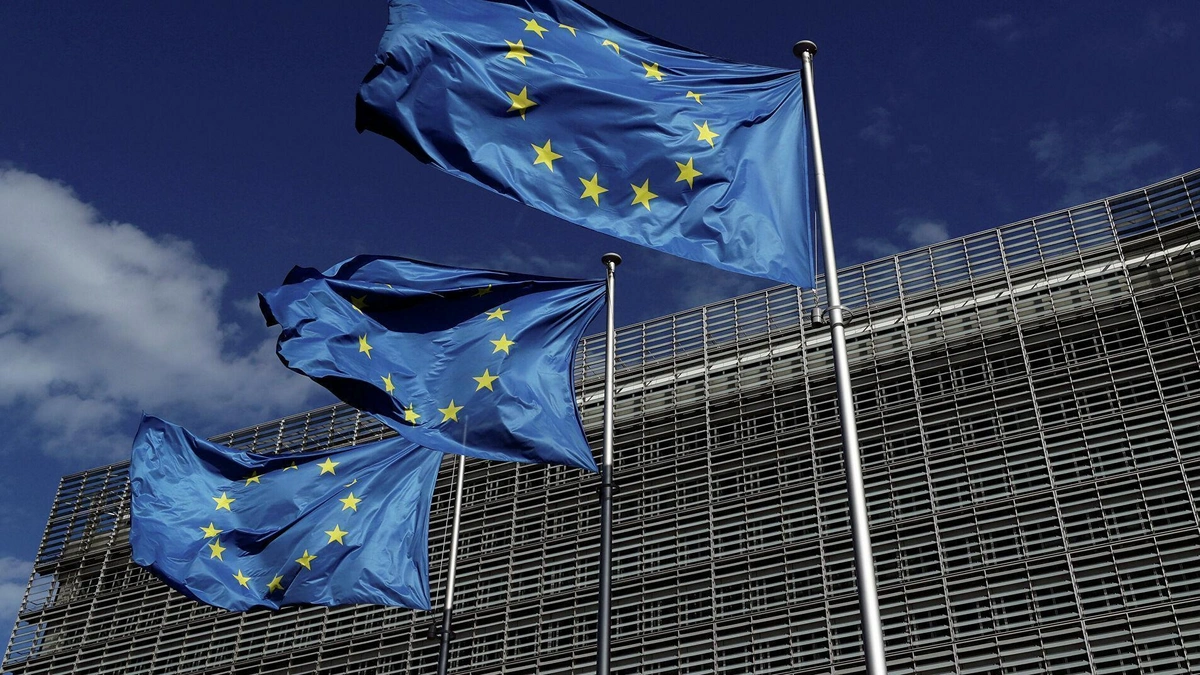
European Council President António Costa stated that the war in the Middle East has already led to "catastrophic consequences" for populations, infrastructure, and the global economy, and called for urgent de-escalation and negotiations, Report informs.
Costa was making the press statement, jointly delivered with European Commission President Ursula von der Leyen and the presidents of Cyprus, Lebanon, and Syria, Nikos Christodoulides, Joseph Aoun, and Ahmed al-Sharaa.
Costa emphasized that Europe's security is closely linked to the situation in the region, and Brussels is ready to support diplomatic efforts to resolve the conflict based on international law.
The president of the EU Council welcomed the extension of the ceasefire between the US and Iran, as well as between Lebanon and Israel.
At the same time, Costa noted the need to continue negotiations to achieve a lasting solution.
He also called for the immediate opening of the Strait of Hormuz without restrictions, calling freedom of navigation "vital for the entire world."
Speaking about Lebanon, he expressed concern about the situation there and expressed support for the government's steps to curb Hezbollah's activities, calling this a key element of stabilization.
Costa also noted the importance of cooperation with regional partners, including Egypt, Jordan, and the Gulf states, emphasizing the EU's readiness to participate in restoring energy infrastructure and stabilizing global markets.
For her part, EC President Ursula von der Leyen stated that extending the ceasefire between the US and Iran, as well as between Lebanon and Israel, is an important step, but emphasized the need to achieve sustainable peace.
She noted that any agreement must address Iran's nuclear and missile programs, calling them a key factor in regional security.
Von der Leyen also emphasized the EU's deepening cooperation with Syria, Jordan, and Egypt, including the development of new investment and political initiatives.
"In two weeks, we will host the first high-level political dialogue between Syria and the EU, which will pave the way for a possible future association agreement. We will continue to support the country's economic recovery and the reconciliation of its society," she noted.
Separately, the head of the EC spoke about plans to expand partnerships with Gulf countries and develop infrastructure projects. In particular, to diversify export infrastructure, rather than rely solely on exports through the Strait of Hormuz: "Now is the time to promote promising projects to improve transport accessibility, such as IMEC – the India-Middle East-Europe Economic Corridor."
Author