Baku 21° C
Protecting children's rights and mental health on digital platforms is important — OPINION
- 03 July, 2026
- 16:05
Stay up to date with the top news!
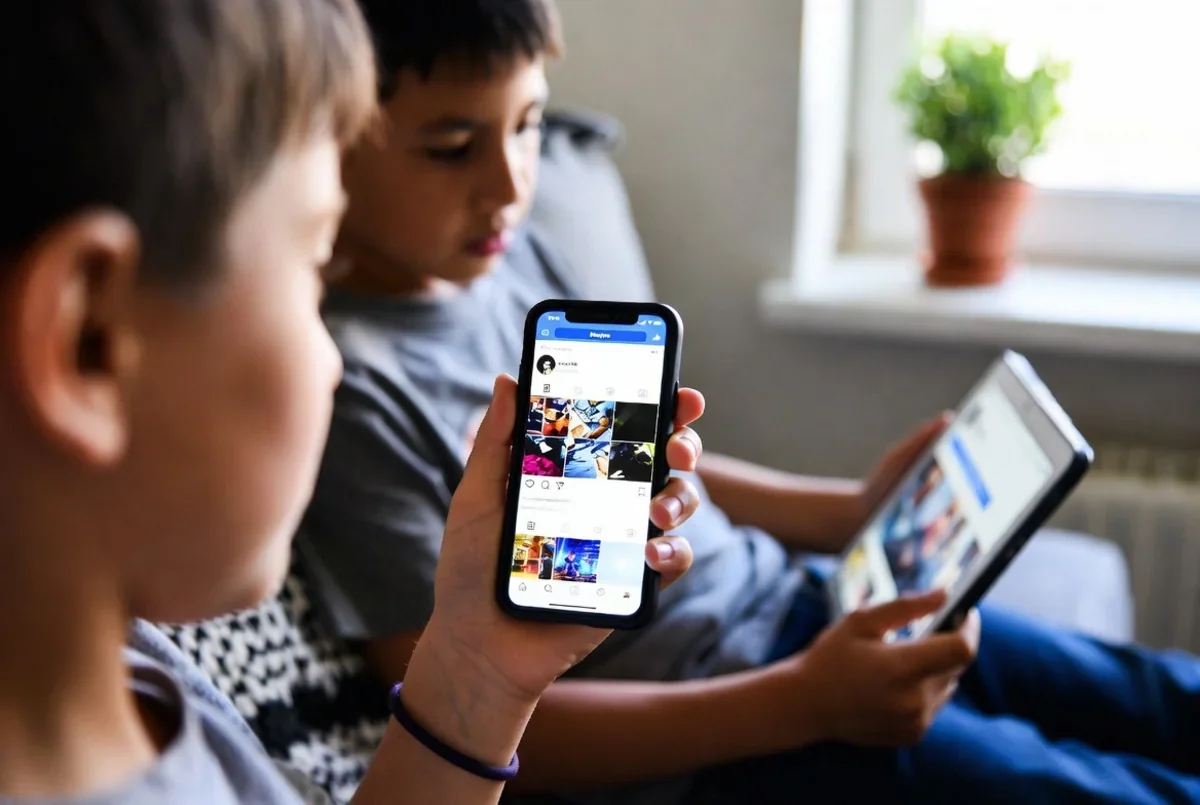
With the rapid development of digital technologies, social networks have become an integral part of children's daily lives. At the same time, the increase in risks such as cyberthreats, cyberbullying, the unlawful processing of personal data, psychological effects, the spread of harmful content and social media addiction is prompting states to develop new legal mechanisms in this area.
Member of the Milli Majlis Vasif Gafarov made the remarks in a statement to Report. He noted that in recent years, many developed countries have moved toward stricter and more modern legal regulation of minors' use of social networks and have identified the protection of children in the digital environment as one of the priorities of state policy.
"Ensuring children's digital safety is not only a social issue, but also has strategic importance in terms of national security, protecting human capital and building a healthy society. Unsupervised use of social networks from an early age has a negative impact on children's psychological development, quality of education, social behavior and future labor potential. Therefore, the state's creation of preventive legal mechanisms in this area is considered a progressive approach in line with international practice.
"Currently, a number of states are carrying out legislative reforms aimed at setting a minimum age for access to social networks, making parental consent mandatory, confirming age through reliable identification mechanisms, restricting algorithms targeting children, banning personalized advertising and increasing platforms' specific obligations regarding child safety. The main purpose of these approaches is to protect children's digital rights while creating a safe information environment for their physical, moral and psychological development," he said.
According to the MP, international practice shows that many countries have already taken concrete legal steps in this direction.
"For example, Australia has adopted a law restricting the use of certain social media platforms by people under the age of 16. France has introduced a parental consent mechanism for minors registering on social networks. The United Kingdom and Ireland have turned the principle that 'children's safety must be ensured from the design stage' into a legal obligation for platforms. In a number of US states, new legislative initiatives have been adopted to strengthen age verification and parental control.
"These international trends show that the activities of digital platforms are no longer assessed only through the prism of freedom of expression and technological development, but also in terms of protecting children's rights, safeguarding mental health and ensuring public safety," Gafarov said.
In Gafarov's view, improving legal regulation in this area can also be considered relevant for Azerbaijan.
"In particular, reliable identification of minors' age, strengthening parental control mechanisms, increasing the responsibility of social network platforms, promptly blocking harmful content aimed at children, improving digital literacy and forming the institutional basis for state-platform cooperation could help ensure children's digital safety more effectively in the country.
"Ultimately, the application of restrictive and protective legal mechanisms regarding minors' use of social networks is already regarded in international practice as a modern and progressive approach. Such measures serve to protect children's rights, create a healthy information environment, reduce cyberthreats and ensure the safe development of future generations, and are fully in line with the state's long-term strategic interests," he said.
Author