 Baku 21° C
Media forum participants visit Imam al-Bukhari Complex in Samarkand
- 27 August, 2026
- 12:26
Stay up to date with the top news!
As part of the international media forum "Islamic Civilization", participants visited the Imam al-Bukhari Memorial Complex in Uzbekistan's Samarkand Region.
According to a Report correspondent in Samarkand, the complex is located about 25 kilometers from the city, in the village of Hartang. It is home to the tomb of the prominent Islamic scholar and hadith collector Muhammad ibn Ismail al-Bukhari (810–870), known as Imam al-Bukhari.
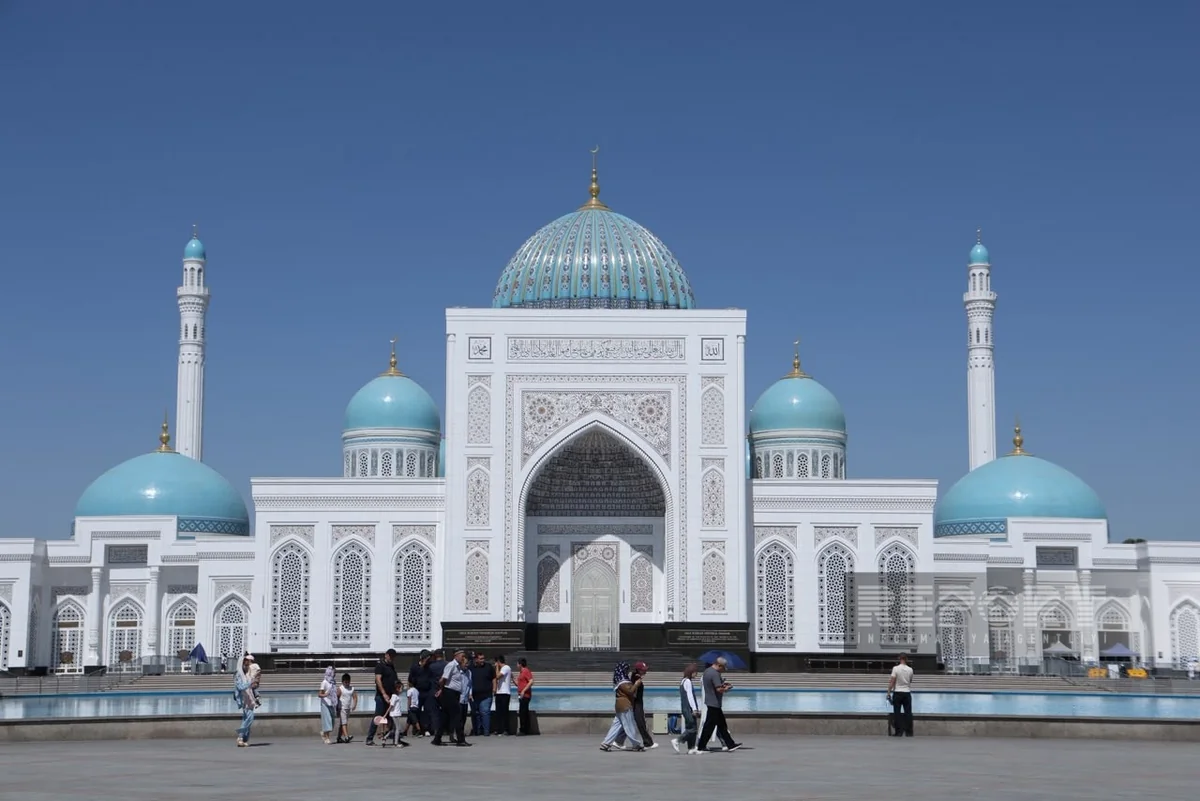
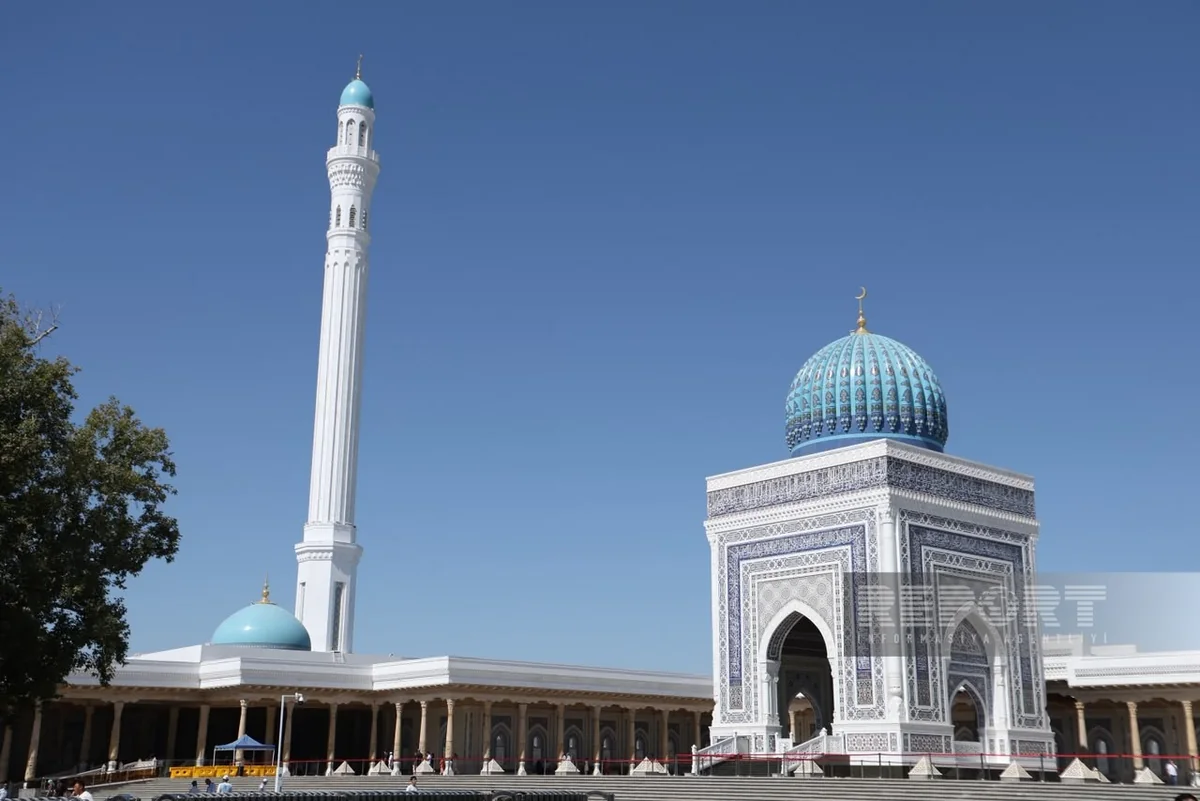
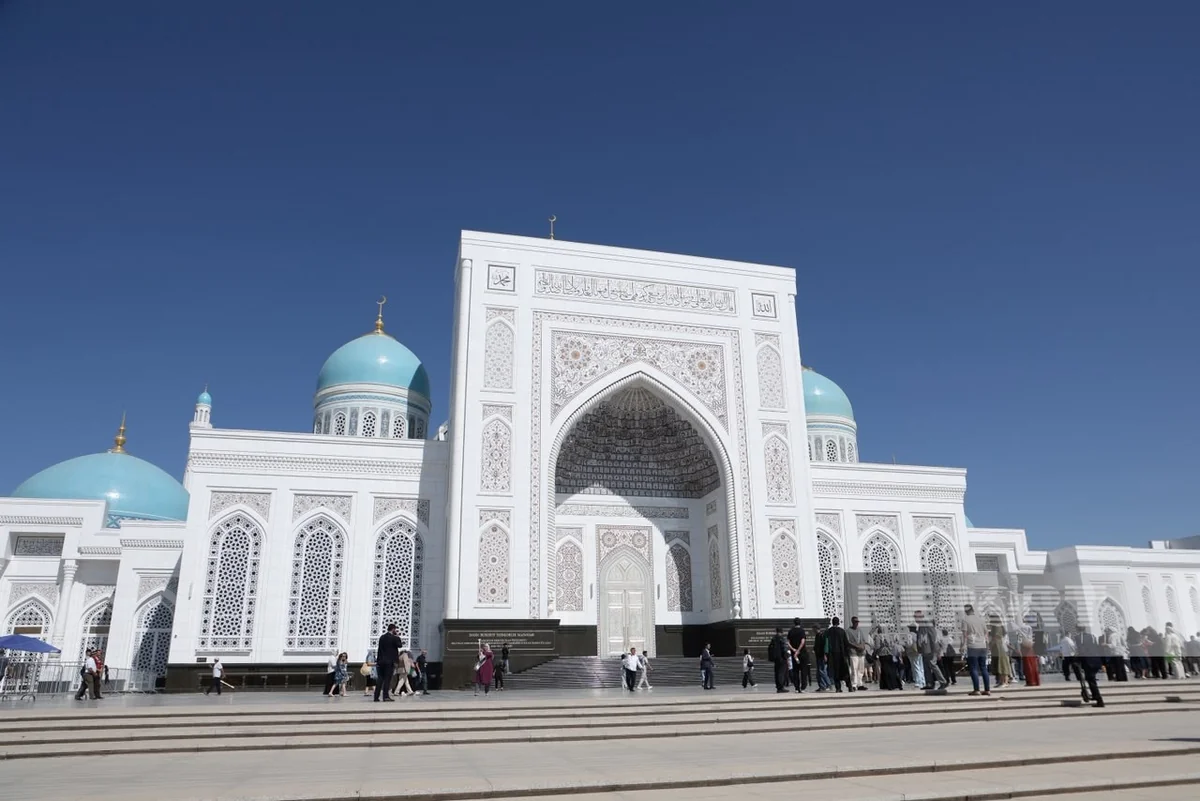
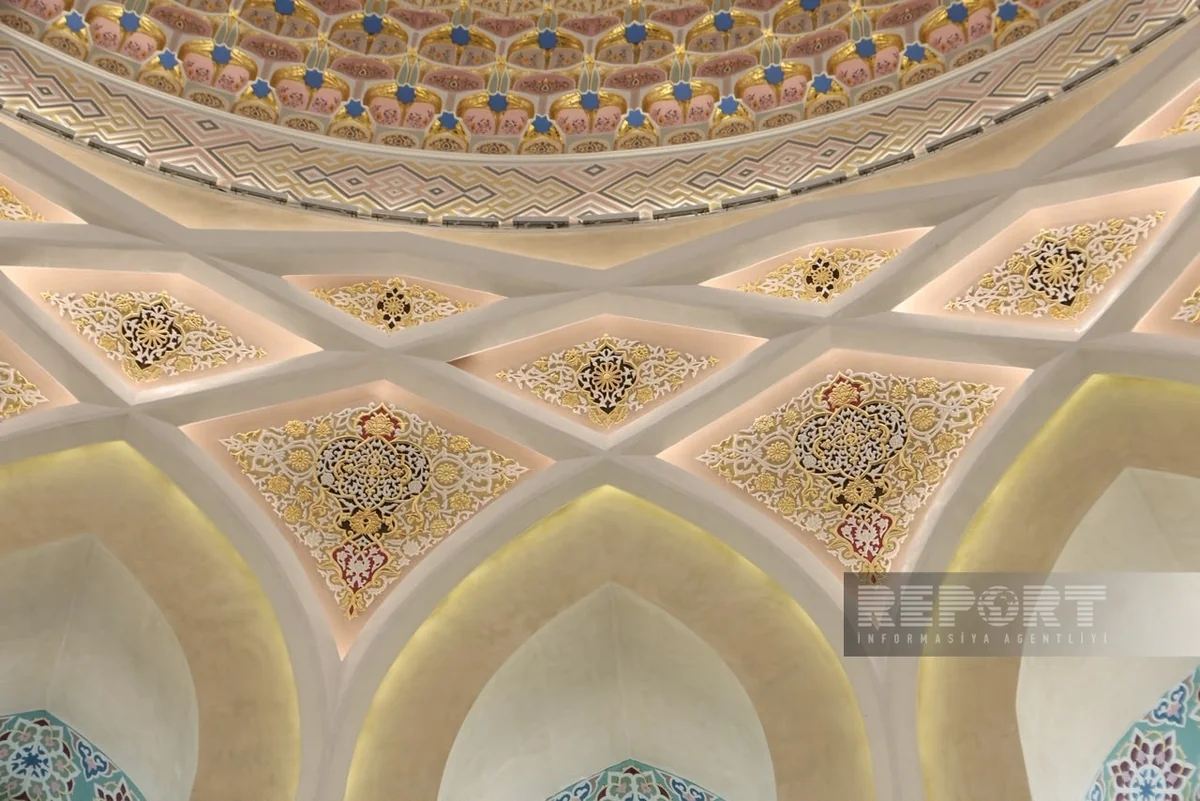
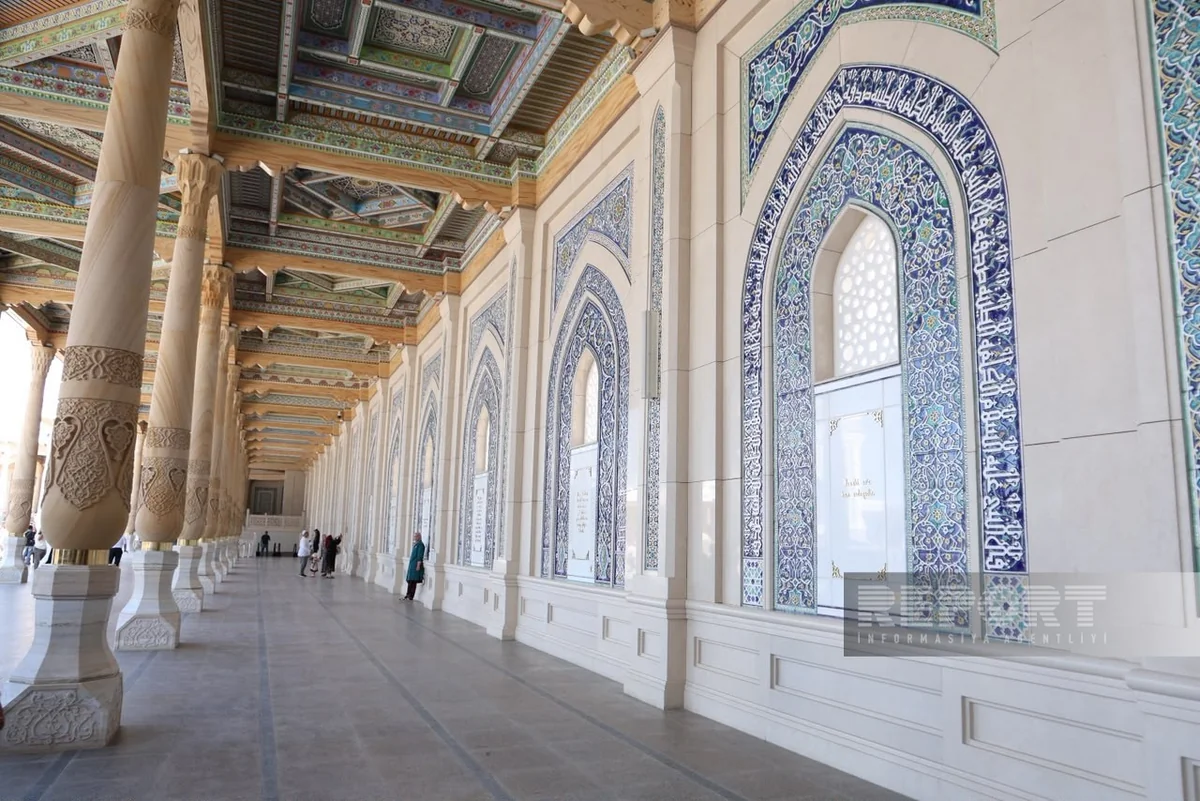
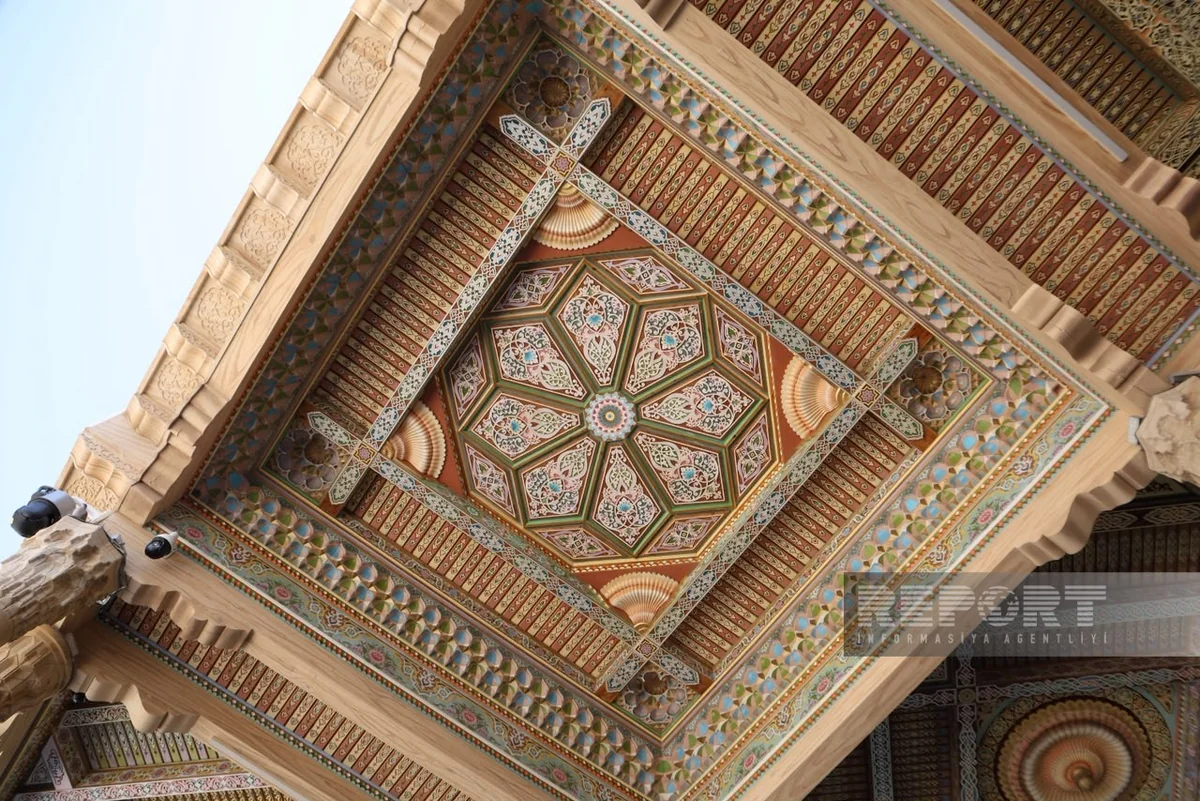
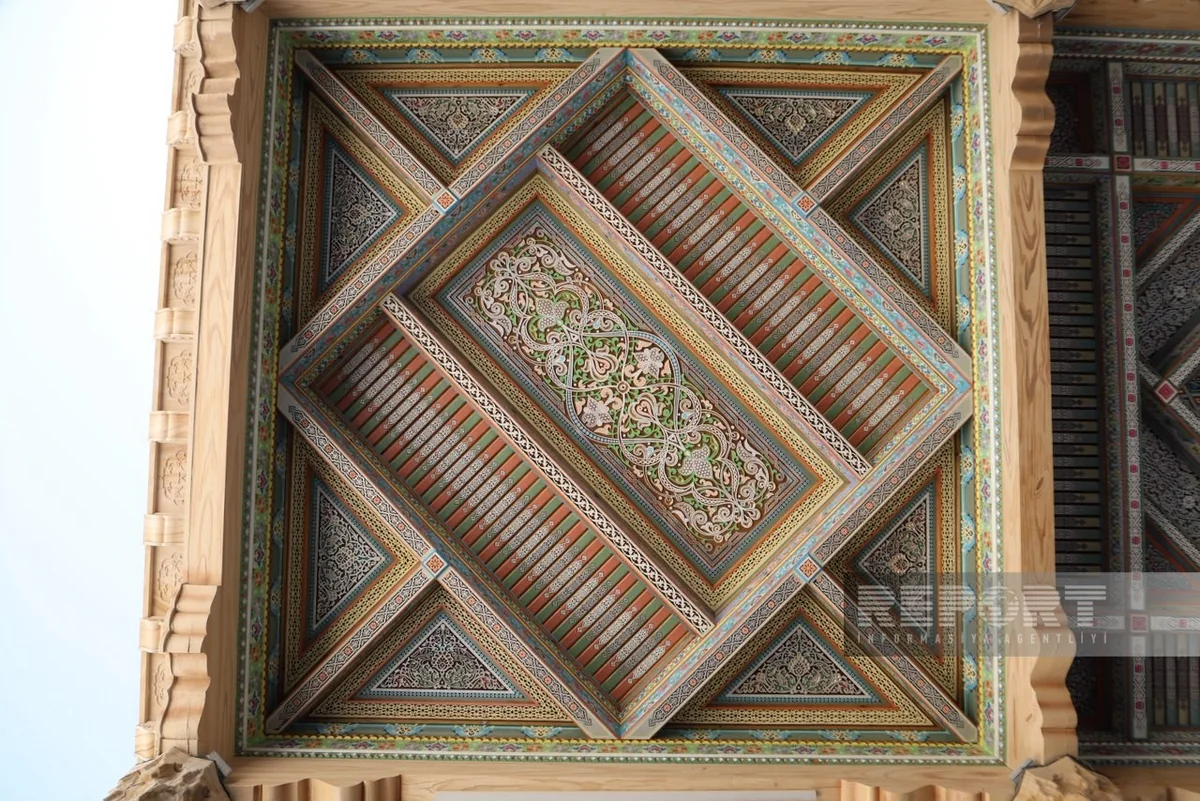
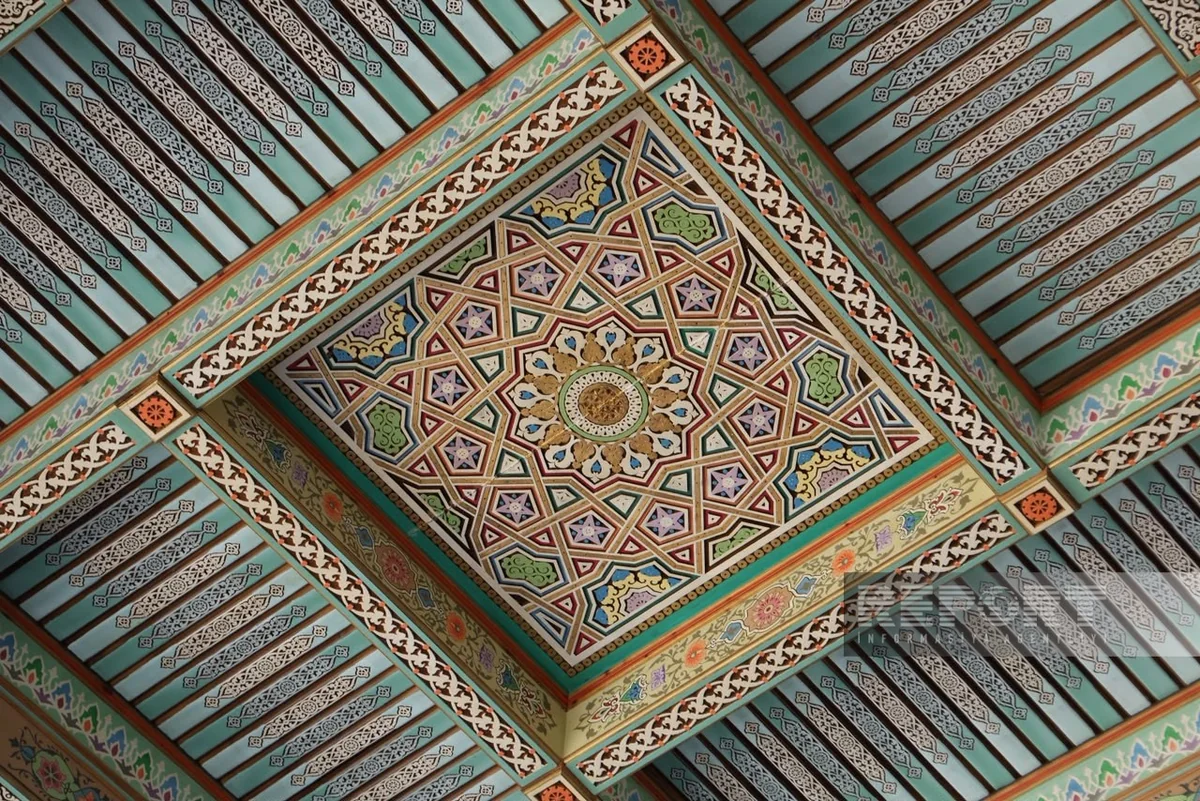
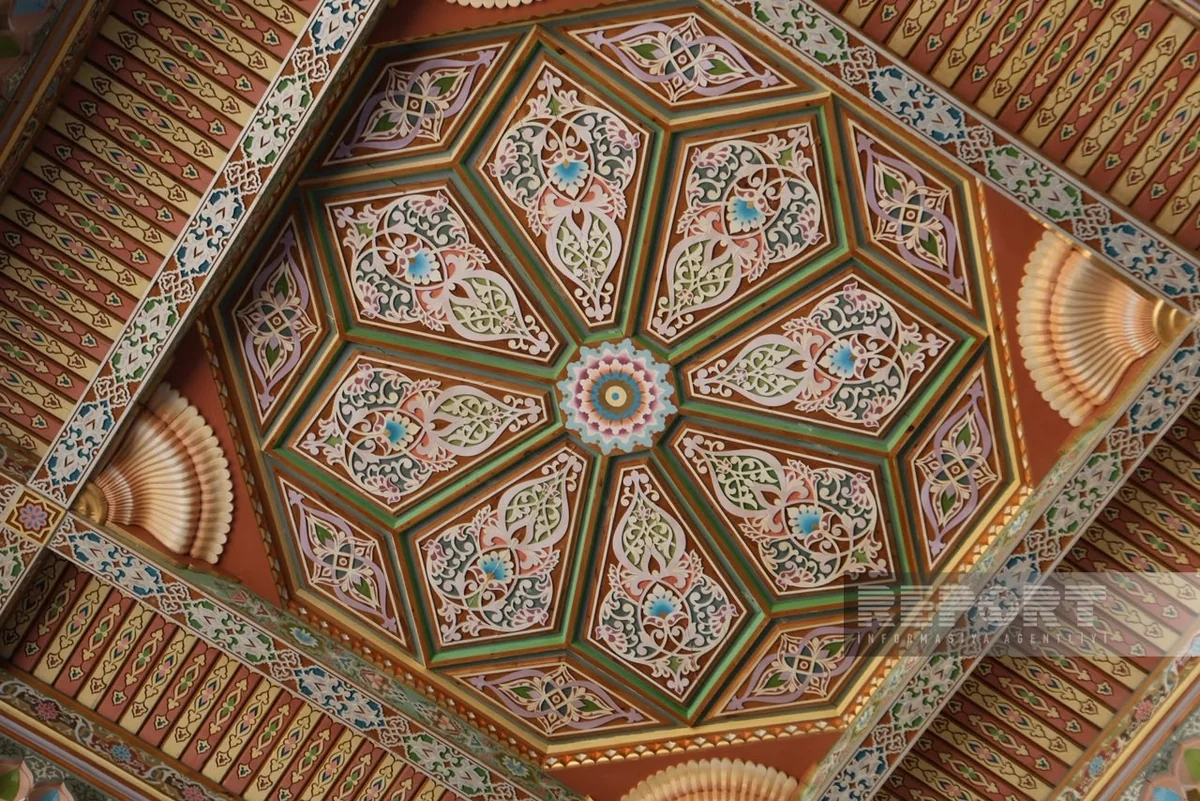
Following extensive reconstruction, the complex now covers approximately 44–45 hectares. It includes Imam al-Bukhari's mausoleum, a congregational mosque, a museum, a library, landscaped walkways, water features and visitor recreation areas.
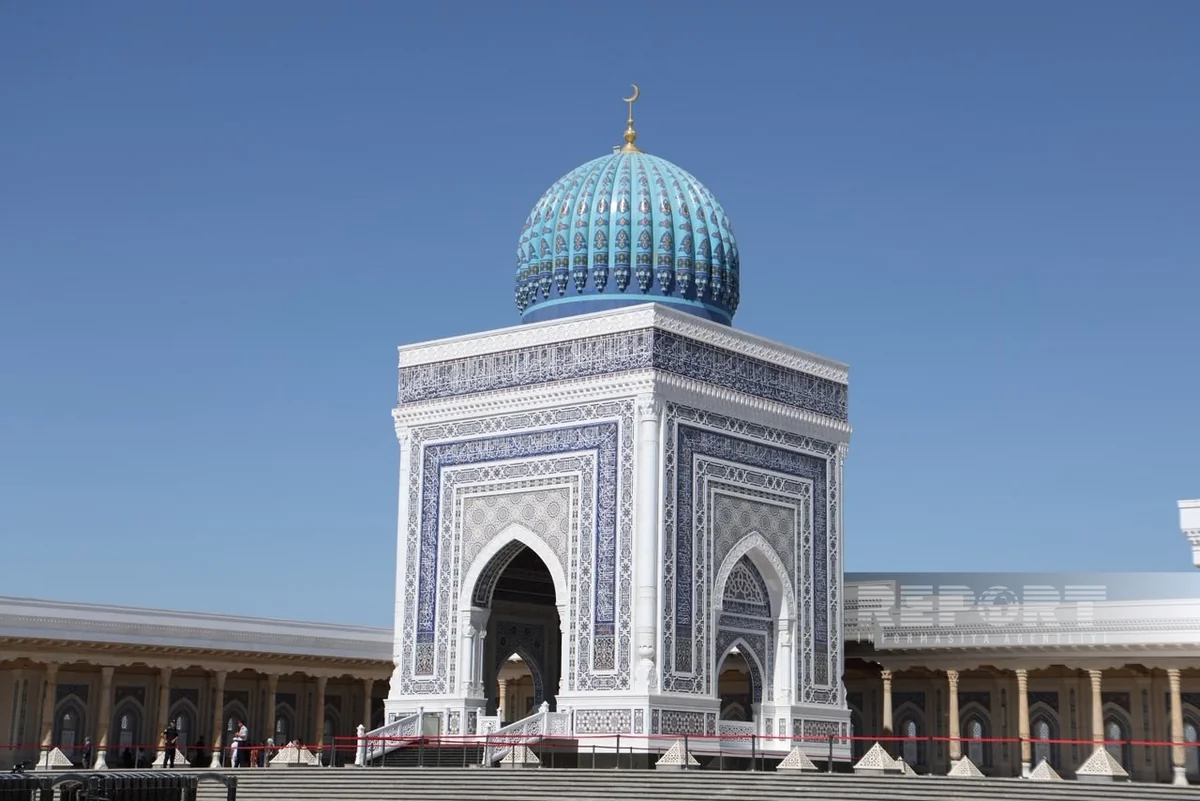
The central feature of the complex is Imam al-Bukhari's mausoleum, which houses his tomb. According to a local tradition, following the scholar's death during a severe drought, residents of Samarkand came to his grave to pray, after which rain began and continued for several days.
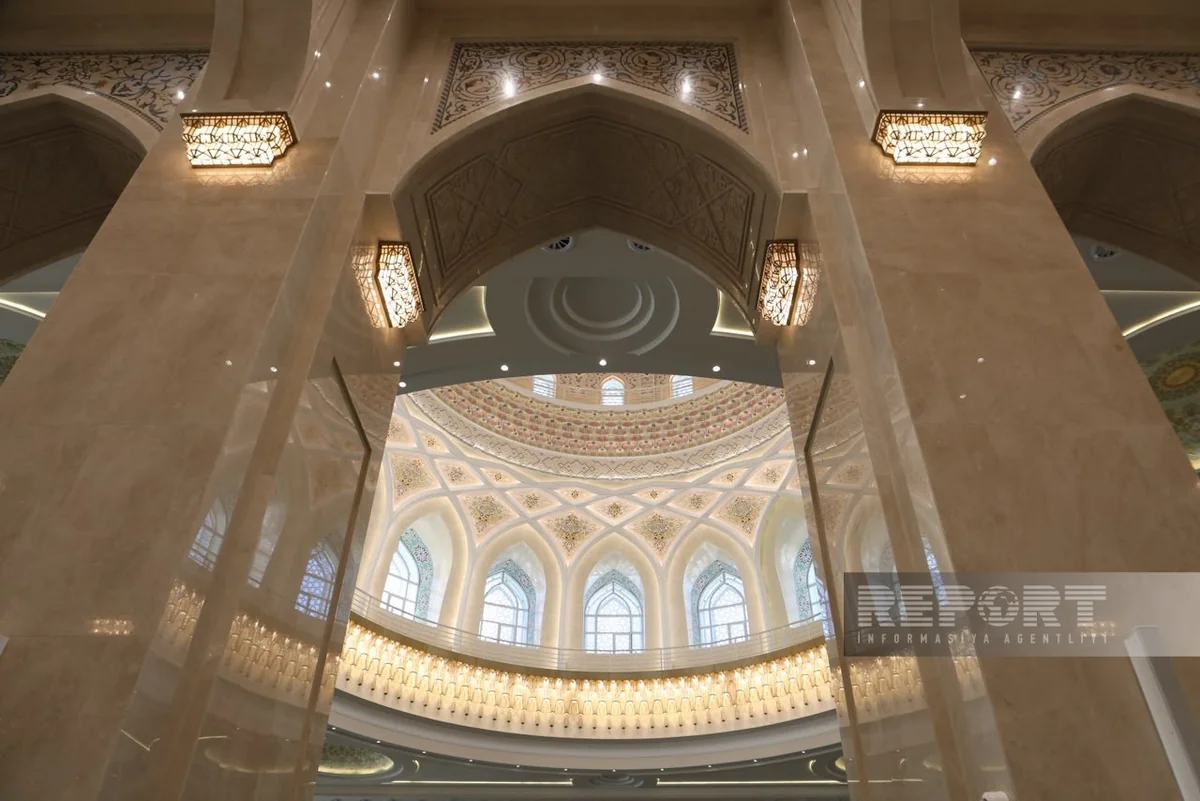
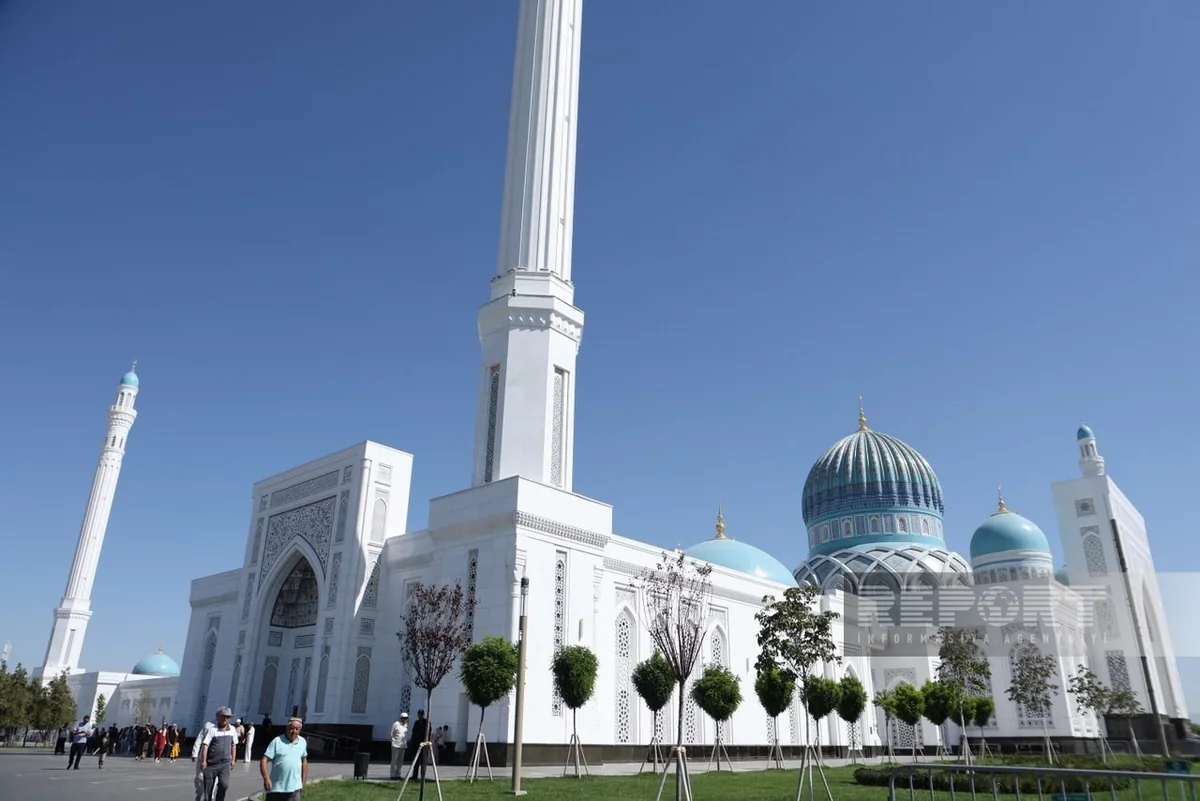
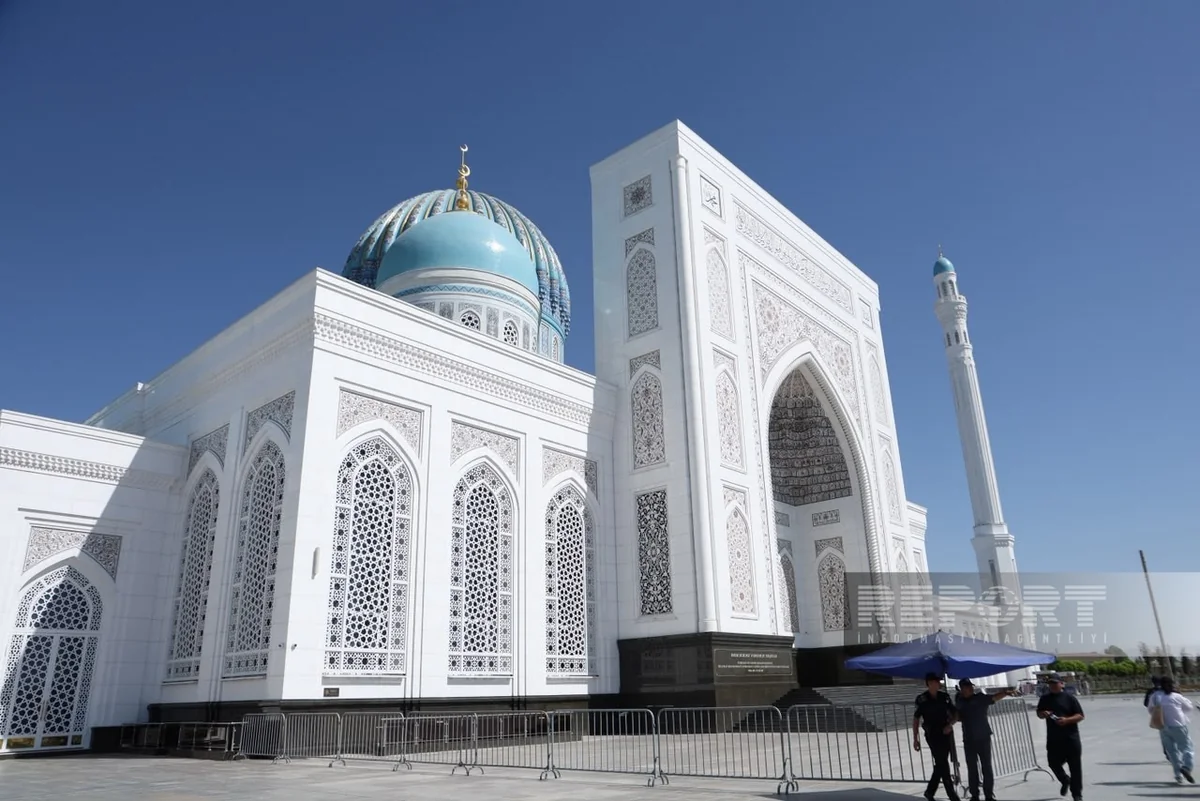
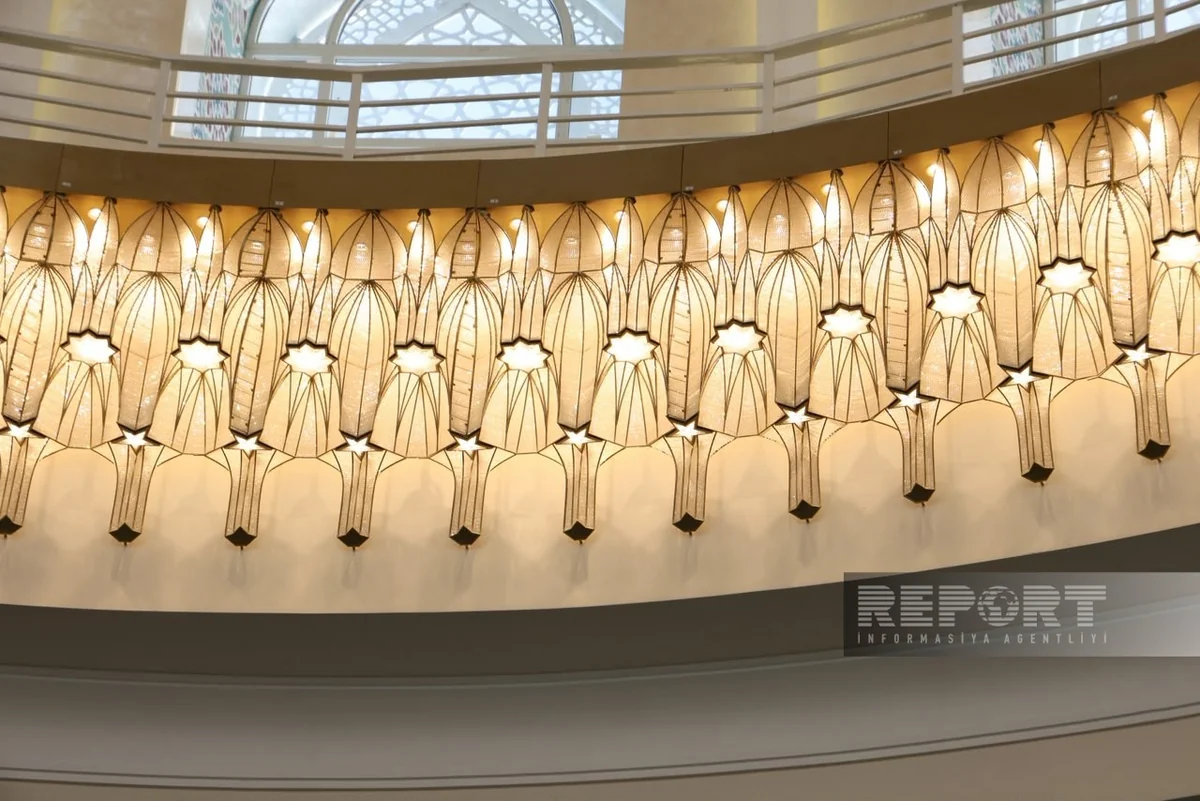
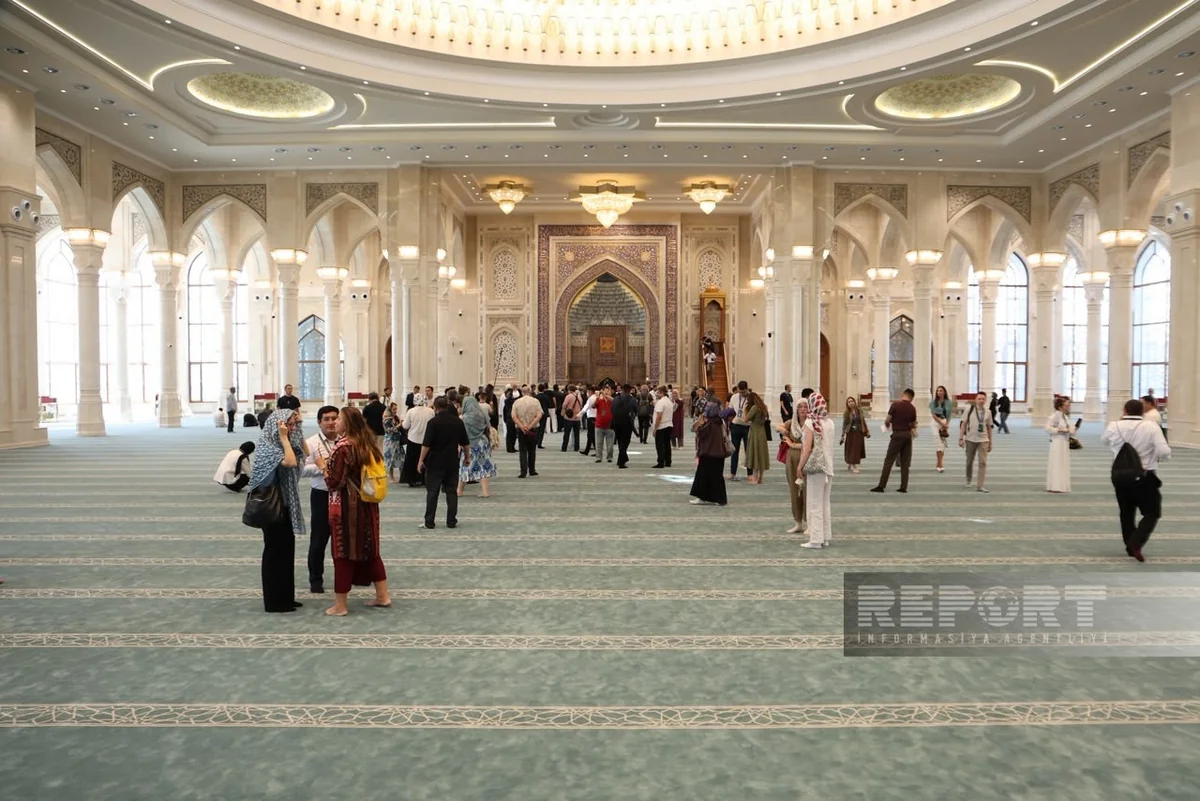
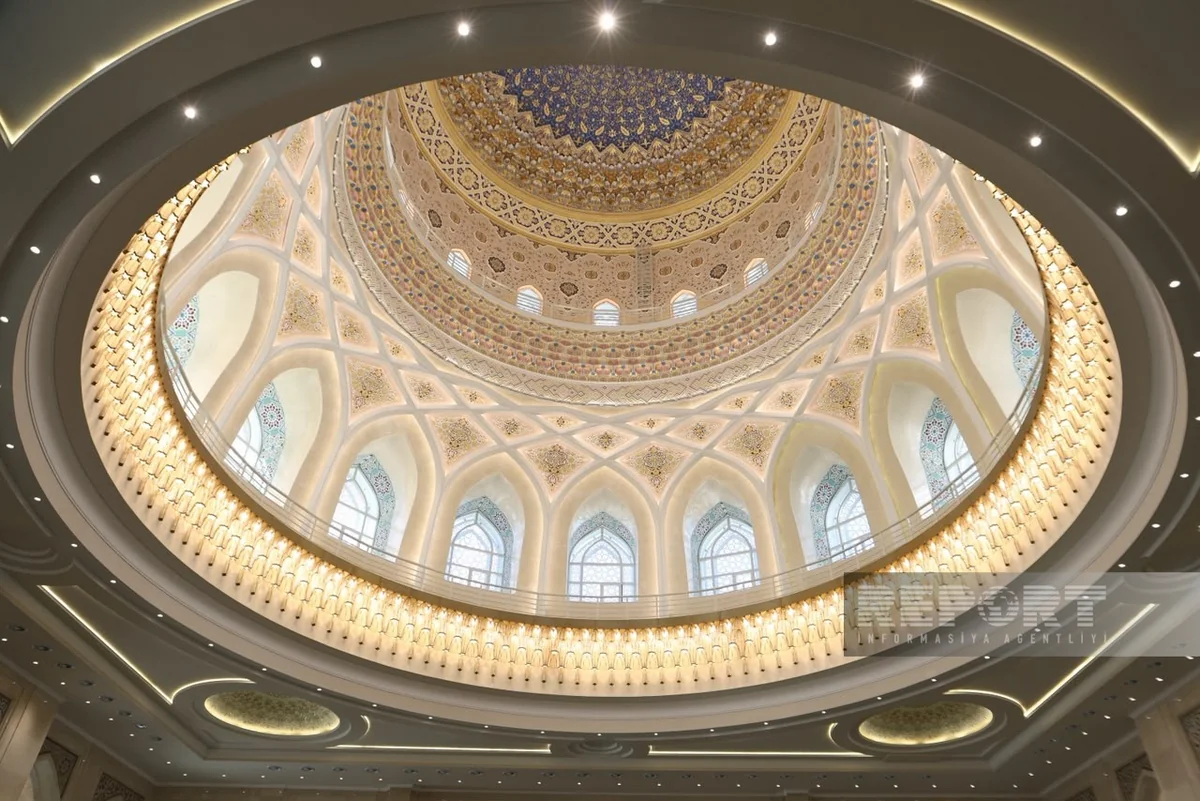
The complex's main mosque can accommodate approximately 10,000 worshippers. Its architectural ensemble is complemented by four minarets, each up to 75 meters high.
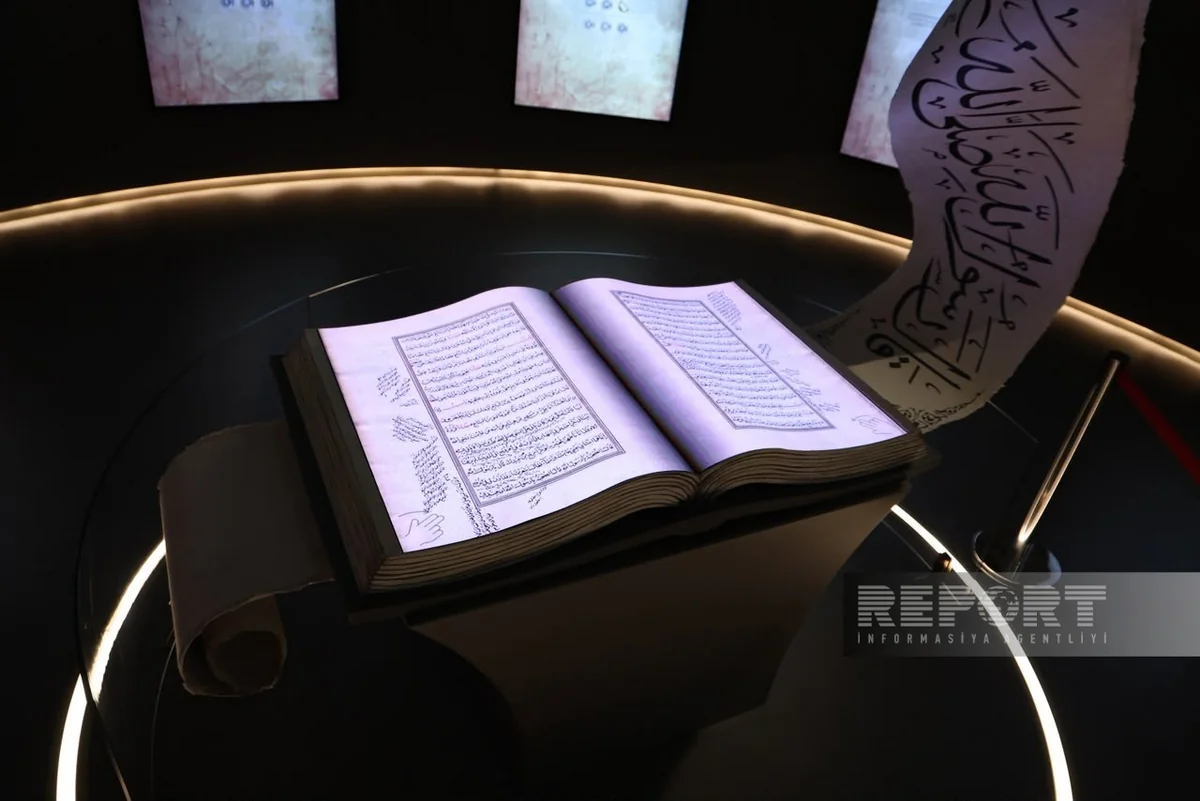
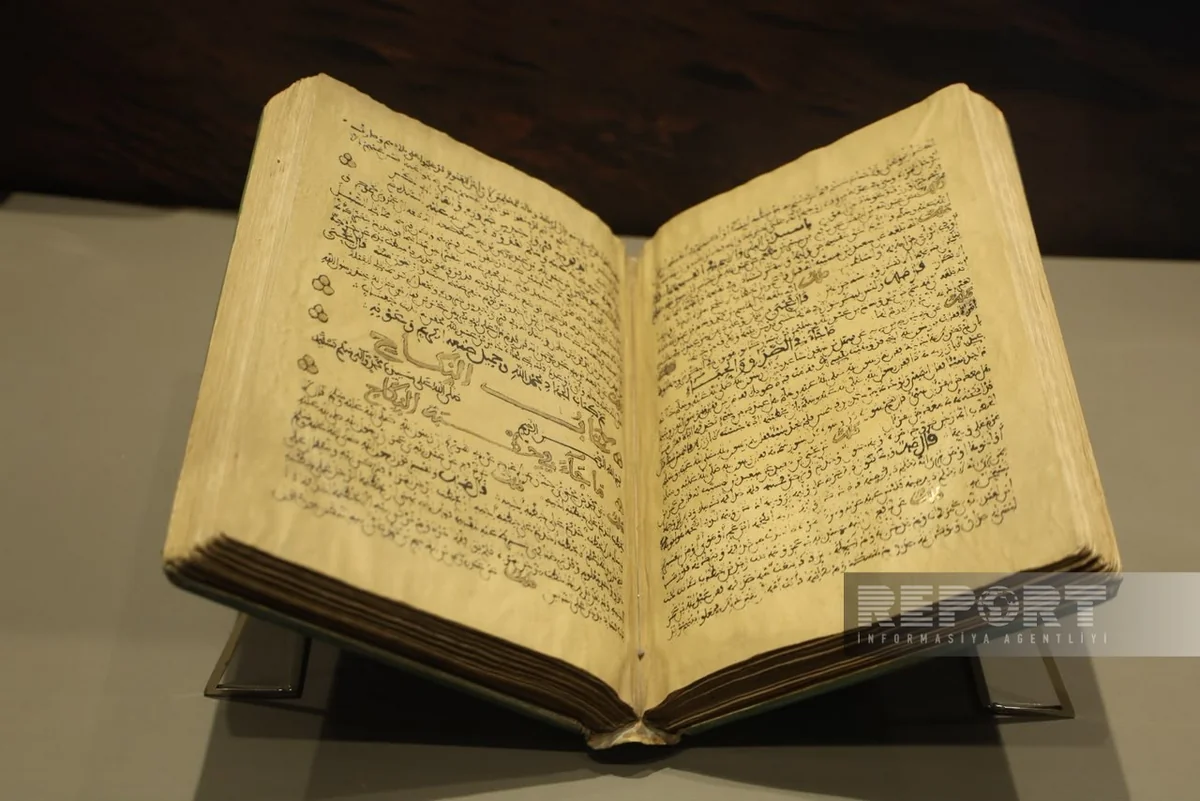
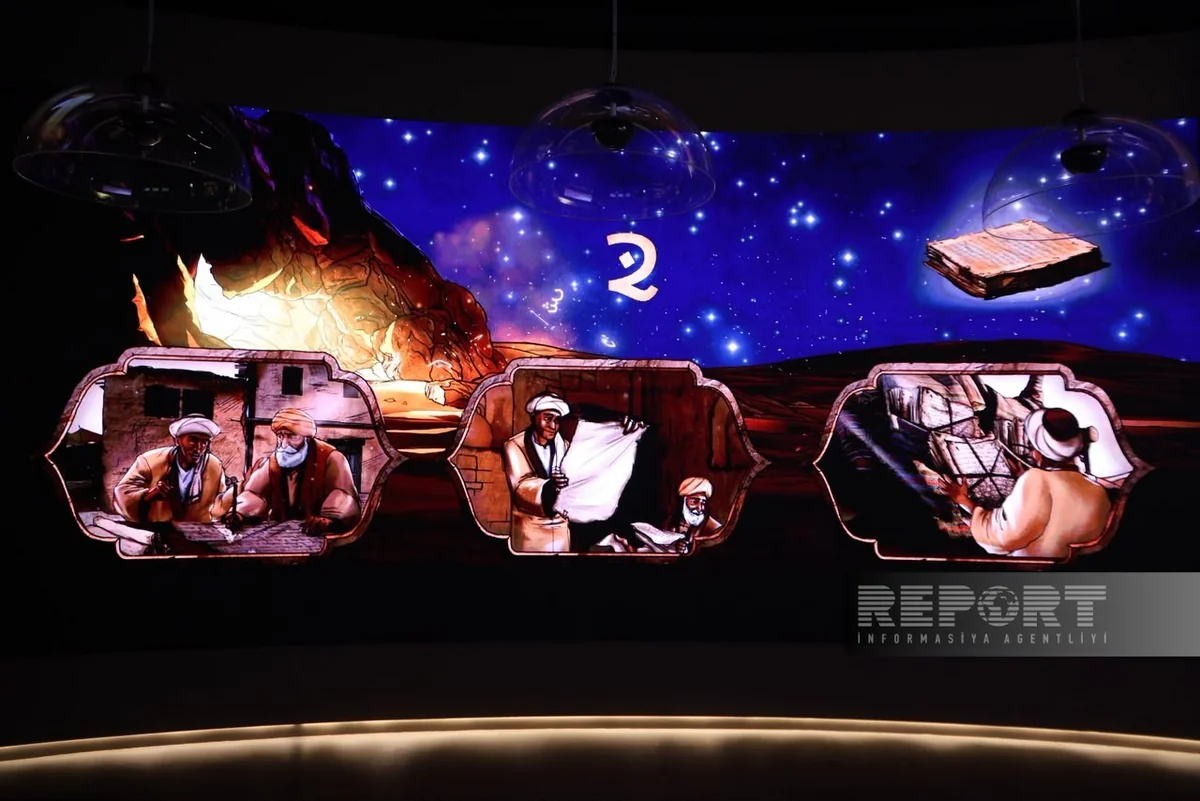
A special place is dedicated to the scholar's most important work, Al-Jami' as-Sahih, also known as Sahih al-Bukhari. In compiling the collection, al-Bukhari traveled extensively to gather and systematize hadiths - accounts of the words and deeds of the Prophet Muhammad - while paying particular attention to verifying their authenticity.
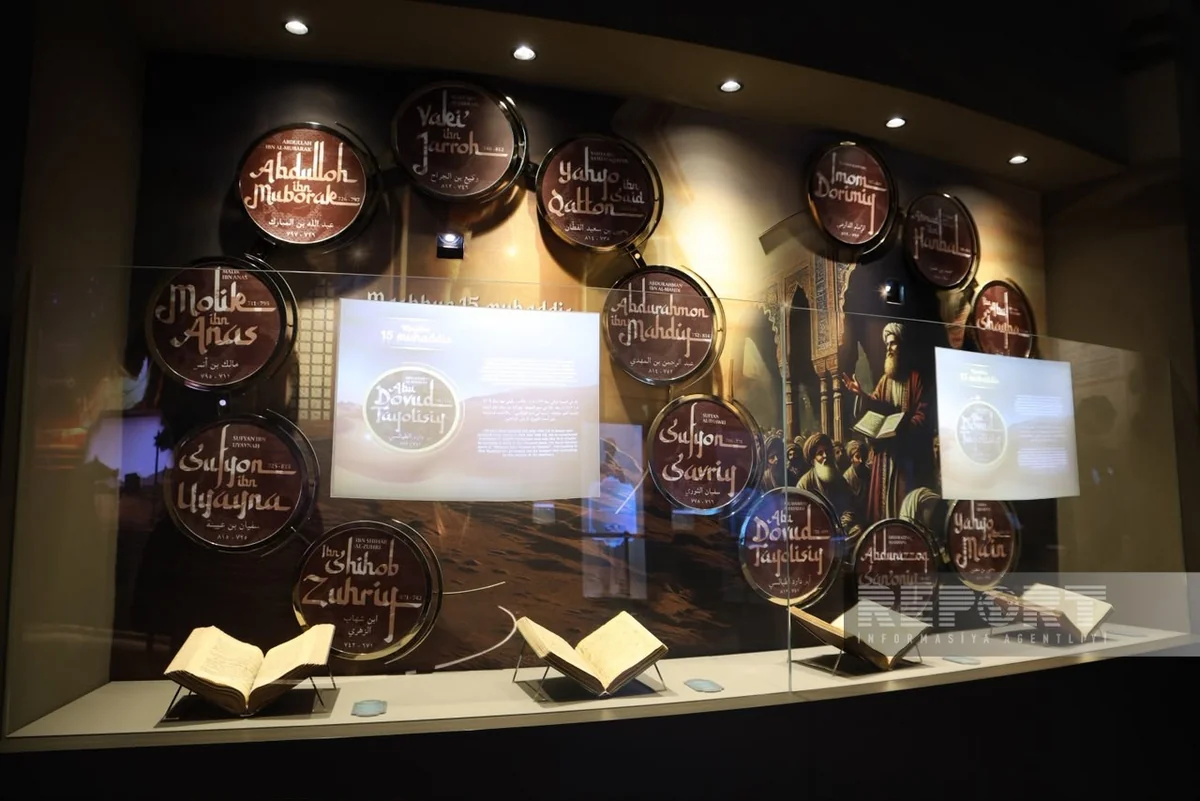
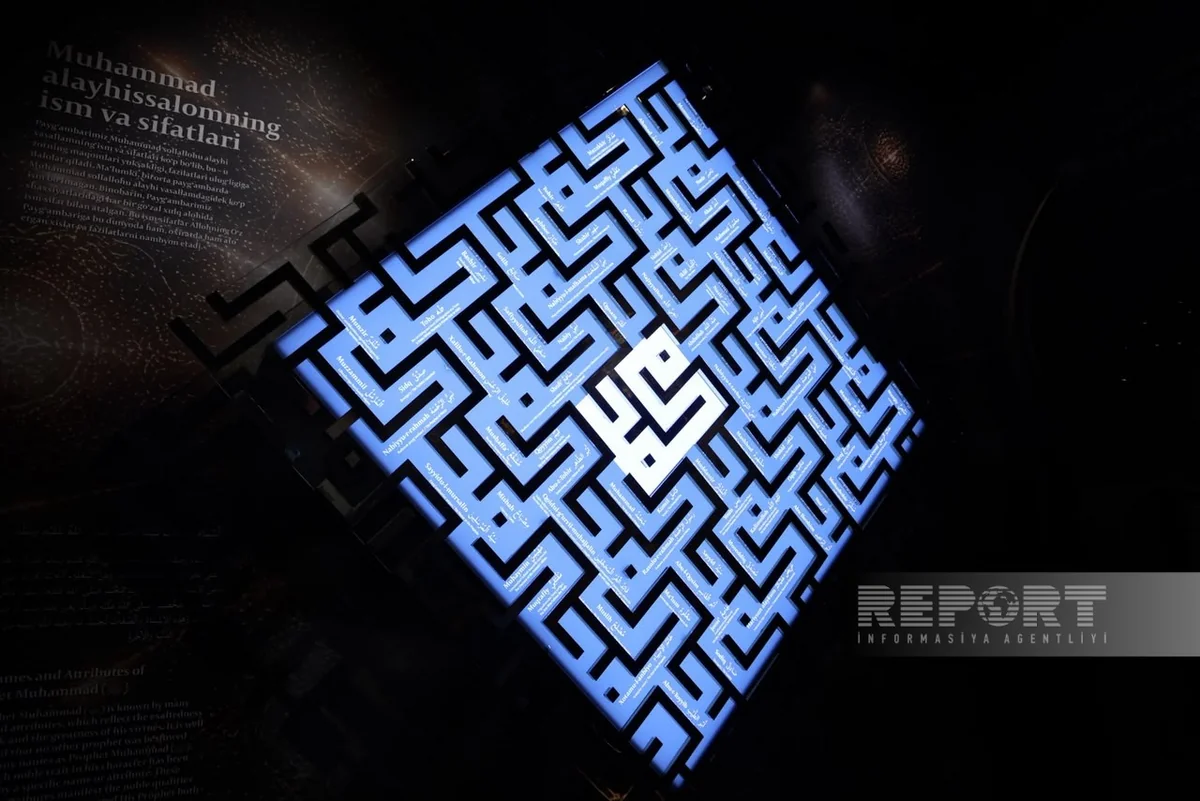
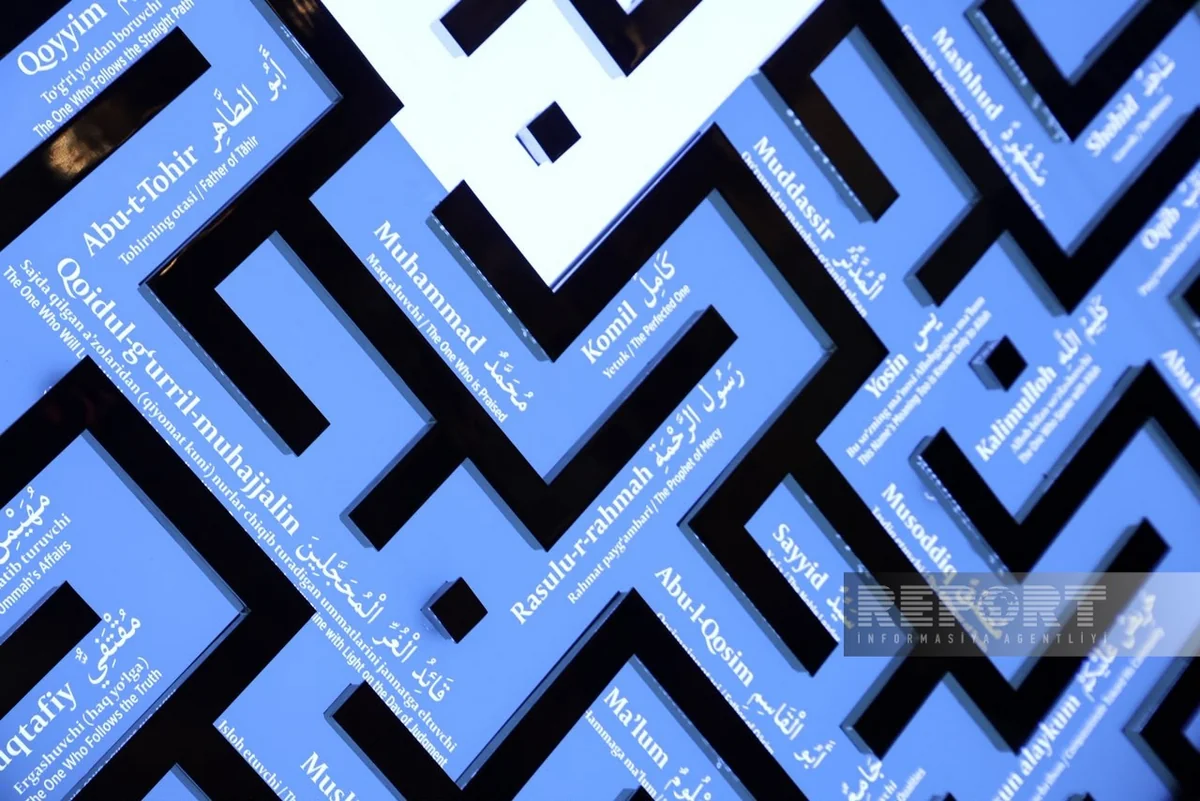
Separate exhibitions focus on the life of the Prophet Muhammad, the early history of Islam and the development of Islamic scholarship in Central Asia. The complex also features the names of prophets as part of its design.
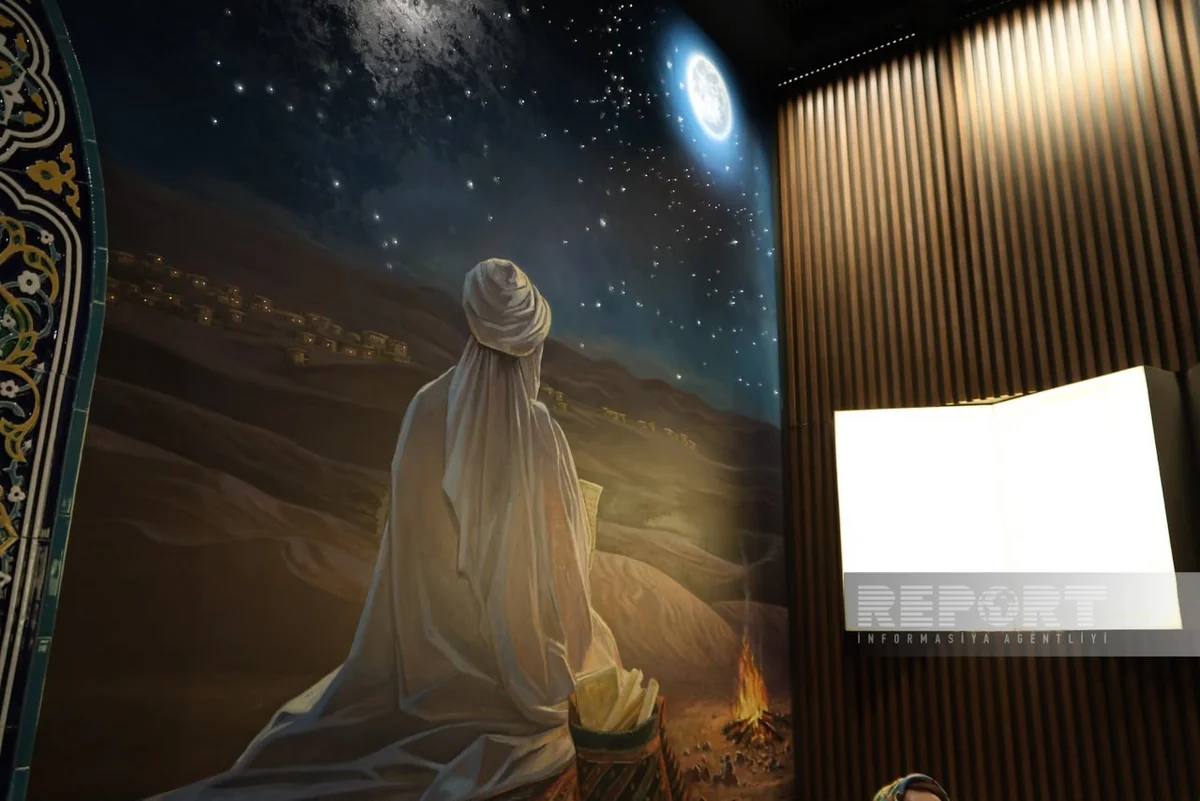
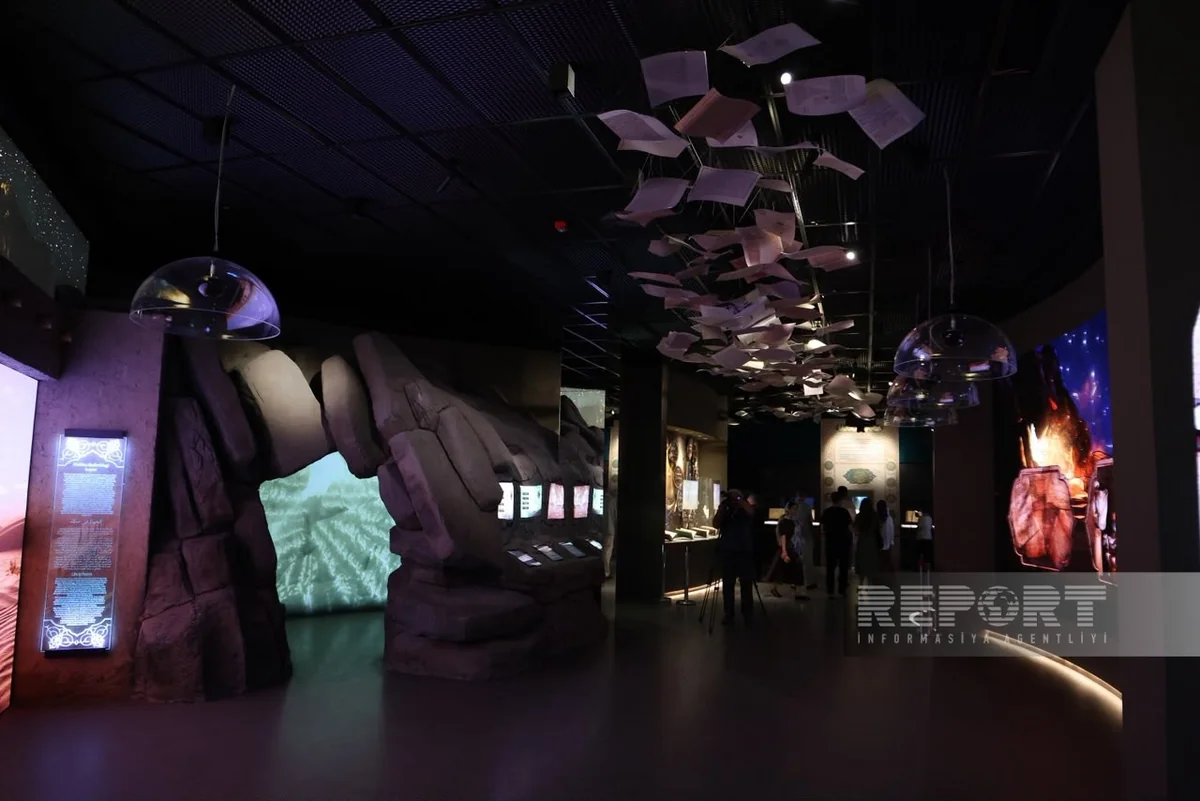
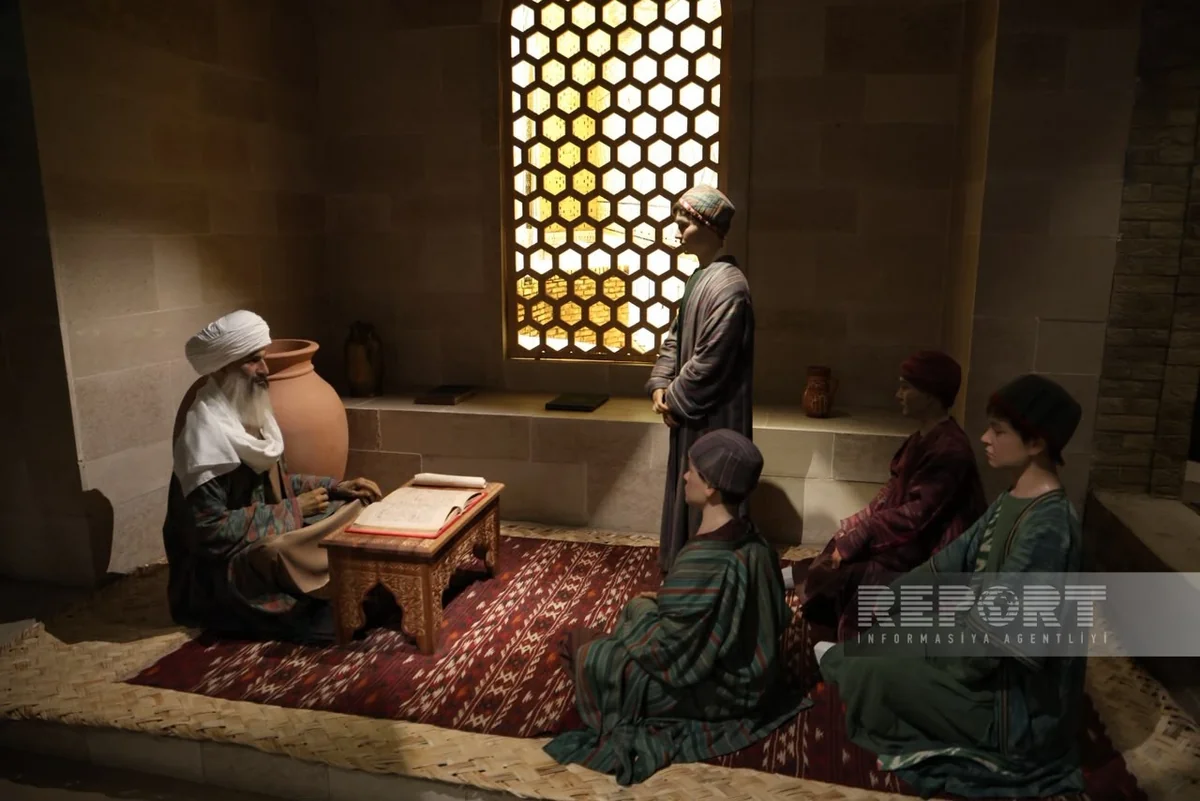
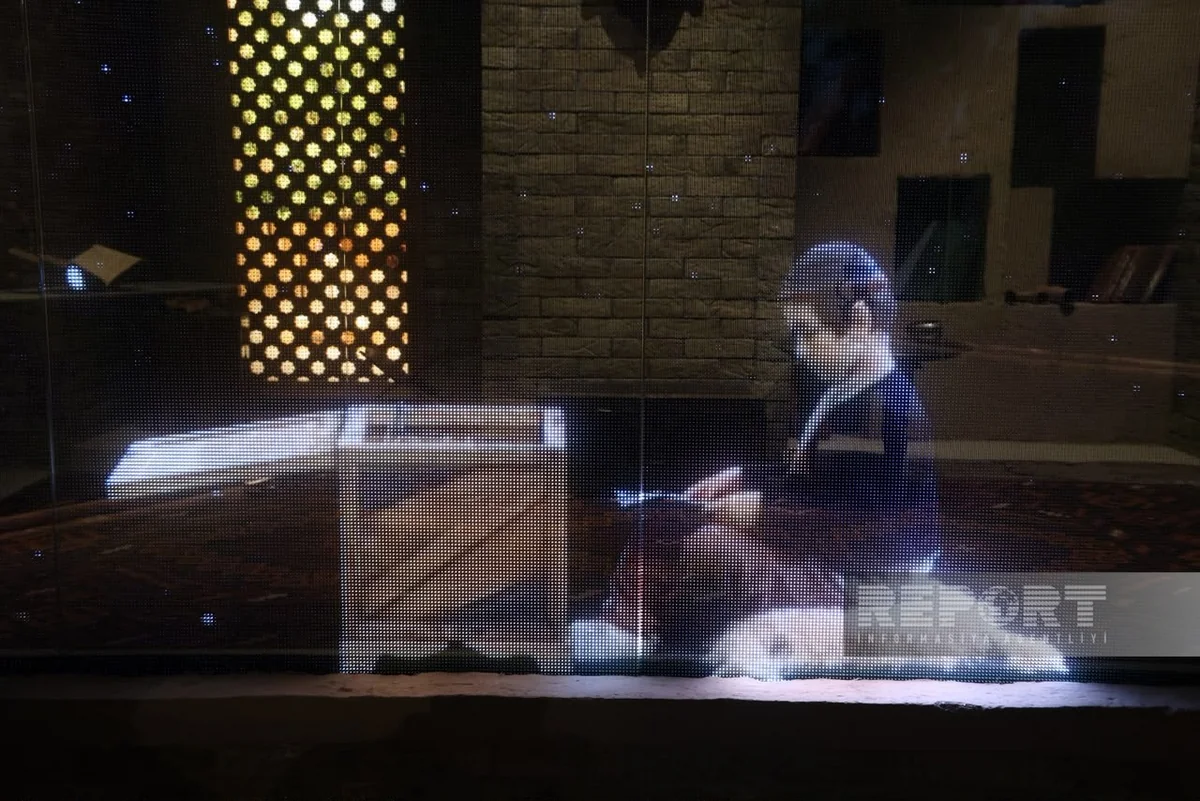
The visit also included the museum, where nine pavilions are integrated into a modern unified space. The exhibitions tell the story of Imam al-Bukhari"s life, his scholarly legacy and the era in which he lived.
The Imam al-Bukhari Islamic University for Hadith Studies also operates at the memorial complex. The institution specializes in the study of hadiths and Islamic heritage.
The history of the modern complex began with reconstruction in 1997–1998. At the initiative of Uzbekistan's first president, Islam Karimov, the site was reconstructed and expanded to 10 hectares. A mosque with a capacity of about 1,500 worshippers was also built at the time.
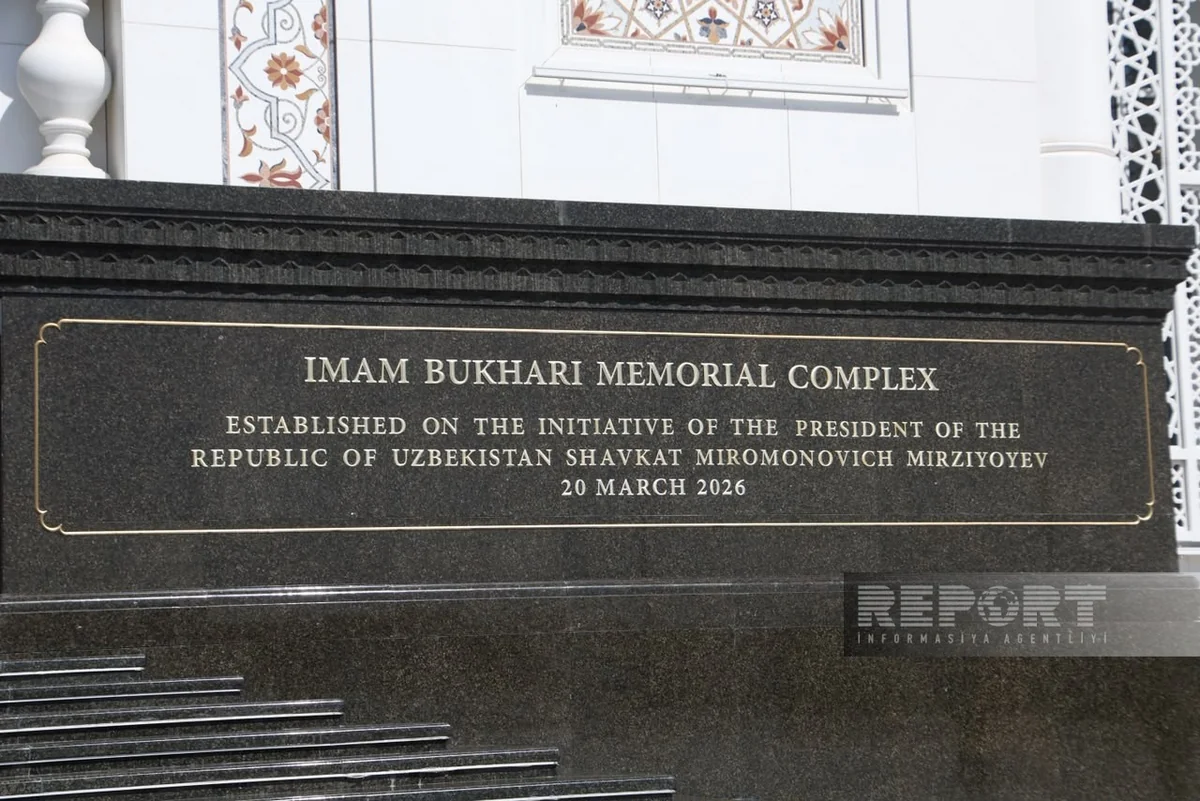
In 2021, a large-scale reconstruction began at the initiative of President Shavkat Mirziyoyev. The renovated complex opened in March 2026, expanding to 44–45 hectares and becoming one of the largest cultural and religious projects in Central Asia.
Today, the complex can accommodate up to 65,000 visitors per day and has become a major spiritual, cultural and educational center in the region.


Author

Photo