 Baku 19° C
Azerbaijani journalists visit Shah-i-Zinda complex in Samarkand
- 20 August, 2026
- 16:52
Stay up to date with the top news!
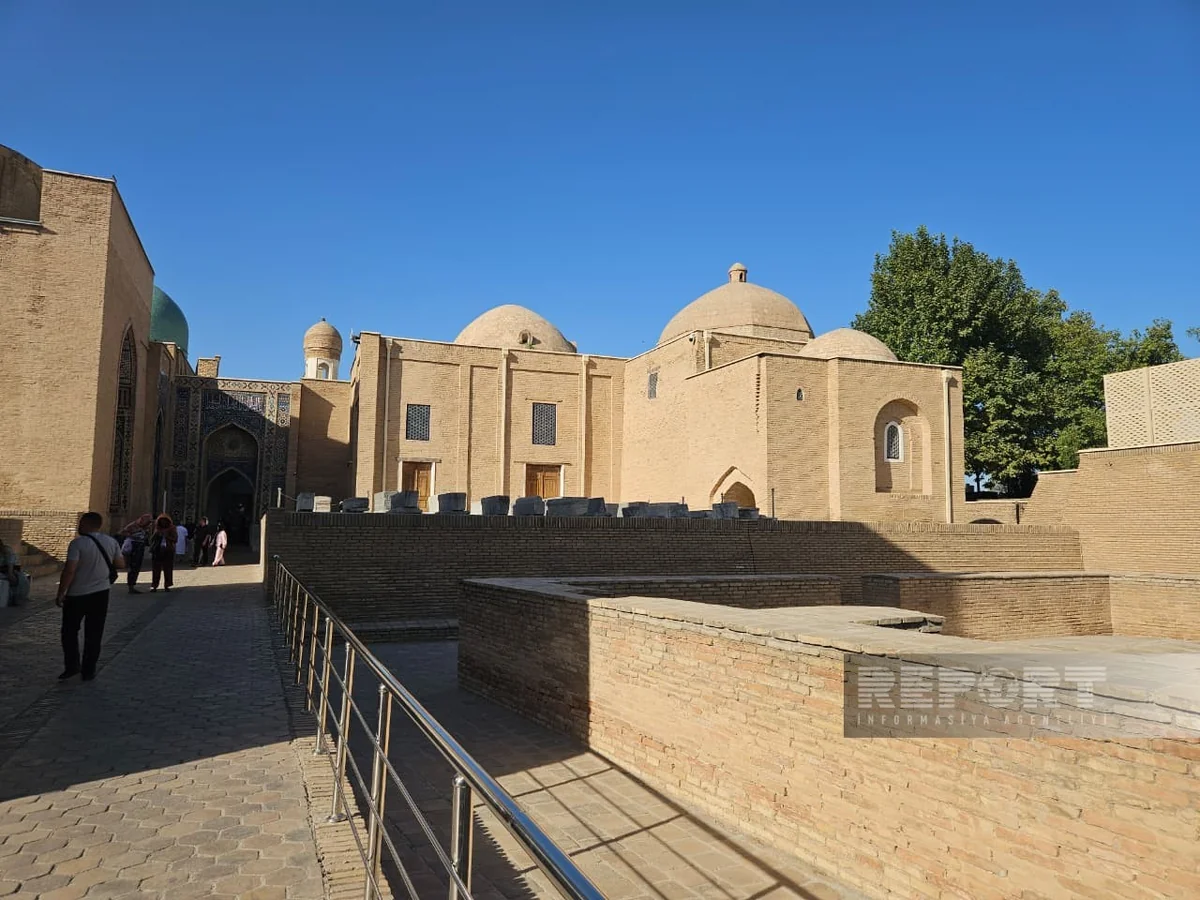
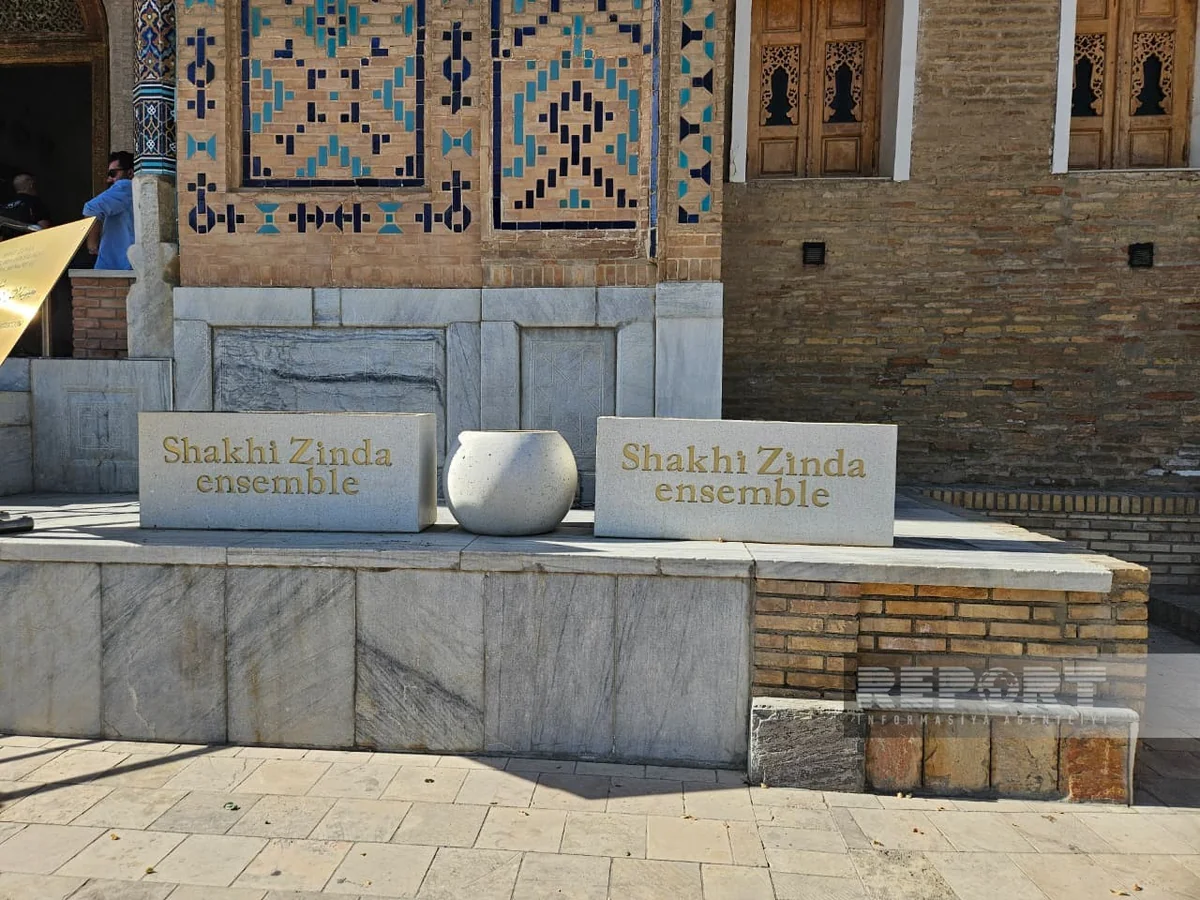
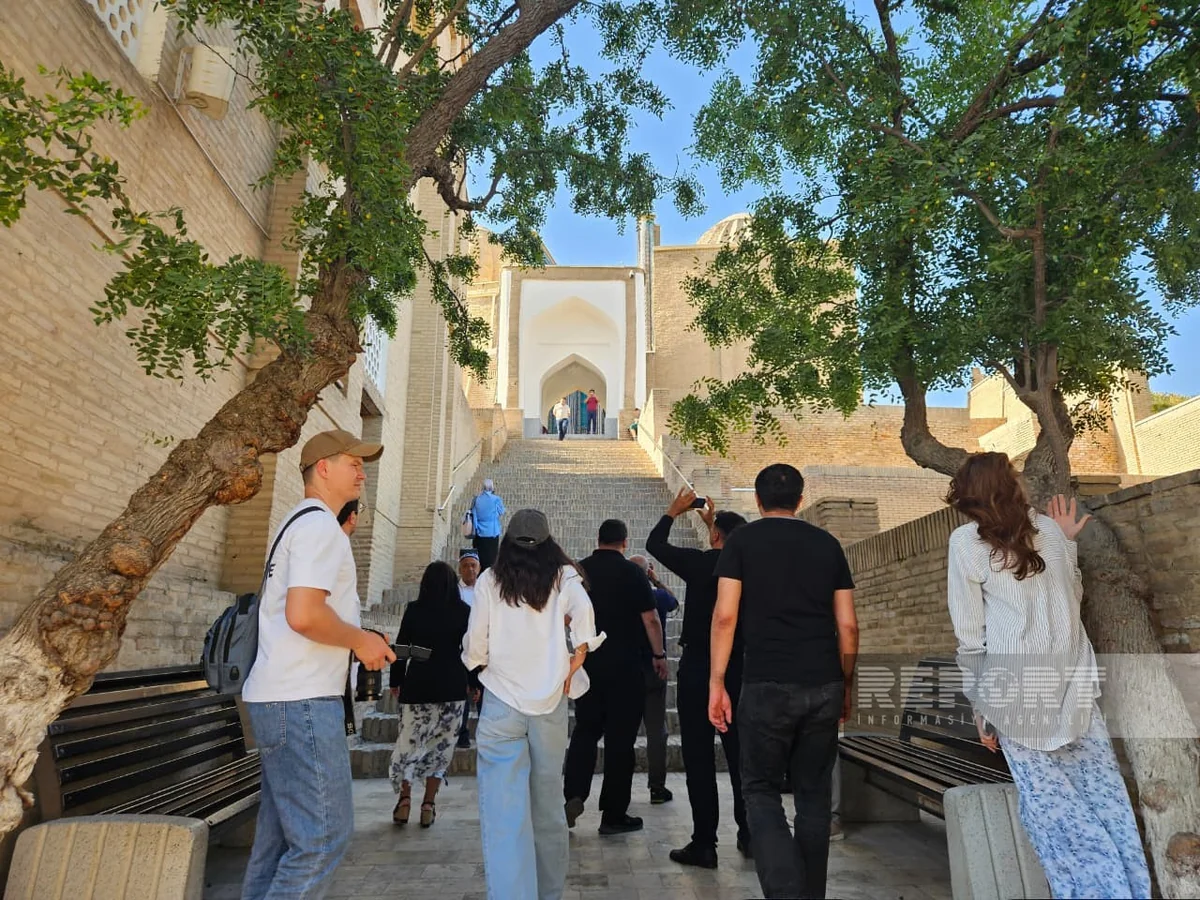
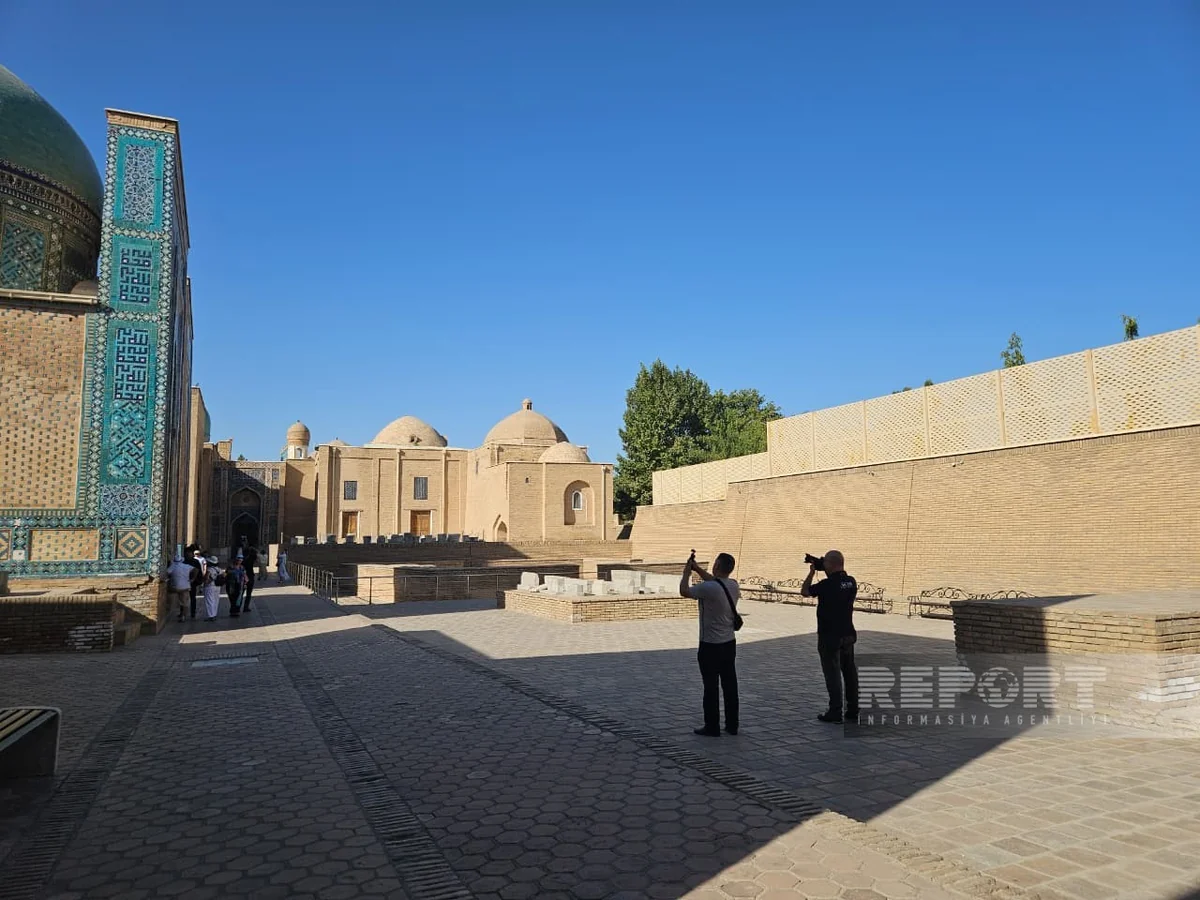
Azerbaijani media representatives have visited the Shah-i-Zinda complex in Samarkand as part of a media tour of Uzbekistan, according to a Report correspondent in Samarkand.
During the visit, journalists were informed that the name "Shah-i-Zinda" translates from Persian as "Living King." The origin of the name traces back to the legend of Qutham ibn Abbas, a cousin of the Prophet Muhammad (pbuh), whom historical sources and local legends indicate as the one who arrived in Samarkand in the 7th century to spread the Islamic faith. According to legend, after being attacked while praying, he descended into an underground garden with his severed head, where he continues to reside to this day. This legend formed the foundation for the name of the entire architectural complex.
The media tour participants were briefed that the complex began to take shape about nine centuries ago. The first mausoleums appeared here as early as the 11th century, though the main part of the surviving structures dates back to the 14th and 15th centuries. Construction was particularly active during the reign of Amir Timur, when members of Timur's family and military nobility built mausoleums for their relatives and loved ones near the tomb of Qutham ibn Abbas.
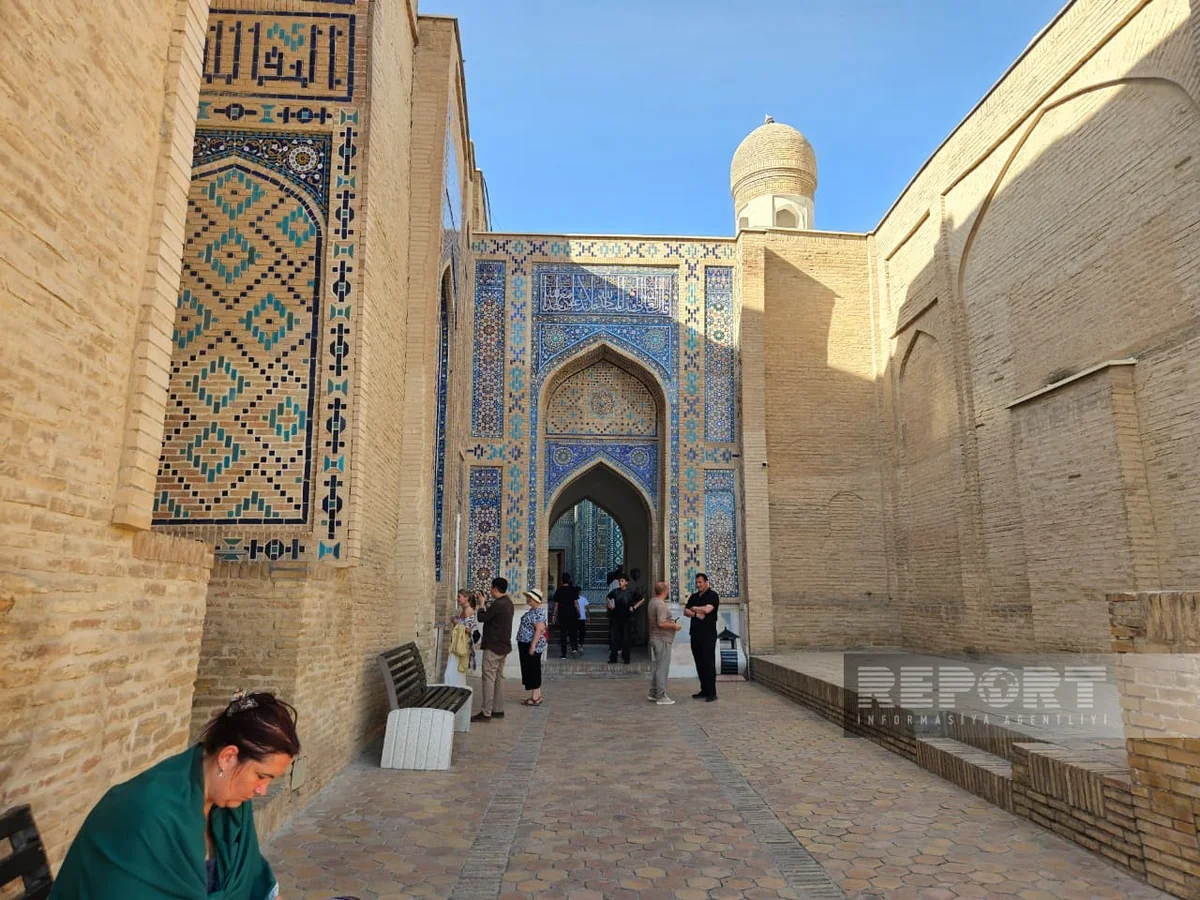
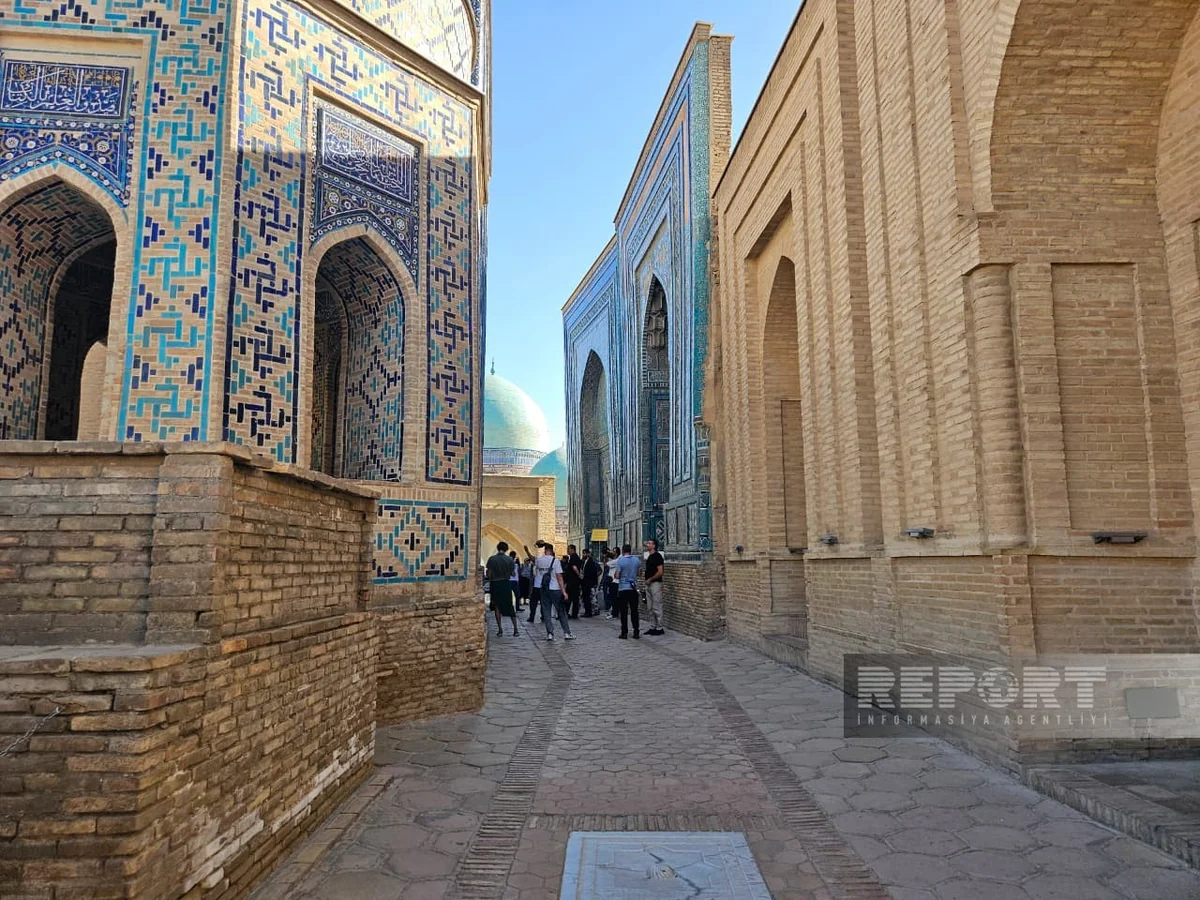
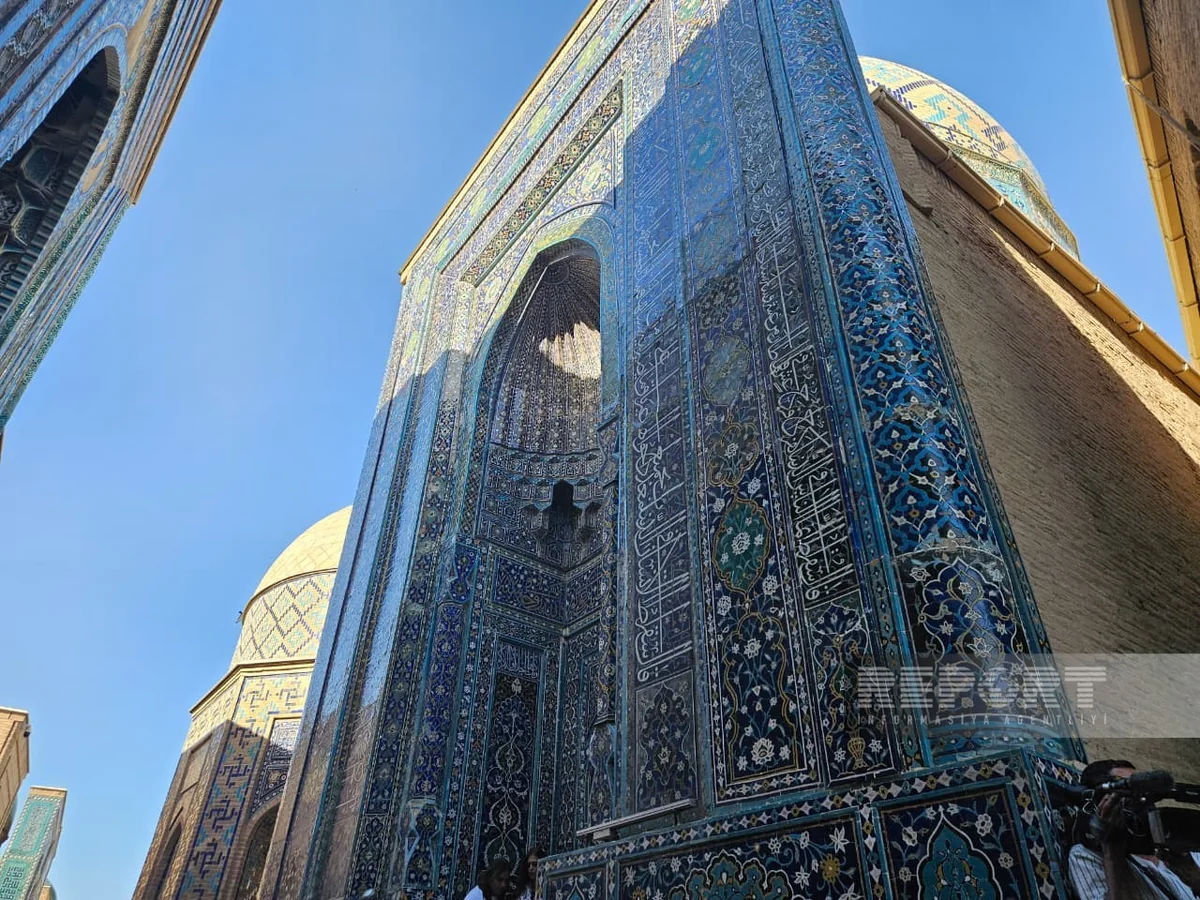
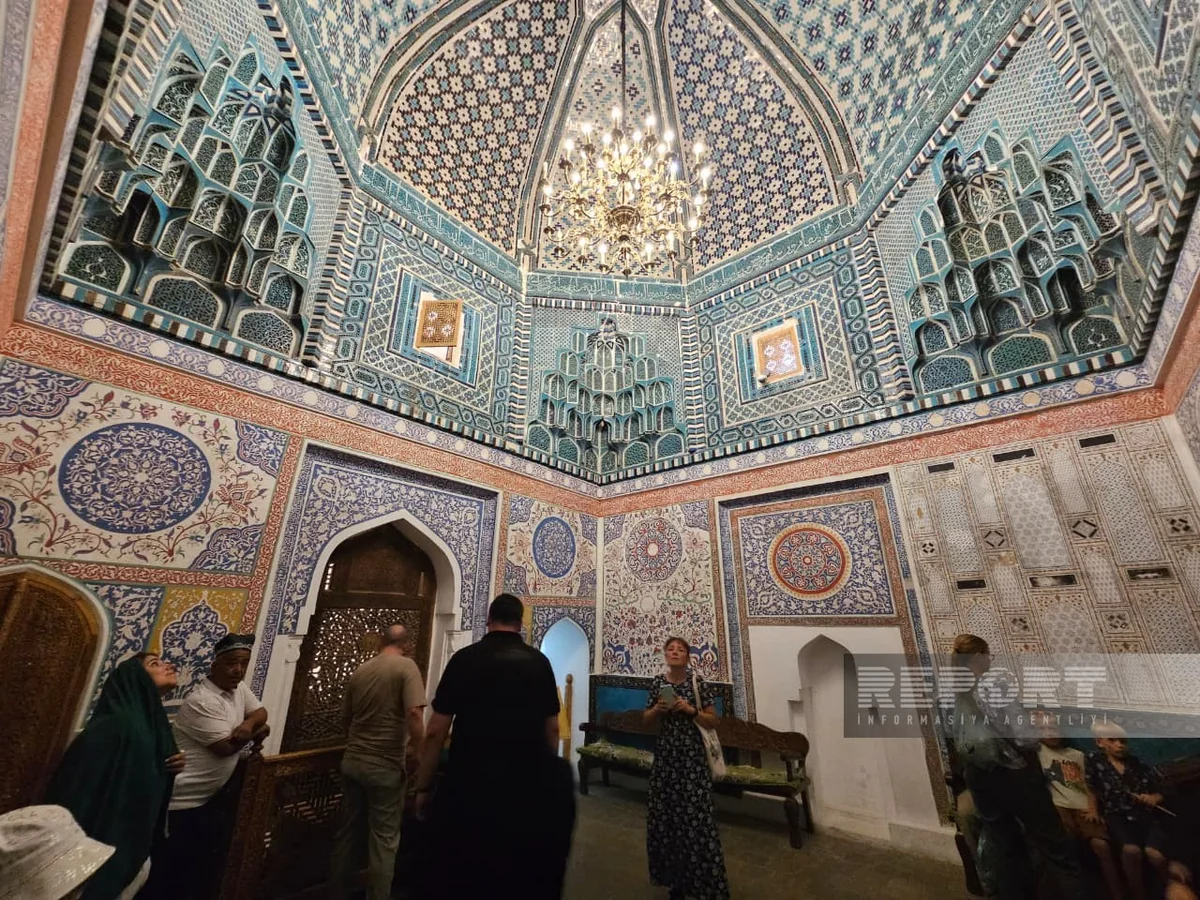
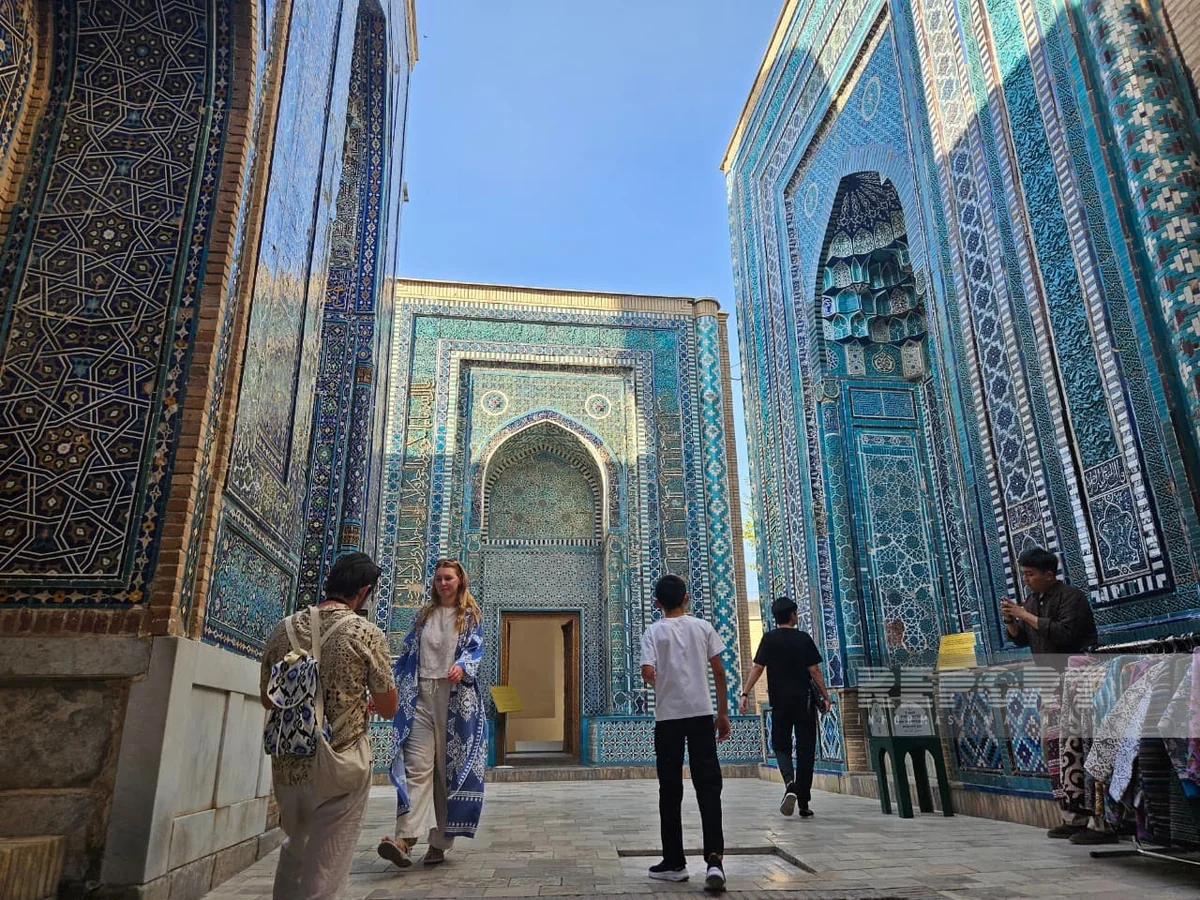
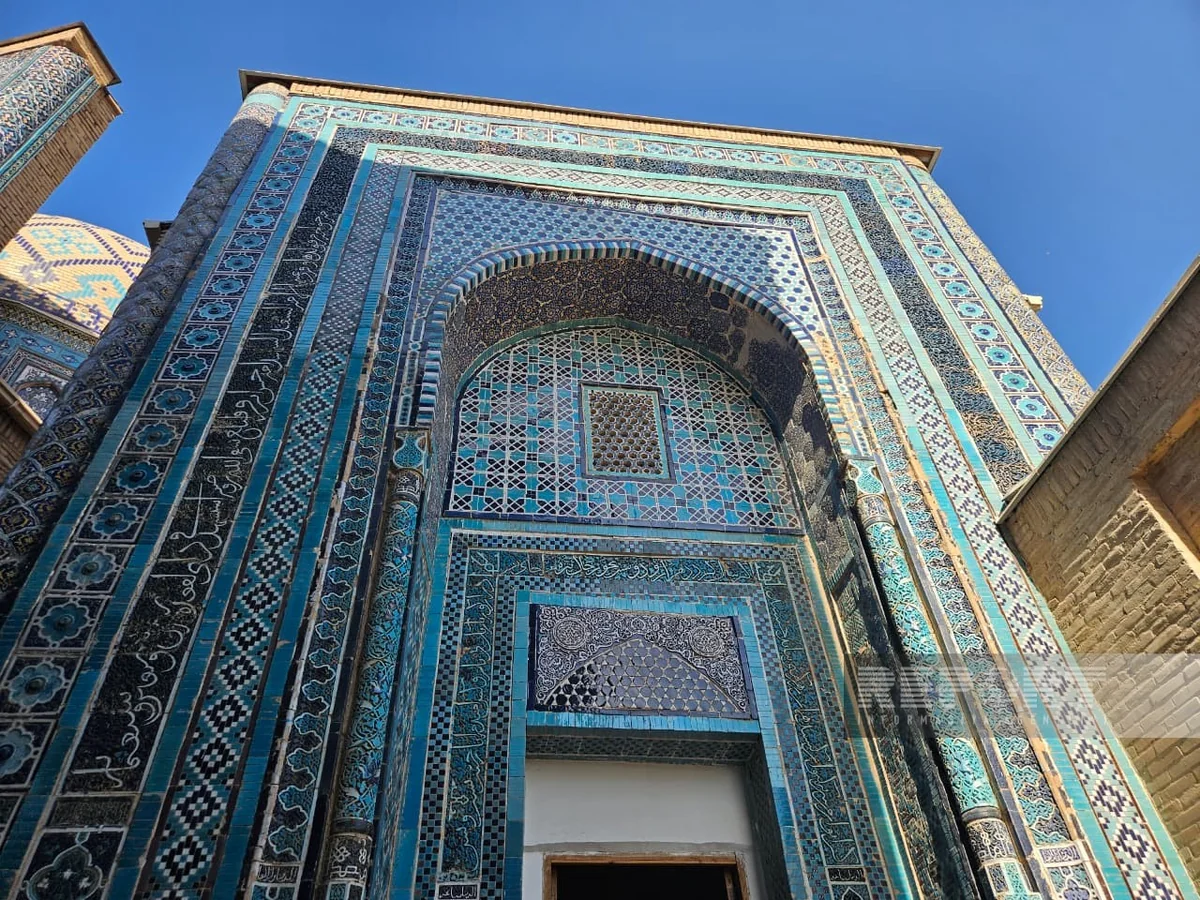
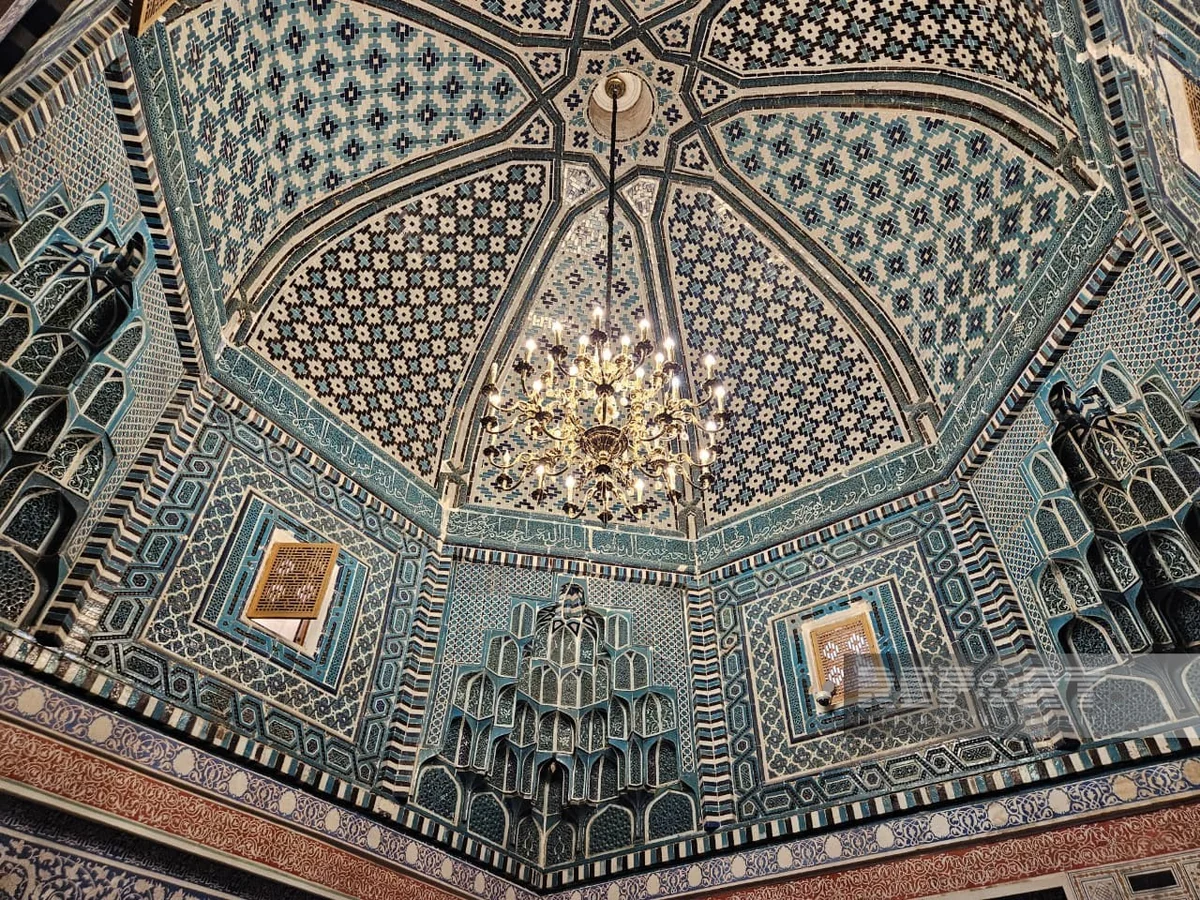
The Azerbaijani journalists were also able to examine in detail the artfully decorated facades of the mausoleums. The architectural complex is famous for its wide array of decorative techniques, including carved and glazed terracotta, majolica panels, polychrome glazing, and mosaic compositions. A significant portion of the buildings forms a unified architectural ensemble arranged as a gallery along the slope of the ancient settlement of Afrosiyob.
The participants were separately briefed on the history of Shah-i-Zinda's destruction and restoration. In the 13th century, a substantial part of the complex suffered damage following the Mongol invasion, with its revival beginning in the 14th century. Later, under Ulugh Beg, major architectural and planning works were carried out, including the creation of the lower entrance group of the complex.
Today, Shah-i-Zinda remains not only an outstanding architectural monument but also an active pilgrimage site. The media tour participants viewed the mausoleums associated with representatives of ruling dynasties and nobility, learning about the history of one of Samarkand's most distinctive architectural ensembles.