
 Baku 20° C
Ancient Samarkand and Bactrian gold: What the Islamic Civilization Center houses
- 24 August, 2026
- 18:01
Stay up to date with the top news!
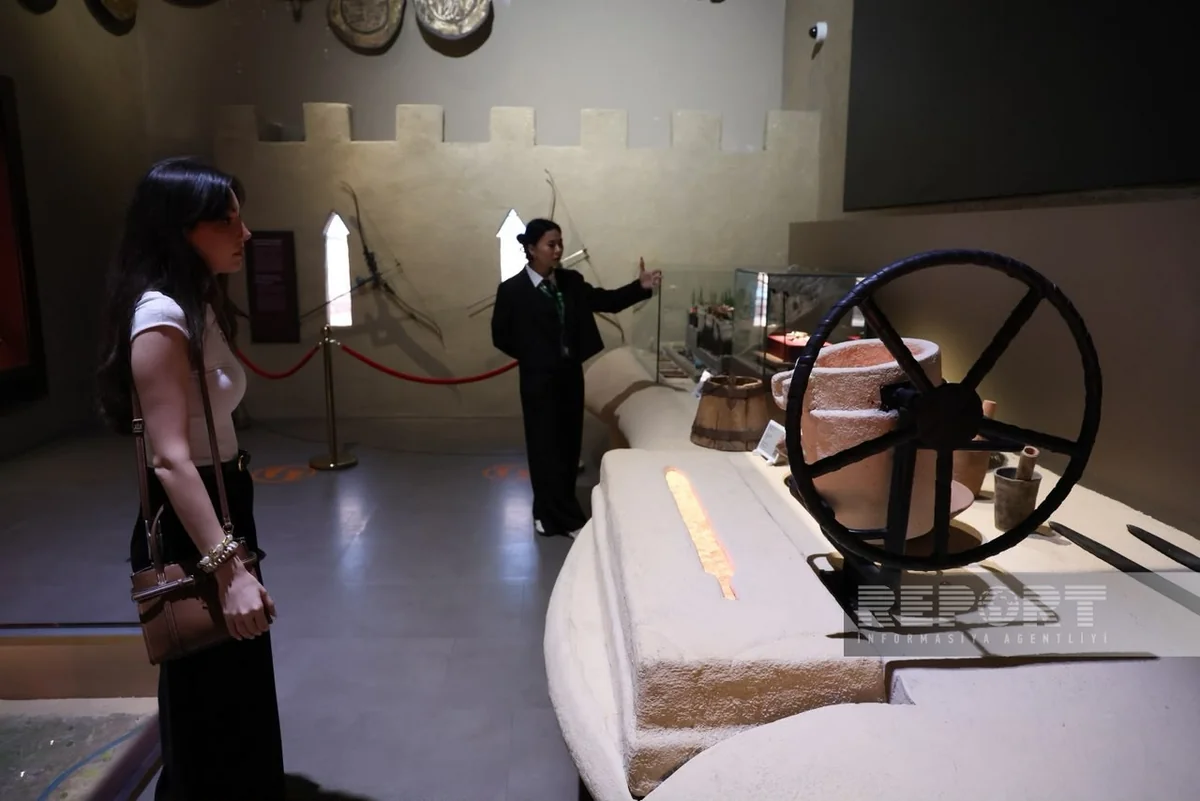
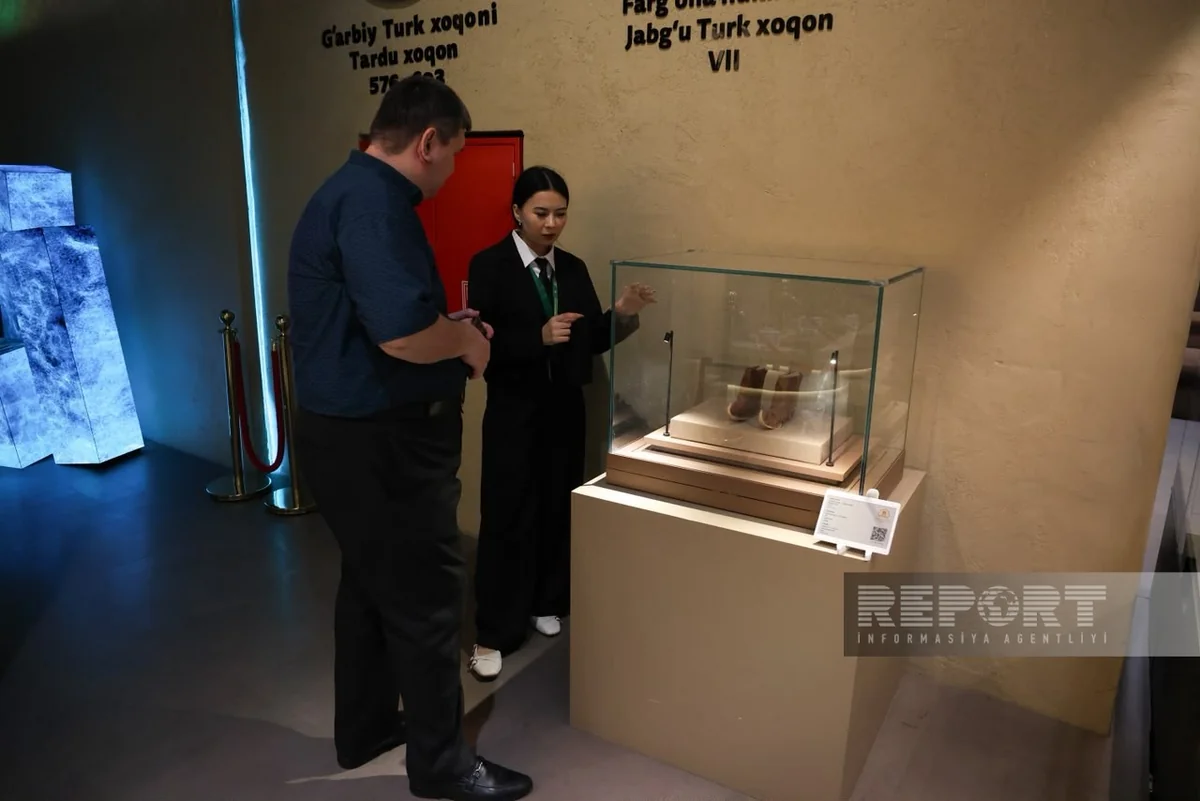
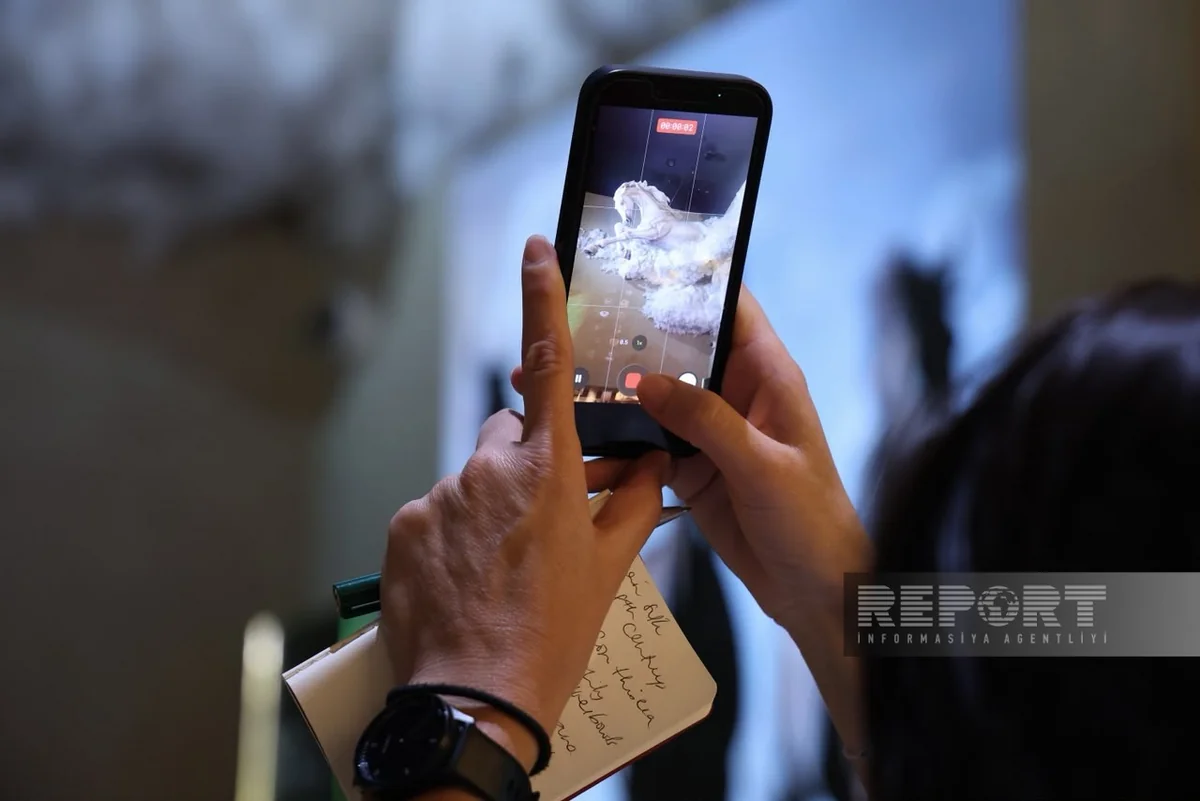
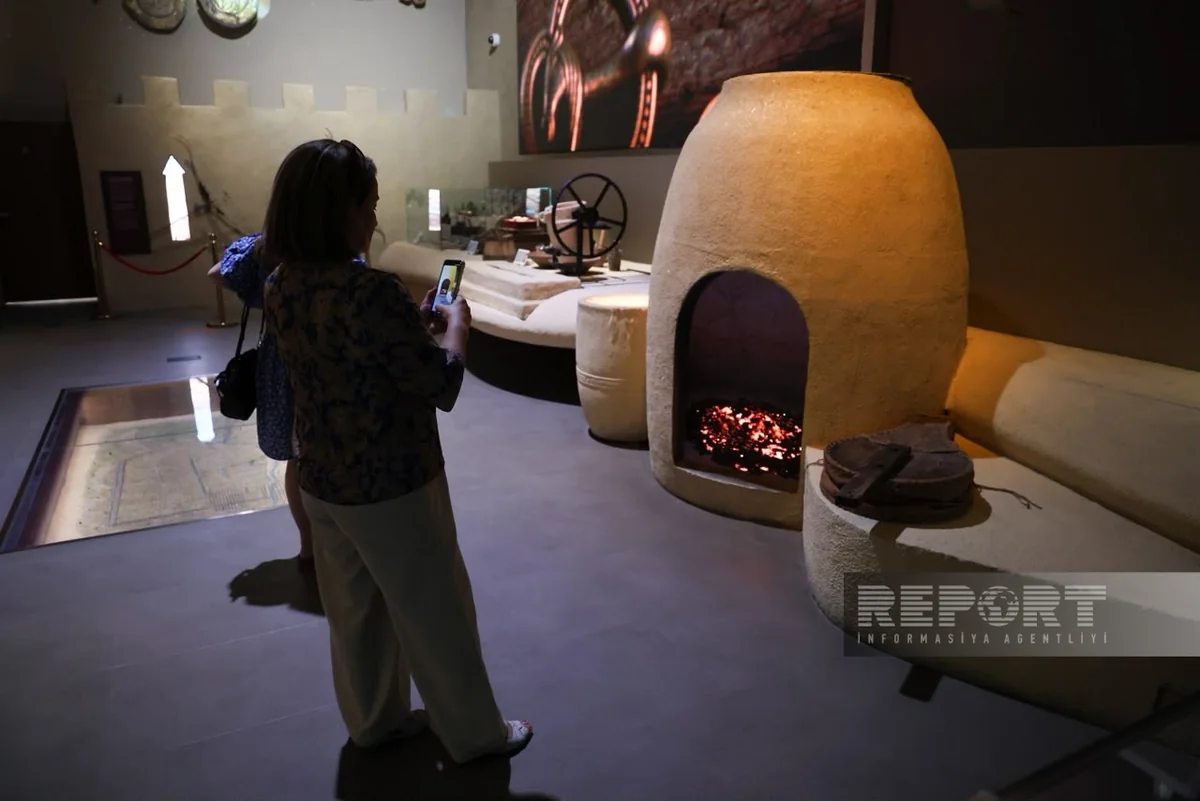
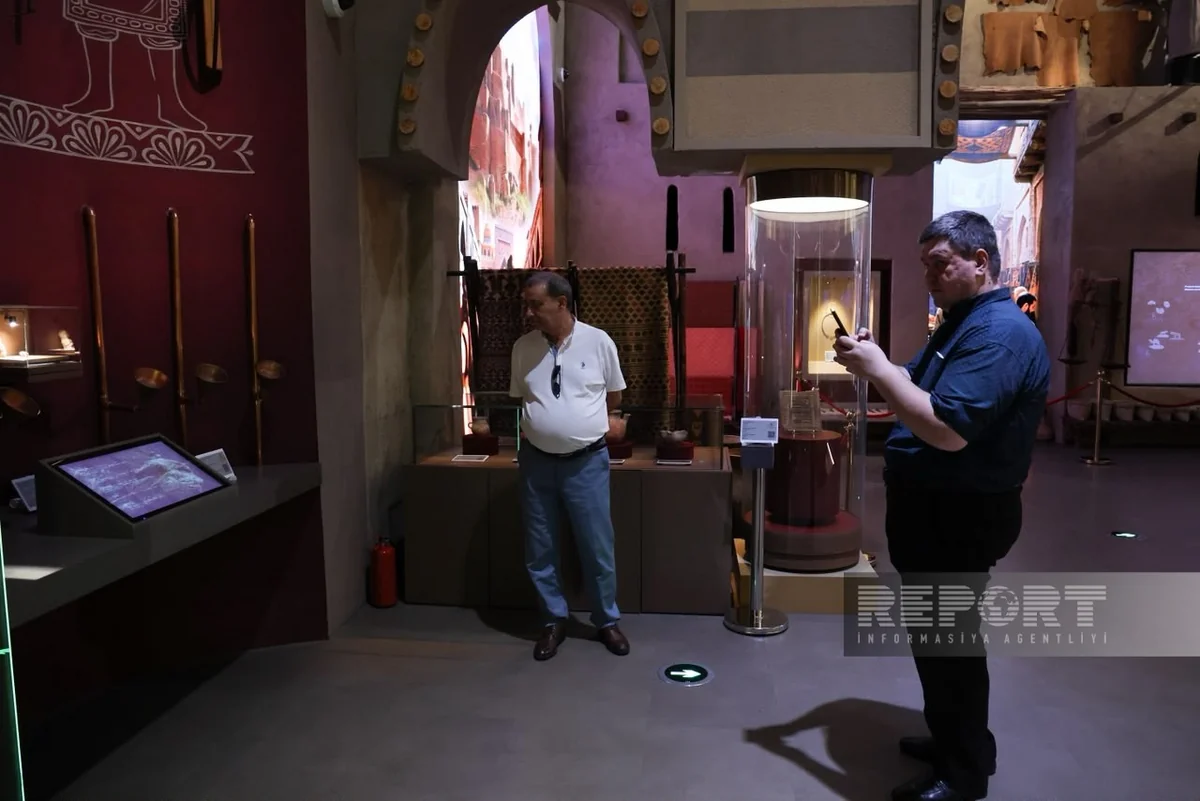
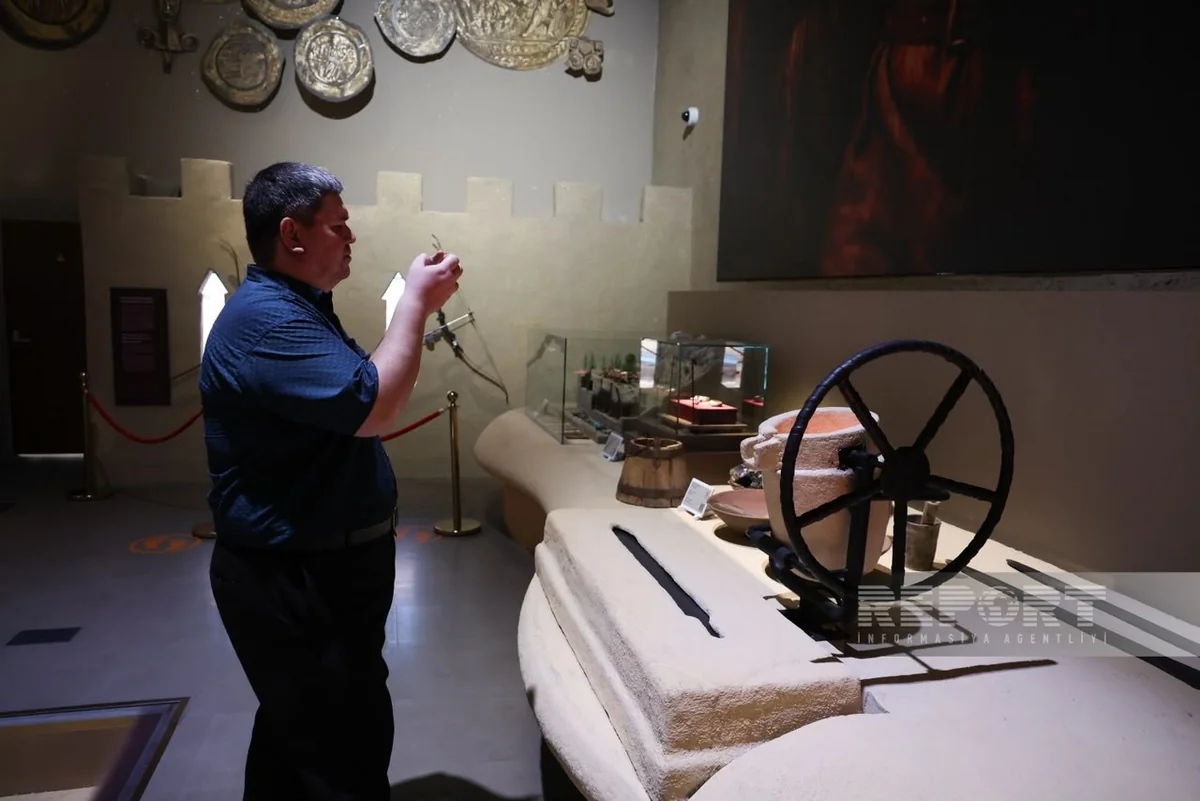
Azerbaijani journalists explored artifacts reflecting the centuries-old history, culture and scientific heritage of Central Asia at the Islamic Civilization Center in Tashkent.
According to Report's correspondent from Tashkent, during the tour they were told about the ancient civilizations of Central Asia, Zoroastrianism, Khorezm and Sogdiana, as well as the history of the Great Silk Road.
Particular attention was paid to exhibits related to ancient Samarkand, whose area was significantly larger than that of most early medieval cities.
The average early medieval city covered no more than 20 hectares, while the territory of ancient Samarkand had already reached 200 hectares at that time.
The journalists were also shown 25 original examples of Sogdian textile art-four silk robes and 21 fabric fragments. Characteristic motifs of Sogdian art included depictions of two lions or peacocks facing each other. Such compositions reflected beliefs about the struggle between good and evil.
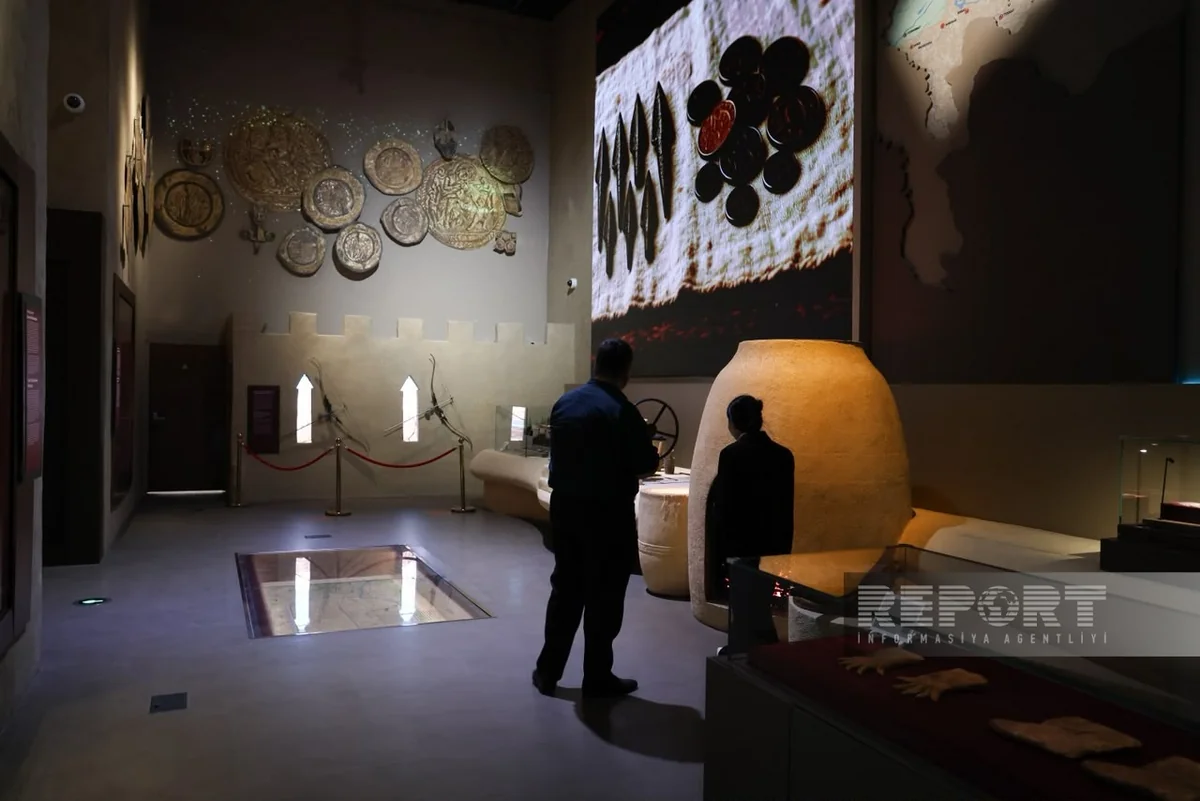
A separate section of the exhibition is dedicated to the Great Silk Road. Using interactive technologies, visitors can trace its route from China to the Mediterranean, learn which cities it passed through and what goods were transported along it. Among the historic trading centers featured are Tabriz and Baku.
The Azerbaijani journalists also viewed original examples of Bactrian gold, ancient writing artifacts, archaeological discoveries and other artifacts, many of which are several thousand years old.
Author