Baku 23° C
Chatham House analyst: USA and France have minimum interest in Karabakh conflict
- 18 January, 2018
- 07:38
Stay up to date with the top news!
Baku.18 January. REPORT.AZ/ “Nagorno-Karabakh conflict negatively affects on a whole range of geopolitical and investment risks in the South Caucasus region. Accordingly, if the region has quite favorable conditions for attracting investors, natural resources, good geographical location, then due to the conflict, it definitely deprives all these opportunities as there is a risk of escalation of the conflict.”
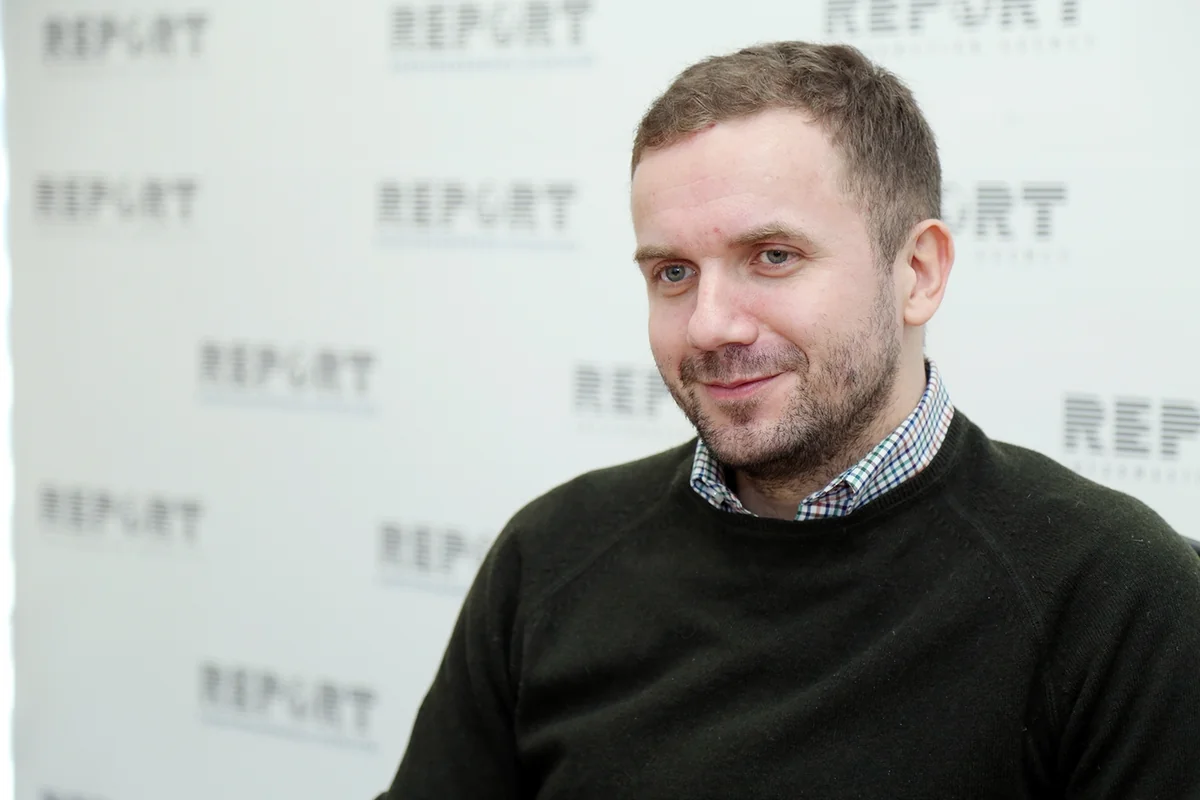
Royal Institute of International Affairs, Chatham House analyst on Russia and Eurasia programme, Stanislav Pritchin told Report.
He said, Karabakh is a long term conflict in terms of regional security. “It negatively affects on all aspects of life both in terms of development of economy and political stability.”
Analyst said that absence of such conflict would be ideal for Russia and everyone as a whole. He said that distrust of the parties to each other and at times conscious high expectations from each sides on the resolution of the conflict makes impossible to bring the parties closer together.
“Unfortunately, here we have a clinch which is not yet visible how to resolve without systematic work on decreasing the tension and mutual de-escalation of situation, preparing public opinion to make concessions for resolution of the conflict,” said S.Pritchin adding that preparation of public opinion for mutual concessions is a key moment for resolution.
He said Nagorno-Karabakh conflict is unique conflict in post-Soviet space, as OSCE Minsk Group chair countries- USA, France and Russia have common position.
“We can’t say that the West supports one side and Russia - another side. There are no external inconsistencies between the West and Russia on this issue. Yes, USA and France have minimum interest in this conflict, it is not priority for them. Even April events in 2016 showed that the conflict situation for them is a trigger to activate the players. The main negotiation processes were organized by Russia and not in the framework of OSCE Minsk Group Co-Chairmanship,”- said Chatham House analyst.
Author